
TÜRK ENDODONTİ DERNEĞİ 8. Uluslararası Endodonti Sempozyumu
|
|
|
- Yeter Yerli
- 7 yıl önce
- İzleme sayısı:
Transkript

1 rombtğtopy 1
2 TÜRK ENDODONTİ DERNEĞİ 8. Uluslararası Endodonti Sempozyumu 2
3 3
4 İÇİNDEKİLER Kurullar... 5 Konuşma Özetleri Sözlü Bildiriler Poster Bildirileri
5 YÖNETİM KURULU Başkan Prof. Dr. Mehmet Baybora Kayahan Sekreter Prof. Dr. Jale Tanalp Sayman Prof. Dr. Handan ErsevÜye Prof. Dr. Faruk Haznedaroğlu Üye Prof. Dr. Hesna Sazak Öveçoğlu Üye Prof. Dr. Sema Belli Üye Prof. Dr. Meltem Çolak Sempozyum Başkanı Prof. Dr. Oğuz Yoldaş BİLİMSEL KURUL Prof. Imad About Assoc. Prof. Ibrahim Abu Tahun Prof. Dr. Tayfun Alaçam Prof. Dr. Sema Belli Prof. Josette Camilleri Dr. Antonis Chaniotis Prof. Dr. Kemal Çalışkan Prof. Dr. Meltem Çolak Prof. Dr. Seçkin Dindar Prof. Dr. Raif Erişen Prof. Dr. Faruk Haznedaroğlu Prof. Henry Kim Prof. Dr. Işıl Küçükay Prof. Dr. Sedat Küçükay Dr. Gopi Krishna Assoc. Prof. Sanjay Miglani Assoc. Prof. Mohammad Nekoofar Prof. Dr. Hesna Sazak Öveçoğlu Prof. Dr. Ahmet Serper Prof. Dr. Jale Tanalp Prof. Dr. Oğuz Yoldaş 5
6 KONUŞMA ÖZETLERİ 6
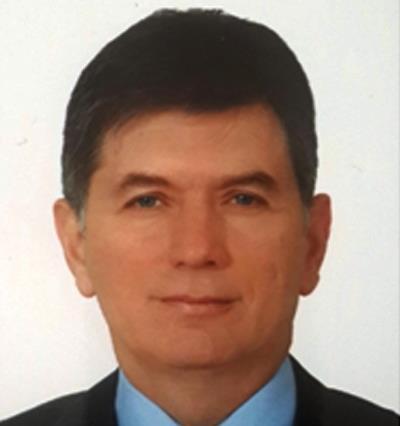
7 Prof. Dr. Ali Cemal Tınaz ÖZGEÇMİŞ 1967 de Aydın da doğdu, 1984 yılında girdiği Gazi Üniversitesi Diş Hekimliği Fakültesinden 1989 da mezun oldu, yıllarında serbest diş hekimliği yaptı ve askerlik hizmetini tamamladı yılında başladığı doktora çalışmalarını 1998 de tamamlayarak Öğretim Görevlisi kadrosuna atandı yılında Yrd Doç, Mart 2003 de Üniversite Doçenti unvanını aldı. Aralık 2008 de Profesör lük kadrosuna atandı. Amerika birleşik Devletlerinde yayınlanan Contemporary Dental Practice ismili dergide hakem olarak çalışmaktadır. Türk ve Avrupa Endodonti Derneği Üyesidir. Halen Gazi Üniversitesi Diş Hekimliği Fakültesi Endodonti Anabilim dalında öğretim üyesi görevini yürütmektedir. Evli ve iki çocuk babasıdır. CURRICULUM VITAE He was born in Aydın at He graduated from Gazi University school of Dentistry at the year At the year 1989 to 1992 he work as a dentist in a private clinic and done his military service. He finished his doctoral study at 1998 and appointed as lecturer. In 2002, he became assistant professor and he became associate professor in March He became professor in December He is member of editorial board of Contemporary Dental Practice which is published in USA. He is the member of European Endodontic Society. He is still lecturer in Gazi University Dental Faculty department of Endodontics. He is married and has two children. 7
8 KONUŞMA ÖZETİ KÖK KANAL DOLGUSUNUN ÖNEMİ VE FELSEFESİ Başlangıç yıllarında başarılı bir kök kanal tedavisi elde etme birbirleri ile eşit öneme sahip olan kök kanalının tamamen temizlenmesi, tam bir dezenfeksiyon sağlama, iyi ve yeterli bir tıkamaya atfedilirdi. Günümüze geldiğimizde ise kök kanal tedavisinin başarısı daha modern ve geniş yaklaşımlarla değerlendirilir oldu. Hastalık teşhisi tedavi planı, anatomi ve morfoloji bilgisi, geleneksel artık arındırılması ve baştan sona kök kanalının dezenfeksiyonu, kanal dolgusu, koronal final diş restorasyonu ve apikal bölge patolojinin olması durumunda iyileşmenin üç boyutlu görüntüleme sistemleri ile takibi bugünün modern ve geniş başarı değerlendirmeleri arasında sayılabilir. Bu sunumda, kök kanal dolgusunun tarihsel gelişimi ve felsefesi, doldurma zamanı, kök kanal dolgusunun uzunluğu ve kanalların hazırlanması, kök kanal dolgusu için ideal yöntem ve kanal patları(?) tartışılacaktır. Tarihsel açıdan bakıldığında 18oo lü yıllarda kanal dolgusu altıla yapılırdı. Sonradan değişik başarı oranlarının elde edildiği gümüş, farklı metaller, parafin ve amalgam gibi değişik maddeler kullanıldı yılında Hatton isimli diş hekimi kanal teadvisinin felsefesini ve kendine özgün yapısını Diş hekimliğinde ve cerrahide belki de kök kanal dolgusu kadar yüksel ideallerin ve vicdanın birbirine sıkı sıkıya bağlı olduğu başka bir operasyon yoktur diyerek altını çizdi. Kanal dolgu zamanına gelince, hastada tamamen vital ya da kısmi vitalitenin olduğu ve nekrotik kanallı fakat apikal patolojinin olmadığı veya nekrotik kanallı periapikal hastalığın asemptomatikapikalperiodontitis, kronik apikal apse ve kondensingosteitis gibi belirtisiz seyrettiği hastalarda tek seans kanal tedavi uygulamaları kabul edilmektedir. Endodontinin hala tartışma konularından bir tanesi de kök kanal uygulamalarının ve kanal dolgusunun apikal bölümde sonlanacağı noktadır. Günümüze gelinceye kadar karmaşık kök kanal sisteminin doldurulması için bir çok malzeme kullanılmıştır. Bir çok teknik bir ana dolgu maddesi ve kanal patına mutlaka yer vermektedir. Kullanılan ana kanal dolgu maddesi göz ardı edilecek olursa kanal patları bütün tekniklerde vardır ve apikal sıvı sızıntısını önleme konusunda en önemli yardımcı malzeme olduğu düşünülmektedir. Son olarak bu sunumda, enjecte edilebilen vertikalkompaksiyon tekniği diğer tekniklerden biraz daha fazla tartışılacaktır. IMPORTANCE AND PHILOSOPY OF OBTURATING ROOT CANAL SYSTEM Obtaining successfully endodontic therapy was initially depended on debridement, thorough disinfection, good and sufficient obturation, with all objects equally important. To date, successful root canal treatment is based on comprehensive approaches. These include diagnosis and treatment planning; knowledge of anatomy and morphology; the traditional concepts of debridement, thorough disinfection, and obturation; the coronal restoration, and three-dimensional imaging of the healing of teeth with preexisting periapical pathosis. In this lecture is going to be discussed these subjects; history and philosophy of obturation, timing (one-visit versus multiple-visit), length and preparation of obturation and, methods and sealers for ideal root canal filling (?). 8
9 Historically, root canal filling was gold around Subsequent, obturation materials with various metals, paraffin, and amalgam resulted in various degrees of success. Hatton said and emphasized of philosophy obturation: Perhaps there is no technical operation in dentistry or surgery where so much depends on the conscientious adherence to high ideals as that of pulp canal filling. in Single-visit root canal treatment procedures are acceptable when the patient exhibits a completely or partially vital pulp and presents with pulp necrosis with or without asymptomatic periradicular pathosis (asymptomatic apical periodontitis, chronic apical abscess, condensing osteitis). One of the discussingissues in endodontology that remains vague is the apical terminal point of root canal treatment and obturation. Numerous endodontic materials have been promoted for filling of the complex root canal system. Most techniques advocate a core material and sealer. It is thought that, regardless of the core material, a sealer is essential to every technique and assists achieve a fluid-tight seal. In this presentation, heating of gutta-percha outside the tooth and injecting the material into the canal (thermoplastic injection and vertical compaction technique) will be focused more than slightly others. 9
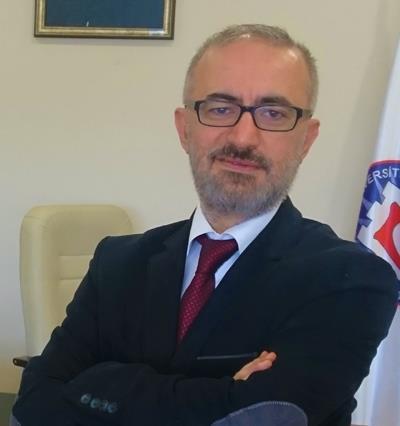
10 PROF. DR. ALİ ERDEMİR ÖZGEÇMİŞ 1971 de Konya da doğdu yılında Selçuk Üniversitesi Diş Hekimliği Fakültesi nden mezun oldu yılında aynı fakülte de Endodonti Anabilim Dalı doktorasını tamamladı. Kırıkkale Üniversitesi Diş Hekimliği Fakültesi Endodonti Anabilim Dalı nda 2004 yılında Yardımcı doçent, 2006 yılında Doçent ve 2011 yılında Profesör ünvanlarını aldı yılından beri Kırıkkale Üniversitesi Diş Hekimliği Fakültesi dekanlığını yürüten Ali Erdemir iki çocuk babasıdır. CURRICULUM VITAE He was born in 1971 in Konya. He graduated from Selçuk University Faculty of Dentistry in In 2002, he completed his PhD in Endodontics Department at the same faculty. He received the title of Assistant Professor in 2004, Associate Professor in 2006 and Professor in 2011 at Kırıkkale University Faculty of Dentistry Department of Endodontics. Ali Erdemir who has been the dean of the Kırıkkale University Faculty of Dentistry since 2014, is the father of two children. KONUŞMA ÖZETİ APEKSTEN KORONALE BAĞLANMA Dişlerin kök kanal tedavi başarısının yanı sıra, uzun süreli klinik başarı için başarılı bir son restorasyon da önemlidir. Endodontik tedavi prosedürleri sırasında radiküler ve koronaldentin kök kanalındaki irrigasyon solüsyonlarına, antimikrobiyal ajanlara ve gutta-perka çözücülere maruz kalmaktadır. Bu solüsyonlar dentin yüzeyinin kimyasal kompozisyonunu değiştirebilir. Bu ajanların kullanımı, kök kanal dentininebağlanmayı olumsuz yönde etkileyebilir. Ek olarak, kök kanal sisteminin kemo-mekanik preparasyonu sırasında, kök kanal duvarında smear tabaka denilen amorf ve düzensiz bir tabaka oluşabilir. Organik pulpa kalıntıları, inorganik dentinartıkları, mikroorganizmalar ve bunların yan ürünleriniiçeren smear tabakasının 10
11 uzaklaştırılması, irrigasyon solüsyonlarınınantibakteriyel aktivitesini ve endodontikkök kanal dolgu materyallerinindentintübülleri içine nüfuz etmesini artırmak için önerilmiştir. Kök kanalındaki irrigasyon solüsyonlarının etkinliğinin irrigant aktivasyon / dağıtım teknikleri kullanılarak arttırılabileceği gösterilmiştir. İrrigasyon aktivasyonu için farklı tekniklerin kullanılması, restorasyonlarındentinebağlanma dayanımlarını artırmak için uygun alternatif teknikler olabilir.dentinbonding ajanların ve akıcı kompozitrezin kullanımının, restorasyon ve diş yapısı arasında sürekli bir hibrid tabaka oluşturarak büzülme kuvvetlerine direneceği varsayılmaktadır. Kök kanal dolgulu dişlerde polietilen fiberlerin kullanılması kırılma direncini artırabilir. BONDING FROM APEX TO CORONAL Besides the success of root canal treatment of teeth, a successful final restoration is also important for long-term clinical success. During endodontic treatment procedures, radicular and coronal dentin are exposed to irrigation solutions, antimicrobial agents and gutta-percha solvents deposited in the root canal. Such solutions may alter the chemical composition of the dentin surface.use of these agents may have an adverse effect on adhesion to root canal dentin. In addition, during the chemomechanical preparation process of the root canal system, an amorphous and irregular layer,called smear layer, is produced on the root canal wall. The removal of smear layer, includingorganic pulpal remnants, inorganic dentinal debris,microorganisms and their by-products, has been recommendedto improve antibacterial activity of irrigationsolution and penetration of endodontic sealersinto the dentinal tubules. It was showed that the efficacy of irrigation solutionsin root canal could be increased by using irrigantactivation/distribution techniques. The use of different techniques for irrigant activation may be suitable alternative techniques to increase bond strengths of restorations. Use of dentin bonding agents and flowable composite resins are assumed to resist the contraction forces by forming a continuous hybrid layer between the restoration and tooth structure. Use of polyethylene fibre inroot filled teeth may be increased fracture strength. 11
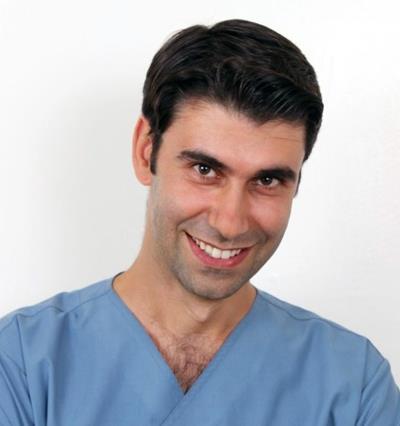
12 DOÇ. DR. ALPER KUŞTARCI ÖZGEÇMİŞ Cumhuriyet Üniversitesi Diş Hekimliği Fakültesinden 2002 yılında mezun oldu ve aynı üniversitede 2003 yılında Endodonti Anabilim Dalında doktora eğitimine başladı. Doktorasını 2007 yılında tamamladı ve 2008 yılında Yardımcı Doçent olarak atandı. Bu süreçte; lisans/doktora eğitimleri, konferanslar ve klinik uygulamalara katıldı. Doçent ünvanını 2012 yılında aldı yılından itibaren Akdeniz Üniversitesi Diş Hekimliği Fakültesi Endodonti Anabilim Dalında kıdemli eğitmen ve Doçent olarak çalışmaktadır. Dr. Kuştarcı nın 70 in üzerinde bilimsel makalesi bulunmaktadır ve birçok ulusal ve uluslararası dergilerde hakem ve editör olarak görev yapmaktadır. European Society of Endodontology, ve Türk Endodonti Derneğinin aktif bir üyesidir. Klinik araştırmalar, geniş periapikal lezyonlar, lazer ve rejeneratif endodonti ve ilgi alanlarıdır. CURRICULUM VITAE Dr. Kustarci graduated from the Dental Faculty of Cumhuriyet University in 2002 and started his PhD in the department of Endodontics at the same university. He received his PhD in 2007 and in 2008 he became Assistant Professor and spending his time teaching, giving lectures and participating in the faculty practice. He was conferred on the title of Associate Professor in From 2013 he is working in the Department of Endodontics at the Akdeniz University as Senior Lecturer. Associate Professor Dr. Kustarci has authored over 70 scientific articles, and serves as a reviewer/board member/editor to many national and international journals. He is an active member of a number of professional organizations including the European Society of Endodontology, and the Turkish Society of Endodontics. His academic interests include clinical research on endodontic techniques, large periapical lesions, laser and regenerative endodontics. 12
13 KONUŞMA ÖZETİ GENİŞ PERİAPİKAL LEZYONLARIN CERRAHİ OLMAYAN ENDODONTİK TEDAVİLERİ VE UZUN DÖNEM TAKİPLERİ Kök kanal sistemi enfeksiyonu diş çürükleri, cerrahi işlemler ve travma sonucu meydana gelmektedir. Pulpa ve periapikal bölge arasındaki sıkı ilişki mikroorganizmaların ve hücre komponentlerinin, periapikal bölgedeki inflamatuar proçesin başlamasına ve dokulardaki rezorbsiyonun aktive olmasına yol açmaktadır. Bu immünopatolojik mekanizmalar sonucu abse, granülom ve periapikal kist oluşmaktadır. Periapikal lezyonlar, bir yada daha çok sayıda dişi içine almaktadır. Geniş periapikal lezyonların tedavileri cerrahi olmayan endodontik tedavi, apikal cerrahi ve çekimdir. Günümüzde ilk olarak cerrahi olmayan endodontik tedavi düşünülmekte ve periradüküler patolojinin çözülmesinde bu tedavi başarısız olduğunda, cerrahi olmayan tekrarlayan tedavi yada periapikal cerrahi gibi ek opsiyonlar düşünülmelidir. Ayrıca periyodik takipler (radyografik ve klinik) çok önemlidir ve farklı değerlendirme araçları periapikal lezyonların iyileşmesinin takibinde kullanılabilir. NONSURGICAL ENDODONTIC TREATMENT AND LONG-TERM FOLLOW-UP OF LARGE PERIAPICAL LESIONS Infection of root canal system occurs subsequent to tooth caries, surgical treatments, and trauma. The close relation between pulp and periapical area allows microorganisms, and cell components with a path for initiating inflammatory processes in periapical area and activating resorption in the tissues. These immunopathological mechanisms lead to formation of abscess, granuloma, and periapical cyst. Periapical lesions may involve one or multiple adjacent teeth. The treatment options in large periapical lesions are non-surgical endodontic treatment, apical surgery and extraction. The current tendency is to initially offer nonsurgical endodontic treatment, and when this treatment does not succeed in resolving the periapical pathosis, additional options must be considered, such as nonsurgical retreatment or periapical surgery. Also, periodic follow-up examinations (radiographic and clinical) are very important and various assessment tools can be used to monitor the healing of periapical lesions. 13
14 DR. ANTONIS CHANIOTIS CURRICULUM VITAE Chaniotis Antonis graduated from the University of Athens Dental School, Greece (1998). In 2003 he completed the three-year postgraduate program in Endodontics at the University of Athens Dental School. Since 2003, he owns a limited to microscopic Endodontics private practice in Athens, Greece. For the last ten years, he served as a clinical instructor affiliated with the undergraduate and postgraduate programs at the University of Athens, Athens Dental School, Endodontic department, Greece. From 2012 to 2014 he served as Clinical fellow teacher at the University of Warwick, Warwick dentistry UK. He lectures nationally and internationally and he has published articles in International peer review Journals and textbooks. He currently serves as an active member of the Hellenic Society of Endodontology (ESE full member society), a certified member of the European Society of Endodontology (ESE) and international member of the American Association of Endodontists (AAE) KONUŞMA ÖZETİ MANAGEMENT OF SEVERE CURVATURES AND COMPLEX ANATOMY WITH CONTROLLED MEMORY FILES: A NEW APPROACH TO CREATE ENDODONTIC ARTWORK The root canal system is often a highly complicated canal network of multi-planar curvatures and anastomoses. Reaching the biological and design objectives of instrumentation in severely curved canals, deep apical splits and complicated canal systems can be an extremely challenging aspect of root canal treatment. The aim of this lecture is to introduce a novel instrumentation concept with Controlled memory and EDM files for the predictable and safe enlargement of extremely challenging root canal systems. 14
15 Learning objectives Upon completion of this course the participant should be able to: 1. Understand the design and biological objectives of canal instrumentation 2. Understand the anatomical complexity of the root canal systems 3. Investigate the minimum instrumentation requirements for effective disinfection 4. Implement a new instrumentation method with Hyflex CM and EDM for the predictable management of challenging anatomies 15

16 DOÇ. DR. EMRE NAGAŞ ÖZGEÇMİŞ Dr. Nagaş lisans ve Endodonti Uzmanlık eğitimini 2004 yılından beri Endodonti eğitimi verdiği, Hacettepe Üniversitesi'nde tamamlamıştır. Çok sayıda uluslararası bilimsel çalışması olan Dr. Nagaş, pek çok ulusal ve uluslararası dergide hakemlik ve yayın kurulu üyeliği yapmaktadır. Avrupa Endodonti Derneği, Uluslararası Dişhekimliği Araştırmaları Derneği ve Klinik İmmünoloji Derneği nin üyesidir. Dr. Nagaş, 2007 yılından bu yana Finlandiya Turku Üniversitesi Diş Hekimliği Enstitüsü Merkezi'nde misafir araştırmacı olarak ortak araştırma projeleri yürütmektedir. İmmünoloji yüksek lisans eğitimine devam eden Dr. Nagaş ın akademik ilgi alanları arasında; kök kanal preparasyon ve irrigasyon teknikleri, tekrarlayan endodontik tedaviler, endodontik immünoloji, vital pulpa ve periradiküler rejenerasyon tedavileri bulunmaktadır. CURRICULUM VITAE Dr. Nagaş received his Dental Degree and Specialty Degree in Endodontics from Hacettepe University, where he has been teaching and practicing Endodontics since Dr. Nagaş has authored numerous scientific articles, and serves as a reviewer/board member to many national and international journals. He is an active member of a number of professional organizations including the European Society of Endodontology, International Association of Dental Research and Clinical Immunology Society Dr. Nagaş has been carried out projects in University of Turku/Finland: Institute of Dentistry as a visiting researcher since He is currently pursuing a master's degree in immunology. His academic interests include clinical research on root canal preparation and irrigation, endodontic retreatment, endodontic immunology, vital pulp therapies and regenerative endodontics. 16
17 KONUŞMA ÖZETİ ENDODONTİ DE OYUNU KİM KAZANIR? TEK SEANS MI, ÇOK SEANS MI? Tek seans ve çok seans endodontik tedavi seçenekleri karşılaştırıldığında, kanıta dayalı uygulanabilir kararı vermek veyürütmek günlük uygulamalarda önemli bir basamaktır. Bu sunumda, tek seans ve çok seans endodontik uygulamalarının etkinlik ve güvenilirliğiyle ilgili bazı farklı görüşler değerlendirilecektir. WHO WINS THE GAME IN ENDODONTICS? SINGLE-VISIT OR MULTIPLE-VISIT TREATMENT? It is a critical step to drive and make feasible evidence-based decision-making for day-to-day practice when comparing the single- and multiple-visit treatment modes. This presentation will review some contradictory opinions that are the basis for the efficiency and reliability of single visit and multiple-visit endodontic treatments. 17
18 PROF. GHASSAN YARED CURRICULUM VITAE Professor Ghassan Yared is an endodontist practicing in Ontario, Canada. He completed his endodontic training at University Paris VII (France) and obtained his M.Sc. from the Lebanese University (Lebanon). Professor Yared has been extensively involved in teaching. He was Head of the Department of Endodontics at the Lebanese University. He joined the University of Toronto, Canada in 1999 for a full-time position as Director of the Endodontic Undergraduate Programme. He remained at that position as Associate Professor until summer Professor Yared has been elected for 4 consecutive years as the "Best Teacher of the Year", and has received the "Master Bruce Howard Award for Excellence in Teaching" the highest teaching award at the Faculty of Dentistry, University of Toronto. Professor Yared has supervised the research projects of graduate endodontic students at the University of Toronto and has published extensively in peer-reviewed international endodontic journals. He has given numerous lectures and continuous education courses worldwide. Professor Yared is a reviewer for the International Endodontic Journal, the Journal of Endodontics, Endodontic Topics, and for Oral Surgery, Oral Medicine, Oral Pathology, Oral Radiology and Endodontics. He is also a member of the Canadian Academy of Endodontology and the American Association of Endodontists 18
19 KONUŞMA ÖZETİ RECIPROC BLUE: EFFICIENCY THROUGH SIMPLICITY The concept of canal preparation with only one mechanical instrument used in reciprocation was introduced several years ago. Studies and clinical research have shown the efficiency and the safety of the Reciproc instrument in the preparation of the majority of canals without creating a glide path, and in the retreatment procedure. Reciproc blue, a thermally treated instrument, is an improved version of the original Reciproc instrument; it has an increased resistance to cyclic fatigue and a greater flexibility enabling a safer and smoother canal preparation procedure, and a wider range of clinical applications. Reciproc blue will be introduced in this presentation. The physical properties of this new instrument will be discussed with emphasis on their impact on the clinical applications. Preparation of the majority of the canals including 2 nd mesio-buccal canals in maxillary molars, and narrow and curved canals with only one Reciproc blue instrument without an initial canal negotiation and without a glide path will be described. The need to create a glide path in some canals with a reciprocating glide path instrument, R-Pilot, will also be discussed. 19
20 ASSOC. PROF. IBRAHİM ABU TAHUN CURRICULUM VITAE DDS, PhD Endodontics Department of Conservative Dentistry, The University of Jordan Dr. Ibrahim H. Abu Tahun is Associate Professor of Endodontics, Department of Conservative Dentistry, School of Dentistry, The University of Jordan. He is a 1982 graduate of University of Athens, Greece and received his PhD in endodontics at the Department of Endodontics at the same university in Dr. Tahun served in many capacities, such as founding president of the Jordanian Endodontic Society, founding president, Pan Arab Endodontic Society and President of Asia Pacific Endodontic Confederation and currently Chairman of the Educational Committee of APEC. As an active member of several organizations, Dr. Abu Tahun has received honors & appreciations and awarded the" International Globe Award" in Endodontics. He also served as Chairman of Higher Education Committee of the Jordan Medical Council, Chairman of the Scientific Committee and Chairman of Planning and Training committee of the Jordanian Board in Endodontics. Currently, Dr. Tahun is Honorary Diplomat of Indian Board of Endodontics. He is Editorial Board Member of several International Dental & Endodontic Journals and acted as external examiner, cognate and reviewer of (M.Sc. thesis), reviewer of several articles and published a number of scientific articles in elite international endodontic journals. 20
21 Dr. Tahun has also lectured extensively within Jordan and worldwide as invited and guest speaker and has presented a large number of hands-on courses in the field of root canal treatment. KONUŞMA ÖZETİ MAPPING OUT A COMPETENT TREATMENT STRATEGY While a successful endodontic treatment can be defined, a treatment failure is not equally well categorized and especially not in a way that it serves the clinical practice of dentistry. In this presentation, valid questions such as: "how long will root canal treatment last?" and what exactly does "long term" success mean? will be thoroughly addressed in addition tothe most important factors causing or predisposing to failure andthe overall success rates and evaluating criteria for treatment outcomes. As endodontic best practices change with time, at the end of this presentation, practitioners will be aware of such changes in understanding this complicated issue and provided with added knowledge to aid them in planning acompetent endodontic therapyand map out a successful strategy. 21
22 PROF. KHALED BALTO CURRICULUM VITAE Education: September 1994 June 2001 B.D.S. Faculty of Dentistry, King Abdulaziz University. Jeddah Saudi Arabia Clinical certificate: in the specialty of Endodontics Degree of :Doctor of Medical Sciences in Oral biology Harvard University, School of Dental Medicine and School of Medicine respectively with recognition. *1 Postdoctoral Training: 1994 General Residency Internship Residency, KAU and King Khalid National Guard Hospital 1996-June 2001 Research fellow, Department of Cytokine Biology. The Forsyth Institute June 2001 Endodontic fellow, Department of Endodontics. Harvard University, School of Dental Medicine. Current academic and clinical appointments: Appointment Date Remarks Professor and Consultant of Endodontics October 2011 University KAU 22
23 Assistant Professor and Consultant of Endodontics Associate Professor Chairman of Saudi Board in Endodontics of Western Region Deputy Director for Research Affairs Center of Excellence for Osteoporosis Research February 2002 November 2006 October 2007 January 2009 By the university council with recognition *2 University council 1* Krakaw award for outstanding research, clinical achievements and professionalism (appendix I) 2* Recognition of the scientific council of KAU for significant clinical and research achievements (appendix I). 3* first representative of KAU in the Saudi dental society board since its institution in 1980 (Appendix VI) Academic and administrative Appointments since 2001: Dates Post Responsibilities November 2002 November present Vice Dean for 1. Chairman for academic development unit quality 2. Chairman for the website development committee. URL: assurance and 3. Chairman for the networking project development 4. Chairman for the soft wares development project 5. Chairman for the dental library (founder) 6. Chairman and editor in chief for al-ibtisama newsletter attached in appendix II 7. Chairman for the academic assessment project by international buddy. Director of the academic assessment unit in the executive administration 1. Development of course portfolio policy for all schools within KAU 2. Task force team for the inspection on course portfolio in the medical campus 3. International Academic Assessment for the school of dentistry of KAU. URL: November present September Director of the academic assessment unit in the school of dentistry Member of comities 1. Curriculum development 2. Course portfolio 3. Academic standards of care 4. Clinical standards of care 5. Self Academic assessment and report write-ups 6. International academic assessment 1. Examination committee 2. Post graduate education and research 3. Curriculum development committee 4. Demonstrators affairs 23
24 within the dental school 5. Vice deans 6. Faculty board of the school of dentistry September Athletic 1. Constructing various teams for athletic activity on the level of supervisor the school, medical campus and university facility in the 2. Member of the permanent committee for student activities in school of the university dentistry September September present Member of comities within the university Head of the oral biology research unit in King Fahad Research Center 1. Permanent committee for education development 2. Central committee for quality assurance 3. Reviewing the institutional subscription 4. Task force committee for course portfolio The principal dental research unit in the KFMRC January present Member of the national committee for academic assessment and accreditation 1. Formulating the standards document for accreditation for the schools of dentistry within the kingdom 2. Formulating the minimum requited institutional equipments for getting the licensure to start private dental schools through the ministry of higher education 3. accreditation documents and site visitation to the health 4. Appointed by his Excellency, the minister of higher education. September 2005 Head of endodontic division Academic and administrative steering of teaching endodontics at KAU, school of dentistry Current and past teaching responsibilities: Date Position Institute Demonstrator in endodontics KAU Teaching assistant for pre-graduate preclinical endodontics Teaching assistant for pre-graduate clinical endodontics Harvard Harvard Teaching assistant in the laboratory of cytokine biology at the Forsyth institute Harvard affiliated institute 24
25 2001 -present Staff member in teaching the course of KAU endodontics for pre-clinical course (4 th year ) present Staff member in teaching the course of KAU endodontics for the clinical courses(5 th and 6 th year) present Staff member in supervising the internship doctors present Teaching the Saudi Board course in the conservative dentistry specialty present Constructing Saudi board curriculum for endodontics Present Director of the oral immunology and microbiology course for the master s students KAU In Riyadh, Dammam and Jeddah, Saudi Council for health specialties Riyadh, Saudi Council for health specialties K\ AU Original publication: a. Research publication: 1. Balto K, Muller R, Carrington DC, Dobeck J, Stashenko P. Quantification of periapical bone destruction in mice by micro-computed tomography. J Dent Res Jan;79(1): Balto K, Sasaki H, Stashenko P. Interleukin-6 deficiency increases inflammatory bone destruction.infect Immun Feb;69(2): Balto K, White R, Mueller R, Stashenko P. A mouse model of inflammatory root resorption induced by pulpal infection. Oral Surg Oral Med Oral Pathol Oral Radiol Endod Apr;93(4): von Stechow D, Balto K, Stashenko P, Muller R. Three-dimensional quantitation of periradicular bone destruction by micro-computed tomography. J Endod Apr;29(4): Balto K, Saif R, Hassan F. A novel method for locating calcified orifices during root canal treatment. Cairo Dental Journal, 2003; 19(1): Balto K, Saif R. The effect of rake angle on the cleanliness of the micro-endodontic system as achieved by two rotary endodontic files: SEM study. Egyption Dental Journal, 2003 July; 49,1199: Sasaki H, Balto K, Kawashima N, Eastcott J, Hoshino K, Akira S, Stashenko P. Gamma interferon (IFN-gamma) and IFN-gamma-inducing cytokines interleukin-12 (IL-12) and IL-18 do not augment infection-stimulated bone resorption in vivo. Clin Diagn Lab Immunol Jan;11(1): Farsi N, Alamoudi N, Balto K, Mushayt A. Success of mineral trioxide aggregate in pulpotomized primary molars. J Clin Pediatr Dent Summer;29(4): Balto K, Comparison of wear resistance of four brands Nickel-titanium rotary instruments. An in vitro study. Egyptian Dental Journal 51, 1903: 1903, October
26 10. Balto K, Identification of extra canals in maxillary first molars using dental operating microscope. Cairo Dental journal Balto K, Comparison of the Ability of Epiphany and Three Gutta-Percha Obturation Techniques in Filling Simulated Lateral Canals. Egyptian Dental Journal, Balto K, Modern electronic apex locators are reliable for determining root canal working length, Evidence Based Dentistry, vol. 7 No : Balto K, dr. Najat Farsi, Dr. Najlaa Amoudi, 2006;7(2): Clinical assessment of mineral trioxide aggregate (MTA) as direct pulp capping in young permanent teeth. J Clin Pediatr Dent Winter; 31(2): Tooth survival after root canal treatment. Balto K. Evid Based Dent. 2011;12(1): How common is tooth pain after root canal treatment? Balto K. Evid Based Dent. 2010;11(4): No high-level evidence to support use of ultrasonic instrumentation for root canal treatment. Balto K. Evid Based Dent. 2009;10(3): Single- or multiple-visit endodontics: which technique results in fewest postoperative problems? Balto K. Evid Based Dent. 2009;10(1): Insufficient evidence for the effectiveness of ultrasonic instrumentation for root canal treatment. Balto K. Evid Based Dent. 2008;9(1): Using a cold test to assess pulpal anaesthesia. Is a cold test effective in determining whether a patient will experience pain during root canal therapy? Balto K. Evid Based Dent. 2007;8(4):102. No abstract available. 21. Root canal irrigation--which method? Balto K. Evid Based Dent. 2007;8(3): Administration of Articaine Anesthesia may Laed to Superior Profound Anesthesia Compared with Lidocaine in Adult Patients. 23. Root-Filled teeth with adequate restorations and root canal treatment have better treatment outcomes. 24. Tooth Survival after root canal treatment. Balto K. Evid Based Dent. 2011;12(1): How common is tooth pain after root canal treatment? Balto K. Evid Based Dent. 2010;11 (4): The effect of pulpal and periodontal diseases on the general health Egyptian Dental Journal; EX- vivo evaluation of the efficacy of ultrasonic K-type files versus End activator agitation for cleaning of root canal system: SEM study Egyptian Dental Journal; Effect of Rotary NiTi files dynamics on the micro-clearness of the root canal system: on SEM evidence Egyptian Dental Journal; Infrared Spectroscopy analysis for the chemical composition of two calcium hydroxide intra canal medication Cairo Dental Journal; Deformation and fracture of TF rotary Nickel-Titanium files after random clinical use Cairo Dental Journal; Wear resistance of Protaper Universal rotary NiTi retreatment files; An SEM study Alexandria Dental Journal;
27 32. Effect of Low phosphate diet on the structure of the rat parathyroid and thyroid glands The Egyptian Journal of Histology; Comparison of Dentin Reduction Pattern Achieved by Five Rotary NiTi Endodontic Files in Comparison to Hand Stainless Steel K-Type Files. Jordanian Dental Association; Heat shock proteins, estrogen and progesterone receptors expression in breast carcinomas. Asfour H, Balto K, and ElAssouli S. Journal of Medicine and Medical Science 2(7) pp , July 2011 KONUŞMA ÖZETİ THE BIOLOGICALLY ADAPTABLE ROTARY NITI FILES: ONE CURVE Nickel-titanium rotary instruments represents an evolution in optimizing preparation of a root canal system. Thermomechanical treatment of NiTi alloy has led to the emergence of new generation of intra-canal rotary NiTi instruments which exhibit a different phase transformation behaviour. Such phasic transformation has shown to result in enhanced flexibility and resistance to cycling fatigue. Once curve represents the next level of heat treated rotary NiTi files. It is manufactured from C- wire technology. This heat integrated technology has led to marked enhancement of cyclic fatigue in dynamic mode and in body temperature. The purpose of this lecture is to shed the light on the new One Curve concept, which represents the polymerization results of what we have learned and experienced from using rotary NiTi files for the past 23 years plus the added state of the art heat treatment which has resulted in a biologically adaptable root canal instrument. 27
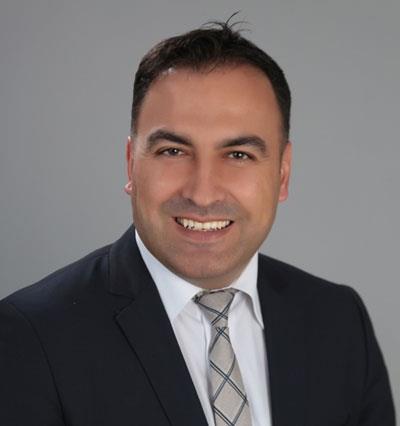
28 PROF. DR. KÜRŞAT ER ÖZGEÇMİŞ 1999 yılında Gazi Üniversitesi Diş Hekimliği Fakültesinden mezun oldu. Aynı yıl, Cumhuriyet Üniversitesi Diş Hekimliği Fakültesi Endodonti Bilim Dalında doktora eğitimine başladı yılında doktorasını tamamladı ve 2006 yılında Karadeniz Teknik Üniversitesi Diş Hekimliği Fakültesi Endodonti Anabilim Dalı na Yardımcı Doçent olarak atandı. Bu süreçte; lisans/doktora eğitimleri, konferanslar ve klinik uygulamalara katıldı yılında Doçent ünvanı aldı yılından itibaren Akdeniz Üniversitesi Diş Hekimliği Fakültesi Endodonti Anabilim Dalında kıdemli eğitmen ve Profesör (2014 yılından itibaren) olarak çalışmaktadır. Dr. ER in 100 ün üzerinde bilimsel makalesi bulunmaktadır ve birçok ulusal ve uluslararası dergilerde hakem ve editör olarak görev yapmaktadır. European Society of Endodontology (ESE), International Association of Dental Research (IADR) ve Türk Endodonti Derneklerinin aktif bir üyesidir. Klinik araştırmalar, retreatment, rejeneratif endodonti ve dental travmatoloji ilgi alanlarıdır. CURRICULUM VITAE Dr. Er graduated in Dentistry from the Gazi University in In the same year, he started his PhD in the division of Endodontics at the Cumhuriyet University. He received his PhD in 2004 and in 2006 he became Assistant Professor of Endodontics in the School of Dentistry at the Karadeniz Technical University, spending his time teaching, giving lectures and participating in the faculty practice. He was conferred on the title of Associate Professor in From 2011 he is working in the Department of Endodontics at the Akdeniz University as Senior Lecturer and Professor. Dr. ER has authored over 100 scientific articles, and serves as a reviewer/board member/editor to many national and international journals. He is an active member of a number of professional organizations including the European Society of Endodontology (ESE), International Association of Dental Research (IADR) and the Turkish 28
29 Society of Endodontics. His academic interests include clinical research on endodontic techniques and biocompatibility, retreatment, regenerative endodontics and dental traumatology. KONUŞMA ÖZETİ GENİŞ PERİAPİKAL LEZYONLARIN CERRAHİ OLMAYAN ENDODONTİK TEDAVİLERİ VE UZUN DÖNEM TAKİPLERİ Kök kanal sistemi enfeksiyonu diş çürükleri, cerrahi işlemler ve travma sonucu meydana gelmektedir. Pulpa ve periapikal bölge arasındaki sıkı ilişki mikroorganizmaların ve hücre komponentlerinin, periapikal bölgedeki inflamatuar proçesin başlamasına ve dokulardaki rezorbsiyonun aktive olmasına yol açmaktadır. Bu immünopatolojik mekanizmalar sonucu abse, granülom ve periapical kist oluşmaktadır. Periapikal lezyonlar, bir yada daha çok sayıda dişi içine almaktadır. Geniş periapikal lezyonların tedavileri cerrahi olmayan endodontik tedavi, apical cerrahi ve çekimdir. Günümüzde ilk olarak cerrahi olmayan endodontik tedavi düşünülmekte ve periradüküler patolojinin çözülmesinde bu tedavi başarısız olduğunda, cerrahi olmayan tekrarlayan tedavi yada periapikal cerrahi gibi ek opsiyonlar düşünülmelidir. Ayrıca, periyodik takipler (radyografik ve klinik) çok önemlidir ve farklı değerlendirme araçları periapikal lezyonların iyileşmesinin takibinde kullanılabilir. NONSURGICAL ENDODONTIC TREATMENT AND LONG-TERM FOLLOW-UP OF LARGE PERIAPICAL LESIONS Infection of root canal system occurs subsequent to tooth caries, surgical treatments, and trauma. The close relation between pulp and periapical area allows microorganisms, and cell components with a path for initiating inflammatory processes in periapical area and activating resorption in the tissues. These immunopathological mechanisms lead to formation of abscess, granuloma, and periapical cyst. Periapical lesions may involve one or multiple adjacent teeth. The treatment options in large periapical lesions are non-surgical endodontic treatment, apical surgery and extraction. The current tendency is to initially offer nonsurgical endodontic treatment, and when this treatment does not succeed in resolving the periapical pathosis, additional options must be considered, such as nonsurgical retreatment or periapical surgery. Also, periodic follow-up examinations (radiographic and clinical) are very important and various assessment tools can be used to monitor the healing of periapical lesions. 29
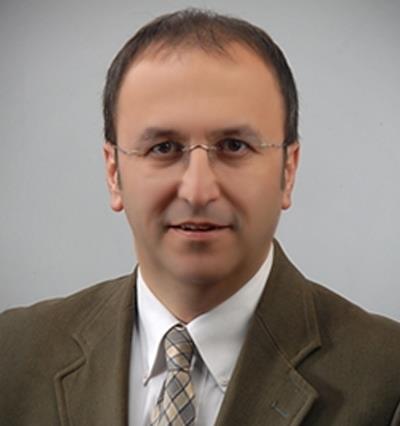
30 PROF. DR. METE ÜNGÖR ÖZGEÇMİŞ Mete Üngör 1963 yılında Tokat, Niksar'da doğdu. İlköğrenimini Niksar Albayrak ilkokulunda, orta ve lise eğitimini Tokat Gazi Osman Paşa Lisesinde tamamladı. Yüksek öğrenimini yılları arasında Hacettepe Üniversitesi Dişhekimliği Fakültesi nde tamamladı yılında Selçuk Üniversitesi Dişhekimliği Fakültesi Endodonti Bilim Dalı'nda doktora öğrenimine başladı yılında İki Ayrı Kalsiyum Hidroksit İçerikli Kanal Dolgu Patının Sitotoksisite, Apikal Sızdırmazlık ve Antimikrobiyal Etkinliklerinin Araştırılması konulu doktora tez çalışmasını tamamlayarak doktora derecesini aldı yılında doçent, 2006 yılında Profesör unvanını aldı, 2000 yılından beri Başkent Üniversitesi, Dişhekimliği Fakültesi, EndodontiAnabilim Dalı başkanlığı görevini sürdürmektedir. Evli ve iki erkek çocuk babasıdır. CURRICULUM VITAE Mete Üngör was born in Niksar, Tokat in His primaryschoolwas "Niksar Albayrak İlkokulu" and his high school was "Tokat Gazi Osman Paşa Lisesi". He started Hacettepe University Faculty of Dentistry in 1980 and graduated in He started doctorate education at Selçuk University, Faculty of Dentistry, Department of Endodontics in 1989 and finished in His doctorate study was İki Ayrı Kalsiyum Hidroksit İçerikli Kanal Dolgu Patının Sitotoksisite, Apikal Sızdırmazlık ve Antimikrobiyal Etkinliklerinin Araştırılması (Investigation of thecytotoxicity, sealingability and antibacterialefficacy of two different calcium hydroxide based root canal sealer). He become the associated professor in 1998 and the professor in He has been studying at Baskent University, Faculty of Dentistry, Department of Endodontics as the head of department since
31 KONUŞMA ÖZETİ ENDODONTİK GİRİŞ KAVİTELERİ VE SEMPTOMATİK PULPİTİS VAKALARINDA FARKLI ACİL MÜDAHALE YAKLAŞIMLARI Giriş kavitesi, cerrahisiz kök kanal tedavisinin ilk ve şüphesiz en önemli safhasıdır. İyi bir giriş kavitesi endodontik tedavinin başarısı için esastır. Eğer giriş kavitesi tüm kök kanal sistemin kolay ve düzgün şekilde temizlenmesi ve şekillendirilmesine izin verecek genişlikte açılmaz ise tedavi başarısı etkilenecek ve diş kakaybedilebilecektir. Diğer taraftan eğer çok geniş açılacak olursa da, daha kompleks son restorasyonlar gerekli olabilecek ve diş kırılabilecektir. Uygun şekilde hazırlanmış giriş kavitesi, kanal sistemine ve devamında da apekse kadar mümkün olduğunca düzgün ve direkt bir giriş yolu sağlayacaktır. Güvenli uca sahip frezler, (uç bölümünde pasif pilot bölüme sahip) aksiyal duvarların hazırlanmasında güvenli şekilde işimizi kolaylaştıran özel ekipmanlardır. Pulpa odasının yan duvarların uygun şekilde bitirilmesini sağlarlar. Kesmeyen bir uç bölümleri olduğu için frezi bu bölgeye zarar vermeksizin pulpa odası tabanına kadar dayayarak yanlara doğru kaydırırız. Pulpa odası yan duvarına dayndığında daha ileri gidilmesini engelleyen pasif pilot uç sayesinde mine yüzeyinden pulpa tabanına kadar düzgün bir yan duvar elde edebiliriz. Kural olarak kanal ağızları her zaman pulpa odası tabanı ile duvarlarının birleşim hattında yer almaktadırlar. Ve bu tür frezlerin yardımı ile kanal ağızı seviyesinde yanlara doğru ekstra girintisiz bir preparasyon yaparak özellikle arka grup dişlerde kanalların bulunması ve girişini kolaylıklaştırabiliriz. Ayrıca pulpa tabanını da koruyacağımızdan hem furkal perforasyon tehlikesi kalmayacak hem de tüm kök kanal sistemini daha kolaylıkla belirleyebilmemizi sağlayacak endodontik haritayı korumuş oluruz. Semptomatik irreversibıl pulpitis en sık karşılaşılan endodontik acil durumlardan birisidir ve diş hekiminin randevu programını aksatan acil müdahalede bulunması gerekir. Çoğunlukla ağrının geçirilmesi için total pulpektomi yapılması gerektiğine inanılır fakat pulpatomi veya tek bir kanalın boşaltılması şeklinde daha kısa tedavilerde ağrının geçirilmesinde etkili yöntemlerdir. ENDODONTIC ACCESS CAVITYS AND EMERGENCY TREATMENT OF SYMTOMATIC PULPITIS The Access cavity is the first and arguably most important phase of nonsurgical root canal treatment. A well-designed access preparation is essential for a good endodontic result. If the access cavity is not large enough to permit easy and thorough shaping and cleaning of the entire root canal system, the root canal treatment may be compromised and the tooth lost. On the aother hand, if it is too large, the tooth could needmore complex final restoration or promote crown fracture. A properly prepared access cavity creates a smooth, straight-line path to the canal system and ultimately to the apex. When prepared correctly the access cavity allows complete irrigation, shaping and cleaning, and quality obturation. The safe ended burs ( they do not have a cutting end) are special instruments and safer choices for axial wall extensions. They can be used to extend and favorably orient the axial walls of the pulp chamber. Because they have no cutting end, the burs can be allowed to extend to the pulp floor, and the entire axial wall can be moved and oriented all in one plane 31
32 from the enamel surface to the pulp floor. As a rule, the orifices of the root canals are always located at the junction of the walls and the floor. And with this kind of burs, we can produces axial walls free of gouges at the orifice levels, and we can find and entry easllyto the root canal system especially in posterior teeth.furthermore, the safty tip will protect pulpla floor (endodontic map which provide to find easly the root canal system) without furcal perforation danger. Symptomatic irreversible pulpitis is one of the mostly seen endodontic emergancy and it needs urgently intervention by dentist that disturb the appointment program. İt mostly believes that the total pulpectomy is necessery for the pain relief, but the other treatments like pulpatomy or the pulptectomy of the only one canal are short and effective procedures. 32

33 DOÇ. DR. ÖZGÜR UYANIK ÖZGEÇMİŞ Hacettepe Üniversitesi Diş Hekimliği Fakültesi nden 1999 yılında mezun olduktan aynı fakültenin Endodonti Anabilim Dalında doktora eğitimini tamamladı. Halen tam zamanlı öğretim üyesi olarak Hacettepe Üniversitesi nde eğitim ve araştırma faaliyetlerine devam etmektedir yılında Güney Kaliforniya Üniversitesi Endodonti Kliniğinde ve Kraniyofasiyel Moleküler Biyoloji Merkezinde bilimsel araştırmalar yürüten Dr. Uyanık, 2012 den bu yana Finlandiya Turku Üniversitesi Klinik Biyomateryal Merkezi ile Doç. Dr. Emre Nagaş ve Dr. Lippo Lassilla partnerliğinde biyomekanik ve biyomateryal geliştirme ağırlıklı laboratuvar çalışmalarını sürdürmektedir. Ulusal ve uluslararası dergilerde yayınlanmış birçok araştırma makalesi bulunan Dr. Uyanık, ulusal ve uluslararası major endodonti ve biyomateryal dergilerinde yayın hakemi ve danışma kurulu üyesi olarak çalışmaktadır. Avrupa Endodonti Derneği ve Türk Endodonti Derneği aktif üyesidir. Dr. Uyanık, Vital pulpa tedavileri, erişkin dental travmatoloji, biyomekanik/biyouyumluluk ve rejeneratif Endodonti alanlarında bilimsel çalışmalarını sürdürmektedir. CURRICULUM VITAE After graduated from Dental Faculty of Hacettepe University at 1999, Dr. M. Özgür Uyanık had completed the doctoral education at Endodontics department of the same faculty. He is full-time associate professor at Hacettpe University, continuing his educational and research studies. He attended clinical and scientific observation at Endodontics department of USC s dental school and at CMBC of USC. He has joined Dr. Nagaş s and Dr. Lassila s research studies on improvements of biomaterials at TCBC since He has authored/co-authored many scientific articles, and serves as a reviewer/board member to national and international endodontics journals. He is an active member of a number of professional organizations including the European Society of Endodontology and Turkish Endodontics Society. Dr. Uyanık continues his scientific studies on vital pulp therapies, adult dental traumatology, biomaterials and regenerative endodontics. 33
34 KONUŞMA ÖZETİ ENDODONTİ DE OYUNU KİM KAZANIR? TEK SEANS MI, ÇOK SEANS MI? Tek seans ve çok seans endodontik tedavi seçenekleri karşılaştırıldığında, kanıta dayalı uygulanabilir kararı vermek veyürütmek günlük uygulamalarda önemli bir basamaktır. Bu sunumda, tek seans ve çok seans endodontik uygulamalarının etkinlik ve güvenilirliğiyle ilgili bazı farklı görüşler değerlendirilecektir. WHO WINS THE GAME IN ENDODONTICS? SINGLE-VISIT OR MULTIPLE-VISIT TREATMENT? It is a critical step to drive and make feasible evidence-based decision-making for day-to-day practice when comparing the single- and multiple-visit treatment modes. This presentation will review some contradictory opinions that are the basis for the efficiency and reliability of single visit and multiple-visit endodontic treatments. 34
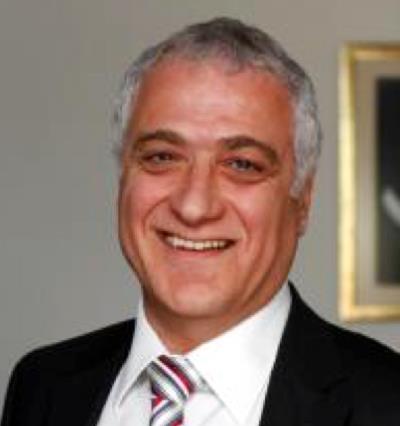
35 PROF. DR. SEDAT KÜÇÜKAY ÖZGEÇMİŞ 1955 te Sakarya da doğdu. İstanbul Üniversitesi Dişhekimliği Fakültesi nden 1977 de mezun oldu. Aynı Fakülte de 1989 da Doçent ve 1996 da Profesör ünvanı aldı. Çok sayıda bilimsel yayını ve kitapları bulunan Küçükay, TDB nin ve Avrupa Endodonti Derneği nin düzenlediği yedi kongrede Bilimsel Komite Başkanlığı ve Organizasyon Komitesi Başkanlığı görevini üstlendi; yılları arasında Türk Endodonti Derneği Baskanlığı yaptı ve arasında İDO Denetleme Kurulu Başkanı, arasında Yönetim Kurulu üyesi, arasında Disiplin Kurulu Başkanı olarak görev yaptı döneminde İDO Başkanvekili olan Prof. Dr. Küçükay, halen İDO disiplin kurulu başkanlığı görevini sürdürmektedir. Çok sayıda oyunda rol alan, yöneten Küçükay aynı zamanda radyo-tv program yapımcısı ve sunucusudur. Küçükay, evli ve iki çocuk babasıdır. CURRICULUM VITAE Born in Sakarya, in 1955.In 1977 he graduated from Istanbul University Faculty of Dentistry where he became associate professor in 1989, and professor in Prof. Küçükay has many publications and books. He is a member of European Endodontic Society. He was the chairman of the scientific and organisation committees in diffrent congresses of TDA and ESE. He was the president of the ESE congress held in Istanbul in Between he was the Presedent of Turkish Endodontic Society. In Istanbul Chamber of Dentistry between the years and he was the president of Supervisory Board and was the member of Executive Board, was President of Dicipline Board. Between he was the deputy chairman in Istanbul Chamber of Dentistry. He has acted in and directed many plays and also he is the producer and narrator of many Radio and TV programmes. He has been working as an Endodontist in his private office, since 2014 and he is organizing lectures, workshops and hands-on courses for the dentists. He is currently the president of Dicipline Board in Istanbul Chamber of Dentistry. He is married and has two children. 35
36 KONUŞMA ÖZETİ POSTACI KAPIYI ÜÇ KERE ÇALAR Kök kanalı tedavisi sırasında yıllarca kök kanalı içinde bir genişlik oluşturulması ve o boşluğunun kabul edilebilir bir şekilde doldurulması amaçlandı. Kök kanalı tedavisinde genişletmeden şekillendirmeye geçişle, önce nikel-titanium el aletlerinin sonra da döner alet sistemlerinin yaşamımıza girişi endodontiye renk getirdi. Döner alet sistemlerinin sayısındaki hızlı artış, hayatımızda bir renk karmaşası yaşattıysa da, döner alet sistemlerinde aranılan özelliklerin netleşmesi ile renkler duruldu diyebiliriz. Günümüzde kabul edilebilir bir döner alet sisteminin özelliklerini sayabiliyoruz. Gerek metal yapısı gerekse de dizaynı açısından Protaper Next döner alet sistemi bunlardan biri. Bu sistemin özelliklerini, kullanımını, avantajlarını konuşacağız THE POSTMAN RINGS THREE TIMES During root canal therapy it had been aimed for years to enlarge the root canal and to obturate that enlarged space in an acceptable manner. By the progress of shaping concept in root canal therapy rather than enlarging the root canal, the use of nickel-titanium hand instruments and then the rotary systems embellished endodontics. Even though the rapid increase in variety of the nickel-titanium rotary systems have initially created confusion somehow in our lives, clarification of the desired properties in these systems helped arrangement. Currently, Protaper Next is one of the preferred Ni-Ti rotary systems with its metallic structure and the design, as well. We will talk about the features, the clinical use and the advantages of the Protaper Next rotary system today 36
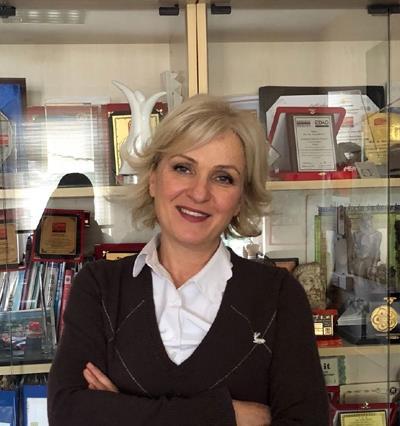
37 PROF. DR. SEMA BELLİ ÖZGEÇMİŞ Marmara Üniversitesinden mezun oldu. Selçuk Üniversitesi, Dişhekimliği Fakültesi, Diş Hastalıkları ve Tedavisi Anabilim Dalı nda doktora yaptı. Aynı Anabilim Dalında Doçent, Endodonti Anabilim Dalı nda Profesör oldu. Dental kompozitler, adezivler, cam veya polietilen fiber materyaller, geniş kavitelerin konservatif restorasyonu, endodontik tedavili dişlerin restorasyonu, post ve kor restorasyonlar, sonlu eleman analizi, endodontik yüzeylerde adezyon, biyouyumluluk, biyomimetik dişhekimliği konularında çalıştı. Halen aynı üniversitede Endodonti Anabilim Dalı nda Öğretim Üyesi'dir. CURRICULUM VITAE She graduated from Marmara University, Istanbul, Turkey with DDS, and received her PhD degree in Department of Operative Dentistry from Selçuk University, Konya, Turkey. Her current position is Professor of Department of Endodontics at the same university. She has published and lectured extensively on dental materials including dental composites, adhesives, glass or polyethylene fibre reinforcement materials, conservative restoration of extensive cavities, restoration of endodontically treated teeth, post and core restorations, finite elemental analysis studies, bonding to the endodontic surfaces, cuspal deflection, and biocompatibility of dental materials. 37
38 KONUŞMA ÖZETİ KANAL TEDAVİLİ DİŞLERİN RESTORASYONUNDA BİYOMİMETİK YAKLAŞIMLAR Biyomimetik Dişhekimliği Akademisi ne göre, Biyomimetik Dişhekimliği, zayıf, kırık ve çürümüş dişleri bakteriyel sızıntıdan koruyacak ve ağız içerisinde uzun süre güçlü kalmasını sağlayacak şekilde tedavi eden, Koruyucu Dişhekimliği nin bir dalıdır. Adeziv dişhekimliğinde ki son gelişmeler ve fiber materyallerin yardımı ile günümüzde doğala yakın restorasyonlar yaratmak çok daha kolay hale gelmiştir. Peki, endodonti kliniğinde biyomimetik restorasyonlar ile dişleri korumak ve uzun süre ağızda kalmasını sağlamak mümkün müdür? İşte bu konferansta bu sorunun cevabı aranacak ve endodontik tedavili dişlerin biyomimetik materyaller ve teknikler ile restorasyonu, vakalar ile tartışılacaktır. BIOMIMETIC APPROACHES IN THE RESTORATION OF ROOT-FILLED TEETH According to the Academy of Biomimetic Dentistry, Biomimetic dentistry is a type of toothconserving dentistry, treats weak, fractured, and decayed teeth in a way that keeps them strong and seals them from bacterial invasion. Today, with the recent developments in adhesive dentistry and with the help of fiber reinforcement materials, it has become much more easy to create biomimetic restorations. Is it possible to save teeth for a long time with biomimetic restorations in the endodontics clinic? In this conference, the answer of this question will be explained and biomimetic restoration of endodontically treated teeth will be discussed in the context of clinical cases. 38
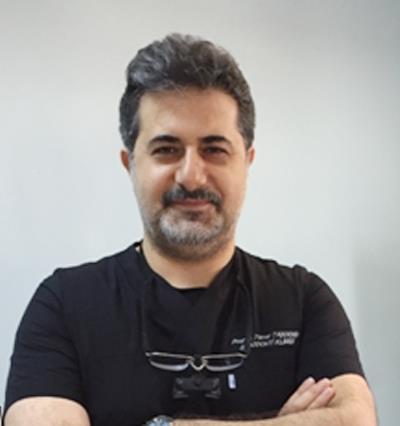
39 PROF. DR. TAMER TAŞDEMİR ÖZGEÇMİŞ Dr. Tamer TAŞDEMİR, 1994 yılı Eylül ayında Atatürk Üniversitesi Diş Hekimliği Fakültesi nden mezun oldu,askerlik hizmetini yedek subay olarak Ankara/Elmadağ da tamamladı vekütahya Adliye sinde kurum diş hekimi olarak çalışmaya başladı yılı Eylül ayında Ondokuz Mayıs Üniversitesi Diş Hekimliği Fakültesi Endodonti Anabilim Dalına araştırma görevlisi olarak atandı yılları arasında doktora çalışmalarını tamamladı ve aynı anabilim dalında doktor araştırma görevlisi olarak çalışmaya devam etti yılı Mart ayında Karadeniz Teknik Üniversitesi Diş Hekimliği Fakültesi Endodonti Anabilim Dalınayardımcı doçent, kurucu anabilim dalı başkanı ve dekan yardımcısı olarak atandı.2010 yılı Nisan ayında Doçent unvanını aldı ve 2015 yılı Mayıs ayında aynı anabilim dalında Profesör kadrosuna atandı. Halen aynı fakültede Endodonti Anabilim Dalı Başkanlığını yürütmektedir. CURRICULUM VITAE Dr. Tamer TAŞDEMİR in, 32 tanesi SCI-E kapsamında olmak üzere uluslararası dergilerde yayınlanmış 41 adet makalesi bulunmakta olup bu makalelere WOS kapsamındaki dergilerde 460 kez atıfyapılmıştır. WOS h-indeksi: 13 olupulusal dergilerde yayınlanmış 20 adet makalesi ve ulusal/uluslararası kongrelerde sunulmuş 52 adet sözlü/poster bildirisi bulunmaktadır. Çeşitli fonlarca desteklenen 8 adet bilimsel araştırma projesinde yürütücülük,3 doktora tezi ve 1 uzmanlık tezine danışmanlık yapmış olup, WOS kapsamındaki 11 farklı dergiye halen bilimsel hakemlik yapmaya devam etmektedir. Dr. Tamer TAŞDEMİR evli olup Merve ile Hakan ın babasıdır. 39
40 KONUŞMA ÖZETİ APİKAL PERİODONTİTİS VE SİSTEMİK HASTALIKLAR ARASINDAKİ İLİŞKİ Ağız boşluğu, çoğunlukla çeşitli yumuşak ve sert doku yüzeylere bağlı biyofilmlerde bulunan zengin ve çeşitli bir mikrofloraya sahiptir. Periodontitis ve apikal periodontitisin (AP) genellikle asemptomatik olduğu ve dünyanın en yaygın enfeksiyöz hastalıkları olduğu göz önüne alındığında, ağız boşluğu kronik enflamasyonlar için potansiyel bir suçludur. Endodontik enfeksiyon tipik olarak apikal forameni çevreleyen periodontal ligament ve kemiğin tahrip edilmesiyle karakterize AP ile sonuçlanır. Bu konak cevabının ana işlevi, bakteriyel enfeksiyonun çevre alveolar kemiğe yayılmasını önlemektir. Biriken kanıtlar, özellikle kronik periodontal enfeksiyonların artmış sistemik enflamasyon yoluyla kardiyometabolik riski artırdığını düşündürmektedir. Son araştırma sonuçları, kronik periodontal enflamasyon ile olumsuz genel sağlık sonuçları arasındaki pozitif (veya özellikle nedensel) ilişkileri göstermektedir. Bu bağlamda, apikal enflamatuar lezyonların da genel sağlık sonuçlarıyla ilişkili olabileceği gerçeği yadsınamaz.bu yüzden, AP ve sistemik hastalıklar arasındaki bağlantı son yıllarda araştırmacıların bir hayli dikkatini çekmiştir. Bu sunum, olumsuz genel sağlık sonuçlarının AP ile bağlantısını açıklayan birçok önemli kavramı kısaca gözden geçirmeye ve bu konudaki son araştırma sonuçlarını irdelemeye odaklanmaktadır. RELATIONSHIP BETWEEN APICAL PERIODONTITIS AND SYSTEMIC DISEASES The oral cavity often has a rich and varied microflora in biofilms attached to various soft and hard tissue surfaces. Given the fact that periodontitis and apical periodontitis (AP) are usually asymptomatic and are the world's most common infectious diseases, oral cavity is a potential crime for chronic inflammations. Endodontic infection typically results in AP characterized by destruction of the periodontal ligament and bone surrounding the apical foramen. The main function of this host response is to prevent bacterial infection to spreading to the surrounding alveolar bone. Accumulating evidence suggests that chronic periodontal infections increase cardiometabolic risk through increased systemic inflammation. Recent research results indicate positive (or particularly causal) associations between chronic periodontal inflammation and negative general health outcomes. In this context, it is undeniable that apical inflammatory lesions may be associated with general health outcomes. Therefore, the relationship between AP and systemic diseases has attracted considerable attention of researchers in recent years. This presentation focuses on briefly reviewing many important concepts explaining adverse general health outcomes and AP connectivity and examining recent research results on the issue. 40
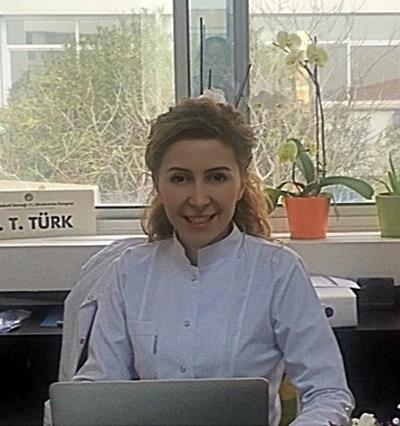
41 DOÇ. DR. TUĞBA TÜRK ÖZGEÇMİŞ Dr. Tuğba Türk 2005 yılında Ege Üniversitesi Dişhekimliği Fakültesi nden mezun oldu yılında doktorasını tamamladı, 2013 yılında Yardımcı Doçent, 2017 yılında Doçent unvanını aldı. Halen Ege Üniversitesi Dişhekimliği Fakültesi nde öğretim üyeliğine devam etmektedir ve İtalya, Roma La Sapienza Üniversitesi Dişhekimliği Fakültesinde Endodonti dersleri vermektedir. Porto Üniversitesi (Portekiz) Dişhekimliği Fakültesinde yürütülen Endodontide rejeneratif tedaviler konulu uluslararası ortak projede koordinatörlük yapmıştır. Taramalı elektron mikroskobu (SEM), biyomateryaller, pulpa kök hücreleri, rejeneratif tedaviler konularında çalışmalarını sürdürmekte, ulusal ve uluslararası platformlarda konferanslar ve kurslar vermektedir. Çeşitli bilimsel dergilerde editörlük ve hakemlik yapmaktadır. CURRICULUM VITAE Dr. Türk graduated from Ege University School of Dentistry in In 2010, she received his Ph.D. degree from Health Science Institution of Ege University. She is currently employed as Associate Professor at Department of Endodontology, University of Ege. She gave lectures at Roma La Spienza University, Italy. She carried out the international project at Porto University in Regenerative Endodontic Treatments Her research interests are scanning electron microscopy, biomaterials, endodontic regenerative treatments and stem cells. She gave many lectures and courses at the national and international congress. She serves as an editor and reviewer for many national and international the journals. 41
42 KONUŞMA ÖZETİ REJENERATİF ENDODONTİK TEDAVİLER Rejeneratif endodontik tedavilerin amacı, hücresel kayıpların geri kazandırılması, sağlıklı ve fonksiyonel bir dentin-pulpa kompleksinin oluşturulmasıdır. Rejeneratif endodontik tedaviler, kök hücre biyolojisi, doku ve genetik mühendisliği alanlarında yaşanan heyecan verici gelişmelerle, daha anlaşılır ve klinikte başarı ile uygulanabilir hale gelmiştir. Bu sunumda, rejeneratif endodontik tedavilerin klinikteki uygulama basamakları ve örnek vakalar değerlendirilecek, geçmişten günümüze tedavi yaklaşımları, avantaj ve dezavantajlar tartışılacaktır. REGENERATIVE ENDODONTIC THERAPIES Regenerative endodontic treatments can be defined as biologically based procedures designed to replace damaged structures, including dentin and root structures, as well as cells of the pulp-dentin complex. The recent scientific advancements in reprogramming and guided differentiation of stem cells, producing biocompatible materials, and scaffolding systems that support cell growth have convinced scientists to apply these technologies to modern endodontology. This presentation will review and discuss the current clinical protocols of regenerative endodontic treatments and clinical cases. 42
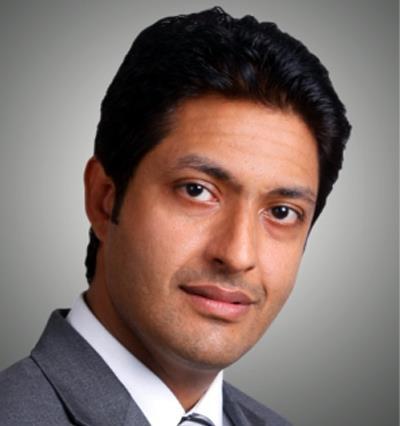
43 DR. VIRESH CHOPRA CURRICULUM VITAE Faculty of Endodontology Department of Conservative Dentistry and Endodontics Oman Dental College Muscat, Oman NAME: VIRESH CHOPRA FATHER S NAME: Dr. B.K. CHOPRA DATE OF BIRTH: YEAR OF PASSING B.D.S: JULY 2002 COLLEGE : SUBHARTI DENTAL COLLEGE UNIVERSITY: Dr. B.R. AMBEDKAR UNIVERSITY, AGRA MASTERS (M.D.S) IN: CONSERVATIVE DENTISTRY & ENDODONTICS YEAR OF PASSING M.D.S: DECEMBER 2007 COLLEGE: SUBHARTI DENTAL COLLEGE DCI REGISTRATION NUMBER: 3495-A PRESENT DESIGNATION: READER UNIVERSITY: Dr. B.R. AMBEDKAR UNIVERSITY, AGRA CARRIER OBJECTIVE: To be an efficient professional, put my true & sincere efforts in my work and work hard towards achieving high goals in my field. Want to be a focused and sincere academician with a sense of 43
44 research and competence. Focused at getting dentistry to a higher level by quality and ethical practice. SPECIAL INTEREST: Specialized in Rotary and Microscopic Endodontics. PROFESSIONAL EXPERIENCE: (08 month pre MDS) Tutor Worked as Tutor in Subharti Dental College. Meerut PROFESSIONAL EXPERIENCE: (06 years 10 months post MDS) 2012(May) present Faculty of Endodontology in Oman Dental College, Muscat Working as a member of faculty in Adult Restorative Dentistry. College has an intake of 70 students per year and they follow the principles of comprehensive dentistry treatment planning. The college is equipped with the latest of armamentarium in endodontics (1st January) May (2012) Reader Department of Conservative Dentistry and Endodontics, Subharti Dental College and Hospital, Meerut. College has an intake of 100 Under Graduate students and 23 Post Graduate students per year, out of which there are 4 Post Graduate students per year in the Department. Taking care of clinical and Research work of undergraduate and postgraduate students. Have been a coguide in number of thesis Dissertations (research) library dissertations of Post graduate students appointed under me Senior lecturer (4 years) Department of Conservative Dentistry and Endodontics, Subharti Dental College and Hospital, Meerut College has an intake of 100 Under Graduate students and 23 Post raduate students per year, out of which there are 4 Post Graduate students per year in the Department. Took care of clinical and Research work of undergraduate and post graduate students DENTAL EDUCATION: MDS (Master of Dental Surgery) in the specialty of Conservative Dentistry and Endodontics, Subharti Dental College, Meerut (India) BDS (Bachelor of Dental Surgery) Subharti Dental College and Hospital, Meerut (India) POST GRADUATE TEACHING EXPERIENCE: Co-guide to: Thesis (main dissertation) 1. Study aimed at seeing the Density and Effective Obturation of Internal Resorptive Defects in Root Canal by Using Latest Obturating Materials. 2. Study aimed at seeing the Amount of Curvature Given to Canals Using Latest Rotary Systems. (Comparing the Latest Rotary Systems). Library dissertation 1. Tissue engineering and stem cell biology in endodontics. 2. Recent diagnostic aids in endodontics. 3. Non-carious lesions. AWARDS IN DENTAL SCHOOL & CONFERENCES: 1. 3RD Prize in scientific presentation - INTERNATIONAL CONGRESS ON IMPLANTOLOGY AT New Delhi
45 2. ICD BRONZE AWARD - ICD Convention and FAMDENT Show 2011 at Pragati Maidan, New Delhi nd Prize in scientific presentation - INTERNATIONAL COLLEGE OF DENTISTS, FAMDENT New Delhi RD Prize in scientific presentation - INTERNATIONAL CONGRESS ON IMPLANTOLOGY AT SHERATON HOTEL, Saket, New Delhi (17th 19th Oct, 2008) 5. 3 RD Prize in scientific Presentation (Paper presentation) at --- 1st UTTRANCHAL STATE DENTAL CONFERENCE, DEHRADUN (2003) 6. Nominated in Pierre fauchard Academy for the award-- for being the best intern in clinical and academic activities from Subharti Dental College Research Projects: (in process) 1. Working On Comparing The Polymerization Shrinkage Of Various Composites. 2. Studying And Evaluating The Success Rate Of Autotransplantation Of Mandibular Third Molars To Mandibular First Molar In Case Of Grossly Decayed First Mandibular Molar. (Published articles) 3. Working on Evaluation the Healing Potential and Various Clinical Uses of Platelet Rich Plasma (PRP) In Endodontics (Published articles). RESEARCH ACTIVITY: Thesis: : Comparing the Bonding Efficacy Of 2-Step Vs All-In-One bonding agents An Invitro study Library Dissertation 2007 Management of discolored vital teeth Co-guide to various other research related studies as mentioned above PUBLICATIONS: INTERNATIONAL 2017 Autotransplantation of a Mandibular Third Molar with complete Root development - A Case Report. Journal of Dental Health, Oral Disorders & Therapy 2016 Managing Endodontic Treatment In Radix Entomolaris Accepted for publication in Oman Medical Journal. (Pubmed Indexed) 2011 MTA- A Barrier to Obturating Systems. Published in IJCDS (4 th Aug 2011) 2011 Challenges of Bioengineering and Endodontics Journal of Developmental Biology and Tissue Engineering Vol. 3(6) pp , June 2011 PUBLICATIONS: NATIONAL 2013 Bond strength of Dentine Bonding systems: Comparison of generation An Invitro study. (Accepted in Indian Journal of Dental Sciences) 2013 Allergic Urticaria A Case Report Of Rare Skin Allergy With A Common Mouthwash (Published in Indian Journal Of Dermatology Managing a Large Inflammatory Lesion with a Combination of PRP and Hydroxyapatite: A Case Report Dental Practice Vol 10(5) Pg ).Jan-Feb Platelet Rich Plasma Healing Comparable To None: A Case Report JICD, Vol57, No 2, Surgical Endodontics for Impacted Mesiodens with Hydroxyapatite And MTA A Case Report (Published in IJDS, June 2011) 45
46 2009 A Comparative Evaluation of the Bonding Efficacy of Two-step Vs. All-in-one Bonding Agents-An In-Vitro Study (Journal of Conservative Dentistry July Sept 2009 issue 3 pages ) 2009 RCT Revisited after 25 years A Unique case Report (Dental World June July 2009 Issue 3 Vol 9) 2008 In Vitro Evaluation Of The Accuracy Of Two Electronic Apex Locators (Published in Journal of Conservative Dentistry, Apr - June 2008 Vol 11 issue 2 pages 82-85) 2007 Maxillary 1st Molar with palatal Canal -A Case Report of 2 unusual cases (Published in JIDA, Vol 1 No.9 Sept 2007 pages ) HONOURABLE CONTRIBUTIONS 2017 Honorable Editorial Board Member of Journal of Research in Medical & Engineering Services 2017 Organizing Committee member of Asia Pacific Endodontic Confederation Held in Gurugram, India Editorial Advisory Board member (international section) of Journal of Endodontology, official publication of Indian Association of Endodontics Member of International Editorial Board of international Journal of Oral Health Dentistry 2016 Invited as a reviewer for Journal of Advanced Oral Research As a reviewer for Indian Journal of Dermatology As a Reviewer to Review an article for JADA Contributed a chapter in Book- Healthy teeth & Gums-Instance to fitness of Body System- (Pg Book-Guide to total fitness of Body & Mind) Educational book BOOKS PUBLISHED as a co-author: Title: 1. Halitosis Lambert Publications 2. Tissue Regeneration in Endodontics, Lambert Publications. Positions held: 1. Key Opinion Leader for Coltene Whaldent, Zurich, Switzerland. 2. International advisory Board Member for Endodontology, National Publication for Endodontics in India. 3. International Editorial Board member for International journal of Oral Research. 4. Honorable Editorial Board Member of Journal of Research in Medical & Engineering Services GUEST LECTURES DELIVERED: OVERSEAS LECTURES DELIVERED AS A INVITED SPEAKER 2017 Role of Magnification in Successful Endodontics Hotel Grand Hyatt, Muscat, Oman 22 nd August Management of Severely Curved Root canals Hotel Intercontinental, Muscat. 3 rd April Successful Rotary Endodontics: Tips & Tricks Indian Dental Association, Patiala Branch. 16 th July Anatomy Driven shaping in Endodontics Center of Excellence, VSPM dental College, Nagpur India 19 th July
47 2017 First ever Master Of Magnification (MOM) workshop conducted by Indian Endodontic Association, Manav Rachna Dental College, Faridabad, Haryana, India. 25 th -26 th July D Rotary Endodontics- achieving good results Indian Dental Association, Central Delhi, 29 th July To treat or not to treat- Decision Making in Retreatodontics - 19 th Asia Pacific Endodontic Confederation & 18 th IACDE & IES PG Convention, 5-8 th April 2017, Grand Hyatt Gurgaon 2017 Management of Severely curved root canals, CDE program organized by Listerine, Intercontinental Muscat, Oman Rotary Endodontics Oman Dental Student Symposium, 24 th Feb 2017, Muscat, Oman 2016 Presented a Lecture on RETREATMENT IN ENDODONTICS in 10th World Endodontology Congress in Cape Town. (3 rd -6 th June 2016) RETREATODONTICS UNFOLDING THE MYTHS 2 nd Oman Student national Dental Symposium February ROTARY ENDODONTICS SPEED THRILLS BUT KILLS TOO Lecture for Dental Practitioners, September 2015, Sohar, Muscat, Oman Endodontic Mishaps 4th Bahla Dental Symposium, Bahla Club Hall, October Tooth sensitivity and its management Continuing Dental Education, September 2013, Hotel Park inn, Muscat, Oman 2013 Endodontics and tooth sensitivity- Hand in Hand CDE, December 2013, Intercontinental Hotel, Muscat, Oman Taken 3 lectures at OMAN DENTAL COLLEGE as a guest speaker. TOPIC: LATEST ADVANCES IN ADHESIVE DENTISTRY. IN INDIA 2016 Seeing is Believing- Microscopes in Endodontics Seema Dental College, Hrishikesh, Haridwar, UP India. 1 st August Role of magnification in Endodontics Laxmibai Dental College, Patiala, Punjab, India. 28th July Changing Paradigms and Role of Magnification in Modern Day Endodontics Darshan Dental College, Udaipur, Rajasthan. 15 th July IDA conference at Patiala. (3-4 th dec.2011) Topic: COMPOSITES A STRESSFUL EXPERIENCE. Have delivered various Guest Lectures for Dentsply and Coltene. CHAIRPERSON FOR SCIENTIFIC SESSION 2017 Chaired scientific sessions in 19 th Asia Pacific Endodontic Confederation & 18 th IACDE & IES PG Convention, 5-8 th April 2017, Grand Hyatt Gurgaon 2012 Chaired scientific sessions in International congress on Implantology at Hotel Lalit, New Delhi For 2 scientific sessions in 13th FODI & IES National conference at New Delhi at Manekshaw Centre. UPCOMING SCIENTIFIC ACTIVITIES: 2017 Invited as a gust speaker in World Dental Congress By Indian Dental Association in Mumbai, India 5 th -7 th October
48 2017 Nominated for Advance Training Program By Coltene in Zurich, Switzerland Invited as a Guest Speaker in AEEDC, Dubai 7 th -9 th feb ROLE AS KEY OPINION LEADER: 2014: Appointed as a Key Opinion Leader for Coltene, Whaldent after training in Zurich. PAPERS PRESENTED & CME S IN CONFERENCES: 2016 Changing Paradigms and Role of Magnification in Modern Day Endodontics Darshan Dental College, Udaipur, Rajasthan. 15th July Presented a Lecture on RETREATMENT IN ENDODONTICS in 10 th World Endodontology Congress in Cape Town. (3 rd -6 th June 2016) RETREATODONTICS UNFOLDING THE MYTHS 2nd Oman Student national Dental Symposium February Conducted CME lecture on Endodontic Mishaps in Sohar, Oman. (16 th June 2015) 2015 Conducted CME lecture on Endodontic Mishaps in Salalah, Oman (12 th Sept 2015) 2014 Lectured as a invited speaker in the 4th Bahla Dental Symposium at Bahla, Muscat (25 th Oct 2014) AUTOTRANSPLANTATION Alternative to Implants APDC, Dubai Tooth Auto transplantation as a Treatment Option: A case report with Literature review. At Endodontic National Conference in Dubai 2011 BRINGING BACK THE SMILE Multidisciplinary Approach to the Rehabilitation of a Crown fracture with Glass-fiber-Reinforced Composite and PFM crown: A Case report At Aesthetic Conference of Academy of Aesthetic And Cosmetic Dentistry - Udaipur All-on-Four Immediate-Function Concept --- A new approach to rehabilitate the edentulous jaws at International Congress on Implantology at New Delhi In (3 rd PRIZE) 2011 PRP and Hydroxyapatite- Rapid wound healers A Case Report at ICD Convention and FAMDENT Show 2011 At NEW DELHI From July. (3 rd PRIZE) 2010 Management of a periapical inflammatory lesion with impacted Mesiodens using hydroxyapatite and MTA as root end filling material A Case Report At National Conference Held At Chennai In Nov Rapid Osseo integration A Strategic way of marketing implants At International Conference On Implantology At Hotel Lalit, New Delhi (21t And 22 nd May 2010) 2009 Treating a Periapical lesion with a combination of Hydroxyapatite and Platelet Rich Plasma --- A Case Report. 24 th FODI and 17 th IES National Conference, Cochin, Kerala 13 th 15 th Nov Endodontic Treatment for Mandibular Second Premolar with Two Roots At Famdent Conference, Pragati Maidan, New Delhi (2nd PRIZE) 2008 Plastics in Endodontics A Relation to Watch For at IES & FODI National Conference, Chandigarh (21st 23rd November 2008) 2008 Modifications of implant surfaces for better Osseo integration A Review at International Congress On Implantology at Sheraton hotel, Saket, New Delhi (17th 19th 0ct, 2008), (2 nd PRIZE) 2007 Comparing the Bonding Efficacy Of 2-Step Vs All-In-One bonding agents An Invitro study At P.G. Convention, Panjim, Goa (16TH 18TH May 2008). 48
49 2005 Ozone Therapy- A Giant Leap - Dental Update, IDA conference, New Delhi, (India) 2005 Analyzing the efficacy (National Conference) 20th FODI, 13th IES, Lucknow, (India) 2004 Latest in Caries Detection - State Dental Conference: Amritsar, (India), (3rd Prize) 2004 Recent Advances in Caries Diagnosis -IDA Dental Conference: Amritsar (India) 2004 Over denture-whether tooth supported as Implant Supported denture : FDI-Annual World Conference, New Delhi-India 2003 Management of badly resorbed mandibular residual ridges -1st Uttaranchal State Dental Conference, Dehradun (Won 3rd Prize) 2003 Bonding System of the Millennium -8th National Congress Of Indian Association Of Public Health Dentistry, Delhi CO-AUTHOR: 2004 Replantation-A Conservative approach-fdi-annual World Conference, New Delhi- India POSTER PRESENTED IN CONFERENCES: 2005 Lasers- A new frontier for Conservative Dentistry -National Conference,19th FODI 12th IES, Nimhans, Bangalore CERTIFICATE OF APPRECIATION * For Being A Member Of Organizing Committee For 19th Asia Pacific Endodontic Confederation & 18th IACDE & IES PG Convention, 5-8th April 2017, Grand Hyatt Gurgaon * For Being A Member Of Organizing Committee For National Conference Of Endodontics And Operative Dentistry In New Delhi In * For Taking Guest Lectures On Rotary Endodontics, Adhesives And Composite Techniques At Various State Level And National Conferences. * For Being A Member Of Organizing Committee For FDI World Conference. * For Being A Member Of Organizing Committee For CDE On Rotary Endodontics At Subharti Dental College, Meerut. * For Being A Member Of Organizing Committee For CDE On Forensic Odontology At Subharti Dental College, Meerut. * For Being A Member Of Organizing Committee For CDE On 3D Endodontics At Subharti Dental College, Meerut. * For Being A Member Of Organizing Committee For Various Other CDE s On Different Fields Of Dentistry At Subharti Dental College, Meerut. CONFERENCES & CONTINUING DENTAL EDUCATION PROGRAMMES ATTENDED: 2011 C.D.E on Conscious Sedation At Subharti Dental College At Meerut IDA conference at Patiala (3-4 th Dec, 2011) th FODI & IES national conference at New Delhi,11-13 th Nov) 2011 Aesthetic Conference Of Academy Of Aesthetic And Cosmetic Dentistry, Udaipur, International Congress on Implantology at New Delhi ICD Convention and FAMDENT Show t h IES and FODI national conference held at Chennai in Nov
50 2010 International Congress on Oral Implantology 21 st -22 nd May, 2010 Lalit Hotel, New Delhi INDIA C.D.E. on 3-D Endodontics at Subharti Dental College, Meerut on 20 th Feb, C.D.E on Forensic Odontology at Subharti Dental College, Meerut on 17 th August, Famdent Conference At Pragati Maidan, New Delhi from15th 17 th Lecture and Hands on course on Rotary Endodontics at Subharti Dental College, Meerut on 20 th Feb C.D.E on Pedodontics and Preventive Dentistry at Subharti Dental College, Meerut on 6 th April Post Graduate Convention at Kochi rd FODI & 16th IES National Conference 2008 Chandigarh 21 st 23rd Nov, International Congress on Oral Implantology 17 th 19th Oct, 2008 Sheraton Hotel, Saket, New Delhi INDIA th National FODI & IES Post Graduate Student s Convention, 16th 18th May Goa 2007 Hands on course on Simplifying Modern Endodontics and Post-Endodontic Restoration - Dentsply Academy- Subharti Dental College, Meerut, (India) 2006 Bond with Bertolitti-Dr. Raymond Bertolitti, (India) th FODI & IES PG Convention at Mangalore, (India) 2006 Micro dentistry with Carl Zeiss A Workshop by IARD, Delhi (India) 2006 Rotary Endodontics by Dr. Manjinder Singh at IDST College, (India) 2006 Lasers in Dentistry by Dr. Naresh Rurd at IDST 2006 Mastering Endodontics A Symposia s by Dr. Zulian Weber st FODI & 14 th IES National conference, Mumbai, 22 nd 24 th Dec, CDE on Periodontics at Subharti, S.D.C, Meerut 2006 CDE on Prosthodontics, S.D.C, Meerut 2006 CDE on Oral & Maxillofacial Surgery, S.D.C, Meerut 2006 CDE on Update On Salivary Gland Pathology, S.D.C, Meerut 2005 WORKSHOP on Ceramco 3 Christian Specht: Subharti Dental College, Meerut 2005 National Conference, Bangalore 2005 U.P. State Dental Conference Dehradun 2005 Dental Update: IDA Conference, New Delhi 2005 National Conference: 20 th FODI & 12 th IES, Lucknow 2005 Esthetic Dentistry in Dental (IARD) Practice IHC New Delhi 2004 Lecture on calibrated tooth reduction & crown marginal design (Dr. Arun Nayyar, Hotel Ashoka Delhi 2004 FDI Conference Pragati Maidan, Delhi 2004 Lecture on Endodontic Failures (Dr.Vimal Sikri) 2004 State Dental Conference, Amritsar 50
51 2004 Lecture on problem solving in Endodontics 2004 National Conference: 19 th FODI 12th IES 2004 Scientific meet held by IDA at Noida th U.P. State Dental Conference, Aligarh INTERNATIONAL CONFERENCES & CONTINUING DENTAL EDUCATION PROGRAMMES ATTENDED: th World Endodontic Congress in Cape Town South Africa th Oman Dental Society International Congress 2016 AEEDC, February 2016, DUBAI 2015 European Society of Endodontology Conference, Barcelona, Spain Asian pacific dental congress, Dubai AEEDC, DUBAI TH NATIONAL INDIAN ENDODONTIC CONFERENCE, DUBAI 2013 Oman s 1 st international conference, Muscat, Oman AEEDC, DUBAI 2012 Continuing dental education at ODC (July) nd National Dental Conference, Ibri (May) 2011 Continuing dental education at ODC (Feb) INVITED AS A GUEST DELEGATE FOR ADVANCED TRAINING IN ZURICH (10 TH 13 TH OCTOBER 2014) 2014 Teach The trainers Programme, Advanced root canal training, Coltene Whaldent., Zurich, Switzerland Certified as Trainer for Advanced Rotary Endodontics for Coltene in Zurich 2014 Advance training on Componeers, Aesthetic Dentistry, Zurich, Switzerland Certified as a trainer for Componeers in Aesthetic Dentistry in Zurich. MEMBER: 1. AMERICAN ASSOCIATION OF ENDODONTISTS. 2. OMAN DENTAL SOCIETY. 3. FEDERATION OF OPERATIVE DENTISTRY OF INDIA. 4. INDIAN ENDODONTIC SOCIETY. 5. ACADEMY OF ORAL IMPLANTOLOGY OF INDIA. 6. INDIAN ACADEMY OF OPERATIVE DENTISTRY & ENDODONTICS. 7. ACADEMY OF AESTHETIC AND COSMETIC DENTISTRY OF INDIA. CO-CURRICULAR ACTIVITY: SPORTS HAVE REPRESENTED INDIA IN FENCING ASIAN CHAMPIONSHIPS. A.INTERNATIONAL LEVEL 51
52 : Represented India in 4th Asian Junior National Fencing Championship at Jakarta, Indonesia. B. NATIONAL LEVEL: : 1 st position (Foil team) 2nd Junior National Fencing Championship-Nasik : 1 st position (Foil team) 3rd Junior National Fencing Championship-Delhi : Participated 6 th Senior National Fencing Championship-Bhilwara : Participated 7 th Senior National Fencing Championship-Patiala : Participated 8 th Senior National Fencing Championship-Patna C. COLLEGE LEVEL: : 3 RD Position in individual in Table tennis : 1 st Position in team in Table tennis : 1 st position (Captain College team) in Volley Ball : 2 nd Position in relay race : 1 St Position in Kabbadi : S.M.C.T winner (Shivraj memorial cricket tournament) : S.M.C.T winner (Captain) 2003: Vice captain college cricket team Winner of IDA Tournament (Man of the match) 2008: Winner of mixed doubles (Badminton) 2008: 2 nd runners up in singles (Badminton) 2008: Runners Up in doubles (Table Tennis) DETAILS OF OTHER ACTIVITIES Participated: 1. Rotary-Polio Corrective Surgery Camp. Organized by Rotary Club Meerut Midtown Meerut at Subharti Institute of Medical Sciences 2. Participated in a number of dental health camps organized in collaboration with Rotary International. 52
53 KONUŞMA ÖZETİ MAGNIFICATION: BIGGER AND BETTER ROUTE TO ENDODONTIC SUCCESS Treatment and retreatment in endodontics has changed fundamentally in the last few years following the introduction of the surgical operating microscope. Cases that once seemed impossible became easy and exciting to operate. Although initial root canal therapy has been shown to be a predictable procedure with a high degree of success, failures can occur after treatment. Previously treated teeth with persistent periapical lesion(s) might be preserved with nonsurgical retreatment or endodontic surgery, assuming the tooth is restorable, periodontally sound, and the patient desires to retain the tooth. As fewer teeth are extracted, an increasing number of retreatment cases have been recorded in the past 15 years. Utilization of the enhanced magnification devices in endodontic retreatment has brought significant advantages and has expanded the scope of indications using a non-surgical approach. Procedures such as bypassing a ledge, removing broken instrument or repair a perforation have become considerably more reliable. 53
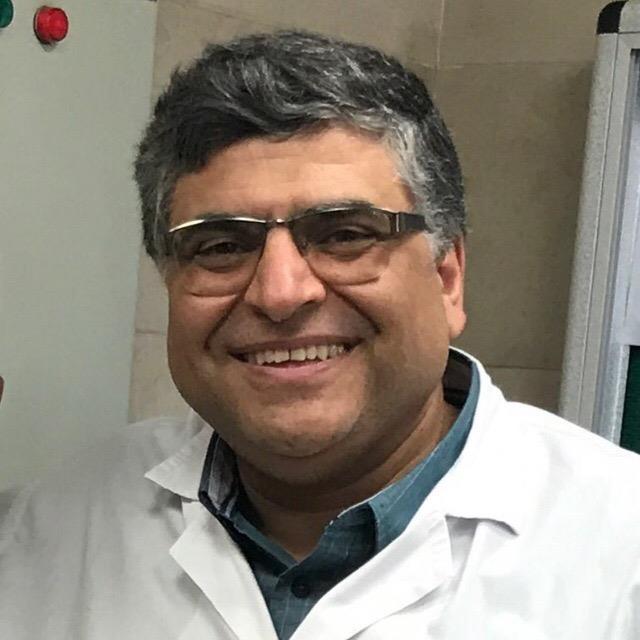
54 MOHAMMAD HOSSEIN NEKOOFAR CURRICULUM VITAE Current job: Associate Professor of Endodontics: August present School of Dentistry, Tehran University of Medical Sciences, Tehran, Iran Associate Professor in Tissue Engineering & Applied Cell Sciences: 2015-present School of Advanced Technologies in Medicine, Tehran University of Medical Sciences, Tehran, Iran Honorary Senior Lecturer in Endodontics & Dental Biomaterial: present School of Dentistry, Cardiff University, Cardiff, UK Director of International Relations, Accreditation & Ranking: 2013-present Tehran University of Medical Sciences, Tehran, Iran Immediate Past President of Iranian Association of Endodontics (IAE): July 2016-present Work history: President of Iranian Association of Endodontics (IAE): Vice-dean of Administrative and Financial Affairs: December October 2015 School of Dentistry, Tehran University of Medical Sciences, Tehran, Iran Vice-dean of International Affairs: December 2012-December 2013 School of Dentistry, Tehran University of Medical Sciences, Tehran, Iran Assistant Professor of Endodontics: August 2016 School of Dentistry, Tehran University of Medical Sciences, Tehran, Iran 54
55 Group Leader of Endodontolgy Research Group: September Endodontolgy research group, School of Dentistry, Cardiff University, Cardiff, UK Clinical Lecturer in Endodontics: December 2005-August 2012 School of Dentistry, Cardiff University, Cardiff, UK Honorary Visiting Lecturer: April 2004-December 2005 School of Dentistry, Cardiff University, Cardiff, UK Research theses: DDS thesis (1989): Association of Central Giant Cell Granuloma and HLA-DR10; Tehran University of Medical Sciences, Tehran, Iran MSc thesis (1993): Evaluation of the accuracy of two models of the Electronic apex locators (Root ZX & Formatron V); Tehran University of Medical Sciences, Tehran, Iran PhD thesis (2011): The effect of contamination on selected physical and chemical characteristics of Mineral Trioxide Aggregate; Cardiff University, Cardiff, UK 2011 PhD Dentistry (Dental Biomaterial) Cardiff University, Cardiff, UK 1994 Diplomate, Iranian Board of Endodontics Endodontics Iranian Board of Endodontics; Ministry of Health & Health Education, Tehran, Iran 1993 MSc Endodontics School of Dentistry, Tehran University of Medical Science, Tehran, Iran 1989 DDS General Dentistry School of Dentistry, Tehran University of Medical Science, Tehran, Iran Research experiences: A member of Endodontology Research Group, Department of Adult Dental Health, Cardiff University Group Leader of Electronic apex locators study Group Leader of Mineral Trioxide Aggregate study Supervising more than 45 final projects and dissertations of BDs and DDs students in Iran and UK Supervising more than 11 theses of postgraduate and master of clinical dentistry postgraduate students in UK and Iran Publication of more than 50 original articles in English and Persian Research Interests: Electronic root canal length measurement devices Mineral trioxide aggregate (MTA) Post-Operative pain in Endodontics Treatment of immature root canals Automated root canal preparation Physiopathology of periapical lesions Regenerative Endodontics 55
56 Original Publications: 1. Nekoofar MH*, Sadeghi K, Sadighi Akha E, Namazikhah MS. The accuracy of the Neosono Ultima EZ apex locator using files of different alloys: an in vitro study. J Calif Dent Assoc 2002;30: (Cited by 37) 2. Nekoofar MH*, Sadeghipanah M, Dehpour AR. Evaluation of meloxicam (A cox-2 inhibitor) for management of postoperative endodontic pain: a double-blind placebo-controlled study. J Endod 2003;29: (Cited by 49) 3. Nekoofar MH*. Electronic apex locators. Int Endod J 2005;38: (Cited by 2) 4. Nekoofar MH*, Ghandi MM, Hayes SJ, Dummer PM. The fundamental operating principles of electronic root canal length measurement devices. Int Endod J 2006;39: (Cited by 188) 5. Sabeti MA*, Nekoofar MH, Motahhary P, Ghandi M, Simon JH. Healing of apical periodontitis after endodontic treatment with and without obturation in dogs. J Endod 2006;32: (Cited by 64) 6. Nekoofar MH*, Adusei G, Sheykhrezae MS, Hayes SJ, Bryant ST, Dummer PM. The effect of condensation pressure on selected physical properties of mineral trioxide aggregate. Int Endod J 2007;40: (Cited by 100) 7. Namazikhah MS, Nekoofar MH*, Sheykhrezae MS, Salariyeh S, Hayes SJ, Bryant ST, et al. The effect of ph on surface hardness and microstructure of mineral trioxide aggregate. Int Endod J 2008;41: (Cited by 130) 8. Uzun O, Topuz O, Tinaz C, Nekoofar MH*, Dummer PM. Accuracy of two root canal length measurement devices integrated into rotary endodontic motors when removing gutta-percha from root-filled teeth. Int Endod J 2008;41: (Cited by 25) 9. Kayahan MB, Nekoofar MH*, Kazandag M, Canpolat C, Malkondu O, Kaptan F, et al. Effect of acid-etching procedure on selected physical properties of mineral trioxide aggregate. Int Endod J 2009;42: (Cited by 92) 10. Nekoofar MH*, Haddad DC, Nolde J, Aseeley Z. Water content of ampoule packaged with ProRoot MTA. Int Endod J 2009;42:549-51; author reply (Cited by 10) 11. Nekoofar MH*, Namazikhah MS, Sheykhrezae MS, Mohammadi MM, Kazemi A, Aseeley Z, et al. ph of pus collected from periapical abscesses. Int Endod J 2009;42: (Cited by 48) 12. Yazdi KA, Bayat-Movahed S, Aligholi M, Hayes SJ, Nekoofar MH*. Microleakage of human saliva in coronally unsealed obturated root canals in anaerobic conditions. J Calif Dent Assoc 2009;37: Nekoofar MH*, Aseeley Z, Dummer PM. The effect of various mixing techniques on the surface microhardness of mineral trioxide aggregate. Int Endod J 2010;43: (Cited by 51) 14. Nekoofar MH*, Oloomi K, Sheykhrezae MS, Tabor R, Stone DF, Dummer PM. An evaluation of the effect of blood and human serum on the surface microhardness and surface microstructure of mineral trioxide aggregate. Int Endod J 2010;43: (Cited by 48) 15. Nekoofar MH*, Stone DF, Dummer PM. The effect of blood contamination on the compressive strength and surface microstructure of mineral trioxide aggregate. Int Endod J 2010;43: (Cited by 53) 16. Shokouhinejad N, Nekoofar MH*, Iravani A, Kharrazifard MJ, Dummer PM. Effect of acidic environment on the push-out bond strength of mineral trioxide aggregate. J Endod 2010;36: (Cited by 103) 56
57 17. Shokouhinejad N, Sharifian MR, Aligholi M, Assadian H, Tabor RK, Nekoofar MH*. The sealing ability of resilon and gutta-parcha following different smear layer removal methods: an ex vivo study. Oral Surg Oral Med Oral Pathol Oral Radiol Endod 2010;110:e45-9. (Cited by 22) 18. Houshmand B, Ghandi M, Nekoofar MH*, Gholamii GA, Tabor RK, Dummer PM. SEM Analysis of MTAD Efficacy for Smear Layer Removal from Periodontally Affected Root Surfaces. J Dent (Tehran) 2011;8: (Cited by 7) 19. Nekoofar MH*, Davies TE, Stone D, Basturk FB, Dummer PM. Microstructure and chemical analysis of blood-contaminated mineral trioxide aggregate. Int Endod J 2011;44: (Cited by 33) 20. Khedmat S, Rouhi N, Drage N, Shokouhinejad N, Nekoofar MH*. Evaluation of three imaging techniques for the detection of vertical root fractures in the absence and presence of guttapercha root fillings. Int Endod J 2012;45: (Cited by 62) 21. Nosrat A, Nekoofar MH*, Bolhari B, Dummer PM. Unintentional extrusion of mineral trioxide aggregate: a report of three cases. Int Endod J 2012;45: (Cited by 21) 22. Shokouhinejad N, Nekoofar MH*, Razmi H, Sajadi S, Davies TE, Saghiri MA, et al. Bioactivity of EndoSequence root repair material and bioaggregate. Int Endod J 2012;45: (Cited by 23. Basturk FB, Nekoofar MH*, Gunday M, Dummer PM. The effect of various mixing and placement techniques on the compressive strength of mineral trioxide aggregate. J Endod 2013;39: Ghandi M, Houshmand B, Nekoofar MH*, Tabor RK, Yadeghari Z, Dummer PM. The effect of MTAD, an endodontic irrigant, on fibroblast attachment to periodontally affected root surfaces: A SEM analysis. J Indian Soc Periodontol 2013;17: Kayahan MB, Nekoofar MH*, McCann A, Sunay H, Kaptan RF, Meraji N, et al. Effect of acid etching procedures on the compressive strength of 4 calcium silicate-based endodontic cements. J Endod 2013;39: (Cited by 26) 26. Oloomi K, Saberi E, Mokhtari H, Mokhtari Zonouzi HR, Nosrat A, Nekoofar MH*, et al. Evaluation of the effect of blood contamination on the compressive strength of MTA modified with hydration accelerators. Restor Dent Endod 2013;38: (Cited by 12) 27. Shokouhinejad N*, Razmi H, Nekoofar MH, Sajadi S, Dummer PM, Khoshkhounejad M. Pushout bond strength of bioceramic materials in a synthetic tissue fluid. J Dent (Tehran) 2013;10: (Cited by 6) 28. Basturk FB, Nekoofar MH*, Gunday M, Dummer PM. Effect of various mixing and placement techniques on the flexural strength and porosity of mineral trioxide aggregate. J Endod 2014;40: (Cited by 18) 29. Bolhari B, Nekoofar MH*, Sharifian M, Ghabrai S, Meraji N, Dummer PM. Acid and microhardness of mineral trioxide aggregate and mineral trioxide aggregate-like materials. J Endod 2014;40: (Cited by 12) 30. Grazziotin-Soares R, Nekoofar MH*, Davies TE, Bafail A, Alhaddar E, Hubler R, et al. Effect of bismuth oxide on white mineral trioxide aggregate: chemical characterization and physical properties. Int Endod J 2014;47: (Cited by 25) 31. Khedmat S, Dehghan S, Hadjati J, Masoumi F, Nekoofar MH*, Dummer PM. In vitro cytotoxicity of four calcium silicate-based endodontic cements on human monocytes, a colorimetric MTT assay. Restor Dent Endod 2014;39: (Cited by 12) 32. Shokouhinejad N*, Jafargholizadeh L, Khoshkhounejad M, Nekoofar MH, Raoof M. Surface microhardness of three thicknesses of mineral trioxide aggregate in different setting conditions. Restor Dent Endod 2014;39: (Cited by 6) 57
58 33. Shokouhinejad N*, Nekoofar MH, Ashoftehyazdi K, Zahraee S, Khoshkhounejad M. Marginal adaptation of new bioceramic materials and mineral trioxide aggregate: a scanning electron microscopy study. Iran Endod J 2014;9: Shokouhinejad N*, Yazdi KA, Nekoofar MH, Matmir S, Khoshkhounejad M. Effect of acidic environment on dislocation resistance of endosequence root repair material and mineral trioxide aggregate. J Dent (Tehran) 2014;11: (Cited by 6) 35. Basturk FB, Nekoofar MH*, Gunday M, Dummer PM. Effect of varying water-to-powder ratios and ultrasonic placement on the compressive strength of mineral trioxide aggregate. J Endod 2015;41: (Cited by 12) 36. Nekoofar MH, Sheykhrezae MS*, Meraji N, Jamee A, Shirvani A, Jamee J, et al. Comparison of the effect of root canal preparation by using WaveOne and ProTaper on postoperative pain: a randomized clinical trial. J Endod 2015;41: (Cited by 32) 37. Saatchi M, Rahimi I*, Khademi A, Farhad AR, Nekoofar MH, Dummer PM. Influence of tooth length on the accuracy of the Root ZX electronic apical foramen locator: an ex vivo study. Acta Odontol Scand 2015;73: Shokouhinejad N, Nekoofar MH*, Pirmoazen S, Shamshiri AR, Dummer PM. Evaluation and Comparison of Occurrence of Tooth Discoloration after the Application of Various Calcium Silicatebased Cements: An Ex Vivo Study. J Endod 2016;42: (Cited by 10) 39. Bakhtiar H, Mirzaei H, Bagheri MR, Fani N, Mashhadiabbas F, Baghaban Eslaminejad M*, Sharifi D, Nekoofar MH*, Dummer P. Histologic tissue response to furcation perforation repair using mineral trioxide aggregate or dental pulp stem cells loaded onto treated dentin matrix or tricalcium phosphate. Clin Oral Investig. 2017; 21(5): (Cited by 1) 40. Bakhtiar H, Esmaeili S, Fakhr Tabatabayi S, Ellini MR, Nekoofar MH*, Dummer PM. Secondgeneration Platelet Concentrate (Platelet-rich Fibrin) as a Scaffold in Regenerative Endodontics: A Case Series. J Endod. 2017; 43(3): (Cited by 3) 41. Bakhtiar H, Nekoofar MH, Aminishakib P, Abedi F, Naghi Moosavi F, Esnaashari E, Azizi A, Esmailian S, Ellini MR, Mesgarzadeh V, Sezavar M, About I*. Human Pulp Responses to Partial Pulpotomy Treatment with TheraCal as Compared with Biodentine and ProRoot MTA: A Clinical Trial. Publication stage: J Endod. In Press * Correspondence Author; Some of the Published Abstracts Posters & Meeting Presentations: M.H Nekoofar: MTA options; Invited Lecturer of the 2008 Irish Endodontic Society Annual Scientific Meeting -Dublin Ireland M.H Nekoofar: The Evolution of Electronic Working Length Measurement; Keynote Speaker of the 2008 American Association of Endodontics Annual congress M.H Nekoofar Biomaterials in Endodontics Keynote Speaker of 10th International Congress of the Turkish Endodontic Society. M.S. SheykhRezai; A. Yusefi; S.A.Ghazinouri; M.H. Nekoofar: Evaluation of the stress distribution in the maxillary central incisor during endodontic and restorative cavity preparation. Journal of Endodontics Vol.29, No.4 April 2003(316) PR69. American Association of Endodontics 2003 Annual Session, Tampa, USAM. M.H.Nekoofar; S.A. Ghazinouri; S. Niknam; M. Eslami. An in-vitro comparison of the efficacy of the Protaper engine driven vs. stainless steel K-files in canal debridement. Journal of Endodontics Vol.29, No.4 April 2003(316) PR49.American Association of Endodontics 2003 Annual Session, Tampa, USA 58
59 M.H. Nekoofar; F. Niknam; M.S. SheykhRezai; E. SadighiAkha. An in-vitro comparison of the efficacy of Ni-Ti Engine Driven and. Stainless Steel K-Files in Canal debridement. International Endodontic Journal Oct 2001(24), R67. European Society of Endodontology, 10th Biennial Congress-Munich, Germany KONUŞMA ÖZETİ CALCIUM SILICATE CEMENT. A CRITICAL APPRAISAL OF THE EVIDENCE The process of decision making in clinical fields including Endodontics depends on the use of best research together with clinical expertise, alongside valuing patient needs and requests. A large number of articles in the field of Endodontics are published each month and a clinician must be able to select the best evidence out of them. To reach this purpose, various tools are available in evidence based medicine/dentistry (EBD). They include the codes for the identification of a clinical problem and its conversion into a question. A successful clinician must be able to utilize the appropriate search strategy and then be competent enough to recognize, classify and appraise the best-available evidence to resolve a particular clinical question. In this presentation some of the EBD tools will be discussed and then this tools will be used to evaluate available evidences about clinical applications of calcium silicate cements including vital pulp treatments, repair of root perforation, surgical root end filling and regenerative endodontic. As an example some of the selected articles will be critically appraised. 59
60 SÖZLÜ BİLDİRİLER 60
61 SS01 SICAK UYGULAMASI İLE ELDE EDİLMİŞ RESİPROKASYON YAPAN TEK EĞE SİSTEMLERİNİN DİNAMİK VE STATİK TESTLER ALTINDAKİ DÖNGÜSEL YORGUNLUK DİRENÇLERİNİN KARŞILAŞTIRILMASI. UZM. DT. AHMET KELEŞ, YAR. DOÇ. DR. AYHAN EYMİRLİ, DOÇ. DR. ÖZGÜR UYANIK, DOÇ. DR. EMRE NAGAŞ HACETTEPE ÜNİVERSİTESİ DİŞ HEKİMLİĞİ FAKÜLTESİ ENDODONTİ ANABİLİM DALI Amaç: Dört farklı resiprokasyon eğe sisteminin farklı kinematikler altında döngüsel yorgunluk dirençlerinin karşılaştırılması. Gereç ve Yöntem: Bu çalışmada Reciproc R25, Reciproc Blue R25, Waveone Primary and Waveone Gold Primary döner eğe sistemler kullanıldı. Her eğe grubundan 30ar eğe statik (n=15) ve dinamik (n=15) döngüsel yorgunluk direnci testine tabi tutuldu. Statik testlerde eğeler 1,5 mm çaplı 60 kruvatür açısı ve 3 mm kruvatür yarıçapı olan paslanmaz çelikten yapılmış yapay bir kanala 20 mm boyunda yerleştirilerek sadece resiprokasyon hareketi kullanıldı. dinamik testlerde ise eğeler aynı kanala yerleştirilerek eğelere klinik koşulları taklit eden aksiyal hareket uygulandı. Kırık parçanın uzunluğu ve kırılana kadar geçen süre dijital kronometre ile ölçüldü. elde edilen verilerin istatistiksel analizinde tek yönlü varyans analizi ve Bonferroni testlerinden yararlanıldı. Bulgular: Waveone eğe sistemi her iki test türünde de diğer eğe sistemlerinden daha düşük döngüsel yorgunluk direnci değerleri sergiledi (P >.05). Diğer eğe sistemleri arasında anlamlı bir fark bulunamadı. Bütün eğeler dinamik testlerde statik testlere göre daha yüksek döngüsel yorgunluk direnci gösterdiler (P >.05). Kırık parçanın uzunluğu açısından gruplar arasında anlamlı bir fark bulunamadı (P >.05). Sonuçlar: Waveone'ın diğer eğelere göre döngüsel yorgunluk direnci daha düşük çıktı. Dinamik testlerde eğeler daha yüksek döngüsel yorgunluk direnci gösterdiler. Kırılan parçanın uzunluğu konusunda herhangi anlamlı bir fark bulunamadı. SS01 CYCLIC FATIQUE RESISTANCE OF HEAT TREATED RECIPROCATING SINGLE FILE SYSTEMS; COMPARING STATIC AND DYNAMIC TESTS Aim: Evaluation of cyclic fatique life of four reciprocating single file systems via artifical stainless steel canals with different kinematics. Methodology: Reciproc R25, Reciproc Blue R25, Waveone Primary and Waveone Gold Primary systems were used in this study. Instruments (n=30 per instrument) were tested under static (n=15) and dynamic load (n=15) in artificial canals which were made of stainless steel with an inner diameter of 1.5 mm, 60 angle of curvature and a radius of curvature of 5 mm until fracture occurred, and the time to fracture was recorded in seconds using a digital chronometer. One way analysis and Bonferroni tests were used for the statistical analysis of data in SPSS 21.0 software. Results: Waveone Files were found to have significantly less cyclic fatique resistance than Waveone Gold, Reciproc and Reciproc Blue files in both static and dynamic models. When comparing the results from static and dynamic tests, the fatigue life was markedly prolonged in the dynamic model for all instrument systems (P < 0>.05). 61
62 Conclusions: WO presented significantly lower cyclic fatigue life. Dynamic models presented higher cyclic fatigue life. There were no significant differences of the fracture length of the files. SS02 VÜCUT SICAKLIĞINDA WAVEONE GOLD, PROTAPER NEXT VE 2SHAPE NIKEL TITANYUM DÖNER ALETLERİNİN DÖNGÜSEL YORULMA DİRENCİ KEZİBAN OLCAY, TAN FIRAT EYÜBOĞLU, ERHAN ERKAN İSTANBUL MEDİPOL ÜNİVERSİTESİ DİŞHEKİMLİĞİ FAKÜLTESİ ENDODONTİ ANABİLİM DALI Amaç: Bu çalışmanın amacı, WaveOne Gold (WOG), ProTaper Next (PTN) ve 2Shape (TS) nikel-titanyum aletlerinin kanal içi sıcaklığındaki döngüsel yorgunluk direncini değerlendirmektir. Gereç ve Yöntem: Çalışmada toplam 45 adet yeni WOG (25 /.07), PTN (25 /.06) ve TS (25 /.06) eğeleri kullanıldı. Döngüsel yorulma direnci, 1.5 mm'lik iç çapa, 60 'lik eğrilik açısına ve 5 mm'lik bir eğrilik yarıçapına sahip, çalışma için özel olarak dizayn edilerek üretilen, paslanmaz çelik bir bloğun yapay kanalında test edilmiştir. Kanal içine 16 mm uzunluğunda bir eğe parçası (uçtan) yerleştirildi ve 37 C suya daldırıldı. Eğelerin kırılma zamanı (TTF), bir dijital kronometre kullanılarak kaydedildi ve her bir eğe için kırılma döngü sayısı (NCF) hesaplandı. Her bir kırık parçanın uzunluğu (FL) kaydedildi ve her bir kırık parçanın yüzeyi bir taramalı elektron mikroskobu kullanılarak incelendi. Veriler, tek yönlü bir varyans analizi, Student t testi ve 0.05 anlamlılık seviyesine sahip, Tamhane nin T2 post hoc testi kullanılarak analiz edildi. Bulgular: WOG eğeleri,sırasıyla PTN ve TS eğelerine göre, belirgin olarak daha yüksek döngüsel yorgunluk direnci gösterdi. PTN eğeleri, TS eğelerinden anlamlı olarak daha uzun NCF değerlerine sahipti (p <.05). Guruplar arasında FL değerleri açısından herhangi bir farklılığa rastlanmadı (p>.05). Sonuçlar: Bu çalışmanın sınırları dahilinde, daha yüksek döngüsel yorulma direncine bağlı olarak, resiprokal hareketin, eğri kök kanallarında devamlı rotasyon hareketine göre daha güvenli kullanılabileceği sonucuna varılabilir. SS02 CYCLIC FATIQUE RESISTANCE OF WAVEONE GOLD, PROTAPER NEXT AND 2SHAPE NICKEL TITANIUM ROTARY INSTRUMENTS AT BODY TEMPERATURE Aim: The purpose of this study was to evaluate the cyclic fatigue resistance of the WaveOne Gold (WOG), ProTaper Next (PTN), and 2Shape (TS) nickel-titanium instruments at an intracanal temperature. Methodology: A total of 45 new WOG (25/.07), PTN (25/.06), and TS (25/.06) files were used. The cyclic fatigue resistance was tested inside the artificial canal of a custom-made stainless steel block with an inner diameter of 1.5 mm, a 60 angle of curvature, and a 5- mm radius of curvature. A 16-mm-long file segment (from the tip) was introduced into the canal, and it was immersed in 37 C water. The time to failure (TTF) was recorded using a digital chronometer, and the number of cycles to fracture (NCF) was calculated for each instrument. Each fractured fragment length (FL) was recorded, and the fractured surface of each fragment was examined using a scanning electron microscope. The data were analyzed using a one-way analysis of variance, Student s t-test, and Tamhane s T2 post hoc test, with a significance level of Results: The WOG instruments showed a significantly higher cyclic fatigue resistance, followed by the PTN and TS instruments, respectively (p<.05). The PTN instruments showed 62
63 significantly longer NCF values than the TS instruments (p<.05). The FL values were not significantly different for any of the groups (p>.05). Conclusions: Within the limitations of the present study, it can be concluded that reciprocating motion can be used more safely than continuous rotation in curved canals due to the higher cyclic fatigue resistance. instruments showed significantly longer NCF values than the TS instruments (p<.05). The FL values were not significantly different for any of the groups (p>.05). SS03 KLOROFORMUN FARKLI RETREATMENT EĞE SİSTEMLERİNİN DÖNGÜSEL YORGUNLUK DİRENCİNE ETKİSİ AHMET KELEŞ, SELEN KÜÇÜKKAYA, HACER AKSEL, SEVİNÇ ASKERBEYLİ HACETTEPE ÜNİVERSİTESİ DİŞ HEKİMLİĞİ FAKÜLTESİ ENDODONTİ ANABİLİM DALI Amaç: Kloroformun, dört farklı retreatment eğe sisteminin döngüsel yorgunluk direncine etkisini değerlendirmektir. Gereç ve Yöntem: Bu çalışmada ProTaper D3 (20/.07), D-Race DR2 25/.04, Mtwo R2 (25/.05) ve R-Endo R3 (25/.04) olmak üzere 4 farklı retreatment eğe sistemi kullanılmıştır. Her sistemden 30 adet eğe, rastgele 2 gruba ayrılmıştır (n=15). İlk gruptaki eğeler kloroformda bekletilmeden, direkt olarak dinamik döngüsel yorgunluk direnci testine tabi tutulmuştur. İkinci gruptaki eğeler ise 5 dakika boyunca kloroformda bekletildikten sonra döngüsel yorgunluk direnci testine sokulmuştur. Her eğe kırılana kadar döndürülmüştür. Kırılana kadar olan döngü sayısı ve kırık parçaların uzunluğu ölçülmüştür. Elde edilen verilerin istatistiksel analizi T-testi, tek yönlü varyans analizi ve Tukey testleri ile yapılmıştır (p=0.05). Bulgular: Birinci grupta, ProTaper ve R-Endo eğeleri, D-Race ve Mtwo eğelerinden anlamlı olarak daha yüksek döngüsel yorgunluk direnci göstermiştir (p<0>0.05). Kloroformda bekletilmiş grupta, bütün eğeler birbirinden anlamlı olarak farklı sonuçlar sergilemiştir (p<0>0.05). Sonuçlar: Kloroform, sadece R-Endo eğe sistemi üzerinde negatif bir etkiye yol açmıştır. ProTaper eğe sistemi, diğer eğe sistemlerinden anlamlı olarak daha yüksek döngüsel yorgunluk direnci göstermiştir. SS03 EFFECT OF IMMERSION IN CHLOROFORM ON CYCLIC FATIGUE RESISTANCE OF DIFFERENT RETREATMENT SYSTEMS Aim: To evaluate of the effect of immersion in chloroform oncyclic fatigue resistance of four different retreatment instruments. Methodology: A total of 120 new ProTaper D3 (20/.07), D-Race DR2 25/.04, Mtwo R2 (25/.05) and R-Endo R3 (25/.04 ) files were used in this study. Thirty files of the same brand were randomly assigned to two groups (n=15). The files in group 1 (no immersion) were directly subjected to dynamic cyclic fatigue test, while the files in group 2 (chloroform immersion) were tested after immersion in chloroform solution for 5 minutes. All instruments were rotated until fracture. The number of cycles to failure and the lenghts of the fractured fragments for each instrument were calculated. The data were analyzed using T-test, oneway analysis of variance and Tukey tests (p=0.05). Results: In group 1, ProTaper and R-Endo instruments showed better cyclic fatigue resistance than D-Race and Mtwo instruments (p<0>protaper and R-Endo instruments in 63
64 case of no chloroform immersion (p>0.05). In group 2, all investigated brands were significantly different from each other (p<0>r-endo instruments (p<0>protaper, D- Race and Mtwo retreatment instruments (p>0.05). Conclusions: The immersion in chloroform had negative effect on only R-Endo retreatment system. Protaper retreatment instruments showed higher fatigue resistance than other retreatment systems. SS04 XP-ENDO SHAPER, EDGEEVOLVE VE HYFLEX CM SİSTEM EĞELERİN DÖNGÜSEL YORULMA DİRENÇLERİNİN KARŞILAŞTIRILMASI MEHMET ADIGÜZEL, PELİN TÜFENKÇİ, İPEK İŞKEN MUSTAFA KEMAL ÜNİVERSİTESİ, DİŞ HEKİMLİĞİ FAKÜLTESİ, ENDODONTİ ANABİLİM DALI Amaç: Bu çalışmanın amacı, Xp-Endo Shaper (FKG Dentaire SA, La Chaux de Fonds, İsviçre), EdgeEvolve (EdgeEndo, Albuquerque, ABD) ve Hyflex CM (Coltene, Allstatten, İsviçre) nikel titanyum eğelerin döngüsel yorgunluğa bağlı kırılma dirençlerinin karşılaştırılmasıdır. Gereç ve Yöntem: Bu çalışmada, 15 adet Xp-Endo Shaper (30/.01), 15 adet EdgeEvolve (30/.04) ve 15 adet Hyflex CM (30/.04) eğe teste tabi tutuldu. Her bir eğe kırılıncaya kadar 60 derece kurvatürü ve 5mm kurvatür yarıçapı olan yapay kanalda döndürüldü. Eğelerin kırılıncaya kadar olan tur sayısı hesaplandı. Veriler, tek yönlü varyans analizi (ANOVA) ile Tukey post hoc testleri kullanılarak analiz edildi (P < 0> Bulgular: Grupların tur sayıları arasındaki fark istatistiksel olarak anlamlıydı. Eğelerin en yüksekten en düşük NCF sırasına göre sırası şöyledir: XP-endo Shaper (2883 ± 236.3), EdgeEvolve (2615 ± 237.6), HyFlex CM (1375 ± 151.8). Sonuçlar: Bu çalışmanın sınırları içinde, Xp-endo Shaper eğeler EdgeEvolve ve Hyflex CM eğelere göre kırılmaya karşı daha iyi direnç gösterdi. SS04 COMPARISON OF CYCLIC FATIGUE RESISTANCE OF XP-ENDO SHAPER, EDGE EVOLVE AND HYFLEX CM SYSTEM INSTRUMENTS Aim: The aim of this study was to compare the cyclic fatigue resistance of Xp-Endo Shaper (FKG Dentaire SA, La Chaux de Fonds, Switzerland), EdgeEvolve (EdgeEndo, Albuquerque, USA) and Hyflex CM (Coltene, Allstatten, Switzerland) nickel titanium instruments. Methodology: In this study, 15 XP-endo Shaper (30/.01), 15 EdgeEvolve (30/.04) and 15 HyFlex CM (30/.04) instruments were tested in artificial canals (n=15). Each instrument was rotated in the artificial canal with 60 angle of curvature and a 5 mm radius of curvature until fracture. The number of cycles to fracture (NCF) of instruments was calculated. Data were statistically analyzed using one-way analysis of variance (ANOVA) and Tukey post hoc tests (P < 0> Results: The difference in the NCF of all groups was statistically significant (P < 0> The order of the instruments from the highest to the lowest NCF was as follows: XP-endo Shaper (2883 ± 236.3), EdgeEvolve (2615 ± 237.6), HyFlex CM (1375 ± 151.8). 64
65 Conclusions: Within the limitations of this study, Xp-endo Shaper instruments showed better cyclic fatigue resistance than EdgeEvolve and Hyflex CM instruments. SS05 SİMÜLE KANALLARDA PATHFİNDER ENSTRÜMANLARIN VE FARKLI HAREKET ŞEKLİYLE ÇALIŞAN Nİ-Tİ DÖNER ALETLERİN ŞEKİLLENDİRME YETENEĞİNİN DEĞERLENDİRİLMESİ DENİZ ÖNAL ÇENGELLİ, HASAN ORUÇOĞLU ABANT İZZET BAYSAL ÜNİVERSİTESİ, DİŞ HEKİMLİĞİ FAKÜLTESİ, ENDODONTİ ANABİLİM DALI Amaç: Bu çalışmanın amacı; tek ve çift kurvatüre sahip insan dişini taklit eden simüle kanallı rezin bloklarda farklı hareket şekliyle çalışan nikel titanyum (Ni-Ti) döner aletlerin şekillendirme yeteneğinin, merkezlenme kabiliyeti ve kanal transportasyonunun değerlendirilmesi; ayrıca preparasyon öncesinde kullanılan Pathfinder Ni-Ti enstrümanların etkisinin stereomikroskopla alınan görüntülerle birlikte karşılaştırılmasıdır. Gereç ve Yöntem: Çalışmamızda altmış adet tek kurvatüre sahip L kanal ve altmış adet çift kurvatüre sahip S kanal simüle kanallı rezin blok kullanılmıştır. Tek ve çift kurvatüre sahip simüle kanallar preparasyon için kullanılacak Ni-Ti döner aletlere ve öncesinde pathfinder kullanılıp kullanılmamasına göre gruplara(n=10) ayrılmış, ProTaper Next (PTN), TwistedFile Adaptive (TFA), Reciproc (R) ile birlikte ProGlider (PG) kullanılan ve kullanılmayan gruplar oluşturulmuştur (L ve S gruplar için; A grubu: PTN, B grubu: PTN+PG, C grubu: TFA, D grubu: TFA+PG, E grubu: R, D grubu: R+PG). Her simüle kanal preparasyon öncesinde kanal boşluğuna siyah boya enjekte edilerek stereomikroskop ile preoperatif görüntüler alınmıştır. Her grup rezin blok test edilecek eğe grubu ile üretici talimatlarına göre ve uygun hareket çeşidiyle prepare edilmiş ve sonrasında kanal boşluğuna kırmızı boya enjekte edilerek postoperatif görüntüleri alınmıştır. Elde edilen pre- ve postoperatif görüntüler bilgisayar programı yardımıyla üst üste çakıştırma yöntemi kullanılarak değerlendirilmiştir. Sonuçlar birbiriyle karşılaştırılarak elde edilen veriler istatistiksel olarak değerlendirilmiştir. Bulgular: İstatistiksel analiz sonucunda, L kanallarda; R ve R+PG grubunda PTN, PTN+PG, TFA ve TFA+PG gruplarına kıyasla en fazla kanal transportasyonunun görülmüş, elde edilen sonuçlar ise istatistiksel olarak anlamlı bulunmuştur (p<.05). En az kanal transportasyonu ise PTN, PTN+PG, TFA ve TFA+PG eğelerin olduğu gruplarda bulunmuş elde edilen sonuçlarda ise istatistiksel olarak aralarında anlamlı fark bulunamamıştır (p>.05). S kanallar da ise; en fazla kanal transportasyonu PTN ve R gruplarında elde edilmiştir. En iyi merkezlenme kabiliyeti TFA+PG grubunda elde edilmiş ve PTN, TFA ve R gruplarıyla arasında istatistiksel anlamlı fark bulunmuştur (p<.05). PTN, PTN+PG ve TFA grubu arasında ayrıca R ve R+PG grupları arasında istatistiksel anlamlı fark bulunamamıştır (p>.05). L ve S kanallarda eğelerin genişletme miktarları ise R>PTN>TFA sonucu elde edilmiştir. En fazla genişletme miktarı R grubunda, en az genişletme ise TFA+PG grubunda elde edilmiş ve aralarındaki fark istatistiksel olarak anlamlı bulunmuştur (p<.05). Sonuçlar: Çalışma sonuçlarına göre kullanılan her eğe grubunda çeşitli derecelerde kanal transportasyonu elde edilmiştir. PG eğelerin merkezlenme kabiliyetini arttırdığı fakat kanal transportasyonunu tamamen engellemediği sonucu çıkartılabilir. Çalışmanın sınırları dahilinde PTN ve TFA arasında anlamlı fark bulmamış, R eğelerin ise L ve S kanallarda kanal transportasyonu yarattığı sonucu elde edilmiştir. SS05 EVALUATION OF SHAPING ABILITY OF PATHFINDER INSTRUMENTS AND Nİ-Tİ ROTARY FILES WORKING WITH DIFFERENT MOTIONS IN SIMULATED ROOT CANALS Aim: The purpose of this study is; centering ability and canal transportation of nickel titanium rotary files working with different motion in simulated canal resin blocks with single 65
66 and double curvature. The comparison of the effect of the Pathfinder Ni-Ti instruments used beforehand with the stereomicroscopic images. Methodology: In our study, simulated canal resin blocks with sixty single curvatures and sixty double curvatures were used. Simulated canals were separated into groups (n = 10) according to the Ni-Ti rotary instruments to be used for preparation and whether or not pathfinders were used before, and ProTaper Next, TwistedFile Adaptive, Reciproc along with ProGlider were used and unused groups were created (A group: PTN, B group: PTN + PG, C group: TFA, D group: TFA + PG, E group: R, D group: R + PG). Before each simulated canal preparation, black dye was injected into the canal space and preoperative images were taken by stereomicroscope. Each group of resin blocks was prepared with a file group to be tested and according to the manufacturer's instructions and the appropriate type of movement, and postoperative images were taken after injecting red dye into the canal space. Obtained preand postoperative images were assessed using computer-assisted superimposition method. The results were compared with each other and the data were evaluated statistically. Results: As a result of statistical analysis, in L canals; It was found statistically significant in the R and R+PG groups that canal transport was obtained the highest compared to PTN, PTN+PG, TFA and TFA+PG groups (p<.05). PTN, PTN+PG, TFA and TFA+PG files were obtained the least canal transport and no significant difference was found between them (p>.05). In the S canals; maximum canal transport was obtained in PTN and R groups. The best centering ability was obtained in the TFA+PG group and there was a statistically significant difference between with the PTN, TFA and R groups (p<.05). In the L and S canals, the expansion amounts of the files were found as R>PTN>TFA (p<.05). Conclusions: According to the results of the study, canal transport was obtained at various grades in each file group used. PG files can enhance the centering ability, but it can t completely block the canal transport. No significant difference was found between the PTN and TFA within the boundaries of the study, and the results of the R files created canal transport in the L and S canals. SS06 FARKLI Nİ-Tİ EG E SİSTEMLERİNİN EG Rİ KANALLARDAKİ PREPARASYON ETKİNLİKLERİ UZM. DT. MERVE KANBER 2, DR. ÖĞR. ÜY. H.MELİKE BAYRAM 2, DR. MERT OCAK 1, PROF. DR. H.HAMDİ ÇELİK 3 1 ÖZEL MARKA AĞIZ DİŞ SAĞLIĞI MERKEZİ 2 GAZİOSMANPAŞA ÜNİVERSİTESİ DİŞ HEKİMLİĞİ FAKÜLTESİ 3 HACETTEPE ÜNİVERSİTESİ TIP FAKÜLTESİ Amaç: Bu çalışmanın amacı; HyFlex EDM, XP-Endo Shaper, WaveOne Gold, Reciproc ve ProTaper Next eğe sistemlerinin eğimli kök kanallarındaki şekillendirme yeteneklerini mikrobilgisayarlı tomografi (μbt) görüntüleme tekniğini kullanarak karşılaştırmaktır. Gereç ve Yöntem: Çalışmamızda, eğimli mesial köklere sahip 135 adet çekilmiş mandibular molar diş µbt ile tarandı ve Tip IV kanal konfigürasyonuna sahip 40 adet mandibular molar dişin mesial kanalları kullanıldı. Örnekler, rastgele 5 gruba ayrıldı (n=16). Giriş kaviteleri açıldı ve #10 K-eğe ile çalışma boyu belirlendi. Örneklerin şekillendirilmesi HyFlex EDM, XP-Endo Shaper, WaveOne Gold, Reciproc ve ProTaper Next eğe sistemleri ile tamamlandı. Şekillendirme sırasında sistemlerin çalışma süreleri kaydedildi. Şekillendirme sonrası µbt taramaları yapılan örneklerin transportasyon, merkezi konumlama ve hacim değişikliği ölçümleri yapıldı. Kullanılan aletlerin yüzey deformasyonları Taramalı Elektron Mikroskobu (TEM) ile değerlendirildi. İstatistiksel analiz için gruplar arası karşılaştırmalarda Tek-Yönlü 66
67 Varyans Analizi (One-Way ANOVA) ve Kruskal Wallis testi, çoklu karşılaştırmalarda post hoc Dunn Testi kullanıldı. İstatistiksel anlamlılık için p<0> Bulgular: Kök kanal transportasyonu miktarı, merkezi konumlama yeteneği ve hacim farkı yönünden gruplar ve kesitler arasında anlamlı fark bulunmadı. Toplam transportasyon miktarı karşılaştırıldığında HyFlex EDM ve ProTaper Next eğe sisteminin transportasyon miktarı XP- Endo Shaper dan anlamlı derecede daha fazla bulundu. Sistemlerin çalışma süreleri karşılaştırıldığında HyFlex EDM eğe sisteminin çalışma süresi, diğer eğe sistemlerinden anlamlı derecede daha fazla bulundu. Kök kanallarının preparasyonu sırasında hiçbir grupta alet kırığı gözlenmedi ve TEM incelemesinde aletlerin yüzeyinde deformasyona rastlanmadı. Sonuçlar: Çalışmamızın limitasyonları dahilinde, kullanılan eğe sistemlerin her biri kabul edilebilir düzeyde transportasyona sebep oldu ve aletler merkezden sapma gösterdi. Transportasyon miktarı, merkezi konumlama yeteneği ve hacim farkı açısından gruplar arasında fark bulunmadı. SS06 THE SHAPING ABILITY OF DIFFERENT Nİ-Tİ INSTRUMENTS SYSTEMS ON CURVED CANALS Aim: The aim of this study is to compare the shaping ability of HyFlex EDM, XP-Endo Shaper, WaveOne Gold, Reciproc and ProTaper Next instrument systems on the curved root canals using the micro-computed tomography (µbt) imaging tecnique. Methodology: 135 extracted mandibular molar teeth with curved mesial roots were scanned with μbt and mesial canals of 40 mandibular molar teeth with Type IV canal configuration were used in this study. The samples were divided randomly into 5 groups (n=16). The access cavities were prepared and the working lengths determined by using a size #10 K-file. The preparations of the samples were completed with HyFlex EDM, XP-Endo Shaper, WaveOne Gold, Reciproc and ProTaper Next instrument systems. The working times of the systems were recorded during preparation. After the preparation; measurements of the transportation, centering ratio and volume changes were performed. The surface deformations of the instruments used were evaluated by Scanning Electron Microscopy (SEM). For statistical analysis, One-Way ANOVA and Kruskal Wallis test were used for intergroup comparison, and post hoc Dunn test was used for multiple comparisons. p<0> Results: There was no significant difference between the groups and cross sections due to the amount of root canal transportation, centering ability and volume changes. Compared to the total transportation amount, HyFlex EDM and ProTaper Next instrument systems produced significantly more transportation than the XP-Endo Shaper. When the working times of the systems were compared, the working time of the HyFlex EDM instrument system was significantly higher than the other instrument systems. During the preparation of the root canals no instrument fracture were observed in any group and there was no deformation on the surface of the instruments in the TEM examination. Conclusions: Within the limitations of this study, all instrument systems used in the present study caused an acceptable level of transportation and the instruments deviated from the center. There was no difference between the groups in terms of transportation amount, centering ability and volume changes. 67
68 SS07 MANDİBULAR MOLAR DİŞLERİN MEZİAL KÖKLERİNDEKİ ORTA MEZİAL KANALLARIN DİSTALİNDEKİ DENTİN KALINLIKLARININ MİKRO-BİLGİSAYARLI TOMOGRAFİ İLE İNCELENMESİ ALİ KELEŞ, CANGÜL KESKİN ONDOKUZ MAYIS ÜNİVERSİTESİ DİŞ HEKİMLİĞİ FAKÜLTESİ ENDODONTİ ANABİLİM DALI Amaç: Çalışmamızın amacı mandibular birinci molar dişlerde görülen orta mezial kanalların distal bölgelerindeki dentin kalınlığını mikro-bilgisayarlı tomografi ile ölçmektir. Gereç ve Yöntem: Yirmi beş örnekte furkal taban seviyesinden 4 mm apikalinde dek her milimetrede meziobukkal (MB), meziolingual (ML) ve orta mezial (OM) kanalların furkal bölgesindeki dentin kalınlığı ölçüldü. Dentin kalınlık değerleri, ölçüm yapılan her milimetre ve her kök kanalı için Znlamlılık eşiği ile tek yönlü varyans analizi ve post-hoc Tukey testleri kullanılarak karşılaştırıldı. Bulgular: OM kanallarının distal bölgesindeki dentin kalınlığının her milimetre MB ve ML kanallara göre anlamlı oranda ince olduğu tespit edildi (P < 0>). OM kanallarda distal dentin kalınlığının, furkal tabanından 1 mm mesafeden itibaren, MB ve ML kanallarda ise 2 mm mesafeden itibaren anlamlı oranda inceldiği saptandı (P < 0>). MB ile ML kanallar arasında distaldeki dentin kalınlığı açısından herhangi bir seviyede anlamlı fark olmadığı bulundu (P > 0.05). Sonuçlar: OM kanallarının distal bölgelerindeki ince dentin duvarları, OM kanal ağızlarının tespitinde kullanılan oluk preparasyonunda ve kanalın mekanik preparasyonunda strip perforasyon ve aşırı preparasyon komplikasyonlarını önlemek için akılda tutulmalıdır. SS07 A MICRO-COMPUTED TOMOGRAPHY STUDY OF ROOT CANAL WALL THICKNESS AT THE DISTAL SIDE OF MIDDLE MESIAL CANALS OF MANDIBULAR MOLARS Aim: To measure the distal root canal wall thickness of middle mesial root canals (MMCs) in mandibular first molar teeth using micro-computed tomography (Micro-CT). Methodology: Distal dentin thicknesses of mesiobuccal (MB), mesiolingual (ML) and MM root canals of twenty-five specimens were measured at each milimeter between furcal level (FL) and 4 mm from FL. Dentin thickness values were compared according to each milimeter and root canal using one-way analysis of variance and post-hoc Tukey tests with 5% significance threshold. Results: MMCs had significantly thinner distal dentin thickness compared to MB and ML canals at each milimeter (P < 0>). Distal dentinal thickness was significantly reduced at 1 mm from FL in MMCs and 2 mm from FL in MB and ML root canals (P < 0>). There was no significant difference between MB and ML at any level (P > 0.05). Conclusions:The thin dentinal distal wall at the furcal side of MMCs should be considered during troughing for accessing the MMC orifices and mechanical preparation in order to prevent complications such as strip perforation and overinstrumentation. 68
69 SS08 ÜST 1. BÜYÜK AZI DİŞLERİNİN MESİOBUKKAL KÖKÜN ALVEOLER KEMİK BÜTÜNLÜĞÜNÜN CBCT İLE İNCELENMESİ GAMZE NALCI, ELŞAD SALMANOV, TAYFUN ALAÇAM, MUHSİN SAİD KARATAŞ, CEMİLE ÖZLEM ÜÇOK GAZİ ÜNİVERSİTESİ DİŞ HEKİMLİĞİ FAKÜLTESİ Amaç: Üst azı dişlerinde özellikle MB kök anatomisiyle farklı varyasyonlar gösteren ve klinik yaklaşımlarda sorunlar yaratabilen bir bölgedir. Bu kök yalnızca internal anatomisi değil, periodontal bölgedeki farklılıklarıyla da tedavide ve tedavi sonrasında problem yaratabilmektedir. Dehiscence alveolar kemik kenarindan apekse doğru uzanan, dişin bukkal veya lingual yözeyinde bulunan V şekilli kemik defektidir. Kemik desteğindeki yetersizlikler endodontik tedavi, endodontik cerrahi, implant cerrahisi ve ortodontik tedavide sorun yaratabilmektedir. Dehiscence şekilleri arasında gösterilen apikal fenestrasyon taşkın kanal dolumları sonrası devam eden ağrıların nedenleri arasında görülmektedir. Bu çalışmanın amacı, üst 1. büyük azi dişlerin mesiobukkal kökünün bukkalindeki alveolar kemik dehiscence prevalansının CBCT ile araştırılmasıdır. Gereç ve Yöntem: Gazi Üniversitesi Diş Hekimliği Fakültesi Ağız, Diş ve Çene Radyolojisi ABD da rutin klinik incelemelerde Promaks 3D (Planmeca, Helsinki, Finlandiya) cihazı ile maksillanın tamamının görüntülendiği 10x6 cm FOV a sahip, 90 kvp, 12mA, 12.3 sn tarama süresi ve voxel ebatları 0,125 mm ve 1mm kesit kalınlığı parametreleri kullanılarak elde edilmiş rasgele 200 CBCT görüntüsü üzerinde yapılan değerlendirmelerde 316 adet birinci büyük azı dişi tespit edilerek incelendi. Görüntüler cihazın orijinal programı olan Romeksis R (Planmeca, Helsinki, Finlandiya) bilgisayar programı ile 24 inç bilgisayar ekranımda, 1920x1080 piksel çözünürlükte, Philips model, NVDIA QUARDO FX 380 ekran kartına sahip medikal monitor kullanarak incelendi. Bukkal alveol kemik bölgesindeki V şekilli defektler değerlendirildi. Dehiscence belirlenen dişler tekrar iki boyutlu değerlendirmeye alındı. Bulgular: Yang ve ark (2015) sınıflandırmasına göre kaydedildi. Sonuçlar: 200 hastanın 316 adet dişinin CBCT görüntüsü muayene edilerek bukkal alveolar kemik dehiscence i dişlerin.39 da bulundu. Apikal fenestrasyon oranı %1.26 idi. SS08 EVALUATION OF ALVEOLAR BONE DEHISCENCES ON MESIOBUCCAL ROOT REGION OF UPPER FIRST MOLAR TEETH Aim: Mesiobuccal root is the most problematic part of upper first molar teeth in clinic approach. Not only for internal anatomy but also periodontal region variances cause problems during and after treatment. A dehiscence is defined as a V-shaped defect located along the alveolar bone margin toward the apex, and may be located on the buccal or lingual side of a tooth. The presence of dehiscence decreases the bony support for the teeth, which complicates the outcome of root canal treatment, endodontic surgery, implant surgery and orthodontic treatment. Apical fenestration is a sub-group of dehiscence that may cause persistent pain after overfilling. The aim of this study to evaluate the prevalence of dehiscence on mesiobuccal root region of upper first molar teeth through using CBCT. Methodology: Two hundred CBCT images from patients who received CBCT during routine examination were obtained from the Department of Oral Diagnosis and Radiology in Gazi University Faculty of Dentistry. CBCT images were produced at having 10x6 cm FOV, 90 kvp, 12mA, during 12.3 sec implementation time, using a Promaks 3D scanner (Planmeca, Helsinki, Finland) with the voxel size of the images 69
70 set at mm and the slice thickness set at 1 mm.finally, from a total of 200 patients 316 first upper molar teeth were obtained and evaluated. Image analysis were performed by using the original software of scanner, Romeksis R (Planmeca, Helsinki, Finland) with 24 inch Philips medical monitor having NVDIA QUARDO FX 380 display card, 1920x1080 pixel resolution. V shaped defects were analyzed in first molar buccal alveolar bone region. After a dehiscence was diagnosed, each tooth root was evaluated in 2D cross sectional images. Results: Findings were categorized according to classification of Yang et al., (2015). Conclusions: The CBCT images of 316 teeth in 200 patient were examined. Alveolar bone dehiscence were associated with 11.39% of all teeth. Apical fenestration rate was 1.26%. SS09 KÖK KANAL DOLGU MADDESİNİN UZAKLAŞTIRILMASINDA FARKLI İLAVE BASAMAKLARLA BİRLİKTEPROTAPER UNİVERSAL RETREATMENT VE WAVEONE GOLD SİSTEMLERİNİN ETKİNLİKLERİNİN KARŞILAŞTIRILMASI: BİR MİKRO- BİLGİSAYARLI TOMOGRAFİ ÇALIŞMASI GÜLSEN KİRAZ 1, BULEM ÜREYEN KAYA 1, MERT OCAK 2, MUHAMMED BORA UZUNER 2, HAKAN HAMDİ ÇELİK 2 1 SÜLEYMAN DEMİREL ÜNİVERSİTESİ DİŞ HEKİMLİĞİ FAKÜLTESİ ENDODONTİ ANABİLİM DALI 2 HACETTEPE ÜNİVERSİTESİ TIP FAKÜLTESİ, ANATOMİ ANABİLİM DALI Amaç: ProTaper Universal retreatment sistemi (PTUR; Dentsply Maillefer, İsviçre) ve WaveOne Gold (WOG;Dentsply Maillefer, İsviçre) eğeleri ile ilave basamak olarak XP-Endo Finisher (FKG Dentaire, İsviçre), Self-Adjusting File (SAF, Re dent Nova, İsrail) ve Er,Cr;YSGG lazer (Waterlase, Biolase, Inc, ABD) uygulamalarının eğri kök kanallarında kanal dolgusunun uzaklaştırma etkinliklerini ve kanal hacim değişikliği üzerine etkilerini karşılaştırmaktır. Gereç ve Yöntem: Aşırı eğimli (30-40 o ) meziyal köklere sahip 66 adet çekilmiş mandibular molar diş seçildi. Meziyal kök kanalları ProTaper Universal (F2, Dentsply Maillefer, Ballaigues, İsviçre) eğe sistemi ile genişletildi, kanal dolguları tamamlandı. Kök kanallarından μbt görüntüleri alındı. Dişler rastgele kanal dolgusunu uzaklaştırmada kullanılan sisteme göre 2 ye ayrıldı (n=33); PTUR ve WOG. Kanal dolgusu uzaklaştırılan dişler tekrar 3 alt gruba ayrılarak (n=11); XP-Endo Finisher, SAF ve Er,Cr;YSGG lazer ilave olarak uygulandı. Tüm dişlerden, kök kanal dolgusu tamamlandıktan sonra, kanal dolgusu PTUR ve WOG eğeleri ile uzaklaştırıldıktan sonra ve ilave uygulamalar sonrasında Mikro- Bilgisayarlı Tomografi (μbt) görüntüleri alındı. Elde edilen görüntüler üzerinde kalan dolgu maddesi miktarı ölçüldü ve kanal hacim değişimleri hesaplandı. Elde edilen veriler kovaryans varyans analizi, faktöriyel düzende varyans analizi, t testi ve Mann Whitney-U testleri ile analiz edildi (p<0> Bulgular: Artık kalan dolgu madde miktarı açısından PTUR ve WOG eğesi arasında istatistiksel olarak anlamlı farklılık bulunmadı (p>0.05). İlave basamak olarak kullanılan XP- Endo Finisher, SAF ve Er,Cr;YSGG lazer uygulamalarının etkinlikleri arasında bir fark gözlenmezken (p>0.05), gruplar göz ardı edildiğinde ilave uygulamaların kök kanal duvarlarının temizleme etkinliğini arttırdığı izlendi (p<0> Sonuçlar: Eğri kanallarda kök kanal dolgusunun uzaklaştırılmasında retreatment çoklu döner eğe sistemleri ile tekli resiprokal eğe sistemi benzer etkinliğe sahiptir. Kanal dolgularının uzaklaştırılması sonrası ilave basamak olarak XP-Endo Finisher, SAF ve Er,Cr;YSGG lazer uygulamaları kanal duvarlarının temizliğini arttırmaktadır. Ancak çalışmada kullanılan hiçbir 70
71 eğe sistemi ve ilave basamak uygulamaları kök kanallarından kanal dolgusunu tam olarak uzaklaştıramamıştır. SS09 EFFECTIVENESS OF THE PROTAPER UNIVERSAL RETREATMENT AND WAVEONE GOLD SYSTEMS IN REMOVING ROOT CANAL FILLING MATERIAL WITH DIFFERENT SUPPLEMENTARY STEPS: A MICRO-COMPUTED TOMOGRAPHIC STUDY Aim: The aim of this study was to evaluate the effectiveness of ProTaper Universal retreatment system (PTUR; Dentsply Maillefer,, Switzerland) and WaveOne Gold (WOG; Dentsply Maillefer, Switzerland) systems in removing filling material from severly curved root canals using XP-Endo Finisher (FKG Dentaire, Switzerland), Self-Adjusting File (SAF; Re dent Nova, Israel) and Er,Cr;YSGG laser (Waterlase, Biolase, USA) as supplementary methods. Methodology: Sixty six extracted mandibular molar teeth with severe curved (30-40 o ) mesial roots were selected. Preparation of mesial canals were performed with ProTaper Universal system (F2, Dentsply Maillefer, Ballaigues, Switzerland) and root canals were obturated. The specimens divided randomly into two groups according to system used for removal of root canal filling (n=33); PTUR and WOG. The teeth of which the root canal filling were removed divided into three sub-groups and XP-Endo Finisher, SAF and Er,Cr;YSGG laser were applied as supplementary steps. Micro-Computed Tomographic (μbt) images were taken from all teeth after root canal filling was completed; root canal filling materials removed with PTUR or WOG instruments and after supplementary steps applied. The amount of remaining root filling material and root canal volume changes were calculated using the μbt images. The data was analyzed with covariance analysis of variance, factorial analysis of variance, t-test and Mann Whitney-Utest (p<0> Results: No significant difference was observed between PTUR and WOG in terms of amount of filling material (p>0.05). There was no difference in terms of root canal filling removal effectiveness between supplementary steps (p>0.05). Supplementary steps were found statistically more effective than when root canal filling removal was performed with only reciprocating single or rotary multi-instrument systems (p<0> Conclusions: Rotary multi-instrument systems and single-file reciprocating instruments have similar root canal filling removal effectiveness in curved canals. The use of supplementary steps in terms of root canal filling removal effectiveness is effective for retreatment procedures. The tested file systems or supplementary steps which used for retreatment procedure did not completely remove the root canal filling in any sample. SS10 ÜST BİRİNCİ MOLARLARDA VERTUCCI SINIFLAMASI DIŞINDAKİ YENİ KÖK KANAL TİPLERİ KIBT ÇALIŞMASI ŞAHİN ERİNÇ BASA 1, AYŞE DİLJİN KEÇECİ 1, DERYA YILDIRIM 2, HAKAN AMASYA 2 1 ENDODONTİ ANABİLİM DALI 2 RADYOLOJİ AANABİLİM DALI, DİŞ HEKİMLİĞİ FAKÜLTESİ, SÜLEYMAN DEMİREL ÜNİVERSİTESİ Amaç: Vertucci, 1984 yılında 2400 dişi şeffaflaştırma yöntemiyle analiz etmiş ve sekiz farklı türü kapsayan bir sınıflandırmayı tanımlamıştır. Ancak kök kanal anatomisi, bu sınıflandırmada göründüğünden çok daha karmaşıktır. Bu çalışmanın amacı, KIBT 71
72 değerlendirmesinde maksiller birinci molar dişlerde Vertucci sınıflamasına uymayan ilave kök kanal tiplerini sunmaktır. Gereç ve Yöntem: Çalışma için yaş ve cinsiyeti bilinmeyen 100 adet maksiller birinci molar insan dişi seçildi. Dişler, mine sement sınırı seviyesinde kondansasyon tipi silikon içine yerleştirildi. Daha sonra Planmeca Promax 3D Mid tomografi cihazı (Planmeca, Helsinki, Finlandiya) ile HD çekim modunda, 90 kvp, 14 ma, 40 x 50 mm FOV, 0.2 mm 3 izotropik voksel boyutunda ve 15 sn ışınlama süresi parametrelerinde tomografi çekimleri yapıldı. Örneklerin KIBT görüntüleri 1 endodonti uzmanı, 1 radyoloji uzmanı, 1 endodonti uzmanlık öğrencisi ve 1 radyoloji uzmanlık öğrencisi tarafından Romexis yazılımı (Planmeca, Helsinki, Finlandiya) üzerinde aksiyal, sagittal, koronal ve çapraz kesit düzlemde iki kere değerlendirildi. Pulpa odasından apekse doğru farklı kök kanal konfigürasyonları (Vertucci sınıflaması dışında) ve her bir kök için kanal sayıları görüntü ve video olarak kaydedildi. Bulgular: Meziyobukkal kök için 30, distobukkal kök için 1 ve palatinal kök için 1 örnek Vertucci sınıflamasına göre sınıflandırılamamıştır. 14 konfigürasyonla ilk defa karşılaşılmış, 18 i ise daha önce Sert ve Bayırlı (2004) ve Kim ve ark. (2012) tarafından rapor edilmiştir. Sonuçlar: Farklı popülasyonlarda yeni kanal konfigürasyonları rapor edilmiştir. KIBT, 3 boyutlu değerlendirmeye olanak sağlamaktadır ve kök kanal morfolojisinin doğru incelenebilmesi için tavsiye edilmektedir. SS10 NEW ROOT CANAL TYPES OUT OF THE VERTUCCI CLASSIFICATION IN MAXİLLARY FIRST MOLARS - A CBCT STUDY Aim: In 1984, Vertucci analysed 2400 teeth by clearing method and classified root canal anatomy in eight different types. Hovewer, root canal anatomy is much more complex than it appears in this classification. The aim of this study is to present new root canal configurations in maxillary first molars that cannot be included into the Vertucci classification detected in CBCT (Cone Beam Computed Tomography)evaluation. Methodology:100 extracted human maxillary first molars whose sex and gender was unknown were selected for this study. Teeth were placed in condensation type silicone at cemento enamel junction. After that CBCT (Planmeca Promax 3D Mid (Planmeca, Helsinki, Finland) was taken in HD mode, 90 kvp, 14 ma, 40 x 50 mm FOV, 0.2 mm 3 isotropic voxel size and 15 s exposure time parameters. CBCT images of the samples were evaluated at axial, sagittal coronal and cross-sectional plans using Romexis software (Planmeca, Helsinki, Finland) by 1 endodontist, 1 radiologist, 1 endodontic and 1 radiology post graduate students twice. Different root canal configurations (out of the Vertucci classification) extending from pulp chamber through the apex and number of root canals in each root were recorded as images and videos. Results: 30 samples for mesiobuccal root, 1 sample for distobuccal root and 1 sample for palatal root could not be described according to the Vertucci classification. 14 new configurations were firstly encountered in this study. 18 of the unclassified 32 configurations were reported by Sert and Bayırlı (2004) and Kim et al.(2012) previously. Conclusions: In different populations, new canal configurations are reported. Since CBCT allows 3D evaluation and it has been recommended for the accurate investigation of root canal morphology. 72
73 SS11 TÜRK POPULASYONUNDA ALT KESİCİ DİŞLERİN KÖK KANAL MORFOLOJİLERİNİN KONİK IŞINLI BİLGİSAYARLI TOMOGRAFİ İLE DEĞERLENDİRİLMESİ: ÖN ÇALIŞMA ATA NİSA ÇOBAN KANYILMAZ 1, ÖZLEM OKUMUŞ 2, EMRE ÇİMEN 3 1 ALTINBAŞ ÜNİVERSİTESİ DİŞ HEKİMLİĞİ FAKÜLTESİ ENDODONTİ BÖLÜMÜ 2 ALTINBAŞ ÜNİVERSİTESİ DİŞ HEKİMLİĞİ FAKÜLTESİ ORAL DİYAGNOZ VE RADYOLOJİ BÖLÜMÜ 3 ÖZEL DENTAKADEMİ AĞIZ VE DİŞ SAĞLIĞI MERKEZİ Amaç: Kök kanallarının anatomisi endodontik tedavinin başarısını büyük ölçüde etkilemektedir. Bu çalışmanın amacı, santral ve lateral mandibular kesici dişlerdeki iki kanal bulunma sıklığını ve bu dişlerde servikal, orta ve apikalüçlüdeki kök kanal ayrımının prevalansını araştırmaktır. Gereç ve Yöntem: yılları arasında kliniğimize başvuran 234 hastanın konik-ışın bilgisayarlı tomografi (KIBT) verileri retrospektif olarak değerlendirildi. Çalışmaya, yaşları arasında değişen (ortalama yaş 41.37±13.63) 79 u erkek ve 79 u kadın toplam 158 hasta dahil edildi. Totalde 309 santral mandibular kesici diş ve 305 lateral mandibular kesici dişler incelendi ve Vertucci sınıflandırmasına göre kök sayısı ve kök kanal morfolojisi analiz edildi. Ayrıca cinsiyet ve yaşın kök kanal morfolojisine etkisi araştırıldı. Bulgular: Tüm mandibular kesici dişler tek köklü bulundu ve mandibular santral ve lateral kesici dişlerde birden fazla kök kanalının bulunma prevalansı sırasıyla 9.8 ve B.6 olarak saptandı. Tip I (% 58.8) en sık görülen kök kanal konfigürasyonudur bunu Tip III (0.5), Tip II (% 8.1), Tip VII (% 1), Tip V (% 0.8) ve Tip VI (% 0.8) takip eder. Vertucci Type IV ve Type VIII gözlenmemiştir. İki kanallı santral ve lateral mandibular kesici dişlerdeki kök kanal ayrımı sırasıyla c.4 ve s.8 olarak kökün orta üçlüsündebulunmuştur. Erkeklerde Tip III görülme oranı (8.5)kadınlardan (".6) daha yüksekken, kadınlarda Tip I görülme oranı (i.4) erkeklerden (H) anlamlı şekilde yüksektir. Erkeklerde çift kanal görülme oranı (R), kadınlardan (0.6) istatistiksel olarak anlamlı düzeyde yüksektir (p<0> Sonuçlar: Santral ve lateral mandibular kesici dişlerde birden fazla kanal bulunma sıklığı % 41.2'dir. Type III en çok rastlanan kanal tipi olarak gözlenmiştir. KIBT, mandibularkesici dişlerin farklı kanal konfigürasyonlarının saptanması için uygun bir görüntüleme yöntemidir. SS11 EVALUATION OF ROOT CANAL MORPHOLOGY OF MANDIBULAR INCISORS USING CBCT IN A TURKISH SUBPOPULATION: A PRELIMINARY STUDY Aim: The success of endodontic treatment is greatly affected by the location of the root canals. The purpose of this study was to investigate the frequency of additional root canals in central and lateral mandib ular incisors and the prevalance of root canal separation in the cervical, middle and apical thirds of cases with 2 root canals. Methodology: Retrospective cone-beam computed tomography (CBCT) datas of 234 patients admitted to our clinic between 2016 and 2018 were screened and evaluated. A total of 158 patients, 79 males and 79 females, aged years (mean age 41.37±13.63) were included in this study. A total of 309 central mandibular incisors and 305 lateral mandibular incisors were examined. The number of roots and root canal morphology according 73
74 to Vertucci s classification were analyzed. The effect of gender and age on the incidence of root canal morphology was also investigated. Results: All the mandibular incisors had a single root and the overall prevalence of more than 1 root canal in mandibular central and mandibular lateral respectively was 39.8% and 42.6%. Type I (58.8%) was the most prevalent root canal configuration, followed by Type III (30.5%), Type II (8.1%), Type VII (1 %), Type V (0.8%) and Type VI (0.8%). Type IV and Type VIII were not observed. The root canal separation in type II to type VII central and lateral mandibular incisors was found in the middle third of the root in 63.4% and 73.8%, respectively. The incidence of Type III in males (38.5%) was higher than that of females (22.6%), while the incidences of Type I in females (69.4%) were significantly higher than that of males (48%). The prevalence of additional canals in mandibular central and lateral incisors were detected significantly more frequently in men than in women (p<0> Conclusions: The occurrence of more than 1 root canal in central and lateral mandibular incisors is 41.2% (Type III was the predominant canal type). CBCT is an excellent imaging modality for detection of different canal configurations of mandibular incisors. SS12 SONİK AKTİVASYONDA KULLANILAN UCUN BOYUTUNUN VE AKTİVASYON MODUNUN İRRİGANT EKSTRÜZYONUNA OLAN ETKİSİ UZM. DT. AHMET KELEŞ, DR. DT. SELEN KÜÇÜKKAYA EREN, DOÇ. DR. ÖZGÜR UYANIK, DOÇ. DR. EMRE NAGAŞ HACETTEPE ÜNİVERSİTESİ DİŞ HEKİMLİĞİ FAKÜLTESİ ENDODONTİ ANABİLİM DALI Amaç: Bu çalışmadaki amaç aktivasyonda kullanılan sonik uçların ve aktivasyon modunun irrigant ekstrüzyonuna olan etkisini incelemektir. Gereç ve Yöntem: Bu Çalışmada 20 adet giriş kaviteleri açılmış yapay maksiller molar dişler kullanıldı. Her modelin bukkal kanalları frezler yardımıyla uzaklaştırıldı ve bukkal kanal ağızları adeziv materyallerle kapatıldı. Her modelin palatinal kanalları #40 apikal boyutuna sahip rotary eğelerle prepare edildi. Her bir model periapikal lezyonu taklit etmesi amacıyla içi serum fizyolojik ile doldurulmuş cam şişeler içerisine yerleştirildi. Daha sonra başlangıç ağırlıkları 10-5 g hassasiyetinde bir hassas tartı ile tartıldı. Daha sonra, uçlara (15/02, 25/04, 35/04) ve EndoActivator (Dentsply, Tulsa Dental Specialties, Tulsa, OK) operasyon moduna (yüksek, orta, düşük hız) göre irrigasyonlar tamamlandı. Kontrol grubunda herhangi bir sonik uç kullanılmadan irrigasyon tamamlandı. Apikalden taşan irrigasyon miktarı, modellerin final ağırlıklarından başlangıç ağırlıkları çıkartılarak hesaplandı. Verilerin istatistiksel analizinde Kruskal-Wallis ve Siegel Castellan testlerinden yararlanıldı. Bulgular: 15/02 uç, kontrol grubuna göre anlamlı olarak sadece yüksek hızda daha fazla irrigant taşırmıştır (P < 0>P < 0>P < 0>P < 0> Sonuçlar: Hem uç hem de hız (operasyon/aktivasyon modu) sonik aktivasyon sırasında irrigant ekstrüzyonu açısında anlamlı bir etki göstermektedir. SS12 EFFECT OF SIZE AND OPERATING MODE OF SONICALLY OSCILLATING FILE ON IRRIGANT EXTRUSION Aim: The purpose of this study was to evaluate and compare the effect of size and oscillation frequency of sonic tips on irrigant extrusion during sonic activation. 74
75 Methodology: Twenty artificial maxillary molar tooth models with open access cavities were used in this study. The buccal roots of each model were removed with burs and the coronal orifices of the buccal canals were sealed with an adhesive. The palatinal canal of each model was prepared with rotary nickel-titanium instruments up to final apical size of #40. Each specimen was mounted on a glass vial filled with saline solution to simulate a periapical lesion. The mean initial weights were measured using an analytical balance with 10-5 g accuracy. Then, a series of irrigations were conducted according to the size (15/.02, 25/.04, 35/.04) and EndoActivator (Dentsply, Tulsa Dental Specialties, Tulsa, OK) operating mode/speed (low, medium, high) of the sonic tips. In control group, the irrigant was delivered by placing the needle tip at the access cavosurface, without the insertion and activation of the sonic tip. The mean weights of apically extruded irrigant were calculated by subtracting the mean initial weights from the final weights of test apparatus. Data were statistically analyzed by the Kruskal-Wallis and Siegel Castellan tests. Results: The use of 15/.02 tips resulted in higher irrigant extrusion than the control group only at high speed while the 35/.04 tips only at low speed (P < 0 xss=removed>25/.04 tips presented higher extrusion than the control group with all operating modes (P < 0 xss=removed>at high speed mode, both the 15/.02 and 25/.04 tips were associated with higher irrigant extrusion than the 35/.04 tips (P < 0 xss=removed>(p > 0.05). Conclusions: Both the size and oscillation frequency of the sonic tips had significant effects on extrusion during sonically activated irrigation. The sonic activation with the 15/.02 tips at low and medium speed and 35/.04 tips at medium and high speed presented comparable results to the control in terms of irrigant extrusion. SS13 ALEKSİDİN DİHİDROKLORİDİN EPOKSİ REZİN ESASLI KÖK KANAL DOLGU PATININ DENTİNE OLAN BAĞLANMA DAYANIMI ÜZERİNE ETKİSİNİN DİĞER FİNAL İRRİGASYON SOLÜSYONLARI İLE KARŞILAŞTIRILARAK DEĞERLENDİRİLMESİ: İN VİTRO ÇALIŞMA EMİNE ODABAŞI TEZER, MELTEM DARTAR ÖZTAN ANKARA ÜNİVERSİTESİ DİŞ HEKİMLİĞİ FAKÜLTESİ ENDODONTİ ANABİLİM DALI, ANKARA, TÜRKİYE Amaç: Bu çalışmanın amacı aleksidin dihidrokloridin epoksi rezin esaslı kök kanal dolgu patının dentine olan bağlanma dayanımı üzerine etkisinin diğer final irrigasyon solüsyonları ile karşılaştırılarak değerlendirilmesidir. Gereç ve Yöntem: Çalışmada 90 adet insan üst santral kesici dişi kullanıldı. Kanallar, ProTaper Universal Ni-Ti döner eğe sistemiyle şekillendirildi. Örnekler kullanılacak irrigasyon solüsyonlarına göre her grupta 18 diş olacak şekilde rastgele 5 gruba ayrıldı: Grup 1: %5,25 NaOCl + %17 EDTA, Grup 2: %6 NaOCl + QMix, Grup 3: % 5,25 NaOCl + %17 EDTA + %2 CHX, Group 4: %5,25 NaOCl + %17 EDTA + %1 ALX, Grup 5: %5,25 NaOCl + Distile su. Örnekler AH Plus patı ve güta-perka ile dolduruldu. Her örnekten; apikal, orta ve koronalden 2 mm kalınlığında horizontal kesit alındı. Kesitlere kanal dolgusu-dentin bağlantısında kopma gerçekleşene kadar itme kuvveti uygulandı. Kopma kuvvetleri Newton (N) cinsinden kaydedildi ve megapaskala çevrilerek değerler hesaplandı. Elde edilen verilerin normallik testleri sonucuna göre gruplar arasındaki karşılaştırmalarda Kruskall-Wallis H testi kullanıldı. 75
76 Bulgular: En yüksek değerler sırasıyla koronal, orta ve apikalden elde edildi ve farklılıklar anlamlıydı (p<0,05). Anlamlı en yüksek değer EDTA, en düşük değer kontrol grubundan elde edildi (p<0,05). Kanalın üç bölümünde de; en yüksek bağlanma dayanımı değerleri sırasıyla QMix, CHX ve ALX gruplarında görülürken CHX ve ALX arasındaki farklılıklar anlamsızdı. Sonuçlar: Bu çalışmadaki bulgular EDTA kullanıldığında kanalın üç bölümünde de bağlanma dayanımının yüksek olduğunu göstermiştir. Ayrıca daha yüksek antibakteriyel etkinlik, substantivite ve NaOCl ile etkileşimde çökelti oluşmaması gibi kazanımların yanı sıra, CHX ile benzer bağlanma sonuçları göstermesi nedeniyle ALX solüsyonunun, CHX solüsyonuna bir alternatif olarak klinikte kullanılması düşünülebilir. SS13 EVALUATION OF THE EFFECT OF ALEXIDINE DIHYDROCHLORIDE ON THE BONDING STRENGTH OF RESIN BASED SEALER WITH DENTINE COMPARED TO OTHER FINAL IRRIGATION SOLUTIONS: AN IN VITRO STUDY Aim: The aim of this study was evaluation of the effect of alexidine dihydrochloride on the bonding strength of resin based sealer with dentine compared to other final irrigation solutions. Methodology: In the study 90 human maxillar central teeth were used. Root canals were prepared with ProTaper Universal Ni-Ti rotary files. Then, teeth were randomly divided into five groups (n=18) according to final irrigation solutions to be used. The groups were as follows: Group 1: 5,25% NaOCl + 17%EDTA, Group 2: 6% NaOCl + QMix, Group 3: 5,25% NaOCl + 17% EDTA + 2% CHX, Group 4: 5,25% NaOCl + 17% EDTA + 1% ALX, Group 5: 5,25% NaOCl + Distilled water. After that teeth were obturated with AH Plus sealer and guttapercha. Horizontal sections with a thickness of 2 mm were obtained from coronal, middle and apical regions of each sample. The push-out force was applied until bond failure occurred. The maximum failure load was recorded in Newtons and was used to calculate the push- out bond strength in Megapascals. Kruskall-Wallis H test was used in the comparison between the groups according to the result of the normality tests of the obtained data. Results: The highest values were obtained from the coronal, middle, and apical regions, respectively, and the difference between all groups was significant (p<0,05). The highest significant bonding strength was obtained in the EDTA group and the lowest in the control group (p <0.05). In three parts of the canal; the highest bond strength values were found in the QMix, CHX and ALX groups, respectively. At the same time, the difference between CHX and ALX is not significant. Conclusions: The results of this study show that the bonding strength is high when EDTA is used in all three parts of the root canal. It is also possible to use ALX solution as an alternative to CHX solution in the clinic because of its similar bonding strenght values to that of CHX, as well as gains such as higher antibacterial activity, substantivity and no precipitation in interaction with NaOCl. SS14 SMEAR TABAKASI KALDIRMA ETKİNLİĞİ BİLİNEN FARKLI SICAKLIKLARDAKİ İRRİGASYON SOLÜSYONLARININ SİTOTOKSİSİTELERİNİN DEĞERLENDİRİLMESİ FEVZİ BÜYÜKGEBİZ 1, HAKAN GÖKTÜRK 2, İSMAİL ÖZKOÇAK 2 1 ÖZEL DİŞ HEKİMLİĞİ KLİNİĞİ, ANTALYA, TÜRKİYE 2 ABANT İZZET BAYSAL ÜNİVERSİTESİ, DİŞ HEKİMLİĞİ FAKÜLTESİ, ENDODONTİ ANABİLİM DALI, BOLU, TÜRKİYE 76
77 Amaç: %17 lik Etilen diamin tetraasetik asit (EDTA), %7 lik Maleik asit (MA), %10 luk Sitrik asit (CA) ve %2,25 lik Parasetik asit (PAA) solüsyonlarının oda sıcaklığı (22 ºC) ve vücut sıcaklığında (37 ºC) sitotoksisitelerini karşılaştırmaktır. Gereç ve Yöntem: Hücre kültürü testi; 22 C ve 37 C deki %17 lik EDTA, %7 lik MA, %10 luk CA, %2,25 lik PAA ve serum fizyolojik solüsyonlarının insan periodontal ligament fibroblast (hpdlf) hücreleri üzerindeki sitotoksik etkileri XTT analizi ile 0, 6, 12, 24, 72 saatlik dönem periyotlarında değerlendirildi. Sitotoksisite verilerinin istatistiksel değerlendirilmesi için ANOVA testi ve Bonferroni doğrulaması kullanıldı (p<0.05) Bulgular: 22 C ve 37 C deki EDTA, CA ve PAA solüsyonları 0, 6, 12, 24, 72 saatlik dönem periyotlarında hpdlf hücresi yaşayabilirlik değerlerinde azalma gösterirken, 22 C deki ve 37 C deki MA 0, 6, 12, 24,72 saatlik dönem periyotlarında hpdlf hücresi yaşayabilirlik değerlerinde artış gösterdi. Sonuçlar: Kök kanalı içerisinde aynı kullanım amacına sahip olan irrigasyon solüsyonlarının hücrelerde toksik etki oluşturmaması ve güvenle kullanılabilmesi önemlidir. Çalışmamızda kullanılan solüsyonların sıcaklık değişimi solüsyonların sitotoksisitesinde bir değişikliğe neden olmamıştır. SS14 EVALUATION OF EFFECTIVENESS OF SMEAR LAYER REMOVAL AND CYTOTOXICITY OF VARIOUS IRRIGATION SOLUTIONS IN DIFFERENT TEMPERATURES Aim: The aim of this study is to compare effectiveness of cytotoxicity of 17% EDTA, 7% MA, 10% CA, 2,25% PAA irrigation solutions at room temperature (22 ºC) and body temperature (37 ºC). Methodology: The cytotoxic effects of 17% EDTA, 7% MA, 10% CA, 2,25% PAA and saline irrigation solutions at room temperature (22 ºC) and body temperature (37 ºC) on human periodontal ligament fibroblast cells (hpdlf) were examined in (0, 6, 12, 24, 72 hours) time periods by XTT method via cell culture method. Statistical evaluation of cyctotoxicity data was performed using ANOVA and Bonferroni Correction (p<0.05). Results: The hpdlf cell survival rates of MA were increased at 22 C and 37 C for 0, 6, 12, 24, 72 h time periods whereas the hpdlf cell survival rates of EDTA, CA and PAA solutions were decreased at 22 C and 37 C for 0, 6, 12, 24, 72 h time periods. Conclusions: It is important that irrigation solutions that have the same purpose of use in root canal do not cause toxic effects on cells and can be used safely. The changing temperature of the solution used in our study did not cause an alteration in the activity of cytotoxicity of solutions. SS15 KÖK KANALLARINDAN KANAL İÇİ MEDİKAMENTLERİN UZAKLAŞTIRILMASI GÖRKEM CAN, DİLEK TÜRKAYDIN, HESNA SAZAK ÖVEÇOĞLU MARMARA ÜNİVERSİTESİ DİŞ HEKİMLİĞİ FAKÜLTESİ ENDODONTİ ANABİLİM DALI 77
78 Amaç: Bu derlemenin amacı, kanal içi medikamentler olan kalsiyum hidroksit ve üçlü antibiyotik patın uzaklaştırılmasında preparasyon teknikleri, irrigasyon solüsyonları ve irrigasyon tekniklerinin karşılaştırılmasının in vitro çalışmaların sonuçlarına göre özetlenmesidir. Gereç ve Yöntem: Araştırma soruları olarak kalsiyum hidroksitin kök kanallarından uzaklaştırılması ve üçlü antibiyotik patın kök kanallarından uzaklaştırılması kullanılarak Pubmed veritabanında 5 yıllık kapsamlı bir inceleme yapıldı. Bulgular: Araştırılan konu ile ilgili inceleme sonrasında 32 çalışma dahil edildi.irrigasyon teknikleri, solüsyon konsantrasyonları ve preparasyon tekniklerinin kök kanallarından uzaklaştırılan kanal içi medikament miktarında etkili olduğu bulundu. Sonuçlar: Kanal içi medikamentler kök kanal dolum materyallerinin kanal duvarlarına optimum adaptasyonu için kök kanallarından tamamen uzaklaştırılmalıdır. Bu derlemeye dahil edilen çalışmaların sonuçlarına göre, irrigasyon ve preparasyon tekniklerinin hiçbiri kalsiyum hidroksiti ve üçlü antibiyotik patı kök kanallarından tamamen uzaklaştıramamıştır.irrigasyon sırasında kullanılan aktivasyon yöntemlerinin kök kanallarından medikamentlerin uzaklaştırılmasını anlamlı olarak arttırdığı tespit edilmiştir. SS15 REMOVAL OF INTRACANAL MEDICAMENTS FROM ROOT CANALS Aim: The aim of this review was to summarize the outcomes of in vitro studies comparing preparation techniques, solutions and irrigation techniques for removing intracanal medicaments such as calcium hydroxide (CH) and triple antibiotic paste (TAP). Methodology: The research questions were removal of calcium hydroxide from root canals and removal of triple antibiotic paste from root canals. A comprehensive literature search was performed for 5 years.pubmed was used as a database. Results: After selection of 32 studies were included.irrigation techniques, solution concentrations and preparation techniques was found effective for removal of intracanal medicaments from root canals. Conclusions: Intracanal medicaments must be throughly removed to optimal adaptation of the root filling to the canal walls before the canal filling.within the limitations of this review, none of the irrigation and preparation techniques was able to completely remove CH and TAP from root canals.activation during irrigation significantly improves the removal of intracanal medicaments. SS16 FARKLI İRRİGASYON AKTİVASYON TEKNİKLERİNİN APİKALDEN TAŞAN DEBRİS MİKTARINA ETKİSİ DT. UYGAR HIZARCI, DOÇ. DR. SİBEL KOÇAK, DOÇ. DR. BARAN CAN SAĞLAM, DOÇ. DR. M. MURAK KOÇAK BÜLENT ECEVİT ÜNİVERSİTESİ DİŞ HEKİMLİĞİ FAKÜLTESİ Amaç: ProTaper Next döner eğeler kullanılarak hazırlanan kanallara farklı irrigasyon aktivasyon tekniklerinin uygulanması sırasında apikalden taşan debris miktarının değerlendirilmesi ve karşılaştırılmasıdır. Gereç ve Yöntem: 60 adet çekilmiş tek kök ve kanallı diş kullanıldı. Standart bir çalışma uzunluğu elde edilmesi amacıyla dişlerin kron yüzeyleri düzleştirildi. Dişler debrisin 78
79 toplanması amacıyla önceden tartılmış olan epenedorf tüplerine yerleştirildi. ProTaper Next eğeleri kullanılarak X4 boyutuna kadar kanallar genişletildi. İrrigasyon aktivasyon tekniklerine göre örnekler rastgele dört eşit gruba ayrıldı. Grup 1 aktivasyon uygulanmadı (NA), Grup 2 manuel dinamik aktivasyon (MDA), Grup 3, pasif ultrasonik irrigasyon (PUİ) ve Grup 4 Xp Endo Finisher ile irigasyon aktivasyonu (XPF) yapıldı. Her örnek için toplam 10 ml distile su kullanıldı. Tüpler 5 gün süreyle inkübatörde kurutuldu. Apikalden taşan debris miktarları, son ölçümden ilk ölçümlerin çıkartılmasıyla hesaplandı. Verilerin dağılımı Shapiro-Wilks testi kullanılarak incelendi. Post-hoc grup karşılaştırılmasında Mann-Whitney U testi kullanıldı. Bulgular: Tüm örneklerde debris taşkınlığı görüldü. NA grubu diğer irrigasyon aktivasyonu uygulanan gruplar ile karşılaştırıldığında anlamlı olarak daha az debris taşkınlığı gösterdi (p<0> Sonuçlar: Tüm teknikler apikal debris taşkınlığına neden olmuştur. Aktivasyon teknikleri daha yüksek miktarda debris taşkınlığına sebep olmasına rağmen, faydaları ve in vitro şartların klinik ortamı yansıtmada ki yetersizlikeri iyi değerlendirilmelidir. SS16 EFFECT OF DIFFERENT IRRIGATION ACTIVATION TECHNIQUES ON THE AMOUNT OF APICAL DEBRIS EXTRUSION Aim: To assess and compare the amount of apically extruded debris after performing different irrigation activation techniques to the canals prepared using the ProTaper Next files. Methodology: Sixty extracted human teeth with single root and canal were used. The crowns of teeth were flattened to obtain a standardized working length. The teeth were placed into preweighed Eppendorf tubes to collect the debris. The root canals were instrumented using the ProTaper Next system to the size of X4. The specimens were randomly divided into four equal groups according to the irrigation activation technique; Group 1, no activation (NA), group 2, manual dynamic agitation (MDA), group 3, passive ultrasonic irrigation (PUI), and group 4, Xp-Endo Finisher (XPF). A total of 10 ml of distilled water was used for each specimen. The tubes were stored in an incubator for 5 days. The amount of apically extruded debris was calculated by subtracting the initial weight of the tube from the final weight. The distribution of the data was examined using the Shapiro Wilks test. Mann-Whitney U test was used for post-hoc group comparisons. Results: All specimens were associated with apical debris extrusion. The NA group demonstrated significantly less amount of debris extrusion compared to all activation groups (p<0> Conclusions: All techniques caused apical extrusion of debris. Although, activation techniques caused a higher amount of debris extrusion, their benefits and limitation of in vitro conditions to reflect clinical situations should be well considered. SS17 FARKLI KÖK KANAL DEZENFEKSİYON PROSEDÜRLERİNİN E. FAECALİS BİOFİLMİ ÜZERİNE ETKİSİ RECAİ ZAN 1, TUTKU TUNÇ 2, DEMET ALTUNBAŞ 1, İHSAN HUBBEZOĞLU 3, KEREM ENGİN AKPINAR 1, BİLGE LENGER 1, HALİL BAL 2 1 CUMHURİYET ÜNİVERSİTESİ, DİŞ HEKİMLİĞİ FAKÜLTESİ, ENDODONTİ ANABİLİM DALI, SİVAS 79
80 2 CUMHURİYET ÜNİVERSİTESİ, ECZACILIK FAKÜLTESİ, FARMASÖTİK MİKROBİYOLOJİ ANABİLİM DALI, SİVAS 3 CUMHURİYET ÜNİVERSİTESİ, DİŞ HEKİMLİĞİ FAKÜLTESİ, RESTORATİF ANABİLİM DALI Amaç: Bu çalışmanın amacıçeşitli kök kanal irrigasyon prosedürlerinin kök kanalındaki Enterecoccus Faecalis (E. faecalis) biofilmi üzerine antibakteriyel etkisinin incelenmesi ve değerlendirilmesidir. Gereç ve Yöntem:40 adet tek kök tek kanallı daimi insan mandibular premolar dişleri seçildi. Dişlerin koronal kısımları uzaklaştırıldı ve her bir kökün boyu mm olacak şekilde standardize edildi. Dişler, dezenfeksiyon ve sterilizasyon prosedürlerinin ardından, ProTaper Next (Dentsply Maillefer, Ballaigues, İsviçre) döner alet sistemi ile prepare edildi ve biofilm oluşumunu elde etmek amacıyla Enterococcus faecalis (E. faecalis) ile inoküle edildi. Rastgele seçilen dişler, kontrol grubu ve EndoAktivator, KTP lazer, geleneksel irrigasyon olmak üzere üç deney grubuna ayrıldı. İrrigasyon prosedürlerinin uygulanmasını takiben kök kanalında kalan bakteri Beyin-kalp İnfüzyon Agar a inkübe edildi ve mililitre başına koloni oluşturan birimler ölçüldü. Her örnek için, kalan biyofilmde koloni oluşturan birimlerin sayısı belirlendi. Veriler istatistiksel olarak tek yönlü varyans analizi (ANOVA) ve Tukey çoklu karşılaştırma testleri kullanılarak analiz edildi. Bulgular: Gruplar arasında istatistiksel olarak anlamlı bir fark bulunmadı (P>0.05). İrrigasyon aktivasyon gruplarında kök kanallarındaki biofilm tamamen elimine edilerek tam bir dezenfeksiyon sağlandı. Sonuçlar: Tüm irrigasyon yöntemleri E. faecalis biofilmini elimine etme açısından başarılı bulundu ve kök kanal tedavilerinde uygulanan aktivasyon yöntemlerinin kanal irrigasyonu esnasında ilave prosedür olarak tercih edilebileceği görüldü. SS17 THE EFFECT OFDIFFERENT ROOT CANAL DISINFECTION PROCEDURES ON E. FAECALIS BIOFILM Aim: The purpose of this study was to investigate and evaluate the antibacterial effect of various root canal irrigation procedures on the Enterecoccus Faecalis(E. faecalis) biofilm in the root canal. Methodology: 40 single root single canal permanent human mandibular premolar teeth were selected. The coronal parts of the teeth were removed and each root was standardized as mm length. After the disinfection and sterilization procedures, the teeth were prepared with the ProTaper Next (DentsplyMaillefer, Ballaigues, Switzerland) rotary system and inoculated with E. faecalis to obtain biofilm formation. Randomly selected teeth were divided into control group and three experimental group as EndoActivator, KTP laser, conventional irrigation. Following the application of the irrigation procedures, the remaining bacteria in the root canal were incubate in to the Brain-heart Infusion Agar and colony forming units permilliliter were measured. For each sample, the number of colony forming units in the remaining biofilm was determined. Data were analyzed statistically using oneway analysis of variance (ANOVA) and Tukey multiple comparison tests. Results: There was no statistically significant difference between the groups (P>0.05). In the irrigation activation groups, the biofilm in the root canals was completely eliminated and a complete disinfection was achieved. 80
81 Conclusions: All irrigation methods were found successful in terms of eliminating E. faecalis biofilm and it has been observed that the activation methods used in root canal treatment may be preferred as an additional procedure during canal irrigation. SS18 FARKLI POST BOŞLUĞU YIKAMA PROTOKOLLERİNİNFİBER POSTLARIN BAĞLANMA DAYANIMINA ETKİSİNİN DEĞERLENDİRİLMESİ - MİKRO PUSH-OUT VE LAZER TARAMALI KONFOKAL MİKROSKOP ÇALIŞMASI CEVAT EMRE ERİK 1, BULEM ÜREYEN KAYA 1, MURAT MADEN 1, EKİM ONUR ORHAN 2 1 SÜLEYMAN DEMİREL ÜNİVERSİTESİ DİŞ HEKİMLİĞİ FAKÜLTESİ ENDODONTİ ANABİLİM DALI 2 ESKİŞEHİR OSMANGAZİ ÜNİVERSİTESİ DİŞ HEKİMLİĞİ FAKÜLTESİ ENDODONTİ ANABİLİM DALI Amaç: Bu ex-vivo çalışmanın amacı, post boşluğuna uygulanan altı farklı yıkama protokolünün fiber postların bağlanma dayanımına etkisinin mikro push-out test ve yapıştırma simanının dentin tübül penetrasyon derinliğinin konfokal lazer taramalı mikroskop (CLSM) ile değerlendirilmesidir. Gereç ve Yöntem: Yetmiş iki adet tek köklü, tek kanallı mandibular premolar dişlerin endodontik tedavileri tamamlandı. Kök kanal dolgusu boşaltıldı, post boşluğu hazırlandı. Kökler, post boşluğunu yıkamada kullanılacak solüsyonlara göre rastgele bir kontrol ve beş çalışma grubuna ayrıldı (n=12); %0.85 salin; Etidronat %18 (HEBP); EDTA %17(EDTA); %5+%17 sodyum hipoklorit+edta (NaOCl+EDTA); %2.5/%9 Etidronat/sodyum hipoklorit (NaOCl/HEBP), SmearOFF (SO). Fiber postlar (RelyX, 3M ESPE, 3M GmbH, Almanya) RelyX U200 (3M ESPE, 3M GmbH, Almanya) siman ile yapıştırıldı. CLSM analizi için yapıştırma simanı içine Rhodamine B floresan boyası karıştırıldı ve her gruptan iki kök analiz için kullanıldı. Her kökten toplam 6 adet olacak şekilde / mm kalınlığında kesitler alındı. Push-out testi 0.25mm/dak hızda universal test cihazı kullanılarak yapıldı. Kırık tipleri 40x büyütme altında sınıflandırıldı. Yapıştırma simanının dentin penetrasyon derinliği CLSM ile analiz edildi. Bağlanma dayanımı ve siman dentin penetrasyon derinliği verileri istatistiksel olarak analiz edildi (Kruskal Wallis ve Dunn post hoc; P <.05). Bulgular: Kruskal Wallis testi koronal ve orta üçlüde yıkama protokolleri arasında istatistiksel farklılığı ortaya koydu (P<0.05). EDTA ile yıkama sonrası koronal ve orta üçlüde en yüksek bağlanma dayanımı değerleri izlenirken (P < 0.05), orta üçlüde salin, HEBP ve NaOCI/HEBP solüsyonları arasında istatistiksel olarak anlamlı fark bulunmadı (P > 0.05). Apikal üçlüde yıkama protokolleri arasında istatistiksel olarak anlamlı fark yoktu (P > 0.05). Dentin-siman ara yüzündeki (% 41.9) bağlanma başarısızlığı en sık görülen başarısızlık tipidir. Yapıştırma simanının dentin tübül penetrasyonu tüm örneklerde bukkal-lingual ve mezyo-distal açıdan istatistiksel olarak anlamlı farklılık gösterdi (P < 0.05). Sonuçlar: Post boşluğunun yıkanmasında kullanılan solusyonlar fiber postların dentine bağlanma dayanımı üzerinde etkilidir. EDTA solüsyonu kök kanallarının koronal ve orta üçlüsünde bağlanma dayanımı değerlerini arttırmaktadır. 81
82 SS18 EVALUATION OF DIFFERENT POST SPACE IRRIGATION PROTOCOLS ON THE BOND STRENGTH OF FIBER POSTS TO ROOT CANAL DENTIN- A MICRO PUSHOUT AND CONFOCAL LASER SCANNING MICROSCOPY STUDY. Aim: The aim of this ex vivo study was to evaluate the effects of six different irrigation protocols on bonding ability of fiber reinforced post on root canal dentin by micro push-out test and the dentin tubule penetration of luting cement by confocal laser scanning microscope (CLSM). Methodology: Seventy-two single-rooted premolars with a single root canal were selected and endodontically treated. The root canal filling was partially removed and roots were randomly divided into one control (n = 12) and five experimental (n = 12) groups based on post space irrigation protocols: Saline 0.85%; Etidronate 18% (HEBP); EDTA 17%; NaOCl 5.25% + EDTA 17%; NaOCl 2.5%/HEBP 9% combination; SmearOFF. Fiber posts (RelyX, 3M ESPE, 3M GmbH, Germany) cemented with RelyX U200 (3M ESPE, 3M GmbH, Germany). For two specimens per group, rhodamine B dye was mixed with RelyX U200 for CLSM assessment. Six slices of thickness 1.00 ± 0.05 mm were prepared from each root and push-out tests were performed at a crosshead speed of 0.25 mm/min. Fracture modes were evaluated at x40 magnification and CLSM was used to illustrate the infiltration pattern of luting cement in dentinal tubules. Bond strength and intratubular fluorescence intensity values were statistically analysed (Kruskal Wallis and Dunn post hoc; P <.05). Results: Kruskal Wallis tests demonstrated statistically significant differences amongst the interfacial bond strengths of the groups at the coronal and middle thirds of the root canal (P = 0.003, P= 0.049; respectively). Whilst EDTA had the highest bond strength at the coronal and middle thirds, it was not statistically significant compared to saline, HEBP, and NaOCl/HEBP at the middle third (P > 0.05). Adhesive failures were predominant between the cement/dentin interfaces (41.9%) and the intratubular fluorescence intensity of the samples were statistically significant among the groups for bucco-lingual and mesio-distal aspects (P < 0.05). Conclusions: Post space irrigation protocols influence the bond strength of posts at the coronal and middle third of the root canal. EDTA solutions resulted in highest bond strength values and dentinal penetration, but HEBP/NaOCl combinations were as effective as EDTA at the middle and apical thirds. Irrigation with SmearOFF caused the lowest bond strength values. SS19 KANAL İÇİ MEDİKAMANLARIN KANAL PATLARININ BAĞLANTISI ÜZERİNE ETKİSİ DR. ÖĞR. ÜY. EMRE BAYRAM GAZİOSMANPAŞA ÜNİVERSİTESİ DİŞ HEKİMLİĞİ FAKÜLTESİ Amaç: Bu çalışmanın amacı kök kanallarına uygulanan ilaçların, üç kanal patının doldurma kalitesi üzerine (arayüzey adaptasyonu, maksimum ve ortalama intratübüler penetrasyonu) etkisini, konfokal lazer mikroskobu kullanılarak belirlemektir. Gereç ve Yöntem: Bu çalışmada çekilmiş 120 adet tek köklü insan dişi kullanıldı. Kökler belirli bir uzunluğa standardize edilerek kron kısımları uzaklaştırıldı. Kemomekanik preparasyonda, R40 resiproc sistemleri kullanıldı. İrrigasyon solüsyonları olarak,% 2.5 sodyum hipoklorit ve % 17 EDTA smear tabakasını çıkarmak için kullanıldı. Dişler, 3 deneysel [kalsiyum hidroksit (CH), üçlü (TAP) ve ikili (DAP) antibiyotik patları] ve 1 kontrol grubundan oluşan 4 gruba (n = 30) 82
83 ayrıldı. Rodamin B boyası % 0.1 (kırmızı), medikamanların kanal içine yerleştirilmesinden önce olası konfokal lazer tarama mikroskobu (CLSM) değerlendirmesini yapacak olan floresanı sağlamak için eklendi. Medikamanlar 3 hafta sonra çıkarıldı, daha sonra kanallar AH plus, MTA Fillapex ve TotalFill (n = 10) ile tek kon dolgu tekniği kullanılarak dolduruldu. İlk dolumdan ayırt etmek ve floresan görüntü sağlamak için patlara önceden floresein boyası (yeşil) eklenmiştir. Kanal dolgusu tamamlandıktan sonra patların sertleşmesi beklenmiş, sertleşmeden sonra kanalların koronal,orta ve apikal üçlüsünden 1 mm kalınlığında horizontal kesitler alınmıştır. Örnekler CLSM (Confocal Laser Scanning Mikroskop) ile görüntülenmiştir. Dijital ortamda yüzeysel adaptasyon, maksimum ve ortalama intratübüler pat penetrasyonu hesaplandı. Verilerin istatistiksel analizinde; Kruskal Wallis ve Mann-Whitney U testleri kullanıldı. Bulgular: Patların yüzeysel adaptasyon yüzdeleri arasında istatistiksel olarak anlamlı bir fark bulunmadı (P>.05). CH grubunda, maksimum penetrasyon değerleri dikkate alındığında Ah plus dışındaki patlar için anlamlı bir azalma vardı (P<.05). Medikamanlar, patların ortalama penetrasyon değerlerini önemli ölçüde azaltmıştır (P<.05). Sonuçlar: Kanal içi medikamanların uygulanması kök kanal dolgu patlarının dolum kalitesini etkileyebilir. *Bu çalışma Gaziosmanpaşa Üniversitesi Bilimsel Araştırma Projeleri Komisyonu tarafından desteklenmiştir. (Proje No: 2016/18) SS19 EFFECT OF INTRACANAL MEDICAMENTS ON DENTIN PENETRATION ABILITY OF ROOT CANAL SEALERS Aim: The aim of this study was to evaluate the effect of medicaments applied to root canals on the filling quality (superficial adaptation, maximum and mean intratubular sealer penetration) of three root canal sealers using a confocal laser microscope. Methodology: In this study, 120 extracted single-rooted human teeth were used. The roots were standardized to a certain length and the crowns were removed. In the chemomechanical preparation, resiproc systems R 40 were used. As the irrigation solutions, 2.5 % sodium hypochlorite and 17 % EDTA were used to remove the smear layer. The teeth were divided into 4 groups (n = 30) consisting of 3 experimental [calcium hydroxide (CH), triple (TAP) and double (DAP) antibiotic pastes], and 1 control group. Rhodamine B dye 0.1% (red) was added in order to ensure the fluorescence which will make possible confocal laser scanning microscopy (CLSM) assessment before the medicaments are placed in the canal. The medicaments were removed after 3 weeks, then canals were filled single-cone obturation technique with AH plus, MTA Fillapex, and TotalFill (n=10). Previously, Fluorescein dye (green) was incorporated to the sealer in order to distinguish from the first filling and to provide fluorescent image. After the root canal filling was completed, the sealers were expected to setting. Horizontal sections were taken 1 mm thick from the coronal, middle and apical portions of the root canals after setting. Samples were viewed with the CLSM (Confocal Laser Scanning Microscope). Superficial adaptation, maximum and mean intratubular sealer penetration were calculated in digital environment. In the statistical analysis of the data; Kruskal Wallis and Mann-Whitney U tests were used. 83
84 Results: No statistical significant differences were found for the percentages of superficial adaptation of sealers (P>.05). Regarding the the maximum penetration values, there was a significant decrease for root canal sealers except the Ah plus in the CH group (P<.05). Medicaments significantly reduce the average penetration values of sealers (P<.05). Conclusions: The application of intracanal medicaments may affect the filling quality of the root canal sealer. SS20 FARKLI İRRİGASYON PROTOKOLLERİNİN KÖK KANAL DOLGUSUNUN PUSH- OUT BAĞLANMA DAYANIMI ÜZERİNE ETKİSİ BERTAN KESİM, ÖZGÜR KAFDAĞ MERSİN ÜNİVERSİTESİ DİŞ HEKİMLİĞİ FAKÜLTESİ ENDODONTİ ANABİLİM DALI ERCİYES ÜNİVERSİTESİ DİŞ HEKİMLİĞİ FAKÜLTESİ ENDODONTİ ANABİLİM DALI Amaç: Bu çalışmanın amacı, kök kanallarının koronal, orta ve apikal üçlülerinde sitrik asit (SA), kitosan ve EDTA nın kök kanal dolgusunun push-out bağlanma dayanımı üzerine olan etkisinin araştırılmasıdır. Gereç ve Yöntem: 70 adet mandibular premolar diş bu çalışma için seçildi. Dişlerin kronları yavaş hızlı bir elmas testere ile su soğutması altında mine-sement birleşiminden kesildi. Kök kanalları ProFile (Dentsply Tulsa Dental, Tulsa, OK, ABD) Ni-Ti enstrümanlarıyla 40/0.06 boyutuna kadar prepare edildi. Örnekler kullanılan irrigasyon solüsyonuna göre 4 gruba ayrıldı (n=20): Grup 1 (G1): SA, Grup 2 (G2): Kitosan, Grup 3 (G3): EDTA, Grup 4 (G4) (Kontrol): yalnızca NaOCl. Kök kanalları güta-perka ve AH Plus kanal patı kullanılarak dolduruldu ve daha sonra dişlerin koronal, orta ve apikal kök seviyelerinden 1.0-mm kalınlıklı kök kesitleri elde edilerek push-out incelemesi için hazırlandı. Bir üniversal test cihazı ile 0.5- mm/dk hızında yükleme gerçekleştirildi ve istatistiksel analizler yapıldı. İstatistiksel analiz için tek yönlü ANOVA testi kullanıldı (α = 0.05). Bulgular: Orta ve apikal üçlülerde gruplar arasında istatistiksel olarak anlamlı bir farklılık görülmedi (P>0.05). Koronal üçlüde G2 nin bağlanma dayanımı değerleri G1, G3 ve G4 e göre anlamlı derecede yüksekti (P<0>0.05). Sonuçlar: Çalışmamızdan elde ettiğimiz bulgulara göre standart irrigasyon protokollerine ek olarak kitosan kullanımı kök kanal dolgusunun bağlanma dayanımını arttırmıştır. SA veya EDTA kullanımı kök kanal dolgusunun bağlanma dayanımını etkilememiştir. Konvansiyonel irrigasyon protokollerine ilave olarak kitosan kullanımı önerilebilir. SS20 THE EFFECT OF DIFFERENT IRRIGATION PROTOCOLS ON THE PUSH-OUT BONDING STRENGTH OF ROOT CANAL FILLING Aim: The aim of this study was to investigate the effect of citric acid (CA), chitosan and EDTA usage on the push-out bond strength of the root canal filling in the coronal, middle and apical third of root canals. Methodology: 70 mandibular premolar teeth were selected for this study. The crowns of the teeth were removed at the cemento-enamel junction with a slow-speed diamond saw under water cooling. The root canals were prepared with ProFile (Denstply Tulsa Dental, Tulsa, OK, USA) Ni-Ti rotary instruments up to 40/0.06 instrument. Specimens were distributed into 4 groups (n=20) according to the irrigation solutions used: Group 1(G1): CA, 84
85 Group 2 (G2): Chitosan, Group 3 (G3): EDTA, Group 4 (G4) (Control): NaOCl only. The root canals were filled using gutta-percha and AH Plus root canal sealer, and the specimens were prepared for the push-out assessments using 1.0 mm thick root slices at coronal, middle and apical root levels. Loading was performed with a universal testing machine at a speed of 0.5 mm/min, and statistical interpretations were made. For statistical analysis One-way ANOVA test was used (α=0.05). Results: There was no statistically significant difference among the groups in the middle and apical thirds (P>0.05). The bonding strength values of G2 in coronal thirds were significantly higher than G1, G3 and G4 (P<0> There was no significant difference among the coronal thirds of G1, G3 and G4 (P>0.05). Conclusions: According to the findings obtained from this study, use of chitosan in addition to standard irrigation protocols increased the bond strength of root canal fillings. The use of CA or EDTA did not affect the bond strength of the root canal filling. The use of chitosan can be suggested in addition to conventional irrigation protocols. SS21 FARKLI TÜR FİBER POSTLARIN BAĞLANMA DAYANIMLARININ PUSH OUT TEST KULLANILARAK DEĞERLENDİRİLMESİ HAKKI CENKER KÜÇÜKEŞMEN 1, CEVAT EMRE ERİK 2, AYŞE AYDOĞMUŞ ERİK 3 1 SÜLEYMAN DEMİREL ÜNİVERSİTESİ, DİŞ HEKİMLİĞİ FAKÜLTESİ, PROTETİK DİŞ TEDAVİSİ ANABİLİMDALI 2 SÜLEYMAN DEMİREL ÜNİVERSİTESİ, DİŞ HEKİMLİĞİ FAKÜLTESİ, ENDODONTİ ANABİLİMDALI 3 SÜLEYMAN DEMİREL ÜNİVERSİTESİ, DİŞ HEKİMLİĞİ FAKÜLTESİ Amaç: Dual polimerize simanla yapıştırılmış Cam fiber, Karbon fiber ve Kompozit fiber post sistemlerinin kök kanal dentinine bağlantı dayanımlarının karşılaştırılmasıdır. Gereç ve Yöntem: Çalışmada 33 adet çekilmiş tek köklü diş kullanıldı. Dişlerin kök kanalları apikal genişlik F4 olacak şekilde genişletildi ve tek kon tekniğine uygun olarak dolduruldu. Dişler rastgele 3 (n=11/grup) gruba ayrıldı. Grup 1'de bulunan dişlere Cam fiber post uygulandı. Grup 2'de bulunan dişlere karbon fiber post uygulandı. Grup 3 deki dişlere kompozit fiber post uygulandı. Dişlerden korono-apikal yönde 1 mm kalınlığında üç (apikal, orta ve koronal) adet kesit alındı. Elde edilen örneklerin bağlantı dayanımları push-out testi ile değerlendirildi. Elde edilen veriler Independent-Samples t ve tek yönlü varyans analizi kullanılarak, istatistiksel olarak %5 önem seviyesinde değerlendirildi. Bulgular: Cam fiber post ile Karbon fiber post sisteminin bağlantı dayanım değerleri kökün aynı bölgelerinde (apikal, orta, koronal) istatistiksel olarak anlamlı bir fark göstermemiştir. Kompozit fiber post sisteminin bağlantı dayanımı değerleri ise koronal ve orta bölgelerde karbon fiber ve cam fiber post daxistatistiksel olarak anlamlı derecede fazla bulunmuştur Ancak apikal de her üç fiber post sistemi arasında anlamlı bir fark bulunamamıştır. Her üç fiber post sistemi kökün apikal bölgesinde en düşük bağlantı dayanım değerleri göstermiştir. Sonuçlar: Çalışmamızın sınırları dâhilinde, enyüksek bağlantı dayanım değerleri koronal ve orta bölgede kompozit fiber postlarda gözlenirken, apikal bölgede her üç fiber post en az bağlantı dayanımını apikal bölgede göstermişlerdir 85
86 SS21 EVALUATION OF BONDING STRENGTHS OF DIFFERENT TYPES OF FIBER POSTS USING PUSH OUT TEST Aim: To compare the push-out bond strength of Quartz fiber, Carbon fiber and Compozite fiber post systems that bonded using dual-cure cement to root canal dentin. Methodology: Thirty three extracted teeth were included to the present study. Root canals of the teeth were prepared up to F4 apical size and obturated using single cone technique. Teeth were randomly divided into 3(n=11/group) groups. In Group 1, the teeth were restorated with Quartz fiber posts. In Group 2, the teeth were restorated with Carbon fiber posts. In Group 3, the teeth were restorated with Compozite fiber post. Teeth were cut to the corona-apical direction to obtain 3 (apical, middle, and coronal) slices that have 1 mm thickness. The specimens push-out bond strengths were calculated. The data were statistically analyzed using Independent-Samples t and one-way ANOVA at 5% significant level. Results: There was no significant difference between the push-out bond strengths of the Quartz fiber post and Carbon fiber postin the same root thirds (apical, middle, and coronal). All Post systems showed the lowest push-out bond strength in the apical third compared with middle and coronal third. Conclusions: Within the limitation of the present study, there was no significant difference between the push-out bond strengths of Quartz and Carbon fiber post. The highest bond strength was observed in Compozit fiber posts. SS22 GUTTASOLV KULLANILARAK RETREATMENT YAPILAN DİŞLERE UYGULANAN FİBER POSTLARIN BAĞLANMA DAYANIMLARININ PULL-OUT TESTİ İLE DEĞERLENDİRİLMESİ SEDA AYDEMİR 1, BÜŞRA ZENGİN 1, AYŞE KOÇAK BÜYÜKDERE 2, EGEMEN AVCU 3 1 KOCAELİ ÜNİVERSİTESİ ENDODONTİ ANABİLİM DALI, 2 KOCAELİ ÜNİVERSİTESİ PROTETİK DİŞ TEDAVİSİ ANABİLİM DALI, 3 KOCAELİ ÜNİVERSİTESİ MAKİNE MÜHENDİSLİĞİ Amaç: Bu çalışmanın amacı, retreatment sırasında GuttaSolv çözücü kullanımının, iki farklı fiber post sistemine bağlanma dayanımlarına etkisinin pull-out testi ile analiz edilmesidir. Gereç ve Yöntem: Çalışmamızda 40 adet tek köklü çekilmiş alt çene insan küçük azı dişi kullanıldı. Kök boyları 15 mm de standardize edilen dişler ProTaper Next döner alet sistemi ile şekillendirildi (X1, X2 ve X3) ve her eğe değişiminde kök kanalları 2 ml % 2,5 luk NaOCl ile irrige edildi. Kök kanalları güta-perka ve AH Plus kanal patı ile lateral kondenzasyon tekniği kullanılarak dolduruldu. Örnekler, retreatmentlarının yapılabilmesi için her biri 10 ar dişten oluşan rastgele 4 gruba ayrıldı. Grup 1 ve Grup 3 te ProTaper Retreatment eğe sistemi, Grup 2 ve Grup 4 te ise ProTaper Retreatment eğe sistemine ilaveten GuttaSolv güta-perka çözücü kullanıldı. En son ProTaper Next X3 ile final şekillendirilmesi yapılan dişlerin lateral kondenzasyon tekniği kullanılarak güta-perka ve Ah Plus kanal patı ile kök kanal dolumları gerçekleştirildi. Kök kanal dolgusunun sertleşmesi için dişler 0 nemli ortam ve 37 C de 1 hafta bekletildi. Dişlerin post ile restorasyonu için koronalden 9 mm uzunluğunda post boşluğu hazırlandı. Grup 1 ve Grup 2 de RelyX Fiber postlar, RelyX U200 Automix self adeziv sistem kullanılarak simante edilirken; Grup 3 ve Grup 4 te ise D.T. Light Fiber postlar, All- Bond Universal ve Duo-Link rezin siman sitemi kullanılarak simante edildi. Kökler akrilik rezin bloklara gömüldü. Pull-out test analizi Universal test makinesinde (Instron, model 4411; 86
87 Universal Testing System; Instron Corp) yapıldı. Yapıştırıcı siman bağlanması bozulana kadar 0,5 mm / dk sabit yükleme oranında kuvvet uygulandı. Postun dişten ekstrüzyonu noktasındaki en yüksek kuvvet, bağlanma dayanımı olarak kaydedildi. Kuvvet Newton (N) cinsi olarak kaydedildi. Elde edilen veriler, Kruskal-Wallis tek yönlü varyans analizi ve Mann- Whitney U-testi kullanılarak, p < 0> Bulgular: Gruplara göre pull-out test sonuçları arasında istatistiksel olarak anlamlı farklılık saptanmıştır (p=0,001; p<0 p=0,001) p=0,048)> Sonuçlar: Bu çalışmanın sınırlamaları altında, gruplar karşılaştırıldığında RelyX fiber post ve siman sistemi daha yüksek bağlanma dayanımı göstermiştir. Kök kanal dolgusu yenilenmesi sırasında GuttaSolv kullanımının bağlanmayı olumsuz olarak etkilediği görülmüştür. SS22 ANALYSIS OF THE BOND STRENGTH BY PULL-OUT TEST OF DİFFERENT FİBER POST SYSTEMS AFTER RETREATMENT WİTH OR WİTHOUT GUTTASOLV Aim: The aim of this study was to evaluate the influence of Guttasolv on the retention of two different fiber post systems (D.T. Light-Post/ Duolink dual-cured resin cement and RelyX posts/ RelyX Unicem self-adhesive resin cement) using pull-out test. Methodology: Forty extracted single-rooted, human mandibular premolar teeth were used. Teeth were decoronated in order to adjust the remaining root length to 15 mm. Then the root canals were prepared with ProTaper Next rotary files till size X3. The root canals were filled using cold lateral compaction technique with gutta-percha and AH Plus root canal sealer. The specimens were randomly divided into 4 groups (n=10) for retreatment procedures. All root canal fillings were removed with the ProTaper Retreatment system alone in Groups 1,3 while with the addition of the guta-percha solvent GuttaSolv in Groups 2,4. ProTaper Next X3 was used for the final preparation. Then, the root canals were obdurated as described before. Post spaces were prepared to a depth 9 mm from the coronal side. In Groups 1 and 2 RelyX fiber posts were cemented with RelyX U200 Automix self-adhesive cement system. In Groups 3 and 4, D.T. Light fiber posts were cemented with All-Bond Universal, and Duo-Link resin cement system.the roots were embedded in acrylic resin blocks to facilitate the positioning of specimens on the pull-out device coupled to a universal testing machine (Instron, model 4411; Universal Testing System; Instron Corp). A constant loading rate of 0.5 mm/min was applied until cement failure occurred. The peak force recorded at the point of extrusion of the post from the tooth was considered the point of bond failure. The data obtained were analysed using the Kruskal-Wallis and Mann-Whitney U-tests, with p< 0> Results: There was a statistically significant difference between the pull-out test results according to the groups (p= 0,001, p< 0> Conclusions: Within the limitations of this study, compared with the groups the RelyX fiber post and cement system showed higher bonding strength. Solvent use for retreatment procedure affects negatively bonding. SS23 TEKRARLANAN KÖK KANAL TEDAVİSİ VAKALARINDA DİOD LAZER DEZENFEKSİYONUNUN POSTOPERATİF AĞRI ÜZERİNDEKİ ETKİSİ ÖZGÜR GENÇ ŞEN, MELİH KAYA 87
88 YÜZÜNCÜ YIL ÜNİVERSİTESİ, DİŞ HEKİMLİĞİ FAKÜLTESİ, ENDODONTİ ANABİLİM DALI Amaç: Bu çalışmanın amacı, rutin kök kanal temizleme işlemlerini takiben yapılan diod lazer dezenfeksiyonunun tekrarlanan kök kanal tedavisi vakalarındaki postoperatif ağrı üzerindeki etkisinin belirlenmesidir. Gereç ve Yöntem: Bu çalışmada, kök kanal tedavisi tekrarına ihtiyacı olan 72 vaka tedavi edildi. Hastalar rastgele 2 gruba ayrıldı: Birinci grupta, kök kanal dolguları söküldü ve kanallar geleneksel yöntemlerle (şırıngayla sodyum hipoklorit irrigasyonu) biyomekanik temizleme yapıldı. İkinci grupta ise 1. gruptaki aynı işlemlere ilave olarak kök kanalları 940 nm diod lazerle dezenfekte edildi. Tüm kök kanal dolguları ve koronal restorasyonlar tek seansta tamamlandı. Hastaların 24,48 ve 72 saat sonraki ağrı düzeyleri, 10 basamaklı ağrı ölçeği kullanılarak belirlendi. Veriler Mann-Whitney U testi ile analiz edildi. Bulgular: Birinci ve ikinci günlerde, 1inci gruptaki hastaların ağrı düzeylerinin 2inci gruptakilere göre istatistiksel olarak anlamlı seviyede yüksek olduğu görüldü (p<0.05). Üçüncü günde istatistiksel olarak anlamlı bir farkın kalmadığı görüldü. Birinci grupta 6 hastada, 2inci grupta ise 1 hastada akutalevlenmeye rastlandı. Sonuçlar: Bu çalışmanın sonuçları, geleneksel temizleme işlemlerini takiben yapılan diod lazer dezenfeksiyonunun, tekrarlanan tedavi vakalarındaki postoperatif ağrı düzeyini belirgin olarak azalttığını göstermiştir. SS23 EFFECT OF DIODE LASER DISİNFECTION ON THE POSTOPERATIVE PAIN LEVEL OF RETREATMENT CASES Aim: The aim of this study was to determine the effect of root canal disinfection using diode laser after routine cleaning procedures on the postoperative pain in the retreatment cases. Methodology: Seventy-two cases that required retreatment were included in this study. The patients were randomly allocated to 2 groups: In group 1, root canal fillings were removed and canals were biomechanically cleaned using conventional method (sodium hypochlorite irrigation with syringe). In group 2, following the same procedures in the first group, root canals were additionally disinfected using 940 nm diode laser. All root canals fillings and coronal restorations were completed in the same session. Pain levels of the patients after retreatment were assessed by a 10-point-scale after 24, 48 and 72 hours. Data was analysed using Mann-Whitney U test. Results: Pain levels of group 1 were significantly higher than group 2 on the first day and second day (p<0.05). The difference became statistically insignificant on third day. Six patients experienced flare-up in group 1 whereas only 1 flare-up case was detected in group 2. Conclusions: The outcome of this research indicated that disinfection with diode laser following conventional root canal cleaning procedures can result in a significant reduction of postoperative pain level of the retreatment cases. SS24 DİŞ AĞRISINDA TÜKRÜK OPİORFİN SEVİYESİNİN DEĞERLENDİRİLMESİ: KLİNİK ÇALIŞMA MAHMUT SERTAÇ ÖZDOĞAN, MUSTAFA GÜNGÖRMÜŞ, SELEN İNCE YUSUFOĞLU, ÇİĞDEM SÖNMEZ, SİNAN YASİN ERTEM, METİN ORHAN ANKARA YILDIRIM BEYAZIT ÜNİVERSİTESİ DİŞ HEKİMLİĞİ FAKÜLTESİ PROTETİK DİŞ TEDAVİSİ, AYBÜ TEMEL BİLİMLER 88
89 AYBÜ ENDODONTİ, ANKARA HASTANESİ MERKEZ LABARATUARI AYBÜ AĞIZ ÇENE VE YÜZ CERRAHİSİ, AYBÜ ORTODONTİ Amaç: Opiorfin ilk defa 2006 yılında keşfedilen endojenöz bir peptittir. Bu peptidin; enkafalinleri yıkan enzimleri inhibe ederek ağrı kesici etkinliklerinin süresini uzattığı tesbit edilmiştir. Opiorfin vücutta en yüksek konsantrasyonda tükrükte salgılanmasına rağmen orofasial ağrılarla opiorfin arasındaki ilişki henüz açıklanmamıştır. Bu çalışmada amaç, enflamasyon kaynaklı farklı diş ağrıları (akut pulpitis, akut apikal periodontitis, kronik apikal periodontitis) ile tükrük opiorfin arasındaki ilişkinin belirlenmesidir. Gereç ve Yöntem: Çalışmaya ağrı şikayeti ile kliniğe başvuran 39 adet hasta dahil edilmiştir. Hastalar klinik ve radyolojik muayeneye göre hastalar akut pulpitis, akut apikal periodontitis ve kronik apikal periodontitis olarak üç gruba ayrılmıştır. Tükrük numuneleri tedaviye başlamadan önve ve tedaviyi takip eden 7. ve 30. günlerde toplanmıştır. Her numune toplanmasından önce bir görsel anoloji skalası (VAS) kullanılarak hastaların ağrı seviyeleri kaydedilmiştir. Tükrük opiorfin seviyesi ticari bir ELİSA kiti ile ölçülmüş ve sonuçlar istatistiksel olarak değerlendirilmiştir. Bulgular: Tedavi öncesi ve sonrasında tükrük opiorfin konsantrasyonunda istatistiksel olarak anlamlı farklılıklar görülmüştür. Ağrı durumu ortadan kalktıktan sonra opiorfin konstantrasyonunda azalma görülmüştür. Ayrıca farklı teşhis grupları arasında opiorfin seviyelerinde farklılıklar görülmüştür. en yüksek opiorfin konsantrasyonu akut pulpitis vakalarında, daha sonra akut apikal periodontitis ve en az kronik apikal periodontits vakalarında görülmüştür. Sonuçlar: Bu çalışmanın bulguları enflamasyon kaynaklı diş ağrılarında tükrük opiorfin seviyelerinin arttığını ve ağrının seviyesi ile enflamasyonun kapsamınında opiorfin artışını etkilediği göstermektedir. Opiorfin ile diş ağrıları arasındaki ilişkinin belirlenmesi ağrı teşhisinde kullanılabilecek yeni biyogöstergelerin ve opioidlere alternatif olacak yeni fizyolojik ağrı kesicilerin gelitirilmesine katkıda bulunacaktır. SS24 EVALUATION OF SALIVA OPIORPHIN LEVELS IN ODONTALGIA: CLINICAL STUDY Aim: Opiorpfin is an endogenous peptid discovered in It has been shown that to inhibit the enkephalin-degrading enzymes NEP and AP-N and prolong the effects of enkephalins. Altough opiorphin is secreted in the highest concentration in saliva, the relationship between the saliva opiorphin and orofacial pains has not been yet fully explained. In this study we have aimed to measure salivary opiorphin concentrations in different types of inflamation relation dental pain i.e. acute irreversible pulpitis, acute apical periodontitis and chronic apical periodontitis. Methodology: 39 patients who have applied to our clinic with the complaint of toothache were included in the study. Patients have been categorized into acute irreversible pulpitis, acute apical periodontits, chronic apical periodontitisgroups based on clinical and radiologic examination. Saliva specimens have been collected before the treatment and at day 7 and 30 following the treatment. Pain levels of the patients were also recorded via a visual analogue scale before each specimen collection.saliva opiorphin levels were measured using a commercially available ELISA kit and the result were statistically evaluated. Results: Saliva opiorphin levels before and after the treatments were found to be significantly different. A decrease in saliva opiorphin was observed after the status of pain was removed. Opiorphin levels in different diagnoses were also significantly different. Highest opiorphin levels were observed in acute irreversible pulpitis patients, followed by acute periapical periodontitis patients and chronic periapical periodontitis patients.a strong 89
90 correlation was observed between the pain levels of the patients and the saliva opiorphin concentrations. Conclusions: Our findings indicate that saliva opiorphin levels increase in inflammation related dental pain. The reported level of pain and the extent of the inflammation also affects the opiorphin level. A better understanding of the role of opiorphin in orofacial pains in general and dental pains in particular may lead to novel quantitative biomarkers for pain diagnosis and also contribute to developing opioid-alternative physiological analgesics. SS25 TEK SEANS TEDAVİDE DEVİTAL DİŞLERDE İKİ FARKLI KÖK KANAL PREPARASYON KİNEMATİĞİ KULLANIMI SONRASI POSTOPERATİF AĞRI BURAK SAĞSEN, İBRAHİM ŞENER, ÖZGE ULUSAN, ÖZGÜR KAFDAĞ, TUĞRUL ASLAN ERCİYES ÜNİVERSİTESİ DİŞ HEKİMLİĞİ FAKÜLTESİ Amaç: Bu çalışmada devital dişlerde tek seans tedavide iki farklı kök kanal preparasyon kinematiği kullanıldıktan sonra postoperatif ağrının yoğunluğu ve süresi değerlendirildi. Gereç ve Yöntem: Bu çalışma için kök kanal tedavisi gerektiren devital pulpalı mandibular dişlere sahip 34 hasta seçildi. Hastalar iki farklı kinematik ile kök kanallarının preparasyonu için kullanılan yönteme göre, 17 hastadan oluşan iki gruba ayrıldı. Grup 1 de kök kanalları resiprokal hareket kullanılarak prepare edildi. Grup 2 de ise kök kanalları rotasyon hareketi kullanılarak prepare edildi. Tüm kök kanal tedavileri tek seansta tamamlandı. 6, 12, 24, 36, 72. saat ve 7. gün sonundaki postperatif ağrı varlığı değerlendirildi. Hastalar ağrı seviyelerini bir görsel analog skalaya (VAS) kaydetti. Ağrı skorları Mann-Whitney U ve Kruskal Wallis testleri kullanılarak istatiksel olarak değerlendirildi (α=0.05). Bulgular: Tüm zaman aralıklarında (6, 12, 24, 36, 72. saat ve 7. gün), iki grup arasındaki ağrı skorlarında istatiksel olarak önemli bir farklılık yoktu (P>0.05). Tüm gruplarda, postoperatif ağrı yoğunluğu zamanla azaldı (P<0> Sonuçlar: Bu çalışmanın sınırlamaları dahilinde, postoperatif ağrı oluşumu açısından tek seans tedavide devital dişlerde kök kanal tedavisi sırasında hem resiprokasyon hem de rotasyon kinematiklerin kullanımı önerilebilir. SS25 POSTOPERATIVE PAIN AFTER USING TWO DIFFERENT ROOT CANAL PREPARATION KINEMATICS IN DEVITAL TEETH IN ONE-VISIT THERAPY Aim: This study evaluated the intensity and duration of postoperative pain after using two different root canal preparation kinematics in devital teeth in one-visit therapy. Methodology: Thirty four patients requiring root canal treatment of mandibular teeth with devital pulp were selected for this study. The patients were assigned to two groups of 17 patients, according to the method used to prepare root canals with two different kinematics. In group 1, root canals were prepared using reciprocal motion. In group 2, root canals were prepared using rotary motion. All root canal treatments were completed in one-visit. The presence of postoperative pain was assessed after 6, 12, 24, 36, 72 hours, and 7 days. Patients recorded their pain level on a visual analogue scale (VAS). Pain scores were evaluated statistically using the Mann-Whitney U-and Kruskal Wallis tests (α=0.05). 90
91 Results: In all time intervals (6, 12, 24, 36, 72 hours, and 7 days), there was no statistically significant difference in the pain scores between two groups (P>0.05). In all groups, the intensity of postoperative pain decreased over time (P<0> Conclusions: Within the limitations of this study, both reciprocating and rotary kinematics can be suggested during root canal treatment in devital teeth at one-visit therapy in terms of post-operative pain generation. SS26 POST-OPERATİF AĞRIDA FARKLI EĞE SİSTEMLERİNİN KARŞILAŞTIRMALI DEĞERLENDİRİLMESİ: RRANDOMİZE KLİNİK PİLOT ÇALIŞMA OLCAY ÖZDEMİR, M. MURAT KOÇAK, SİBEL KOÇAK, BARAN CAN SAĞLAM BÜLENT ECEVİT ÜNİVERSİTESİ DİŞ HEKİMLİĞİ FAKÜLTESİ ENDODONTİ ANABİLİM DALI Amaç: Postoperatif ağrı kök-kanal tedavisi sonrası sık karşılaşılan bir komplikasyondur. Kanal tedavisi sırasında bakteri ve nekrotik doku içeren irrigan ve debrisin kök ucundan ekstrüzyonu postoperatif ağrı, enflamasyon ve flare-up a neden olabilir. Enstrümantasyon tekniği ve eğelerin dizaynı debris ekstrüzyonunu etkileyebilir. Bu çalışmanın amacı; tek seans kök kanal tedavisi sonrası postoperatif ağrının insidansı ve yoğunluğunu farklı enstrümantasyon teknikleri kullanarak değerlendirmektir. Gereç ve Yöntem: Tek kök kanalına sahip, kök kanal tedavisi endikasyonu olan 40 adet hasta çalışmaya dahil edilmiştir. Hastalar kullanılacak tekniğe göre rastgele 2 gruba ayrılmıştır. 1. grubun tedavileri rotasyon hareketi ile çalışan ProTaper Next (Dentsply Maillefer, Ballaigues, Switzerland) eğeleri, 2. gruptaki hastalar ise adaptif hareket ile çalışan TF Adaptive (SybronEndo, Orange, CA) eğeleri kullanılarak tedavi edilmişlerdir. Kanal tedavileri tek seansta bitirilmiş ve hastaların postoperatif hassasiyetleri telefon aracılığı ile 12, 24, ve 48. saatlerde VAS (visual analog scale) ile skorlandırılmıştır. Sonuçların karşılaştırma için Mann Whitne- U, Friedman ve Wilcoxon testleri kullanılmıştır. Bulgular: Analiz sonucunda 2 grup arasında belirgin bir fark gözlenmemiştir (p>0.05). ProTaper Next ile genişletilen grupta VAS ortalaması 1.21, TF Adaptive ile genişletilen grupta VAS ortalaması 0.91 olarak bulunmuştur. Postoperatif ağrı her 2 grupta da en yüksek olarak ilk 12 saatte izlenmektedir. ProTaper Next ile genişletilen grupta saatler arasında anlamlı fark bulunmuştur (p= 0,007), ancak TF Adaptive grubunda fark bulunmamıştır (p= 0,327). Sonuçlar: Her iki preparasyon tekniği postoperaitf ağrıya yol açmaktadır. Ancak, kullanılan eğe sistemler arasında anlamlı bir farklılık gözlemlenmemiştir. SS26 COMPARATIVE EVALUATION OF DIFFERENT FILE SYSTEMS IN POSTOPERATIVE PAIN: RANDOMIZE CLINICAL PILOT STUDY Aim: Postoperative pain is a frequent complication associated with root canal treatment. The apical extrusion of irrigant and debris, including bacteria and necrotic tissue, may lead to postoperative pain, periapical inflammation and flare ups. The instrumentation technique and the file design may affect the amount of debris extrusion. The aim of this study was to evaluate the influence of instrumentation techniques on the incidence and intensity of postoperative pain after single-visit root canal treatment. Methodology: Fourty patients having root canal treatment indication and single root canal were included in the study. The patients were randomly assigned into 2 groups according to 91
92 root canal instrumentation technique used. In group 1; ProTaper Next (Dentsply Maillefer, Ballaigues, Switzerland) instruments with rotational motion, in group 2 TF Adaptive (SybronEndo, Orange, CA) instruments with adaptive motion were used for root canal treatments. Root canal treatment was carried out in a single visit and the severity of postoperative pain was assessed via VAS (visual analog scale) pain intensity scale. All the participants were called through the phone at 12, 24 and 48h to obtain the pain scores. Data were analyzed using the Mann Whitney-U, Friedman and Wilcoxon tests. Results: There was no significant difference between the groups (p>0.05). The mean VAS scores for ProTaper Next and TF Adaptive groups were recorded as 1.21 and 0.91, respectively. The highest mean pain incidences were found in the first 12 hours for both groups. Significant difference in pain incidences were recorded between 12, 24, and 48 hours in ProTaper Next group (p= 0,007), whilst no difference was found in TF Adaptive group (p= 0,327). Conclusions: Both instrumentation techniques caused postoperative pain. However, no difference was found between instrumentation techniques. SS27 KÖK KANAL DENTİNİ VE CAD/CAM ZİRKONYA POSTLAR ARASINDAKİ BAĞLANMA KUVVETİ ÜZERİNE FARKLI LAZER TİPLERİNİN ETKİNLİĞİNİN ARAŞTIRILMASI: BİR DENEYSEL ÇALIŞMA MELİH ÜLGEY 1, RECAİ ZAN 2, İHSAN HUBBEZOĞLU 3, OĞUZHAN GÖRLER 1, GÖZDE UYSALCAN 2, FATOŞ ÇOTUR 2 1 CUMHURİYET ÜNİVERSİTESİ, DİŞ HEKİMLİĞİ FAKU LTESİ, PROTETİK DİŞ TEDAVİSİ ANABİLİM DALI, SİVAS, TU RKİYE 2 CUMHURİYET ÜNİVERSİTESİ, DİŞ HEKİMLİĞİ FAKU LTESİ, ENDODONTİ ANABİLİM DALI, SİVAS, TU RKİYE 3 CUMHURİYET ÜNİVERSİTESİ, DİŞ HEKİMLİĞİ FAKU LTESİ, RESTORATİF ANABİLİM DALI, SİVAS, TU RKİYE Amaç: Kök dentin yüzeyine uygulanan farklı lazer yüzey düzenleme işlemlerini, zirkonya postların kök dentin duvarlarına olan retansiyonu açısından, pull-out bağlantı dayanımı testi kullanılarak değerlendirilmektir. Gereç ve Yöntem: Bu çalışmada, altmış adet çekilmiş tek kök tek kanallı insan premolar dişleir kullanıldı. İlk olarak, giriş kaviteleri hazırlandı. 10 K tipi bir eğenin ucu apikal foramende görülene kadar kanala yerleştirildi. Çalışma boyu, bu uzunluktan 1 mm kısa olacak şekilde belirlendi. Kök kanalları, mm olacak şekilde standardize edildi ve ProTaper Next (PTN) NiTi döner alet sistemi kullanılarak şekillendirildi. Daha sonra kök kanalları AH26 kök kanal patı kullanılarak lateral kondensasyon tekniği ile dolduruldu ve post boşlukları hazırlandı. Post boşluğunun ölçüsü polivinil-siloksan ölçü materyali ile alındı. CAD/CAM ile üretimi gerçekleştirilen post-core restorasyon, polivinil-siloksan ölçüden elde edilen tarama verisi üzerinden dizayn edildi ve zirkonya bloktan kazınarak elde edildi. Son olarak, örnekler her bir grup 15 örnekten oluşacak şekilde rastgele 4 gruba ayrıldı: yüzey düzenleme yok (kontrol grubu), Er:YAG, Nd:YAG ve KTP lazer. Tüm lazerlerin çıkış gücü 3-W olarak ayarlandı. Kök kanal prosedürleri gerçekleştirildikten sonra, zirkonya postlar kök kanalına simante edildi. Pull-out bağlantı dayanımı testi, universal test cihazında, kafa hızı 2 mm/dk olacak şekilde gerçekleştirildi. Veriler tek yönlü varyans analizi (ANOVA) ve Tukey post-hoc testleri kullanılarak analiz edildi. Bulgular: Tüm lazer uygulamalarında, zirkonya postlar ile kök dentin yüzeyi arasındaki pullout bağlanma dayanımı verilerinde artış görülmüştür. Nd: YAG lazer ile yapılan uygulama 92
93 sonuçları en yüksek pull-out bağlantı dayanımı değerleri gösterirken, en düşük bağlantı değerleri KTP lazer grubunda saptandı (p<0> Sonuçlar: Çalışmada yer alan lazerler ile gerçekleştirilen yüzey düzenleme işlemleri, kök dentin yüzeyi ve zirkonya post restorasyonu arasında güçlü bir bağlantı dayanımı sağlayarak zirkonya postların desimantasyon problemine çözüm olabilir. Lazer sistemleri, özellikle Nd:YAG lazer, zirkonya post uygulamalarında kök dentin yüzey düzenlemesi için tercih edilebilir. SS27 THE EFFICACY OF DIFFERENT LASER TYPES ON BOND STRENGTH BETWEEN ROOT CANAL DENTIN AND CAD/CAM ZIRCONIA POSTS: AN EXPERIMENTAL STUDY Aim: To evaluate the effect of different laser surface treatments on root dentin surface in terms of retention of the zirconia posts to root canal dentinal walls using pull-out bond strength tests. Methodology: Sixty the extracted single-rooted single-canal human mandibular premolar teeth were used in this study. Initially, access cavities were prepared and a size 10 K-file was placed into the canal until it was visible at the apical foramen, and the working length (WL) was established 1 mm short of this length. The root canals that standardized in the mm and were prepared using ProTaper Next (PTN) rotary system. Then, root canals were filled using AH26 root canal sealer with lateral condensation technique and post spaces were prepared. Impression of post space was taken with polyvinyl-siloxane impression material. Fabricating of CAD-CAM customized post-and-core restoration designed from a scanned polyvinyl-siloxane impression and milled from zirconia block. Finally, specimens were divided randomly into four groups, each consisting of 15 specimens as follows: no treatment (control group), Er:YAG, Nd:YAG and KTP laser applications. Output power of all lasers were set to 3- W. After the root canal procedures, zirconia posts were cemented to the root canal. Pull-out tests were performed using a universal testing machine at a crosshead speed of 2 mm/min. The data were analysed using the one-way analysis of variance (ANOVA) and Tukey post-hoc tests. Results: In all laser applications, pull-out bond strength values increased between zirconia posts and root dentin surface. Although the results of Nd:YAG laser application provided highest values of pull-out bond strength (p<0> Conclusions: Surface treatments with all experimental laser irradiations ensure the stronger bond strength between root dentin surface and zirconia post restorations as can be the solution for decementation problem. Laser systems, especially Nd: YAG laser may prefer for root dentin surface treatment in zirconia post applications. SS28 TRAVMA SONUCU FARKLI SERT DOKU VE PERİODONTAL YARALANMA GÖRÜLEN DİŞLERDE ENDODONTİK VE RESTORATİF TEDAVİLER SAİT GÜLLÜ, ESRA YILMAZ, OĞUZ BURHAN ÇETİNKAYA, ZÜBEYDE UÇAR GÜNDOĞAR GAZİANTEP ÜNİVERSİTESİ DİŞHEKİMLİĞİ FAKÜLTESİ Amaç: Bu çalışmanın amacı, farklı diş sert doku ve periodontal yaralanma meydana gelmiş 21 ayrı vakada uygulanan tedavi süreçlerinin sunulmasıdır. 93
94 Gereç ve Yöntem: Çalışmada, travma sonucu, komplike kron kırığı, kök kırığı, kron-kök kırığı, kök rezorbsiyonu, renk değişikliği ve extruzyon görülen 21 vakanın tedavi süreçleri sunulmaktadır. Tedavi amacıyla, vital pulpa tedavisi uygulamaları, kanal tedavisini müteakiben cam fiber post + kırık parçanın reataşmanı, cam fiber post + direk kompozit restorasyon, periapikal cerrahi, periodontal yaralanmalarda ve kök kırıklarında repozisyon + splint uygulamaları, devital ağartma, protetik restorasyonlar, açık kalan apexlerin ortograd veya retrograd kapatılması gibi tedavi yöntemleri uygulanarak dişlerin ağızda kalmaları sağlandı. Bulgular: Yapılan tedaviler ve kontrol seanslarında ki klinik ve radyografik değerlendirmeler sonucu, dişlerin fonksiyonel ve estetik olarak idamesinin sağlandığı anlaşılmıştır. Sonuçlar: Travma sonucu hasar görmüş dişler de çekim, implant, protetik kron/köprü gibi daha invazif ve maliyetli yöntemler kullanmak yerine, dişlerin daha konservatif ve düşük maliyetli yaklaşımlar ile ağızda tutulması mümkündür. SS28 ENDODONTIC AND RESTORATIVE TREATMENT OF TEETH WITH HARD TISSUE AND PERIODONTAL INJURIES CAUSED BY TRAUMA Aim: The aim of the present study is representation of treatment procedures of teeth subjected to different types of dental hard tissue and periodontal injuries in 21 different cases. Methodology: In the study, treatment procedures of 21 cases representing complicated crown fractures, root fractures, crown-root fractures, root resorptions, discoloration and extrusion were represented. Vital pulp treatment and glass fiber post + reattachment of the fractured part, glass fiber post + direct composite restoration, periapical surgery, repositioning and splinting of teeth with either root fractures or periodontal injuries, devital bleaching, prosthetic restorations, orthograde or retrograde closure of open apices following root canal treatment are the types of applications. By these ways, survival of the injured teeth was provided. Results: At the recall visits, it was clear that the injured teeth were survived in terms of function and esthetics regarding of clinical and radiographical examination Conclusions: Relatively invasive and expensive treatment options including extraction, implant, prosthetic crown/bridgework should not be considered if the survival of the injured teeth with more conservative and cost-effective approaches are possible. SS29 FARKLI YÜZEY İŞLEMLERİNİN REZİN MATRİKS CAD/CAM POSTLARIN YÜZEY MORFOLOJİLERİNE ETKİSİNİN KARŞILAŞTIRILMASI IŞIL ÇEKİÇ NAGAŞ 1, FERHAN EĞİLMEZ 1, MÜGEM EKİCİ 2, GÜLFEM ERGÜN 3 1 GAZİ ÜNİVERSİTESİ, DİŞ HEKİMLİĞİ FAKÜLTESİ, PROTETİK DİŞ TEDAVİSİ ANABİLİM DALI, 2 GAZİ ÜNİVERSİTESİ, DİŞ HEKİMLİĞİ FAKÜLTESİ, ENDODONTİ ANABİLİM DALI, 3 MERSİN ÜNİVERSİTESİ, DİŞ HEKİMLİĞİ FAKÜLTESİ, PROTETİK DİŞ TEDAVİSİ 94
95 Amaç: Bu çalışmanın amacı, 3 farklı rezin matriks CAD/CAM bloktan [Lava Ultimate (LU), GC Cerasmart (CS) ve Vita Enamic (VE)] elde edilen postların ve prefabrike fiber postun (Snowpost, Carbotech) yüzey morfolojilerinin farklı yüzey işlemi sonrasında karşılaştırılmasıdır. Gereç ve Yöntem: 3 farklı rezin matriks CAD/CAM bloktan [Lava Ultimate (LU), GC Cerasmart (CS) ve Vita Enamic (VE)] elde edilen postlar ve prefabrike fiber post (Snowpost, Carbotech), kullanılan yüzey işlemine göre rastgele dört alt gruba ayrıldı: (1) Kontrol (yüzey uygulaması yapılmayan), (2) Lazer (Er,Cr:YSGG, Waterlase, Biolase Technology, Irvine, CA, USA), (3) Hidroflorik asit uygulaması (Pulpdent Corp., Watertown,Mass, 2 dakika %9.6 HF), ve (4) Kumlama (50 μm Al 2O 3). Her gruptan 5 er örneğe ait yüzeyler tarama elektron mikroskobu (SEM) ile incelendi. Bulgular: Her üç materyale ait örnekler [Lava Ultimate (LU), GC Cerasmart (CS) ve Vita Enamic (VE)]; kumlama ve lazer işlemi sonrasında diğer yüzey işlemlerinden daha pürüzlü yüzeyler gösterdi. Prefabrike fiber posttan (Snowpost, Carbotech), yüzey işlemleri sonrasında alınan SEM görüntüleri birbirine benzer özellik gösterdi. Sonuçlar: Materyallerin yüzey işlemi uygulaması sonrası alınan SEM görüntülerinin değerlendirilmesi, materyalin farklı mekanik özelliklerinin incelenmesi açısından rehber olabilmektedir. SS29 COMPARISON OF THE SURFACE MORPHOLOGIES OF RESIN MATRIX CAD/CAM POSTS FOLLOWING SURFACE TREATMENTS Aim: The aim of this study was to compare the surface morphologies of posts fabricated from three different resin matrix CAD/CAM blocks (GC CeraSmart, CS; Lava Ultimate, LU and Vita Enamic, VE) and prefabricated fiber posts (Snowpost, Carbotech) by following different surface treatment. Methodology: Posts fabricated from three different resin matrix CAD/CAM blocks [Lava Ultimate (LU), GC Cerasmart (CS) ve Vita Enamic (VE)] and prefabricated fiber post (Snowpost, Carbotech) have been randomly divided into 4 subgroups according to surface treatment used: (1) Control (no surface treatment), (2) Laser (Er,Cr:YSGG, Waterlase, Biolase Technology, Irvine, CA, USA), (3) Hydrofloric acid application (Pulpdent Corp., Watertown,Mass, 2 dakika %9.6 HF), ve (4) Sandblasting (50 μm Al 2O 3). Surfaces of 5 specimens from each group, have been investigated by scanning electron microscope (SEM). Results: In three of tested materials [Lava Ultimate (LU), GC Cerasmart (CS) and Vita Enamic (VE)] following sandblasting and laser procedures exhibited more rough surfaces than other surface treatments. SEM images obtained following surface treatments of prefabricated fiber posts (Snowpost, Carbotech) showed similar properties to each other. Conclusions: SEM image evaluation following surface treatment application of materials could be a guide for investigation of different mechanical properties of materials. 95
96 SS30 FARKLI KALINLIKLARDA HAZIRLANAN CAD/CAM MATERYALLERİNİN SELF ADEZİV REZİN SİMANIN MİKROSERTLİĞİNE ETKİSİ FERHAN EĞİLMEZ 1, IŞIL ÇEKİÇ NAGAŞ 1, MÜGEM ASLI EKİCİ 2, MERVE ÇAKIRBAY TANIŞ 1, GÜLFEM ERGÜN 3 1 GAZİ ÜNİVERSİTESİ, DİŞ HEKİMLİĞİ FAKÜLTESİ, PROTETİK DİŞ TEDAVİSİ ANABİLİM DALI, 2 GAZİ ÜNİVERSİTESİ, DİŞ HEKİMLİĞİ FAKÜLTESİ, ENDODONTİ ANABİLİM DALI, 3 MERSİN ÜNİVERSİTESİ, DİŞ HEKİMLİĞİ FAKÜLTESİ, PROTETİK DİŞ TEDAVİSİ Amaç: Anterior dişlerin estetik restorasyonunda laminate restorasyonlar oldukça popülerlik kazanmıştır. Bu çalışmanın amacı iki farklı kalınlıkta (0,5 ve 0,7 mm) hazırlanan CAD/CAM materyallerin (Cerasmart, Lava Ultimate ve Vita Enamic) adeziv rezin simanın (Panavia SA Cement Plus) mikrosertliğine etkisini incelemektir. Gereç ve Yöntem: A1-LT ve 1M1-T renklerinde seçilen her bir CAD/CAM materyalinden 0,5x14x14 mm 3 ve 0,7x14x14 mm 3 boyutlarında kare prizma örnekler hazırlanmıştır. Dualcure self adeziv rezin siman 1 mm yüksekliğinde 10 mm çapında boşluklar içeren politetrafloroetilen kalıba yerleştirilmiş ve CAD/CAM materyalleri üzerinden LED ışık cihazı ile 20 sn süre ile polimerize edilmiştir (n=10). Negatif kontrol grubu için 10 siman örneği ise herhangi bir CAD/CAM materyali olmaksızın direk ışık cihazı ile polimerize edilmiştir (N=70). Daha sonra tüm siman örnekleri 24 saat 37 C deki etüvde bekletilmiştir. Bu süre sonunda her örneğin alt yüzünde belirlenen 3 er noktada Vicker s mikrosertlik değerleri ölçülmüş ve toplam 210 ölçüm yapılmıştır. Elde edilen değerler iki yönlü ANOVA ve Tukey s post-hoc testleri ile değerlendirilmiştir. Bulgular: İstatistiksel analiz sonuçlarına göre materyallerin self adeziv rezin simanın mikrosertliğine etkisi olduğu bulunmuştur. Mikrosertlik değerlerine göre materyaller arasındaki sıralama şu şekildedir: Cerasmart Lava Ultimate < Vita> Sonuçlar: Seçilen kalınlıklarda hazırlanan CAD/CAM materyalleri altında polimerize edilen self adeziv rezin simanın mikrosertliği seçilen materyal kalınlığından ziyade materyal tipine bağlıdır. SS30 THE EFFECT OF CAD / CAM MATERIALS WITH DIFFERENT THICKNESSES ON THE MICROHARDNESS OF A SELF ADHESIVE RESIN CEMENT Aim: Laminate restorations have gained popularity in the aesthetic restoration of anterior teeth. The aim of this study was to evaluate the microhardness of a self adhesive resin cement (Panavia SA Cement Plus) polymerized beneathcad/cam materials (Cerasmart, Lava Ultimate ve Vita Enamic) with different thicknesses (0,5 ve 0,7 mm). Methodology: Square prism samples in 0,5x14x14 mm 3 and 0,7x14x14 mm 3 dimensions were prepared from each selected CAD / CAM material in A1-LT and 1M1-T shades. A dualcure self-adhesive resin cement was placed on a polytetrafluoroethylene mold with 1 mm height and 10 mm diameter gaps and polymerized beneath the CAD / CAM materials via LED light curing device for 20 sec (n = 10). For the negative control group, 10 cement samples were polymerized directly on the top of the specimen with the light curing device (N = 70) without any CAD / CAM material. All cement samples were then incubated at 37 C for 24 hours. At the end of this period, Vicker's microhardness values were measured at the 3 points determined on the bottom side of each specimen and a total of 210 measurements 96
97 were made. The values obtained were evaluated by two-way ANOVA and Tukey's post-hoc tests. Results: According to the results of statistical analysis, it was found that the materials have a significant effect on the microhardness of the self-adhesive resin cement. The order of materials according to microhardness values is as follows: Cerasmart Lava Ultimate < Vita> Conclusions: The microhardness of the self-adhesive resin cement polymerized beneath the selected thicknesses of CAD / CAM materials depends on the material type instead of the selected material thickness. SS31 FARKLI İRRİGASYON SOLÜSYONLARININ İKİ ELEKTRONİK APEKS BULUCUNUN YAPAY KÖK PERFORASYONLARININ TESPİTİNDEKİ DOĞRULUĞU ÜZERİNE ETKİLERİ ZELİHA UGUR AYDIN 1, DEMET ALTUNBAŞ 2,BÜŞRA MEŞECİ 1 1 ABANT İZZET BAYSAL ÜNİVERSİTESİ, DİŞ HEKİMLİĞİ FAKÜLTESİ, ENDODONTİ ANABİLİM DALI, BOLU 2 CUMHURİYET ÜNİVERSİTESİ DİŞ HEKİMLİĞİ FAKÜLTESİ, ENDODONTİ ANABİLİM DALI, SİVAS Amaç: Bu çalışmanın amacı, kök perforasyonlarının tespitinde Raypex 6 (VDW GmbH, Münih, Almanya) ve Root ZX mini (J. Morita Corp., Tokyo, Japonya) elektronik apeks bulucuların (EAL) kuru koşulda ve irrigasyon solüsyonlarının varlığında (% 2,5 sodyum hipoklorit (NaOCl), % 17 EDTA ve Qmix) doğruluğunu değerlendirmektir. Gereç ve Yöntem: 20 adet tek köklü diş üzerinde kökün orta bölümünde yapay olarak yaklaşık 1 mm çapında perforasyon alanı oluşturuldu. Perforasyon bölgesine kadar olan gerçek kanal uzunlukları (AL) belirlendi ve daha sonra dişler bir aljinat kalıba gömüldü. Farklı kanal içi koşullarında perforasyona kadar olan uzunlukların elektronik ölçümleri, her bir EAL ile 20 K-tipi eğe kullanılarak elde edildi. Her diş için, AL perforasyon alanının elektronik olarak ölçülen uzunluğundan çıkarıldı. İstatistiksel analizler, Friedman ve Wilcoxon sıralı rank testleri kullanılarak p<0.05 anlamlılık düzeyinde yapıldı. Bulgular: Raypex 6 grubunda farklı kanal içi koşullarında ölçümler arasında istatistiksel olarak anlamlı farklılık bulunurken (p<0.05), Root ZX mini grubunda istatistiksel olarak anlamlı farklılık bulunmadı (p>0.05). Raypex 6 grubunda NaOCl ve EDTA solüsyonları varlığında AL değerinden kısa ölçümler elde edilirken diğer kanal koşullarında AL değerinden uzun ölçümler elde edildi. Raypex 6 grubunda, EDTA varlığında yapılan ölçümlerle CHX, QMix varlığında ve kuru kanallarda yapılan ölçümler arasında; ayrıca NaOCl ile yapılan ölçümlerle kuru kanallarda ve CHX varlığında yapılan ölçümler arasında anlamlı fark bulundu (p<0.05). EDTA solüsyonu varlığında iki EAL arasında istatistiksel olarak anlamlı farklılık (p<0.05) gözlemlenirken diğer solüsyonların varlığında ve kuru kanallarda iki EAL doğruluğu arasında istatistiksel olarak anlamlı farklılık bulunmadı (p>0.05). Sonuçlar: Bu çalışmanın sınırları içinde, her iki cihaz da perforasyon bölgesinin koronal sınırından itibaren ile 0.31 mm klinik olarak kabul edilebilir bir mesafe aralığında kök kanal perforasyonlarını tespit etti. Çalışma sonucunda Raypex 6'nın doğruluğunun kök kanalının içeriğinden etkilendiği Root ZX mini'nin doğruluğunun etkilenmediği görüldü. 97
98 SS31 THE EFFECT OF DIFFERENT IRRIGATION SOLUTIONS ON THE ACCURACY OF TWO ELECTRONIC APEX LOCATORS IN LOCATING ARTIFICIAL ROOT PERFORATIONS Aim: The aim of this study was to assess the accuracy of the Raypex 6 (VDW GmbH, Munich, Germany) and the Root ZX mini (J. Morita Corp., Tokyo, Japan) electronic apex locators (EALs) in detecting root perforations in dry conditions and in the presence of irrigation solutions (2.5% sodium hypochlorite (NaOCl), 17% EDTA, and Qmix). Methodology: Twenty extracted, single-rooted human teeth were perforated artificially in the middle section approximately 1 mm in size. The actual canal lengths (ALs) up to the perforation site were determined, and then the teeth were embedded in an alginate mold. The electronic measurements of the perforations were obtained using a size 20 K-file by each EAL in various conditions. For each tooth, the AL was subtracted from the electronic length of the perforation. Statistical analyses were performed using the Friedman and Wilcoxon signed rank tests at a significance level of p<0.05. Results: There were significant differences among the different canal conditions in the Raypex 6 group (p<0.05), but not significant differences in the Root ZX group (p>0.05). In the Raypex 6 group, measurements were obtained that were shorter than the AL in the presence of NaOCl and EDTA solutions, while measurements were obtained that were longer than the AL in other conditions. In the Raypex 6 group, there was a significant difference between the measurements in the presence of EDTA and in the presence of CHX, QMix, and dry canals; also between the measurements with NaOCl and measurements made in dry canal and CHX presence (p<0.05). While there was a statistically significant difference (p<0.05) between the two EALs in the presence of EDTA solution, there was no statistically significant difference between the accuracy of two EALs in the presence of other solutions and the dry canal condition (p>0.05). Conclusions: Under the conditions of this study, both devices detected the root canal perforations within a clinically acceptable range of to 0.31mm distance from the coronal border of the perforation site. The content of the root canal affected the accuracy of Raypex 6 but not affected the accuracy of Root ZX mini. SS32 PULPA KÖK HÜCRELERİNİN BİYOMATERYALLER VE DENTİN ÜZERİNE TUTUNMASINA İNSAN KAYNAKLI KONSANTRE BÜYÜME FAKTÖRÜNÜN (CGF) ETKİSİ BEYZA BORAZAN 1, TUGBA TURK 1, SERHAN OZVEREL 2, AYŞE NALBANTSOY 2 1 EGE ÜNİVERSİTESİ DİŞHEKİMLİĞİ FAKÜLTESİ ENDODONTİ ANABİLİM DALI 2 EGE ÜNİVERSİTESİ MÜHENDİSLİK FAKÜLTESİ, BİYOMÜHENDİSLİK BÖLÜMÜ Amaç: Bu çalışmanın amacı insan molar dişlerinin pulpasından kök hücreleri izole etmek ve bu hücrelerin MTA, Biodentin ve dentin üzerinde tutunmasına ve farklılaşmasına konsantre büyüme faktörünün (CGF) etkisini immunohistokimyasal, kolorimetrik ve mikroskobik tekniklerle değerlendirmektir. Gereç ve Yöntem: Pulpa kök hücreleri çürüksüz insan 3. Molar dişlerin pulpasından elde edildi. Aseptik şartlarda izole edilen pulpa dokusu parçalara ayrılarak % 20 Fetal sığır serumu 100 U/ml penisilin g ve 100 mg/ml streptomisin içeren alfa- MEM ortamda kültürlendi. Hücrelerin kök hücre karakterizasyonu CD90, CD105, CD73, CD44, CD19, CD45 ve CD34 yüzey antijenleri kullanılarak Flow sitometri yöntemiyle belirlendi. Kültürlenen hücreler 98
99 kontrol amaçlı osteosit ve adipositlere farklılaştırıldı. Farklılaştırılmamış hücreler stoklanarak kök hücre bankası oluşturuldu ve deneylerde pasajlanarak kullanıldı. Kök parçalarını oluşturmak için insan üst santral dişlerinin, kök kanalları standart şekilde genişletildi ve vertikal olarak 2 simetrik parçaya ayrıldı. 12 adet çalışma grubu oluşturuldu;1.grup sadece dentin (kontrol), 2. sadece hücre 3.grup dentin +MTA, 4. Grup dentin +Biodentine, 5. Grup sadece MTA, 6. Grup sadece Biodentin. Biodentin veya MTA kullanılan gruplarda, biyomateryal kanal oluklarının yarı uzunluğuna uygulandı geri kalan kısımda dentin açıkta bırakıldı. İlk 6 gruptaki örneklere kök hücreler sadece besi yeri kullanılarak hücre kabına ekildi numaralı gruplar ise ilk 6 grubun aynısı olacak şekilde hazırlandı ancak örneklerin üzerine hücreler, gönüllülerden kan alınarak taze olarak elde edilen CGF eklenmiş besi yeri ile ekildi. 14 ve 21 gün sonra MTT ve ALP aktivite testi uygulandı. Odontoblast farklılaşması için örnekler Alizarin Red S ile boyandı. Örnekler taramalı elektron mikroskobunda (SEM) incelenerek, fotoğraflandı. Bulgular: CGF kullanılan gruplarda, CGF siz gruplara göre anlamlı olarak daha fazla hücre tutundu ve çoğaldı. MTA içeren gruplar kontrol grubuna göre daha az hücre sayısı gösterirken, Biodentin içeren grupta kontrol grubuna göre anlamlı olarak daha fazla sayıda hücre gözlendi. ALP aktivitesi, dentin olan tüm gruplarda kontrol grubuna göre daha yüksek bulundu. Bu bulgu Alizarin Red S boyaması ile de desteklendi. SEM incelemelerinde, CGF kullanılan gruplarda hücrelerin sayısının ve tutunmasının anlamlı olarak daha iyi olduğu gözlendi. Sonuçlar: Dentin varlığı kök hücrelerin odontoblasta farklılaşmasını sağladı. Hücreler MTA ya kıyasla, Biodentin yüzeyine daha çok tutunup, çoğaldılar. CGF, Pulpa kök hücrelerinin çoğalmasını ve hücrelerin dentin, MTA ve Biodentine yüzeyine tutunmasını anlamlı oranda artırdı. Yeni nesil konsantre trombosit olan CGF nin rejeneratif endodontik tedavilerde kullanımı umut vericidir. SS32 THE EFFECT OF CONCENTRATE GROWTH FACTOR ON PULP-DERIVED STEM CELLS ADHESION TO BIOMATERIALS AND DENTIN Aim: The aim of this study was to describe in vitro isolation of dental pulp stem cells from human molar teeth and evaluation of the effect of concentrate growth factor (CGF) on adhesion and proliferation of Pulp-Derived Stem Cells to biomaterials and dentin by immunohistochemistry, colorimetric assay and Scanning electron microscopy. Methodology: Dental pulps were obtained from sound human third molars extracted for therapeutic reasons. Carefully extracted pulp tissue was minced into small pieces. The tissue blocks were cultured in the alpha modification of Eagle medium (Gibco-BRL, Grand Island, NY) supplemented with 20% fetal bovine serum and a complex of 100 U/mL penicillin G and 100 mg/ml streptomycin. Dental pulp stem cells (DPSCs) characterized by flow cytometric analysis of CD90, CD105, CD73, CD44, CD19, CD45 and CD34. To control stem cell nature, cultured cells differentiated into osteocytes and adipocytes. Pulp derived stem cells were pooled to establish stem cell bank. To obtain root canal fragments, single root teeth were collected. After separation of the crowns at cemento-enamel junction, roots were instrumented and vertically divided into two pieces. Samples divided into 12 groups and were set up as follows; in group 1: only dentin, group 2: only cells, group 3: dentin and MTA, group 4: dentin and Biodentin, group 5: only MTA, group 6; only Biodentin. Biomaterials were placed into half-length of canals. The stem cells were seeded into samples with culture medium. Group 7-12 were formed symmetrically like first 6 groups, diversely cells were seed into samples of groups 7-12 with CGF. After 14 and 21 days, MTT and ALP Activity test was performed. The samples were stained with Alizarin Red S to evaluate calcium ions. Finally, samples were then examined using a scanning electron microscope at various magnifications. 99
100 Results: While the groups with MTA demonstrated the lower number of cells, the groups with Biodentin demonstrated the significantly higher number of cells. CGF significantly increased the number of cells and their adhesion. The ALP activity was higher in the presence of dentin that was also demonstrated on alizarin red s staining. Conclusions: Presence of dentine increased odontoblastic differentiation of stem cells. Treatment of CGF enhanced proliferation and differentiation of dental pulp stem cells on root canal dentin. CGF, a new generation of platelet concentrate product, appears to have promising applications in regenerative endodontic therapies. SS33 REZİN VE BİYOSERAMİK BAZLI KÖK KANAL DOLGU PATLARININ DENTİN ADEZYONUNA KİTOSAN NANOPARTİKÜL VE KİTOSAN GÜMÜŞ NANOPARTİKÜL İRRİGASYONUNUN ETKİSİ İSMAİL ÖZKOÇAK 1, HAKAN GÖKTÜRK 1, ZELİHA UĞUR AYDIN 1, ÖZGE GÜNGÖR TUNÇBİLEK 1, TALAT BARAN 2 1 ABANT İZZET BAYSAL ÜNİVERSİTESİ DİŞ HEKİMLİĞİ FAKÜLTESİ ENDODONTİ ANABİLİM DALI 2 AKSARAY ÜNİVERSİTESİ FEN EDEBİYAT FAKÜLTESİ ANORGANİK KİMYA ANABİLİM DALI Amaç: Çalışmamızın amacı kitosan nanopartikül (kitosan NP) ve kitosan gümüş nanopartiküllerin (Kitosan-Ag NP) son irrigan olarak kullanımının rezin ve biyoseramik bazlı iki patın adezyonuna etkisini değerlendirmektir. Gereç ve Yöntem: 120 diş Protaper F4 numaralı eğeye kadar prepare edildikten sonra son irrigan olarak 5 farklı irrigasyon solüsyonu kullanılmış ve 60 kök biyoseramik esaslı pat ile 60 kök rezin esaslı pat ile doldurulmuştur (n=12 her grupta). Akrilik rezine gömülen köklerden 4 farklı bölgeden 2 mm kalınlığında kesitler alınmış, örnekler üniversal test makinesine yerleştirilmiş ve push-out testiyle patların adezyonları değerlendirilmiştir. İstatistiksel analizlerde verilerin değerlendirilmesinde 3 yönlü varyans analizi, çoklu karşılaştırmalarda ise Bonferroni testi kullanılmıştır (p<0> Bulgular: Rezin bazlı pat, solüsyon ve bölgeden bağımsız olarak daha yüksek adezyon değerleri sergilemiştir ve fark istatistiksel olarak anlamlı bulunmuştur. Apikal bölgedeki adezyon koronale göre her grupta daha düşük izlenmiştir. Kitosan NP ve Kitosan-Ag NP kullanımı rezin içerikli patın adezyon değerlerinde artışa neden olurken Biyoseramik esaslı patın adezyonunda anlamlı derecede düşüşe neden olmuştur. Sonuçlar: Son irrigan seçimi kök kanal patlarının adezyonunu etkileyebilmektedir. Kök kanal dolgusundan önce dentin yüzey değişiklikleri, irrigan ve pat arası etkileşimler göz önünde bulundurulmalıdır. SS33 THE EFFECT OF CHITOSAN NANOPARTICLE AND CHITOSAN SILVER NANOPARTICLE IRRIGATION ON DENTIN ADHESION OF RESIN AND BIOCERAMIC BASED ROOT CANAL SEALERS Aim: The objective of this study was to investigate the effect of using chitosan nanoparticles (Chitosan NP) and chitosan silver nanoparticles (Chitosan-Ag NP) as the final irrigant on dentin adhesion of resin and bioceramic-based two sealers. 100
101 Methodology:120 teeth were prepared up to Protaper #F4 file, then 5 different irrigation solutions were used as the final irrigant and 60 roots were obturated with bioceramic-based sealer and 60 roots were obturated with resin based sealer (n =12 in each group). Two mm thick sections were taken from 4 different regions from the roots embedded with acrylic resin. Specimens were placed in a universal test machine and adhesions of sealers assessed with push-out test. In statistical analyzes, 3-way ANOVA was used for evaluating data and Bonferroni test was used in multiple comparisons (p <0> Results: Resin-based sealer showed higher adhesion values regardless of the solution and region and the difference was statistically significant. Adhesion in the apical region was lower in each group than coronal. The using of Chitosan NP and Chitosan-Ag NP resulted in an increase on adhesion values of resin-based sealer, which resulted in a significant decrease on bioceramic-based selaer s adhesion. Conclusions: The choice of final irrigant may affect the adhesion of root canal sealers. Before root canal obturation, dentin surface changes, irrigant and sealer interactions must be considered. SS34 FARKLI İRRİGASYON SOLÜSYONLARININ BİR GELENEKSEL VE BULK-FİLL KOMPOZİT REZİNİN KORONAL DENTİNE MİKRO-GERİLİM BAĞLANMA DAYANIMINA ETKİSİ A.YAĞMUR UÇAR 1, TÜRKAY KÖLÜŞ 2, D. ALPEREN BOZKURT 3, PRASANNA NEELEKANTAN 4, SEMA BELLİ 1 1 SELÇUK ÜNİVERSİTESİ, DİŞ HEKİMLİĞİ FAKÜLTESİ, ENDODONTİ ANABİLİM DALI 2 SELÇUK ÜNİVERSİTESİ, DİŞ HEKİMLİĞİ FAKÜLTESİ, RESTORATİF DİŞ TEDAVİSİ ANABİLİM DALI 3 NECMETTİN ERBAKAN ÜNİVERSİTESİ, DİŞ HEKİMLİĞİ FAKÜLTESİ, ENDODONTİ ANABİLİM DALI 4 HONG KONG ÜNİVERSİTESİ Amaç: Bu çalışmanın amacı Alexidine (ALX), Octenidine Dihydrochloride (OCT) ve Chlorhexidine (CHX)'in koronal dentinde geleneksel ve bulk-fill kompozit (BulkEZ) rezinin mikro-gerilim (µtbs) bağlanma dayanımı üzerindeki etkisini değerlendirmektir. Gereç ve Yöntem: Çekilmiş molar dişlerin oklüzal yüzeyleri kesildi. Açığa çıkarılan koronal dentin yüzeyleri 30 dakika süre ile önce % 5 lik NaOCl, ardından 2 dakika süre ile % 17 EDTA ile irrige edildi. Tüm dişler kullanılacak irrigasyon solüsyonuna göre 4 gruba ayrıldı ve 5 dakika süre ile fizyolojik tuzlu serum (kontrol), % 0.1 ALX,% 0.1 OCT ve % 2 CHX ile muamele edildi. Yüzeylere Clearfil SE Bond (Kuraray, Japonya) uygulandı ve iki alt gruba ayrılan örneklerde ilk grupta kompozit rezin (Clearfil APX, Kuraray) ve ikinci grupta bulk fill kompozit rezin (BulkEZ); Danville Materials) ile 4 mm yüksekliğinde rezin yapılar oluşturuldu. Işık ile polimerizasyonu sağlandıktan 24 saat sonra nemli ortamda bekletilen örneklerden µtbs testi uygulamak üzere seri kesitler alındı. Yaklaşık 1x1 mm genişliğindeki test 101
102 örneklerine (n = 12) 1mm/min hız ile gerilim uygulandı, veriler N olarak kaydedildi, MPa olarak hesaplandı ve istatistiksel olarak iki yönlü ANOVA ve Tukey testleri kullanılarak analiz edildi. Bulgular: İrrigasyon solüsyonlarının µtbs üzerinde etkisi anlamlı bulunurken (p = 0.000) ve restoratif materyalin (kompozit rezin veya BulkEZ) etkisi istatistiksel olarak önemsiz bulundu (p> 0.05). CHX ve kontrol grupları ile ALX ve OCT grupları birbirine benzer µtbs değerleri gösterdi (p> 0.05). Her ikisi de CHX ve kontrol grubuna göre anlamlı derecede daha yüksek bağlanma dayanımı değerleri gösterdi (p = 0.000). Sonuçlar: OCT ve ALX grupları, bulk veya geleneksel restoratif kompozit materyal etkisine bakılmaksızın koronal dentinde daha yüksek µtbs gösterdi. SS34 EFFECT OF DIFFERENT IRRIGATION SOLUTIONS ON MICTOTENSILE BOND STRENGTH OF A TRADITIONAL AND A BULK-FILL COMPOSİTE RESIN TO CORONAL DENTIN Aim: The aim of this study was to evaluate the influence of Alexidine (ALX), Octenidine Dihydrochloride (OCT) and Chlorhexidine (CHX) on the microtensile bond strength (µtbs) of a bulk-fill composite resin (BulkEZ) to coronal dentin. Methodology: Occlusal dentin surfaces of extracted human molar teeth were exposed and irrigated by using 5% NaOCl for 30 min followed by 17%EDTA for 2 min. The samples were then treated with 0,1% ALX, 0,1 OCT, 2% CHX and physiological saline as control for 5 min. Clearfil SE Bond (Kuraray, Japan) was applied to the surfaces, composite (Clearfil APX, Kuraray) and bulk-fill composite resin (BulkEZ, Danville Materials) build-ups were created and cured for 40 s. The teeth were serially sectioned after 24 h to obtain sticks for µtbs test (n=12). The samples were tested with 1mm/min speed until failure, the data was recorded as N, calculated as MPA and statistically analyzed by using two-way ANOVA and Tukey's tests. Results: Irrigation solutions had an effect on µtbs (p=0.000) while the effect of build ups (composite resin or BulkEZ) was not significant (p>0.05). CHX and control groups; ALX and OCT groups showed similar µtbs values to each other (p>0.05). They both showed significantly higher bond strength values when compared to CHX and control group (p=0.000). Conclusions: OCT and ALX groups showed higher µtbs to coronal dentin regardless the effect of restorative composite material. SS35 BİYOSERAMİK ESASLI PATIN TEK BAŞINA VEYA FARKLI AÇILI GUTAPERKALAR İLE KULLANILMASININ DENTİN TÜBÜL PENETRASYONU VE UZAKLAŞTIRILMA ETKİNLİĞİNİN İN-VİTRO DEĞERLENDİRİLMESİ AYHAN EYMİRLİ DDS-PHD, DERYA DENİZ SUNGUR DDS-PHD, ÖZGÜR UYANIK DDS-PHD, EMRE NAGAŞ DDS-PHD HACETTEPE ÜNİVERSİTESİ DİŞ HEKİMLİĞİ FAKÜLTESİ 102
103 Amaç: Biyoseramik esaslı patın tek başına, 0.02 veya 0.04 konik açılı biyoseramik esaslı gutaperkalar ile birlikte kullanılmasının, dentin tübül penetrasyonu ve retreatment sırasında apikale ulaşılması için geçen süre üzerine etkilerinin değerlendirilmesi. Gereç ve Yöntem: 60 adet yeni çekilmiş tek kanallı insan mandibuler keser dişi 35.04'e kadar şekillendirildi ve retreatment ve dentin tübül penetrasyonu deneylerinde kullanılmak üzere iki gruba ayrıldı (n=30). Her grup kendi içinde tekrar üç gruba ayrıldı (n=10) ve ilk grup sadece irootsp ile 2.grup irootsp ve 0.02 konik açılı ve 3.grup irootsp ve 0.04 konik açılı biyoseramik esaslı gutaperka ile dolduruldu. Dentin tübül penetrasyonu için belirlenen gruplar için pat Rodamin B ile işaretlendi ve pat sertleştikten sonra konfokal lazer tarama mikroskopunda görüntülenmek üzere her dişten ikişer kesit alındı(n=20). Elde edilen görüntüler dentin tübül penetrasyonu derinliğ, alanı ve yüzdesi açısından LSM Image Examiner programı kullanılarak analiz edildi. Geriye kalan grupların dolguları Protaper Universal eğeleri ile D3 eğesi apekse ulaşana dek uzaklaştırıldı ve geçen süre kronometre ile kaydedildi. Tüm veriler one-way ANOVA ve Kruskal Wallis testleri ile istatistiksel olarak analiz edildi. Anlamlılık düzeyi p<0> Bulgular: 0.04 konik açılı gutaperkalar ile doldurulan grubun dentin tübül penetrasyon alanı ve yüzdesi diğer gruplardan anlamlı şekilde daha yüksek (p<0> Sonuçlar: Bu çalışmanın sınırları dahilinde biyoseramik esaslı patların gutaperka ile birlikte kullanımı retreatment sırasında apikale ulaşıma izin vermekle birlikte, kök kanalına uyumlu gutaperkaların kullanımı patın dentin tübüllerine penetrasyonunu artırmaktadır. SS35 IN-VITRO EVALUATION OF DENTINAL TUBULE PENETRATION AND REMOVAL EFFICACY OF A BIOCERAMIC PASTE USED AS BULK-FILL OR WITH DIFFERENT TAPERED POINTS Aim: To evaluate the dentinal tubule penetration (DTP) and the time required for gaining apical patency during retreatment of a bioceramic paste used as bulk-fill or with a.02 or.04 tapered bioceramic points. Methodology: 60 freshly extracted human mandibular incisors with single canal were instrumented up to #35.04 and randomly divided into two groups for retreatment and DTP experiments (n=30). Each group was again assigned into three groups (n=10) and first was obturated only with iroot SP as bulk-fill, second with.02 tapered and third with.04 tapered bioceramic points. Rhodamin-B was used for fluorescence in the group assigned for DTP and after set, two slices per tooth (n=20) were obtained for confocal laser scanning microscope imaging. The images were analyzed in terms of DTP depth, area and percentages via LSM Image Examiner software. The filling of the residual groups were removed via ProTaper Universal Retreatment files and the time until the D3 file reaches to the apex was recorded by a stopwatch. All the data was statistically analyzed with one way ANOVA and Kruskal Wallis tests. The level of significance was set as p<0> Results: Statistically difference was found only for the measurements of DTP area and percentage of the group obturated with.04 tapered point which was higher than the other groups (p<.05). No significant difference was found between the retreatment groups filled with.02 or.04 tapered points (p>.05) while, irootsp sealer used as bulk-fill could not even be removed from the root canal system. Conclusions: Within the limitations of this study, usage of points with bioceramic pastes allows regaining of the apical patency during retreatment furthermore, usage of points matching to the root canal allows a better dentinal tubule penetration of the sealer. 103
104 SS36 ÇEŞİTLİ ELEKTRONİK APEKS BULUCULARIN ÇALIŞMA UZUNLUĞU BELİRLEMESİNİN KARŞILAŞTIRILMASI SEYDA ERSAHAN, ELİF AYBALA OKTAY İSTANBUL MEDİPOL ÜNİVERSİTESİ DİŞ HEKİMLİĞİ FAKÜLTESİ VE SAĞLIK BİLİMLERİ ÜNİVERSİTESİ GÜLHANE DİŞ HEKİMLİĞİ FAKÜLTESİ Amaç: Bu in vitro çalışmanın amacı dört elektronik apeks bulucunun (EAL) çalışma uzunluğu belirlemesini karşılaştırmaktır; ipex, Apex ID, MM Control ve Root ZX. Gereç ve Yöntem: Otuz beş çekilmiş insan dişinin gerçek çalışma uzunluğu apikal foramenden 0.5mm kısa olacak şekilde görsel olarak belirlenmiştir. Gerçek çalışma uzunluğu ölçümlerinden sonra, elektronik çalışma uzunluğu dört farklı EAL (ipex, Apex ID, MM Control ve Root ZX) ile ölçülmüştür. Veriler ANOVA ve Bonferroni post hoc testleri kullanılarak analiz edildi. Anlamlılık seviyesi p 0.05 olarak sabitlendi. Bulgular: Elektronik ve gerçek çalışma uzunlukları arasındaki ortalama farklılıklar ipex, MM Control, Root ZX ve the Apex ID için sırasıyla mm, mm, 0.027, ve mm'dir. Sonuçlar: En düşük doğruluktaki ipex haricindeki tüm EAL'ler ±0.5mm aralığında kabul edilebilir çalışma uzunluğu belirlemesi gösterdi. Özellikle ipex'in doğruluğunun daha iyi belirlenmesi için başka çalışmalar yararlı olabilir. SS36 COMPARISON OF WORKING LENGTH DETERMINATION WITH VARIOUS ELECTRONIC APEX LOCATORS Aim: The purpose of this in vitro study was to evaluate working length determination of four electronic apex locators (EALs); ipex, Apex ID, MM Control and Root ZX. Methodology: The actual working length of thirty-five extracted human teeth was determined visually as 0.5 mm short of the apical foramen. After actual working length measurements, electronic working length was measured with four different EALs (ipex, Apex ID, MM Control and Root ZX). The data were analyzed using ANOVA and Bonferroni post hoc tests. The significance level was set at p Results: The mean differences between electronic and actual working length were mm, mm, 0.027, and mm for the ipex, MM Control, the Root ZX, and the Apex ID, respectively. Conclusions: All EALs showed an acceptable determination of the working length between the ranges of ±0.5mm except for the ipex device, which had the lowest accuracy. Further studies may be beneficial especially to better evaluate the accuracy of the ipex. SS37 KULLANILMAMIŞ YENİ ELEKTRONİK APEKS BULUCUNUN KLİNİK KULLANIM SONRASI DOĞRULUĞUNUN İN VİTRO OLARAK DEĞERLENDİRİLMESİ MÜGEM ASLI EKİCİ GAZİ ÜNİVERSİTESİ, DİŞ HEKİMLİĞİ FAKÜLTESİ, ENDODONTİ ANABİLİM DALI Amaç: Bu in vitro çalışmanın amacı belirli sayıda ölçüm yapıldıktan sonra Mini Root ZX in doğruluğunu değerlendirmektir. Gereç ve Yöntem: Dar ve düz kanalına sahip yüz adet tek köklü çekilmiş insan dişi kullanıldı. Kronlar mine-sement bileşiminden ayrıldı. Apikal foramene kadar olan gerçek kanal boyu #10 K tipi eğenin ucu apikal foramenden görünene kadar ilerletilerek belirlendi. Lastik 104
105 stopper referans seviyesine ayarlandı ve lastik stopper ve eğenin ucu arasındaki mesafe dijital kumpas kullanılarak ölçüldü. Gerçek çalışma boyu toplam uzunluk ölçümünden 0,5 mm kısa olarak belirlendi. Yeterli miktarda aljinat kalıplara yerleştirildi, örnekler aljinata gömüldü. labial klipsin aljinatın içine yerleştirilerek devre tamamlandı. İlk elektronik çalışma boyu (EÇB) ölçümleri yeni kullanılmamış Mini Root ZX (J Morita Corp., Tokyo, Japonya) ile yapıldı. Gerçek çalışma boyu ve ilk EÇB ölçümleri kaydedildi. Daha sonra Mini Root ZX, endodonti uzmanlık öğrencileri tarafından klinikte 1000 ölçüme kadar kullanıldı. İkinci EÇB ölçümleri aynı cihaz ile kaydedildi. Verilerin istatistiksel değerlendirilmesi tek yönlü ANOVA ile yapıldı (α=0.05). Bulgular: İlk ve ikinci EWL ölçümleri arasında istatistiksel olarak anlamlı bir fark yoktu (p>0,05) ancak gerçek çalışma boyu ve EÇB ölçümleri arasındaki fark önemliydi (p<0> Sonuçlar:1000 kullanımdan sonra Mini Root ZX ile benzer EÇB ölçümleri kaydedildi. SS37 IN VITRO EVALUATION OF THE ACCURACY OF A NEW UNUSED ELECTRONIC APEX LOCATOR AFTER CLINICAL USE Aim: The aim of this in vitro study was to evaluate the accuracy of Mini Root ZX after performing a certain number of measurements. Methodology: A hundred single-rooted extracted human teeth with narrow and straight root canals were used. The crowns were sectioned at the cemento-enamel junction. The actual canal length up to the apical foramen was determined by introducing a #10 K-file into the canal until the tip of the file became visible at the apical foramen. A rubber stopper was then adjusted to the reference level, and the distance between the rubber stopper and the file tip was measured by using a digital calliper. The actual working length was established 0.5 mm short of the total length measurement. An adequate amount of alginate was condensed within the molds, specimens were embedded within the alginate. The circuit was closed by inserting labial clip into the alginate. The initial electronic working length (EWL) measurements were performed by a new unused Mini Root ZX (J Morita Corp., Tokyo, Japan). The actual and initial EWL measurements were recorded. After Mini Root ZX was used at clinic by endodontic residents until 1000 measurements. Second EWL measurements were recorded by the same device. Statistical evaluation of the data was obtained by oneway ANOVA (α=0.05). Results: There was no statiscally significant difference between initial and second EWL measurements but difference was important for actual and EWL measurements. Conclusions: After 1000 use, the similar EWL measurements were recorded with mini Root ZX. SS38 KANAL İÇİ ENTEROCOCCUS FAECALİS POPULASYONUNUN WAVEONE GOLD, HYFLEX EDM VE XP-ENDO SHAPER İLE MEKANİK OLARAK UZAKLAŞTIRILMASI - EX VİVO KARŞILAŞTIRMA ÇALIŞMASI BULEM UREYEN KAYA 1, CEVAT EMRE ERİK 1, EMEL SESLİ ÇETİN 2, MERVE KÖLE 2, MURAT MADEN 1 1 SULEYMAN DEMİREL ÜNİVERSİTESİ, DİŞ HEKİMLİĞİ FAKÜLTESİ, ENDODONTİ ANABİLİM DALI 2 SULEYMAN DEMİREL ÜNİVERSİTESİ, TIP FAKÜLTESİ, MİKROBİYOLOJİ ANABİLİM DALI 105
106 Amaç: Bu çalışmanın amacı Enterococcus faecalis ile enfekte edilmiş kök kanallarında WaveOne Gold, Hyflex EDM ve XP-endo Shaper NiTi tek eğe sistemleri ile bakteri miktarındaki azalmanın değerlendirilmesidir. Gereç ve Yöntem: Yetmiş dört adet benzer morfolojik özelliklere ve boyutlara sahip düz kök kanallı mandibular premolar dişler seçildi. Altmış iki adet kök 24 saatlik saf E. faecalis (ATCC 29212) kültürü ile beyin kalp infüzyonu içerisinde 4 hafta süre ile bekletilerek enfekte edildi. Kök kanallarının mekanik preperasyonu 3 farklı NiTi tek eğe sistemi (WaveOne Gold, Hyflex EDM, XP-endo Shaper) ile daha önceden bu sistemler ile çalışmış tek bir operatör tarafından gerçekleştirildi. Enfekte edilmemiş 12 adet kök negatif kontrol olarak ayrıldı. Kök kanallarındaki bakteri miktarı preperasyon öncesi ve sonrası kağıt konlar ile bakteriyel örnek toplanarak belirlendi. Her eğe sistemi için 5 kök bakteri örneği alındıktan sonra dişin uzun eksenine paralel olarak ikiye ayrıldı ve etanol solüsyonu (%70, %95 ve %100) içerisinde bekletilerek dehidrate edildi. Koronal, orta ve apikal kök kanal duvarları 5.000, ve büyütmelerde tarama elektron mikroskobu (SEM, Quanta 250 FEG; FEI Ltd., Çek Cumhuriyeti) ile incelendi. Kök kanallarındaki bakteri miktarındaki azalma hesaplandı, veriler Kruskal Wallis ardından Dunn post hoc testleri ile %5 hassasiyetle istatistiksel olarak analiz edildi. Bulgular: Negatif kontrol köklerinde bakteri üremesi görülmedi Preperasyon öncesi alınan örneklerde bakteri miktarı ortalama 9.64 log CFU dur. Hyflex EDM ve XP-endo Shaper eğeleri ile preperasyon WaveOne Gold a göre istatistiksel olarak daha fazla miktarda bakteri uzaklaştırdı (P=0.00). Mekanik preperasyon sonrası bakteri üremesi olmayan hiç bir örnek yoktu. SEM görüntüleri CFU/mL verilerini desteklemekte idi. WaveOne Gold ile prepare edilen örneklerde kalın ve yoğun debris tabakası gözlendi. Hyflex EDM ve XP-endo Shaper örneklerinde preperasyonun biyofilm benzeri yapıyı bozduğu ve yer yer temiz ve kirli alanların birlikte yer aldığı izlendi. Sonuçlar: Hyflex EDM ve XP-endo Shaper eğeleri ile preperasyon WaveOne Gold a göre istatistiksel olarak daha fazla miktarda bakteri uzaklaştırmıştır. Test edilen NiTi tek eğe sistemlerinden hiçbiri kök kanallarından bakterilerin tamamını uzaklaştıramamıştır. SS38 MECHANICAL REDUCTION OF THE INTRACANAL ENTEROCOCCUS FAECALIS POPULATION BY WAVEONE GOLD, HYFLEX EDM, AND XP-ENDO SHAPER: AN EX VIVO COMPARATIVE STUDY. Aim: This study s purpose was to evaluate the bacterial reduction achieved by the WaveOne Gold, Hyflex EDM, and XP-endo Shaper in canals infected with E. faecalis. Methodology: Seventy four mandibular premolar teeth with straight root canals were selected through random sampling from teeth for having similar morphology and dimensions. Sixty-two roots were infected using a 24-hour pure culture suspension of E. faecalis (ATCC 29212) cultivated in brain heart infusion for four weeks. Mechanical preparation was performed with 3 different single-file NiTi systems (WaveOne Gold, Hyflex EDM and XP-endo Shaper) according to the manufacturers instructions for each system by an operator who had been previously trained in each system. Twelve non-contaminated root canals were used as negative controls. Bacterial samples were collected before and after rotary instrumentation to quantify the bacterial load. Five roots from each instrumentation techniques were longitudinally splitfractured and dehydrated by immersion in ethanol solutions (70%, 95%, and 100%). The canal walls of the prepared specimens were examined from the coronal, middle, and apical thirds by a scanning electron microscope (SEM, Quanta 250 FEG; FEI Ltd., Czech Republic) at x5.000, x10.000, and x magnifications. The bacterial reduction was calculated and statistically analyzed by the Kruskal Wallis and Dunn post hoc tests, all at 5% significance. Results: No bacterial growth was observed in the negative controls. The samples taken before instrumentation showed approximately 9.64 log CFU bacterial load. Instrumentation with the 106
107 Hyflex EDM and XP-endo Shaper resulted in significantly greater bacterial reduction than those with WaveOne Gold (P = 0.00). There was no specimen without bacterial growth. SEM images support the CFU/mL data. The thick and dense debris was remarkable in WaveOne Gold samples. Instrumentation resulted in the disruption of the biofilm-like structure and a patchy appearance was observed in Hyflex EDM and XP-endo Shaper samples. Conclusions: Instrumentation with the Hyflex EDM and XP-endo Shaper resulted in significantly greater bacterial reduction than those with WaveOne Gold. No instrumentation system can render root canals completely free from bacteria. SS39 TYPHOON, HYFLEX, PROTAPER GOLD VE WAVEONE GOLD EĞELERİN APİKALDEN TAŞAN BAKTERİ MİKTARI ÜZERİNDEKİ ETKİSİ ALİ ERDEMİR 1, MELİH KAYA 1, ÖZGÜR GENÇ ŞEN 1, HÜSEYİN GÜDÜCÜOĞLU 2, SÜMEYYE AKYÜZ 2 1 YÜZÜNCÜ YIL ÜNİVERSİTESİ DİŞ HEKİMLİĞİ FAKÜLTESİ, ENDODONTİ ANABİLİM DALI 2 YÜZÜNCÜ YIL ÜNİVERSİTESİ TIP FAKÜLTESİ, MİKROBİYOLOJİ ANABİLİM DALI Amaç: Bu çalışmanın amacı, 4 yeni döner eğe sisteminin apikalden taşan bakteri miktarı üzerindeki etkisini değerlendirmektir. Gereç ve Yöntem: Bu çalışmada 56 adet tek köklü küçük azı dişi kullanıldı. Elli-iki dişin kök kanalları Enterococcus faecalis süspansiyonu ile enfekte edilirken, 4 diş negatif kontrol olarak kullanılmak üzere steril olarak tutuldu. Otuz-yedi Cº 'de 24 saatlik inkübasyonun ardından kök kanalları Typhoon, Hyflex, ProTaper Gold and WaveOne Gold (n=12) döner eğe sistemleriyle genişletildi. İrrigasyon için her grupta 5 ml % 0.9'luk serum fizyolojik kullanıldı. İşlemler esnasında apikalden taşan bakteri, yine serum fizyolojikle doldurulmuş şişelerde biriktirildi. Daha sonra, her bir şişeden alınan mikrobiyolojik örnek, beyin-kalp infüzyon agar içerisine alınarak 24 saat boyunca 37 Cº'de inkubasyona bırakıldı. Bakteriyel ekstrüzyon, koloni oluşturan birimler/mililitre (CFU/ml) olarak belirlendi. Grupların karşılaştırılmasında Kruskal-Wallis testi kullanıldı. Bulgular: Gruplar arasında CFU sayısı açısından önemli bir istatistiksel fark bulunamadı (p>0.05). Sonuçlar: Bu çalışmada kullanılan bütün eğe sistemleri bakteri ekstrüzyonuna sebep olmuştur. En az bakteriyi WaveOne Gold taşırmıştır. SS39 EFFECT OF TYPHOON, HYFLEX, PROTAPER GOLD AND WAVEONE GOLD INSTRUMENTS ON THE AMOUNT OF APICALLY EXTRUDED BACTERIA Aim: The aim of this study was to evaluate the effect of 4 novel rotary instrument systems on the amount of apically extruded bacteria. Methodology: Fifty-six single-rooted premolar was used in this study.the root canals of 52 teeth were contaminated with Enterococcus faecalis suspension whereas 4 of them left uninfected and served as negative control. After incubation at 37 ºC for 24 hours, the root canals were instrumented using Typhoon, Hyflex, ProTaper Gold and WaveOne Gold (n=12). For irrigation 5 ml 0.9 % saline solution was used in all groups. During the instrumentations, apicallly extruded bacteria was collected into vials containing physiological saline solution. 107
108 Then the microbiologic samples were taken from each vial and incubated in brain-heart agar medium for 24 hours at 37 ºC. Bacterial extrusion was quantified as colony-forming units/milliliter (CFU/mL). Kruskal-Wallis test was performed to compare groups. Results: No statistically significant difference was found in the number of CFU among the groups (p>0.05). Conclusions: All instrumentation systems used were associated with bacterial extrusion. WaveOne Gold extruded the fewest bacteria. SS40 FARKLI YÖNTEMLERLE AÇILAN RETROGRAD KAVİTELERDE RETROGRAD DOLGU MADDELERİNİN BAKTERİYEL SIZINTILARININ DEĞERLENDİRİLMESİ DDS PHD FUNDA YILMAZ ANKARA ÜNİVERSİTESİ DİŞ HEKİMLİĞ FAKÜLTESİ ENDODONTİ ANABİLİM DALI Amaç: Endodontik tedavinin tekrar yapılamadığı durumlarda periradiküler cerrahi uygulaması ve retrograd tıkama gerekmektedir. Retrogradcerrahi ve tıkama ile kök kanal sisteminin apikal bölümünün etkili olarak doldurulması ve sızdırmazlığın sağlanması amaçlanır. Gereç ve Yöntem: Çalışmamızda, 140 adet tek köklü insan dişleri kullanıldı. Dişlerin kök boyu standardizasyonunu sağlamak için apeksten 15 mm uzaklıkta olacak şekilde kesildi. Yüz kırk adet dişin 120 tanesi her bir grupta 40 diş içerecek şekilde rastgele 3 gruba ayrıldı. Geriye kalan 20 dişten ise pozitif (n=10) ve negatif (n=10) kontrol grubu oluşturuldu. Kök kanalları ProTaper ile prepare edildikten sonra kanallar lateralkondenzasyon yöntemi ile dolduruldu. Tüm dişlerin kök rezeksiyonları su soğutması altında fissurfrez ile yapıldı. Retrogradkavitepreparasyonu, ilk grupta frez, ikinci grupta ultrasonik uç, üçüncü grupta ise Er:YAG lazer ile yapıldı. Bu ana gruplar, retrograd dolguları yapılmak üzere içlerinde iki subgruba ayrıldı. Gruplar MTA ve DiaRootBioAggregate ile dolduruldu. Hazırlanan örnekler etilen oksit gazı ile steril edildi. Bakteriyel sızıntı deneyi için test düzeneği hazırlandı. E. faecalis ve S. aureusinokulumu, steril Eppendorf tüplerin içine enjekte edildi. Tüpler etüvde 35 ± 2 ºC de, 90 gün boyunca inkübasyona bırakıldı. İnkübasyon süresince Eppendorf tüpü içindeki E. faecalis ve S. aureusinokulumu 5 günde bir yenilendi. Cam tüp içerisindeki BHI buyyon un bulanıklaşması E. faecalis in ve S. aureus sızıntısı ve üremesi olarak değerlendirildi. Çalışma grupları arasında sızıntı hızlarında ve ortalama sızıntı zamanlarında anlamlı farklılık olup olmadığı Log-Rank testi kullanılarak Kaplan Meiersağkalımanalizi ile değerlendirildi. Sonuçlar: p<.05 değeri istatistiksel olarak anlamlı kabul edildi. Bakteriyel sızıntı sonuçlarına göre, gruplar arasında istatistiksel olarak anlamlı farklılık gözlendi (p<.05). Sonuç olarak araştırmamızda bakteriyel sızıntı, en az ultrasonik grubunda, en fazla ise frez grubunda oluştu. MTA ve DiaRootBioAggregate arasında sızıntı açısından anlamlı farklılık saptanmadı. SS40 EVALUATION OF BACTERIAL LEAKAGE OF RETROGRADE FILLING MATERIALS USING VARIOUS RETROGRADE CAVITY PREPARATION METHODS Aim: Periradicular surgery and retrograde filling are performed when endodontic treatment could not be performed again. To aim of the retrograde surgery and retrograde filling were to effectively seal the apical region of the root canal system. Methodology: In our study, 140 maxillary incisors were used. In order to ensure the root length standardization of the teeth, 15 mm was cut from the apex. One hundred twenty teeth were randomly divided in to three group seach of which included 40 teeth. The 20 teeth left 108
109 were used as positive (n=10) and negative (n=10) control groups. Then the root canals were prepared by ProTaper instruments and obturated with lateral condensation. Apical resection of all groups were performed by conventional fissur diamond bur. Retrograde cavity preparation was performed by burr, ultrasonic retrotip and Er:YAG laser in the first, second and third groups respectively. These main three groups were divided in to two subgroups for retrograde cavity filling procedures. These groups were filled using MTA and DiaRoot BioAggregate. The samples were sterilized with eltilen oxide gas. An experiment materials was prepared for bacterial leakage test. E. faecalis and S. Aureus inoculum was injected in to sterile Eppendorf tubes. The samples were evaluated by bacterial leakage method. Tubes were left to incubation for 90 days in an incubator under the temperature of 35 ± 2 C. During incubation, E. faecalis and S. aureus in the Eppendorf tube were renewed every five days and every day, glasstubes were controlled and the blurring of BHI culture was recorded as leakage day. The blurring of BHI culture in glass tubes was noted as the leakage and the proliferation of E. faecalis and S. aureus. It was evaluated whether there is a significant difference among the groups in terms of leakage speed and average leakage times, by using log-rank test and with the analysis of Kaplan Meier survival. Conclusions: The value of p<0,05, the results were accepted statistically meaningful. According to the bacterial leakage results, statistically significant differences were established among the groups (p<0.05). As a results of our study, the least amount of apical leakage was observed in second (ultrasonic) group, while the highest was for the first (bur) one. There was no statistically significant difference between MTA and DiaRoot BioAggregate in terms of bacterial leakage. SS41 MTA-FİLLAPEX VE İROOTSP KÖK KANAL DOLGU PATLARININ PRİMER İNSAN PERİODONTAL LİGAMENT FİBROBLASTLARINA SİTOTOKSİK VE GENOTOKSİK ETKİLERİNİN DEĞERLENDİRİLMESİ DR. HİLAL ERDOĞAN 1, PROF. DR. SİBEL YILDIRIM 2, PROF. DR. FUNDA KONT ÇOBANKARA 3 1 TC SAĞLIK BAKANLIĞI KONYA AĞIZ VE DİŞ SAĞLIĞI HASTANESİ 2 SELÇUK ÜNİVERSİTESİ DİŞ HEKİMLİĞİ FAKÜLTESİ PEDODONTİ ANABİLİM DALI 3 SELÇUK ÜNİVERSİTESİ DİŞ HEKİMLİĞİ FAKÜLTESİ ENDODONTİ ANABİLİM DALI Amaç: Bu in-vitro çalışmanın amacı; epoksi rezin esaslı AH-Plus (Dentsply, DeTrey, Konstanz, Almanya), MTA esaslı biyoseramik MTA-Fillapex (Angelus, Londrina, Brezilya) ve kalsiyum-silikat-fosfat esaslı biyoseramik irootsp (Innovative BioCeramix Inc., Vancouver, BC, Kanada) kök kanal dolgu patlarının primer insan periodontal ligament fibroblastlarına sitotoksik ve genotoksik etkilerinin değerlendirilmesidir. Gereç ve Yöntem: Sitotoksisite XTT testi kullanılarak değerlendirildi. Test için, kök kanal dolgu patlarının farklı sertleşme zamanlarındaki (0, 6, 12, 24, 48 ve 72 saat) ekstraktları seri olarak dilüe edildi (1:1, 1:2, 1:4, 1:8, 1:16 ve 1:32). Kültür medyumu kontrol grubu olarak kullanıldı. Hücre canlılık oranları kontrol grubuyla (0) oranlanarak hesaplandı. Genotoksisite değerlendirmesi için mikronükleus testi kullanıldı. Test için hücrelere her bir kök kanal dolgu patının optimal konsantrasyonları uygulanarak mikronükleus oluşumları değerlendirildi. Verilerin istatistiksel değerlendirmeleri Kruskal-Wallis ve çoklu karşılaştırmalar için Bonferroni düzeltmeli-dunn post-hoc testi kullanılarak yapıldı. 109
110 Bulgular: Elde edilen sonuçlara göre; AH-Plus için ilk 12 ve MTA-Fillapex için ilk 6 saatte ve yüksek konsantrasyonlarda (1:1, 1:2, 1:4) kontrol grubuna göre daha düşük hücre canlılık oranları gözlendi (p<0> Genotoksisite test sonucunda; kontrol grubuyla karşılaştırıldığında AH-Plus ın mikronükleus artışına neden olduğu (p<0>0,0083). irootsp nin ise mikronükleus sayısında herhangi bir artışa neden olmadığı belirlendi (p>0,0083). Sonuçlar: Mevcut çalışma koşulları göz önüne alınarak AH-Plus ve MTA-Fillapex e göre daha düşük sitotoksik ve genotoksik potansiyele sahip olduğu belirlenen irootsp, yüksek derecede biouyumlu bir materyal olarak kabul edilebilir. SS41 EVALUATION OF CYTOTOXIC AND GENOTOXIC EFFECTS OFMTA-FILLAPEX AND IROOTSPROOT CANAL SEALERSON PRIMER HUMAN PERIODONTAL LIGAMENT FIBROBLASTS Aim: The aim of this in-vitro study was to evaluate the cytotoxic and genotoxic effects on primer human periodontal ligament fibroblasts of epoxy resin based AH-Plus (Dentsply, De- Trey, Konstanz, Germany), MTA based bioceramic MTA-Fillapex (Angelus, Londrina, Brazil) and calcium-silicate-phosphate based bioceramic irootsp (Innovative BioCeramix Inc., Vancouver, BC, Canada) root canal sealers. Methodology: Cytotoxicity was assessed using the XTT test. The extracts from root canal sealers of different setting time (0, 6, 12, 24, 48 and 72 hour) were serially diluted (1:1, 1:2, 1:4, 1:8, 1:16, and 1:32). Cells cultured with culture medium only were served as control. Cell viability was calculated as the percentage of the control group (0). The micronucleus assay was used for genotoxicity test. The optimal concentration of each sealer was used at genotoxicity assay, and micronuclei formation detected. Statistical analysis was done by using Kruskal-Wallis and Dunn Post-Hoc test with Bonferroni correction for multiple comparisons. Results: AH-Plus (at first 12 hours) and of MTA-Fillapex (at first 6 hours) showed the lowest percentage of cell viability at higher consantrations (1:1, 1:2, 1:4) than control group (p<0> At genotoxicity assay, AH-Plus increased the number of micronucleus when compared to control (p<0>0,0083). irootsp was not increase the number of micronucleis (p>0,0083). Conclusions: Considering into the current research conditions; it was concluded that irootsp had lowest cytotoxic and genotoxic potential when compared to AH-Plus and MTA- Fillapex and thus it can be considered as a highly biocompatible material. SS42 TRİKALSİYUM SİLİKAT İÇERİKLİ SİMANLARIN VE YENİ BİR BİYOSERAMİK KÖK KANAL DOLGU MATERYALİNİN ÇEŞİTLİ İNSAN ODONTOJENİK KÖK HÜCRELERİ ÜZERİNDEKİ ANJİOGENEZİSİ ARTTIRMA POTANSİYELİNE ETKİSİ KEZİBAN OLCAY 1, PAKİZE NESLİHAN TAŞLI 2, ESRA PAMUKÇU GÜVEN 3, GÜL MERVE YALÇIN-ÜLKER 5, EMİNE ESEN ÖĞÜT 4, ELİF ÇİFTÇİOĞLU 6, BİNNUR KIRATLI 7, FİKRETTİN ŞAHİN 7 1 İSTANBUL MEDİPOL ÜNİVERSİTESİ, DİŞ HEKİMLİĞİ FAKÜLTESİ, ENDODONTİ ANABİLİM DALI, İSTANBUL, TÜRKİYE 2 YEDİTEPE ÜNİVERSİTESİ, MÜHENDİSLİK VE MİMARLIK FAKÜLTESİ, GENETİK VE BİYOMÜHENDİSLİK ANABİLİM DALI, İSTANBUL, TÜRKİYE 3 OKAN ÜNİVERSİTESİ, DİŞ HEKİMLİĞİ FAKÜLTESİ, ENDODONTİ ANABİLİM DALI, İSTANBUL, TÜRKİYE 110
111 4 İSTANBUL MEDİPOL ÜNİVERSİTESİ, DİŞ HEKİMLİĞİ FAKÜLTESİ, AĞIZ DİŞ VE ÇENE CERRAHİSİ ANABİLİM DALI, İSTANBUL, TÜRKİYE 5 OKAN ÜNİVERSİTESİ, DİŞ HEKİMLİĞİ FAKÜLTESİ, AĞIZ DİŞ VE ÇENE CERRAHİSİ ANABİLİM DALI, İSTANBUL, TÜRKİYE 6 OKAN ÜNİVERSİTESİ, DİŞ HEKİMLİĞİ FAKÜLTESİ, ENDODONTİ ANABİLİM DALI, İSTANBUL, TÜRKİYE 7 YEDİTEPE ÜNİVERSİTESİ, MÜHENDİSLİK VE MİMARLIK FAKÜLTESİ, GENETİK VE BİYOMÜHENDİSLİK ANABİLİM DALI, İSTANBUL, TÜRKİYE Amaç: Bu çalışmanın amacı, trikalsiyum silikat esaslı Mineral Trioksit Agregat (ProRoot MTA), Biodentine ve Well-Root ST' nin, bir biyoseramik esaslı kök kanal patı, insan diş pulpası kök hücreleri (hdpscs), insan periodontal ligament kök hücreleri (hplscs), insan diş germi kök hücreleri (htgscs) üzerindeki anjiyojenik uyarılma potansiyelini in vitro olarak değerlendirilmesidir. Gereç ve Yöntem: ProRoot MTA, Biodentine, Well-Root ST örnekleri üretici firmanın talimatlarına göre hazırlandı, teflon kalıplarına yerleştirildi ve 1, 3, 7, 10 ve 14. günlerde MTS yöntemiyle hücre canlılığı değerlendirmesi için kuyucuklara yerleştirildi. Dycal, MTS ve HUVEC analizleri için pozitif kontrol olarak kullanıldı, tedavi edilmemiş hücreler tüm testler için negatif kontrol olarak kullanıldı. Anjiyojenik büyüme faktörlerinin kantifikasyonu; trombosit kaynaklı büyüme faktörü (PDGF), bazik fibroblast büyüme faktörü-2 (FGF-2), vasküler endoteliyal büyüme faktörü (VEGF), 1, 7 ve 14. günlerde sandviç enzim bağlantılı immünosorbent test (ELISA) kullanılarak yapıldı. İnsan göbek damarı endotel hücreleri (HUVECs) göç testi, test materyallerinin 6-8 saatte vasküler etkisini değerlendirmek için kullanıldı. İstatistiksel analiz için Kruskal Wallis ve Mann-Whitney U testi yapıldı. Anlamlılık düzeyi p<0.05 olarak belirlendi. Bulgular: ProRoot MTA, Biodentine ve Well-Root ST sitotoksisite göstermedi, ancak Dycal tüm hücre grupları için sitotoksisiteye (p<0.05) neden olmuştur. Ayrıca, hdpscs'ler 14. günde tüm materyaller ile htgscs ve hplscs'lere kıyasla daha iyi hücre canlılığı (p<0.05) göstermiştir. ELISA sonuçlarına göre ProRoot MTA, Biodentine, Well-Root ST, kontrol grubuna göre benzer anjiyogenik büyüme faktörü (PDGF, FGF-2, VEGF) salma kapasitesini göstermiştir (p>0.05). Bununla birlikte, HUVEC sonuçlarına göre, sırasıyla Well-Root ST, Biodentine, ProRoot MTA, negatif kontrol ve Dycal için anlamlı fark gözlenmiştir (p<0.05). Sonuçlar: Bu çalışmanın sonuçları, bu çalışmada kullanılan tüm trikalsiyum silikat esaslı materyallerin, test edilen tüm hücre gruplarına göre anjiyojenik uyarım potansiyelini desteklediğini düşündürmektedir. Ek olarak, Well-Root ST, Biodentine ve ProRoot MTA'nın sırasıyla HUVEC hücrelerinin vasküler etkisini anlamlı derecede arttırdığı gözlenmiştir. SS42 EFFECT OF TRICALCIUM SILICATE BASED CEMENTS AND A NOVEL BIOCERAMIC ROOT CANAL SEALER ON ANGIOGENESIS ENHANCING POTENTIAL OF ASSORTED HUMAN ODONTOGENIC STEM CELLS Aim: The aim of this study was to evaluate the angiogenic stimulation potential of tricalcium silicate-based Mineral Trioxide Aggregate (ProRoot MTA), Biodentine and Well-Root ST, a bioceramic-based root canal sealer; on human dental pulp stem cells (hdpscs), human periodontal ligament stem cells (hplscs) and human tooth germ stem cells (htgscs) in vitro. Methodology: ProRoot MTA, Biodentine, Well-Root ST specimens were prepared according to the manufacturers instructions, inserted into the Teflon molds and placed on transwell inserts for cell viability assessment by the MTS method on days 1, 3, 7, 10 and 14. Dycal was 111
112 used as positive control for MTS and HUVEC assays, untreated cells were used as negative control for all tests. The quantification of angiogenic growth factors; platelet-derived growth factor (PDGF), basic fibroblast growth factor (FGF-2) and vascular endothelial growth factor (VEGF) were performed using the sandwich enzyme-linked immunosorbent assay (ELISA) on days 1, 7 and 14. Human umbilical vein endothelial cells (HUVECs) migration assay was used to evaluate vascular effect of tested materials at 6-8 hours. For statistical analyses Kruskal Wallis and Mann-Whitney U test were performed. Significance level was set at p<0.05. Results: ProRoot MTA, Biodentine and Well-Root ST performed no cytotoxicity, but Dycal caused cytotoxicity (p<0.05) for all cell groups. Besides, hdpscs showed better cell viability (p<0.05) compared to htgscs and hplscs with all materials at day 14. According to the ELISA results, ProRoot MTA, Biodentine, Well-Root ST showed similar angiogenic growth factor (PDGF, FGF-2, VEGF) release capacity compared to control group (p>0.05). Furthermore, due to HUVEC results, significant difference was observed for Well-Root ST, Biodentine, ProRoot MTA, negative control, Dycal, respectively (p<0.05). Conclusions: The results of the present study may suggest that all tricalcium silicate based materials used in this study, supported angiogenic stimulation potential with regard to the all tested cell groups. In addition, Well-Root ST, Biodentine and ProRoot MTA were observed to significantly enhance vascular effect of HUVEC cells, respectively. SS43 DİŞ HEKİMLERİNİN ENDODONTİK HASTALIKLARDA ANTİBİYOTİK REÇETE ETME EĞİLİMLERİNİN DEĞERLENDİRİLMESİ: BİR ANKET ÇALIŞMASI DERYA DENİZ SUNGUR 1, HACER AKSEL 1, TANER CEM SAYIN 2 1 HACETTEPE ÜNİVERSİTESİ DİŞHEKİMLİĞİ FAKÜLTESİ ENDODONTİ ANABİLİMDALI 2 NOVA SAUTHEASTERN UNİVERSİTY DEPARTMENT OF ENDODONTİCS Amaç: Bir anket çalışması ile diş hekimlerinin endodontik vakalarda antibiyotik reçete etme yaklaşımlarının değerlendirilmesi. Gereç ve Yöntem: 21 genel bilgi sorusundan ve 13 endodontik vakalarda antibiyotik reçete etme eğilimleri ile ilgili sorudan oluşan bir anket, Türk Dişhekimleri Birliği ne kayıtlı olan diş hekimlerine iletildi. Elde edilen veriler ki-kare testi ile analiz edildi (p<.05). Bulgular: Toplam 1007 diş hekiminden yanıt alınmış olup katılımcıların % 76.3 ü genel giş hekimi % 8.2 si ise endodontisttir. Klavulanik asit ve Amoksisilin kombinasyonu (%90.2) en sık reçete edilen Ornidazol (%25.1) ise ikinci reçete edilen antibiyotiktir. Penisilin alerjisi olan durumlarda en sık reçete edilen Klindamisin grubudur. (58.9%). En sık antibiyotik reçete etme sebepleri sırasıyla; enfeksiyon ve ateş kontrolü (%75.9), profilaksi (%43.7) ve şişlik ve trismus varlığıdır (%30.7%). Katılımcıların % 75.5 i antibiyotikleri kutu bitene kadar önermektedir. En sık profilaksi sebepleri sırası ile; enfektif endokardit, immünsupresyon, yapay kalp kapağı ve mitral kapak prolapsıdır ve katılımcıların %43.7 si profilaksi rejimini konsultasyon sonucuna göre uygulamaktadır. Antibyotik direncinde en etkili sebep antibiyotiklerin hastalar tarafından kontrolsüz kullanımı (%62) olarak belirtilmiştir. Dişhekimlerinin %1 ve %8.3 ü sırasıyla reversible ve irreversible pulpitiste antibiyotik önermektedir. %11 ve % 10.9 u sırasıyla primer veya endodontik tedavili dişlerdeki asemptomatik apikal periodontitiste (AAP) antibiyotik reçete 112
113 etmektedir. Hekimlerin %22.6 sı devital dişlerdeki semptomatik apikal periodontitiste (SAP) antibiyotik önerirken, %13 ü vital olan durumlarda da önermektedir. %32.2 ve %33.9 u endodontik tedavili dişlerdeki SAP vakalarında lezyon olmayan ve olan durumlarda sırasıyla antibiyotik önermektedir. %33.9 lokalize şişlik içeren ancak sistemik tutulumu olmayan semptomaitk apikal abse (SAA) durumlarında, % 97 si ise selülit tablosunda antibiyotik önermektedir. Hekimlerin uzmanlık alanı sistemik tutulumu olmayan lokalize şişlik içeren SAA vakalarında antibiyotik reçete etme eğilimlerinde etkili olurken (p<.05), selülit tablosunda ve vakalar endodontik tedavili olduğunda etkili olmamaktadır. Uzmanlık alanları AAA ve nekrotik dişlerdeki SAP vakalarında antibiyotik reçete etme eğilimini anlamlı şekilde etkilemektedir (p<.05). Hekimlerin endodontik tedavi uygulama sıklığı reversible ve irreversible akut pulpitiste, AAP ve AAA da antibiyotik reçete etme eğilimini etkilemektedir (p<.05). Sonuçlar: Bir çok dişhekimi antibiyotikleri endike olmadığı duurmlarda reçete etmektedirler bu nedenle, diş hekimlerinin antibiyotikler ve endodontideki endikasyonları hakkında bilgilenmesi gerekmektedir. SS43 A SURVEY OF ANTIBIOTIC PRESCRIPTION PATTERN OF DENTISTS FOR ENDODONTIC INFECTIONS Aim: To investigate the antibiotic prescription pattern (AAP) of dentists for endodontic diseases based on the reports of Turkish dentists via a survey study. Methodology: A survey consisting of 21 questions about general information and 13 questions about AAP for endodontic cases were delivered to dentist registered to the database Turkish Dental Association. The data were collected and analysed using chi-square test (p<.05) Results: A total of 1007 responses were obtained. Among the participants, 76.3% were general dentists while 8.2% were endodontists. Amoxicillin with clavulanic acid was the most prescribed antibiotic (90.2%), followed by Ornidazole (25.1%). Clindamycin was the first choice in the case of penicillin allergy (58.9%). Infection and fewer control (75.9 %) prophylaxis (43.7%) and presence of swelling and trismus (30.7%) were the most common reasons for antibiotic prescription. 75.5% of the participants recommended to complete a course of prescribed antibiotics. Infective endocarditis, immunosuppression, artificial heart valve and mitral valve prolapse were the main causes of prophylaxis in a descending order. 43.7% of them apply a prophylactic regimen according to the recommendations of a medical consultant. Extensive use of antibiotics by patients (62%) was the first reason for the development of antibiotic resistance. 1% and 8.3 % of the dentists reported that they prescribe antibiotics for reversible and irreversible pulpitis, respectively. 11.8% and 10.9% prescribe antibiotics for asymptomatic apical periodontitis (AAP) and AAP with endodontic treatment. 22.6% prescribed antibiotics for symptomatic apical periodontitis (SAP) when the tooth is nonvital while 13% prescribed when it is vital. 32.2% and 33.9% prescribed antibiotics for SAP of endodontically treated teeth without lesion and with lesion, respectively. 33.9% prescribed antibiotics for the symptomatic apical abscess (SAA) with localized swelling without systemic involvement while 97% for SAA with cellulitis. The specialty of dentistry (SoD) significantly affects the antibiotic prescription pattern (APP) of SAA with localized swelling without systemic involvement (p<.05) but in the case of SAA with cellulitis and, similarly affects when the cases were endodontically treated. SoD affects the APP of AAA (p<.05) and SAP when the tooth is necrotic (p<.05). The frequency of endodontic treatment application affects the APP for reversible and irreversible acute pulpitis, AAP and AAA (p<.05). 113
114 Conclusions: Many dentists reported prescribing antibiotics in situations where they would not be indicated. It is necessary to improve dentists knowledge about antibiotics and their indications in endodontics. SS44 İROOT SP VEYA AH PLUS KANAL PATLARI KULLANILARAKTERMOPLASTİK TAŞIYICI KOR SİSTEMİYLEDOLDURULAN KÖK KANALLARININ2,5 YILLIK TAKİP SONUÇLARININ DEĞERLENDİRİLMESİ AYFER ATAV ATEŞ, AYŞİN DUMANİ ÇUKUROVA ÜNİVERSİTESİ DİŞ HEKİMLİĞİ FAKÜLTESİ ENDODONTİ ANABİLİM DALI Amaç: Bu prospektif çalışmanın amacı kanal tedavileri iroot SP veya AH Plus kanal patı kullanılarak termoplastik taşıyıcı kor sistemiyle doldurulan kök kanallarının klinik ve radyolojik olarak 2,5 yıllık başarılarını değerlendirmektir. Kanal tedavisi yapılan dişlerde genişletme, irrigasyon ve dolum prosedürleri standardize edilip, kullanılan kanal patı farklılık göstermektedir. Gereç ve Yöntem: Kanal tedavisi ihtiyacı olan yaş arası 80 hastanın 80 dişine iroot SP veya AH Plus kanal patları kullanılarak termoplastik taşıyıcı kor sistemiyle kanal dolumu yapıldı. Kanal tedavileri tek bir endodontist tarafından yapıldı. Tedavi edilen hastalar klinik ve radyolojik kontrol amacıyla 2,5 yıl sonra telefon ile çağırıldı. Hastalardan 45 ine ulaşılabildi ve bu hastalardan 24 üne iroot SP, 21 ine AH Plus kanal patı kullanılarak kanal tedavilerinin yapıldığı tespit edildi. Klinik başarıda; palpasyonda ve perküsyonda ağrı olmaması, spontan ağrı bulunmaması değerlendirilmiştir. Radyolojik incelemede hastalardan aynı açıdan periapikal radyografiler alındıktan sonra iki deneyimli endodontist tedavi sonuçlarını periapikal indekse (PAI) göre iyileşmiş (periapikal lezyon ya da semptom olmayan)/hastalıklı (periapikal lezyon ya da semptom olan) olarak kategorize etti. Bulgular: İki buçuk yıllık takip sonucunda, AH Plus kanal patı (%91) ile tedavi edilen dişler ile iroot SP patıyla (%95) tedavi edilen dişlerin başarı oranında istatistiksel olarak anlamlı bir fark bulunmamıştır (P>.05). Sonuç: Bu çalışmada, iroot SP ve AH Plus kanal patları kullanılarak yapılan kök kanal tedavilerinin uzun dönemde yüksek başarı gösterdiği görülmüştür. SS44 OUTCOME OF ROOT CANAL TREATMENT USING CARRIER-BASED OBTURATION WITH IROOT SP OR AH PLUS SEALERS: A 2.5-YEAR FOLLOW-UP OF PROSPECTIVE STUDY Aim: The purpose of this study was to compare the 2,5 year outcome of primary endodontic treatment using a standardized cleaning, shaping and obturation technique with either iroot SP sealer or AH Plus sealer and evaluate cases of unintentional overfillings for the fate of the extruded sealers and their influence on treatment outcome. Methodology: It was a prospective clinical trial involving 80 teeth in 80 patients aged years which required root treatment and finally filling with two different sealers. In single visits, a single operator prepared root canals and filled them using the carrier-based obturation technique. Previously informed patients were contacted by telephone. Only 45 patients, 24 in the iroot SP group and 21 in the AH Plus group, were checked clinically. The patients were followed up to assess the clinical and radiographic signs of healing. Two experienced endodontists who were blinded to the sealer used individually examined root 114
115 canal filling radiographs and categorized as healed (absence of apical periodontitis, signs, or symptoms) or diseased (presence of apical periodontitis, signs, or symptoms) on the basis of the periapical index. Results: During the 2,5 year follow up period, there was no statistically significant difference in the success rate of the teeth treated with iroot SP sealer (%91) in comparison with AH Plus sealer (%95) (P>.05). Conclusions: In this study, the outcome of the root canal treatment of teeth using the iroot SP and AH Plus sealers revealed that these sealers have good results in long term success. SS45 FARKLI TERMOPLASTİK KÖK KANAL OBTURASYON TEKNİKLERİ ESNASINDA PERİODONTAL DOKULARA ISI TRANSFERLERİ: BİR SONLU ELEMANLAR ANALİZİ ÇALIŞMASI. ÖZGÜR ER, EMİR ESİM, TUĞRUL ASLAN TRAKYA ÜNİVERSİTESİ DİŞ HEKİMLİĞİ FAKÜLTESİ, ERCİYES ÜNİVERSİTESİ MÜHENDİSLİK FAKÜLTESİ, ERCİYES ÜNİVERSİTESİ DİŞ HEKİMLİĞİ FAKÜLTESİ Amaç: Bu çalışmanın amacı, farklı termoplastik kök kanal obturasyon teknikleri esnasında periodontal dokulardaki sıcaklık dağılımlarının sonlu elemanlar analizi (SEA) kullanılarak incelenmesiydi. Gereç ve Yöntem: ANSYS yazılımı kullanılarak bir mandibular premolar diş modeli oluşturuldu. Daha sonra, çevre doku ve kemikler de dahil edildi ve mine, dentin, sement, periodontal ligament (PDL), süngerimsi kemik ve kortikal kemik bölgeleri belirlendi. Dişin, uygulamadan önce endodontik tedavi gördüğü varsayılmıştır. Üç farklı termoplastik kök kanal tıkama tekniği simüle edildi. Teknik 1 (T1)'de, tüm kök kanalı 70 C veya 110 C'lik bir sıcaklıkta tek bir parça halinde dolduruldu. Teknik 2 (T2)'de, kök kanalı iki parça halinde 200 C-100 C veya 200 C-160 C sıcaklıkta dolduruldu. Teknik 3 (T3) te, kök kanalı üç parça halinde 200 C-100 C-100 C veya 200 C-200 C-200 C sıcaklıkta dolduruldu. Sıcaklık dağılımları üç boyutlu bir SEA kullanılarak incelenmiştir. Bulgular: Sanal model ve simülasyon tekniği kullanılarak, PDL'deki maksimum sıcaklık, T3 modellerinde apikal bölgede yoğunlaşmış şekilde C olarak bulunmuştur. PDL'de modeller arasındaki en düşük maksimum sıcaklık, 70 C-T1 modelinde apikal bölgede ( C) görülmüştür. Sonuçlar: Çalışmanın varsayımları ve kısıtlamaları dahilinde, 70 C-T1'in mandibular premolar diş modelinde potansiyel olarak zararlı sıcaklık seviyeleri oluşturmadığı belirlenmiştir. SS45 HEAT TRANSFERS TO PERIODONTAL TISSUES DURING DIFFERENT THERMOPLASTICIZED ROOT CANAL OBTURATİON TECHNIQUES: A FINITE ELEMENTS ANALYSIS STUDY 115
116 Aim: The purpose of this study was to evaluate the temperature distributions in periodontal tissues using finite element analysis (FEA) during different thermoplastic root canal obturation techniques. Methodology: A mandibular premolar tooth model was created using ANSYS software. Afterward, the surrounding tissues and bones were also included, and the enamel, dentin, cement, periodontal ligament (PDL), cancellous bone, and cortical bone regions were identified. The tooth was assumed to have undergone an endodontic treatment before the application. Three different thermoplastic root canal obturation techniques were simulated. In technique 1 (T1), whole root canal were obturated in a single piece at a temperature of 70 C or 110 C. In technique 2 (T2), root canal were obturated in two pieces at a temperature of 200 C-100 C or 200 C-160 C. In technique three (T3), root canal were obturated in three pieces at a temperature of 200 C-100 C-100 C or 200 C-200 C-200 C. The temperature distributions were examined using a three-dimensional FEA. Results: By using the virtual model and the simulation technique, the maximum temperature in the PDL was found to be C which was concentrated at apical region in T3 models. The least maximum temperature among the models was seen in 70 C-T1 model ( C) at apical region in the PDL. Conclusions: Within the assumptions and the limitations of the study, it was determined that 70 C-T1 created no potentially harmful levels of temperature throughout the mandibular premolar model. SS46 KALSİYUM SİLİKAT ESASLI MATERYALLERİN DİŞ RENKLENMESİ ÜZERİNE ETKİSİNİN VE AĞARTMA TEDAVİSİ SONRASI RENK DEĞİŞİMİNİN DEĞERLENDİRİLMESİ: SPEKTROFOTOMETRİK ÇALIŞMA DT.SERPİL SAĞIROĞLU, DOÇ.DR.BAĞDAGÜL HELVACIOĞLU KIVANÇ GAZİ ÜNİVERSİTESİ DİŞ HEKİMLİĞİ FAKÜLTESİ Bu çalışmanın amacı, kalsiyum silikat bazlı materyallerin kullanımından sonra diş renklenmesini değerlendirmek ve diş renklenmesi üzerinde intrakoronal ağartma işleminin etkilerini araştırmaktır. Çalışmada 96 adet insan üst çene santral ve lateral kesici dişi kullanıldı. Dişlerin köklerinin apikal kısımları mine-sement birleşiminin 3 mm altından kesilerek uzaklaştırıldı. Koronal pulpa kemomekanik olarak uzaklaştırıldı ve silindirik elmas frez kullanılarak bir kavite (6 mm uzunlukx1,6 mm genişlik) hazırlandı. Örnekler rastgele 3 gruba ayrıldı: 2 deney grubu (n=45) ve bir kontrol grubu (n=6). Grup 1 deki kaviteler ProRoot MTA (Dentsply Tulsa Dental, Johnson City, ABD) ile doldurulurken, Grup 2 deki kaviteler Biodentine (Septodont, Saint Maur des Fosses, Fransa) ile dolduruldu. Kontrol grubu boş bırakıldı. Tüm örnekler 6 ay boyunca 37 C de 0 nemli ortamda etüvde bekletildi. Renk ölçümleri bir spektrofotometre (Vita Easyshade Compact, Vita Zahnfabrik, Bad Sackingen, Almanya) kullanılarak materyalin uygulanmasından önce (T 0) ve materyal uygulandıktan 1 hafta (T 1), 1 (T 2), 3 (T 3) ve 6 (T 4) ay sonra yapıldı. 6 ay sonra, restorasyonlar ve materyaller dikkatlice uzaklaştırıldı. Grup 1 ve Grup 2 deki tüm örnekler 3 alt gruba ayrıldı (n=15) ve ağartma ajanlarından biri seçilerek tedavi edildi: Grup 1A ve Grup 2A, sodyum perborat (Merck, Darmstadt, Almanya) ve distile su karışımı ile intrakoronal beyazlatma; Grup 1B ve Grup 2B, 7 lik karbamid peroksit (Whiteness Super Endo, FGM, Brezilya) ile intrakoronal beyazlatma; Grup 1Cve Grup 2C, 7 lik karbamid peroksit+diyot lazer ile intrakoronal beyazlatma. Bütün renk değişim oranları ve açıklık-koyuluk farkları CIE L * a * b * sistemi kullanılarak hesaplandı. Bu çalışmadaki verilerin istatistiksel analizinde tekrarlı ölçüm varyans 116
117 analizi (repeated-anova) ve Kruskal Wallis kullanıldı (p=0,05). Tüm zaman aralıklarında Grup 1 ve Grup 2 arasında istatistiksel olarak önemli farklılıklar vardı (p<0>0,05). İntrakoronal ağartma sonrası, Grup 1 de Grup 2 den daha fazla renk değişimi olduğu gözlendi (p<0,05). Bununla birlikte, hem Grup 1 hem de Grup 2 grubu başlangıç renklerinden daha açık hale geldiler (p<0,05). Sonuç olarak kalsiyum silikat bazlı materyallerin kullanımı sonrası diş renklenmesi görülebilir, ancak ağartma ajanları kullanılarak ağartma sağlanabilir. SS46 THE EFFECT OF CALCIUM SILICATE BASED MATERIALS ON TOOTH DISCOLORATION AND EVALUATION OF COLOUR CHANGE AFTER BLEACHING TREATMENT: A SPECTROPHOTOMETRIC STUDY The aim of this study was to evaluate tooth discoloration after use of calcium silicate based materials and to examine the effect of internal bleaching on tooth discoloration. Ninety-six human maxiller central and lateral incisors were used. The roots were resected 3 mm below the cemento-enamel junction. The coronal pulp was chemomechanically removed and a cavity (6 mm lenghtx1,6 mm width) was prepared by using a cylindrical diamond bur. The specimens were randomly divided into three groups: 2 experimental groups (n=45) and a control group (n=6). Cavities in Group 1 were filled with ProRoot MTA (Dentsply Tulsa Dental, Johnson City, USA), whereas cavities in group 2 were filled with Biodentine (Septodont, Saint Maur des Fosses, France). Control group was not filled. All specimens were stored in an oven at 37C in 100% humidity for 6 months. Colour measurements were taken with a spectrophotometer before (T 0) and at 1 week (T 1), 1 (T 2), 3 (T 3), 6 (T 4) months after the application of materials. After 6 months, the restorations and materials were carefully removed. All specimens in Group 1 and Group 2 were divided into three subgroups (n=15) and treated with one of the choosen bleaching agents: Group 1A and Group 2A, intracoronal bleaching with a paste of sodium perborate (Merck, Darmstadt, Germany) mixed with distilled water; Group 1B and Group 2B, intracoronal bleaching with 37% carbamide peroxide gel (Whiteness Super Endo, FGM, Brasil); Group 1C and Group 2C, intracoronal bleaching with 37% carbamide peroxide gel+diode laser irradiation. All colour change ratios and lightness differences were calculated by using CIE L*a*b* system. In this study data were analysed using repeated-anova and Kruskal Wallis (p=0,05). There were statistically significant differences between Group 1 and Group 2 at all time intervals (p<0,05). Group 1 showed more discoloration than Group 2 which was significant (p<0,05). There were no statistically significant discoloration in groups Biodentine and control (p<0,05). According to the bleaching effects there were no significant differences between the bleaching agents (p>0,05). After intracoronal bleaching, Group 1 showed more colour change than Group 2 (p<0,05). Besides both Group 1 and Group 2 became lighter than their initial colour (p<0,05). As a result, tooth discoloration can be seen after using calcium silicate based materials, but it can be bleached by using bleaching agents. SS47 APİKALDE KIRILMIŞ DÖNER NİKEL TİTANYUM EĞE VARLIĞINDA FARKLI DOLUM TEKNİKLERİ İLE DOLDURULAN KÖK KANALLARDAKİ PAT VE BOŞLUK ALANLARININ YÜZDESİNİN DEĞERLENDİRİLMESİ SEVİNÇ AKTEMUR TÜRKER 1, EMEL UZUNOĞLU 2, VİLDAN TEK 1 1 BÜLENT ECEVİT ÜNİVERSİTESİ DİŞ HEKİMLİĞİ FAKÜLTESİ ENDODONTİ A.D. ZONGULDAK, TÜRKİYE, 2 HACETTEPE ÜNİVERSİTESİ DİŞ HEKİMLİĞİ FAKÜLTESİ ENDODONTİ A.D. ANKARA, TÜRKİYE 117
118 Amaç: Bu in vitro çalışmanın amacı farklı obturasyon tekniklerinin apikalde kırık nikel titanyum döner eğe varlığında pat ve boşluk alanlarının yüzdesi üzerine etkisini değerlendirmektir. Gereç ve Yöntem: Kırk sekiz çekilmiş insan mandibular keser diş dekoronize edildi ve ProTaper (Dentsply-Maillefer, Ballaigues, İsviçre) döner eğe sistemi kullanılarak F1 e kadar genişletildi. F2 eğelerinin üzerine kırılmasını kolaylaştırmak için uçtan 3 mm yukarıda ve eğenin kalınlığının yarısında olacak şekilde yuvarlak bir frez yardımıyla çentikler açıldı.çentik açılan eğe direnç hissedilene kadar kanalda ilerletildi ve saat yönünde döndürülerek kırıldı. Ardından kökler 4 gruba ayrıldı (n=12) ve biyoseramik esaslı bir pat [TotalFill BC sealer (FKG Dentaire İsviçre)]kullanılarak belirtilen teknikler ile dolduruldu: soğuk lateral sıkıştırma (SLS), tek kon gütaperka (TK), bulk-fill (BF, kor materyali olmadan) ve termoplastik injeksiyon teknikleri. Örnekler 1 hafta sonra rezin bloklara gömüldü ve horizontal olarak su soğutması altında apeksten 3±0,5 mm uzaklıkta kesildi. Tüm kesitler stereo mikroskopta 10 büyütme altında incelendi ve görüntüler alındı. Bu görüntüler üzerinde pat ve boşlukların alanları Image J yazılımı (Ulusal Sağlık Enstitüleri, Kamu Malı) kullanılarak metrik sistemde ölçüldü. Pat ve boşlukların yüzdeleri hesaplandı ve veriler %5 güven aralığında tek yönlü Anova testi kullanılarak analiz edildi. Bulgular: Anova testine göre obturasyon teknikleri arasında pat ve boşluk yüzdeleri açısından anlamlı bir fark bulunamadı (p>0.05). Sonuçlar: Farklı obturasyon teknikleri ile kullanılan kök kanal dolgu patı kırık alet varlığında apikal alana penetre olmada başarılı bulunmuştur. SS47 EVALUATION OF THE PERCENTAGE OF SEALER AND VOID AREAS IN ROOT CANALS FILLED WITH DIFFERENT OBTURATION TECHNIQUES IN THE PRESENCE OF APICALLY FRACTURED ROTARY NICKEL-TITANIUM FILES Aim: The purpose of this in vitro study was to evaluate the effects of different obturation techniques on the percentage of sealer and voids areas in the presence of apically fractured nickel titanium rotary files. Methodology: Forty-eight extracted human mandibular incisors decoronated and then prepared by using ProTaper rotary file system up to F1 (Dentsply-Maillefer, Ballaigues, Switzerland). F2 files were notched to a depth of half of the instrument with a round bur, 3 mm from the tip, to facilitate breakage of the file at this point. The notched instrument was inserted into the canal until resistance was felt and rotated clockwise with pressure to fracture the instrument. Then roots were divided into 4 groups (n=12) and filled using one of the following techniques with a bioceramic based root canal sealer (TotalFill BC sealer (FKG Dentaire Switzerland); cold lateral compaction (CLC), single cone gutta-percha (SC), bulk-fill (BF-without a core material) and thermoplastic injection (TI) techniques. Specimens were embedded in resin blocks and sectioned horizontally under water-cooling at 3±0.5 mm from the apex after a week. All slices were observed under a digital stereomicroscope at 10 magnification, and images were taken. On these digital images the areas of sealer, and voids were measured in a metric system by using the Image J software (National Institutes of Health, public domain). Percentage of sealer and voids were calculated and data statistically analyzed using one-way Anova test with a significance level of 5%. Results: According to Anova no significant difference was found among obturation techniques in terms of percentage of sealer and void (p>
119 Conclusions: Root canal sealer succeeded to penetrate apical area with different obturation techniques in the presence of fractured file. SS48 KIRIK ENSTRU MANLARIN ÇIKARILMASINDA KULLANILAN TREFAN VE ULTRASONİK YÖNTEMİN DENTİNAL MİKROÇATLAK OLUŞUMU U ZERİNE ETKİLERİNİN DEG ERLENDİRİLMESİ: MİKRO-CT ÇALIŞMASI KADRİYE ÖZDAYI, A.ŞEHNAZ İŞÇİ, H.OĞUZ YOLDAŞ ÇUKUROVA ÜNİVERSİTESİ DİŞ HEKİMLİĞİ FAKÜLTESİ ENDODONTİ ANABİLİM DALI Kanal tedavisi esnasında kullanılan aletlerin kırılması olası bir komplikasyondur ve tedavinin başarısını etkileyebilir. Literatürde kanalda kırılan aletleri çıkarmak için farklı teknikler tanımlanmaktadır. Bu çalışmanın amacı; kırık aletlerin ultrasonik ve trefan olmak üzere iki farklı teknikle çıkarılmasının ardından mandibular molarların mezyal ko klerinde oluşan dentinal çatlak miktarını mikro-ct go rüntüleme yo ntemiyle değerlendirmektir. Mevcut çalışmada yeni çekilmiş 70 mandibular molar insan dişi kullanılmıştır. Öncelikle dişler dekorone edilmiş ve mezyal ko kleri ayrılmıştır. Boy ve ko k kurvatür eğimlerinin standardize edilmesinin ardından ağız içindeki durumu simüle etmesi açısından putty o lçü materyali ile akrilik bloklara go mülmüştür. Ko k kanalları step-back tekniğiyle 20 no H eğesine kadar genişletilmiştir. Mikro-CT taraması ardından ko k dentininde mikroçatlak bulunan o rnekler çalışmadan çıkarılmıştır. Sonrasında ko kün orta üçlüsünde 25 numara paslanmaz çelik H eğesi kırılmıştır. Örnekler deney gruplarında 10, kontrol grubunda 5 o rnek olacak şekilde rastgele bo lünmüştür. Kırık aletler trefan ve ultrasonik sistemlerle operasyon mikroskobu altında çıkarılmıştır. Ardından o rnekler mikro-ct ile yeniden taranmış ve çatlak varlığı açısından değerlendirilmiştir. Sonuç olarak trefan grupta oluşan çatlak miktarı kontrol ve ultrasonik grubuna göre anlamlı olarak farklı bulunmuştur (p<0> SS48 EVALUATION OF THE EFFECTS ON DENTINAL MICROCRACKS FORMATION OF TREPHAN AND ULTRASONIC METHODS USED IN REMOVAL OF BROKEN INSTRUMENTS: A MICRO-CT STUDY Separation of instruments during root canal treatment is a common complication and may affect the outcome. Different techniques are described in the literature to remove separated instruments from the canal. The purpose of this study was to evaluate the microcracks in mesial roots of mandibular molars after attempted removal of the separated instruments with 2 different techniques: ultrasonics and trephan bur technique by using micro-ct imaging. In this study 70 freshly extracted human mandibular molar teeth were used. First, the teeth were decoronated and mesial roots were separated. After the standardization of length and curvature angle, samples were embedded in acrylic blocks with putty material to simulate the clinical condition. The root canals were instrumented with the step-back technique to a size 20 H-file. After the micro-ct scanning, samples has microcracks in root dentin were discarded. Then, size 25 stainless steel H-file was separated in the middle third of the root. Samples were randomly divided into two experimental groups of 10 and a control group of 5. Separated files were removed by using trephan technique or ultrasonic technique under operation microscope. Then samples were scanned by micro-ct again and evaluated for crack existency. As a result, the amount of crack formation in the trephan group was found significantly higher from the control and ultrasonic group (p<0> 119
120 SS49 TÜRKİYE DE Kİ ENDODONTİSTLERİN 2018 YILI ANTİBİYOTİK FARKINDALIĞI: BİR ANKET ÇALIŞMASI EBRU ÖZSEZER DEMİRYÜREK, ÖZLEM SIVAS YILMAZ, OĞUZHAN YALÇIN, SAMET HASAN ABACI ONDOKUZ MAYIS ÜNİVERSİTESİ DİŞ HEKİMLİĞİ FAKÜLTESİ ENDODONTİ ANABİLİM DALI ONDOKUZ MAYIS ÜNİVERSİTESİ ZİRAAT FAKÜLTESİ ZOOTEKNİ BÖLÜMÜ BİYOMETRİ-GENETİK ANABİLİM DALI Amaç: Bu çalışmanın amacı, Türkiye de bulunan endodontistlerin antibiyotik reçete etme farkındalıklarını değerlendirmektir. Gereç ve Yöntem: Türkiye deki endodontistler 16 sorudan oluşan online bir ankete cevap vermeye davet edilmişlerdir. Anket iki bölümden oluşuyordu: ilk kısımda yaş, cinsiyet, kaç yıllık tecrübeye sahip olunduğu ve endodontik uygulamanın yeri gibi kişisel veriler vardı. İkinci bölüm ise, endodontik tedavide antibiyotik reçete ederken endodontistlerin davranışlarıyla ilgili sorular içeriyordu. Veriler, tanımlayıcı istatistikler ve ki-kare testi kullanılarak analiz edildi. Bulgular: Anket, 387 katılımcıya yollandı ve 219 katılımcıdan dönüş alındı. Anket sonuçlarına göre en sık reçete edilen antibiyotik; Augmentin (%89) onun ardından Amoksisilin (%21) ve penisilin alerjisi olan hastalarda ise Klindamisin (%75.8) tespit edilmiştir. Katılımcıların antibiyotik reçete ettiği endodontik hastalıklar;irreversible pulpitis ile birlikte şiddetli preoperatif semptomlar (%5), semptomatik apikal periodontitis ile irreversible pulpitis ve şiddetli preoperatif semptomlar (% 9,6), semptomatik apikal periodontitis ile birlikte nekrotik pulpa, şişlik yok ve şiddetli preoperatif semptomlar (%6,8), kronik apikal apse ile birlikte nekrotik pulpa; fistül yolu mevcut, hafif preoperatif semptomlar (%3,7), kronik apikal apse ile birlikte nekrotik pulpa; fistül yolu mevcut, şiddetli preoperatif semptomlar (%10,5), akut apikal apse ile birlikte nekrotik pulpa; şişlik mevcut, şiddetli preoperatif semptomlar (%93,6) olarak belirlendi. Ayrıca katılımcıların sıklıkla antibiyotik reçete ettiği klinik durumlar;lenfadenopati/ateş (%83,6), yaygın intraoral şişlik ve ekstraoral şişlik varlığında (%71,7) ve flare-up (%47,5) olarak saptandı. Sonuçlar: Türkiye de akılcı olmayan antibiyotik kullanımı sık karşılaşılan bir sorundur. Bununla beraber çalışmamızın sonuçlarına göre endodontistlerin büyük bir kısmının endike olmayan klinik durumlarda antibiyotik reçete etmediği görülmüştür. Antibiyotik kullanımı hakkında doğru bilgilerin güncel tutulması için eğitimlerin sürekliliğinin yararlı olacağını düşünmekteyiz. SS49 PRESCRIPTION ANTIBIOTICS AWARENESS OF ENDODONTISTS IN 2018 IN TURKEY: A SURVEY STUDY Aim: The aim of this study, endodontist in Turkey evaluate the awareness of prescribing antibiotics. Methodology: Turkish endodontists were invited to answer an on-line questionnaire containing 16 question. The questionnaire consisted of two parts: the first part has personal data such as age, gender, years of experience and location of endodontic practice; second part included questions are regarding dentists behavior while prescribing antibiotics in dental practice. Datas were analyzed using descriptive statistics and chi-square test. 120
121 Results: The survey was sent to 400 participant and 219 participant has returned. The most frequently prescribed antibiotic according to the survey results; Augmentin (89%) followed by amoxicillin (21%) and clindamycin (75.8%) in patients with penicillin allergy. Endodontic diseases prescribed antibiotics by participants were identified as irreversible pulpitis with severe preoperative symptoms (5%), irreversible pulpitis with symptomatic apical periodontitis and severe preoperative symptoms (9,6%), necrotic pulp with symptomatic apical periodontitis, no swelling, severe preoperative symptoms (6.8%), necrotic pulp with chronic apical abscess; sinüs tract present, mild preoperative symptoms (3.7%), necrotic pulp with chronic apical abscess; sinus tract present, severe preoperative symptoms (10.5%), necrotic pulp with acute apical abscess; swelling present, prescribing antibiotics for severe preoperative symptoms (93.6). Clinical situations where participants often prescribe antibiotics; lymphadenopathy/fever (83.6%), diffuse intraoral swelling and extraoral swelling (71.7%) and flare-up (47.5%). Conclusions: Irrational use of antibiotics is a common problem in Turkey. However, according to the results of our study, a large proportion of endodontists did not prescribe antibiotics in uninduced clinical conditions. We believe that the continuity of the training will be useful for keeping accurate information about the use of antibiotics up to date. SS50 ENDODONTİK TEDAVİ VE RETREATMENT İŞLEMLERİNİN DİŞLERİN KIRILMA DİRENCİNE OLAN ETKİSİNİN İNCELENMESİ KORAY YILMAZ 1, TAHA ÖZYÜREK 2, GÜLŞAH USLU 3 1 MUSTAFA KEMAL ÜNİVERSİTESİ DİŞ HEKİMLİĞİ FAKÜLTESİ ENDODONTİ ANABİLİM DALI 2 ONDOKUZ MAYIS ÜNİVERSİTESİ DİŞ HEKİMLİĞİ FAKÜLTESİ ENDODONTİ ANABİLİM DALI 3 ÇANAKKALE ONSEKİZ MART ÜNİVERSİTESİ DİŞ HEKİMLİĞİ FAKÜLTESİ ENDODONTİ ANABİLİM DALI Amaç: Kök kanal tedavisinin ve kök kanal tedaivisi yenileme işlemlerinin dişlerin kırılma dirençleri üzerine etkisini incelemektir. Gereç ve Yöntem: 120 adet tek kanallı mandibuler premolar diş çalışmaya dahil edilmiştir. Dişlerin bukko-lingual ve mezio-distal uzunlukları ve ağırlıkları ölçülmüş ve dişler rastgele olacak şekilde 6 eşit gruba ayrılmıştır (n:20). Grup 1'deki dişlere kanal preperasyonu ve dolgusu yapılmamıştır. Diğer gruplardaki tüm dişler nikel titanyum döner aletler yardımı ile 40/06 apikal çap ve taper olana kadar prepare edilmiştir. Grup 2'deki dişler preperasyon sonrası kanal dolgusu yapılmadan bırakılmıştır. Grup 3'deki dişlerin kanal dolgusu vertikal kompaksiyon tekniği ile yapılmıştır. Grup 4+deki dişlere kanal dolgusu sonrası yeniden preperasyon yapılmış ve kanal dolgusu uzaklaştırılmıştır. Grup 5'deki dişlere kanal dolgusu uzaklaştırıldıktan sonra apikal genişletme uygulanmıştır. Grup 6'daki dişlere apikal genişletme sonrası takrar kanal dolgusu yapılmıştır. Bulgular: Grup 1,4 ve 6 arasında dişlerin kırılmaya karşı gösterdikleri direnç açısından istatistiksel olarak anlamlı bir fark bulunmamıştır. Gruplar arasında kırılmaya karşı en düşük direnç Grup 5'deki dişlerde görülmüştür. Grup 2 ve 4 arasından da anlamlı bir fark bulunmamıştır. 121
122 Sonuçlar: Çalışmamızın limitleri dahilinde dişler arasında kırılmaya karşı en düşük direnci; kök kanal dolgusu yapılmış ardından kanal dolgusu uzaklaştırılıp apikal genişletme uygulanan dişler göstermiştir. SS50 EFFECT OF ENDODONTIC TREATMENT AND RETREATMENT PROCEDURES ON FRACTURE STRENGTH OF ROOTS Aim: To compare the effect of root canal treatment and retreatment procedures on the fracture strength of roots. Methodology: 120 extracted single-canal mandibular premolar teeth were included to the present study. The bucco-lingual and mesio-distal diameters and weights of the roots were measured, and the teeth were randomly divided into 6 groups (n = 20). Group 1, no instrumentation or obturation was performed. The rest of the roots were chemomechanically prepared with nickel-titanium rotary instruments up to size 40/.06. Group 2 was left without obturation. Group 3 were obturated using vertical compaction technique. Group 4 were obturated and retreated. Group 5 were obturated, retreated and apical enlarged. Group 6 were obturated, retreated, apical enlarged and re-obturated. Results: There were no statistically significant difference between the fracture resistance of teeth in Group 1, Group 4, and the Group 6 (P <.05). The lowest resistance to fracture was found in Group 5 (P <.05). No statistically significant difference was found between the teeth in Group 2 and Group 4 (P<.05). Conclusions: Within the limitations of present study, fracture resistance of the teeth that obturated, retreated and apical enlarged had the lowest resistance to fracture. SS51 ND:YAG VE DİOD LAZERLE KANAL DEZENFEKSİYONU YAPILAN DİŞLERİN KIRILMA DİRENÇLERİNİN DEĞERLENDİRİLMESİ OĞUZ BURHAN ÇETİNKAYA, SAİT GÜLLÜ, UĞUR AYDIN GAZİANTEP ÜNİVERSİTESİ DİŞHEKİMLİĞİ FAKÜLTESİ Amaç: Bu çalışmanın amacı, farklı çıkış güçlerinde uygulanan Nd:YAG ve 940 nm Diod lazerlerin, dişlerin kırılma direnci üzerine etkisinin değerlendirilmesidir. Gereç ve Yöntem: Çalışmada, tek kanala sahip 60 adet alt küçük azı diş kullanıldı. Kökler 12 mm uzunluğunda kesildi. Tüm kök kanalları 35/06 no lu eğeye kadar genişletildi. Genişletme sırasında, 10 ml sodyum hipoklorit ile 60 saniye boyunca irigasyon yapıldı. Genişletmeyi müteakiben, kökler 6 eşit gruba ayrıldı (n = 10). Grupların son irigasyonu şu şekilde yapıldı; Grup 1: 10 ml sodyum hipoklorit ile 60 saniye ilave irigasyon. Grup 2: Nd:YAG lazer (1.5 w) ile 10 sn x 3 irigasyon. Grup 3: Nd:YAG lazer (2 w) ile 10 sn x 3 irigasyon. Grup 4: Diod lazer (1.5 w) ile 10 sn x 3 irigasyon. Grup 5: Diod lazer (2 w) ile 10 sn x 3 irigasyon. 122
123 Grup 6: Serum fizyolojik ile irigasyon (kontrol grubu). Final irigasyon uygulanan dişler, Universal Test Cihazına bağlanan ve kanal içerisine 4 mm girerek kama etkisi oluşturan uç ile 1 mm/sn hızla kırıldı. Kırılma değerleri, Newton (N) olarak kaydedildi. Gruplar, istatistiki olarak karşılaştırıldı. Bulgular: Grupların ortalama kırılma dirençleri sırasıyla; N, N, N, N, N, N olarak bulundu. Gruplar arasında istatistiki olarak anlamlı bir fark bulunamadı. Sonuçlar: Kök kanallarının, farklı çıkış güçlerinde Nd: YAG ve 940 nm Diod lazer ile dezenfekte edilmesi, kırılma direncini olumsuz etkilemedi. SS51 EVALUATION OF FRACTURE RESISTANCE OF TEETH FOLLOWING CANAL DISINFECTION WITH ND:YAG and DIODE LASERS Aim: The aim of the present study is to evaluate the effect of Nd:YAG and 940 nm Diode lasers with different output powers on the fracture resistance. Methodology: In the present study 60 single rooted mandibular premolars were included. Roots were resected to obtain 12 mm long roots. All roots were prepared with a size 35/06 instrument. During instrumentation 10 ml sodium hypochlorite was used for 60 seconds. Following preparation roots were randomly divided into 6 equal groups (n = 10) according to the final disinfection protocoled; Group 1: 60 seconds further irrigation with 10 ml sodium hypochlorite. Group 2: Nd:YAG laser (1.5 w) 10 s x Group 3: Nd:YAG laser (2 w) 10 s x Group 4: Diode laser (1.5 w) 10 s x 3. Group 5: Diode laser (2 w) 10 s x 3. Group 6: Irrigation with saline (control). Roots were fractured with a special tip generating wedging force attached to Universal Testing Machine at a speed rate of 1 mm/s. Fracture resistance values were recorded in Newtons (N). Groups were statistically compared. Results: Mean fracture resistance of the groups were; N, N, N, N, N, N respectively. The differences among the groups were not statistically significant. Conclusions: Disinfection of root canals by using Nd: YAG and 940 nm Diode lasers with different output powers did not adversely affect the fracture resistance. 123
124 SS52 PROTAPER NEXT EĞELERİNİN DEFORMASYON VE KIRILMA İNSİDANSI: KLİNİK DEĞERLENDİRME TAHA ÖZYÜREK 1, EBRU ÖZSEZER DEMİRYÜREK 1, OĞUZHAN YALÇIN 1, YASİN ÖZGENÇ 2 1 ONDOKUZ MAYIS ÜNİVERSİTESİ DİŞ HEKİMLİĞİ FAKÜLTESİ ENDODONTİ ANABİLİM DALI 2 KARADENİZ TEKNİK ÜNİVERSİTESİ DİŞ HEKİMLİĞİ FAKÜLTESİ ENDODONTİ ANABİLİM DALI Amaç: Bu çalışmanın amacı ProTaper Next (PTN) nikel-titanyum döner kanal eğelerindeki klinik kullanım sonrası deformasyon ve kırılma insidansını değerlendirmektir. Gereç ve Yöntem: Ondokuz Mayıs Üniversitesi Diş Hekimliği Fakültesi Endodonti Anabilim Dalı öğretim üyesi ve asistan kliniğinde klinik kullanımdan sonra ayrılan 1246 adet PTN eğesi (25 mm), Ocak 2016'dan Ocak 2018'e kadar 24 aylık bir süre boyunca toplandı. Eğeler çaplarına (X1, X2, X3, X4 ve X5) göre gruplandırılara kırık ve/veya deformasyon belirtilerini değerlendirmek için optik stereomikroskop altında incelendi. Eğenin uzunluğu, herhangi bir kırığı belirlemek için dijital kaliper kullanılarak ölçüldü. Ayrılan eğeler, x20 ila x600 büyütmeleri kullanılarak taramalı elektron mikroskobu (SEM; JEOL, JSM-7001F, Tokyo, Japonya) altında incelendi. Kırık modu döngüsel veya torsiyonel olarak sınıflandırıldı. Veriler chi-square ve Kruskal-Wallis testleri kullanılarak analiz edildi. Bulgular: İncelenen eğelerde defekt insidansı.2 olarak bulunmuş olup, bunun %4.4 ü kırık alet ve.7 si deformasyon olarak tespit edilmiştir. X1, X2 ve X3 eğelerinin kırık ve deformasyon oranları X4 ve X5'ten anlamlı derecede yüksek bulunmuştur (p <0> Sonuçlar: Bu çalışmanın limitasyonları dahilinde X1, X2 ve X3 eğelerinin kırık ve deformasyon oranları X4 ve X5'ten yüksektir. Bu nedenle bu eğeler, beklenmeyen eğe kırılmalarını önlemek için tek kullanımlık eğeler olarak düşünülebilir. SS52 DEFORMATION AND FRACTURE INCIDENCE OF PROTAPER NEXT INSTRUMENTS: A CLINICAL EVALUATION Aim: The aim of this study is to evaluate the incidence of deformation and fracture after clinical use in ProTaper Next (PTN) nickel-titanium rotary canal files. Methodology: A total of 1246 PTN files (25 mm) endodontic instruments discarded after clinical use in a graduate endodontic clinic (Ondokuz Mayıs University, Department of Endodontics, Turkey) were collected over a 24-month period from January 2016 to January The discarded files were grouped according to the file size (X1, X2, X3, X4, and X5) and, examined under an optical stereomicroscope at several magnifications to assess for the signs of fracture or deformation. The length of the file was measured using a digital caliper to determine any fracture.. The separated files were examined under a scanning electron microscope (SEM; JEOL, JSM-7001F, Tokyo, Japan) using magnifications of x20 to x600. The mode of fracture was classified as fatigue or torsion failure. The data were analyzed using chisquare and Kruskal-Wallis tests. Results: The incidence of instrument defect was 16.2%, consisting of 4.4% fractures and 11.7% deformations. The fracture and deformation rates of X1, X2, and X3 files were significantly higher than the X4 and X5 (p < 0.05). The highest rate of fracture was observed on X1 files (58.1% of all fractured instruments) followed by X2 files (30.9% all fractured instruments). Deformations without fracture were mostly observed on X1 files (44.2% of all 124
125 deformed instruments) followed by X2 files (31.2% of all deformed instruments), and X3 files (24.4% of all deformed instruments). Conclusions: Within the limitation of the present study, the fracture and deformation rates of X1, X2, and X3 files were higher than the X4 and X5. Therefore, X1 and X3 files could be considered as single-use instruments to avoid any unexpected file separations SS53 SERT VE ESNEK FİBERLER, DEVİTAL BEYAZLATMA UYGULANAN DİŞLERİ GÜÇLENDİRİR Mİ? ÖZNUR KÜÇÜK, AYŞE DİLJİN KEÇECİ SÜLEYMAN DEMİREL ÜNİVERSİTESİ DİŞ HEKİMLİĞİ FAKÜLTESİ, ENDODONTİ Amaç: Diş yapısına, önceki çürükler, kırık veya kök kanal tedavisi tarafından zarar verilir ve zayıflatılır. İntrakoronal beyazlatma dişleri daha da zayıflar. Bu çalışmanın amacı, farklı restoratif yöntemlerin endodontik tedavili dişlerin kırılma direncini güçlendirme üzerine etkisini değerlendirmektir. Gereç ve Yöntem: Yetmiş adet çekilmiş tek köklü premolar diş, her biri 10 örnek olmak üzere 7 gruba rasgele ayrıldı. Bir grup negatif kontrol olarak sağlam dişleri içerdi (Grup I). Altı deney grubu endodontik olarak tedavi edildi,5 hidrojen peroksit 3x7gün kullanılarak intrakoronal olarak beyazlatıldı ve CaOH2 ile nötroralize edildi. Standart MOD kavite preparasyonlarının ardından dişler sadece kompozit (Grup II), rijit fiber- Reforpost (Grup III), kanal içi esnek fiber-everstick (Grup IV), kanal içi esnek pin fiberler- Dentapreg Pin (GrupV), tüberküller arası esnek fiber-dentapreg SFU (GrupVI) veya kavite içi at nalı şeklinde- Dentapreg SFU (GrupVII) ile restore edildi. Tüm kaviteler mikro dolduruculu kompozit rezin-gc G-aenial posterior ile dolduruldu. Örnekler universal test cihazında kırılma direnci yüklemesine tabi tutuldu. Vertikal basma yüklemesi, örnekler kırılıncaya kadar 1 mm / dk sabit hızda uygulandı. Her bir örneğin kırılmasına neden olan ortalama yük (Newton) kaydedildi ve One-way Analysis of Variance (ANOVA) ve Duncan s Multiple Range testi ile istatistiksel olarak analiz yapıldı. Kırık tipleri kaydedildi ve kırık fragmanların sayısına ve bunların tamir edilebilirliğine göre sınıflandırıldı. Bulgular: Gruplar arasında istatistiksel olarak anlamlı farklılıklar vardır (p 0.05). En yüksek kırılma direnci sağlam diş grubunda (GI, negatif kontrol) ( N) ve ikinci en yüksek kırılma direnci GVI (1138,78 N) da görülmüş ve bu gruplar diğer gruplara göre istatistiksel olarak daha üstün bulunmuştur (p 0.05). GV (942,45 N) hem bu iki grup hem de birbirinden fark göstermeyen, GIII (737,40 N), GIV (694,29 N) ile aynı düzeyde anlamlılık göstermiştir. GVII ise tüm gruplar arasında en düşük değere (542,78 N) sahiptir (p 0,05). Tüm gruplarda çoğunlukla tamir edilebilir kırık tipleri ortaya çıkmıştır. Sonuçlar: Bu çalışmanın kısıtlamaları altında, tüberküller arasına yerleştirilen esnek fiberler; endodontik olarak tedavili ve beyazlatılmış dişlerde, kanal içi esnek ve rijit fiberlerden önemli ölçüde daha iyi güçlendirme etkisi göstermiştir. SS53 DO THE RIGID VS. FLEXIBLE FIBERS STRENGTHEN THE TEETH WITH NON- VITAL BLEACHİNG? Aim: Tooth structure has been undermined and weakened by all of the previous episodes of caries, fracture, or root canal therapy.intracoronal bleaching further weakens the teeth. The aim of this study was to evaluate the strengthening effect of different restorative procedures 125
126 by measuring the compressive strength of endodontically treated and intracoronally bleached teeth. Methodology: Seventy exracted single-rooted premolar teeth were randomly distributed into 7 groups each with 10 samples. One group included the intact teeth as negative control (Group I). The six test groups were treated endodontically, bleached intracoronally using 35% hydrogenperoxide 3x7days and neutroralized with CaOH2. Following the standard MOD cavity preparations, the teeth were restored with only composite (Group II), a rigid fiber- Reforpost (Group III), an intracanal flexible fiber-everstick (Group IV), intracanal flexible pin fibers-dentapreg Pin (GroupV), an intercuspal flexible fiber-dentapreg SFU (GroupVI) or an intracoronal horseshoe-shaped- Dentapreg SFU (GroupVII). All cavities were filled with a microfilled resin composite-gc G-aenial posterior. The specimens were submitted to fracture resistance loading in a universal testing machine. Vertical compressive loading was applied under constant speed of 1 mm/min to the specimens until fracture. Mean load to fracture was recorded (Newton) for each sample and analyzed statistically using One-way Analysis of Variance (ANOVA) and Duncan's Multiple Range test. Fracture types were recorded and classified according to the number of broken fragments and their repairability. Results: There were statistically significant differences among the groups (p 0.05). The intact teeth (GroupI, negative control) showed the highest fracture strength (1190,97 N), and GroupVI (1138,78 N) the second highest fracture resistance, which were statistically superior than the other groups (p 0.05). GroupV (942,45 N) showed two significance levels, similar to these and to GIII (737,40 N), Group IV (694,29 N). GroupVII (542,78 N),which were not significantly different from each other (p 0.05). The mean value of GroupVII (542,78 N) was the lowest among all groups (p 0.05). Mostly, repairable fracture patterns occured in all groups. Conclusions: Under the limitations of this study flexible fibers placed intercuspally have shown significantly better strenghtening effect than those of the intracanal flexible and rigid fibers in endodontically treated and bleached teeth. SS54 TRAVMATİK DENTAL YARALANMALAR HAKKINDA BİLGİ DÜZEYİNİN DEĞERLENDİRİLMESİ ANKETİ GÜLÇİN CAGAY SEVENCAN, OLCAY ÖZDEMİR, MUSTAFA MURAT KOÇAK, BARAN CAN SAĞLAM, SİBEL KOÇAK, EMRE BODRUMLU BÜLENT ECEVİT ÜNİVERSİTESİ, DİŞ HEKİMLİĞİ FAKÜLTESİ, ENDODONTİ ANABİLİM DALI, ZONGULDAK, TÜRKİYE Amaç: Bu çalışmanın amacı Türk diş hekimlerinin farklı dental travma senaryolarında yaklaşımının ve bilgisinin değerlendirilmesi, ayrıca meslek hayatındaki çalışma sürelerinin, travma bilgisi konusunda öz değerlendirmelerinin, travma vakalarını başka bir hekime yönlendiriyorlarsa hangi uzmanlık dalını tercih ettiklerinin analizidir. Gereç ve Yöntem: Verileri çevrimiçi ortamda toplamak için 2 bölümlük bir anket kullanıldı. İlk aşama, diş hekimlerinin travma vakalarıyla karşılaşma sıklığı, travma bilgisi konusunda öz değerlendirmeleri, meslekteki eğitim düzey ve branşını kapsayan demografik sorulardan oluştu. İkinci aşamada ise çeşitli dental travma vaka senaryoları ve komplikasyonlarını içeren çoktan seçmeli 10 soru soruldu. 126
127 Bulgular: Toplamda 472 adet anket cevaplandırıldı. Cevaplayanların U.5 i genel diş hekimidir. diş hekimi dental travma vakalarını tedavi etmeyip yönlendirdiklerini belirttiler. Geniş ve kapsamlı bir dental travma bilgisine sahip olduğunu düşünenlerin oranı %7.8, yeterli bilgiye sahip olduğunu düşünenlerin oranı U.3, travma bilgisi konusunda öz değerlendirme yaptığında yetersiz olduğunu düşünenlerin oranı ise 6.9 tür. Diş hekimleri travma hastalarını en çok ağız ve çene cerrahisi, endodonti ve pedodonti anabilim dallarına yönlendirdiklerini belirttiler. Ankette doğru cevap verilmiş soruların ortalaması 5.79 çıktı. 1-5 yıl deneyimli hekimlerin doğru cevap ortalaması, 10 yıl üzeri deneyime sahip hekimlerden anlamlı derecede yüksek bulundu (p.<0,001). Sonuçlar: Sorulara verilen cevaplar değerlendirildiğinde en düşük doğru cevap ortalaması ilave bir uzmanlık eğitimi almayan genel diş hekimlerinde görülmüştür. Daha iyi bilgi düzeyine 1-5 yıl deneyimli diş hekimleri ve travma ile sık karşılaşan endodonti ve pedodonti gibi bölümlerde uzman yada uzmanlık eğitimi gören diş hekimlerinde rastlanmıştır. Bu kapsamda lisans eğitiminde güncel travma rehberinin kullanımı konusunda öğrencilerin bilgilendirilmesinin klinik uygulamalarında faydalı olacağını düşünmekteyiz. SS54 QUESTIONNAIRE SURVEY ABOUT EVALUATION OF THE KNOWLEDGE OF TRAUMATIC DENTAL INJURIES Aim: The purpose of this study was to evaluate the knowledge and approach of Turkish dentists on different scenarios in dental traumatology, as well as to analyze their experiences in dental practice, their self-evaluation of trauma knowledge, and their consultation options for such cases. Methodology: A 2-part online questionnaire was used to collect data. The first part included questions about practitionersʼ demographics, their meeting frequency for trauma cases, their self-evaluated knowledge, educational information about dentistry. The second part included multiple-choice for 10 clinical scenarios about a variety of dental trauma cases and their complications. Results: A total of, 472 questionnaires returned. 55.5% of them were general dentists. Overall, 40.9% of dentists reported that they don t treat dental trauma cases and they choose to refer their patients; 7.8% reported they have extensive and comprehensive knowledge about dental trauma, 55.3% of dentists considered their dental traumatology knowledge to be sufficient but incomplete and 36.9% of dentists self-evaluated their knowledge as insufficient. Dentists refer their patients at most endodontists, pedodontists and oral and maxillofacial surgeons. In questionnaire overall the right answers average is The average of correct answer in 1-5 years experience group is significantly higher than the groups more than 10 years experience (p.<0,001). Conclusions: According to the answers of the questionnaire, the lowest mean value of the correct answers was recorded for general dental practitioners who had no further education of any speciality. General dentists who are 1-5 years experienced and dentists who graduated or working in departments which dental trauma s referred, like endodontics and pedodontics have better knowledge. Within this scope, we believe that the informing of the students for use of dental trauma guidelines during their undergraduate education may be helpful in their clinical practice. 127
128 SS55 KULLANIM SAYISININ WAVEONE GOLD VE RECİPROC NİTİ EĞELERİNİN DENTİN DEFEKTİ OLUŞTURMA İNSİDANSI ÜZERİNE ETKİSİNİN İNCELENMESİ TAHA ÖZYÜREK 1, KORAY YILMAZ 2, GÜLŞAH USLU 3 1 ONDOKUZ MAYİS ÜNİVERSİTESİ, DİŞ HEKİMLİĞİ FAKÜLTESİ, ENDODONTİ ANABİLİM DALI 2 MUSTAFA KEMAL ÜNİVERSİTESİ DİŞ HEKİMLİĞİ FAKÜLTESİ, ENDODONTİ ANABİLİM DALI 3 ONSEKİZ MART ÜNİVERSİTESİ, DİŞ HEKİMLİĞİ FAKÜLTESİ, ENDODONTİ ANABİLİM DALI Amaç: Mandibular kesici diş kök kanallarının preperasyonu sırasında Reciproc ve WaveOne GOLD NiTi eğelerinin neden olduğu dentin defektlerinin görülme sıklıklarını karşılaştırmak ve kullanım sayısının dentin defekti insidansına etkisini incelemektir. Gereç ve Yöntem: İki yüz yetmiş adet mandibular kesici diş rastgele 3 farklı gruba ayrıldı: kontrol grubunda (n:30), herhangi bir kök kanal preperasyonu yapılmadı; Reciproc grubunda (n:120), kök kanalları Reciproc R25 (25/.08) ile prepere edildi; WaveOne GOLD grubunda (n:120), kök kanalları WaveOne GOLD Primary (25/.07) ile prepere edildi. Örneklerden, apeksten 3,6 ve 9 mm uzaklıkta düşük hızlı testere ile su soğutması altında kesitler alındı. LED yardımıyla örneklerden mikroskobik görüntüler alındı; kök kanal boşluğu maskelendi ve 2 bağımsız değerlendirici dentin defekti açısından bu görüntüleri değerlendirdi. Dentin defekt sayısı kaydedildi ve istatistiksel analiz için ki-kare testi kullanıldı (P<.05). Bulgular: RPC ve WOG gruplarındaki toplam dentin defekt sayısı sırasıyla 1., 2., 3. ve 4. kullanım sonrası kontrol grubuna oranla artış gösterdi ancak aralarındaki fark istatsitiksel olarak anlamlı bulunmadı (P >.05). Dentin defekti oluşumu açısından WOG, RPC ve kontrol grupları arasında istatistiksel olarak anlamlı fark bulunmamaktadır (P >.05). Sonuçlar: Bu çalışmada test edilen tüm NiTi eğeler kök kanal dentininde defekt oluşturmuştur. Ancak WOG, RPC ve kontrol grupları arasında istatistiksel olarak anlamlı farklılık bulunmamaktadır. SS55 EFFECT OF NUMBER OF USAGE ON DENTINAL DEFECT INCIDENCE OF WAVEONE GOLD AND RECIPROC NITI INSTRUMENTS Aim: To compare the incidences of dentinal defects caused by Reciproc and WaveOne GOLD NiTi files during preparation of mandibular incisor teeth's root canals and to exam the effect of number of file usage on the incidence of dentinal defect. Methodology: Two hundred seventy mandibular incisor teeth were randomly divided into 3 different groups as follows: the control group (n:30), no root canal preparation was performed; the Reciproc group (n:120), root canals were prepared with Reciproc R25 (25/.08); the WaveOne GOLD group (n:120), root canals were prepared with WaveOne Gold Primary (25/.07). The specimens were sliced at 3,6 and 9 mm from the apex with a lowspeed saw under water-cooling. Microscopic pictures of the specimens were taken with the aid of LED; the root canal space was masked, and 2 independent evaluators assessed the images for the assessment of dentinal defects. The number of dentinal defects was recorded, and the chi-square test was used for statistical analysis (P<.05). 128
129 Results: Total number of defects in RPC and WOG groups increased following 1 st, 2 nd, 3 rd, and 4 th use in proportion to control group but the difference was not statistically significant (P>.05). There was no statistically significant difference among the WOG, RPC and control groups in terms of dentinal defect formation (P>.05). Conclusions: All of the NiTi files tested in present study were found to cause defect in root canal dentin but there were not significant difference among the WOG, RPC and control groups. SS VE 970 NM DİYOT LAZERİN KÖK KANAL DENTİN YÜZEYİNDEKİ TERMAL ETKİLERİNİN İN VİTRO OLARAK DEĞERLENDİRİLMESİ: TERMOGRAFİK ANALİZ DİLARA ARSLAN, FATMA KAPLAN İSTANBUL AYDIN ÜNİVERSİTESİ, DİŞ HEKİMLİĞİ FAKÜLTESİ, ENDODONTİ ANABİLM DALI BEZMİALEM VAKIF ÜNİVERSİTESİ, DİŞ HEKİMLİĞİ FAKÜLTESİ, ENDODONTİ ANABİLM DALI Amaç: Bu çalışmanın amacı, 810 ve 970 nm diyot lazer uygulaması sırasında kök yüzeyindeki sıcaklık artışının değerlendirilmesidir. Gereç ve Yöntem: Bu çalışmada otuz altı tane tek köklü alt çene küçük azı dişi kullanıldı. Çalışma boyu gerçek uzunluktan 1mm kısa olucak şekilde belirlendi ve kök kanalları ProTaper Universal NiTi döner sistemi (Dentsply Maillefer, İsviçre) kullanılarak şekillendirildi. Kökler rastgele olarak her birinde 18 örnek olacak şekilde 2 gruba ayrıldı. Grup 1'de 810 nm diyot lazer ve grup 2'de 970 nm diyot lazer sürekli modda ve 1,5 W parametreleri ile kullanıldı. Sıcaklık yükselmeleri, 810 ve 970 nm diyot lazer ışınlaması sırasında termografik kamera ile ölçüldü. Veriler Kruskal Wallis ve Tukey testleri kullanılarak istatistiksel olarak analiz edildi. Bulgular: Sıcaklık değişimlerine göre 810 ve 970 nm diyot lazer grupları arasında anlamlı fark saptanmadı (P> 0.05). Tüm dişlerdeki sıcaklık artış değerleri 10 santigrat derece altında tespit edildi. Sonuçlar: Bu in vitro çalışmanın sınırlamaları dahilinde, kök yüzeyindeki sıcaklık yükselmesi göz önüne alındığında 810 ve 970 nm diyot lazerin kök kanallarında kullanımı güvenli bir destek tedavi seçeneğidir. SS56 IN VITRO EVALUATION OF THERMAL EFFECTS OF 810 AND 970 NM DIODE LASER ON ROOT CANAL DENTİN SURFACE : AN INFRARED THERMOGRAPHİC ANALYSİS Aim: The aim of this study was to evaluate the temperature rise on the root surface during 810 and 970 nm diode laser application. Methodology: Thirty-six single-rooted mandibular premolars teeth were employed. All of the root canals were prepared at 1 mm short of the apical foramen, after working lenght determination, each root canal was prepared using ProTaper Universal (Dentsply Maillefer, Switzerland) instruments. The roots were randomly divided into 2 groups of 18 specimens in each. In Group 1, 810 nm diode laser and in group 2, 970 nm diode laser were used with continous mode and 1.5 W parametres. The temperature elevations were measured with an 129
130 infrared thermographic camera during 810 and 970 nm diode laser irradiation. Data were analyzed statistically using Kruskal Wallis and Tukey s tests. Results: No significant difference was obtained among the 810 and 970 nm diode laser groups according to the temperature changes (P > 0.05) Temperature rise values in all the teeth were detected below 10 centigrade degrees. Conclusions: Within the limitations of this in vitro study, the 810 and 970 nm diode laser irradiation is a safe supported treatment option when considering the temperature elevation on the external root surface. SS57 KIRIK ALETLER, KALSİYUM HİDROKSİTİN KANAL İÇİ MEDİKAMAN OLARAK APİKALDE SEBEP OLDUĞU PH SEVİYESİNİ ETKİLER Mİ? BURHAN CAN ÇANAKÇİ, REZAN SUNGUR, ÖZGÜR ER TRAKYA ÜNİVERSİTESİ, DİŞ HEKİMLİĞİ FAKÜLTESİ, ENDODONTİ A.D. Amaç: Kök kanalının apikal bölgesindeki farklı uzunluktaki kırık aletlerin, kanal içi medikaman olarak kullanılan kalsiyum hidroksitin apikal bölgede oluşturduğu ph seviyelerinin incelenmesi. Gereç ve Yöntem: 60 adet insan mandibular santral ve lateral diş kullanılmıştır. Örnekler 4 gruba ayrılmıştır. Grup 1 de 2 mm, Grup 2 de ise 4 mm uzunluğunda NiTi eğe apikal üçlüde kırılmıştır. Grup 3 ve 4 de kırık alet yoktur. Grup 1, 2 ve 3 teki örneklerin kök kanallarına kalsiyum hidroksit kanal içi medikaman olarak yerleştirilmiştir. Dişler içerisinde distile su olan cam tüplere yerleştirilmiştir. 1 saat, 1, 2, 7, 15 ve 30 gün sonrasında ph ölçümleri yapılmıştır. Sonuçlar: 1 saat ölçümlerinde, Grup 3 de, Grup 1 (2mm) ve 2 (4mm; P<0.05) den istatistiksel olarak belirgin miktarda yüksek ph tespit edilmiştir. Ayrıca Grup 1 de ise Grup 2 den istatistiksel olarak belirgin olamamakla birlikte daha yüksek ph tespit edilmiştir. 1, 2, 7, 15 ve 30 gün ölçümlerinde Grup 2 de, Grup 1 den belirgin olarak daha düşük ph tespit edilmişken, belirgin olmamakla birlikte Grup 1 de Grup 3 ten daha düşük ph tespit edilmiştir. Tartışma: Apikalde bulunan kırık alet, kalsiyum hidroksitin periapikal ph üzerindeki artış miktarını etkileyebilir. SS57 DO SEPERATED INSTRUMENTS AFFECT ph LEVELS WHEN USING CALCIUM HYDROXIDE AS INTRACANAL DRESSING? Aim: In the present study, the effects of separated instruments, of different lengths, in the apical portion of the root canal, on apical ph while using CH as the intracanal dressing were evaluated. Methodology: Sixty human mandibular incisor and lateral teeth were used to evaluate periapical ph levels in the presence of separated instruments. Teeth were divided into four groups. In Group 1, 2 mm and in Group 2, 4 mm weakened tip of NiTi instruments were separated in apical third. In Group 3 and 4, no separated instrument. Calcium hydroxide paste was placed in Groups 1, 2 and 3. The ph was measured at 1 hour, and 1, 2, 7, 15, and 30 days. Results: At 1 hour, Group 3 showed a significantly higher ph than Groups 1 (2 mm) and 2 (4 mm; P<0.05), Group 1 showed a higher ph than Group 2 without significance. At 1, 2, 7, 15, 130
131 and 30 days, Group 2 showed a significantly lower ph than Groups 1 and 3 (P<0.05), Group 1 showed a lower ph than Group 3 without significance. Conclusions: Seperated intrument may affect the rise in periapical ph. SS58 ROTARY VE RESİPROK ENSTRÜMANLARLA KÖK KANAL PREPARASYONUNUN VE KÖK KANAL DOLGUSU UZAKLAŞTIRMANIN APİKAL ÇATLAK BAŞLANGICI VE GENİŞLEMESİ ÜZERİNE ETKİSİ: EX VİVO ÇALIŞMA MÜGEM ASLI EKİCİ, SERPİL SAĞIROĞLU AKSUN, BARIŞ ÜRÜN, BAĞDAGÜL HELVACIOĞLU KIVANÇ GAZİ ÜNİVERSİTESİ, DİŞ HEKİMLİĞİ FAKÜLTESİ, ENDODONTİ ANABİLİM DALI Amaç: Bu çalışmanın amacı, kök kanal preparasyonundan ve kök kanal dolgusunun uzaklaştırılmasından sonra kök dentininde apikal çatlak başlangıcı ve genişleme insidansının değerlendirilmesidir. Gereç ve Yöntem: 80 adet taze çekilmiş tek köklü ve kanallı alt küçük azı dişi seçildi. Her bir dişin apeksinden dişin uzun aksına dik olacak şekilde 1 mm aşındırıldı ve apikal yüzey parlatıldı. Kronlar su soğutması altında elmas diskle uzaklaştırıldı. Dişler periodontal ligamenti taklit edecek şekilde rezin bloklara gömüldü ve apeks açıkta bırakıldı. Her kökün apikal yüzeyinin başlangıç görüntüsü stereomikroskopla kaydedildi. Dişler rastgale 2 gruba ayrıldı (n=40). Kök kanalları grup 1 ve 2 de sırasıyla Wave One Gold ve Protaper Universal enstrümanlarla enstrümante edildi. Her bir kökün apikal yüzeyinin enstrümantasyon sonrası görüntüleri kaydedildi. Örnekler kök kanal dolgu uzaklaştırma prosedürlerine göre 2 alt gruba ayrıldı. Kök kanal dolguları Grup 1a da Wave One Gold, Grup 1b de Protaper retreatment enstrümanları (rt), Grup 2a da Wave One Gold+kloroform ve Grup 2b de Protaper rt+kloroform kullanılarak uzaklaştırıldı. Kök kanal dolgusunun uzaklaştırılmasından sonra, her kökün apikal yüzeyinin görüntüleri kaydedildi. Verilerin istatistiksel olarak analizinde Mann- Whitney U testi kullanıldı. Anlamlılık düzeyi p<0> Bulgular: Grup 1 ve 2 nin çatlak başlangıcı insidansı arasında istatistiksel olarak anlamlı fark yoktu (p>0.05). Kök kanal dolgu uzaklaştırma prosedürlerinden sonra, grup 1b ve 2b ve grup 2a ve 2b nin çatlak başlangıç insidansları arasında istatistiksel olarak anlamlı fark vardı (p<0>0.05). Sonuçlar: Kök kanal prosedürleri, apikal bölgede potansiyel olarak çatlak başlatabilir ve çatlağı genişletebilir. Test edilen her iki enstrümantasyon sistemi de dentin çatlaklarına neden oldu. Kök kanal dolgusunun uzaklaştırılmasından sonra, çatlak başlangıcı insidansı Protaper rt sistemi ve kloroform grubunda diğer gruplara göre daha fazlaydı. Kök kanal dolgu uzaklaştırma prosedürleri çatlakların genişlemesinde etkili değildi. SS58 EFFECT OF ROOT CANAL PREPARATION AND ROOT CANAL FILLING REMOVAL WITH ROTARY AND RESIPROC INSTRUMENTS ON APICAL CRACK INITIATION AND PROPAGATION: EX VIVO STUDY Aim: The aim of this study was to evaluate the incidence of apical crack initiation and propagation in root dentin after root canal preparation and root canal filling removal. Methodology: Eighty freshly extracted mandibular premolars with single rooted and canal were selected. One millimeter from the apex of each tooth was grounded perpendicular to the long axis of the tooth and the apical surface was polished. The crowns were removed with a water-cooled diamond disc. The teeth were mounted in resin blocks with simulated periodontal ligaments and the apex was exposed. The baseline image of the apical surface of each root was recorded with a stereomicroscope. The teeth were randomly assigned to 2 groups (n=40). The root canals were instrumented in group 1 and 2 by using Wave One 131
132 Gold and Protaper Universal instruments, respectively. Postinstrumentation image of the apical surface of each root was recorded. Specimens were divided into 2 subgroups according to the root canal filling removal procedures. The root canal filling was removed with Wave One Gold in group 1a, Protaper retreatment instruments (rt) in group 2a, Wave One Gold+chloroform in group 1b and Protaper rt+chloroform in group 2b. After root canal filling removal, the image of the apical surface of each root was recorded. Data was statistically analyzed with Mann-Whitney U test. Significance level was set at p<0> Results: There was no statistically significant difference between incidence of crack initiation of group 1 and 2 (p>0.05). After root canal filling removal procedures, there was a statistically significant difference between group 1b and 2b and group 2a and 2b (p<0>0.05). Conclusions: Root canal procedures can potentially initiate and propagate cracks at apical region. Both instrumentation systems that were tested caused dentinal cracks. After root canal filling removal, the incidence of crack initiation was significantly higher in Protaper rt systems with chloroform group than other groups. The root canal filling removal procedures were not effective for the propagation of cracks. SS59 REHBER YOL OLUŞTURMANIN ŞEKİLLENDİRME SIRASINDA OLUŞAN STRESLERE ETKİSİ: BİR AKUSTİK ANALİZ ÇALIŞMASI DAMLA KIRICI 1, KAYRA KURŞUN 2, ERTUĞRUL KARATAŞ 3 1 AKDENİZ ÜNİVERSİTESİ, DİŞHEKİMLİĞİ FAKÜLTESİ, ENDODONTİ ANABİLİM DALI, ANTALYA, TÜRKİYE 2 AKDENİZ ÜNİVERSİTESİ, MÜHENDİSLİK FAKÜLTESİ, MAKİNE MÜHENDİSLİĞİ, ANTALYA, TÜRKİYE 3 ATATÜRK ÜNİVERSİTESİ DİŞHEKİMLİĞİ FAKÜLTESİ, ENDODONTİ ANABİLİM DALI Amaç: Bu akustik analiz çalışmasının amacı, rehber yol oluşturmanın kök kanallarının şekillendirmesi sırasında rezin bloklarda stresten kaynaklı oluşan ses dalgalarının yayılımına olan etkisini değerlendirmektir. Gereç ve Yöntem: J şekilli endo rezin blokları rehber yol oluşturulacak ve oluşturulmayacak gruplar olmak üzere 2 gruba ayrıldı. Rehber yol oluşturulan grupta rehber yol şekillendirmesi WaveOne Gold Glider ile yapıldı. Bütün örneklerin şekillendirme işlemi WaveOne Gold Primary eğesi ile bitirildi. WaveOne Gold Primary ile şekillendirme sırasında oluşan ses sinyal seviyeleri piezoelektrik diskler kullanılarak bilgisayara kaydedildi. Veriler Mann-Whitney U testleri kullanılarak P <.05 anlamlılık düzeyinde istatistiksel olarak analiz edildi. Bulgular: Ses sinyal seviyeleri gruplar arasında anlamlı derecede farklıydı. (P <.05)Öncesinde rehber yol oluşturulan WaveOne Gold grubunda ses sinyal seviyeleri rehber yol oluşturulmayan WaveOne Gold grubuna göre daha azdı. (P <.05) Sonuçlar: Sonuçlarımız gösterdi ki rehber yol oluşturmak WaveOne Gold ile şekillendirme yaparken oluşan stresi azaltabilir. Kök kanal şekillendirmesinden önce rehber yol oluşturulması daha güvenilir bir şekillendirme yapmayı sağlar. SS59 EFFECT OF GLIDE PATH ESTABLISHMENT ON THE STRESS GENERATION DURING INSTRUMENTATION: A ACOUSTIC ANALYSIS STUDY 132
133 Aim: This aqoustic analysis study aimed at evaluating the effect of glide path preparation on sound wave propagation due to stress in resin blocks during root canal preparation. Methodology: Endo training resin blocks with J shaped canals were randomly divided in to 2 groups according to glide path establishment(with or without) (n:12) For the glide path establishment group, the glide path was prepared using WaveOne Gold Glider. All samples were shaped with WaveOne Gold. During the instrumentation with WaveOne Gold, sound signal levels were recorded on computer using piezoelectric prob.the data were analyzed statistically using Mann-Whitney U tests at a significance level of P <.05. Results: Sound signal levels were significantly different between groups.(p <.05) The signal levels in WaveOne Gold with glide path group lower than in WaveOne Gold without a glide path group. (P <.05) Conclusions: Our results show that the creating a glide path can decrease the amount of stress during shaping with WaveOne Gold. The establishment of glide path before root canal preparation appears to be apporiate for safely shaping the canal. SS60 ENDODONTİST VE ÇENE CERRAHI ARASINDA APİKAL CERRAHİ KARARI: RETROSPEKTİF BİR ÇALIŞMA MAKBULE BİLGE AKBULUT 1, DİLEK MENZİLETOĞLU 2, ARİF YİĞİT GÜLER 2 1 NECMETTİN ERBAKAN ÜNİVERSİTESİ, DİŞ HEKİMLİĞİ FAKÜLTESİ, ENDODONTİ ANABİLİM DALI, KONYA 2 NECMETTİN ERBAKAN ÜNİVERSİTESİ, DİŞ HEKİMLİĞİ FAKÜLTESİ, AĞIZ, DİŞ VE ÇENE CERRAHİSİ ANABİLİM DALI, KONYA Amaç: Kök-ucu cerrahisi endodontik kaynaklı periapikal lezyonları iyileştirmek amacıyla hem endodontistler hem de çene cerrahları tarafından uygulanan önemli bir tedavi seçeneğidir. Bu çalışmanın amacı, apikal cerrahi için yönlendirilen dişlerde endodontist ve çene cerrahının tedavi kararlarını karşılaştırmaktır. Gereç ve Yöntem: Bu retrospektif çalışmaya yılları arasında Necmettin Erbakan Üniversitesi Diş Hekimliği Fakültesi, Ağız, Diş ve Çene Cerrahisi Kliniğine endodontik cerrahi için başvuran 72 hastanın 80 dişi dahil edildi. Dişlerin radyografik incelemesi yapıldı. Yaş, cinsiyet, restorasyon kalitesi, kök kanal dolgusunun kalitesi, post olup olmadığı, lezyonun boyutu ve lezyonun lokalizasyonu kaydedildi. Bir endodontist ve bir çene cerrahı birbirinden bağımsız olarak panoramik ve periapikal radyografları değerlendirdi ve her bir vaka için uygun tedavi kodunu işaretledi. Tedavi kodları şu şekildeydi; 1: hiçbir tedavi yapmamak, 2: 6-12 ay beklemek ve tekrar muayene etmek, 3: endodontik tedavi, 4: kök kanal tedavisinin yenilenmesi, 5: apikal cerrahi. Endodontist ve çene cerrahı arasındaki uyumluluğun derecesini değerlendirmek için Kappa (κ) testi uygulandı. Bulgular: Kappa değeri (0.203) uzmanlar arasındaki uyumun zayıf olduğunu gösterdi. Endodontist, vakaların (.8 inde kanal tedavisinin yenilenmesi gerektiğini ında apikal cerrahinin gerekli olduğunu beyan etti. Çene cerrahi için bu oranlar sırasıyla.3 ve U tir. Takip seçeneğini ise endodontist vakaların &.3 ünde, çene cerrahı 3.8 inde uygun buldu. Sonuçlar: Bu çalışmanın bulgularına göre, hasta apikal cerrahi işlemi için yönlendirilmeden önce kanal tedavisinin yenilenmesi seçeneği düşünülmelidir. Çene cerrahları apikal cerrahi kararı vermeden önce vakaları endodontistler ile konsülte etmelidir. 133
134 SS60 APICAL SURGERY DECISION AMONG ENDODONTIST AND ORAL SURGEON: A-RETROSPECTIVE-STUDY Aim: Root-end surgery is an important treatment option which is performed by both endodontists and oral surgeons for endodontics related periapical lesions. The aim of this study was to compare clinical decision-making choices of endodontist and oral surgeon for roots referred to apical surgery. Methodology: Eighty roots of 72 patients referred to the Oral and Maxillo-Facial Surgery Clinic of Necmettin Erbakan University, Dentistry Faculty for endodontic surgery during the years were included in this retrospective study. The radiographic data of 80 teeth was examined. Age, sex, quality of restoration, length of root canal filling, quality of root canal filling, existence of post, size of lesion, location of lesion was recorded. Endodontist and oral surgeon viewed the panoramic and periapical radiographs independently and checked the appropriate treatment code for each case. Treatment decision codes included 1: no treatment, 2: wait 6 to 12 months and re-examine, 3: endodontic treatment, 4: retreatment, 5: apical surgery. The Kappa (κ) test was used to measure the level of agreement between endodontist and oral surgeon. Results: A value of κ (0.203) showed low agreement between raters (p <0> Conclusions: Based on the results of this study, retreatment should have been considered before referring a patient to apical surgery. Oral surgeons should consult with endodontists for apical surgery decision making. SS61 APİKAL REZEKSİYONLARDA KANAL TEDAVİSİ ZAMANI VE RETROGRAD DOLGULARIN AVANTAJ VE DEZAVANTAJLARININ RADYOLOJİK OLARAK DEĞERLENDİRİLMESİ GELENGÜL GÜRBÜZ URVASIZOĞLU ATATÜRK ÜNİVERSİTESİ DİŞ HEKİMLİĞİ FAKÜLTESİ, AĞIZ, DİŞ VE ÇENE CERRAHİSİ ANABİLİM DALI, ERZURUM, TÜRKİYE Amaç: Bu çalışmanın amacı kök kanal tedavisi ve apikal rezeksiyonun aynı seansta yapılması mı, yoksa kök kanal dolgusunun daha öncemi yapılması ve retrograd dolgunun yapılmasının avantaj - dezavantajlarının tartışılmasıdır. Gereç ve Yöntem: Apikal rezeksiyon yapılması için kliniğimizde opere edilen 50 hastanın radyografileri incelendi. Hastalar; apikal rezeksiyonla eş zamanlı kök kanal tedavisi, apikal rezeksiyon öncesi kök kanal tedavisi ve apikal rezeksiyonla birlikte retrograd dolgu yapılan olgulardı. Operasyon sonrası alınan radyografilerde tıkaçlama başarısı değerlendirildi. Bulgular: Kök kanal tedavisinin operasyon öncesi yapılması operasyonda kanal tedavisi için ek zaman ve uğraşı gereksinimini ortadan kaldırmaktadır. Ancak operasyon öncesi kanalları apeksten gelen eksuda varlığında tamamen kurutmak mümkün olmayabilir. Bu durumda operasyon öncesi yapılan kanal tedavileri başarısız olacaktır. Operasyon esnasında ise cerrahi alandan gelen kanamanın durdurulamadığı durumlarda yine kanalları uygun bir şekilde doldurmak mümkün olmayabilir. Ayrıca operasyon süresinin uzaması ve cerraha ek uğraşı gerektirmektedir. Genel olarak rutin bir şekilde retrograd dolgu yapılması önerilmesine rağmen apekse el aletleri ile ulaşmanın mümkün olmadığı ve cerrahi alandan gelen 134
135 kanamanın durdurulamadığı durumlarda retrograd dolgu yapılamamaktadır. Yine retrograd dolguda operasyon süresinin uzamasına ve cerraha ek uğraşı getirmektedir. Sonuçlar: Bu çalışmaya göre de iyi yapılmış bir retrograd dolgu ile birlikte yapılan apikal rezeksiyonlar daha başarılı bulunmuştur. SS61 RADIOLOGICAL EVALUATION OF APIKAL RESECTIONS MADE WITH RETROGRADE FILLING AND NON-RETROGRADE FILLING Aim: The purpose of this study is discussed that the advantages and disadvantages of performing retrograde filling, root canal treatment and apical resection in the same visit, or more previous root canal filling. Methodology: Radiographs of 50 patients operated in our clinic for apical resection were examined. Patients done concurrent root canal therapy with apical resection, root canal treatment before apical resection and retrograde filling with apical resection cases. Postoperative radiographs were evaluated for obturation success. Results: Root canal treatment before operation, it removes the need for additional time and effort for root canal treatment. However, it may not be possible to completely dry the root canals in the presence of exudate before the operation. In this case, pre-operative root canal treatments will fail. During the operation when the bleeding from the surgical site can not be stopped again it may not be possible to fill the root canal appropriately. In addition, the prolongation of the operation period and the surgeon needs additional work are required. Although retrograde filling is routinely recommended as a rule; retrograde filling is not possible in some cases that is not possible to reach with apex hand tools and the bleeding from the surgical site can not be stopped. Again retrograde filling caused to prolongation of the operation period and surgeon needs the additional work. Conclusions: According to this study apical resections made with a well made retrograde filling were found to be more successful. SS62 KORONAL RESTORASYON VE KÖK KANAL DOLGU KALİTESİNİN PERİAPİKAL DURUM ÜZERİNE ETKİLERİNİN DEĞERLENDİRİLMESİ DR. ÖĞR. ÜYESİ SAFA KURNAZ, DR. ÖĞR. ÜYESİ ERTAN TAŞKINSEL DUMLUPINAR ÜNİVERSİTESİ DİŞ HEKİMLİĞİ FAKÜLTESİ, KÜTAHYA Amaç: Bu çalışmanın amacı, endodontik tedavili dişlerin apikal periodontitis prevalansını belirlemek, koronal restorasyon ve kök kanal dolgu kalitesinin periapikal sağlık üzerine etkisini değerlendirmektir. Gereç ve Yöntem: Rastgele olarak seçilen 901 erişkin hastanın (462 erkek ve 439 kadın), 1709 adet endodontik tedavili dişi radyografik olarak incelendi. Koronal restorasyon ve kök kanal dolgusunun kalitesi, radyografik muayene ile önceden belirlenmiş kriterlere göre değerlendirilip yeterli veya yetersiz olarak sınıflandırıldı. Periapikal durum ise periapikal indeks skorlama sistemi (PAI) kullanılarak değerlendirildi ve dişler sağlıklı (PAI 1 veya PAI 2) veya sağlıksız (PAI 3, PAI 4 ve PAI 5) olarak sınıflandırıldı. Elde edilen veriler ki-kare testi ile Fisher exact testi kullanılarak istatistiksel olarak analiz edildi (P <.05). 135
136 Bulgular: Endodontik tedavili dişlerdeki apikal periodontitis prevalansının %56,1 (959/1709) olduğu görüldü. Yeterli kök kanal tedavili olgularda sağlıklı dişlerin oranı %76,8 iken yetersiz kök kanal tedavili olgularda bu oran %24,1 idi. Yeterli kök kanal dolgusuna sahip dişler yetersiz kök kanal dolgusu olan dişlerle karşılaştırıldığında, sağlıksız dişlerin prevalansının anlamlı düzeyde azaldığı görüldü (P<.001). Yeterli koronal restorasyona sahip olgularda sağlıklı diş oranı % 51,5 iken yetersiz koronal restorasyonlu dişlerde bu oran % 28.9 olarak bulundu. Ayrıca yeterli koronal restorasyonlu dişler ile yetersiz koronal restorasyonlu dişlerdeki sağlıklı dişlerin prevalansı karşılaştırıldığında fark istatistiksel olarak anlamlıydı (P <.05). Yeterli koronal restorasyon ve yeterli kök kanal dolgusuna sahip dişler en yüksek başarı oranını gösterdi (% 80,5). Yeterli kök kanal dolgusu ve yetersiz koronal restorasyona sahip dişlerin başarı oranının (% 60,8), yetersiz kök kanal dolgusu ve yeterli koronal restorasyona sahip dişlerden (% 26,7) daha yüksek olduğu görüldü (P <.001). Yetersiz koronal restorasyon ve yetersiz kanal kanal dolgusuna sahip dişler ise en düşük başarı oranını gösterdi (% 20,5). Sonuçlar: Çalışmanın sonuçlarına göre yüksek apikal periodontitis oranı (% 56,1) genellikle yetersiz kanal kök kanal dolgusu ve yetersiz koronal restorasyon ile ilişkilidir. Bir dişteki kök kanal dolgusu yetersiz ise, koronal restorasyonun kalitesinin yeterli ya da yetersiz olmasına bakılmaksızın, yeterli kök kanal tedavili dişlere göre daha kötü bir prognoza sahip olduğu görülmüştür. Koronal restorasyonun kalitesi tedavinin başarı oranını etkilemesine rağmen, kök kanal dolgularının kalitesinin periapikal sağlık üzerinde en etkili faktör olduğu görülmüştür. SS62 EVALUATION OF CORONAL RESTORATIONS AND ROOT CANAL FILLINGS QUALITY ON PERIAPICAL STATUS Aim: The aim of this cross-sectional study was to evaluate the prevalence of apical periodontitis in endodontically treated teeth and assess the effect of the quality of coronal restorations and root canal fillings on the periapical status of these teeth. Methodology: The sample used for this study consisted of randomly selected 901 adult patients, 462 man and 439 women, and a total of 1709 endodontically treated teeth assessed. The quality of coronal restoration and root canal filling were classified by radiographic examination as adequate or inadequate according to pre-determined criteria. Periapical status was evaluated using periapical index scoring system (PAI) and teeth were classified as healthy (PAI 1 or PAI 2) or diseased (PAI 3, PAI 4, and PAI 5) according to periapical status. The data obtained were statistically analyzed by using chi-squared test with the Fisher exact test (P<.05). Results: Apical periodontitis rate of the root canal treated teeth was 56.1% (959/1709). In cases of adequate root canal filling the ratio of healthy teeth was 76.8% whereas in inadequate root canal filling the ratio was 24.1%. Teeth with adequate root canal filling had a significantly reduced prevalence of diseased teeth when compared teeth with inadequate root canal filling (P<.001). The healthy teeth rate for cases with adequate coronal restoration was 51.5% whereas in inadequate coronal restoration was 28.9% and the difference was statistically significant when comparing prevalence of healthy teeth between adequate coronal restoration and inadequate coronal restoration (P<.05). Teeth with adequate coronal restoration and adequate root canal filling showed highest success rate (80.5%). Teeth with adequate root canal filling and inadequate coronal restoration resulted significantly higher success rate (60.8 %) than teeth with inadequate root canal filling and adequate coronal restoration (26.7%) (P<.001). Teeth with inadequate coronal restoration and inadequate root canal filling showed the lowest success rate (20.5 %). 136
137 Conclusions: High apical periodontitis rate (56.1%) is generally associated with the high frequency of inadequate root canal filling and inadequate coronal restoration. If the root canal filling was inadequate, the groups in both adequate or inadeqate coronal restoration, the tooth would have a poorer prognosis than tooth with adequate root canal filling. Even though the quality of coronal restoration influenced the success rate of the treatment, the quality of the root canal filling was the most effective factor on periapical health. SS63 AGRESİF PERİODONTİTİS TEŞHİSİ KONULAN HASTALARDA PULPA TAŞI GÖRÜLME İNSİDANSININ RADYOGRAFİK OLARAK DEĞERLENDİRİLMESİ ZELİHA UĞUR AYDIN¹, SEVİM KOŞUMCU¹, GÜLBAHAR USTAOĞLU², SEVAL BAYRAK³, HASAN ORUÇOĞLU¹ ¹ABANT İZZET BAYSAL ÜNİVERSİTESİ, DİŞ HEKİMLİĞİ FAKÜLTESİ, ENDODONTİ ANABİLİM DALI, BOLU, TÜRKİYE ²ABANT İZZET BAYSAL ÜNİVERSİTESİ, DİŞ HEKİMLİĞİ FAKÜLTESİ, PERİODONTOLOJİ ANABİLİM DALI, BOLU, TÜRKİYE ³ABANT İZZET BAYSAL ÜNİVERSİTESİ Amaç: Agresif periodontitis (AP) birçok dişte belirgin periodontal doku kaybının görüldüğü, yüksek oranda ilerlemenin mevcut olduğu, erken yaşta başlayan ve başka sistemik hastalığın görülmemesiyle karakterize dekstrüktif bir hastalıktır. Periodontal hastalığın dental pulpa üzerindeki etkisi bu konuda yapılan çok sayıda histolojik ve radyografik çalışmalara rağmen henüz netliğe ulaşamamıştır. Literatürde derin periodontal cep varlığında, pulpada; fibrosis, diffüz kalsifikasyon, parsiyel yada total nekroz, ödem ve atrofi görülebileceği bildirilmiştir. Bu çalışmanın amacı agresif periodontitis ile pulpa taşı arasındaki ilişkinin radyografik olarak araştırılmasıdır. Gereç ve Yöntem: Bu çalışmada pulpa taşı varlığı veya yokluğu, 116 ( 67 kadın, 49 erkek) AP bulunan ve 127 sağlıklı ( 72 kadın, 55 erkek) bireye ait panoramik radyografilerde, birinci, ve ikinci premolar ve birinci ve ikinci molar dişler üzerinde tek bir gözlemci tarafından değerlendirildi. Elde edilen veriler ki-kare testi kullanılarak analiz edildi. Bulgular: Bu çalışmanın sonucunda agresif periodontitis grubu üzerinde(29/%) pulpa taşının görülme sıklığı kontrol grubuna(12/%9.4) göre istatistiksel olarak anlamlı derecede fazla bulundu(p 0.05). Cinsiyete göre pulpa taşı görülme sıklığı agresifli periodontitis grubunda istatistiksel olarak anlamlı derecede farklı iken kontrol grubunda istatistiksel olarak anlamlı fark bulunmadı. Diş gruplarına göre ise hem agresifli periodontitis grubunda(60/$.3) hem de kontrol grubunda (11/%2.4) molar dişlerde premolar dişlere göre istatistiksel olarak anlamlı derecede daha fazla pulpa taşı görüldü(p 0.05). Sonuçlar: Çalışmanın sınırları dahilinde, agresif periodontitisin pulpanın kalsifikasyon metabolizması üzerine etkilili olabileceği düşünülmektedir. Agresif periodontitis hastalarında, endodontik tedavide kök kanallarına erişimde problem oluşturma riski taşıyan pulpa taşı varlığı iyi değerlendirilmelidir. SS63 RADIOGRAPHIC EVALUATION OF PULP STONE INCIDENCE IN AGGRESSIVE PERIODONTITIS PATIENTS Aim: Aggressive periodontitis (AP) is a destructive disease characterized by the following: the involvement of multiple teeth with a distinctive pattern of periodontal tissue loss; a high 137
138 rate of disease progression; an early age of on set; and the absence of systemic diseases.. The effect of periodontal disease on dental pulp has not been clarified yet despite many histological and radiographic studies on this subject. In literature, when deep periodontal pocket is present, fibrosis, diffuse calcification, partial or total necrosis, edema and atrophy could be detected in the pulp. The aim of this study was to investigate the relationship between aggressive periodontitis and pulp stone radiographically. Methodology: In this study absence or presence of pulp stones in first and second premolar and molar teeth were evaluated at 116 panoramic radiography of 116 subject ( 67 female and 49 male ) with AP and 127 panoramic radiography of 127 healty subject ( 72 female, 55 male ) by a single observer. The data were analyzed using chi-square test. Results: As a result of this study, the incidence of pulp stone on the aggressive periodontitis group (29/25%) was statistically significantly higher than the control group (12 / 9.4%). The incidence of pulp stone according to gender was statistically different in aggressive periodontitis group but not statistically significant in control group. According to the teeth groups, more pulp stones were seen in the aggressive periodontitis group (60 / 24.3%) and the control group (11 / 2.4%) than the premolar teeth in the molar teeth(p 0.05). Conclusions: Within the limits of this study, aggressive periodontitis is thought to be effective on the calcification metabolism of pulp. In aggressive periodontitis patients, pulp stone, which is a risk for access to root canals in endodontic treatment, should be evaluated well. SS64 RETREATMENT VAKALARININ ENDODONTAL VE PERİODONTAL RADYOGRAFİK BULGULARININ RETROSPEKTİF ANALİZİ ALİ TÜRKYILMAZ 1, MELTEM KARŞIYAKA HENDEK 2 1 KIRIKKALE ÜNİVERSİTESİ, DİŞ HEKİMLİĞİ FAKÜLTESİ, ENDODONTİ ANABİLİM DALI 2 KIRIKKALE ÜNİVERSİTESİ, DİŞ HEKİMLİĞİ FAKÜLTESİ PERİODOTOLOJİ ANABİLİM DALI Amaç: Endodontide kök kanal tedavisinin yenilenmesi daha önce yapılan bir tedavide meydana gelen hataları düzeltmek için tasarlanmış bir klinik uygulamadır. Kanal tedavisinin başarısızlığı birkaç sebebe bağlıdır. Kök kanal anatomisindeki değişkenlikler ve kanalın mikrobiyal dezenfeksiyonunun sağlanmasındaki zorluklar başlıca iki nedendir. Retreatment endikasyonlarının büyük bir kısmı koronal restorasyonların kontaminasyonu ve zayıf endodontik şekillendirme ve kanal dolgusunun sebep olduğu mikrobiyal etkenlerle birlikte ilk yapılan tedavideki teknik hatalar sebebiyle konulmaktadır. Bu çalışmanın amacı kök kanal tedavisinin yenilenmesine ihtiyaç duyulan dişlerde vaka radyografilerinden resrospektif olarak dişlerin endodontik ve periodontal durumlarını değerlendirmektir. Gereç ve Yöntem: Çalışmada 18 aylık süreçte Kırıkkale Üniversitesi Diş Hekimliği Fakültesi Endodonti Anabilim Dalı nda kanal yenileme tedavisi yapılmış hastalar arasından apikal cerrahi endikasyonu olmayan vakalardan rastgele şekilde seçilen 247 hastada 304 adet diş değerlendirildi. Hasta bilgilerini ve değerlendirme parametrelerini içeren bir form hazırlandı. Yaş, cinsiyet, dişin pozisyonu, yetersiz ve taşkın yapılmış kanal dolgusu, yetersiz kondenzasyon, interproksimal kemik kaybı, periodontal ligament aralanması, furkasyon tutulumu, periapikal lezyon, kırık alet ve post/kron-köprü varlığı gibi farklı parametreler kaydedildi. 138
139 Bulgular: Çalışmaya dahil olan hastaların U,6 sı kadın D,4 ü erkekti. Dişlerin V,9 u maksillada, C,1 i mandibulaydı. Dişler u,6 kısa, %5,2 taşkın kanal dolgusuna sahipken, yetersiz kondenzasyon oranı w,3 idi. İnterproksimal kemik kaybı dişlerin 1.9 unda belirlenirken,.4 ünde genişlemiş periodontal ligament aralığı gözlendi ve furkasyon tutulumu molarların %4.9 unda bulundu. Dişlerin W,5 inde periapikal lezyon tespit edilirken kırık alet oranı da %8,2 olarak belirlendi. Sonuçlar: Radyografik inceleme sonrası, tedavi sürecinde en sık yapılan uygulama hatasının kısa kanal dolumu ve yetersiz kondenzasyon oranı olduğu tespit edildi. Yetersiz doldurulan kanallarda yüksek oranda apikal lezyon ve genişlemiş periodontal ligament aralığı olması dişin periapikal sağlığı yönünden dikkat çekiciydi. SS64 RETROSPECTIVE ANALYSIS OF ENDODONTAL AND PERIODONTAL RADIOGRAPHIC FINDINGS OF RETREATMENT CASES Aim: Endodontic retreatment is a clinical application intended to correct mistakes that have occurred in primary endodontic treatment. The anatomical variations and difficulties in providing microbial disinfection of the canal are the two main reasons for endodontic treatment failure. The majority of retreatment indications were due to technical failure of the primary treatment, in combination with microbial factors caused by contamination of coronal restorations and poorly executed endodontic preparation and obturation. The aim of this study is to evaluate the endodontic and periodontal status of teeth retrospectively from case radiographs that require endodontic retreatment. Methodology: In the study, 304 teeth randomly selected from retreatment cases without apical surgery indication were evaluated in 247 patients applied Kirikkale University, Faculty of Dentistry, Department of Endodontics at a period of 18 months. A document was created containing patient information and evaluation parameters. Different parameters such as age, gender, position of teeth, inadequate root canal filling, overfill, insufficient condensation, interproximal bone loss, widened periodontal ligament space, furcation involvement, periapical lesion, broken instrument and presence of post / crown-bridge were recorded. Results: The patients included in the study, 55.6% were female and 44.4% were male. As an incidence 56.9% of teeth were in maxilla, 43.1% were in mandibula. The teeth have 75.6% inadequate root canal filling, 5,2% overfill and inadequate condensation rate was 77.3%. The interproximal bone loss was determined in 31.9% teeth, while 20.4% exhibited widened periodontal ligament space and furcation involvement was found in 4.9% molars. Periapical lesions were detected in 57.5% of teeth and the rate of broken instruments was determined as 8.2%. Conclusions: After radiographic examination, it was determined that the most frequent application reason of endodontic failure was inadequate root canal filling and condensation rate. The high-rate of apical lesion and widened periodontal ligament space in inadequate filled canals was remarkable for periapical health of the teeth. SS65 KIRIK ALET OLGULARINDA TEDAVİ SEÇENEKLERİ HAKAN GÖKTÜRK ABANT İZZET BAYSAL ÜNİVERSİTESİ Kök kanalının temizlenmesi ve şekillendirilmesi, kök kanal tedavisindeki en önemli adımlardan biridir. Bu işlem sırasında, enstrüman kırılma potansiyeli daima mevcuttur ve prevalansın 139
140 %0,4-23 arasında olduğu bildirilmiştir. Enstrümanın kırılması, yeterli temizlik ve şekillendirme prosedürlerini önleyebilecek ve endodontik tedavinin prognozunu etkileyebilecek öngörülemeyen ve problemli bir durumdur. Enstrüman kırılmasının yaygın bir nedeni, kök kanal sistemi anatomisine uygun olmayan erişimdir, aynı zamanda aletlerin uygunsuz kullanımı ve üretim süreci de diğer faktörlerden bazılarıdır. Kırık enstrümanların kök kanallarından uzaklaştırılması, U ile 79 arasında değişen bir başarı oranıyla, çok zor ve zaman alıcı bir prosedürdür. Günümüzde, kırık aletler genellikle ultrasonik aletler ve mikrotüp yöntemleri ile uzaklaştırılabilirler. Bu sunumun amacı, endodontik tedavi sırasında kırılmış enstrümanların, literatür ve klinik vakalar temelinde önlenmesi ve yönetilmesinin gözden geçirilmesidir. SS65 TREATMENT OPTIONS IN CASES OF INSTRUMENT BREAKAGE Root canal cleaning and shaping is one of the most important steps in root canal therapy. During this procedure, the potential for instrument breakage is always present and the prevalence is reported to range between 0.4% and 23%. Instrument breakage is an unpredictable and problematic occurrence that can prevent adequate cleaning and shaping procedures and influence the prognosis of endodontic treatment. A common cause for instrument separation is inadequate access anatomy of the root canal system, also, improper use the instruments and the manufacturing process are some of the other factors. The removal of separated instruments from root canals is very difficult and time consuming with a reported success rate ranging from 55 to 79%. Today, separated instruments can usually be removed by ultrasonic instruments and microtube delivery methods. The aim of this presentation is an overview of the prevention and management of instruments fractured during endodontic therapy on the basis of literature and clinical cases. SS66 BAŞARISIZ KÖK KANAL TEDAVİSİ Mİ? PEKİ ŞİMDİ NE YAPACAĞIZ? DOÇ. DR. EMRE İRİBOZ MARMARA ÜNİVERSİTESİ DİŞ HEKİMLİĞİ FAKÜLTESİ ENDODONTİ ANABİLİM DALI Bu konuşmanın amacı başarısız kök kanal tedavileri sonrasında başvurulabilecek tedavi seçeneklerinin değerlendirilmesi ve doğru kararın verilmesinde izlenebilecek kriterlerin gözden geçirilmesidir. Kök kanal tedavisinin amacı, kök kanal sisteminin temizlenmesi, orijinal formuna uygun olarak şekillendirilmesi, dezenfeksiyonu ve uygun bir dolgu maddesi ile hermetik olarak doldurulmasıdır. Kök kanal tedavisinin başarısız olduğu durumlarda uygulanması düşünülen ilk tedavi seçeneği kök kanal tedavisinin tekrarlanmasıdır. Yayınlanan literatür 100 arasında değişen retreatment başarı oranlarından bahsetmektedir. Kök kanalı tedavisi tekrarı dışında başvurulabilecek tedavi seçenekleri apikal cerrahi, herhangi bir şey yapılmadan dişin takibi veya dişin çekilmesidir. Endodontik tedaviler sonrasında yapılacak başarı ve başarısızlık değerlendirmesi, her bir olgu için ayrı olmak üzere, histolojik, klinik ve radyografik bulgular ile ortaya konması gereken bir durumdur. Birçok klinisyen için başarı; hastanın çiğneme fonksiyonunun normale dönmesi, klinik olarak bir patolojinin bulunmaması ve radyografik olarak periradiküler yapıların normal görünümü veya tam olarak kemik iyileşmesinin saptanmasıdır. Kök kanal tedavilerinde histolojik olarak başarı, periapikal dokularda inflamatuvar hücre yokluğu ile tanımlanmaktadır. Bununla birlikte, tedavi öncesi ve sonrası histolojik inceleme genellikle mümkün olmadığından bu başarı kanıtı, çoğu zaman ortaya konamamaktadır. Klinik olarak başarı; yapılan endodontik tedavi sonunda, palpasyonda ve perküsyonda ağrı olmaması, spontan ağrıların ve şişliğin olmaması, varsa fistül yolunun kapanmış olması, 140
141 bölgede herhangi bir yumuşak doku yıkımının ve fonksiyon kaybının olmamasıdır. Radyolojik olarak başarı, herhangi bir radyolüsent alanın olmaması ve/veya mevcut radyolüsentliğin kaybolması ile tanımlanmaktadır. Bununla birlikte, mevcut radyolüsentliğin küçülmesi veya sabit kalması başarı değerlendirmesinde tartışmalı bir konudur. Bu değerlendirmelerin tümü, zaman faktörü ile anlam kazanabilir. Başarı ve başarısızlık değerlendirmesi için, postoperatif gözlem süresinin minimum 6 ay 5 yıl arasında olması gerektiği bildirilmektedir. Retreatment yapımına karar vermeden önce, başarısızlığın sebebi tanımlanmış ve uygun tedavi yöntemi buna göre belirlenmiş olmalıdır. Apikal cerrahi, dişin ağızda endodontik olarak tutulabilmesi konseptinde standart bir tedavi olarak görülmektedir. Apikal cerrahi kararı ilgili dişin ayrıntılı muayenesine dayalı olarak verilmelidir, buna ek olarak karar verilirken hastanın diş, ağız ve tıbbi durumu da göz önünde bulundurulmalıdır. Ancak, tedavi kararları genellikle klinisyenin tercih ve deneyimlerine dayanmaktadır. Buna ek olarak, hastalar diş kaybının fonksiyonel, estetik ve psikolojik sonuçlarını düşünmeksizin sıklıkla en ucuz tedavi tercihini (Diş çekimi) seçme eğilimindedirler. Sonuç olarak, başarısız bir kök kanal tedavisi ile karşılaştığımızda gerekli muayene ve değerlendirmeler sonrasında dişe herhangi bir tedavi uygulamadan takip mi edeceğiz, kök kanal tedavisi tekrarı mı uygulayacağız, apikal cerrahi mi yapacağız yoksa dişi çekecek miyiz sorularının cevapları hala günümüzde netlik kazanmamış ve klinisyenin tecrübe ve tercihlerine bağlıdır. SS66 UNSUCCESSFUL ROOT CANAL TREATMENT? WHAT WILL I DO NOW? The purpose of this speech is to determine and evaluate the treatment options following unsuccessfull root canal treatment cases. First tretment option taken into account is the nonsurgical root canal retreatment. Other options we have are apical surgery, follow up of the case without performing any treatment or extraction of the tooth. Good clinical practice is founded on a sound knowledge base, a reliable clinical decisionmaking process and skill and practice in clinical techniques. The decision-making process in clinical endodontics is complex, especially in relation to surgical versus non-surgical retreatment. As a result of this complexity, there is potential for radically differing attitudes to the endodontic treatment in any one case. The choice of treatment was also affected by the cost of treatment and the technical quality of the original treatment. Decisions in endodontics, especially those related to surgical and non-surgical retreatment, are complex and may be linked to heuristic principles. Many decisions on treatment are based upon radiographic interpretation and consequently there is large interindividual variation in attitude to treatment of periradicular lesions. The process of decision making has been examined widely to try and rationalize how it occurs and to develop decision analysis as a useful clinical tool. It has been suggested that variation in treatment decisions stem essentially from two main sources, perceptual variation and judgmental variation. Perceptual variation may affect the process of diagnosis. Judgmental variation affects the decision of the dentist on how to treat the disease once it has been established that disease is present. The judgement of the dentist is affected by various factors such as their own individual treatment threshold and their attitudes to risk, as well as patient and environmental factors. An attempt has been made to clarify issues determining treatment decisions qualitatively. As a consequence, which treatment decision we are going to choose among the retreatment, apical surgery, follow up or extraction options when we face an unsuccessful root canal teratment, is still a hard desicion to make and mainly depends on the preferences and experiences. 141
142 SS67 BEYAZLATMANIN DİŞ VE ÇEVRE DOKULARDAKİ YARATABİLECEĞİ YAN ETKİLER ÖZNUR KÜÇÜK, AYŞE DİLJİN KEÇECİ SÜLEYMAN DEMİREL ÜNİVERSİTESİ, DİŞ HEKİMLİĞİ FAKÜLTESİ, ENDODONTİ ANABİLİM DALI Diş beyazlatma, restoratif tedavi seçenekleriyle karşılaştırıldığında en konservatif tedavi yöntemidir. Diş beyazlatmanın mekanizması hidrojen peroksitin parçalanmasından sonra serbest oksijenin açığa çıktığı redoks reaksiyonuna dayanır. Beyazlatmanın yan etkileri; dental dokunun elastik modülünü ve mikrosertliğini modifiye etmesine dayandırılır. Bu değişimler doku morfolojisinin değişimi ve dentindeki organik komponentlerin redüksiyonuna bağlı olabilir ve beyazlatılmış dişlerin fraktür direncini etkileyebilir. Endodontik tedavi gören dişlerde bu durum diş yapısının zayıflaması nedeni ile daha kritik olabilir. Beyazlatma tedavisinde en fazla görülen yan etki dişte hassasiyettir. HP termal aktivasyon ile kombine kullanıldığında beyazlatmadan sonra daha fazla hassasiyet oluşur. 5,5 ºC'lik bir intrapulpal sıcaklık artışı günümüzde geri dönüşü olmayan pulpa hasarından kaçınmak için aşılmaması gereken eşik değeri olarak kabul edilmektedir. Bu sunumun amacı beyazlatma ajanlarının mine, dentin, pulpa, periodonsiyum ve restorasyonların adeziv bağlanmalarına olumsuz etkilerini örneklerle anlatarak özetlemektir. SS67 ADVERSE EFFECTS OF BLEACHING ON TEETH AND SURROUNDING TISSUES Compared with restorative treatment choices, bleaching is the most conservative treatment option for discolored teeth. The mechanism of tooth bleaching relies on a redox reaction in which the release of free oxygen after hydrogen peroxide (HP) degradation recovers the chromatic alteration of dental tissues. The adverse effects of the bleaching procedures are attributed to the presence of HP, which can modify the microhardness and elasticity modulus of the dental tissues. These alterations may be related to the reduction of the organic components of dentin and to the changes in tissue morphology, which can influence the fracture resistance of bleached teeth. Such problem is even more critical in endodontically treated teeth, which present some degree of structural weakness. Tooth sensitivity has been identified as a common but transient side effect of bleach treatment. Sensitivity after bleaching is higher when HP is combined with thermal activation. An intrapulpal temperature increase of 5.5 ºC is regarded as the threshold value, which should not be exceeded to avoid irreversible pulp damage. The aim of this presentation is to summarize the side effects of bleaching agent on enamel, dentin, pulp, periodontium and adhesive bonding of the restorations with clinical samples.. SS68 SMEAR TABAKASININ KANAL DOLUM SIZDIRMAZLIĞI ÜZERİNDEKİ ETKİSİ CEMRE SAPMAZ UÇAN, AYŞİN DUMANİ ÇUKUROVA ÜNİVERSİTESİ DİŞ HEKİMLİĞİ FAKÜLTESİ ENDODONTİ ANABİLİM DALI Smear tabakasının tanımlanması ve tanıtılması 30 yıl öncesine dayanmasına rağmen;kanal tedavisi sırasında uzaklaştırılıp veya uzaklaştırlmaması sorunu hala tartışılmaktadır. 142
143 Bazı araştırmacılar tarafından smear tabakasının uzaklaştırılmamasının dentin tübüllerini tıkayabildiği ve dentinal geçirgenliği değiştirerek bakteri ve toksin penetrasyonunu sınırlayabildiği savunulurken;bunun aksine bazı araştırmacılar smear tabakasının bakteri barındırabileceği ve sodyum hipoklorit,kalsiyum hidroksit ve diğer kanal içi medikamentlerin kanal içine nüfuz etmesini önleyerek dentin tübüllerinin etkili bir şekilde dezenfekte edilmesini engelleyebileceğinden,smear tabakasının kanal duvar yüzeylerinden tamamen uzaklaştırılması gerektiğini savunmaktadır.kök kanal tedavisinin prognozunu etkileyen en önemli faktör olduğu bilinen sızdırmazlık etkili ve yeterli bir tıkama ile elde edilmektedir.smear tabakasının apikal veya koronal sızdırmalığının etkilerini anlamak için büyük çaba harcanıyor olsa da; smear tabakasına ne yapılacağı hakkındaki kararsızlık devam etmektedir.bu nedenle sistematik bir derleme ile bu sorunun cevabının araştırılması gerekmektedir. Bu sunumun amacı, smear tabakasının kanal dolum sızdırmazlığına etkisi ile ilgili literatür taraması sonucunda elde edilen bilgilerin biraraya toplanmasıdır. SS68 EFFECT OF SMEAR LAYER ON SEALING ABILITY OF CANAL OBTURATION Although the smear layer was first identified and introduced 30 years ago, the question of keeping it during canal treatment is still in debate. It has been suggested by some authors that keeping the smear layer may block the dentinal tubules and limit bacterial or toxin penetration by altering the dentinal permeability. In contrast, some experts believe that the smear layer must be completely removed from the surface of the canal wall because it can harbor bacteria and can be detrimental to effective disinfection of dentinal tubules by preventing sodium hypochlorite, calcium hydroxide, and other intracanal medicaments from penetrating into the dentinal tubules; and it can act as a barrier between obturating materials and the canal wall and thus interfere with the formation of an appropriate seal. It is known that one of the most important factors strongly affecting the prognosis of a root canal treatment is the canal seal, gained by appropriate obturation. Although a great deal of effort has been made to understand the effect of the smear layer on the apical or coronal seal, the controversy of keeping or removing it still exists; thus, a systematic review to find the answer to this question seems necessary. The aim of this presentation is to summarize the information obtained as a result of the literature search on the effect of smear layer on sealling ability of canal obturation. SS69 KÖK KANAL ŞEKİLLENDİRME YÖNTEMLERİNİN POSTOPERATİF AĞRIYA ETKİSİ ELİF DELVE BAŞER CAN YEDİTEPE ÜNİVERSİTESİ DİŞ HEKİMLİĞİ FAKÜLTESİ ENDODONTİ ANABİLİM DALI Postoperatif ağrı kök kanal tedavisinin en sık rastlanılan komplikasyonlarından biridir. Bu ağrıya neden olan başlıca etkenler, hastaya ait faktörler, idyopatik faktörler ve kemomekanik şekillendirmedir. Tüm şekillendirme tekniklerinin apikalden debris çıkışına neden olduğu bilinmektedir. Bununla birlikte step-back tekniği ile apikalden taşan debris miktarı Nikel- Titanyum (NiTi) döner eğeler ve balanced-force tekniği ile yapılan şekillendirme ile taşan debris miktarından daha fazla bulunmuştur. Ayrıca resiprokal hareket yapan NiTi eğelerin saat yönünün tersine fazında apikal bölgeye daha fazla debris taşıdığı da bildirilmiştir. Yapılan çalışmalar eğri kanallarda NiTi tek eğe sistemleri kullanılmadan önce glide path oluşturulmasının apikalden debris çıkışını azaltacağı sonucuna varmıştır. Bunun yanı sıra şekillendirme öncesi yapılan kuronal genişletmenin postoperatif ağrı oluşumunu azaltacağı da belirtilmiştir Bütün bu teknik bilgilerin yanında hekimin tecrübesinin de postoperatif ağrı 143
144 oluşumunda etkili olduğu bilinmektedir. Sık rastlanılan bir durum olmakla birlikte postoperatif ağrı kaçınılmaz bir durum değildir. Bununla birlikte seans bitiminde hastalar postoperatif ağrı olasılığı ve ağrının kontrolü konusunda hekim tarafından bilgilendirilmelidir. SS69 EFFECT OF ROOT CANAL PREPARATION TECHNIQUES ON POSTOPERATIVE PAIN Postoperative pain is a frequent complication of root canal treatment. Host factors, idiopatic factors and chemomechanical root canal debridement are considered as the main contributors to postoperative pain. It is known that all instrumentation techniques can cause apical extrusion of debris. However it was reported that step-back technique created more debris than both Nickel-Titanium (NiTi) rotary files and balanced force technique. It was reported that apically extruded debris was decreased when a glide path was created before canal preparation with single file systems in curved canals. Beside this, coronal enlargement before root canal preparation decrease postoperative pain. It is also known that operator experience has an impact on postoperative discomfort. Postoperative pain is relatively frequent but it is not inevitable. Patients should be informed about the possibility of the pain and how to control it. SS70 ENDODONTİK KOMPLİKASYONLAR VE MALPRAKTİS ARASINDAKİ İNCE ÇİZGİ AYŞE DİLJİN KEÇECI, BURÇAK GÜRSOY EMEK SÜLEYMAN DEMİREL ÜNİVERSİTESİ, DİŞ HEKİMLİĞİ FAKÜLTESİ, ENDODONTİ ANABİLİM DALI Amaç: Bu sunumda amaç endodontide malpraktise sebep olan vakaları irdelemek ve Tıbbi bir komplikasyon ne zaman yanlış uygulama haline gelir? sorusunu cevaplamaktır. Gereç ve Yöntem: Bu çalışmada bu güne kadar endodonti alanındaki etik, komplikasyon ve malpraktis kavramlarını irdeleyen çalışmalarla ilgili bir literatür taraması yapılmıştır. Olgu raporları, derlemeler ve anket çalışmaları incelenmiştir. Bulgular: Tıbbi ve dental tedavilerden kaynaklanan problemleri ifade etmek için birbirinin yerine kullanılan terimler, "komplikasyon", "yan etki", "sekel", "advers reaksiyon" ve "malpraktis" i içerir. Bazen komplikasyon ve malpraktis arasında ince bir çizgi vardır. Malpraktis kesinlikle komplikasyon, yan etki ve sekelden ayrılmalıdır. Malpraktis, tıbbi tedavi ihmalini veya yetersiz tedaviyi içeren bir hatayı ifade eder. Komplikasyonlar, belirli bir hastalık ile ilişkili olarak ortaya çıkan diğer hastalıklara veya semptomlara işaret eder. Yan etkiler, başlangıçta amaçlanan sonuçla eş zamanlı olarak ortaya çıkan istenmeyen etkiler anlamına gelir. Sekel, bir hastalık ya da bir olaydan sonra meydana gelen olumsuz reaksiyonlardan sonra kalan semptomlara işaret eder. (Young-Kyun 2017) Hukukta, malpraktis yasadışı bir mesleki ihmal eylemi (taksir) anlamına gelir. Dental tedavide taksir, tedavi standardının ihlali olarak tanımlanmaktadır (yani, benzer koşullar altında makul derecede dikkatli veya ihtiyatlı bir klinisyenin yapamayacağı bir eylem veya ihmal). Olumsuz bir sonucun ihmalkarlıktan kaynaklanıp kaynaklanmadığını belirlemek için yapılacak basit bir test şu soruyu sormaktır: Tedavi sonucu makul bir şekilde önlenebilir miydi? Cevap evet ise muhtemelen bir malpraktis; cevap hayır ise makul tedavi girişimlerine rağmen sonuçlanan talihsiz bir komplikasyondur. Dişhekimliğinde şikayetlerin en fazla on sebebi sıralanmıştır: 1. Diş çekimi sırasındaki hatalar 2. İmplantlar, köprüler ve kronlarla ilgili problemler 3. Hastalığın teşhis etmede başarısızlık 4. Bilgilendirilmiş onamın alınmaması 5. Hastadan vazgeçme 6. Uzman tavsiyesi olmaması
145 Anestezi komplikasyonları 8. Tedavi sonrası enfeksiyonlar 9. Gereksiz işlemler 10. Kalıcı hasar. Ayrıca, endodontiye özel olarak, lastik örtü kullanmama, NaOCl irrigasyonu, alet kırılması, perforasyon veya çalışma uzunluğu kaybına karşı önlem almama gibi ihmaller söz konusudur. Sonuçlar: Meslek etiği kurallarına uyularak ve hastanın bilgilendirilmiş onam formu alınarak bu gibi istenmeyen durumlarla karşılaşma ihtimalinin yüksek oranda azaltılabileceği öğrenilmiştir. SS70 A FINE LINE BETWEEN ENDODONTIC COMPLICATIONS AND MALPRACTICE Aim: The aim of this presentation is to put out the cases causing malpractice in endodontics and to clarify When does a medical complication become malpractice? using the examples from clinical cases and patient claims. Methodology: In this study, a review of literature on endodontic ethics, complications and malpractice concepts has been conducted. Case reports, reviews and questionnaires were examined. Results: Common terms used interchangeably to refer to problems arising from medical and dental treatments include "complication", "side effect", "sequel", "adverse reaction", and "malpractice". There is sometimes a fine line between complication and malpractice. Malpractice should be strictly distinguished from complications, side effects and sequel. Malpractice refers to a medical negligence or an error, including inadequate treatment Complications refer to other diseases or symptoms that occur in relation to a given disease. Side effects mean undesirable effects that occur concomitantly with the originally intended outcome. Sequelae refer to the symptoms that remain after an illness or to the adverse reactions occurring after an event. (Young-Kyun 2017) In jurisprudence, malpractice means an illegal act of professional negligence. Dental negligence is defined as a violation of the standard of care (i.e., an act or omission that a reasonably careful or prudent clinician under similar circumstances would not have done). One simple test to determine if an adverse outcome results from negligence is to ask the following question: Was the treatment result reasonably avoidable? I f the answer is yes, it is probably malpractice. I f the answer is no, it is an unfortunate maloccurrence that resulted despite reasonable care attempts. Most 10 causes of the claims in dentistry are listed as: 1. Errors during extractions 2. Problems with implants, bridges and crowns 3. Failure to diagnose disease 4. Lack of informed consent 5. Patient abandonment 6. No specialist referral 7. Complications from anesthesia 8. Infections after treatment 9. Unnecessary procedures 10. Permanent damage. Additionally in Endodontics, there are special negligences such as failing to use rubber dam, faling to take measurements for NaOCl irrigation, for instrument breakage, for perforations or for loss of working length. Conclusions: It has been learned that the likelihood of encountering such undesirable situations can be reduced at a high rate by following the rules of professional ethics and taking the patient's informed consent form. 145
146 SS71 ŞEKİLLENDİRME ETKİNLİĞİNİN DEĞERLENDİRİLMESİ: HANGİ METOT? VASFİYE IŞIK OKAN ÜNİVERSİTESİ DİŞ HEKİMLİĞİ FAKÜLTESİ ENDODONTİ ANABİLİM DALI Kök kanalının biyomekanik hazırlığının amacı mikroorganizma ve nekrotik dokuların ortamdan uzaklaştırılarak kök kanallarının yıkama ve doldurma işlemlerinin etkin şekilde gerçekleştirilebilmesi için şekillendirilmesidir. Kök kanalının şekillendirilmesi ile hedeflenen en dar yeri apikal foramen olan kuronale doğru devamlı artan konikliğe sahip bir form elde etmektir. Kök kanalı şekillendirmesinin kanalın orjinal eğimine sadık kalınarak gerçekleştirilmesi esastır. Şekillendirme sonrası kök kanalının formu ile ilgili yapılan çalışmaların amacı, orijinal kanal şeklinin korunup korunmadığının incelenmesi ve apikal transportasyon, basamak, zip oluşumu, düzleşme meydana gelme sıklığı ve derecesinin tespit edilmesidir. Bu alandaki çalışmalar reçine bloklar ve çekilmiş dişler üzerinde gerçekleştirilmektedir. İşlem öncesi ve işlem sonrası alınan fotoğraflar ve radyografilerin çakıştırılması gibi yöntemlerin yanı sıra çekilmiş dişlerin mufla sistemi içinde gömülerek kesitlerin alınması ile değerlendirmelerin gerçekleştirildiği çalışmalar da mevcuttur. Gelişen teknoloji sayesinde günümüzde yüksek çözünürlüğe sahip tomografiler veya bilgisayarlı mikro tomografiler de şekillendirme etkinliklerinin incelenmesinde kullanılmaktadırlar. Bu derlemenin amacı şekillendirme etkinliğinin incelendiği çalışmalarda kullanılan yöntemlerin ve parametrelerin ele alınıp özetlenmesidir. SS71 QUANTATIVE EVALUATION OF ROOT CANAL SHAPING: WHICH METHOD? The goal of biomechanical preparation of root canal is to eliminate microorganisms and necrotic pulp tissue, and to shape the root canal system to create sufficient space for irrigation and placement of medicaments and obturation materials. The aim of root canal instrumentation is to form a continuously tapered shape with the smallest diameter at the apical foramen. The purpose of studies on postoperative root canal shape is to evaluate the conicity, taper and flow, and maintenance of original canal shape, i.e., to record the degree and frequency of straightening, apical transportation, ledging, zipping. Investigations on postoperative root canal shape can be performed on simulated root canals in resin blocks or extracted teeth using different techniques. One of the most popular methods of in-vitro evaluation is the muffle system. There are other methods such as superimposing radiographs and digital images taken before and after shaping. Recent technologies include the use of high resolution tomography and micro-computed tomography (CT). The purpose of this review is to highlight the most important methodologies and parameters for assessing the techniques used in shaping ability. SS72 MİNİMAL İNVAZİV ENDODONTİ ELİF ÇİFTÇİOĞLU OKAN ÜNİVERSİTESİ, DİŞ HEKİMLİĞİ FAKÜLTESİ, ENDODONTİ ANABİLİM DALI Son yıllarda dişhekimliğinde popüler hale gelen Minimal İnvaziv kavramı, mümkün olduğunca fazla diş dokusunun korunarak tedavinin tamamlanması anlamına gelmektedir. Minimal İnvaziv Endodonti (MIE) ise endodontik giriş kavitesinin hazırlanması, kökün kuronal ve apikal kısımlarının şekillendirilmesi sırasında minimal diş dokusu kaldırarak kuron ve kök bütünlüğünün korunması olarak tarif edilebilir. Endodontik tedavinin asıl amacı kanal içi mikroorganizmanın elimine edilmesidir. Gerek tüm kök kanallarına ulaşarak gerekli dezenfeksiyonun sağlanması için doğru bir giriş kavitesinin 146
147 hazırlanması; gerek ise kök kanallarının etkin bir şekilde yıkanması ve doldurulması amacı ile şekillendirme işlemleri sırasında dişte bir miktar doku kaybına neden olmak kaçınılmazdır. Esas soru ise minimal diş dokusu kaldırarak bu amaca ulaşmamızın mümkün olup olmadığıdır Minimal İnvaziv Endodonti için tedavi protokolünde henüz bir konsensüs sağlanmamıştır. Ancak, yapılmış ve yapılmakta olan araştırmaların, konsensüs toplantılarının ve bilimsel tartışmaların ışığında bir fikir birliğine varılması; doğal diş dokularının korunmasına ve Minimal İnvaziv Endodontinin daha işlevsel olarak uygulanmasına olanak sağlayacaktır. SS72 MINIMALLY INVASIVE ENDODONTICS Recent years, a new term Minimally Invasive Dentistry, which refers to perform dental procedures by maintaining tooth structure as far as possible, is very popular. Minimally Invasive Endodontics (MIE) may be described as minimal removal of dentin during preparation of access cavity; flaring of the coronal part and apical preparation of root canals. The goal of endodontic therapy is elimination of microorganisms. For this purpose, either during preparation of access cavity in order to find and disinfect all root canals or shaping of them for irrigation and obturation, some level of tissue loss is inevitable. Main question should be if it is possible to achieve this goal with minimal dentin removal or tissue loss. Minimal Invasive Endodontic procedure has not arrived at a consensus yet. On the other hand, in the light of scientific researches, consensus meetings and scientific discussions; setting of a treatment protocol will help to maintain original tooth structure and integrity of root canals. In this manner, term of minimally invasive can be performed more influential. SS73 GERİATRİK HASTAYLA İLETİŞİM KURMADA PROBLEM Mİ YAŞIYORUZ? FATIMA BETÜL BAŞTÜRK MARMARA ÜNİVERSİTESİ DİŞHEKİMLİĞİ FAKÜLTESİ Amaç: Yaşlanan pulpanın başına neler geleceğini biliyoruz. Ancak yaşlı hastalara tedavi yaklaşımının ne olması gerektiği konusunda bilgi eksikliklerimiz var. Bu sunumun amacı; geriatrik hastaların dental tedavileri öncesinde, işlem sırasında veya sonrasında hekimlerin nasıl bir yaklaşım izlemeleri gerektiği ile ilgili genel bilgileri ve alternatif yolları sunmaktır. Gereç ve Yöntem: Yirminci yüzyılın başında ortalama insan ömrü 50 yaşın altındaydı. Türkiye için 2017 nüfus verilerine göre, insan ömrü ortalama 78 senedir. Türkiye için yaşlı nüfus oranı son beş yılda artarak genel nüfusun %8'ini oluşturmaktadır. Tüm bu artışa rağmen bu oran, nüfusunun çeyreğinden fazlasını yaşlıların oluşturduğu Japonya'nın çok gerisindedir. Bulgular: Günümüzde 65 yaş üstündeki her birey geriatrik kabul edilmektedir. Yaşla beraber ağız içerisinde tükürük akış hızının yavaşladığı, periodontal kemik kaybı olduğu ve genel olarak bilişsel zekanın azalmaya başladığı bilinmektedir. Ancak günümüzde super-ager olarak tanımlanan ve bilişsel olarak herhangi bir kayıp göstermeyen bireylerin de varlığı unutulmamalıdır. Sonuçlar: Bu sebeple, kliniğe gelen geriatrik hastaların gözlem ve muayenelerinin dikkatle yapılması ve bireye uygun tedavi planlamasının oluşturulması gerekmektedir. 147
148 SS73 HOW DO WE DEAL WITH THE GERIATRIC PATIENTS? Aim: It's common knowledge that the dental pulp may recede with old age. However, there is a lack of information amongst cinicians regarding the attitudes towards and treatment of older patients. This presentation aims to describe how we, clinicians, should examine and care for our geriatric patients. Methodology: In the early 20th century, an average life span was 50 years or younger. According to the most current demographic data, the average life expectancy at birth is 78 years in Turkey. Turkey's population aged 65 years or older grew by 17% in the last five years. That represents 8% of the total population of Turkey. This number is far beyond Japan, quarter of which is age 65 or older. Results: Any person older than 65 years are considered geriatric. High prevalence of periodontal disease, dry mouth and cognitive impairment can be observed with old age. Conclusions: However, as with any age group, older patients must be considered as individuals. SS74 YEREL TÜRK POPÜLASYONUNDA DENTAL HİPERALJEZİ VE MEKANİK ALLODYNİA'NIN HASTALARIN DEĞERLENDİRME KAPASİTESİ ÜZERİNE ETKİSİ TAN FIRAT EYÜBOĞLU 1, FULYA İLÇİN GÖNENÇ 2 1 İSTANBUL MEDİPOL ÜNİVERSİTESİ DİŞ HEKİMLİĞİ FAKÜLTESİ ENDODONTİ ANABİLİM DALI 2 İSTANBUL MEDİPOL ÜNİVERSİTESİ HUKUK FAKÜLTESİ MEDENİ HUKUK ANABİLİM DALI Amaç: Bu çalışmanın amacı dental hiperlajezi ve mekanik allodynia nın yerel bir Türk popülasyonunda değerlendirme kapasite üzerine etkisini incelemektir Gereç ve Yöntem: çalışmaya cerrahisiz kök kanal tedavisi tanısı konmuş semptomatik dişlere sahip 30 adet hasta dâhil edilmiştir. Hastaların demografik ( yaş, cinsiyet, eğitim düzeyi) ve tanı verileri (diş tipi, ağrının yoğunluğu, perküsyon ve palpasyona hassasiyet, yansıyan ağrının varlığı ve tanı) ile hastaların açık irade beyanlarına ait veriler (talep edilen tedavi, ihtiyaç duyulan tedavi, çekim önerilse idi kabul edip etmeyecekleri, önceki kök kanal tedavisi deneyimi, söz konusu diş ön diş olsa idi hangi tedaviyi seçecekleri, aşırı ağrı olmasa idi hangi tedaviyi seçecekleri) kaydedilmiştir. Ağrı değerleri görsel analog skalasına göre (VAS) kaydedilmiştir. Bulgular: Ağrının yoğunluğundaki artış, hastanın talep ettiği tedavi üzerine anlamlı derecede etki etmektedir (p=0.001). Kliniğe ilk başvurduklarında çekim talebinde bulunan hastaların, söz konusu diş ön diş olsa idi çekim tercihini kabul etmelerinde anlamlı derecede düşüş olmaktadır (p=0.039). Yansıyan ağrı, hastaların talep ettikleri tedavi üzerine anlamlı derecede etkilidir (p=0.001). Sonuçlar: ağrının yoğunluğundaki artış ve yansıyan ağrının varlığı hastaların değerlendirme kapasiteleri üzerinde anlamlı derecede etkiye sahiptir. Bu nedenle irade beyanı için, hastaların değerlendirme kapasiteleri üzerine etkisi açısından semptomların dikkatli bir şekilde değerlendirilmesi gerekmektedir. 148
149 SS74 THE EFFECT OF DENTAL HYPERALGESIA AND MECHANICAL ALLODYNIA ON ASSESSMENT CAPACITY OF PATIENTS IN A LOCAL TURKISH POPULATION Aim: The aim of this study is to evaluate the effect of dental hyperalgesia and mechanical allodynia on the assessment capacity of individuals in a local Turkish population. Methodology: A total of 30 patients with a symptomatic tooth in need of non-surgical root canal treatment were included in the study. Patients demographic (age, gender and education level) and diagnostic data (tooth type, intensity of pain, response to percussion and palpation, presence of referred pain, and the final diagnosis) as well as their data of explicit declaration of intent (treatment in request, treatment in need, if they were to accept suggested extraction, previous root canal treatment experience, choice of treatment if the relevant tooth was an anterior tooth, choice of treatment if the pain was not severe). Pain scores was recorded using Visual Analog Scale (VAS). Results: An increase in the intensity of pain according to VAS scores had a significant effect on the treatment requested by the patient (p=0.001). There was a significant decrease in acceptance of extraction if the pain was in an anterior tooth among the patients who requested extraction upon admission to the clinic (p=0.039). The presence of referred pain had a statistically significant effect on patients requested treatment (p=0.001). Conclusions: Increase inintensity of pain and presence of referred pain has significant effect on the assessment capacity of patients. Therefore, careful consideration of symptoms is needed with regard to their effect on the assessment capacity of patients for a declaration of intent. SS75 KOMPLİKE KRON-KÖK KIRIĞI BULUNAN ÖN DİŞLERDE MULTİDİSİPLİNER TEDAVİ YAKLAŞIMLARININ BAŞARISI GÖZDE KANDEMİR DEMİRCİ, MEHMET KEMAL ÇALIŞKAN EGE ÜNİVERSİTESİ DİŞHEKİMLİĞİ FAKÜLTESİ ENDODONTİ ANABİLİM DALI Amaç: Bu klinik çalışmanın amacı; komplike kron-kök kırığı bulunan ön dişlerde multidisipliner tedavi uygulamalarının başarısını değerlendirmektir. Gereç ve Yöntem: Kırık dişlere, kırık yerinin lokalizasyonuna bağlı olarak, birçok farklı tedavi yaklaşımı bulunmaktadır. Bu tarz dişlerin korunması için ortodontik ekstrüzyon, cerrahi ekstrüzyon ya da reataşman uygulaması önerilmektedir. Tüm olgularda, kron-kök kırığının nedeni travmatik yaralanmadır. Hastalar sistemik olarak sağlıklıdır. Klinik ve radyografik olarak değerlendirmenin ardından, ilgili dişlerde komplike kron-kök kırığı tespit edilmiş ve cerrahi ekstrüzyon, ortodontik ekstrüzyon ya da kırık parçaların reataşmanı ile kombine bir şekilde endodontik tedavi yapılması planlanmıştır. Biyomekanik genişletmeden sonra, kök kanallarına kalsiyum hidroksit medikasyonu yapılmıştır. İkinci seansta kanallar gütaperka ve kanal patı ile doldurup, cerrahi ya da ortodontik ekstrüzyon ya da kırık parçaların reataşmanı yapılmıştır aylık takip periyodunun ardından periapikal dokularda iyileşme olduğu ve klinik semptomların bulunmadığı tespit edilmiştir. Bulgular:12-72 ay sonunda yapılan klinik ve radyografik incelemelerde tüm dişlerin asemptomatik olduğu ve radyografik olarak periapikal dokularda iyileşme olduğu tespit edildi. 149
150 Sonuçlar: Bu olguların olumlu sonuçları, komplike kron-kök kırığı bulunan dişlerde multidisipliner tedavi yaklaşımlarının doğal dişlerin ve destek dokuların kurtarıcısı olarak değerlendirilebileceğini göstermiştir. SS75 OUTCOME OF MULTIDICIPLINARY TREATMENT PROCEDURE OF COMPLICATEDCROWN-ROOT FRACTURED ANTERIOR TEETH Aim: The aim of this clinical study is to evaluate the treatment outcome of combined multidiciplinary treatment procedure of complicated crown-root fractured anterior teeth. Methodology: Different treatment approaches are indicated for fractured teeth, depending on the location of the fracture. Orthodontic extrusion, surgical extrusion or reattachment procedure have been recommended to save such teeth. In all of the cases, the cause of the complicated crown-root fracture was a traumatic injury. The patients were basically healthy. After clinical and radiographic evaluations, complicated crown-root fractures were detected. Combined endodontic treatment and surgical or orthodontic extrusion or reattachment of fractured parts of teeth were planned. Following the biomechanical preparation calcium hydroxide medication was applied into the root canals. At the second appointment the root canals were obturated with gutta-percha and root canal sealer. After that surgical or orthodontic extrusion or reattachment procedures were done. Clinical symptoms and healing of the periapical tissues were evaluated for months. Results: After month follow-up period the teeth were clinically asymptomatic and healing was observed in the periapical radiographies. Conclusions: The favourable results of this cases demonstrate that multidisciplinary treatment procedure of complicated crown-root fracture teeth can be considered as a savior for both the natural tooth and its supporting tissues. SS76 SİSTEMİK ANTİBİYOTİKLERİ DOĞRU KULLANIYOR MUYUZ? BURÇİN ARICAN ÖZTÜRK OKAN ÜNİVERSİTESİ DİŞ HEKİMLİĞİ FAKÜLTESİ ENDODONTİ ANABİLİM DALI Sistemik antibiyotiklerin yanlış kullanımı mikrobiyal direnç göz önüne alındığında halk sağlığı için büyük bir tehdittir. Yanlış doz, antibiyotik tedavisinin süresi, yanlış ilaç seçimi, gereksiz klinik durumlarda antibiyotik kullanımı bu tür yanlış kullanımlardır. Bu durum sadece gelişmekte olan ülkelerdeki bir problem değildir, tüm dünyaya yayılmaktadır. Hekimler genelde yeterli zamanlarının olmamasından, doğru teşhisin yapılamamasından, enfeksiyöz hastalıklarda yeterli klinik bilgiye sahip olmadıklarından veya hasta-hekim ilişkisindeki yetersizliklerden dolayı antibiyotik reçete etmektedir. Özellikle gelişmekte olan ülkelerde birçok hasta tedaviden ziyade antibiyotik reçete edilmesini istemektedir. Bu tür durumlarda hekim durumu yönetebilmeli ve etik davranmalıdır. Hastanın özdenetimi, yarar sağlamak ve zarar vermemek başta göz önüne alınması gereken faktörlerdir. Tüm bunlar düşünüldüğünde; Endodontide sistemik antibiyotiğin yeri nedir? Profilaksi hangi durumlarda elzemdir? Yanlış antibiyotik kullanımının ülke ekonomisine zararı ve maliyeti nedir? Ülkemizde ve tüm dünyada en çok hangi antibiyotikler reçete edilmektedir? 150
151 Son yıllarda tüm dünya ülkelerinde hekimlerin ve hastaların antibiyotik hakkındaki bilinç düzeyleri çeşitli çalışmalarla incelenmektedir. Yapılan çalışmalar hepimize ışık tutmaktadır. Bu durum ve önemi, Türkiye'de de değerlendirilmelidir. SS76 DO WE USE SYSTEMIC ANTIBIOTICS CORRECTLY? Misuse of systemic antibiotics is a significant threat for public health when microbial resistance taken into consideration. İncorrect dose, duration of antibiotic therapy, inappropriate choice of antibiotic and the use of an antibiotic in unwarranted clinical situations are these kind of misuses. It has been shown that this not only the problem in developing countries but also spreading to the World. (World Health Organization, 2014). Practitioners generally prescribe antibiotics in cases of time limitations, impossible precise diagnosis, clinician s knowledge about management of infectious diseasesi, doctor patient relationship. Many of the patients,especially in developing countries, only want antibiotics rather than the treatment. In this kind of situations, dentists should have some ethical obligations. The American Dental Association Principles of Ethics and Code of Professional Conduct (ADA Code), the dentist should take into consideration of Patient Autonomy ( self governance ), Nonmaleficence ( do good ), and Beneficence ( do no harm ). In view of these conditions; What is the station of systemic antibiotics in Endodontics? In which situations is prophylaxis mandatory? What are the loss and cost of misuse of systemic antibiotics to the economy of countries? What are the most prescribed antibiotics in both Türkiye and all over the world? In recent years, there are several researches that analyze the consciousness of both patients and dentists on antibiotic use in all over the world. This situation and its impostance must also be evaluated in Türkiye, too. SS77 DENTAL ANKSİYETE: HASTA MEMNUNİYETİNİ NASIL ARTTIRIRIZ? DİLEK TÜRKAYDIN MARMARA ÜNİVERSİTESİ DİŞ HEKİMLİĞİ FAKÜLTESİ ENDODONTİ ANABİLİM DALI Amaç: Dental tedavi yaklaşımlarındaki modern teknolojik uygulamalara rağmen, diş hekimliği uygulamaları kaygı yaratan faktörlerden biri olmaya devam etmektedir. Bu sözlü sunum korku ve anksiyete hakkında genel bilgiler ile dental işlemlere karşı bireysel cevaplardaki farklılıklar ve bu hastaların tedavilerinde uygulanması gereken yöntemleri kapsamaktadır. Gereç ve Yöntem: Dental anksiyete diş tedavisi gören hastalarda çok sık karşılaşılan, hekim ve hasta yönünden sorun doğurabilen bir sendromdur. Dental anksiyete; dental bakım ve tedavilerden kaçınma sebebiyle hastanın oral sağlığını olumsuz etkileyen ciddi sonuçlara yol açmaktadır. Dental anksiyeteli hastaların diş tedavilerinin uygulanmasında zorluklar, dental anksiyete etiyolojisinin bilinmesi ve tedavi seçeneklerinin avantaj ve dezavantajlarına göre belirlenmesi ile bu tip sendromu olan hastalara başarılı dental uygulamalar yapılabilmektedir. Ağız sağlığıyla ilişkili yaşam kalitesi kavramı psikolojik, sosyal, fonksiyonel faktörler ve orofasiyal bölgedeki problemlerin bireyin iyilik halini nasıl etkilediğini anlatan bir ifadedir. Dental anksiyeteye sahip bireylerin, diş hekimi randevularını ertelemesi, hatta diş hekiminden tamamen kaçınması sebebiyle dental ve oral sağlıkla ilgili problemler ciddi boyutlara 151
152 gelebilmektedir. Bu durum da bireylerin oral sağlıkla ilişkili yaşam kalitesini ciddi bir şekilde etkileyebilmektedir. Bulgular: Her hastanın dental tedavilere nasıl bir cevap vereceği dramatic olarak değişmektedir. Bu farklar genetik faktörler ve yaşam biçimi ile etkilenen biyolojik, piskolojik ve sosyal birçok kaynaktan doğmaktadır. Sonuçlar: Bir hekimin bu farklara nasıl başarılı bir şekilde adapte olacağı hastanın genel sağlığı ve beklenti durumunu anlamadaki yeteneğine bağlıdır. Bu yeteneğin hekim-hasta diyaloğunu da kapsaması klinik başarıyı yükseltecektir. SS77 DENTAL ANXIETY: HOW TO INCREASE PATIENT SATISFACTION? Aim: Despite modern technological applications in dental treatment, dental practices still continue as one of the stressor concerns. This oral presentation presents general information about fear and anxiety, including proposed mechanisms and highlights individual differences in response to dental procedures and management strategies. Methodology: Dental anxiety is a common situation encountered for patients receiving dental treatment and also is a syndrome causing major problems for both dentists and patients. Dental anxiety leads to serious results which have negative effect on the patient s oral health due to the dental care and cure avoidance. Serious problems could arise for such patients in terms of the implementation and success of the dental treatment. However, by the knowledge of dental anxiety ethology and the determination of treatment options according to the advantages and disadvantages, successful dental applications may be realized. Oral health related life quality is a concept that gives information about how wellness of a person is affected by psychological, social, functional factors and orofacial problems. Because of the patients with dental anxiety tend to delay or completely avoid dental visits, dental and oral problems could become serious. Oral health-related quality of life of the patients may be well affected by this situation. Results: Individual patients differ dramatically in how they respond to dental treatment. These differences arise from multiple biologic, psychological, and social sources, which are influenced by both genetic factors and lifestyle. Conclusions: How successfully a clinician adapts to these differences depends on the depth of his or her understanding of the way a patient perceives the situation and the person s state oh health. Incorporating this understanding into the clinician-patient dialog can produce improved clinical outcomes. SS78 AÇIK APEKSLİ DİŞLERİN REJENERATİF TEDAVİSİNDE TROMBOSİTTEN ZENGİN FİBRİN KULLANIMININ KLİNİK VE RADYOLOJİK DEĞERLENDİRMESİ; 3 OLGU BİLDİRİMİ HİCRAN DÖNMEZ ÖZKAN, ŞULE ANATÜRK, EMRAH ÇETİN, SENEM GÖKÇEN YİĞİT ÖZER ADNAN MENDERES ÜNİVERSİTESİ, DİŞHEKİMLİĞİ FAKÜLTESİ, ENDODONTİ ANABİLİM DALI, AYDIN, TÜRKİYE Amaç: Bu olgu sunumunda, Trombositten Zengin Fibrin (PRF) kullanılarak endodontik rejenerasyon tedavileri uygulanan, kök gelişimini tamamlayamamış ve periapikal lezyonlu 3 üst keser dişin klinik ve radyolojik bulguları sunulmaktadır. Olgu sunum: 152
153 Olgu 1: Üst sol santral dişinden, 18 yıl önce geçirilmiş travma öyküsü olan 27 yaşında bayan hastada, perküsyon ve palpasyonda ağrı mevcuttu. Radyografilerde, kök gelişiminin tamamlanmadığı ve kökün, sınırları belirgin bir periapikal lezyonla çevrili olduğu saptandı. Olgu 2:10 yıl önce geçirilmiş travma öyküsü olan ve herhangi bir semptomu bulunmayan 21 yaşında bayan hastanın, radyografilerinde üst sağ lateral dişinin kök gelişiminin tamamlanmadığı ve kökün, sınırları belirgin periapikal lezyonla çevrili olduğu saptandı. Olgu 3: Ortodonti kliniğinden kliniğimize yönlendirilen, 17 yaşındaki bayan hastanın radyolojik incelemesinde, üst sol lateral dişinin kök gelişiminin tamamlanmadığı, ve radyolüsent lezyon varlığı görüldü. Tedavi Protokolü Her üç olguda da Trombositten Zengin Fibrin (PRF) nin kullanıldığı rejenerasyon tedavileri planlandı ve hastalara ortak bir tedavi protokolü uygulandı. Giriş kavitesi açılmasını takiben çalışma boyu belirlendi, #40 H-eğe ile kanal duvarları hafifçe şekillendirildikten sonra; 20 ml %1.5 NaOCl solüsyonu kullanılarak irrigasyon yapıldı. Giriş kavitesi bonding ajanla kaplandı, polimerize edildi, daha sonra Siprofloksasin / Metranidazol / Minosiklin içeren üçlü antibiyotik karışımı, kanal boyundan 2 mm kısa olacak şekilde kanal içerisine uygulandı. 3 haftalık takip sonunda kök kanalındaki antibiyotikli pat 20 ml EDTA solüsyonuyla uzaklaştırıldı ve kağıt konlar ile kurutuldu. Hastadan alınan 10 ml kan, A-PRF için 1500 rpm 14 dakika ve i-prf için 700 rpm 3 dakika santrifüje edildi. İlk önce i-prf nin yarısı kanala enjekte edildi, sonra kompakt hale getirilen A-PRF kanala yerleştirildi, son olarak kalan i-prf uygulandı. Kanal girişi, mine-sement sınırının altında kalacak şekilde; 3 mm kalınlığında MTA ile kapatıldı. Daimi restorasyon cam iyonomer kaide ve kompozit rezin kullanılarak tamamlandı. Bulgular: 1. Olguda hastanın 6,12, 24, 36 ay sonra yapılan klinik incelemesinde, dişin asemptomatik ve fonksiyonel olduğu, radyografilerde lezyon boyutlarında küçülme olduğu gözlendi. 2. Olguda hastanın 3, 6, 12, 24, 36 ay sonra yapılan klinik incelemesinde, dişin asemptomatik ve fonksiyonel olduğu, radyografilerde kanal duvarlarında kalınlaşma ve lezyon boyutlarında küçülme olduğu gözlendi. 3. Olguda hastanın 3, 6, 12, 18 ay sonra yapılan klinik muayenesinde dişin asemptomatik ve fonksiyonel olduğu, radyografilerde lezyon boyutlarında küçülme ve kanal duvarlarında kalınlaşma olduğu gözlendi. Sonuçlar: Kök gelişimini tamamlayamamış nekrotik dişlerde, PRF nin rejenerasyon tedavi protokolünde kullanılması; uzun dönem takip sonuçlarında, lezyon boyutlarında küçülme, kök gelişiminin devam etmesi ve kök kanallarındaki dentin miktarının artışında olumlu rol oynamaktadır. SS78 CLINIC AND RADIOGRAPHIC EVALUATION OF THE USE OF PLATELET RICH FIBRINE IN REGENERATIVE TREATMENT OF OPEN APICES TEETH: 3 CASE REPORTS Aim: To present the clinical and radiological findings of regenerative endodontic treatment (RET) with Platelet Rich Fibrin (PRF) of 3 maxillary incisors with open apices and periapical lesions. Case Report: Case 1: A 27-year-old female who had trauma history of the maxillary left central incisor 18 years ago, was referred. Response to percussion and palpation were over limits. Radiographic examination revealed an open apex with large periapical lesion. 153
154 Case 2: A 21-year-old female who had a trauma history of the maxillary left lateral tooth 10 years ago, was referred. Patient had no symptoms associated with this tooth. Radiographic examination revealed a wide open apex associated with a large periapical lesion. Case 3: A 17-year-old female was referred from the orthodontics clinic for maxillary left lateral incisor. Radiographic examination revealed a wide open apex associated with large periapical lesion. RET with PRF were planned for those three cases and a common treatment protocol was applied to all. After working length determination, root canal was minimally prepared using #40H-file and irrigated with 20 ml of 1.5%NaOCl. A mixture of Ciprofloxacin / Metronidazol / Minocycline was applied into root canal 2 mm shorter than the working length. At the second visit after 3 weeks, there were no symptoms on the patients. Root canals were irrigated with 20 ml of 17 To present the clinical and radiological findings of regenerative endodontic treatment (RET) with Platelet Rich Fibrin (PRF) of 3 maxillary incisors with open apices and periapical lesions. Methodology: Case 1: A 27-year-old female who had trauma history of the maxillary left central incisor 18 years ago, was referred. Response to percussion and palpation were over limits. Radiographic examination revealed an open apex with large periapical lesion. Case 2: A 21-year-old female who had a trauma history of the maxillary left lateral tooth 10 years ago, was referred. Patient had no symptoms associated with this tooth. Radiographic examination revealed a wide open apex associated with a large periapical lesion. Case 3: A 17-year-old female was referred from the orthodontics clinic for maxillary left lateral incisor. Radiographic examination revealed a wide open apex associated with large periapical lesion. RET with PRF were planned for those three cases and a common treatment protocol was applied to all. After working length determination, root canal was minimally prepared using #40H-file and irrigated with 20 ml of 1.5%NaOCl. A mixture of Ciprofloxacin / Metronidazol / Minocycline was applied into root canal 2 mm shorter than the working length. At the second visit after 3 weeks, there were no symptoms on the patients. Root canals were irrigated with 20 ml of 17%EDTA and dried using paper points. A 10 ml whole blood was obtained from patients and centrifuged under 1500 rpm for 14 minutes to obtain A-PRF and 700 rpm 3 minutes for i-prf. First, half of the i-prf was injected into canals, then A-PRF was applied,finally remained part of the i-prf was injected again. MTA was placed to a thickness of 3mm underneath cemento-enamel junction.finally, teeth were restorated using Glass ionomer cement and resin composite. Results: Case 1: Recalls after 6,12,24,36 months showed that patient was asymptomatic. Periapical radiographs revealed resolution of periapical lesion. Case 2: Recalls after 3,6,12,24,36 months showed that tooth was asymptomatic. Periapical radiographs revealed resolution of periapical lesion and hard tissue formation. Case 3: Recalls after 3,6,12,18 months showed that patient was asymptomatic. Periapical radiographs revealed resolution of periapical lesion and hard tissue formation. 154
155 Conclusions: Use of PRF in regenerative endodontic treatment protocol of the necrotic immature tooth has a positive role for healing of the periapical lesions, maturogenesis of the teeth and thickening of the root canal dentin in the long-term follow-up. SS79 MUKOZAL FENESTRASYON VE TEDAVİLER İKBAL S. Ç. KESKİN, RAİF ERİŞEN, DİDEM AKIŞ İSTANBUL ÜNİVERSİTESİ DİŞ HEKİMLİĞİ FAKÜLTESİ ENDODONTİ ANABİLİM DALI Amaç: Fenestrasyon alveoler kemik tabakasının, alveol marjini içermeyen, genellikle apikal veya orta üçlüde olan kök yüzeyini ortaya çıkaran lokalize bir defekttir. Mukozal fenestrasyon, üzerinde bulunan diş eti veya mukozasının da perfore olduğu ve böylece kökün ağız boşluğuna maruz kaldığı bir klinik durumdur. Uzun süreli pulpal enfeksiyon, periradiküler dokuların kaybına neden olabilir ve mukozal fenestrasyona neden olabilir. Bu sunumda mukozal fenestrayonlu dişlerde uygulanan tedaviler ve kliniğimize başvuran hastanın tedavisi anlatılacaktır. Olgu sunum: 45 yaşında bayan hasta sağ üst arka bölgesinde çiğnemede oluşan ağrı şikâyetiyle kliniğimize başvurdu. Yapılan intraoral muayenede 15 nolu dişin apikal kısmındaki dişetinde plak ve diş taşı birikimi gözlemlendi. 15 nolu dişin kök yüzeyi ağız ortamına açıktı. Fenestrasyon yaklaşık 3mm mm çapındaydı. Dişin çevresinde herhangi iltihabi belirtiye rastlanmadı. Fenestrasyon bölgesine periodontal sonda ile dişeti cebinden ulaşılamadı. Radyografik incelemede ise kök çevresinde radyolusent alan tespit edildi. Ardından alınan CBCT görüntüsünde 15 nolu dişin bukkolingual diversiyon gösterdiği bukkal kökün kemiği ve periostu perfore ettiği ayrıca apikalinde lezyon varlığı görüldü. Diştaşı temizliği sonrası infiltratif anestezi altında çürük temizlendi, ardından kanal ağızlarına ulaşıldı. Çalışma boyu periapikal radyografi ve apex locator(raypex 6) yardımıyla tespit edildi. Kanallar step-back yöntemi ile K-tipi eğelerle prepere edildi, %5.25 lik NaOCl ile yıkandı. Kanallara kalsiyum hidroksit yerleştirildi. 1 hafta sonra kanallar soğuk lateral kompaksiyon yöntemi ile guta-perka(diadent) ve resin bazlı kanal patı(adseal) ile dolduruldu. Dişin kompozit rezin (3m Espe) ile restorasyonu tamamlandı. Fenestrasyon bölgesinde mukoperiostal flep kaldırılarak bölge sert kemik dokusu hissedilinceye kadar kürete edildi. Defektin kendiliğinden kemik ile dolacağı düşünüldüğünden kemik grefti veya bariyer membran kullanımına gerek görülmedi. 6 ay sonra alınan periapikal radyografide lezyonun tamamen iyileştiği görüldü. Klinik muayenesinde ise mukozal bölgede küçük bir skar dokusu olduğu fakat herhangi bir fenestrasyonun görülmediği kaydedildi. Hastanın hiçbir şikayeti olmadığı ve dişini rahatça kullandığı öğrenildi. Sonuçlar: Diş hekimliği uygulamaları sırasında bazen klinisyenleri rahatsız eden bazı şaşırtıcı vakalar gözlemlenir. Vestibüldeki kök apeksinin ortaya çıkmasına yol açan mukozal fenestrasyon bu duruma bir örnektir. Mukozal fenestrasyon kök yüzeyinin ağız ortamına maruz kalması nedeniyle endodontik ve periodontal tedavinin kombine bir şekilde yapılmasını gerektirir. SS79 MUCOSAL FENESTRATION AND TREATMENTS Aim: Fenestration is a localized defect of the alveolar bone plate that exposes to the root surface, usually the apical or the medium third, which does not involve the alveolar margin. Mucosal fenestration is a clinical entity in which the overlying gingiva or mucosa is also denuded thus the root is exposed to the oral cavity. 155
156 Long-term pulpal infection can lead to the loss of periradicular tissues and can lead to mucosal fenestration. In this presentation, we will discuss the treatment of mucosal fenestrated teeth and the treatment of the patient who applied to our clinic. Case report: A 45-year-old female patient was referred to our clinic with the chief complain of chewing pain in the right upper back region. Intraoral examination was performed. Plaques andtartarwas observed in the gingiva in the apical part of the second right premolar The root surface of the second right premolar was exposed intraoral environment. The fenestration was about 3 mm in diameter. No signs of inflammation were found around the tooth. The periodontal probe was not reaching from the gingival pocket to the fenestration region. Results: Radiographic examination revealed a radiolucent area around the root. For further information CBCT was taken. Subsequently, the CBCT image showed buccal rootbone and periosteum, which can show a bukkolingual diversion of teeth, as well as lesion presence in the apical region. The root canal treatment was planned.before treatment the surface of the tooth was cleaned from tartar. During the root canal treatment the canal orifices were reached under infiltration anesthesia. Working length was determined with the periapical radiography and apex locator (Raypex 6). The root canals were cleaned and shaped with step-back method also irrigated with 5.25% NaOCl. At the first appointment canals were dressed with calcium hydroxide for one week. After 1 week, the canals were filled with guttapercha (Diadent) and resin-based selaer (AdSeal) by using cold lateral compaction. The restoration of the toothwas performed with resin composite. At the fenestration region, the mucoperiostal flap was removed and the region was cured until the hard bone tissue was felt. Bone grafting or barrier membrane useage was not required because the defect was thought to be spontaneously surrounded by bone. After 6 months, the periapical radiography showed us the complete healing of the lesion. Clinical examination revealed that there was a small scar tissue in the mucosal region but no fenestration was seen. It was learned that the patient had no complaints and able to chew comfortably. Conclusions: Occasionally, there are some surprising incidents that disturb clinicians during dental practice. The mucosal fenestration that leads to the appearance of the root apex in the vestibulum is an example of this. Mucosal fenestrations requires combined treatment of endodontic and periodontal treatment because the root surface is exposed to the oral environment. SS80 KANAL TEDAVİLİ DİŞLERE CAD/CAM İLE YAPILAN TEK SEANS PARSİYEL SERAMİK RESTORASYONLAR: OLGU SUNUMLARI PINAR AÇKURT 1, YENER OKUTAN 2, SENEM GÖKÇEN YİĞİT ÖZER 1 1 ADNAN MENDERES ÜNİVERSİTESİ DİŞ HEKİMLİĞİ FAKÜLTESİ ENDODONTİ ANABİLİM DALI, 2 ADNAN MENDERES ÜNİVERSİTESİ DİŞ HEKİMLİĞİ FAKÜLTESİ PROTETİK DİŞ TEDAVİSİ ANABİLİM DALI, Amaç: Seramik parsiyel kronlar, posterior bölge için bilimsel olarak kabul edilmiş restorasyon formları haline gelmiştir. Bu vaka raporu serisinin amacı kanal tedavili dişlerin CAD/CAM kullanarak üretilen parsiyel indirekt lityum disilikat cam seramik restorasyonlarla fonksiyonel ve estetik rehabilitasyonunun anlatılmasıdır. 156
157 Gereç ve Yöntem: Kliniğimize başvuran dört hastanın başlıca şikayeti ağrı ve fonksiyonel yetersizlikti. Ağız içi ve radyografik muayeneden sonra mandibular molar dişlere ProTaper Next döner eğe sistemi (Dentsply, Maillefer, Ballaigues, Switzerland) kullanılarak kanal tedavisi uygulandı. Endodontik tedaviler tamamlandıktan sonra pulpa odasındaki undercut alanlarının eliminasyonu için konservatif diş preparasyonları ve dolgu materyalleri uygulandı. Ağız içi dijital taramalar elde edildikten sonra (Trios 3shape, Cophenagen, Denmark), bilgisayar yazılımı kullanılarak tasarımlar yapıldı. Tasarlanan restorasyonlar lityum disilikat cam seramik bloklardan (Rosetta, Hass, Kangneng, Korea) kazıma makinesi (S1, vhf camfacture AG, Ammerbuch, Germany) kullanılarak üretildi. Restorasyonların kristalizasyon ve glaze işlemleri için bir porselen fırını kullanıldı. Tam seramik parsiyel kronlar hidroflorik asit ile pürüzlendirmeyi takiben silanlandı. Son olarak, restorasyonlar self adeziv dual-cure rezin siman (G-CEM linkace, GC Corp, Tokyo, Japan) kullanılarak simante edildi. Tedavi prosedürlerinden 3 ay sonra klinik kontroller yapıldı. Bulgular: Hastaların, endodontik ve protetik kombine tedavilerin estetik ve fonksiyonel sonuçlarından ve restorasyonların tek seansta tesliminden oldukça memnun kaldıkları görülmüştür. Sonuçlar: Tek seans parsiyel seramik restorasyonlar, kron ve post-kor restorasyonlarla karşılaştırıldığında hızlı ve konservatif tedavi seçenekleridir. Bu sebeple, hasta için kısa preparasyon süresi ve estetik sonuçlarla ilişkili olarak dental klinik uygulamalarında iyi bir alternatif olabileceği düşünülmektedir. SS80 CHAIRSIDE ONE-VISIT PARTIAL CERAMIC RESTORATIONS PERFORMED ON ENDODONTICALLY TREATED TEETH USING CAD/CAM: CASE REPORTS Aim: Ceramic partial crowns have become scientifically recognized forms of restoration for the posterior region. The aim of these case report series was to explain functional and aestheticaly rehabilitation of the endodontically treated teeth with partial indirect lithium disilicate glass ceramic restorations fabricated using CAD/CAM. Methodology: The chief complaints of four patients referred to our clinic were pain and functional deficiency. After the intraoral and radiographic examinations, endodontic treatments were performed on mandibular molar teeth using ProTaper Next rotary file systems (Dentsply, Maillefer, Ballaigues, Switzerland). After the endodontic treatments were completed conservative tooth preparations and filling materials were applied for the elimination of the undercut areas of the pulp chamber. After intraoral digital scans were obtained (Trios 3shape, Cophenagen, Denmark), computer aided designs were performed by using a computer software. Designed restorations were milled from lithium disilicate glass ceramic blocks (Rosetta, Hass, Kangneng, Korea) by using a milling machine (S1, vhf camfacture AG, Ammerbuch, Germany). A porcelain furnace was used for crystallization and glaze process of the restorations. All-ceramic partial crowns were etched with hydrofluoric acid followed by silanization. Finally, restorations were cemented using a self adhesive dualcure resin cement (G-CEM linkace, GC Corp, Tokyo, Japan). Clinical controls were performed 3 months after treatment procedures. Results: Patients were quite satisfied with the functional and aesthetically results of the endodontic and prosthetic combined treatments, and delivery of the restorations in single visit. Conclusions: Chairside one-visit partial ceramic restorations are fast and conservative treatment choices compared to crown or post-core restorations. Therefore, it may be a good 157
158 alternative in dental clinical practice regarding short preparation time and high aesthetic results for the patients. SS81 İNTERNAL REZORPSİYON: ENDODONTİK BİR MEYDAN OKUMA: BİR OLGU SERİSİ EMRAH ÇETİN, HİCRAN DÖNMEZ ÖZKAN, SENEM GÖKÇEN YİĞİT ÖZER ADNAN MENDERES ÜNİVERSİTESİ DİŞ HEKİMLİĞİ FAKÜLTESİ ENDODONTİ ANABİLİM DALI Amaç: İnternal rezorpsiyon, kök kanal duvarlarında dentin yıkımıyla sonuçlanan patolojik bir süreçtir. Ortaya çıkan düzensizlikler, kemomekanik şekillendirme ve kök kanallarının doldurulması sırasında zorluğa yol açar. Güta-perka kullanılarak uygulanan soğuk lateral kompaksiyon tekniklerinin, adaptasyon ve kondensasyon ile ilgili zorluklardan dolayı internal rezorpsiyon defektlerini tamamen kapatmak için yetersiz olduğu düşünülmektedir. Enjekte edilebilir güta-perka ve devamlı ısıyla obturasyon gibi termoplastik dolgu tekniklerinin, kanal düzensizliklerini soğuk lateral kompaksiyon yönteminden daha başarılı şekilde doldurduğu gösterilmiştir. Mineral Trioksit Agregat (MTA), hem iç hem de dış rezorpsiyon vakalarında başarılı bir şekilde obturasyon malzemesi olarak kullanılmıştır. Bu olgu serisinin amacı, farklı kök kanal dolgusu materyalleri ve teknikleri ile tedavi edilen iç rezorpsiyon vakalarını sunmaktır. Gereç ve Yöntem: Vakalar Adnan Menderes Diş Hekimliği Fakültesi Endodonti Anabilim Dalı na başvuran hastalardan oluşmaktadır. Planlanan tedavi ve diğer tedavi seçenekleri ile ilgili gerekli bilgiler verildikten sonra hastaların onamı alınmıştır. Tüm vakalarda kök kanalı doldurma aşamasına kadar aşağıda belirtilen protokol izlenmiştir ; anestezi uygulaması, giriş kavitesinin hazırlanması ve lastik örtünün yerlerştirilmesi, el aletleri ve apeks bulucularla kanal boyu tespiti, kanalların ve rezorpsiyon alanının sodyum hipoklorit ile dezenfeksiyonu ve şekillendirilmesi, solüsyonun ultrasonik uçlar ile aktive edilmesi, kanalların kağıt konlar yardımıyla kurutulması, kalsiyum hidroksitin intrakanal medikamenti olarak kullanılması ve dişin seanslar arası geçici restorasyonunun tamamlanması. Olgu Sunum: Olgu 1: Kök kanal dolgusu sırasında apikal bölgedeki güta-perka endodontik pluggerlar yardımıyla baskı uygulanmadan yerleştirildi. Hazırlanan MTA; taşıyıcı ve özel pluggerlar yardımıyla rezorpsiyon alanına ve kanalın orta üçte bir bölgesine kısmına uygulandı. Olgu 2: Rezorpsiyon alanının koronaline kadar penetre olabilen bir plugger seçildi. Uygun master kon kanal patı ile örtülendi ve çalışma uzunluğuna kadar iletildi. Elements Free Obturation System (SybronEndo, Orange, CA, ABD) cihazı 200 Cº ye ayarlandı ve kök kanal dolgusu ısıtılmış plugger ile rezorpsiyon alanının apikalinde 5 mm güta-perka kalacak şekilde kesildi, koronalde kalan güta-perka uzaklaştırıldı. Apikaldeki güta-perka Buchanan el pluggerı (SybronEndo) yardımıyla kondanse edildi. Elements Obturation System cihazının sıcak gütaperka taşıyan parçası ile kök kanal dolgusunun kalan kısmı dolduruldu ve plugger ile kompakte edildi. Olgu 3: Kanal için uygun taşıyıcı tespit edildikten sonra Guttacore (DENTSPLY Tulsa Dental Specialties, Tulsa, OK) üretici firma talimatlarına göre fırında ısıtıldı kanal boyunda uygulandı. Kanal dışında kalan parçası nazikçe uzaklaştırıldı ve vertikal olarak kompakte edildi. 158
159 Sonuçlar: Termoplastik kök kanalı dolgu teknikleri özellikle internal rezorpsiyonlu dişlerin tedavisinde rezorpsiyon alanının tam olarak doldurulması için uygun bir yöntemdir. MTA nın kullanılması da rezorpsiyon vakalarının rehabilitasyonunda alternatif bir tedavi şeklidir. SS81 INTERNAL ROOT RESORPTION: AN ENDODONTIC CHALLENGE: A CASE SERIES Aim: Internal root resorption is a pathological process that results in progressive destruction of dentine from the root canal walls. The resultant irregularities lead to difficulty during chemomechanical preparation and obturation of root canals. Cold gutta-percha obturation techniques are thought to be inadequate to completely seal the internal root resorption defects due to difficulty associated with its adaptation and condensation. Thermoplastic filling techniques such as injectable gutta percha and continuous wave of condensation have been shown to fill the canal irregularities better than cold lateral condensation. In addition Mineral Trioxide Aggregate (MTA) has been successfully used as an obturation material in both internal and external root resorption cases. The aim of this case series is to present internal root resorption cases treated using different obturation materials and techniques. Methodology: Patients referred to Adnan Menderes University, Faculty of Dentistry, Department of Endodontics Department were treated. After explaining the treatment plan and other treatment options; informed contents were obtained. Below mentioned prothocol was performed in all cases until root canal obturation; anesthesia, access cavity and placement of rubber-dam, determination of root canal length using apex locater, preparation of the root canal, disinfection of the canal and resorption lacuna with sodium hypochlorite, activation of the solution with ultrasonic tips, drying of the canal with sterile paper tips,filling the canal and lacuna with calcium hydroxide as an intramedicament dressing to complete the disinfection of the canal space temporary filling of the access cavity. Case report Case 1: During obturation, gutta-percha at the apical third was compacted gently with an endodontic plugger when back pressure was felt. MTA was manipulated and applied to the resorption cavity and to rest of the root canal as a root canal filling material. Case 2: Resorptive defect was obturated using the continuous wave of obturation technique. Obturation was performed using a down pack of gutta-percha with Elements Free obturation system (Sybron Endo, BURAYA ŞEHİR BELİRTMEN GEREKİR, USA) Case 3: After confirming the root canal length using size verifier, GuttaCore obturator ((DENTSPLY Tulsa Dental Specialties, Tulsa, OK) was heated in the oven, than it was placed into the root canal using continuous motion. When GuttaCore was ready, it was introduced to root canal to full working length as per manufacturer instructions. The placement handle was removed at the orifice by bending side to side. Conclusions: Thermoplastic filling techniques may be a good alternative during the root canal treatment of internally resorbed teeth. Alternative materials such as MTA offer new opportunities for the rehabilitation of internally resorbed teeth. SS82 AİLEVİ HİPOFOSFOTEMİK BİR RİKETS HASTASINDA ENDODONTİK KLİNİK TABLO VE TEDAVİ PLANLAMASI: BİR VAKA BİLDİRİMİ PARLA MEVA DURMAZPINAR 1, GÜZİDE PELİN SEZGİN 2, NURGÜL KÖMERİK 2 1 İZMİR DEMOKRASİ ÜNİVERSİTESİ 159
160 2 BİRUNİ ÜNİVERSİTESİ DİŞ HEKİMLİĞİ FAKÜLTESİ Amaç: Ailevi hipofosfatemik rikets D vitamini, fosfat ve kalsiyum metabolizmasındaki bozuklukların sebep olduğu X e bağlı kalıtımsal bir hastalıktır. Hastalık, ciddi kemik deformasyonları ve bozulmuş dentin mineralizasyonu ile karakterize olup, bazı sistemik ve oral bulgularla birlikte seyreder. Bu raporun amacı, ailevi hipofosfotemik rikets teşhisi konmuş bir hastada endodontik açıdan karşılaşılabilecek klinik tablo ve çoklu periapikal lezyonlar için doğru tedavi yaklaşımını sunmaktır. Gereç ve Yöntem: X e bağlı ailevi hipofosfotemik rikets hastalığı olan 26 yaşında bir erkek hasta rutin ağız ve diş muayenesi için Biruni Üniversitesi Diş Hekimliği Fakültesi ne başvurdu. Radyografik muayenede alt keser ve kanin dişlerin (#31, #32, #33, #41, #42, #43), alt 1. molar (#46), sağ üst lateral (#12), kanin (#13) ve sol üst santral (#21) dişlerin apikal bölgelerinde sınırları düzenli olmayan radyolusent lezyonların varlığı tespit edildi. Hemen hemen tüm dişlerin pulpa odalarının normalden geniş, pulpa boynuzlarının daha uzun olduğu ve ince bir mine-dentin yapısına sahip oldukları görüldü. Ağız-içi muayenede bu dişlerde çürük olmadığı ve perküsyon hassasiyetinin bulunmadığı belirlendi. Dişleri çevreleyen mukozal dokuların sağlıklı olduğu gözlendi. Hastanın dentoalveolar bölgede herhangi bir travma hikayesinin ve herhangi ağrı şikayetinin olmadığı öğrenildi. Periapikal lezyonlu #12, #13, #21, #31, #32, #33, #41, #42, #43 and #46 numaralı dişlerin endodontik tedavileri iki seansta gerçekleştirildi. Kök kanalları step-back tekniğiyle şekillendirildi. Final irrigasyon protokolünün (%5 NAOCI, serum fizyolojik, EDTA, serum fizyolojik) ardından kök kanal dolguları AH-Plus ile kor taşıyıcı termoplastik teknikle yapıldı. Endodontik tedavilerin ardından alt çene simfiz bölgesindeki en geniş olan lezyondan patolojik değerlendirme için biyopsi işlemi gerçekleştirildi. Bulgular: Histopatolojik inceleme sonucunda lezyonun periapikal granuloma karakterinde olduğu bildirildi. 6 ay ve 1 yıllık takip sonucunda, radyografi ve CBCT (konik açılı bilgisayarlı tomografi) incelemelerinde etkilenen dişlerdeki periapikal lezyonların iyileştiği, herhangi bir klinik semptomun olmadığı görüldü. Sonuçlar: Hipofosfatemik rikets hastalarında diş yapısı bakterilerin pulpaya kolayca ulaşmasına oldukça yatkındır, bu yüzden çürük veya travma olmaksızın tekrarlayan pulpa nekrozları ve periapikal lezyonlar görülebilmektedir. Kök kanal tedavilerinden sonra takipler kısa aralıklarla yapılmalı, düzenli olarak radyografiler alınmalıdır. Erken teşhis, koruyucu ve önleyici tedaviler, periyodik ağız ve diş muayeneleri bu tür hastalarda endodontik komplikasyonların ve daha invaziv dental işlem ihtiyacının önlenmesinde büyük önem taşımaktadır. SS82 ENDODONTIC MANIFESTATION AND MANAGEMENT OF A PATIENT WITH FAMILIAL HYPOPHOSPHATEMIC RICKETS: A CASE REPORT Aim: Familial hypophosphatemic rickets is a X-linked hereditary disease caused by abnormalities in vitamin D, phosphate and calcium metabolism. It is characterized by severe bone deformities and affected dentin mineralization, resulting in systemic and oral manifestations. The aim of this report is to present endodontic problems and management of multiple periapical lesions in a case of a patient who was diagnosed with familial hypophosphatemic rickets. Methodology: A 26-year-old female with X-linked familial hypophosphatemic rickets was referred to the Faculty of Dentistry of Biruni University because of routine dental examination. On radiographic examination, multifocal radiolucent areas with poorly defined margin were seen in the apical region of mandibular anterior teeth (#31, #32, #33, #41, #42, #43), first molar (#46), maxillary right lateral incisor (#12), canine (#33), and also in 160
161 left central incisor (#21). Enlargement of pulp chambers with longer pulp horns and thin enamel structure nearly in all dentition were notable. Intraoral examination revealed that he had multiple non-vital teeth in maxilla and mandible which were caries free and not tender to percussion. The mucosa on the alveolar bone were healthy looking. He had no history of trauma and pain in the dentoalveoler region. Endodontic treatments of the teeth with periapical lesions were performed in two visits. Root canals were instrumented with stepback technique. After final irrigation protocol (%5 NAOCI, saline, EDTA, saline), root canals filled with AH-Plus by using thermoplastic core carrier method in second visit. Then, surgical exploration of the largest lesion which is located in the symphysis of the mandible were performed. Results: The histopathological features were consistent with periapical granuloma. A 6- month and 1-year follow-up clinical, radiographic and CBCT (Cone Beam Computed Tomography) examination revealed progressive improvement with bone reconstruction without any clinical symptoms. Conclusions: The dentition of such patients is highly susceptible to the invasion of bacteria to the pulp, resulting in recurrent spontaneous pulp necrosis and periapical lesions without history of dental caries and/or trauma. Following root canal treatment, follow-ups should be scheduled in short intervals, and radiographs should be taken on a regular basis. Early diagnosis, preventive and conservative treatments, periodic oral examinations are important factors to prevent endodontic complications and more invasive dental procedure in patients with hypophosphatemic rickets. 161
162 POSTER BİLDİRİLERİ 162
163 PP01 KÖK KANAL TEDAVİSİNİN YENİLENMESİ SIRASINDA DENTİN TÜBÜLLERİNDEKİ KALAN PAT MİKTARININ ÇÖZÜCÜ YOKLUĞUNDA VE VARLIĞINDA DEĞERLENDİRİLMESİ EMEL UZUNOGLU-ÖZYÜREK 1, SEVİNC ASKERBEYLİ-ÖRS 1, SEVİNÇ AKTEMUR TÜRKER 2 1 DEPARTMENT OF ENDODONTİCS, FACULTY OF DENTİSTRY, HACETTEPE UNİVERSİTY, ANKARA/ TURKEY 2 DEPARTMENT OF ENDODONTİCS, FACULTY OF DENTİSTRY, BÜLENT ECEVİT UNİVERSİTY, ZONGULDAK/ TURKEY Amaç: Çözücü (kloroform) kullanımının dentin tübüllerinde kalan pat miktarına etkisini konfokal lazer tarama mikroskobu (CLSM) aracılığıyla değerlendirmektir. Gereç ve Yöntem: 60 adet mandibular molar dişin oval şekilli distal kök kanalları ProTaper F4'e kadar şekillendirilmiştir. Kök kanalları (n=20), % 0.1 oranında Rodamin B ile karıştırılan patlardan (BioRoot RCS, MTA Fillapex, AH26) herhangi biri ve ProTaper F4 gütaperkanın lateral kondenzasyonu ile doldurulmuştur. İki hafta sonra örnekler kök kanal yenileme yöntemleri sadece ProTaper Universal retreatment setinin (PTUR) kullanıldığı mekanik yenileme ve ProTaper Universal retreatment setine ilaveten kloroformun kullanıldığı mekanik/kimyasal yenileme olacak şekilde, tekrar 2 alt gruba ayrılmıştır (n=10). Kök kanal tedavisi yenileme işlemi tamamlanan örneklerin apikalden itibaren 2., 5. ve 8. mm den yatay kesitler alınmış ve bunlar CLSM altında fotoğraflanarak incelenmiştir. Penetrasyon derinliği, penetrasyon derinliğinin yüzdesi ve kanal duvarlarına penetrasyon yüzdesi CLSM Görüntü Tarayıcı programı ile ölçülmüştür. İstatistiksel analizler tekrarlı ölçümlerde iki yönlü Anova ve Bonferroni post-hoc testinin kullanılmasıyla p = 0.05'de anlamlılık düzeyinde yapılmıştır. Bulgular: Her iki yenileme yönteminde de BioRoot RCS patı tüm kesitlerde yüksek penetrasyon derinliğini göstermiştir. BioRoot RCS nin penetrasyon yüzdesi değerleri tüm kesitlerde AH 26 dan anlamlı olarak yüksek bulunmuştur (p <0> 0.05). Sonuçlar: Patlardan hiç biri dentin tübüllerinden tamamen uzaklaştırılamamıştır. Kök kanal dolgu patı ve çözücü kullanımı kök kanalında kalan pat miktarında değişikliğe neden olmuştur. PP01 EVALUATION OF THE AMOUNT OF REMAINED SEALER IN THE DENTINAL TUBULES FOLLOWING RETREATMENT WITH AND WITHOUT SOLVENT Aim: To evaluate the effect of solvent (chloroform) on the amount of remained sealer in the dentinal tubules via confocal laser scanning microscope (CLSM). Methodology: Oval-shaped distal root canals of 60 mandibular molars were instrumented up to ProTaper F4. Root canals were obturated using lateral condensation technique of F4 gutta-percha and one of the sealers (BioRoot RCS, MTA Fillapex, AH26) (n=20 per sealer) labelled with 0.1% Rhodamine B dye. Two weeks later, samples were divided into 2 subgroups (n=10) regarding retreatment methods as follows: mechanical removal with ProTaper Universal retreatment system (PTUR) or solvent added mechanical removal with PTUR. Retreated samples were transversally sectioned at 2, 5-and 8-mm levels from the apex and observed under CLSM. Penetration depth, the percentage of penetration depth and penetration percentage to the canal walls were evaluated via CLSM Image Browser. Statistical analysis was performed using repeated measures of two way Anova and Bonferroni post hoc test at p=0.05. Results: In all thirds with or without addition of chloroform highest penetration depth was measured in BioRoot RCS. Penetration percentage values of BioRoot RCS were higher and 163
164 statistically different from AH 26 in all thirds (p<0>bioroot RCS were statistically similar in all thirds even in the use of chloroform (p>0.05). Conclusions: None of the sealers were removed completely from dentinal tubules. Sealer and chloroform use modified the amount of remained sealer in the root canal system. PP02 İNTERNAL KÖK REZORPSİYONU GÖZLENEN MAKSİLLER SOL 2.PREMOLAR DİŞİN MULTİDİSİPLİNER TEDAVİSİ: OLGU SUNUMU DT. BURCU BİÇER 1, **DT.EMRAH BİLEN 2 1 ANKARA ÜNİVERSİTESİ DİŞ HEKİMLİĞİ FAKÜLTESİ ENDODONTİ ANABİLİM DALI 2 ANKARA ÜNİVERSİTESİ DİŞ HEKİMLİĞİ FAKÜLTESİ PERİODONTOLOJİ ANABİLİM DALI Amaç: Presementum ve predentin tabakalarının zarar görmesiyle rezorpsiyon meydana gelir. İnternal rezorpsiyon pulpadan kaynaklanır, dentin ve sementi rezorbe ederek periodontal aralığa doğru ilerler. Radyografide, kök kanalı veya pulpa odasında genişleme görülür. İnternal kök rezorpsiyonu tanısı konulduğu anda kök kanal tedavisine başlanmalıdır. Kök kanalının perfore olmadığı durumlarda kök kanal tedavisi ile başarılı sonuçlar alınmaktayken, perfore olduğu durumlarda cerrahi girişim endikedir. Bu vaka sunumundaki amaç; periodontal aralığa perfore olmuş internal rezorpsiyon olgusunun multidisipliner tedavisini anlatmaktır. Olgu sunum: 29 yaşında erkek hasta, Ankara Üniversitesi Diş Hekimliği Fakültesi Endodonti Anabilim Dalı na başvurmuştur. Hastadan alınan anamnezde, hastanın dişinden şikayeti olmadığı, radyografik muayene sırasında teşhis edildiği öğrenilmiştir. Alınan radyografiler ve CBCT görüntülerinin değerlendirilmesiyle, kökün orta üçlü bölgesinde geniş bir rezorpsiyon alanı ve bu alanın mezialde periodontal aralığa perfore olduğu görülmüştür. Hastadan aydınlatılmış onam alınarak kök kanal tedavisine başlanmıştır. İlk seansın sonunda; Ca(OH)₂ medikamanı uygulanmıştır, kavite geçici olarak kapatılmıştır.son seansta, Ca(OH)₂ kanaldan uzaklaştırılmıştır ve F2 guta-perka ile kök kanal dolgusu yapılmıştır. Çalışma boyunda yerleştirilen guta-perka, sıcak alet yardımı ile perforasyon alanının başladığı bölgeden kesilmiştir. Lokal anestezi yapıldıktan sonra mukoperiostal flap kaldırılmıştır. Granülasyon dokusu kürete edilmiştir. Rezorpsiyon kavitesine MTA (Angelus White, Londrina, PR, Brasil) yerleştirilmiştir. Hastanın 6 aylık takip randevusunda; herhangi şikayetinin olmadığı görülmüştür. Hastanın takibi devam etmektedir. Sonuç: İnternal kök rezorbsiyonu nedeniyle perforasyon gelişen olgularda kanal tedavisi uygulamalarına ek olarak cerrahi müdahale gerekliliği ortaya çıkabilmektedir. Olguların tedavi sürecinde kontrollü bir şekilde takip edilmesi ve erken safhada doğru tedavi protokollerinin uygulanması ilgili dişlerin ağızda korunmasını sağlayacaktır. PP02 MULTIDISCIPLINARY TREATMENT OF INTERNAL ROOT RESORPTION OF THE OBSERVED MAKSILLAR LEFT 2.PREMOLAR: CASE REPORT 164
165 Aim: Resorption occurs when the layers of the presementum and predentin are damaged. Internal resorption arises from pulp, dentin and cementum resurfaced towards the periodontal space. Radiographically, the enlargement in the root canal or pulp chamber. Root canal treatment should be initiated when internal root resorption is diagnosed. When the root canal is not perforated, successful results are obtained with root canal treatment, and surgical intervention is indicated when perforation occurs. The purpose of this case presentation is; to describe multidisciplinary treatment of perforated internal resorption in the periodontal space. Case report: A 29-year-old male patient applied to the Department of Endodontics, Ankara University Faculty of Dentistry. It was learned that the history of the patient was not complaints from the patient's teeth and was diagnosed during radiographic examination. Evaluation of the radiographs and CBCT images revealed that the root was a large resorption area and that this area was perforated in the mesial periodontal range. Root canal treatment was initiated with patient informed consent. At the end of the first session; Ca (OH) ₂ medicament was applied, the cavity closed. In the last, Ca (OH) ₂ was removed from the root canal and root canal filling with F2 gutta-percha. The guttapercha was cut from the area where the perforation area began with the help of a hot appliance. The mucoperiostal flap was removed after local anesthesia was performed. Granulation tissue was curetted. MTA (Angelus White, Londrina, PR, Brasil) was placed in the resorption cavity. During the 6-month follow-up appointment of the patient; complaints were not found.the patient's follow-up continues. Conclusions: Surgical intervention may be required in addition to root canal treatment in cases of perforation due to internal root resorption. Proper follow-up of the cases in the treatment process and application of correct treatment methods in the early stages will ensure that the teeth are protected in the mouth. PP03 MANDİBULAR BİRİNCİ MOLAR DİŞİN MEZİAL KÖK KANALLARININ APİKAL ÜÇLÜDEKİ DEVİASYONLARI: BİR MİKRO-BİLGİSAYARLI TOMOGRAFİ ÇALIŞMASI ALİ KELEŞ, CANGÜL KESKİN ONDOKUZ MAYIS ÜNİVERSİTESİ DİŞ HEKİMLİĞİ FAKÜLTESİ ENDODONTİ ANABİLİM DALI Amaç: Bu çalışmanın amacı mandibular birinci molar dişlerde meziyal kanalların apikal foramenden deviasyonlarını mikro-bilgisayarlı tomografi (mikro-bt) ile kantitatif olarak analiz etmektir. Gereç ve Yöntem: Birbirinden bağımsız birer meziyobukkal (MB) ve meziyolingual (ML) kök kanalı olan 109 mandibular birinci moların mikro-bt görüntüleri analiz edildi. MB, ML ve orta meziyal kanalların apikal foramenlerinin anatomik apekslerinden deviasyonları ölçüldü. Meziyal kanalların apikal foramenleri arasında birbirlerine göre vertikal mesafeleri de ölçüldü. Bulgular: MB, ML ve orta mezial kanalların apikal foramenlerinin anatomik apekse olan mesafeleri sırasıyla 2.51 mm, 3.21 mm ve 5.67 mm ye dek uzanmaktaydı. MB ve ML kanalları arasında deviasyon miktarına göre anlamlı bir fark olmadığı saptandı (P > 0.05). Orta meziyal kanallar MB ve ML ile karşılaştırıldığında en fazla deviasyon değerlerini gösterdiler (P < 0>). 165
166 Sonuçlar: Mandibular birinci molar dişlerdeki meziyal kök kanallarının apikal foramenlerinin anatomik apeksten deviasyonu literatürde daha önce rapor edilenlerden daha fazladır. PP03 DEVIATIONS OF MESIAL ROOT CANALS OF MANDIBULAR FIRST MOLAR TEETH AT THE APICAL THIRD: A MICRO-COMPUTED TOMOGRAPHY STUDY Aim: The present study aimed to quantitatively analyze apical foramen deviations of mesial root canals of mandibular first molar teeth by means of micro-computed tomography (micro- CT). Methodology: Micro-CT images of the mesial roots of 109 mandibular first molar teeth with independent mesiobuccal (MB) and mesiolingual (ML) root canals were analyzed. The deviations of the apical foramina of MB, ML and middle mesial root canals from the anatomical apex were measured. The vertical distance between the apical foramina of each mesial root canal in relation to each other was also calculated. Results: The distances from the apical foramina of MB, ML and middle mesial canals to the anatomic apex of the mesial root were up to 2.51 mm, 3.21 mm, and 5.67 mm, respectively. There was no significant difference between the deviations of MB and ML root canals from each other (P > 0.05). Middle mesial canals showed the greatest deviation compared to MB and ML (P < 0>). Conclusions: The apical foramina of mesial root canals of mandibular first molar teeth showed greater variations from each other and anatomical apices than previously reported in the literature. PP04 AĞARTMA AJANLARININ KALSİYUM SİLİKAT-TEMELLİ MATERYALLERİN BASMA DAYANIMI ÜZERİNE ETKİSİ CANGÜL KESKİN 1, EVREN SARIYILMAZ 2, ALİ KELEŞ 1 1 ONDOKUZ MAYIS ÜNİVERSİTESİ DİŞ HEKİMLİĞİ FAKÜLTESİ ENDODONTİ ANABİLİM DALI 2 ORDU ÜNİVERSİTESİ DİŞ HEKİMLİĞİ FAKÜLTESİ ENDODONTİ ANABİLİM DALI Amaç: Kalsiyum silikat-temelli materyallerin yol açtığı diş renklenmeleri süregelen bir problemdir ve ağartma tedavisini gerektirir. Ancak, ağartma uygulamalarında kullanılan ajanların kalsiyum silikat-temelli materyallerin mekanik özellikleri üzerine etkisiyle ilgili sınırlı bilgi vardır. Bu çalışmanın amacı sodyum perborat uygulamasının dört farklı kalsiyum silikattemelli materyalin basma dayanımına etkisini değerlendirmektir. Gereç ve Yöntem:ProRoot wmta, MTA Plus, NeoMTA Plus ve Biodentine materyallerinden 5 mm uzunluğa ve 4 mm çapa sahip diskler hazırlandı. Sertleşmeyi takiben her materyalden 30 disk basma dayanımı testi için seçildi ve kontrol ile ağartma olmak üzere iki gruba ayrıldı (n = 15). Sodyum perborat, %3 lük hidrojen peroksit ile kremsi bir kıvamda karıştırıldı ve ağartma grubundaki örneklerin yüzeyine 2 mm kalınlığında olacak şekilde yerleştirildi. Örneklerin basma dayanımı testleri Instron cihazında yapıldı ve elde edilen dayanım değerleri kaydedildi ve karşılaştırıldı. Her gruptan üç örnek aynı zamanda taramalı elektron mikroskopu ile incelendi. Veriler tek yönlü varyans analizi ve post hoc Tukey testleri ile Znlamlılık eşiği ile analiz edildi. 166
167 Bulgular: Test edilen tüm materyallerin basma dayanımları ağartma uygulaması sonrasında anlamlı oranda azaldı (P < 0> Materyallerin yüzeylerinde sodyum perborat ve hidrojen peroksit uygulamalası sonrasında bozulmalar saptandı. Sonuçlar: Sodyum perborat ve hidrojen peroksit kullanılarak yapılan ağartma işlemleri ProRoot wmta, MTA Plus, NeoMTA Plus ve Biodentine materyallerinin basma dayanımlarını azaltmıştır. Ağartma ajanlarının kalsiyum silikat-temelli materyallerle temasının ara rezin materyali uygulanarak engellenmesi gerekmektedir. PP04 THE EFFECT OF BLEACHING AGENTS ON THE COMPRESSIVE STRENGTH OF CALCIUM SILICATE-BASED MATERIALS Aim: Tooth discoloration induced by calcium silicate-based materials is an ongoing problem and requires further bleaching treatment. Moreover, there is limited data on the effects of bleaching procedures on the mechanical properties of calcium silicate-based materials. The present study aimed to evaluate the effect of sodium perborate on the compressive strength of 4 different calcium silicate-based materials. Methodology: ProRoot wmta, MTA Plus, NeoMTA Plus and Biodentine discs with 5 mm length and 4 mm diameter were prepared. Following setting, 30 discs from each material were used for compressive strength testing and divided into 2 groups: control and bleaching (n = 15). The sodium perborate was mixed with 3% hydrogen peroxide in a creamy consistency and placed at a 2 mm thickness on the surface of the specimens from the bleaching groups. Specimens were tested in an Instron machine, and compressive strength values were recorded and compared. Three specimens from each group were also examined using scanning electron microscopy. The data was analyzed using one-way ANOVA and post hoc Tukey tests with 5% significance threshold. Results: Compressive strength of all tested materials significantly decreased after bleaching (P < 0>). Deterioration on materials surfaces was detected after application of sodium perborate and hydrogen peroxide. Conclusions: Bleaching procedures with sodium perborate and hydrogen peroxide reduced the compressive strength of ProRoot wmta, MTA Plus, NeoMTA Plus and Biodentine. The contact of bleaching agents with calcium silicate-based materials must be avoided by application of an intermediate resin material. PP05 VERTUCCİ TİP II KONFİGÜRASYONU GÖSTEREN KANALLARIN ÜÇ FARKLI PREPARASYON SİSTEMİ İLE PREPARASYONU SONRASINDA KÖK KANALLARININ VE APİKAL PARÇANIN KANTİTATİF ANALİZİ: BİR MİKRO-BİLGİSAYARLI TOMOGRAFİ ÇALIŞMASI ALİ KELEŞ, CANGÜL KESKİN ONDOKUZ MAYIS ÜNİVERSİTESİ DİŞ HEKİMLİĞİ FAKÜLTESİ ENDODONTİ AD Amaç: Bu çalışmanın amacı Self-Adjusting file sistemi (SAF), Reciproc ve Revo-S ile prepare edilen Vertucci Tip II konfigürasyonlu kök kanal sistemlerinin kantitatif analizini yapmaktır. Gereç ve Yöntem: SAF, Reciproc ve Revo-S preparasyon grupları oluşturuldu (n = 20). Preparasyon öncesinde ve sonrasında, apikal foramen seviyesinden 1.2 mm koronal seviyedeki 167
168 kesitlerin majör çapları ve ovallik değerleri ölçüldü. Apikal 1.2 mm seviyesindeki majör çap, koronalindeki kök kanal kesitlerinin en küçük minör çapından daha küçük olduğunda postpreparasyon boğum noktası olarak isimlendirildi. Elde edilen veriler tek yönlü anova, Tukey ve Ki-kare testleri ile analiz edildi. Bulgular: Preparasyon kullanılan teknikten bağımsız olarak majör çap değerlerinde anlamlı artışa sebep oldu (p < 0.05). Reciproc ile preparasyon ovallik değerlerinde anlamlı artışa sebep olurken (p < 0.05), SAF ve Revo-S ile prepare edilen örneklerde böyle bir farklılık saptanmadı (p > 0.05). SAF, Reciproc ve Revo-S gruplarında post-preparasyon boğumlarının sıklığı sırasıyla %90, %85 ve %80 olarak bulundu (p > 0.05). Post-preparasyon boğum bölgesinin apikal 1.2 mm seviyesi veya istmus tavanına olan uzaklıkları açısından gruplar arasında anlamlı fark olmadığı saptandı (p > 0.05). Sonuçlar: SAF, Reciproc ve Revo-S ile kanal preparasyonu apikal 1.2 mm seviyesinde majör çapta anlamlı bir artışa sebep olmaktadır ve meziyobukkal ve meziyolingual kanallar boyunca sıklıkla post-preparasyon boğumlarının oluşmasıyla sonuçlanmaktadır. PP05 QUANTITATIVE ANALYSIS OF ROOT CANAL SYSTEM AND APICAL PART WITH VERTUCCI TYPE II CONFIGURATION FOLLOWING PREPARATION WITH THREE DIFFERENT PREPARATION SYSTEMS: A MICRO-COMPUTED TOMOGRAPHY STUDY Aim: This study aims to make quantitative analysis of Vertucci type II root canal systems following preparation with Self-Adjusting file (SAF), Reciproc or Revo-S. Methodology: SAF, Reciproc and Revo-S preparation groups were established (n = 20). Major diameter and roundness values were measured at the level 1.2 mm from apical foramen before and after preparation. A post-preparation node point was described when the minimum minor diameter of coronal root canals was smaller than major diameter of apical 1.2 mm. Data were analyzed using one-way ANOVA, Tukey and Chi-square tests. Results: Preparation resulted in significant increase in the major diameter values regardless of the instrument (p < 0.05). Preparation with Reciproc led to the significant increase in roundness values (p < 0.05), whereas no significant difference was detected in specimens prepared with SAF and Revo-S (p > 0.05). The frequencies of post-preparation nodes were 90%, 85% and 80% in SAF, Reciproc and Revo-S groups, respectively (p > 0.05). No significant differences were found among groups regarding the distances between the postpreparation node and either apical 1.2 mm or isthmus roof (p > 0.05). Conclusions: Root canal preparation with SAF, Reciproc and Revo-S led to a significant increase in the major diameter of apical 1.2 mm and resulted in high frequencies of the postpreparation node along the mesiobuccal and mesiolingual root canals. PP06 SODYUMHİPOKLORİT VE KLORHEKSİDİN İRRİGASYON SOLÜSYONLARININ VE ONLARIN İNAKTİVE EDİCİ AJANLARININ MTA NIN PUSH-OUT BAĞLANMA DAYANIMI ÜZERİNDEKİ ETKİSİ CANGÜL KESKİN 1, ÖZLEM SİVAS YILMAZ 1, EVREN SARIYILMAZ 2, ALİ KELEŞ 1 1 ONDOKUZ MAYIS ÜNİVERSİTESİ DİŞ HEKİMLİĞİ FAKÜLTESİ ENDODONTİ ANABİLİM DALI 2 ORDU ÜNİVERSİTESİ DİŞ HEKİMLİĞİ FAKÜLTESİ ENDODONTİ ANABİLİM DALI 168
169 Amaç: Bu çalışmanın amacı, sodyum hipoklorit ve klorheksidin irrigasyon solüsyonlarının ve inaktive edici maddelerin MTA nın push-out bağlanma dayanımı üzerindeki etkisini değerlendirmektir. Gereç ve Yöntem: 50 adet kanin dişin orta üçlüsünden 1.00 mm kalınlığında yüz elli kesit hazırlandı. Bu kesitlerin kök kanal boşlukları 1.4 mm çapındaki elmas frezlerle genişletildi. MTA talimatlara uygun şekilde hazırlandı, taşıyıcılar ve tepiciler kullanılarak kesitlerin kök kanal boşluklarına yerleştirildi. Numuneler 10 dakika 37 C'de ve 0 nemde inkübe edildi. İnkübasyon süresinin ardından, numuneler seçilen çözeltilere daldırılmak üzere 4 gruba ayrıldı: (% 5.25 sodyum hipoklorit (NaOCl), % 5.25 NaOCI ve sodyum tiosülfat, % 2 klorheksidin (CHX),,HX ve Tween 80 - % 0.3 L-alfa-lechitin karışımı ve kontrol grubu (n = 30) Tüm numuneler solüsyonlardan çıkarıldı ve distile su ile yıkandı daha sonra 37 C'de ve % 100 nemde 48 saat inkübe edildi. Her bir numunenin push-out bağlanma dayanımı Universal test makinesi ile test edildi. Veriler, tek yönlü bir varyans analizi ve anlamlılık düzeyi %5 olarak belirlenen Tukey çoklu karşılaştırma testleri ile analiz edildi. Bulgular: Gruplarda test edilen tüm irrigasyon solüsyonları, kontrol grubuna benzer pushout bağlanma dayanımı gösterdi (P> 0.05). NaOCl-Sodyum tiyosülfat ve CHX-L-alfa-lesitin gruplarının push-out direnci değerleri arasında anlamlı fark bulundu (P <0> Sonuçlar: Yerleştirildikten 10 dakika sonra, NaOCl ve onun nötralize edici ajanının MTA ile temasının, MTA'nın push-out bağlanma dayanımı üzerinde olumsuz bir etki göstermediği belirlendi. Bu ajanların tek seans tedaviler için uygulanabilir olduğu kabul edildi. PP06 EFFECT OF SODIUM HYPOCHLORITE AND CHLORHEXIDINE IRRIGATING SOLUTIONS AND THEIR INACTIVATING AGENTS ON THE ON PUSH-OUT BOND STRENGTH OF MINERAL TRIOXİDE AGGREGATE Aim: The aim of this study was to evaluate the effect of sodium hypochlorite and chlorhexidine irrigating solutions and their inactivating agents on the on push-out bond strength of mineral trioxide aggregate (MTA). Methodology: One hundred fifty root slices with 1.0 mm thickness were prepared from the middle third of the fifty canine teeth and their root canal spaces were enlarged using a 1.4 mm diameter diamond burs. MTA was prepared and compacted to root canal spaces of slices using carriers and hand pluggers. The samples were incubated for 10 minutes at 37 C and 100% humidity. Following incubation period, the samples were randomly separated to 4 groups to be immersed into the selected solutions (5.25% sodium hypochlorite (NaOCl), 5.25% NaOCl and sodium thiosulfate, 2% chlorhexidine (CHX), 2% CHX and a mixture of Tween 80 and 0.3% L-alfa-lechitin) and a control group (n = 30). All specimens were removed from solutions and rinsed with distilled water then incubated for 48 hours at 37 C and 100% humidity. Push-out bond strength of each specimen was tested with Universal test machine. The data was analyzed by one-way analysis of variance and Tukey multiple comparison tests with the level of significance set at 5%. Results: All experimental irrigation groups showed similar push-out bond strength values to the control group (P > 0.05). Significant differences were found between the push-out bond strength values of NaOCl-Sodium thiosulfate and CHX-L-alpha-lecithin groups (P < 0>). Conclusions: Contact with NaOCl and its neutralizing agent with MTA after 10 minutes of setting period did not show an adverse effect on the push-out bond strength of MTA. These agents have been found to be applicable for single-visit treatments. 169
170 PP07 GENİŞ PERİAPİKAL LEZYONLARIN EKSUDA ASPİRASYONU İÇİN ENDOVAC SİSTEMİNİN KULLANILMASI VE KALSİYUM HİDROKSİT PANSUMANI İLE TEDAVİSİ: VAKA SERİSİ ALİ KELEŞ 1, CANGÜL KESKİN 1, HATİCE ALÇİN 2 1 ONDOKUZ MAYIS ÜNİVERSİTESİ DİŞ HEKİMLİĞİ FAKÜLTESİ ENDODONTİ AD 2 ÖZEL KLİNİK, ANKARA Amaç: Bu vaka serisinin amacı geniş periapikal lezyonların cerrahi olmayan tedavisinde EndoVac sistemi ile eksuda aspirasyonu yaparak alternatif bir teknik önermektir. Olgu sunum: Vaka 1: 30 yaşında sistemik bir hastalığı olmayan erkek hasta endodonti bölümüne üst çenesinin ön bölümünde saptanan büyük kist-benzeri lezyon sebebiyle sevk edildi. Klinik muayenede maksiller sol lateral kesici dişin devital, sol santral kesici ve kanin dişlerin ise vital olduğu tespit edildi. Bukkal mukozanın palpasyonu bukkal kortikal kemiğin rezorbe olduğunu gösterdi. Radyografik muayenede maksiller anterior ve premolar dişlerin köklerini içine alan 20 mm 2 den geniş bir lezyon varlığı saptandı. Devital olan lateral kesici dişin kanal tedavisine başlandı. Giriş kavitesinin hazırlanmasını takiben eksuda drenajı sağlandı. EndoVac sisteminin makrokanülü kanalın apikal üçlüsüne yerleştirildi ve kanal girişi Cavit ile kapatılarak vakumlama etkisi arttırıldı. Lezyon ve kanal içeriklerinin aspirasyonu kanalların kemomekanik preparasyonlarından önce ve preparasyon esnasında sağlandı. Drenaj dindikten sonra kök kanallarına kalsiyum hidroksit pansumanı uygulandı. Bu prosedürler kök kanallarından gelen drenaj kesilene kanallar kurulanabilene kadar 3 seans daha tekrarlandı. Daha sonra, kök kanalları soğuk lateral kompaksiyon tekniği ile epoksi rezin kanal patı ve gutta perka kullanılarak dolduruldu. Bir yıllık bukkal bölgede kortikal kemiğin oluştuğu saptandı. Beş yıllık takip muayenelerinde periapikal lezyonun tamamen iyileştiği ve hastanın asemptomatik olduğu saptandı. Vaka 2: 24 yaşında sistemik olarak sağlıklı erkek hasta üst çenesindeki şişlik şikayetiyle endodonti kliniğine başvurdu. Klinik ve radyolojik muayene sonucunda sol maksiller santral ve lateral kesici dişlerin kökü ile ilişkili periapikal lezyon ve intraoral şişlik saptandı. Lateral kesici dişte daha önce yapılmış kanal tedavisi ve santral kesici dişin vitalite testlerine yanıt vermediği saptandı. Santral kesici dişin kanal tedavisine başlandı. Kök kanallarının kemomekanik preparasyonu yapıldı ve kanaldan pü drenajı sağlandı. Eksuda preparasyon esnasında ve sonrasında makrokanüllerle aspire edildi. Drenaj sonrasında kanallara 10 günlüğüne kalsiyum hidroksit uygulandı. İkinci seansta da aynı işlemler tekrarlandı. Tedavi başlangıcından 4 hafta sonra kök kanalları kurulanabildi ve dolduruldu. Hastanın üç yıllık takibi sonucunda asemptomatik olduğu ve periapikal lezyonun tamamen iyileştiği tespit edildi. Sonuçlar: EndoVac makrokanüllerinin kanallardan eksuda drenajı amacıyla kullanılması geniş lezyonlu dişlerin tedavilerinin cerrahi olmayan endodontik yollarla başarılı bir şekilde yapılmasına yardımcı olabilir. PP07 MANAGEMENT OF LARGE PERIAPICAL LESIONS BY USING ENDOVAC SYSTEM FOR EXUDATE ASPIRATION AND CALCIUM HYDROXIDE DRESSING: CASE SERIES Aim: The aim of this case series was to present an alternative method for the nonsurgical management of large periapical lesions by aspiration of the exudate through the root canal space by using the EndoVac system. 170
171 Case report: Case 1: A 30-year-old male patient with no contributory disease was referred to the endodontics department due to the occasional detection of large cyst-like periapical lesion in the anterior region of maxilla. Clinical examination revealed that maxillary left lateral incisor tooth had nonvital pulp and maxillary left central incisor and canine were vital. Palpation of the buccal mucosa revealed that the buccal cortical bone was eroded. Radiographic examination revealed an extensive periapical lesion larger than 20 mm 2 around the roots of maxillary anterior and premolar teeth. Root canal treatment was initiated for devital left lateral incisor. Following access cavity preparation exudate drainage was observed. Macrocannula of the EndoVac system was inserted into the apical third of the canal and canal opening was temporarily sealed with Cavit to increase the vacuuming effect. Aspiration of the lesion and canal contents was performed during and after chemomechanical preparation. When the drainage subsided the root canals were dressed with calcium hydroxide. These procedures were repeated for 3 more appointments until the drainage subsided completely and the root canals were dried. Then, the root canals were obturated with cold lateral compaction using epoxy resin sealer and gutta-percha and the tooth was restored. At 1-year follow-up formation of buccal bone structure was confirmed. Five-year follow up examinations showed the complete healing of periapical lesion and the patient was asymptomatic. Case 2: 24-year-old male patient with no contributory disease applied to the endodontics department with the complaint of swelling related to upper jaw. Clinical and radiological examinations showed intraoral swelling and periapical lesion related to the root of maxillary central and lateral incisors. Lateral incisor was root canal treated and central incisor was nonresponsive to vitality tests. Root canal treatment of left maxillary incisor was initiated. The root canals were chemomechanically prepared and pus drainage was observed. Exudate was aspirated using the macrocannula during and after preparation. Following drainage the root canals were dressed with calcium hydroxide for 10 days. At the second appointment same procedures were repeated. Four weeks later than the initial treatment the root canals were dried and obturated. Three years follow-up examination showed the complete healing of periapical lesion and the patient was asymptomatic. Conclusions: The use of macrocannula of EndoVac to aspirate exudate might be favorable for the successful nonsurgical endodontic treatment of teeth with wide periapical lesions. PP08 6 KANALLI SAĞ ALT BİRİNCİ BÜYÜK AZI DİŞİNİN ENDODONTİK TEDAVİSİ: OLGU SUNUMU YÜKSEL EREN, ÖZGÜR TOPUZ GAZİ ÜNİVERSİTESİ DİŞ HEKİMLİĞİ FAKÜLTESİ ENDODONTİ ANABİLİM DALI Amaç: Bu olgu sunumunun amacı altı kanallı ve fistülü bulunan sağ mandibular birinci molar dişin kök kanal tedavisini ortaya koymaktır. Olgu sunum: 25 yaşındaki kadın hasta, sağ mandibular posterior bölgesinde dişeti kenarında aralıklı zamanlarda oluşan şişlik ve iltihap akışı şikayetiyle kliniğimize başvurdu. Klinik ve radyografik muayene sonucunda hastanın sağ mandibular birinci molar dişinde derin bir çürük ve dişeti kenarında fistül varlığı tespit edildi. Klinik değerlendirmede ilgili diş perküsyona hassasiyet gösterdi. Radyografik değerlendirmede ise periapikal radyolusensi varlığı tespit edildi. Lokal anestezi yapıldıktan sonra, lastik örtü ile izolasyonu takiben endodontik giriş kavitesi açıldı ve pulpa odasında üç mezial ve üç distal kanal ağzı bulundu. Kanalların çalışma boyu elektronik apeks bulucu ile belirlenerek radyografi ile kontrol edildi. ProTaper Universal Ni-Ti sistemi kullanılarak standart kök kanal tedavisi 171
172 uygulandı. Kanalların irrigasyonu 5,25% NaOCl ve EDTA ile gerçekleştirildi. Temizleme ve şekillendirme işlemlerinden sonra kanallara kalsiyum hidroksit patı yerleş tirildi ve geçici dolgu maddesi ile giriş kavitesi kapatıldı. Bir hafta sonra hasta ikinci seansa geldiğinde intraoral drenaj ve fistülün iyileştiği tespit edildi. Asemptomatik olduğu gözlenen dişin kök kanalları güta-perka ve AH Plus kanal patı kullanılarak lateral kondensasyon tekniği ile dolduruldu. Hasta dişin restorasyonu için protetik diş tedavisi bölümüne yönlendirildi. Bulgular: 1 yıl sonraki klinik ve radyografik takipte dişin asemptomatik olduğu ve lezyonun iyileştiği görüldü. Hastanın klinik ve radyografik takibi devam etmektedir. Sonuçlar: Mandibular molar dişlerin kök-kanal anatomisi ve varyasyonları ile ilgili detaylı bilgiye sahip olunması, endodontik tedavinin başarısı için önemlidir. Tespit edilemeyen ilave kanallardan kaynaklanan başarısızlıklardan kaçınmak için her bir vaka hem klinik hem de radyografik olarak dikkatle değerlendirilmelidir. PP08 ENDODONTIC TREATMENT OF RIGHT MANDIBULARY FIRST MOLAR WITH SIX CANALS: A CASE REPORT Aim: The aim of this case report is to present the root canal treatment of a right mandibulary first molar tooth with six canals with intraoral sinus tract. Case report: A 25-year-old female patient referred to our clinic with the complaint of swelling and intraoral purulent drainage at right mandibular gingival region. Clinical and radiological examination revealed a deep caries and sinus tract in the mandibulary first molar. In the clinical examination, the tooth was tender to percussion. The presence of periapical radiolucency related to this tooth was detected in radiologic examination. After local anesthesia endodontic access cavity was prepared under rubber dam isolation and three mesial and three distal canal orifices were determined. The working length was determined for each canal using an electronic apex locator and controlled with a radiograph. The standard root canal treatment procedure was performed using the ProTaper Universal NiTi system. 5.25% NaOCl solution and EDTA used for canal irrigation. After the cleaning and shaping procedures, calcium hydroxide paste was applied to the root canals and the access cavity was temporarily sealed. After a week at the second appointment sinus tract and intraoral drainage was completely treated. Inflammatory purulent leakage from root canals did not observed. Canals were obturated with lateral condensation technique using AH Plus sealer and gutta-percha. Patient sent to prosthodontic department. Results: In the one year follow-up, it was seen that the tooth was asymptomatic. The clinical and radiographic follow-up of the patient continues. Conclusions: A thorough knowledge of root canal anatomy and variations of the maxillary molars is important for the success of endodontic treatment. Each case should be evaluated carefully clinically and radiographically in order to avoid failures resulting from the unestablished extra canals. PP09 ENDODONTİK TEDAVİSİ GÜMÜŞ KONLARLA YAPILMIŞ DİŞLERE UYGULANAN YENİDEN TEDAVİ: 2 VAKA RAPORU MEHTAP SALMAN, ÖZGÜR UZUN GAZİ ÜNİVERSİTESİ DİŞ HEKİMLİĞİ FAKÜLTESİ ENDODONTİ ANABİLİM DALI 172
173 Amaç: Bu raporun amacı; yeniden kanal tedavisi endikasyonu olan ve daha önceki kanal tedavileri gümüş kon kullanılarak yapılmış olan 2 vakada yeniden tedavi uygulanması ve sonuçlarının gösterilmesidir. Olgu sunum: Vaka 1: 53 yaşında bayan hasta kliniğimize 36 numaralı dişinin kanal tedavisinin yenilenmesi için yönlendirilmiştir. Radyografik muayenede mezial kanalların her ikisinin de gümüş konlarla doldurulduğu ve dişin apikal bölgesinde lezyon olduğu görülmüştür. Vaka 2: 55 yaşında bayan hasta kliniğimize 36 numaralı dişinin kanal tedavisinin yenilenmesi için yönlendirilmiştir. Radyografik muayenede distal kanalın gümüş konla doldurulduğu görülmüştür. Her iki dişte de giriş kavitelerinin ardından ultrasonik uçlar yardımıyla gümüş konların dentinle bağlantısı zayıflatılmış ve hemostat yardımıyla çıkarılmışlardır. Bulgular: Kanal içi medikaman olarak kalsiyum hidroksit kullanılarak çok seanslı tedavilerin ardından dişlerin kanal tedavileri tamamlanmıştır. Sadece endodontik yaklaşım uygulanarak yeniden kanal tedavileri yapılan hastaların tedavileri tamamlanmıştır. Sonuçlar: Takipleri devam etmekte olan hastaların ilgilli semptomları geçmiştir. Farklı hekimlerce çekim kararı uygun görülen ancak diş çekimi yaptırmak istemeyen hastaların dişlerinin yeniden tedavisi tamamlanmıştır ve hastalar tarafından estetik ve fonksiyonel olarak kullanılabilmektedir. PP09 ENDODONTIC RETREATMENT OF TEETH OBTURATED WITH SILVER CONES: TWO CASE REPORTS Aim: The aim of this report is to describe the nonsurgical retreatment of teeth obturated with silver cones. Case report: Case 1: A 53-year-old female patient referred for endodontic retreatment of the tooth #36. Radiographic examination revealed that both mesial canals were filled with silver cones and tooth has lesion in the apical region. Case 2: A 55-year-old female patient referred for endodontic retreatment of the tooth #36. Radiographic examination revealed that distal canal was filled with silver cone. In both teeth, the access cavities were prepared. Then, by using the approppriate ultrasonic instrument dentin arround the silver points removed carefully, until its coronal part is free and silver cones removed with a hemostat. Results: Multiple-visit treatment procedures were performed and calcium hydroxide was used as an intracanal medicament. The root canals were obturated with lateral-compaction tecnique with AH Plus and gutta percha points. Conclusions: All the symptoms were revealed before the root canal obturation session. Both two patients were scheduled for 6th months control appointments. PP10 TRAVMA GÖRMÜŞ HASTADA VİTAL VE DEVİTAL TEDAVİLER: OLGU SUNUMU MERVE YENİÇERİ ÖZATA, ÖZKAN ADIGÜZEL, SADULLAH KAYA DİCLE ÜNİVERSİTESİ, DİŞHEKİMLİĞİ FAKÜLTESİ, ENDODONTİ ANABİLİM DALI, DİYARBAKIR 173
174 Amaç: Dentoalveolar travma, genellikle genç hastalarda meydana gelir ve travmadan en çok etkilenen dişler maksiller kesici dişlerdir. Bu vaka raporunda, travma sonucu komplike kronkök kırığı ve horizontal kök kırığı meydana gelen maksiller santral kesici dişlere yapılan vital ve devital tedaviler sunulmaktadır. Olgu sunum: 22 yaşındaki erkek hasta üst çene kesici dişlerinde ağrı ve estetik şikayeti nedeniyle Dicle Üniversitesi, Diş Hekimliği Fakültesi, Endodonti Anabilim Dalı na başvurdu. Hastadan alınan anamnezde 21 gün önce trafik kazası sonucu üst çene ön bölgenin travmaya maruz kaldığı öğrenildi. Yapılan klinik ve radyolojik değerlendirmede sol üst santral dişte komplike kron kırığı olduğu belirlendi. Ayrıca sağ üst santral dişte kökün orta üçlüsünde horizontal kök kırığı izlendi. Kırık parçalar belirgin bir radyolusent çizgiyle ayrılmıştı. Sağ üst santral kesici dişin mobil olduğu, perküsyon ve palpasyona karşı aşırı hassas olduğu görülmüş ve vitalite testlerine herhangi bir yanıt alınamamıştır. Sol üst santral kesici dişe lokal anestezi altında servikal amputasyon uygulanmasına karar verildi. Steril bir elmas frez kullanılarak ekspoz alanının altındaki koronal pulpa dokusu uzaklaştırıldı. Kanama kontrolü %2.5 lik sodyum hipoklorit ile yapılarak Biodentin (Septodont, St. Maur-des-Fosses, Fransa) yerleştirildi. Sağ üst santral kesici dişin kanal tedavisine başlandı ve kalsiyum hidroksit yerleştirildi. Dişler ortodontik semi-rijit bir tel kullanılarak 4 hafta süre ile splintlendi. Splintten 2 hafta sonra, sol üst orta kesici dişin kök kanal tedavisi bitirildi. 4 hafta sonra splint çıkarıldı ve dişlerin restoratif tedavileri yapıldı. Bulgular: Hastanın 3. ve 6. ay kontrollerinde dişlerin fonksiyonel olduğu görüldü. Takip kontrollerinde sol üst santral kesici diş, elektrikli pulpa testine pozitif yanıt verdi. Takip eden kontrollerde klinik ve radyografik olarak bir patolojiye rastlanmadı. Sağ üst santral kesici dişte kırık fragmanlarında ayrılma gözlenmedi. Sonuçlar: Kırığın prognozu, kırık çizgisinin uzandığı noktaya, pulpanın durumuna, oklüzyona, fragmanların birbirinden ayrılıp ayrılmamasına göre değişmektedir. Komplike kron kırığı bulunan dişte parsiyel pulpotomi uygulaması vitaliteyi devam ettirerek dişin ağızda tutulmasına izin veren bir tedavi seçeneği olmuştur. Horizontal kök kırığı olan dişte ise her iki fragmana da kanal tedavisi yapılması dişin fonksiyonda kalmasını sağlamıştır. PP10 VITAL AND NON-VITAL TREATMENTS IN TRAUMATIZED PATIENT: A CASE REPORT Aim: Dentoalveolar traumas occured more frequently in young patient and most affected teeth are maxillary incisors. This case report describes, a complicated crownroot fracture and horizontal root fracture of a maxillary central incisors, and its treatment with vital and non-vital. Case report: A 22 year old male patient applied to Dicle University, Faculty of Dentistry Department of Endodontics due to pain and aesthetic complaints of maxillary incisors. We learned in the anamnesis taken from the patient that he suffered from trauma in the related area 21 days ago. In the clinical and radiologic evaluation, it was observed that the maxillary left central incisor had complicated crown-root fracture. Horizontal root fracture was also observed in the root of middle third of the maxillary right central incisor. A distinct radiolucent line separated fractured pieces. The maxillary rigth central incisor was mobility and clinically sensitive to percussion and palpation, and responded negatively to the pulp te st. Under local anesthesia, it was decided to cervical amputation procedure. The coronal pulp was removed using sterile steel rond bur. After hemostasis was achieved, Biodentine (Septodont, St. Maur-des-Fosses, Fransa) was placed onto the wound area. The root canal treatment 174
175 was started and calcium hydroxide was placed for right central incisor. A semi-rigid splint was applied for 4 weeks. Two weeks later, root canal therapy was finished in the right central incisor. The splint was removed at the end of 4 weeks and restorative treatment of the teeth was completed. Results: At the 3 and 6 months follow-up clinical examination was revealed that the teeth were asymptomatic and functional. It was observed that left central incisor responded positively to the vitalite test. At the follow-up controls, any symptoms were not found in the clinical and radiographic evaluation. There was no seperation in the fractures of the right central incisor. Conclusions:The prognosis of the fracture can change according to line extends the point o f fracture, pulp status, occlusion and separation of the fragments from each other. Partial pul potomy is a treatment option that allows the teeth to remain in the mouth by continuing the vitality of the complicated crown fractures. Treatment of horizontal root fracture has been ensure that the tooth remains functional. PP11 HORİZONTAL KÖK KIRIĞI TEŞHİSİNDE KONİK IŞINLI BİLGİSAYARLI TOMOGRAFİ KULLANIMI: MERVE YENİÇERİ ÖZATA 1, ÖZKAN ADIGÜZEL 1, SADULLAH KAYA 1, MEHMET ÇOLAK 2 1 DİCLE ÜNİVERSİTESİ, DİŞHEKİMLİĞİ FAKÜLTESİ, ENDODONTİ ANABİLİM DALI, DİYARBAKIR 2 DİCLE ÜNİVERSİTESİ, DİŞHEKİMLİĞİ FAKÜLTESİ, ORAL DİAGNOZ VE RADYOLOJİ ANABİLİM DALI, DİYARBAKIR Amaç: Konvansiyonel periapikal radyografide gözlenemeyen fraktürler konik ışınlı bilgisayarlı tomografide (KIBT) aksiyal, koronal ve sagital düzlemlerde alınan kesitler sayesinde izlenebilir. Bu çalışmanın amacı, travma sonucu meydana gelen ve periapikal radyografi ile teşhis edilemeyen horizontal kök kırığının konik ışınlı bilgisayarlı tomografi ile takibi, endodontik tedavisinin sunulmasıdır. Olgu sunum: 28 yaşındaki erkek hasta üst santral kesici dişlerinde travma sonrası ağrı şikayeti nedeniyle Dicle Üniversitesi, Diş Hekimliği Fakültesi, Endodonti Anabilim Dalı na başvurdu. Hastadan alınan anamnezde 8 ay önce ilgili bölgenin travmaya maruz kaldığı öğrenilmiştir. Yapılan klinik ve radyolojik değerlendirmede üst santral dişlerinin devital olduğu ayrıca üst sağ santral kesici dişte de horizontal kök fraktürü olduğu görüldü. Mobilite bulunmadığından splintleme yapılmadı. Kök kanalları resiprokal hareket yapan tek eğe sistemi (Reciproc R25, VDW GmbH, Münih, Almanya) yardımıyla şekillendirildi. İrrigasyon için %2,5 lik NaOCl ve lik EDTA (Odahcam, Dentsply, Petrópolis, RJ, Brazil) kullanıldı. Son yıkama amacıyla distile su ve %2 lik CHX solüsyonu kullanıldıktan sonra kanallar paper point ile kurutuldu. Kök kanalının içerisine kalsiyum hidroksit içerikli pat (UltraCalXS, Ultradent,USA) yerleştirildi. 1 hafta sonra asemptomatik olan dişlerin kanal tedavisi MTA esaslı kanal dolgu patı (MTA Fillapex, Angelus Solucoes Odontologicas, Londrina PR, Brezilya) kullanılarak tamamlandı ve daimi restorasyonları yapıldı. Horizontal kök kırığının prognozunu takip etmek için tedaviden hemen sonra konik ışınlı bilgisayarlı tomografi alındı. Ancak tomografide sol üst santral kesici dişte de periapikal radyografide izlenmeyen oblik seyirli kök fraktürü tespit edildi. Bulgular: Bu olgunun 3. ay, 6. ay ve 1 yıllık takip kontrollerinde dişlerde klinik ve radyografik değerlendirmede herhangi bir patolojiye rastlanmadı. Tedaviden 14 ay sonra alınan tomografide fragmanlar arasında ayrılma ve kemik kaybı izlenmedi. 175
176 Sonuçlar: Bu vaka raporunda periapikal radyografi ile yalnızca bir dişteki horizontal kök kırığı teşhis edilebilmiştir. Sol santral kesici dişin kök koronal üçlüsünde bulunan kök kırığı ancak CBCT ile tespit edilebilmiştir. Dental volumetrik tomografiler üç boyutlu detaylı görüntüleme imkanı sundukları için kök kırıklarının tespit, tedavi ve takibinde periapikal röntgenlere alternatif olarak kullanılabilir. PP11 USING OF CONE-BEAM COMPUTED TOMOGRAPHY FOR HORIZONTAL ROOT FRACTURE DIAGNOSIS : A CASE REPORT Aim: The fractures which can not be observed with conventional periapical radiographs can be monitored with cone-beam computed tomography (CBCT) axial, coronal, and sagittal plane sections. This case report describes endodontic treatment of teeth with root fra cture due to facial trauma and root fracture which can not be diagnosed with periapical radiographs followed up by cone beam computed tomography. Case report: A 28-year old male patient applied to Dicle University, Faculty of Dentistry,department of Endodontics due to pain complaints of the maxillary central incisors. We learned in the anamnesis taken f rom the patient that he suffered from trauma in the related area eight months ago. In the cli nical and radiologic evaluation, it was observed that the maxillary central incisors were nonvi tal and right central incisor had horizontal root fracture. Root canals were shaped with the ai d of a single file system (Reciproc R25, VDW GmbH, Munich, Germany) that performs reciprocal motion. 2,5% sodium hypochlorite and 17% EDTA (Odahcam, Dentsply, Petrópolis, RJ, Brazil) were implemented for irrigation. Distilled water and %2 CHX solution were used for final irrigation. The root canals were dried with paper point. A calcium hydroxide-containing paste was placed in the root canal (UltraCal XS, Ultradent, USA). One week later, endodontic therapy was completed using calcium MTAbased canal sealer (MTA Fillapex, Angelus Solucoes Odontologicas, Londrina PR, Brazil) and restorative treatments were made. Cone beam computerized tomography was performed immediately after the treatment to follow the prognosis of the horizontal root fracture. After the treatment, cone beam computed tomography was performed for follow-up prognosis. An oblique root fracture was also detected in the left central incisor at the tomography. Results: At the 3, 6 and 12 months follow-up controls, any symptoms were not found in the clinical and radiographic evaluation. No separation between the fragments and bone loss was observed at 14 months tomography. Conclusions: In this case report, it could only be diagnosed a root fracture with periapical radiography. The fracture in the root coronal third of the left central incisor could be detected with CBCT. Because dental volumetric tomography offers three-dimensional detailed imaging, it can be used as an alternative to conventional radiography in the detection, treatment, and follow-up of root fractures. PP12 LATERAL PERFORASYONLARIN TIKANMASINDA FARKLI MTA PREPARASYON VE UYGULAMA YÖNTEMLERİNİN ETKİNLİĞİNİN İN VİTRO OLARAK ARAŞTIRILMASI E. SALMANOV, TAYFUN ALAÇAM GAZİ ÜNİVERSİTESİ DİŞ HEKİMLİĞİ FAKÜLTESİ Amaç: Bu çalışma lateral oblik kök perforasyonlarının MTA ile tedavisinde perforasyon kanalının MTA`nın su ve propilen glikol + su karışımıyla hazırlanmasının ardından sonik, ultrasonik ve el kompaksiyonu ile dolgusunun başarısının araştırılması amacıyla rezin bloklar ve çekilmiş dişler üzerinde yapıldı. 176
177 Gereç ve Yöntem: Birinci bölümde rezin bloklarda ana kanala oblik olarak hazırlanan perforasyon kanalında ultrasonik ve sonik titreşimin iki farklı güç ve sürede uygulamaları ile MTA`nın su ve propilen glikol + su ile hazırlanan karışımları için en uygun güç ve süreler belirlendi. Değerlendirmeler penetrasyon derinliği, boş/dolu alan oranı ve radyoopasite açısından yapıldı. Çalışmanın ikinci bölümünde çekilmiş dişlerde öncelikle kanal preparasyonu ve kanal dolgusu sonrası bu araştırma için özel olarak tasarlanmış perforator sistem ile ana kanala göre aynı doğrultuda ve benzer ebatda lateral oblik perforasyon kanalları açıldı. Daha sonra rezin bloklarda belirlenen güç ve süreler esas alınarak çekilmiş dişlerde özel bir perforatör sistemle hazırlanan oblik kanallarda her iki pat karışımı üzerine ayrı ayrı sonik, ultrasonik ve el kompaksiyonu uygulandı. Penetrasyon derinliği, doldurulmuş kanal oranı ve radyoopasite fosfor plak görüntüleri üzerinden değerlendirildi. Bulgular: Propilen glikolle hazırlanan örneklerde ultrasonik uygulama yapılan MTA + su grubu hariç daha fazla penetrasyon derinliği görüldü. Bununla beraber ultrason uygulanan MTA + su grubundaki farklılık istatistiksel olarak önemli değildi ve bu grup propilen glikollü gruptan boş/dolu alan oranı ve radyoopasite açısından daha zayıf olarak bulundu. Sonik uygulama her iki pat karışımında da ultrasonik uygulama ve el kompaksiyonundan üstün bulundu. MTA + propilen glikol + su karışımına düşük frekansda sonik sistem uygulaması en başarılı yöntem ve preparasyon olarak belirlendi. Ultrason uygulanan MTA preparasyonlarında el kompaksiyonu uygulanan örneklere göre tüm değerlendirmelere göre daha iyi sonuçlar elde edildi. Sonuçlar: Propilen glikol kullanılan ve sonik titreşim uygulanan örneklerde daha iyi sonuçlar elde edildi. PP12 IN VITRO COMPARISON OF DIFFERENT METHODS AND PREPARATIONS TO COMPACT MTA INTO ACCIDENTAL LATERAL PERFORATION Aim: Success of sealing of accidental lateral perforation using MTA prepared either with distilled water or propylene glycol+water and compacted with hand pluggers and sonic or ultrasonic vibrations were evaluated by using resin block and extracted teeth. Methodology: In first trial lateral perforation oblique to main canal was prepared in resin block and most suitable frequency and application time was assessed for ultrasonic and sonic energy for the penetration of MTA preparations. Time periods were 4 and 8 seconds and two different frequencies applied for ultrasound and sonic system. Penetration depth, unfilled/filled canal proportion and radiopacity were measured on phosphore plate images. In the second part 60 single rooted teeth were prepared and obturated sectionally with gutta percha. Then perforation canals were prepared using specially designed perforation apparatus for the study. Defined agitations and hand compaction were applied to MTA preparations. Results: More penetration, unfilled/filled canal proportion and radioopacity were assessed in groups prepared with propylene glycol (p<0>0.05). Best result was obtained in MTA+propylene glycol+water group compacted with sonic energy. Conclusions: Presence of PG in mixture enabled better flow of MTA and use of sonic activation improved density of MTA inside the perforation canal. 177
178 PP13 MERKEZ DIŞI ENİNE KESİTE SAHİP NİTİ DÖNER ALETLERİN DÖNGÜSEL YORGUNLUK DİRENÇLERİNİN KARŞILAŞTIRILMASI AHMET DEMİRHAN UYGUN 1, MEHMET ÜNAL 2 1 AFYON KOCATEPE ÜNİVERSİTESİ ENDODONTİ ANABİLİM DALI 2 AFYON KOCATEPE ÜNİVERSİTESİ PEDODONTİ ANABİLİM DALI Amaç: Bu çalışmanın amacı ProTaper Next(X1,X2,X3,X4)ve TRUShape 3D Conforming(V1,V2,V3,V4) eğelerinin döngüsel yorgunluk dirençlerinin karşılaştırılmasıdır. Gereç ve Yöntem: Çalışmamızda toplam 96 alet her birinde 12 alet olmak üzere 8 gruba bölündü. Gruplar sırası ile X1 (#17/.04), X2(#25/.06), X3 (#30/.075), X4 (#40/.06), V1 (#20/.06), V2 (#25/.06), V3 (#30/.06) ve V4 (#40/.06) tür. Bütün eğeler 60 kurvatür açısına ve 5 mm kurvatür yarıçapına sahip paslanmaz çelik yapay kanallarda döngüsel yorgunluk testine tabi tutuldu. Her bir sistemin ortalama dönüş hızları değerlendirildi ve her bir eğenin kırılana kadar yaptıkları döngü sayısı kaydedildi. Veriler istatistiksel olarak tek yönlü varyans analizi (ANOVA) ve Tukey çoklu karşılaştırma testleri kullanılarak analiz edilmiştir. Bulgular: Protaper Next X1 in kırılma direnci diğer bütün gruplardan istatistiksel olarak anlamlı farklılığa sahipti (p < 0> 0.05) ve X3 ve V3 grupları arasında (p > 0.05). istatistiksel olarak fark yoktu. X4 grubu V4 grubuna göre istatistiksel olarak daha yüksek kırılma direncine sahipti (p < 0> Sonuçlar: Çalışmamızın sınırları dahilindeyüksek taper ve apikal uç boyutuna sahip aletlerde merkez dışı enine kesit özelliği arttığı zaman yorulma dirençlerinin düştüğü gözlemlenmiştir. PP13 COMPARISON OF CYCLICFATIGUE RESISTANCE OF NITI ROTARY INSTRUMENTS WITH OFF-CENTERED CROSS SECTIONAL DESIGN Aim: The aim of the study was to compare the cyclic fatigue resistance of ProTaper Next (X1,X2,X3,X4)ve TRUShape 3D Conforming Files(V1,V2,V3,V4). Methodology: In our study, a total of 96 files were divided in 8 groups of 30 instruments each. The groups are X1 (#17/.04), X2(#25/.06), X3 (#30/.075), X4 (#40/.06), V1 (#20/.06), V2 (#25/.06), V3 (#30/.06) and V4 (#40/.06) respectively. All files were tested for cyclic fatigue resistance in a stainless steel artificial canals with 60 angle of curvature and 5 mm radius. The mean rpm of each system was evaluated, and the number of cycles to failure was recorded for each instrument. Data were analyzed using the one-way analysis of variance (ANOVA) and Tukey Post-Hoc tests for multiple comparisons of groups. Results: There was a statistically significant difference in the cyclic fatigue resistance of the Protaper Next X1 from all other groups. There is no statistical difference between X2 and V2 groups (p > 0.05) and between X3 and V3 groups (p > 0.05). The X4 group had statistically higher fracture resistance than the V4 group (p < 0> Conclusions: Within the limitation of the presentstudy, It has been observed that the cyclic fatigue resistance decreases when the off-centered cross-sectional feature increases in instrume 178
179 PP14 FARKLI KANAL DOLUM YÖNTEMLERİNİN APİCAL KÖK REZORBSİYONU OLAN ALT PREMOLAR DİŞLERDEKİ STRES DAĞILIMINA ETKİSİ: SONLU ELEMANLAR STRES ANALİZİ ÇALIŞMASI BETUL GUNES 1, OĞUZ ERASLAN 2, OZNUR ERASLAN 3, SEMA BELLİ 4 1 OSMANGAZİ UNİVERSİTY, FACULTY OF DENTİSTRY, DEPARTMENT OF ENDODONTİCS, ESKİSEHİR 2 SELCUK UNİVERSİTY, FACULTY OF DENTİSTRY, DEPARTMENT OF PROSTHETİC DENTİSTRY, KONYA 3 KONYA DENTAL HOSPİTAL, DEPARTMENT OF ENDODONTİCS, KONYA 4 SELCUK UNİVERSİTY, FACULTY OF DENTİSTRY, DEPARTMENT OF ENDODONTİCS, KONYA Amaç: Bu sonlu elemanlar stres analizi çalışmasının amacı apical kök rezorbsiyonu bulunan simüle edilmiş alt premolar dişlerdeki stress dağılımınının farklı tedavi seçeneklerinden sonra değerlendirilmesidir. Gereç ve Yöntem: Bu çalışmada apikal eksternal kök krezorpsiyonu bulunan alt premolar dişe ait üç boyutlu matematiksel model SolidWorks 2014 yapısal analiz programı kullanılarak hazırlanmıştır. Bu model üzerinde farklı tedavi seçeneklerini gösteren sekiz deneysel model oluşturulmuştur. Bu deneysel modeller; Model 1: MTA (Mineral Trioxide Aggregate) kanal dolgusu (MF), Model 2: MTA apical tıkaç + gutta perka kanal dolgusu (MpRf), Model 3: MTA apical tıkaç + fiber post (MpFp), Model 4: MTA apical tıkaç + paslanmaz çelik post(mpsp), Model 5: Biodentine kanal dolgusu (BF), Model 6: Biodentine apical tıkaç + gutta perka kanal dolgusu (BpRf), Model 7: Biodentine apical tıkaç + fiber post (BpFp), Model 8: Biodentine apical tıkaç + paslanmaz çelik post (BpSp). Koronal kompozit dolguları da simüle edildikten sonra 300 N static yük 135 açı ile fonksiyonel cusplar ve santral fossadan uygulandı. Von Mises stres değerleri MPa olarak hesaplanmıştır. Bulgular: Maksimum von Mises stres değerleri yükün uygulandığı bölgelerde, okluzal yüzeylerde, bukkal ve lingual servikal bölgelerde gözlenmiştir. SMP ve SBP modelleri kök kanal dentininde maksimum stres değerlerini gösterirken MTA veya Biodentine ile doldurulan dişlerde stres değerleri azalmıştır. Maksimum von Mises stres değerleri (MPa); MF: 27.15; MpRf: 27.29; MpFp: 27.33; MpSp: 28.60; BF: 27.17; BpRf: 27.25; BpFp: 27.30; BpSp: Sonuçlar: Bu çalışmanın sonuçlarına göre maksimum von Mises stres değerleri apikal tıkaç uygulandıktan sonra paslanmaz çelik post kullanımı sonucu ortaya çıkmıştır. Kök kanalının tamamen MTA veya Biodentine ile doldurulması simüle edilmiş apikal rezorpsiyonlu dişlerde stres değerlerini azaltmıştır. PP14 EFFECT OF DIFFERENT ROOT CANAL FILLING TECHNIQUES ON STRESS DISTRIBUTION IN SIMULATED LOWER PREMOLARS WITH APICAL RESORPTION. A FINITE ELEMENTAL ANALYSIS STUDY Aim: The aim of this finite elemental stress analysis (FEA) study was to evaluate stress distributions in simulated mandibular premolar teeth with apical external resorption after modelling different root canal reinforcing techniques. 179
180 Methodology: SolidWorks 2014 software structural analysis program was used in this study. Three-dimensional (3D) mathematical model simulating a mandibular premolar tooth with an apical external resorption was created. Based on this model, eight experimental models simulating the root fillings were obtained. The experimental models are as follows; (1) MTA (Mineral Trioxide Aggregate) filling (MF); (2) MTA plug + root-filling (MpRf); (3) MTA plug + fibre post (MpFp); (4) MTA plug + stainless steel post(mpsp); (5)Biodentine filling (BF) ; (6) Biodentine plug + root-filling (BpRf); (7) Biodentine plug + fibre post (BpFp); (8) Biodentine plug + stainless steel post (BpSp). Coronal composite restorations were simulated and 300 N static load was applied to buccal cusp of the simulated tooth vertically. Von Mises stresses values were calculated as MPa. Results: Maximum von Mises stress values were observed at the load application points, occlusal surfaces, buccal and lingual cervical regions. SMP and SBP models showed maximum stress values in root canal dentine while stresses were reduced when the apically resorbed teeth were filled with MTA or Biodentine. The maximum von Mises stress values calculated were as follows (MPa): MF: 27.15; MpRf: 27.29; MpFp: 27.33; MpSp: 28.60; BF: 27.17; BpRf: 27.25; BpFp: 27.30; BpSp: Conclusions: Under the conditions of this in vitro study maximum von Mises stress values were observed when stainless steel posts were used with MTA and Biodentine apical plug. Filling all root canal with MTA or Biodentine decreased the stress values in simulated lower premolar teeth with apical resorption. PP15 DIŞ KÖK REZORPSİYONUNA SAHİP ÜST KÖPEK DİŞİN TEDAVİSİ: OLGU SUNUMU HAKAN GÖKTÜRK 1, EMİNE DEMİR ŞEREFLİ 2, ÖZGE GÖKTÜRK 3 1 ABANT İZZET BAYSAL ÜNİVERSİTESİ, DİŞ HEKİMLİĞİ FAKÜLTESİ, ENDODONTİ ANABİLİM DALI, BOLU 2 GAZİOSMANPAŞA ÜNİVERSİTESİ, DİŞ HEKİMLİĞİ FAKÜLTESİ, ENDODONTİ ANABİLİM DALI, TOKAT 3 ABANT İZZET BAYSAL ÜNİVERSİTESİ, DİŞ HEKİMLİĞİ FAKÜLTESİ, PERİODONTOLOJİ ANABİLİM DALI, BOLU Amaç: Dış kök rezorpsiyonuna sahip bir üst köpek dişinin tedavi yaklaşımını ve bir yıllık klinik ve radyografik takip sonuçlarını sunmaktır. Olgu Sunum: 33 yaşındaki erkek hasta kliniğimize üst çene sağ bölgesinde şişlik şikayetiyle başvurdu. Klinik muayene sonucunda sağ üst köpek dişinde derin dentin çürüğü ve sinus yolu saptandı. Diş perküsyona hassas değildi, Miller sınıf I mobilite göstermekteydi ve vitalite testlerine pozitif yanıt verdi. Maksiller kanin dişin radyografik incelemesi sonucunda, pulpa odasıyla ilişkili derin bir çürük, kökün orta 1/3 ünde radyolusent bir lezyon ve dış kök rezorpsiyonu saptandı. Dişe, irreversible pulpitis teşhisi kondu ve kök kanal tedavisine başlandı. Lastik örtü yerleştirildikten sonra çürük temizlendi ve endodontik giriş kavitesi hazırlandı. Çalışma uzunluğu elektronik apeks bulucu ve periapikal radyografilerle tespit edildi. Kök kanal preparasyonu ultrasonikle aktive edilen %5,25 lik NaOCl irrigasyonu altında ProTaper Next sistemi ile F3 eğeye kadar gerçekleştirildi. Kök kanalı steril paper pointlerle kurutuldu, 10 gün boyunca kalsiyum hidroksitle bekletildi. Bu süre sonunda diş semptomsuzdu. Kalsiyum hidroksit ultrasonik aktivasyonla sırasıyla %5,25 lik NaOCl, %17 EDTA ve distile su irrigasyonu ile uzaklaştırıldı. Kök kanalı paper pointlerle kurutuldu ve soğuk lateral kompaksiyon tekniği ile kanal patı (Sealapex) ve güta perka ile dolduruldu. Diş 180
181 kompozit rezin ile restore edildi. Bir hafta sonra mukoperiostal flep kaldırıldı. Granülasyon dokusu ve rezorpsiyon kavitesi kürete edildi. Kanama kontrolü sağlandıktan sonra rezorpsiyon kavitesi MTA Plus ile kapatıldı. Daha sonra mukoperiostal flep yerine yerleştirildi ve suture edildi. On gün sonra hiçbir rahatsızlık tespit edilmedi, dokunun iyileşmesi sağlandı ve dikiş uzaklaştırıldı. 12 aylık takipte hastanın herhangi bir şikayeti yoktu, diş asemptomatik ve fonksiyoneldi. Radyografik incelemede lezyon görülmedi. Sonuçlar: Dış kök rezorpsiyonları multidisipliner problemlerdir ve diş kaybına yol açabilir. Dış kök rezorpsiyonunun başarılı tedavisi için ortograd endodontik tedavinin ve cerrahi yaklaşımların kombinasyonu etkilidir. PP15 TREATMENT OF EXTERNAL ROOT RESORPTION OF MAXILLARY CANINE: A CASE REPORT Aim: To present treatment and one-year clinical and radiological follow-up of external root resorption of maxillary canine tooth. Case report: 22-year-old male patient was referred to department of endodontics due to swelling associated with right maxillary region. Clinical examination showed deep dentine caries and sinus tract related to right maxillary canine tooth. Tooth was not tender to percussion, exhibited Miller class I mobility and positive responded to electric vitality test. Radiographic examination of maxillary canine revealed deep caries related to pulp chamber, a radiolucent lesion and external root resorption around middle 1/3 root. The tooth was diagnosed as irreversible pulpitis and root canal treatment was initiated. Following rubber dam placement, caries was removed and endodontic access cavity was prepared. Working lengths were measured with periapical radiographs and electronic apex locator. Root canal preparation was achieved with ProTaper Next system up to F3 file under copious irrigation with 5.25 % NaOCl activated via ultrasonic activation. Root canal was dried with sterile paper points and dressed with calcium hydroxide for ten days. After this period, the tooth was asymptomatic, calcium hydroxide was removed by ultrasonic under irrigation of 5.25% NaOCl, 17% EDTA, and distilled water respectively. The root canal was dried with paper points and obturated using endodontic sealer (Sealapex) and laterally condensed with gutta-percha technique and tooth was restorated with composite resin. One week later at the third visit a mucoperiosteal flap was elevated. Granulation tissue and resorption cavity was curetted. After hemostasis was achieved, the resorption cavity was filled with MTA Plus. After the mucoperiosteal flap was repositioned, sutures were placed. Ten days later, there was no discomfort, healing of tissue was achieved and the suture was removed. At 12 months follow-up, patient had no discomfort, the tooth was asymptomatic and functional. Radiographic examination revealed no lesion. Conclusions: External root resorptions are the multidisciplinary problems and can be lead to loss of the teeth. Combination of orthograde endodontic treatment and surgical approaches for the successful treatment of external root resorption is effective. PP16 KOMPLİKE KRON KIRIKLARININ EŞLİK ETTİĞİ ŞİDDETLİ LÜKSASYON YARALANMALARININ YÖNETİMİ: BİR VAKA RAPORU ÖZGÜR İLKE ATASOY ULUSOY GAZİ ÜNİVERSİTESİ DİŞ HEKİMLİĞİ FAKÜLTESİ, ENDODONTİ ANABİLİM DALI, ANKARA, TÜRKİYE 181
182 Amaç: Bu vaka raporu, maksiller santral kesici dişlerinde komplike kron kırıkları ile lateral lüksasyon, maksiller sağ lateral kesici dişinde intrüzyon ve sol lateral kesicide ekstrüzyonu olan bir hastanın endodontik ve restoratif yaklaşımlar ile tedavisini anlatmaktadır. Olgu sunum: Yumuşak doku yaralanmaları ile birlikte şiddetli dental travma geçirmiş 20 yaşında kadın hasta kliniğimize başvurdu. Klinik muayenede komplike kron kırığı ile birlikte her iki santral keser dişinde lateral lüksasyon izlendi. Klinik ve radyografik incelemede ayrıca sağ lateral keser dişte tamamlanmamış kron kırığı ile parsiyel intrüzyon, sol lateral keser dişte ekstrüzyon saptandı. Dişler repoze edildi ve sabitleştirmek amacıyla semirijit bir splint uygulandı. Bir hafta sonra splint çıkarıldı ve dört keser dişin kök kanal tedavisine başlandı. Kök rezorpsiyonunu engellemek amacıyla kök kanalları kalsiyum hidroksit patı ile dolduruldu. Tedavinin başlamasından bir ay sonra kök kanalları güta-perka konlar ve epoksi rezin esaslı patla dolduruldu. Maksiller santral keser dişler ve sağ lateral keser dişte bulunan kron kırıkları kompozit rezinlerle restore edildi. Bulgular: Altı ay sonraki klinik takip incelemesinde, gelişmiş estetik görünüşe sahip asemptomatik ve ve fonksiyonda olan dişler izlendi. Radyografik değerlendirmede, kök rezorpsiyonu bulgusu göstermeyen sağlıklı kökler ve periodontal dokular gözlendi. Sonuçlar: Kron kırıklarının eşlik ettiği lüksasyon yaralanmalarına acil tedavi yaklaşımı olumlu sonuçlar vermektedir. PP16 MANAGEMENT OF SEVERE LUXATION INJURIES ACCOMPANIED BY COMPLICATED CROWN FRACTURES: A CASE REPORT Aim: This case report presents the management of a patient with lateral luxation of two maxillary central incisor teeth with complicated crown fractures, intrusion of the maxillary right lateral incisor, and extrusion of the maxillary left lateral incisor, using endodontic and restorative approaches. Case report: A 20-year old female patient experienced a severe dental trauma with soft tissue injuries was referred to our clinic. Clinical examination revealed that two maxillary central incisors exhibited lateral luxation with complicated crown fracture. Partial inclusion of the maxillary right lateral incisor with uncomplicated crown fracture, and extrusion of maxillary left lateral incisor were also detected in the clinical and radiographical evaluation. The teeth were repositioned and a semirigid splint was applied to stabilize them. After 1- week, the splint was removed and the root canal treatment of four incisor teeth was started. The root canals were filled with calcium hydroxide paste to prevent root resorption. After 1- month, the root canals were finally obturated using gutta-percha cones and epoxy resinbased sealer. The crown fractures of maxillary central incisors and right lateral incisor were restored with resin composites. Results: A 6-month follow-up clinical evaluation revealed asymptomatic and functional teeth with improved aesthetics. Healthy periodontal tissues and roots without any signs of root resorption were observed in the radiographical examination. Conclusions: Immediate treatment approach for luxation injuries accompanied with crown fractures results in a favora 182
183 PP17 SAF ZEYTİNYAĞI, SOYA YAĞI VE HBSS NİN PERİODONTAL LİGAMENT HÜCRELERİNİN CANLILIĞINA ETKİSİ ÖZGÜR İLKE ATASOY ULUSOY 1, MÜGEM ASLI GÜREL EKİCİ 1, TAYFUN ALAÇAM 1, EMRE BARIŞ 2, ÇAĞRI ULUSOY 3 1 GAZİ ÜNİVERSİTESİ DİŞ HEKİMLİĞİ FAKÜLTESİ, ENDODONTİ ANABİLİM DALI, ANKARA, TÜRKİYE 2 GAZİ ÜNİVERSİTESİ DİŞ HEKİMLİĞİ FAKÜLTESİ, ORAL PATOLOJİ ANABİLİM DALI, ANKARA, TÜRKİYE 3 GAZİ ÜNİVERSİTESİ DİŞ HEKİMLİĞİ FAKÜLTESİ, ORTODONTİ ANABİLİM DALI, ANKARA, TÜRKİYE Amaç: Bu çalışmanın amacı, saf zeytinyağı, soya yağı ve HBSS nin, simüle avulse dişlerin periodontal ligament hücre canlılığına etkisini kollajenaz-dispaz testiyle karşılaştırmaktır. Gereç ve Yöntemler: Ortodontik nedenlerle çekilmiş 40 adet diş rastgele 3 deney (n=10), 2 kontrol grubuna (n=5) ayrıldı. Deney grubundaki dişler 30 dakika boyunca kuru olarak saklandı ve ardından HBSS, saf zeytinyağı ve soya yağından birine daldırıldı. Pozitif kontrol grubundaki dişler kurutulmadı ve herhangi bir saklama solüsyonuna yerleştirilmedi. Negatif kontrol grubundaki dişler 1 saat boyunca kuru olarak saklandı ve herhangi bir solüsyona yerleştirilmedi. Canlı hücreleri sayabilmek amacıyla tüm dişler, içerisinde fosfat tamponlu salin ile 2.5 ml 0.2 mg/ml kollajenaz tip II ve 2.4 mg/ml dispaz grade II bulunan 15 ml lik falcon tüplerinde 30 dakika boyunca inkübe edildi. Hücre süspansiyonlarını içeren tüplere 50 µl fetal bovine serum eklendi. Tüpler, 1000 rpm de 4 dk boyunca satrifüj edildi ve % 0.4 trypan mavisi ile canlı hücrelerin belirlenebilmesi amacıyla boyandı. Boyanmış solüsyon Neubauer lamına yerleştirildi ve canlı hücreler ışık mikroskobunda x40 büyütmede sayıldı. Veriler, Kruskal-Wallis H test ve Bonferroni düzeltmeli Mann-Whitney U-testi kullanılarak 0.05 anlamlılık seviyesinde değerlendirildi. Bulgular: Dişlerin soya yağında saklanmasından sonra canlı hücre sayısı, HBSS ye göre anlamlı düzeyde yüksekti (p<0>0.001). Tüm deney gruplarında negatif kontrol grubuna göre daha yüksek sayıda canlı hücre gözlendi. Sonuçlar: Bitkisel yağlar avulse dişlerin PDL hücre canlılığının devamlılığında ümit verici saklama solüsyonlarıdır. PP17 EFFECTS OF VIRGIN OLIVE OIL, SOYBEAN OIL, AND HBSS ON THE PERIODONTAL LIGAMENT CELL VIABILITY Aim: The aim of this study was to compare the effects of virgin olive oil, soybean oil, and HBSS on the vitality of PDL cells of simulated avulsed teeth by using collagenase-dispase assay. Methodology: Forty teeth freshly extracted for orthodontic reasons were randomly divided into three experimental (n=10), and two control groups (n=5). The teeth in the experimental groups were air-dried for 30 minutes, then soaked into one of the three storage solutions: HBSS, virgin olive oil, and soybean oil. The teeth in the positive control group were neither dried, nor placed in any storage solutions. The teeth in negative control group were dried for 1 hour and not further stored in any solution. To quantitate the number of viable cells in all teeth, they were incubated for 30 min in 15-mL falcon tubes with a 2.5 ml 0.2 mg/ml collagenase type II and a 2.4 mg/ml dispase grade II in phosphate-buffered saline. Afterwards, 50 µl of foetal bovine serum was added to the tubes including cell suspensions. 183
184 The tubes were centrifuged for 4 min at 1000 rpm. The supernatant was stained using 0.4% Trypan blue for determination of viable cells. The stained solution was taken on a Neubauer improved counting chamber and the viable cells were counted with a light microscopy under 40x magnification. Data was statistically analyzed using Kruskal Wallis H test and Bonferroni adjusted Mann-Whitney U-test with a significance level of Results: The number of viable cells was significantly higher after storage of the teeth in the soybean oil than that of HBSS (p<0>0.001). All experimental groups demonstrated significantly higher number of viable cells than the negative control group. Conclusions: Vegetable oils can be promising storage solutions for maintaining PDL cell viability of the avulsed teeth. PP18 FİNAL İRRİGASYON PROTOKOLLERİNİN FARKLI DENTİN KALINLIKLARINA SAHİP KÖKLERİN KIRILMA DİRENCİNE ETKİSİ 1 ÖZGÜR İLKE ATASOY ULUSOY, 2 ÖZGÜR GENÇ ŞEN, 1 SALEV ZEYREK, 2 MELİH KAYA, 1 YELDA NAYIR PALTUN 1 GAZİ ÜNİVERSİTESİ DİŞ HEKİMLİĞİ FAKÜLTESİ, ENDODONTİ ANABİLİM DALI, ANKARA, TÜRKİYE 2 YÜZÜNCÜ YIL ÜNİVERSİTESİ DİŞ HEKİMLİĞİ FAKÜLTESİ, ENDODONTİ ANABİLİM DALI, VAN, TÜRKİYE Amaç: Bu çalışmanın amacı geleneksel şırınga irrigasyonu veya ultrasonik enerji ile aktive edilen etidronik asit (HEBP) ve etilendiamintetraasetik asitin (EDTA) farklı dentin kalınlıklarına sahip köklerin kırılma direnci üzerindeki etkilerini değerlendirmektir. Gereç ve Yöntem: Yüz otuz adet tek köklü diş kronlarından ayrıldı. Yüz yirmi kök kanalı kemomekanik olarak enstrümante edildi ve farklı kalınlıklarda dentin kalacak şekilde prepare edildi (0,75 mm, 1,50 mm, 2,25 mm). Her örnekteki dentin kalınlığını ölçmek için dijital kumpas kullanıldı. Örnekler, kalan dentin kalınlığı ve uygulanan irrigasyon solüsyonuna göre 12 deney (n=10), 1 kontrol grubuna (n=10) ayrıldı: Grup 1: (0,75 mm), %2,5 NaOCl- EDTA [geleneksel şırınga irrigasyonu (GŞİ)] Grup 2: (0,75 mm), %2,5 NaOCl- EDTA [pasif ultrasonik irrigasyon (PUI)] Grup 3: (0,75 mm), %2,5 NaOCl- %9 HEBP (GŞİ) Grup 4: (0,75 mm), %2,5 NaOCl- %9 HEBP (PUI) Grupp 5: (1,50 mm), %2,5 NaOCl - EDTA (GŞİ) Grup 6: (1,50 mm), %2,5 NaOCl - EDTA (PUI) Grup 7: (1,50 mm), %2,5 NaOCl - %9 HEBP (GŞİ) Grup 8: (1,50 mm), %2,5 NaOCl - %9 HEBP (PUI) Grup 9: (2,25 mm), %2,5 NaOCl - EDTA (GŞİ) Grup 10: (2,25 mm), %2,5 NaOCl - EDTA (PUI) Grup 11: (2,25 mm), %2,5 NaOCl- %9 HEBP (GŞİ) Grup 12: (2,25 mm), %2,5 NaOCl- %9 HEBP (PUI) Grup 13: (Kontrol grup) Enstrümantasyon yapılmamış intakt dişler 184
185 Deney gruplarındaki kök kanalları güta-perka konlar ve epoksi rezin esaslı kök kanal patı ile soğuk lateral kondensasyon yöntemi kullanılarak dolduruldu. Kökler, kendiliğinden sertleşen rezin bloklara gömüldü. Köklere 1mm/dk hızla vertikal kuvvet uygulandı. Kırık oluştuğu andaki kuvvet Newton olarak kaydedildi. Veriler, Kruskal-Wallis ve Mann Whitney U testleri kullanılarak 0.05 anlamlılık seviyesinde istatistiksel olarak analiz edildi. Bulgular: Pasif ultrasonik irrigasyonla aktive edilen HEBP kullanımı, diğer irrigasyon yöntemlerine göre daha yüksek kırılma direnci değerleri gösterdi. İnce dentin duvarına sahip kökler, daha fazla dentin kalınlığı olanlara göre daha düşük kırılma direncine sahipti (p<0> Sonuçlar: Final irrigasyon yöntemleri, değişen kalınlıklarda dentine sahip köklerin kırılma dayanımını etkilemektedir. PP18 EFFECT OF FINAL IRRIGATION PROTOCOLS ON FRACTURE RESISTANCE OF ROOTS WITH VARYING DENTINE THICKNESS Aim: The aim of this study was to evaluate the effects of etidronic acid (HEBP) and ethylenediaminetetraacetic acid (EDTA) used with conventional syringe irrigation or ultrasonic activation on the fracture resistance of roots with different dentine thickness. Methodology: A total of 130 single-rooted teeth were decoronated. One hundred and twenty root canals were chemomechanically instrumented and prepared leaving root dentine of varying thicknesses (0.75 mm, 1.50 mm, 2.25 mm). Digital calipers were used to measure the remaining dentine thickness in each specimen. The samples were then divided into 12 experimental and 1 control groups (n=10) according to the dentine thickness and applied irrigation regimen: Group 1: (0.75 mm), 2.5% NaOCl-17% EDTA [conventional syringe irrigation (CSI)] Group 2: (0.75 mm), 2.5% NaOCl-17% EDTA [passive ultrasonic irrigation (PUI)] Group 3: (0.75 mm), 2.5% NaOCl- 9% HEBP (CSI) Group 4: (0.75 mm), 2.5% NaOCl- 9% HEBP (PUI) Group 5: (1.50 mm), 2.5% NaOCl-17% EDTA (CSI) Group 6: (1.50 mm), 2.5% NaOCl-17% EDTA (PUI) Group 7: (1.50 mm), 2.5% NaOCl- 9% HEBP (CSI) Group 8: (1.50 mm), 2.5% NaOCl- 9% HEBP (PUI) Group 9: (2.25 mm), 2.5% NaOCl-17% EDTA (CSI) Group 10: (2.25 mm), 2.5% NaOCl-17% EDTA (PUI) Group 11: (2.25 mm), 2.5% NaOCl- 9% HEBP (CSI) Group 12: (2.25 mm), 2.5% NaOCl- 9% HEBP (PUI) Group 13: (Control group) Noninstrumented intact roots. The root canals in the experimental groups were obturated with gutta-percha cones and epoxy resin-based root canal sealer using cold lateral condensation technique. The roots were embedded in self-curing acrylic resin blocks. Compressive vertical loading was applied to the roots at a speed of 1 mm/min. The force when the fracture occurred was recorded in Newtons. 185
186 Data was statistically analysed using Kruskal-Wallis and Mann Whitney U tests with a significance level of Results:The use of HEBP activated with PUI resulted in higher fracture resistance values than the other irrigation methods. The roots with thinner dentinal walls have lower fracture resistance compared to those with greater dentinal thickness (p<0.05). Conclusions: Final irrigation protocols have an influence on the fracture strength of roots with varying thickness of dentine. PP19 PULPAYI İÇEREN EKSTERNAL SERVİKAL REZORPSİYONA MULTİDİSİPLİNER TEDAVİ YAKLAŞIMI: BİR VAKA RAPORU 1 ÖZGÜR İLKE ATASOY ULUSOY, 1 BÜŞRA SERÇE, 2 ELİF PEKER 1 GAZİ ÜNİVERSİTESİ DİŞ HEKİMLİĞİ FAKÜLTESİ, ENDODONTİ ANABİLİM DALI, ANKARA, TÜRKİYE 2 GAZİ ÜNİVERSİTESİ DİŞ HEKİMLİĞİ FAKÜLTESİ, CERRAHİ ANABİLİM DALI, ANKARA, TÜRKİYE Amaç: Eksternal servikal rezorpsiyon (ESR), genellikle travma veya ortodontik tedaviden kaynaklanan dental sert dokunun ilerleyici yıkımıdır. Eğer ESR diş pulpasına ulaşırsa irreversible pulpitis oluşabilir. Bu vaka raporu, kök kanalını perfore eden bir ESR nin ortograd kök kanal tedavisi ve cerrahi girişim kullanılarak yönetimini anlatmaktadır. Gereç ve Yöntem: Maksiller sağ santral keser dişinde akut ağrı olan 35 yaşında kadın hasta kliniğimize başvurdu. Radyografik incelemede, kökün servikal üçlüsünde lokalize ve kök kanalına bitişik bir radyolüsent lezyon saptandı. Rezorptif defektin çevresinde marjinal kemik kaybı bulgusu da vardı. Rezorpsiyon kavitesinin sınırları ve lezyonun tanısını kesinleştirmek amacıyla CBCT taraması yapıldı. Enfekte kök kanal içeriklerini elimine etmek için kök kanalları kemomekanik olarak enstrümante edildi ve klastik aktiviteyi engellemek için kalsiyum hidroksit pansumanı uygulandı. Kök kanalı ve defekt, güta-perka ve AH Plus patı kullanılarak devamlı ısıyla obturasyon ve termoplastik enjeksiyonlu obturasyon teknikleri ile dolduruldu. Rezorpsiyon kavitesindeki granülasyon dokusu ve fazla dolgu materyalini temizlemek amacıyla bir mukoperiostal flep kaldırıldı. Eksternal servikal rezorpsiyon alanı mineral trioksit agregat ile dolduruldu. Kemik defekti ve kök dış yüzeyine damak mukozasından elde edilen otogreft uygulandı. Bulgular: On bir ay sonra yapılan takip incelemesinde, herhangi bir ilerleme göstermeyen kemik hasarı ile periradiküler dokuların kabul edilebilir iyileşmesi gözlendi. Eksternal servikal rezorpsiyon lezyonuna sahip dişin tamamıyla semptomsuz ve fonksiyonda olduğu saptandı. Sonuçlar: Cerrahi olmayan kök kanal tedavisini takiben gerçekleştirilen cerrahi girişimi içeren tedavi yaklaşımı, pulpayı içeren eksternal servikal kök rezorpsiyonlarının yönetimi için uygun bir seçenektir. PP19 MULTIDISCIPLINARY TREATMENT APPROACH TO AN EXTERNAL CERVICAL RESORPTION WITH PULPAL INVOLVEMENT: A CASE REPORT Aim: External cervical resorption (ECR) is a progressive destruction of dental hard tissue which is mainly caused from trauma or orthodontic therapy. If the ECR reaches the dental pulp space irreversible pulpitis may occur. This case report presents the management of an 186
187 ECR perforating the root canal using orthograde root canal treatment and surgical intervention. Methodology: A 35-year old female patient was referred to our clinic with acute pain on her maxillary right central incisor tooth. Radiographic examination revealed a radiolucent lesion located in the cervical third of the root and adjacent to the root canal. There was also evidence of marginal bone loss around the resorptive defect. CBCT scans were performed to observe the extent of the resorption cavity and confirm diagnosis of the lesion. The root canals were chemomechanically instrumented to eliminate infected root canal contents and calcium hydroxide dressings were applied to prevent clastic activity. The root canal and the defect were obturated with gutta-percha and AH Plus sealer using continuous wave of condensation and high-temperature thermoplasticized injectable obturation technique. A mucoperiosteal flap was elevated to clean the granulamatous tissue and the excess filling material from the resorption cavity. The ECR area was filled with mineral trioxide aggregate. Autologous graft obtained from palatal mucosa was applied to the bone defect and external root surface. Results: In the 11-month follow-up examination, satisfactory healing of periradicular tissues with no progression of the bone destruction was observed. It was detected that, the tooth including ECR defect was completely asymptomatic and functional. Conclusions: A combined treatment approach including non surgical root canal treatment followed by surgical intervention can be an appropriate option for the management of external cervical root resorptions with pulpal involvement. PP20 İDİYOPATİK İNTERNAL KÖK REZORPSİYONLARININ TEDAVİSİ: İKİ VAKA RAPORU BÜŞRA SERÇE, ÖZGÜR İLKE ATASOY ULUSOY GAZİ ÜNİVERSİTESİ DİŞ HEKİMLİĞİ FAKÜLTESİ, ENDODONTİ ANABİLİM DALI, ANKARA, TÜRKİYE Amaç: Bu vaka raporu, biri perforasyonlu olmak üzere her ikisinde de idiyopatik internal kök rezorpsiyonu bulunan iki dişin cerrahi olmayan endodontik yöntemlerle tedavisini anlatmaktadır. Olgu sunum: 23 yaşında erkek hasta sol üst lateral dişinde tekrarlayan ağrı şikayeti ile kliniğimize başvurdu. Hastanın herhangi bir travma veya ortodontik tedavi öyküsü yoktu. Klinik muayenede sol üst lateral dişte düşük düzeyde mobilite ve bukkal mukozasında sinüs açıklığı saptandı. Radyolojik muayenede maksiller santral keser dişin kök kanalının orta üçlüsünde lokalize, sınırları belirgin, geniş bir radyolüsent lezyon gözlendi. Üst lateral keser diş de kök dış yüzeyinin sınırlarını aşan geniş bir radyolüsensiye sahipti. Tanının kesinleştirilmesi amacıyla alınan CBCT sonucunda, üst sol santral dişte perforasyona neden olmayan yaygın bir internal kök rezorpsiyonu, üst sol lateral dişte perforasyona neden olan internal kök rezorpsiyonu bulunduğu belirlendi. Çalışma boyu belirlenmesinin ardından, kök kanalları ultrasonik enerji ile aktive edilmiş %2,5 NaOCl ile irrige edildi. Daha sonra maksiller santral keserin kök kanalına 2 ay süresince 2 kere değiştirilen kalsiyum hidroksit pansumanı uygulandı. Rezorpsiyon defektinin apikalinde bulunan kök kanalı, güta-perka kon ve epoksi rezin pat kullanılarak lateral kondensasyon tekniğiyle dolduruldu. Rezorpsiyon kavitesini içeren kök kanalı, mineral trioksit agregat (MTA) ile dolduruldu ve giriş kavitesi geçici olarak restore edildi. Üst sol lateral dişin kök dış yüzeyinde kalsifik bir bariyer oluşturmak ve kök kanal dezenfeksiyonunu sağlamak amacıyla, kök kanallarına 10 aylık süre içerisinde 5 kez 187
188 değiştirilen kalsiyum hidroksit patı uygulandı. Rezorpsiyon bölgesi ve kök kanalı da santral diş için kullanılan aynı hibrit teknik ile dolduruldu. Hastanın estetik beklentileri göz önüne alınarak dişler protetik olarak restore edildi. Bulgular: Bir yıllık takip radyografisinde intakt lamina dura ve sağlıklı alveolar kemik yapısı gözlendi. Klinik değerlendirme, iki dişin de asemptomatik ve fonksiyonda olduğunu saptadı. Sonuçlar: Perforasyonlu internal kök rezorpsiyonlarının yönetiminde cerrahi olmayan kök kanal tedavisi, cerrahi girişime alternatif bir yaklaşımdır. Uzun dönem kalsiyum hidroksit uygulamasının ardından, perforasyon alanının MTA ile doldurulmasını içeren hibrit teknik başarılı sonuçlar göstermiştir. PP20 TREATMENT OF IDIOPATHIC INTERNAL ROOT RESORPTIONS: REPORT OF TWO CASES Aim: This case report describes the non surgical endodontic treatment of two teeth with idiopathic internal root resorptions, one of which was perforating. Case report: A 23-year-old male patient was referred to our clinic with complaint of recurrent pain in his upper left lateral incisor. There was no history of previous trauma or othodontic treatment. Clinical examination revealed a sinus tract in the buccal mucosa and low level mobility in upper left lateral tooth. In the radiographic examination, a large radiolucent lesion with distinct outlines located in the middle third of root canal of the maxillary central incisor was observed. Maxillary lateral incisor tooth also has a large radiolucency extending beyond the external root surface. After CBCT examination taken to confirm the diagnosis, it was determined that there was a diffuse internal root resorption without perforation in the left central incisor, and a perforated internal root resorption with the left lateral incisor. After working length determination, root canals were irrigated with 2.5% NaOCl that was ultrasonically activated. Afterwards, a calcium hydroxide dressing was applied to the root canal of the maxillary central incisor 2 times in a 2-month period. The root canal apical to the resorption defect was filled using gutta-percha cones and an epoxy resin sealer with lateral condensation technique. The root canal including resorption area was filled with mineral trioxide aggregate (MTA) and the access cavity was temporarily restored. To induce a calcific barrier at the external root surface of the maxillary lateral incisor, and to achive disinfection of the root canals, calcium hydroxide paste was applied 5 times during a 10-month period. The root canals and the resorption area were filled with the same hybrid technique used for the central incisor. The teeth were restored prosthetically in view of the patient's aesthetic expectations. Results: In one year follow-up radiographic examination, intact lamina dura and healthy surrounding alveolar bone were observed. The clinical evaluation revealed that two teeth were asymptomatic and functional. Conclusions: Non-surgical root canal treatment is an alternative approach to the surgical procedures in the management of perforating internal root resorption.the hybrid technique, which involves filling the perforation area with MTA following long-term calcium hydroxide application, has resulted in a successful outcome. 188
189 PP21 FARKLI İRRİGASYON PROTOKOLLERİNİN SİMÜLE EDİLMİŞ KÖK KANAL DÜZENSİZLİKLERİNDEN KALSİYUM SİLİKAT İÇERİKLİ PATLARI UZAKLAŞTIRMA ETKİSİ NİDAMBUR VASUDEV BALLAL 1, ÖZGÜR İLKE ATASOY ULUSOY 2, SHEETAL RAO 1, POORNİKA GANDHİ 1 1 MANİPAL UNİVERSİTY, MANİPAL COLLEGE OF DENTAL SCİENCES, DEPARTMENT OF CONSERVATİVE DENTİSTRY AND ENDODONTİCS, KARNATAKA, INDİA 2 GAZİ ÜNİVERSİTESİ, DİŞ HEKİMLİĞİ FAKÜLTESİ, ENDODONTİ ANABİLİM DALI, ANKARA, TÜRKİYE Amaç: Bu çalışmanın amacı, farklı irrigasyon protokollerinin simüle kök kanal düzensizliklerinden ve kanal duvarlarından kalsiyum silikat içerikli patları (MTA Fillapex ve BioRoot RCS) uzaklaştırma etkisini taramalı elektron mikroskobu (SEM) ile değerlendirmektir. Gereç ve Yöntem: Yüz otuz adet tek köklü diş kronlarından ayrıldı ve kök kanalları apikal boyut F3 olacak şekilde enstrümante edildi. Kökler, bir keski kullanılarak uzunlamasına iki parçaya ayrıldı. Her kökün bir yarısında, enstrümante edilmemiş kanal düzensizliklerini taklit etmek için 5 mm uzunluk, 0.5 mm derinlik ve 0.5 mm genişliğe sahip oluklar hazırlandı. Kök kanalları ve oluklar 5 ml %17 EDTA solüsyonuyla 1 dk irrige edildi. Örnekler, kullanılacak pata göre rastgele iki ana gruba (n=65) ayrıldı. Grup 1 de oluklar MTA Fillapex patı ile, Grup 2 dekiler ise BioRoot RCS patı ile dolduruldu. Kök kanal duvarları da ince bir pat tabakası ile kaplandı. Kök fragmanları tekrar birleştirildi ve uygulanacak irrigasyon rejimine göre 6 deney (n=10) ve bir kontrol grubuna (n=5) ayrıldı: 1. Grup: Herhangi bir irrigasyon yok (Kontrol) 2. Grup: %2,5 NaOCl-%17 EDTA (Pasif ultrasonik irrigasyon-pui) 3. Grup: %9 Dual rinse HEDP (NaOCl ile karıştırılmış 1-Hydroxyethane 1,1-Diphosphonic acid granülleri) (PUI) 4. Grup: %2,5 NaOCl-%7 Maleik asit (PUI) 5. Grup: %2,5 NaOCl-%17 EDTA (Er:YAG lazer ile aktive irrigasyon-lai) 6. Grup: %9 Dual rinse HEDP (LAI) 7. Grup: %2,5 NaOCl-%7 Maleik asit (LAI) Kökler, tekrar ikiye ayrıldı ve SEM kullanılarak incelendi. Oluklarda ve kök kanallarında kalan pat miktarı skorlandı. Veriler, Kruskal-Wallis ve Mann Whitney U testleri kullanılarak 0.05 anlamlılık seviyesinde istatistiksel olarak değerlendirildi. Bulgular: Ultrasonik olarak aktive edildiğinde EDTA, MA ve DualRinse HEDP e göre daha az miktarda MTA Fillapex patı uzaklaştırdı (p<0.001). Maleik asit ve Dual Rinse HEDP arasında istatistiksel olarak anlamlı bir fark yoktu (p>0.05). BioRoot RCS değerlendirildiğinde, en yüksek miktarda patı MA uzaklaştırdı (p=0.012). Aktivasyon yöntemi olarak lazer kullanıldığında MA ve DualRinse HEDP, MTA Fillapex i EDTA ya göre daha fazla uzaklaştırdı (p<0.05). Ancak, BioRoot RCS patının oluklardan uzaklaştırılması açısından solüsyonlar arasında istatistiksel fark yoktu (p=0.757). Sonuçlar: Ultrasoniklerle veya lazerle aktive edilen maleik veya etidronik asit kullanımı, tekrarlayan tedaviler sırasında kök kanallarından MTA Fillapex in uzaklaştırılmasında EDTA ya göre daha etkilidir. PP21 THE EFFICACY OF DIFFERENT IRRIGATION PROTOCOLS IN REMOVING CALCIUM SILICATE-BASED SEALERS FROM SIMULATED ROOT CANAL IRREGULARITIES 189
190 Aim: The aim of this study was to evaluate the effects of different irrigation protocols in removing calcium silicate-based sealers (MTA Fillapex and BioRoot RCS) from simulated root canal irregularities and root canal walls using scanning electron microscope. Methodology: One hundred and thirty single-rooted teeth were decoronated and root canals were instrumented to an apical size F3. The roots were split longitudinally into two halves using a chisel. In one half of each root, an apical groove with a length of 5 mm, depth of 0.5 mm and width of 0.5 mm was created to simulate uninstrumented canal extensions. The root canals and the grooves were irrigated with 5 ml of 17% EDTA solution for 1 min. The samples were then randomly divided into two main groups (n=65) based on the sealer used. In group 1, the grooves were filled with MTA Fillapex sealer; in group 2, grooves were filled with BioRoot RCS sealer. The root canal walls were also covered with a thin layer of respective sealer. The root halves were reassembled and further divided into 6 experimental (n=10) and 1 control groups (n=5) based on the following irrigation regimen: Group 1: No irrigation (Control) Group 2: 2.5% NaOCl-17% EDTA (passive ultrasonic irrigation-pui) Group 3: 9% Dual rinse HEDP (1-Hydroxyethane 1,1-Diphosphonic Acid granules mixed in NaOCl) (PUI) Group 4: 2.5% NaOCl-7% Maleic acid (PUI) Group 5: 2.5% NaOCl-17% EDTA (Er:YAG laser activated irrigation-lai) Group 6: 9% Dual rinse HEDP (LAI) Group 7: 2.5% NaOCl-7% Maleic acid (LAI) The roots were split into two halves and examined using SEM. The residual sealer on the groove and root canal walls were scored. The data were statistically analysed using Kruskal- Wallis and Mann Whitney U tests with a significance level of Results: When ultrasonically activated, EDTA removed lower amount of MTA Fillapex from the grooves when compared to the MA and DualRinse HEDP (p<0.001). There was no significant difference between MA and DualRinse HEDP (p>0.05). When BioRoot RCS was evaluated, MA removed the maximum amount of sealer (p=0.012). When laser was used as an activation method, MA and DualRinse HEDP removed MTA Fillapex better than EDTA (p<0.05). However, there was no statistically significant difference between the solutions regarding removal of BioRoot RCS from the grooves (p=0.757). Conclusions: Use of maleic or etidronic acid activated with ultrasonics or laser is more effective than EDTA in removing MTA Fillapex from root canals during retreatment. PP22 İKİ KANALLI ALT ÇENE KANİN DİŞLERİN KANAL TEDAVİ YENİLENMESİ: OLGU SUNUMU İSMAİL ÖMER YENİYURT, A. CEMAL TINAZ GAZİ ÜNİVERSİTESİ DİŞ HEKİMLİĞİ FAKÜLTESİ Amaç: Kök kanal tedavisinin amacı; kök kanalındaki enfeksiyonu elimine etmek, yeniden enfeksiyonun oluşmasını önlemek ve eğer varsa periapikal patolojinin iyileşmesini sağlamaktır. Başarılı kök kanal tedavisi için diş anatomisini ve kök kanal morfolojisini eksiksiz bilmek gerekir. Bu olgu sunumunun amacı, kronik apikal periodontitis görülen iki kanallı alt çene kanin dişlerin kanal tedavi yenilenmesini sunmaktır. 190
191 Olgu sunum: 45 yaşındaki bayan hasta sağ alt kanin bölgesinde mevcut olan ağrı ile başvurdu. Klinik ve radyografik muayeneden sonra, 43 no lu dişte daha önceden yapılmış yetersiz bir kanal tedavisi ve ikinci kanal tespit edildi. Lastik örtü izolasyonu altında, giriş kavitesi açıldı, kanal dolgusu söküm işlemi, ProTaper Universal D1, D2 ve D3 Retreatment eğeleri kullanılarak crown-down tekniği ile, tork kontrollü bir motor yardımıyla gerçekleştirildi. Final preparasyonu ProTaper F2 ve F3 enstrümanları ile gerçekleştirildi. İşlemler sırasında, her bir enstrüman arasında 3 ml %2 lik NaOCl ile irrigasyon yapıldı. Son irrigasyon için 3 ml lik EDTA, 3 ml %2 lik NaOCl kullanıldı. Seans sonunda, seans arası medikamanı olarak kalsiyum hidroksit patı kanallara yerleştirildi ve giriş kavitesi geçici restorasyon maddesi ile kapatıldı. Takip eden seansta, kanal içi medikaman uzaklaştırıldı ve final irrigasyon yapıldı. Kanallar tek kon tekniğiyle, AH 26 kanal dolgu patı ve güta-perka ile dolduruldu. Giriş kavitesi cam iyonomer siman ile restore edildi. Hasta final restorayon için yönlendirildi. Bulgular: 9 ay sonraki klinik ve radyografik takipte diş asemptomatiktir. Hastanın klinik ve radyografik takibi devam etmektedir. Kronik apikal periodontitisin iyileşmeye başladığı radyografik olarak görüldü. Sonuç: Pulpa anatomisinde morfolojik varyasyonlar tedaviye başlamadan önce mutlaka dikkate alınmalıdır. Ayrıca başarılı bir endodontik tedavi için dikkatli klinik ve radyografik inceleme gereklidir. PP22 RETREATMENT OF MANDIBULAR CANINE WITH TWO ROOTS: A CASE REPORT Aim: The objectives of root canal treatment are to eliminate infection from root canal to prevent reinfection and to heal the periapical pathology Therefore, a broad knowledge of the root canal anatomy and its variations is mandatory to improve the prognosis of root canal treatment. The aim of this case report is to present the retreatment of two canalled mandibular canine with chronic apical periodontitis. Case report: In the case, a 45 years old female patient admitted to our clinic with complaint of pain in the right mandibular canine region. After clinically and radiograpically examination, there were previously inadequate root canal treatment, a second root was suspect. Under rubber dam isolation the retreatment was initiated on 43, an access cavity was opened, the canal filling materials were removed with the use of ProTraper Universal D1, D2 and D3 Retreatment files with a torque-controlled electric motor and crown-down technique. Final preparation was performed with ProTraper F2 and F3. During the preparation procedures 3 ml of 2.5% NaOCl solution was used between each file. For the final irrigation, 3 ml EDTA 17% and 3 ml NaOCl 2% solution were used. Calcium hydroxide paste was placed into the canals as an interappointment medicament, and the access cavity was sealed with a temporary filling material. In the next appointment, intra-canal medicament was removed and final irrigation was performed. The canals were obturated with AH 26 and using single cone technique of gutta-percha. The access cavity was sealed with glass ionomer cement temporarily. The patient was referred to receive final restoration to Department of Prosthodontics. Results: In the 9 months follow up, it was seen that tooth was asymptomatic. The clinical and radiographic follow up of the patient continues. Initiating to healing of lesion was detected in radiographic examination. Conclusions: Morphological variations in pulpal anatomy must always be considered before beginning treatment. Also careful clinical and radiographical examination is essential for a successful endodontic treatment. 191
192 PP23 FARKLI APEX BULUCULARIN FARKLI EBATLARDAKİ APİKAL AÇIKLIKLARDA DOĞRULUĞUNUN DEĞERLENDİRİLMESİ MOHAMMED HUSSEİN JEMAA ABOOSHİ GAZİANTEP ÜNİVERSİTESİ DİŞ HEKİMLİĞİ FAKÜLTESİ Amaç: Bu çalışmanın amacı, hem kapalı hem de açık apekslerde Root ZX ve Woodpecker apeks bulucuların doğruluğunu değerlendirmektir. Gereç ve Yöntem: Otuz tek köklü dişin giriş kavitesi prepare edildi. 10 luk k tipi eğe ile apekste görülene kadar ilerlendi. Dişler üç gruba ayrıldı (n=10). Birinci grup (G 0) olgun apeksli dişleri içeriyordu. Diğer grupların (G 37 ve G 57) kök kanalları, 0.37 ve 0.57 mm'lik apikal boyutlara kadar büyütüldü. Gerçek çalışma uzunluğunun bu noktadan 1 mm daha kısa olduğu belirlendi. Bütün dişler aljinat dolgulu kalıplara gömüldü. Apex sinyalini verene kadar her iki apeks bulucu ile de elektronik ölçümler yapıldı. Gerçek uzunluklar ve elektronik ölçümler istatistiksel olarak analiz edildi. Bulgular: İstatistiksel analiz, 2 apeks bulucunun da hem kapalı hem de açık apekslerde gerçek çalışma uzunluğuna kıyasla benzer ölçümler yaptığını göstermiştir. Sonuçlar: Woodpecker ve Root ZX, günlük klinik kullanımda kapalı ve açık apeksler için güvenilirdir. PP23 IN-VITRO COMPARISON OF THE DIFFERENT APEX LOCATOR AT DIFFERENT SIZES OF APICAL OPENING Aim: The aim of the present study is to evaluate the accuracy of the Root ZX and Woodpecker apex locators in both closed and open apices. Methodology: Access cavities of thirty single-root teeth were prepared. A size 10 k-file was inserted in root canals until it was visible at the apex. The teeth were divided into three groups (n=10). First group (G 0) included teeth with mature apices. Root canals of the other groups (G 37and G 57) were enlarged until apical sizes of 0.37 and 0.57 mm. Actual working length was determined 1 mm shorter of this point. The all teeth were embedded in an alginate filled molds. Electronic measurements with both apex locators were performed as the apex signal was signed. The actual lengths and electronic measurements were statistically analyzed. Results: The statistical analysis represented that 2 apex locators performed similar measurements compared to actual working length in both closed and open apices Conclusions: Woodpecker and Root ZX are reliable for closed and open apices in daily clinical use. 192
193 PP24 EKSTERNAL SERVİKAL KÖK REZORPSİYONUNUN MTA İLE TEDAVİSİ: OLGU SUNUMU SEDA ERKAN 1, HAKAN BEGEÇ 2, MERVE YENİÇERİ ÖZATA 3, SADULLAH KAYA 1, ÖZKAN ADIGÜZEL 1 1 DİCLE ÜNİVERSİTESİ DİŞ HEKİMLİĞİ FAKÜLTESİ ENDODONTİ ANABİLİM DALI 2 DİCLE ÜNİVERSİTESİ DİŞ HEKİMLİĞİ FAKÜLTESİ PERİODONTOLOJİ ANABİLİM DALI Amaç: Bu olgu sunumunda, eksternal kök rezorpsiyonu bulunan üst sol santral dişin multidisipliner tedavisi sunulmaktır Olgu sunum: 35 yaşında erkek hasta sol üst santral diş bölgesindeki diş etinin spontan kanaması şikayetiyle Dicle Üniversite Endodonti Anabilim Dalı na başvurmuştur. Hastanın radyografik muayenesinde eksternal servikal rezorpsiyonu olduğu gözlendi. Dişte herhangi bir travma hikayesi mevcut değildi. Rezorpsiyonun kanal içine perforasyonu nedeniyle rubber dam izolasyonu altında giriş kavitesi açıldı. Kök kanalı el eğeleri ile şekillendirildi. İrrigasyon için %2,5 lik NaOCl ve %17 lik EDTA uygulandı. Kalsiyum hidroksit esaslı kanal dolgu patı (Sealapex, Sybron-Kerr, Romulus, MI, ABD) ve güta perka ile soğuk lateral kondensasyon yöntemiyle dolduruldu. Flep kaldırılarak rezorpsiyon kavitesi içerisindeki granülasyon dokusu küret kullanılarak uzaklaştırıldı. MTA Angelus (Odonto-Logika, Ind. Prod. Odsont. Ltda, Londrina, Parana, Brazil) ve kompozit kullanılarak daimi restorasyonu tamamlandı. Bulgular: Bu olgunun 8 aylık takip kontrollerindeki klinik ve radyografik değerlendirmelerde herhangi bir patolojiye rastlanmadı. Sonuçlar: Servikal kök rezorpsiyonu lezyonları genellikle radyografik inceleme sırasında tesadüfen tespit edilir. Perforasyon alanının MTA gibi biyouyumlu ve iyi tıkama özelliklerine sahip bir materyal ile kapatılması iyi bir klinik başarı ile sonuçlanabilir. PP24 TREATMENT OF EXTERNAL CERVICAL ROOT RESORPTION WITH MTA: A CASE REPORT Aim: This case report present, the multidisciplinary treatment of maxillary left central incisor tooth with external cervical root resorption. Case report: A 35-year-old male patient was admitted to the Department of Endodontics, Faculty of Dentistry, Dicle University with the complaint of spontaneous bleeding of the gingiva in the maxillary left central incisor area. Radiographically, it was observed that there was a external cervical root resorption. The patient did not report any tooth trauma story. The access cavity was opened under rubber dam isolation, due to perforation of the resorption into the root canal space. The root canal was shaped with hand files. 2.5% NaOCl and 17% EDTA were applied for irrigation. For final irrigation, distilled water, and 2% CHX irrigation solution were used. Endodontic therapy was completed by cold lateral condensation using gutta percha and calcium hydroxide based canal sealer (Sealapex, Sybron-Kerr, Romulus, MI, USA). The granulation tissue in the resorption zone was curated. Permanent restoration were complated using MTA Angelus (Odonto-Logika, Ind. Prod. Odsont. Ltda, Londrina, Parana, Brazil) and composite resin. Results: Clinical and radiographic evaluations of 8 months follow-up controls of this case did not reveal any pathology. 193
194 Conclusions: Cervical root resorption is usually detected incidentally during radiographic examination. Sealing of perforation site with material such as MTA which has biocompatibility and good sealing properties may result in good clinical prognosis. PP25 PERİAPİKAL LEZYONLU DİŞLERİN CERRAHİ OLMAYAN ENDODONTİK TEDAVİSİ: OLGU RAPORU SEDA ERKAN, SEDA FALAKALOĞLU, SADULLAH KAYA, ÖZKAN ADIGÜZEL DİCLE ÜNİVERSİTESİ ENDODONTİ ANABİLİM DALI Amaç: Bu olgu raporunun amacı periapikal lezyonu bulunan farklı dişlerin cerrahi olmayan ve ortograd yolla uygulanan endodontik tedavilerini sunmaktır. Gereç ve Yöntem: Periapikal lezyonlu vakalar cerrahi olmayan kök kanal tedavisi ile tedavi edildi. Tedavi aşamaları en az iki seansta tamamlandı. Kök kanalları Reciproc R25 (VDW GmbH, Münih, Almanya) döner eğe sistemiyle şekillendirildi. İrrigasyon için %2,5 lik NaOCl ve %17 lik EDTA uygulandı. Son yıkama, distile su ve %2 lik klorheksidin irrigasyon solüsyonu ile yapıldı. Kanal içi medikament olarak kalsiyum hidroksit kullanıldı. Asemptomatik olan dişlerin kök kanalları, kalsiyum hidroksit esaslı kanal dolgu patı (Sealapex, Sybron-Kerr, Romulus, MI, ABD) ve güta perka ile tek kon yöntemiyle dolduruldu ve kompozit rezin ile daimi restorasyonu yapıldı. Bulgular: Bu olgunun 6 aylık takip kontrollerindeki klinik ve radyografik değerlendirmelerde herhangi bir patolojiye rastlanmadı Sonuçlar: Geniş periapikal lezyonların tedavisi cerrahi olmayan kök kanal tedavisi ile başarıyla gerçekleştirilebilmektedir. Periapikal lezyonların tedavisinde ilk seçenek ortograd endodontik tedavi olmalıdır. PP25 NONSURGICAL ENDODONTIC TREATMENT OF TEETH WITH A PERIAPICAL LESIONS: A CASE SERIES Aim: This case series aim to report nonsurgical and orthograde endodontic treatment of different teeth with periapical lesions Methodology: Three cases with periapical lesion were treated by nonsurgical root canal treatment. The treatment procedure was performed two visit. Root canal was shaped with Reciproc R25 (VDW GmbH, Munich, Germany). Irrigation with 2.5% NaOCl and 17% EDTA was performed during the mechanical preparation. Distilled water and 2% CHX solution were used for final irrigation. Calcium hydroxide (Ca(OH)₂) was used as the intracanal medicament. When the teeth were asymptomatic, endodontic therapy was completed with gutta percha and calcium hydroxide based canal sealer (Sealapex, Sybron-Kerr, Romulus, MI, USA) using single cone technique. Permanent restoration was performed with composite resin. Results: Clinical and radiographic evaluations of 6 months follow-up controls of this case did not reveal any pathology. Conclusions: Surgical treatment of periapical lesions is achievable with nonsurgical root canal therapy. Primary option in the treatment of periapical lesions should be orthograde endodontic treatment. 194
195 PP26 GENİŞ BİR PERİAPİKAL LEZYONUN TEK SEANS ENDODONTİK TEDAVİSİ VE BİR YILLIK TAKİBİ: BİR VAKA RAPORU HAYRULLAH KAYA SERBEST DİŞ HEKİMİ Amaç: Bu vaka raporunun amacı, sol maksiller kesici ve kanin dişler ile ilişkili geniş bir periapikal lezyonun endodontik tedavisini ve 1 yıllık takibini konik ışınlı bilgisayarlı tomografi bulgularıyla birlikte sunmaktır. Gereç ve Yöntem: 28 yaşındaki erkek hasta kliniğimize palatinal bölgede bulunan şişlik şikayetiyle başvurdu. Rutin radyografik teknikler ile elde edilen muayene bulgularında nolu diş kökleriyle ilişkili radyolüsent periapikal lezyon teşhis edildi. Dişlerin tek seans endodontik tedavisi Resiprocal (Resiproc, VDW Dental, Munich, Germany) ve Rotary (Flex Master, VDW Dental, Munich, Germany) sistem kombine edilerek yapıldı. Lezyonun boyutunun ve çevre dokular ile olan ilişkisini ve endodontik tedavi sonrası takibini incelemek maksadıyla konik ışınlı bilgisayarlı tomografi kullanıldı. Bulgular: Konik ışınlı bilgisayarlı tomografik incelemesinde bukkal kortikal kemikte incelme, palatinal kortikal kemikte perforasyon, nazal fossa tabanında perforasyon ve yumuşak doku ekspansiyonuna yol açan 15.4 x 15.8 x 14.3 boyutlarında litik lezyon alanı izlendi nolu dişlerde tek seans endodontik tedavi uygulandı. 1 yıl süre ile takip edildi. Lezyon 1 yılın sonunda yeninden yapılan konik ışınlı bilgisayarlı tomografik incelemesinde lezyonun 8.11 x 6.30 x 8.34 boyutlarına küçüldüğü belirlendi. Nazal fossa tabanındaki perforasyonun iyileştiği, palatinal kortikal kemik perforasyonunun azaldığı ve yumuşak doku ekspansiyonunun ortadan kalktığı gözlendi. Sonuçlar: Sonuç olarak, diş hekimleri büyük periapikal lezyonlar ile karşılaştıklarında başlangıçta endodontik tedavi yapıp, lezyonu takip altında tutabilir. Bu vaka raporu; büyük periapikal lezyonlar için cerrahinin zorunlu olmadığını ve sadece konservatif endodontik tedaviyi takiben büyük periapikal lezyonun iyileştiğini göstermektedir. PP26 SINGLE APPOINTMENT ENDODONTIC TREATMENT OF A LARGE PERIAPICAL LESION AND ONE YEAR FOLLOWING-UP: A CASE REPORT Aim: The purpose of this case report is to present an endodontic treatment of a large periapical lesion associated with left maxillary incisor and canine teeth and 1-year follow-up with cone-beam computed tomography findings. Methodology: A 28-year-old male patient was applied to our clinic with a swelling in the palatal region. Large periapical lesion related to numbered teeth roots were diagnosed by routine radiographic techniques. One-session endodontic treatment of the teeth was performed by combining the Resiprocal (Resiproc, VDW Dental, Munich, Germany) and Rotary (Flex Master, VDW Dental, Munich, Germany) file systems. Cone-beam computed tomography was used to evaluate the relationship of lesion and surrounding tissue and the size of the lesion and following up the lesion after endodontic treatment. Results: Cone-beam computed tomographic examination revealed that a lytic lesion area of 15.4 x 15.8 x 14.3 mm was observed, which leads to thinning of the buccal cortical bone, perforation of the palatinal cortical bone, perforation of the nasal fossa floor and soft tissue expansions.single-session endodontic treatment was applied to numbered teeth. It was followed for 1 year. At the end of 1 year, the lesion dimension was reduced to 8.11 x 6.30 x 8.34 mm by a cone-beam computed tomography examination. Perforation on the 195
196 floor of the nasal fossa was improved, palatinal cortical bone perforation was decreased, and soft tissue expansion was no observed. Conclusions: In conclusion, when dentists can encountered with large periapical lesions, initially they can treat large lesions with endodontic treatment and following-up. This case report demonstrates that surgical treatment are not required for large periapical lesions every time and it may be healed following conservative endodontic treatment. PP27 ENDODONTİK-PERİODONTAL LEZYONLU MANDİBULAR MOLAR DİŞİN KOMBİNE TEDAVİSİ: BİR OLGU SUNUMU BAHAR ALKAYA, AYFER ATAV ATEŞ, MUSTAFA ÖZCAN, GÖRKEM ÖZBİLEN ÇUKUROVA ÜNİVERSİTESİ DİŞ HEKİMLİĞİ FAKÜLTESİ Amaç: Periodontal- endodontik lezyonlar klinikte oldukça sık rastlanılan ve kompleks tedavi gerektiren durumlardır. Bu olgu raporunda şiddetli periodontal yıkımı olan nekrotik pulpalı sağ 2. mandibular dişin tedavisi sunulmaktadır. Olgu sunum: 45 yaşında erkek hasta sağ alt çenede ağrı ve mobilite şikayeti ile kliniğimize geldi. Klinik ve radyolojik olarak sağ alt molar dişinde plak birikimi, 2. derecede mobilite, perküsyonda hassasiyet, 10 mm periodontal cep saptandı.tüm periodontal klinik parametreler kaydedildi(pi, GI, CAL, SCD). Dişe kanal tedavisinin ardından flep opersyonu yapıldı. Bulgular: Hastanın yapılan düzenli kontrollerinde tüm klinik parametrelerde düzelme görüldü. 5 yıllık takipte yeni kemik oluşumu gözlendi. Hasta hala kontrolümüz altındadır. Sonuçlar: Kombine lezyonların başarılı tedavisi ancak endodontik ve periodontal tedavilerin birlikte uygulanması ile mümkündür. PP27 COMBINED TREATMENT OF MANDIBULAR MOLAR WITH ENDODONTIC- PERIODONTAL LESION: A CASE REPORT Aim: Periodontal- endodontic lesions are frequently encountered cases which require complex treatments. This case report describes the treatment of right second mandibular molar with necrotic pulp and severe periodontal destruction. Case report: A 43 year old male was referred with tooth mobility and pain which was localized at right mandibular molar region. The clinical and radiological evaluation plaque accumulation, mobility of 2nd degree, percussion sensivity and 10 mm periodontal pocket for mandibular 2nd molar. All clinical periodontal parameters were recorded. (PI, GI, CAL, SCD). Following the root canal treatments a flap operation was performed for debridment. Results: There were improvements in all clinical parameters. Bone formation was observed radiologically around the intrabony defect after five years. The patient is still under maintenance visits. Conclusions: Succesfull treatment of combined lesions is possible with the combination of endodontic and periodontal treatments. 196
197 PP28 GENİŞ KİST BENZERİ PERİAPİKAL LEZYONUN ENDODONTİKCERRAHİ TEDAVİSİ EMİNE ODABAŞI TEZER, FUNDA YILMAZ, MELTEM DARTAR ÖZTAN, AHMET KIVRAK ANKARA ÜNİVERSİTESİ DİŞ HEKİMLİĞİ FAKÜLTESİ ENDODONTİ ANABİLİM DALI, ANKARA Amaç: Bu olgu bildiriminin amacı, üst sol ikinci keser dişle ilişkili kist benzeri geniş periapikal lezyonun endodontik-cerrahi yaklaşım ile tedavisini sunmaktır. Olgu sunum: 22 yaşında kadın hasta, üst ön dişlerindeki ağrı nedeniyle kliniğimize başvurmuştur. Sistemik yönden sağlıklı olan hastanın, 1 yıl önce üst keser dişler bölgesine çocuğunun kafası çarpmıştır. İntraoral muayenede, 21 ve 22 numaralı dişlerde çürük, restorasyon izlenmezken palpasyon duyarlılığı bulunmaktaydı. Elektrikli pulpa testine 22 numaralı dişten negatif, 21 numaralı dişten pozitif cevap alındı. Radyografide 21 ve 22 numaralı dişlerin köklerine komşu geniş radyolusent saha dikkat çekiciydi. Kesin tanı histopatolojik olarak konulabileceğinden ilk olarak endodontik tedavinin uygulanmasına karar verildi. Giriş kavitesi açıldı. #15 numaralı K tipi eğe ve radyografi ile çalışma boyu belirlendi. Kök kanalı ProTaper döner eğe sistemleri kullanılarak F4 e kadar genişletildi. Her eğe değişiminden sonra kanallar %2,5 lik NaOCl ile yıkandı. Hasta pansuman randevularına çağırıldı. Bir ay süreyle uygulanan pansuman işlemleri sonrasında palpasyon hassasiyetinin geçmemesi üzerine lezyonun periapikal kist olabileceği düşünülerek endodontik cerrahi planlandı. AH Plus patı ve lateral kondenzasyon yöntemiyle kanal dolduruldu. Mukoperiosteal flep kaldırılarak granülasyon dokusu uzaklaştırıldı. Küretaj esnasında 21 numaralı diş etkilendiğinden immediat olarak endodontik tedavi uygulandı. Kök uçlarının 3mm si rezeke edildi. Sonrasında defekte serum fizyolojik ile rehidrate edilmiş sığır menşeli inorganik, mineralize kemik grefti yerleştirildi. Membran olarak, hastanın kanından elde edilen PRF (Platelet rich fibrin) yerleştirilerek bölge primer kapatıldı. 21. aydaki kontrol muayenesinde diş asemptomatikti ve lezyonda belirgin iyileşme gerçekleştiği izlendi. Sonuçlar: Apikal gerçek kistlerin cerrahi olmayan kök kanal tedavisiyle iyileşme ihtimallerinin daha az olduğu ve cerrahi müdahale gerektirdikleri düşünülmektedir. Bu vakada semptomlar endodontik prosedürler ile dinmemiştir. Bu nedenle endodontik cerrahi planlanmıştır. Ancak lezyon histopatolojik yönden incelenmediğinden, teşhise yönelik kesin bir şey söylenemez. PP28 SURGICAL ROOT CANAL THERAPY OFLARGE CYST LIKE PERIAPICAL LESION Aim: The purpose of this case report is to present an endodontic-surgical approach to a large cyst-like periapical lesion associated with the maxillar left second incisor tooth. Case report: A 22-year-old female patient referred to our clinic for pain on the maxillar anterior region. The patient who was healthy from the systemic direction, the maxillar anterior region was hit by the head of her child 1 year ago. In the intraoral examination, teeth 21 and 22 had no caries and no restoration. However, there were palpation sensitivity. A positive response was obtained from the tooth 21, negative response was obtained tooth 22 with the electric pulp test. Radiographically, the large radiolucent site adjacent to the roots of teeth 21 and 22 was remarkable. Since the definitive diagnosis can only be made by histopathologic examination, it was decided to apply endodontic treatment first. Access cavity was opened. Working length was determined by radiography and #15 K- type files. The root canal was prepared using ProTaper rotary instruments until F4 instrumentation. Irrigation with 2,5% sodium hypochlorite was performed between each file size. The patient was called for dressing appointments. The palpation sensitivity did not end 197
198 after the applied dressing procedures for a month. For this reason, endodontic surgery was planned considering that the lesion may be a periapical cyst. The canal was filled with AH Plus and lateral condensation technique. The granulation tissue was removed by removing the mucoperiosteal flap. Immediate endodontic treatment was applied as 21 tooth was affected during curettage. 3 millimeters of root tips were resected. Subsequently, an inorganic, mineralized bone graft of cattle origin rehydrated with saline was placed in the defect area. As a membrane, PRF (Platelet rich fibrin) obtained from the patient's blood was placed and the region was closed primerly. Follow-up after 21 months examination revealed that the tooth was asymptomatic and a significant improvement was observed in the lesion s size. Conclusions: It is thought that apical real cysts are less likely to heal by non-surgical root canal treatment and require surgical intervention. In this case, the symptoms did not stop with endodontic procedures. Endodontic surgery is planned for this reason. But since the lesion is not examined in the histopathological direction, there is no definite thing about diagnosis. PP29 KALSİYUM HİDROKSİTİN KÖK KANALLARINDAN UZAKLAŞTIRILMASINDA KULLANILAN FARKLI İRRİGASYON AKTİVASYON SİSTEMLERİNİN KARŞILAŞTIRILMASI: SİSTEMATİK DERLEME FIRAT ERGİN, Z. GONCA BEK KÜRKLÜ, KÜBRA GÜRLER, H. OĞUZ YOLDAŞ ÇUKUROVA ÜNİVERSİTESİ DİŞ HEKİMLİĞİ FAKÜLTESİ ENDODONTİ ANABİLİM DALI ÇUKUROVA ÜNİVERSİTESİ DİŞ HEKİMLİĞİ FAKÜLTESİ RESTORATİF DİŞ TEDAVİSİ ANABİLİM DALI Amaç: Bu sistematik derlemenin amacı, kök kanallarından kalsiyum hidroksitin (Ca [OH] 2) uzaklaştırılması için kullanılan farklı irrigasyon aktivasyon sistemleri arasındaki in vitro çalışmaların karşılaştırmasını özetlemektir. Gereç ve Yöntem: Araştırma sorusu PICO stratejisine göre geliştirilmiştir. Araştırmacılar elektronik veri tabanlarında bağımsız olarak kapsamlı bir literatür taraması yaptılar. İki araştırmacı, dahil etme ve dışarda bırakma kriterlerine göre çalışmaları eleştirel olarak değerlendirdi. Seçilen çalışmalarda önyargı riski, araştırmacılar tarafından değerlendirildi. Bulgular: Bu sistematik derlemede toplam 23 makale yer almıştır. Metodolojide önemli derecede heterojenlik bulunduğundan, çalışmaların sonuçlarını bir meta analizde birleştirmek mümkün olmamıştır. Ultrasonik ve sonik sistemler diğer irrigasyon sistemlerinden daha etkili bulunmuştur. Öte yandan, XP Endo Finisher sistemi ile birlikte yapılan irrigasyon, sadece birkaç çalışma olmasına rağmen Ultrasonik sistem kadar etkilidir. Sonuçlar: Mevcut kanıtlara dayanarak, ultrasonik, sonik ve XP Endo Finisher sistemlerinin diğer irrigasyon aktivasyon sistemlerine kıyasla daha etkili olduğu belirlenmiştir. PP29 COMPARISON OF DIFFERENT IRRIGATION ACTIVATION SYSTEMS FOR THE REMOVAL OF CALCIUM HYDROXIDE FROM ROOT CANALS: SYSTEMATIC REVIEW Aim: The aim of this systematic review was to summarize the outcomes of in vitro studies comparison between different irrigation activation systems for removing calcium hydroxide (Ca[OH] 2) from the root canals. 198
199 Methodology: The research question was developed according to the PICO strategy. Reviewers independently performed a comprehensive literature search in electronic databases. Two reviewers critically assessed the studies against our inclusion and exclusion criteria. The risk of bias in selected studies was critically assessed by two reviewers. Results: A total of 23 articles were included for the systematic review. Because considerable heterogeneity was found in the methodologies, it was not possible to combine the results of studies in a meta-analysis.ultrasonically and sonically activated irrigation was found to be superior to other irrigation systems. On the other hand, irrigation with XP Endo Finisher system is nearly effective as much as Ultrasonically system in despite of there are just a few study. Conclusions: On the basis of available evidence, we determined ultrasonic,sonic and XP Endo Finisher systems are more effective, compared with other irrigation activation systems. PP30 İKİLİ VE ÜÇLÜ ANTİBİYOTİK PATLARININ KÖK KANALLARINDAN UZAKLAŞTIRILMASINDA KULLANILAN FARKLI İRRİGASYON AKTİVASYON SİSTEMLERİNİN KARŞILAŞTIRILMASI: SİSTEMATİK DERLEME Z. GONCA BEK KÜRKLÜ, FIRAT ERGİN, KÜBRA GÜRLER, H. OĞUZ YOLDAŞ ÇUKUROVA ÜNİVERSİTESİ DİŞ HEKİMLİĞİ FAKÜLTESİ ENDODONTİ ANABİLİM DALI ÇUKUROVA ÜNİVERSİTESİ DİŞ HEKİMLİĞİ FAKÜLTESİ RESTORATİF DİŞ TEDAVİSİ ANABİLİM DALI Amaç: Bu sistematik derlemenin amacı, ikili (DAP) ve üçlü (TAP) antibiyotik patlarının kök kanallarından uzaklaştırılmasına yönelik uygulanan farklı irrigasyon aktivasyon sistemlerinin in vitro çalışma sonuçlarını karşılaştırmaktır. Gereç ve Yöntem: Araştırma sorusu PICO stratejisine göre geliştirildi. Araştırmacılar bağımsız olarak elektronik veri tabanlarında kapsamlı bir literatür taraması yaptı. İki araştırmacı, dahil edilen ve hariç tutulan kriterlere karşı çalışmaları eleştirel olarak değerlendirdi. Seçilen çalışmalardaki önyargı riski, araştırmacılar tarafından belirlendi. Bulgular: Sistematik derlemeye toplam 11 makale dahil edildi. Çalışma tasarımına dahil edilen çalışmalar heterojen olduğu için meta analiz yapılamadı. Kök kanal sisteminden ikili ve üçlü antibiyotik patlarının(dap ve TAP) uzaklaştırılmasında kullanılan irrigasyon aktivasyon yöntemlerinin etkinlikleri arasında anlamlı bir fark yoktur. Sonuçlar: Mevcut kanıtlara dayanılarak, ikili ve üçlü antibiyotik patlarının(dap ve TAP) kök kanallarından uzaklaştırılmasında, irrigasyon aktivasyon sistemlerinin kullanılmasının konvansiyonel irrigasyon sistemlerine kıyasla daha etkili olduğu tespit edilmiştir. PP30 COMPARISON OF DIFFERENT IRRIGATION ACTIVATION SYSTEMS FOR THE REMOVAL OF DOUBLE AND TRIPLE ANTIBIOTIC PASTES FROM ROOT CANALS: SYSTEMATIC REVIEW Aim: The aim of this systematic review was to summarize the outcomes of in vitro studies comparison between different irrigation activation systems for removing double (DAP) and triple antibiotic pastes (TAP) from the root canals. 199
200 Methodology: The research question was developed according to the PICO strategy. Reviewers independently performed a comprehensive literature search in electronic databases. Two reviewers critically assessed the studies against our inclusion and exclusion criteria. The risk of bias in selected studies was critically assessed by two reviewers. Results: A total of 11 articles were included for the systematic review. The included studies were heterogeneous in study design; hence, meta-analysis was not performed. None of the techniques removed DAP or TAP from root canals completely. There were no significantly differences in terms of irrigation activation methods for removing DAP and TAP from root canals. Conclusions: On the basis of available evidence, we determined the use of irrigation activation regimens improves the removal of DAP and TAP from root canals when compared with conventional irrigation systems. PP31 TRAVMA SONUCU ALT VE ÜST ÇENEDE MEYDANA GELEN ÇOKLU DENTOALVEOLAR YARALANMALARIN TEDAVİSİNDE MULTİ-DİSİPLİNER BİR YAKLAŞIM: OLGU SUNUMU EBRU ÖZSEZER DEMİRYÜREK 1, OĞUZHAN YALÇIN 1, ATA HİKMET TİMUR 1, ŞAFAK KÜLÜNK 2 1 ONDOKUZ MAYIS ÜNİVERSİTESİ DİŞ HEKİMLİĞİ FAKÜLTESİ ENDODONTİ ANABİLİM DALI 2 ONDOKUZ MAYIS ÜNİVERSİTESİ DİŞ HEKİMLİĞİ FAKÜLTESİ PROTETİK DİŞ TEDAVİSİ ANABİLİM DALI Amaç: Bu olgu sunumunun amacı travma nedeniyle 37 yaşındaki erkek hastanın alt ve üst çene kesici dişlerinde meydana gelen çoklu sert ve yumuşak doku yaralanmalarını, multidisipliner tedavi yöntemleri uygulayarak, bir yıllık takip radyografileri ve fotoğrafları ile sunmaktır. Olgu sunum: Hasta 27/01/2017 tarihinde darp nedeniyle oluşan travma hikayesi ile adli vaka olarak kliniğimize başvurmuştur. Yapılan klinik ve radyografik muayenede; sol alt kanin dişte apikal bölgede horizontal kök kırığı ve alveoler kemik kırığı, sol alt orta ve yan kesici dişler ile sağ alt orta kesici dişte ekstrüzyon, üst sağ orta kesici dişte komplike kron kırığı izlenmiştir. Üst sağ ve sol orta kesici dişler elektrikli pulpa testine negatif yanıt vermiş olup sınıf 1 mobiliteye sahip oldukları görülmüştür. Alt sol orta, yan kesici, kanin ve alt sağ orta kesici dişlerde sınıf 2 mobilite görülmüştür. Hastanın alt dudağında laserasyon ve perioral yumuşak dokularda şişlik mevcuttur. Yumuşak doku tedavisinden sonra, ekstrüzyon görülen alt kesici dişler lokal anestezi altında parmak basıncıyla yerlerine yerleştirilmiştir. Üst çenedeki dişler semi-rijit bir tel kullanılarak, alt çenedeki dişler ise alveol kırığının sabitlenmesi için flep kaldırılarak alveol kemiğinden destek alan daha rijit bir tel yardımıyla splintlenmiştir. Bir hafta sonra üst sağ ve sol orta kesici, alt sol orta, yan kesici ve kanin, alt sağ orta kesici dişlere kök kanal tedavisine başlanıp kalsiyum hidroksit medikamanı kanal içine uygulanmıştır. Dördüncü haftada üst çenedeki semi-rijit splint sökülüp kök kanal tedavisine başladığımız dişlerin tedavileri tamamlanmış olup koronal kısımları kompozit rezin dolgu ile restore edilmiştir. Altıncı haftada alt çenedeki rijit splint sökülmüştür. Hasta periyodik kontrollere çağrılmış olup endodontik tedaviden yaklaşık iki ay sonra üst ön grup dişler metal destekli seramik restorasyonlar ile daimi olarak restore edilmiştir. 200
201 Bulgular:6 aylık ve 12 aylık kontrollerde klinik ve radyografik olarak herhangi bir semptoma rastlanmamıştır. Hastanın takibi devam etmektedir. Sonuçlar: Bu olgu sunumunda çoklu travmatik yaralanmalarda endodontik tedavi sonucu dişlerin ağız içinde fonksiyonel olarak korunarak hasta estetiğinin geri kazandırılması sağlanabiliceği görülmüştür. PP31 A MULTI-DISCIPLINARY APPROACH IN THE TREATMENT OF MULTIPLE DENTOALVEOLAR INJURIES FROM UPPER AND LOWER JAW TO TRAUMA RESULT: CASE REPORT Aim: This case report presents the multi-disciplinary treatment methods applied to a 37 year-old male patient with different hard and soft tissue injuries in the intended lower and upper jaw incisor tooth with one year follow-up radiographs and photographs. Case report: The patient applied to our clinic with the trauma story due to strike on 27/01/2017. The clinical and radiological examinations showed a horizontal root fracture with alveolar fracture in lower left canine teeth, extrusion in left lower central, lateral incisor teeth and right lower central incisor teeth while a complicated crown fracture in upper right central incisor. The upper right and left central incisors responded negatively to the electric pulp test and were found to have class I mobility. Class II mobility was seen in the lower left central, lateral incisor, canine and lower right central incisors. There is laceration and swelling in the perioral soft tissues in the lower lip of the patient. After soft tissue treatment, the extruded teeth were placed under the local anesthesia with finger pressure. The teeth on the upper jaw were splinted using a semi-rigid wire, with the lower jaw teeth being splinted with a more rigid wire supporting the alveolar bone, lifting the flap to fix the alveolar fracture. One week later, root canal treatment was started to upper right and left central incisors, lower left central, lateral incisor and canine, lower right central incisor teeth and was applied calcium hydroxide medicament into the canal. In the fourth week, the upper jaw semi-rigid splint was removed and root canal treatment was started was completed and the coronal parts were restored with composite resin filling. In the sixth week, the rigid splint on the lower jaw was removed. The patient was called to periodic controls and about two months after the endodontic treatment, the upper anterior teeth were permanently restored with metal-supported ceramic restorations. Results: At the 6-month and 12-month follow-up, there were no clinical and radiographic symptoms. The patient's follow-up are continued. Conclusions: In this case report, it is seen that endodontically treated teeth in multitraumatic injuries can be keeping functionally in the mouth and also regaining the aesthetics aspect. PP32 KANAL TEDAVİSİ SONRASI APİKAL REZEKSİYON UYGULANAN DİŞLERİN TAKİBİ (VAKA SERİSİ) EMRE ÖVSAY, AHMET ARSLAN YEDİTEPE ÜNİVERSİTESİ DİŞ HEKİMLİĞİ FAKÜLTESİ Günümüzde kanal tedavisi mevcut prosedürleri uygulandığında çok başarılı sonuçlar vermektedir. Kanal tedavisi ile apikal bölgedeki kemik korunarak enfeksiyonun periapikal 201
202 dokulara ilerlemesi önlenmiş olur. Ancak mevcut enfeksiyonun iyileşmediği hallerde diş ve kemiği korumak için apikal cerrahi işlemi gerekmektedir. Apikal cerrahi sonrasında dişin devamlılığı sağlanmakta ve dişin ağızda tutulması amaçlanılmaktadır. Apikal bölgesine ulaşımı zor ve maksiller sinüs ile mandibular kanal gibi anatomik oluşumlara yakın olan büyük azı vakalarında bile mevcut enfeksiyonun ortadan kaldırılarak başarıya ulaşılan sonuçlar gözlemlenmiştir. Vaka serimizde apikal rezeksiyon gerektiren lezyonlu dişlerde apikal rezeksiyon sonrası takip sonuçları değerlendirilmiştir. PP32 FOLLOW - UP OF THE APICAL RESECTED TEETH AFTER ROOT CANAL TREATMENT (CASE SERIES) Novadays root canal treatment has very successful results when the right presedures put in to practice. With root canal the health of the bone and the infection of the periapical tissues can be prevented. If the infection is not healed, apical surgery need to be done to prevent bone loss. With periapical surgery the survival of the tooth can be maintained. In spite of the anatomical difficulties even on the molar teeth the periapcal surgery can be done succesfully. The healing of large periapical lesions can be observed in case series. PP33 OTOTRANSPLANTASYON YAPILMIŞ DİŞİN ENDODONTİK TEDAVİSİ: VAKA RAPORU EBRU TEPECİK, K. MELTEM ÇOLAK, GELENGÜL URVASIZOĞLU, MERT ATAOL ATATÜRK ÜNİVERSİTESİ DİŞ HEKİMLİĞİ FAKÜLTESİ ENDODONTİ ANABİLİM DALI ATATÜRK ÜNİVERSİTESİ DİŞ HEKİMLİĞİ FAKÜLTESİ AĞIZ DİŞ ÇENE CERRAHİSİ ANABİLİM DALI Amaç: Bu çalışmanın amacı, mandibular birinci molar yerine oto-transplante edilmiş maksiller üçüncü moların multidisipliner tedavisini göstermektir. Olgu sunum: 22 yaşında bayan hasta Atatürk Üniversitesi Diş Hekimliği Fakültesi Ağız Diş Çene Cerrahisi Anabilim Dalı'na başvurdu. Klinik ve radyografik incelemede mandibular sağ birinci moların endodontik olarak tedavi edildiği ve obturasyonun yetersiz olduğu görüldü. Periapikal lezyon ve restorasyon altında çürük vardı. Hasta önerilen kanal yenileme tedavisini reddetti. Mandibular sağ birinci molar çekilerek ve maksiller sağ üçüncü molar yerine ototransplantasyonu içeren tedavi planlandı. Atravmatik ekstraksiyon ve soket hazırlandıktan sonra, dişi sokete yavaşça yerleştirilip dikildi. Hastaya 2x1000 mg amoksisilin, 2x500mg parasetamol ve klorheksidin diglukonat reçete edildi. Diş, bukkal ve lingual yüzeylerde bitişik dişlere splintlendi. Dört hafta sonra splint çıkarıldı, kök kanalları kemomekanik olarak temizlendi ve bir hafta kanallara kalsiyum hidroksit yerleştirildi. Bir sonraki ziyarette kanallar gutta percha ve SealApex kullanılarak soğuk lateral kondensasyon tekniği ile dolduruldu. 6 aylık takipte periapikal radyografide diş çevresinde kemik iyileşmesi, sağlıklı lamina dura ve periodontal boşluk izlendi. Sonuçlar: Autotransplantation improves aesthetics, maintains bone integrity, phonetics, occlusion. It is an economic treatment that protects proprioception that dental implants do not have. PP33 ENDODONTIC MANAGEMENT OF AUTO-TRANSPLANTED TOOTH: A CASE REPORT 202
203 Aim: Aim of this study is to demonstrate multidisciplinary management of auto-transplanted maxillar third molar in place of mandibular first molar. Case report: A 22 year-old female patient referred to Ataturk Univesity Faculty of Dentistry Oral and Maxillofacial Surgery Department. The clinical and radiographic examination revealed that the mandibular right first molar had been treated endodontically and obturation was inadequate. There was periapical lesion and caries under restoration. The patient refuse proposed retreatment. The treatment that involved removal of mandibular right first molar and autotransplantation of maxillar right third molar in its place was planned. After atraumatic extraction and socket preparation, tooth placed into socket gently and sutured. Patient was prescribed 2x1000 mg amoxicillin, 2x500mg paracetamol and chlorhexidine digluconate mouth rinse daily for a week. Tooth was splinted to the adjacent teeth on buccal and lingual surfaces. After four weeks, splint was removed, root canals were chemomechanically cleaned and calcium hydroxide paste was placed into canals for a week. In the next visit canals were obturated with cold lateral condensation technique using gutta percha and SealApex. At 6 months follow up, bone healing around tooth, healthy lamina dura and periodontal space was observed on periapical radiograph. Conclusions: Autotransplantation improves aesthetics, maintains bone integrity, phonetics, occlusion. It is an economic treatment that protects proprioception that dental implants do not have. PP34 İNSAN OSTEOBLAST HÜCRE HATTI ÜZERİNDE QMİX, ETİLEN DİAMİNTETRAASETİK ASİT VE KLORHHEKSİDİN İN SİTOTOKSİSİTESİNİN DEĞERLENDİRİLMESİ ZELİHA UĞUR AYDIN 1,KEREM ENGİN AKPINAR 2, CEYLAN HEPOKUR 3, DEMET ALTUNBAŞ 2 1 ABANT İZZET BAYSAL ÜNİVERSİTESİ, DİŞ HEKİMLİĞİ FAKÜLTESİ, ENDODONTİ ANABİLİM DALI, BOLU 2 CUMHURİYET ÜNİVERSİTESİ DİŞ HEKİMLİĞİ FAKÜLTESİ, ENDODONTİ ANABİLİM DALI, SİVAS 3 CUMHURİYET ÜNİVERSİTESİ ECZACILIK FAKÜLTESİ, BOLU Amaç: Bu çalışmanın amacı QMix, etilendiamintetraasetik asit ve klorheksidin irrigasyon solüsyonlarının insan osteoblast hücre hattı üzerindeki zamana bağlı toksik etkisinin değerlendirilmesidir. Gereç ve Yöntem: İnsan osteoblast hücreleri, \O 2 ve 0bağıl nem içeren bir ortamda 37 ºC'de tek tabakalı olacak şekilde kültüre edildi. Hücreler 4 saat ve 24 saat boyunca etilendiamintetraasetik asit (EDTA), klorheksidin (CHX) ve QMix 'e maruz bırakıldı. Hücre canlılığı 2,3-bis (2-metoksi-4-nitro-5-sülfenil)-5-[(fenilamino) karbonil]-2h-tetrazolyum hidroksit kiti (XTT) ile değerlendirildi. İnsan osteoblast hücrelerinin ortalama yaşayabilirliğindeki farklılıklar Kruskal-Wallis ve Mann-Whitney testleri ile analiz edildi. Bulgular: Deney solüsyonlarındaki ve kontrol grubundaki canlı hücrelerin ortalama yüzdesi arasında hem 4 saatlik (p 0,001) hem de 24 saatlik (p=0,004) uygulamanın sonrasında istatistiksel olarak anlamlı fark görüldü. Canlı hücrelerin ortalama yüzdesi, EDTA, CHX ve QMix TM grubunda uygulama süresinin artması ile istatistiksel olarak anlamlı derecede azaldı (p 0,05). 4 saat süresince uygulamanın ardından CHX e göre EDTA ve Qmix istatistiksel olarak anlamı derecede daha az toksik etki gösterdi (p 0,05). 24 saat süresince uygulamanın ardından ise irrigasyon solüsyonlarının toksisitesi arasında istatistiksel olarak anlamlı fark bulunmadı (p>0,05). 203
204 Sonuçlar: Bu çalışmada kullanılan irrigasyon solüsyonları insan osteoblast hücre hattı üzerinde çeşitli derecede toksik etki gösterdi. Uygulama süresinin artması kullanılan irrigasyon solüsyonlarının insan osteoblast hücre hattı üzerindeki toksisitesini de arttırdı. PP34 EVALUATION OF CYTOXICITY OF QMIX, ETHYLENE DIAMINTETRAACETIC ACID AND CHLORHEXIDINE ON HUMAN OSTEOBLAST CELL LINE Aim: The purpose ofthis study was to evaluate the time-dependent toxic effects of QMix, ethylenediaminetetraacetic acid and chlorhexidine irrigation solutions on human osteoblast cells. Methodology: Human osteoblast cells were grown as monolayer cultures at 37 ºC in an atmosphere containing 5% CO 2 in the air and 100% relative humidity. Cells were exposed to ethylenediaminetetraacetic acid (EDTA), chlorhexidine (CHX) and QMix for 4 hours and 24 hours. Cell viability was assessed by 2,3-bis (2-methoxy-4-nitro-5-sulfophenyl)-5- [(phenylamino) carbonyl]-2h-tetrazolium hydroxide kit (XTT) assay. Differences in mean viability of human osteoblast cells were analyzed by Kruskal-Wallis and Mann-Whitney tests. Results: There was a statistically significant difference between the mean percentage of viable cells in the test solutions and control group both after 4 hours (p 0.001) and 24 hours exposure (p 0.004). The mean percentage of viable cells decreased statistically significantly with the increase in the time of exposure in the EDTA, CHX and QMix TM groups (p 0.05). After 4 hours exposure, EDTA and Qmix showed statistically less toxic effect than CHX (p 0.05). There was no statistically significant difference between the toxicity of the irrigation solutions after 24 hours exposure (p>0.05). Conclusions: All of the irrigation solutions tested showed various toxic effects on the human osteoblast cell line. The increase in exposure time also increased the toxicity of irrigation solutions on the human osteoblast cell line. PP35 KALITSAL OLARAK KÖK BOYU KISA OLAN MOLAR DİŞİN KÖK KANAL TEDAVİSİ: OLGU SUNUMU KÜBRA GÜRLER, ŞEHNAZ YILMAZ, OĞUZ YOLDAŞ ÇUKUROVA ÜNİVERSİTESİ DİŞ HEKİMLİĞİ FAKÜLTESİ ENDODONTİ ANABİLİM DALI Amaç: Rezorptif defektlere sahip olan dişlerin tedavisi zorlu bir süreçtir. Bu vaka raporunda, kalıtsal olarak çok kısa köklere sahip maksiller molar bir dişin (26 numaralı diş) kök kanal tedavisi anlatılmaktadır. Olgu sunum: 16 yaşında erkek hasta, Çukurova Üniversitesi Diş Hekimliği Fakültesi Endodonti Anabilim Dalı'na 26 numaralı dişin değerlendirilmesi için yönlendirildi. D vitamini eksikliği dışında travma ve sistemik hastalık öyküsü olmadığı öğrenildi. Koronal yapılar normal boyutta olmasına rağmen, radyolojik incelemede tüm köklerin kalıtsal olarak kısa olduğu gözlendi. Klinik muayenede dişlerde mobilite ve periodontal cep oluşumu gözlenmedi. Dişin vitalitesi elektrikli pulpa test cihazı ile kontrol edildi. Derin dentin çürüğü nedeniyle kök kanal tedavisine başlandı. Kök uzunluklarının çok kısa olmasından dolayı çalışma boyları (MB: 13, DB: 14, P: 13 mm) kök ucu bulucu (Raypex 6, VDW, Münih, Almanya) ile belirlendi. Kök 204
205 kanalları, güta perka ve Endoplus kök kanal patı kullanılarak lateral kondenzasyon tekniği ile dolduruldu. Kök kanal tedavisi tek seansta tamamlandı. Bulgular: Kök kanal tedavisi başarıyla tamamlandı. Hastada postoperatif semptom bulunmadı. Hasta ayrıca genetik muayeneye yönlendirildi. Sonuçlar: Bu tür vakalarda, kök kanal tedavisi prosedürleri özellikle kanal enstrümantasyon ve obturasyon basamaklarında zorluk oluşturmaktadır. PP35 ROOT CANAL TREATMENT OF A MOLAR TOOTH WITH HEREDITARY SHORT IN ROOT LENGTH: A CASE REPORT Aim: The management of teeth that have resorptive defects is a challenging situation. This case report presents the root canal treatment of a maxillary molar (tooth number 26) that have hereditary very short roots. Case report: A 16-year-old male patient was referred to the Department of Endodontics at Cukurova University Faculty of Dentistry for the evaluation of tooth number 26. It has been recorded that there is no history of trauma and systemic disease out of vitamin D deficiency. Although the coronal structures were of normal size, it was observed that all of the roots were hereditary very short in radiological examination. Clinical examination revealed that there was no mobility and periodontal pocket formation in the teeth. The tooth s vitality was checked with electrically pulp tester. Root canal treatment was initiated because of the deep dentin caries. The root lengths were very short, thus working lengths (MB:13, DB:14, P:13 mm) were established with an apex locater (Raypex 6,VDW,Munich,Germany). The root canals were obturated with lateral condensation of guttapercha and Endoplus as a sealer. Root canal treatment was completed in single visit. Results: Root canal treatment has been successfully completed. No postoperative symptom was found in the patient. The patient was referred to further genetic examination. Conclusions: The root canal treatment procedures are present challenge especially in canal instrumentation and obturation steps in such cases. PP36 FARKLI İRRİGASYON TEKNİKLERİYLE KÖK KANALINDAN UZAKLAŞTIRILAN KALSİYUM HİDROKSİTİN KANAL DOLGU PATININ DENTİN TÜBÜLLERİNE PENETRASYONUNA ETKİSİNİN KONFOKAL LAZER MİKROSKOP (CLSM) İLE DEĞERLENDİRİLMESİ FATMA KANMAZ 1, DEMET ALTUNBAŞ 2 1 FATMA KEMAL TİMUÇİN AĞIZ VE DİŞ SAĞLIĞI HASTANESİ, ADANA 2 CUMHURİYET ÜNİVERSİTESİ, DİŞHEKİMLİĞİ FAKÜLTESİ, ENDODONTİ ANABİLİM DALI, SİVAS Amaç: Bu in-vitro çalışmanın amacı, kalsiyum hidroksitin (Ca(OH) 2) farklı irrigasyon teknikleri ile kök kanalından uzaklaştırılmasının, kanal patının dentin tübüllerine penetrasyonuna etkisinin konfokal lazer taramalı mikroskop (CLSM) ile değerlendirilmesidir. Gereç ve Yöntem: Çalışmada 70 adet çekilmiş insan tek köklü premolar dişleri kullanıldı. Örnekler her biri 10 dişten oluşan 7 farklı gruba rastgele ayrıldı. Kök kanal şekillendirme prosedürlerinden sonra kontrol grubu haricindeki kök kanalları Ca(OH) 2 patı ile dolduruldu. Bir hafta sonra Ca(OH) 2, farklı irrigasyon teknikleri (geleneksel irrigasyon, EndoActivator, EndoVac, pasif ultrasonik irrigasyon (PUI), neodymium:yttrium-aluminum-garnet (Nd:YAG) lazer, foton-indüklü fotoakustik dalgalanma (PIPS) tekniği) kullanılarak kök kanallarından 205
206 uzaklaştırıldı. Kanallar Rhodamine B ile işaretlenmiş AH-Plus kanal patı kullanılarak soğuk lateral kondensasyon yöntemi ile dolduruldu. Dişler apeksten 4, 8 ve 12 mm uzaklıkta yatay olarak kesildi ve patın dentin tübüllerindeki maksimum penetrasyon derinliği, penetrasyon alanı ve penetrasyon yüzdesi CLSM altında incelendi. Verilerin istatistiksel analizinde One- Way Anova, Tukey ve Bonferroni testleri kullanıldı. Bulgular: Tüm irrigasyon gruplarında orta ve koronal bölgelerde dentin tübül penetrasyon derinliği, alanı ve yüzdesi değerlerinin apikal bölgeye göre daha yüksek değerde olduğu görüldü. Maksimum penetrasyon derinliği açısından apikal ve koronal bölgede gruplar arasında istatistiksel olarak fark bulunmadı (p>0,05). EndoActivator ve kontrol gruplarında, orta bölgede geleneksel irrigasyondan anlamlı olarak daha fazla penetrasyon derinliği elde edildi. (p<0>0,05). Kontrol grubunda penetrasyon alanı orta bölgede geleneksel irrigasyon, EndoVac, PUI ve Nd:YAG gruplarına göre anlamlı derecede fazla bulundu (p<0>0,05). Koronal bölgede ise EndoActivator, PUI ye göre anlamlı olarak daha etkili bulundu (p<0> Sonuçlar: İrrigasyon tekniklerinin tümünün dentin tübüllerinin yüzeyel bölgelerindeki Ca(OH) 2 medikamentini yeterince uzaklaştırdığı tespit edildi. EndoActivator ve PIPS tekniklerinin diğer deney gruplarına göre kök kanallarından Ca(OH) 2 medikamentini etkili bir şekilde uzaklaştırdığı görüldü. PP36 EVALUATION OF THE EFFECT OF CALCIUM HYDROXIDE REMOVED FROM THE ROOT CANAL WITH DIFFERENT IRRIGATION TECHNIQUES ON THE DENTIN TUBULE PENETRATION OF CANAL SEALER BY CONFOCAL LASER MICROSCOPY (CLSM) Aim: The aim of this in-vitro study was to evaluate the effect of removing calcium hydroxide (Ca(OH) 2) from the root canal using different irrigation techniques on the penetration of the canal sealer into dentin tubules by confocal laser scanning microscopy (CLSM). Methodology: In the study 70 extracted single-rooted human mandibular premolar teeth were used. Samples were randomly divided into 7 different groups of 10 teeth each. After the root canal shaping procedure, root canals were filled with Ca(OH) 2 paste except the control group. One week later, Ca(OH) 2 were removed from the root canals using different irrigation techniques: conventional irrigation, EndoActivator, EndoVac, passive ultrasonic irrigation (PUI), neodymium:yttrium-aluminum-garnet (Nd:YAG) laser, photon-induced photoacoustic streaming (PIPS) technique. The canals were obturated using AH-Plus sealer labeled with Rhodamine B with cold lateral condensation technique. The teeth were horizontally sectioned at 4, 8, and 12 mm levels from the apex and examined under CLSM to determine the maximum penetration depth, penetration area, and penetration percentage of the sealer into the dentin tubules. The data were analysed statistically using One-Way Anova, Tukey, and Bonferroni tests. Results: Depth, area, and percentage values of sealer penetration inside dentin tubules in the middle and coronal regions were higher than the apical region in all irrigation groups. In the apical and coronal regions, there was no significant difference between the groups in terms of maximum penetration depth (p>0.05). In the EndoActivator and control groups significantly more penetration depth was obtained than conventional irrigation in the middle region (p<0>0.05). Penetration area in the control group were found significantly more than the conventional irrigation, EndoVac, PUI, and Nd:YAG groups in the middle region (p<0>0.05). In the coronal region, the EndoActivator was found significantly more effective than PUI (p<0> 206
207 Conclusions: All of the irrigation techniques were found to be sufficient to remove Ca(OH) 2 medicament in the superficial region of dentin tubules. It was observed that EndoActivator and PIPS techniques effectively removed Ca(OH) 2 from the root canals than other experimental groups. PP37 KOMPLİKE KRON KIRIKLARININ PARSİYEL PULPOTOMİ İLE TEDAVİSİ: VAKA RAPORU HAFİZE KILIÇ, SADULLAH KAYA, MERVE YENİÇERİ ÖZATA, SEDA ERKAN DİCLE ÜNİVERSİTESİ DİŞ HEKİMLİĞİ FAKÜLTESİ, ENDODONTİ ANABİLİM DALI, DİYARBAKIR, TÜRKİYE Amaç: Travma sonucu meydana gelen komplike kron kırıklarının doğru teşhis ve tedavi prosedürü uzun dönem prognoz için önemlidir. Bu vaka raporunda dental travma sonucu meydana gelen komplike kron kırığına sahip iki dişin Biodentin kullanılarak yapılan Cvek amputasyonu ile tedavisi sunulmaktadır. Olgu sunum: Vaka 1:24 yaşındaki erkek hasta travma sonucu dişinde oluşan kırık sebebiyle Dicle Üniversitesi Dişhekimliği Fakültesi Endodonti Anabilim Dalına başvurdu. Hastadan alınan anemnezde herhangi bir sistemik hastalığı olmadığı öğrenildi. Yapılan klinik muayene sonucu travmadan 24 saat sonra gelen hastanın 22 nolu dişinde komplike kron kırığı tespit edildi. Dişte patalojik mobilitenin ve perküsyonun olmadığı tespit edilmiş olup elektrikli pulpa testi ile vital olduğu belirlendi. Radyografik muayene sonucu dişin periradiküler bölgesinde herhangi bir patolojiye rastlanmadı. Travma gören dişte lastik örtü ile izolasyon sağlandıktan sonra anestezi altında enfekte olduğu düşünülen 2-3 mm lik koranal pulpa dokusu uzaklaştırıldı. Kanama kontrolünden sonra Biodentin (Septodont, St. Maur-des-Fosses, Fransa) yerleştirilip, kompozit (Filtek Z250, 3M ESPE, St. Paul, MN, ABD) ile restore edildi. Vaka 2: 21 yaşındaki erkek hasta travma sonucu dişinde oluşan kırık sebebiyle kliniğimize başvurdu. Hastadan alınan anemnezde herhangi bir sistemik hastalığı olmadığı öğrenildi. Travmadan 1 saat sonra gelen hastada komplike kron kırığı tespit edilen 11 nolu dişine yukarıda belirtildiği gibi Cvek tekniği kullanılarak parsiyel pulpotomi uygulandı. Diş hastanın çeşme suyu içinde getirdiği kırık parçayla restore edildi. Bulgular: Hastalara 1., 3. ve 6. ay kontrol seanslarında yapılan elektrikli pulpa testi ile vital oldukları ve radyografik inceleme sonucu herhangi bir patolojik bulgu olmadığı izlenmiştir. Sonuçlar: Dental travma nedeniyle meydana gelen komplike kron kırıklarında dişin canlılığını sürdürebilmesi açısından Cvek tekniği kullanılarak yapılan parsiyel pulpotomi iyi bir alternatiftir. PP37 TREATMENT OF PARTIAL PULPOTOMY IN COMPLICATED CROWN FRACTURES: CASE REPORTS Aim: The correct diagnosis and treatment procedure of complicated crown fractures due to trauma is important for the long-term prognosis. In this case report, teeth with complicated crown fracture caused by dental trauma are presented with Cvek amputation using Biodentine. Case report: Case Report 1: A 24-year-old male patient admitted to Dicle University Faculty of Dentistry, Department of Endodontics due to fracture in tooth caused by trauma. As a result of the clinical examination, a complicated crown fracture was detected in the maxillary left 207
208 lateral incisor of the patient who arrived 24 hours after the trauma. Clinic examination revealed that the asymptomatic and it was vital by electrical pulp test. Radiographic examination revealed that no pathology was in the periapical tissues. Following the application of anesthesia, which is thought to be infected the coronal pulp tissue of 2-3 mm, was removed with rubber-dam isolation. After bleeding control was achieved, then capped the pulpal wound with Biodentine (Septodont, St. Maur-des-Fosses, France), followed by permanent restoration with composite (Filtek Z250, 3M ESPE, St. Paul, MN, USA). Case report 2: A 21-year-old male patient admitted Dicle University Faculty of Dentistry, Department of Endodontics due to fracture in tooth caused by trauma. As a result of the clinical examination, a complicated crown fracture was detected in the maxillary right central incisor of the patient who arrived 1 hours after the trauma. As in case 1, was performed with Cvek amputation using Biodentine (Septodont, St. Maur-des-Fosses, France) and was finished permanent restoration with original tooth fragment. Results: At each recall (1st, 3rd and 6th months), no spontaneously pain was observed; the pulp showed signs of vitality. Any radiolucency were not found at periapical tissue in the radiographic evaluation. Conclusions: Partial pulpotomy performed using Cvek technique is a good alternative in order to maintain the viability of the tooth in complicated crown fractures caused by dental trauma. PP38 TRAVMA GÖRMÜŞ DAİMİ DİŞLERE MULTİDİSİPLİNER TEDAVİ YAKLAŞIMI: İKİ OLGU SUNUMU FATMA KAYA, GÖZDE UYSALCAN, KEREM ENGİN AKPINAR, DEMET ALTUNBAŞ CUMHURİYET ÜNİVERSİTESİ, DİŞHEKİMLİĞİ FAKÜLTESİ, ENDODONTİ ANABİLİM DALI, SİVAS Amaç: Gelişimini tamamlamamış nekrotik pulpalı daimi dişlerin endodontik tedavisinde zorluklar mevcuttur. Endodontik tedavi seçenekleri apeksifikasyon, apikal bariyer ve son zamanlarda sık uygulanan revaskülarizasyon tedavisidir. Bu olgu sunumunda; travmaya uğramış nekrotik daimi dişlerin endodontik ve cerrahi tedavisinin aynı anda gerçekleştirildiği tek seanslı tedavi yaklaşımı anlatılmaktadır. Olgu sunum: Olgu1: Maksiller sol santral kesici dişinden kaynaklı ağrı şikayeti ile kliniğimize başvuran 19 yaşındaki bayan hastadan alınan dental anamnezde, ilgili dişin geçmişte travmaya maruz kaldığı öğrenilmiştir. Hasta bu dişi için yaklaşık 3 yıl önce tamamlanmamış bir endodontik tedavi hikayesi olduğunu bildirmiştir. Radyografik incelemede dişin açık apeksli olduğu, periapikal bölgede lezyon ve apikal üçlüde internal rezorbsiyon varlığı belirlenmiş ve kök kanalının doldurulmamış olduğu tespit edilmiştir. Hasta çoklu seanslı tedaviyi kabul etmediği için hastaya cerrahi ve endodontik tedavinin birlikte yapıldığı tedavi planı sunulmuştur. Biyomekanik preparasyonun ardından flep kaldırılarak apikal bölgeye direk ulaşım sağlanmıştır. Apikal bölgedeki granülasyon dokusu uzaklaştırılarak kök kanalı 5 ml steril salin ile kanal tekrar yıkanmıştır. İzolasyon sağlanıp kök kanalı kağıt kon ile kurutulmuş, kanal lateral kondensasyon yöntemi ile doldurulmuş ve MTA apikal tıkaç olarak kullanılmıştır. Hastanın üç aylık periyotlarla radyografik kontrolleri yapılmış ve lezyonun iyileştiği tespit edilmiştir. Olgu2: 13 yaşındaki erkek hasta, maksiller sağ üst santral kesici dişindeki renklenme nedeniyle kliniğimize başvurmuştur. Hastadan alınan dental anamnezde ilgili dişte 5 yıl önce travma hikayesi olduğu öğrenilmiştir. Yapılan radyografik inceleme sonucu dişin açık apeksli 208
209 olduğu belirlenmiştir. Olgu 1 de olduğu gibi tedavi planlaması hastanın ailesine sunulmuş ancak aile çoklu seanslı tedaviyi kabul etmemiştir. Bu sebeple olgu 1 de uygulanan yöntemle hasta tedavi edilmiş ve protetik rehabilitasyon için yönlendirilmiştir. Tek fark kök kanalının tamamen MTA ile doldurulması olmuştur. Sonuçlar: Apikali açık dişlerin başarılı bir şekilde tedavisi için en önemli faktör, kök kanal sisteminin dezenfeksiyonu ve apikal bariyer oluşturulmasıdır. Apikal bariyer olarak MTA kullanımı, tedavi süresini kısaltan ve dişin kısa sürede kalıcı olarak restorasyonuna olanak sağlayan bir tedavi seçeneğidir. PP38 MULTIDISCIPLINARY TREATMENT OF TRAUMATIZED PERMANENT TOOTH: TWO CASE REPORTS Aim: Endodontic intervention in necrotic immature permanent teeth is usually a clinical challenge. Endodontic treatment options consist of apexification, apical barriers, or more recently, revascularization. In this case report; single visit treatment approach in which endodontic and surgical treatment of traumatic permanent necrotic teeth is performed at the same time. Case report Case 1: A 19-year-old female patient referred to our clinic with the complaint of pain in her maxillary left central incisor. In a dental anamnesis taken from patient, it was learned that related tooth was traumatized in the past. The patient reported that there was an incomplete endodontic treatment for this tooth about 3 years ago. Radiographic examination revealed that the tooth had open apex, presence of periapical lesion and internal resorption in apical portion and it was determined that the root canal is not filled. Because of the patient did not accept multiple visits the treatment plan in which the surgery and endodontic treatment are performed together is presented to the patient. After biomechanical preparation, the flap was removed and direct access to the apical region was provided. The granulation tissue in the apical region was removed and the root canal was irrigated with 5 ml of sterile saline. After the isolation was completed and the root canal was dried with paper point, it was filled with lateral condensation and MTA was used as a retrograde plug. The patient was examined radiographically for a period of three months and the healing of the lesion was determined. Case 2: A 13-year-old male patient referred to our clinic for the coloration of the maxillary right central incisor tooth. In the dental anamnesis taken from the patient, it was learned that the tooth was traumatized 5 years ago. The radiographic examination revealed that the tooth had open apex. As in Case 1, the family did not accept multi visit treatment. For this reason, the patient was treated with the method applied in Case 1 and the patient was directed for prosthetic rehabilitation. The only difference is that the root canal is completely filled with MTA Conclusions: The most important factor for the successful treatment of a tooth with open apex is disinfection of the root canal system and creating an apical barrier. The use of MTA as an apical plug is a treatment option that reduces treatment time and allows permanent restoration of the tooth in a short time. PP39 TRAVMA SEBEBİ İLE AVULSE OLMUŞ BİR DİŞİN GEÇ KALINMIŞ TEDAVİSİ SONUCU GELİŞEN EKSTERNAL REZORBSİYONUN BİLGİSAYARLI TOMOGRAFİ İLE DEĞERLENDİRİLMESİ VE PROTETİK OLARAK REHABİLİTASYONU: BİR OLGU SUNUMU 209
210 GÖZDE UYSALCAN 1, FATMA KAYA 1, KEREM ENGİN AKPINAR 1, DEMET ALTUNBAŞ 1, SELİN ÜMMÜ ÖZSOY UÇAR 2 1 CUMHURİYET ÜNİVERSİTESİ, DİŞHEKİMLİĞİ FAKÜLTESİ, ENDODONTİ ANABİLİM DALI, SİVAS 2 CUMHURİYET ÜNİVERSİTESİ, DİŞHEKİMLİĞİ FAKÜLTESİ, PROTETİK DİŞ TEDAVİSİ ANABİLİM DALI, SİVAS Amaç: Avulsüyon ile sonuçlanan travma vakalarında erken müdahale ve dişlerin orijinal konumuna yerleştirilebilmesi dişlerin ve alveol kemiğinin işlevinin ve estetiğinin korunabilmesi için önem taşımaktadır. Bu olgu bildirisinde reimplantasyon sonrası gerçekleşen eksternal rezorpsiyon vakası sunulmaktadır. Olgu sunum: 15 yaşındaki kadın hasta sol üst orta kesici dişinde 5 aydır gece rahatsız eden ağrı ve fırçalama sonrası şiddetli kanama şikayetiyle kliniğimize başvurmuştur. Hastadan alınan dental anamnez sonucunda ilgili dişte 4 yıl önce travma hikayesi olduğu, dişin avulse olup bir saat süresince bulunamadığı ve bulunduktan sonra süt içerisinde muhafaza edilerek 1-2 saat içerisinde diş hekimine gidildiği öğrenilmiştir. Hekimin müdahalesi sonrasında 1 ay süreyle splint uygulanarak yaklaşık olarak 4-5 ay sonra kök kanal tedavisi yapıldığı, kök kanal tedavisi sonrası ağrı şikayetlerinde azalma olmadığı hasta tarafından bildirilmiştir. Kök kanalının incelenmesi amacıyla alınan bilgisayarlı tomografide, dişte eksternal rezorbsiyon olduğu, kök kanal dolgu maddesinin sokette konumlandığı görülmüştür. Yapılan klinik ve radyolojik muayene sonucu dişin çekimine karar verilerek protetik rehabilitasyon için ilgili bölüme yönlendirilmiştir. Sonuçlar: Ebeveynlerin çocuklarında avulse bir dişle karşılaştıklarında acil tedavi prosedürü hakkında genellikle doğru yaklaşımlar içerisinde bulundukları, ancak bazı eksik ve hatalı bilgilendirmelere sahip oldukları görülmüştür. İdeal iyileşmenin sağlanması, dişin vitalitesinin korunup prognozun olumlu yönde etkilenmesi amacıyla; travmatik diş yaralanmalardan hemen sonra müdahale edilmesi büyük önem taşımaktadır. PP39 EVALUATION OF EXTERNAL RESORPTION RESULTING FROM DELAYED TREATMENT OF AN AVULSED TOOTH DUE TO TRAUMA BY COMPUTER TOMOGRAPHY AND PROSTHETIC REHABILITATION: A CASE REPORT Aim: Early intervention in trauma cases resulting in an avulsion and replacement of the teeth in their original position is important for the preservation of the function and aesthetics of the teeth and the alveolar bone. This case report is presented the case in which external resorption occured after reimplantation. Case report: A 15-year-old female patient referred to our clinic with the complaint of pain in her maxillary left central incisor for 5 months and severe bleeding after brushing. In a dental anamnesis taken from patient, it was learned that the tooth was traumatized and avulsed 4 years ago; it could not be found for one hour and after the tooth was found, it was kept in milk and the patient went to dentist within 1-2 hours. It has been reported by the patient that the tooth was replanted and splint was applied for 1 month; root canal treatment was performed after 4-5 months but there was no decrease in complaint of pain after root canal treatment. Computed tomography taken for the examination of the root canal showed external resorption and root canal filling material which was located in the socket. It was decided to extract the tooth after clinical and radiological examination and the patient was directed to relevant department for prosthetic rehabilitation. 210
211 Conclusions: It has been found that in case of an avulsed tooth parents generally had a right approach of treatment procedure but they had got some false and incomplete knowledge. In order to provide an ideal healing, to protect the tooth vitality and to influence the prognosis positively; it is very important to intervene immediately after the traumatic tooth injuries. PP40 BİR YARAMAZLIK HİKAYESİ ALİYE KOÇER, EMRAH ÇETİN, SENEM YİĞİT ÖZER ADNAN MENDERES ÜNİVERSİTESİ, DİŞ HEKİMLİĞİ FAKÜLTESİ, ENDODONTİ ANABİLİM DALI, AYDIN, TÜRKİYE Amaç: Bu vaka raporunun amacı, kök kanalında yabancı cisim bulunan dişin MTA ile yapılan apeksifikasyon tedavisini ve 6 aylık takibini sunmaktır. Olgu sunum: 15 yaşında erkek hasta üst anterior bölgedeki fistül şikayetiyle fakültemizin Ağız, Diş ve Çene Radyolojisi bölümüne başvurdu. Klinik ve radyografik muayenelerden sonra #11 ve #21 numaralı dişlerin apekslerinin açık ve #11 numaralı dişin kanalında radyoopak görüntü veren yabancı bir cisim saptandı. Endodonti kliniğimize yönlendirilen hastanın anamnezinde 3 yıl önce çarpışma sonucu #11 ve #21 numaralı dişlerinde kron kırığı oluştuğu öğrenildi. Travma sonrası özel bir muayenehanede ilgili dişlere müdahale edildiği ve kanal tedavisine başlandığı öğrenildi. Apeksifikasyonun uzun süren seanslarından sıkılan hasta, rahatsızlık hissettiği için geçici dolgunun düşmesinden faydalanarak toplu iğneyle kanalı kurcaladığını belirtti. Anamnez sonucu kanal içinde görüntü veren cismin toplu iğne olduğu düşünüldü. Hastaya operasyon mikroskobu altında, X16 büyütme kullanılarak (Leica,Heidelberg, Almanya) müdahale edildi ve ultrasonik cihazının ince uçlarıyla (EMS, Nyon, İsviçre) kök kanalına girilerek iğne mobil hale getirildi. 3 adet H tipi eğe iğneyi sıkıştıracak şekilde kanala yerleştirilip birbiri etrafında saat yönünün tersine çevrilip örgü haline getirildi ve hareketli yabancı cisim çıkarıldı. Kök kanalına ilk seansta medikament olarak Ca(OH)2 (Calasept, Nordiska Dental, Angelholm, İsveç) gönderildi. İkinci seansta fistülün iyileştiği görüldü. Kalsiyum hidroksit kanaldan mekanik ve kimyasal yollarla uzaklaştırıldıktan sonra sırasıyla 2 ml lik EDTA (etilendiamintetraasetikasit), 2ml %5,25 lik NaOCl (sodyum hipoklorit), 2ml distile su ve 2ml %2 lik klorheksidin uygulanarak son irrigasyon prosedürleri tamamlandı. Kanalın apikal üçte bir bölgesi MTA (Ortho MTA, Seoul, Republic of Korea) kanal dolgu maddesiyle; geriye kalan kısmı ise güta-perka ve biyoseramik esaslı (Endosequence BC, BrasslerABD, Savannah, GA) kanal dolgu patı ile dolduruldu. #21 numaralı dişe de aynı aşamalar izlenerek MTA ile apeksifikasyon tedavisi uygulandı. Bulgular: 6 ay sonra alınan periapikal radyografi #11 ve #21 numaralı dişlerdeki lezyonun küçüldüğünü gösterdi. Klinik muayenede hastanın herhangi bir şikayeti olmadığı öğrenildi. Sonuçlar: Kök kanal sistemindeki kırık aletler veya yabancı cisimler mikroskop altında ve ultrasonik cihazlar kullanılarak çıkartılabilir. İmmatür dişlerin apeksifikasyon tedavilerinde, uzun süren kalsiyum hidroksit seanslarının aksine MTA kullanımı ile kısa sürede sonuç alınabilir. PP40 A STORY OF MISCHIEF Aim: To present an apexification treatment of the root canal with a foreign body using MTA with a follow-up for 6 months. 211
212 Case report: A 15-year-old male was referred to the department of Oral and Maxillofacial Radiology with the complaint of a fistula in the upper anterior region.clinical and radiographic examinations showed that the apices of #11 and #21 were immature and aradiopaque foreign body was present in the root canal of #11. The patient reported a history of trauma involving the central incisors 3 years formerly. After the trauma, patient reported that a dentist in private practice has started to perform root canal treatment. Due to long-lasting treatment sessions during prolonged apexification appointments, the patient reported that he was bored so he had started to introduce a needle into the tooth. According to his history, the foreign object in the canal was thought to be a needle. The patient was operated under 16X magnification using operation microscope (Leica,Heidelberg, Germany) and the needle was mobilized by penetrating the root canal with the fine tips of the ultrasonic device(ems, Nyon, Switzerland). Than three H-type files were inserted to catch the needle and all were turned clockwise. Foreign body was removed with braiding endodontics files. Ca(OH) 2 (Calasept, Nordiska Dental, Angelholm, Sweden) was delivered as a medicament to the root canal at the first appointment. At the second appointment, fistula was healed. After Ca(OH) 2 was removed mechanically and chemically from the root canal, final irrigation was performed using 2 ml EDTA (ethylenediaminetetraacetic), 2ml %5,25 NaOCl (sodium hypochlorite), 2 ml distilled water and 2ml %2 chlorhexidine. Apical third of the root canal was obturated with MTA(Ortho MTA, Seoul, Republic of Korea) and the remaining part was obturated with gutta-percha and bioceramic-based(endosequence BC, Brassler USA, Savannah, GA) root canal sealer. Apexification treatment using MTA was performed for # 21 tooth in the same protocol. Results: Six months later, periapical radiograph showed that the lesion sizes in #11 and #21 were decreased. Clinical examination revealed that the patient had no symptoms. Conclusions: Broken instruments or foreign bodies in the root canal systems may be removed under an operating microscope and using ultrasonic devices. Unlike long-standing calcium hydroxide treatments, use of MTA can result in a short period of time in the treatment of apexification of immature teeth. PP41 MAKSİLLER SANTRAL DİŞLERİNDE TRAVMA SONRASI HORİZONTAL KÖK KIRIĞI VE KÖK REZORBSİYONU OLUŞAN HASTANIN TEDAVİSİ: OLGU SUNUMU KÜBRA YEŞİLDAL YETER, BETÜL GÜNEŞ ESKİŞEHİR OSMANGAZİ ÜNİVERSİTESİ DİŞ HEKİMLİĞİ FAKÜLTESİ, ENDODONTİ ANABİLİM DALI Travmatik diş yaralanmalarından horizontal kök kırıkları, daimi diş yaralanmalarının %0.5- %7 sini oluşturmaktadır. Etkilenen dişin prognozu kırığın lokasyonu, travmanın şiddeti, teşhis zamanı vb. etkenlere bağlı olarak değişir. 14 yaşındaki kadın hasta üst çene sağ santral kesici dişindeki renklenme nedeniyle kliniğimize başvurdu. Klinik muayenede üst çene sağ santral kesici dişte gri-kahverengi renklenme, mukozada fistül ağzı gözlendi ve diş vitalometrik muayeneye cevap vermedi. Radyografik muayenede üst çene sağ ve sol santral kesici dişlerde horizontal kök kırığı tespit edildi. Ayrıntılı inceleme için konik ışınlı bilgisayarlı tomografi görüntüsü alındı. Üst çene sağ santral kesici dişte travmaya bağlı kırık hattını içine alan büyük bir lezyon varlığı tespit edildi. Vestibül kemikte lezyona bağlı perforasyon vardı. Ayrıca kırık hattı boyunca kök yüzeyinde rezorbsiyon gözlendi. Üst çene sol santral kesici dişte ise herhangi bir müdahale olmadan kırık hattının sert doku ile iyileştiği gözlendi. Üst çene sol santral kesici dişin kuron rengi normaldi ve vitalometrik muayeneye normal sınırda yanıt alındı. Üst çene sağ santral kesici dişe kök kanal tedavisine başlandı. Kökün apikal segmentine ortograt olarak ulaşıldı. İntrakanal medikamenti olarak kalsiyum hidroksit 212
213 kullanıldı. Kök kanal dolumu apikal segment için mineral trioksit aggregat, kökün kuronal segmenti için ise gutta-perka ve AH Plus patı kullanılarak gerçekleştirildi. Üst çene sağ santral kesici dişe 1 hafta ara ile 2 kez 7 lik karbamid peroksit kullanılarak beyazlatma işlemi uygulandı. Ardından giriş kavitesi kompozit rezin ile restore edildi. Hasta 3 ve 6. Ay kontrol randevularına gelmedi. Yaklaşık 14 ay sonra alınan kontrol radyografisinde lezyon iyileşmekteydi. Her iki diş de asemptomatikti. PP41 TREATMENT OF HORIZONTAL ROOT FRACTURE AND ROOT RESORPTION AFTER TRAUMATIC INJURY IN MAXILLARY CENTRAL TEETH: A CASE REPORT Horizontal root fractures constitute 0.5% -7% of permanent tooth injuries. The prognosis of the affected tooth varies depending on such factors as the location of the fracture, the severity of the trauma, and the time of diagnosis, etc. A 14-year-old female patient was admitted to our clinic due to discoloration of the tooth 11. Clinical examination revealed a gray-brown discoloration and a mucosal fistula related to the tooth 11. The tooth 11 did not respond to the vitalometric examination. Horizontal root fractures were detected of teeth 11 and 21 according to radiographic examination. Cone-beam computerized tomography images were obtained for detailed examination. A large lesion involving the fracture line of tooth 11 and vestibular alveolar bone fenestration was observed. Resorption on the root surface was also observed along the fracture line. The fracture line of the tooth 21 was healed with hard tissue without any intervention. The tooth 21 responded within normal limits to pulp vitality test and the color of the tooth was normal. Access cavity of the tooth 11 was opened and it was reached to the apical segment of the root as orthograde approach. Calcium hydroxide paste was used as an intracanal medicament between the appointments. While the root canal of apical root segment was filled with MTA (mineral trioxide aggregate), coronal segment was filled with gutta-percha and AH-Plus root canal sealer. Nonvital bleaching was performed to the tooth 11, two times for a week. Then access cavity was restorated with composite resin. Patient did not come to 3 rd and 6 th month control appointment. According to radiographs that were taken approximately 14 month follow up, lesion is in a healing process. The teeth 11 and 21 were asymptomatic. PP42 HORİZONTAL KÖK KIRIKLARINDA FARKLI TEDAVİ YAKLAŞIMLARI AYFER ATAV ATEŞ, AYŞİN DUMANİ, CEMRE SAPMAZ UÇAN Amaç: Yatay kök kırıkları tüm travmatik yaralanmaların % 0,5-% 7,1'ini oluşturmakta ve sıklıkla üst ön bölge dişleri etkilemektedir. Bu kırıklar en çok kökün orta üçlüsünde, sonra sırasıyla apikal ve koronal üçlüde görülmektedir. Kök kırıklarının tedavisi pulpanın vital veya nekrotik olmasına ve kök gelişim aşamasına bağlı olarak değişmektedir. Kırık dişte pulpanın vitalitesinin korunduğu durumlarda herhangi bir tedavi uygulanmadan iyileşme beklenirken, pulpanın nekrotik olduğu durumlarda ise kök kanal tedavisi yapılmalıdır. Gereç ve Yöntem: Bu olgu raporunda 63 yaşında bir erkek hasta üst santral kesicisinde bulunan ağrı sebebiyle kliniğimize başvurmuştur. Hasta tam olarak ne zaman travma geçirdiğini bilmemektedir. Radyografide üst santral dişlerin ikisinde de kırık olduğu tespit edildi. Sağ santral dişte herhangi bir semptom yoktu ve vitalite testlerine pozitif cevap vermekteydi. Sol santral dişte ağrı bulunmaktaydı ve devitaldi. Üst sol santral dişin koronal parçasına kanal tedavisi uygulandı. Hasta iki sene sonra kliniğimize sağ santral dişinde ağrı sebebiyle tekrar geldi ve koronal parçaya MTA ile kanal tedavisi yapıldı. Bulgular: Sol santral dişin 3 yıllık, sağ santral dişin 1 yıllık takibi sonucunda hastaya yapılan radyolojik ve klinik kontroller sonucunda dişlerde mobilite, perküsyon ve palpasyon hassasiyeti ve periapikal radyolusensi görülmemiştir. 213
214 Sonuçlar: Kök kırıklarına sahip olan hastanın takip sürecince dişlerin arkta stabil olduğu, kanal tedavisinden sonra periodontal olarak iyileştikleri görülmüştür. PP42 DIFFERENT APPROACHES FOR THE TREATMENT OF HORIZONTAL ROOT FRACTURES Different Approaches for The Treatment of Horizontal Root Fractures Aim: Horizontal root fractures, constitute a % of all traumatic injuries and often affects the upper front teeth. Horizontal root fracture are most commanly seen in the middle third, followed by apical, and coronal third. When pulp remains vital spontaneous healing can be observed but if pulp looses its vitality endodontic treatment is indicated. Methodology: In this case report 63 years old male patient was referred to our clinic with a complaint of tenderness in his upper central incisor. The patient doesn t know when he has an accidental trauma. A periapical radiograph taken from the upper santral incisors, has seen both incisors have root fracture. The right central incisor was asymptomatic and vital. The left central incisor was symtomatic and devital. Two years later patient came our clinic with pain complaints on righ central teeth, and necrosis was determined on teeth #11. Root canal treatment was done to the coronal part on teeth #21, two years later, endodontic treatment was performed using mineral trioxide aggregate (MTA) on teeth #11. Results: After 3 years follow up teeth #21 and 1 year follow up teeth #11 was asymptomatic; there was no periapiacal radyolucency, no mobility, no sensitivity to percussion or palpation. Conclusions: During follow up evaluation root-fractured teeth of the present patient is well retained in the arc, periodontal healing, even after endodontic treatment. PP43 AÇIK APEKSLİ DEVİTAL DİŞLERİN MTA İLE TEDAVİSİ: 2 OLGU SUNUMU AYFER ATAV ATEŞ, AYŞİN DUMANİ, CEMRE SAPMAZ UÇAN ÇUKUROVA ÜNİVERSİTESİ DİŞ HEKİMLİĞİ FAKÜLTESİ ENDODONTİ ANABİLİM DALI Amaç: Bu olgu sunumunun amacı 2 immatür daimi dişte kök gelişiminin devamını sağlamak amacıyla uygulanan revaskülarizasyon tedavisinin 24 aylık başarısını değerlendirmektir. Gereç ve Yöntem: Çukurova Üniversitesi Dişhekimliği Fakültesi Endodonti Anabilim Dalı kliniğine 16 yaşındaki erkek hasta üst santral dişinde ve 20 yaşındaki kadın hasta üst lateral dişinde ağrı ve kırık diş sebebiyle başvurdu. Radyografik değerlendirme sonucunda kök uçlarının açık olduğu gözlendi. Klinik muayene sonucunda ilgili dişte ağrı, perküsyon hassasiyeti, çevre dokularda şişlik görülmedi. Revaskülarizasyon tedavisinde kök kanalının dezenfeksiyonu sağlandıktan sonra kanala üçlü antibiyotik pat (TAP) konuldu. Yirmibir gün sonra antibiyotikli pat çıkarılarak periapikal dokular irrite edilerek kan pıhtısı sağlanıp üzeri beyaz Mineral Trioxide Aggregate (MTA) ile kapatılmıştır. Daimi restorasyon kompozit rezin ile yapılmıştır. Bulgular: Hastalar 6 aylık kontrollerle 24 ay takip edilmiştir. Olgularda klinik ve radyografik hiçbir patolojiye rastlanmamıştır. Radyografik olarak iki olguda periapikal bölgede iyileşme görülmüştür. Bir olguda kanal duvarlarında kalınlık artışı olmuş, diğer olguda ise kök gelişimi devam etmiştir. 214
215 Sonuç: Sonuç olarak revaskülarizasyon tedavisinin; travmaya bağlı gelişen pulpa nekrozlu genç daimi dişlerde alternatif tedavi seçeneği olabileceği düşünülmektedir. The Use of MTA in Teeth with Necrotic Pulps and Open Apices: 2 Cases Report Aim: The aim of these case reports were to present 24 months follow up results of 2 cases with necrotic and immature teeth treated by revascularization aiming to induce root development. Methodology: A 16 year-old boy and 20 year-old woman was seen in the endodontic clinic at the Cukurova University Dentistry Faculty for evaluation and treatment of a maxillary anterior teeth with pain, immature and nonvital. Triple antibiotic paste was used after disinfection of the root canal. After 21 days triple antibiotic paste was removed and a blood clot was created in root canal, white MTA was placed over the blood clot. Final restoration were completed with composite resin. Results: After 24 months of follow up time there was healing in periapical regions, in one case increased rooth length and in the other case thickening of the root dentinal walls was observed. Teeth were clinically and radiographically symptom-free. Conclusions: Revascularization treatment might be an alternative treatment option with traumatized necrotize immature permanent teeth. PP44 İDİOPATİK İNTERNAL KÖK REZORPSİYONUN TEDAVİSİ: VAKA SUNUMU-6 AY TAKİP CEMRE SAPMAZ UÇAN, AYŞİN DUMANİ, AYFER ATAV ATEŞ ÇUKUROVA ÜNİVERSİTESİ DİŞ HEKİMLİĞİ FAKÜLTESİ ENDODONTİ ANABİLİM DALI Amaç: İnternal kök rezorpsiyonu dentin kaybıyla birlikte pulpa boşluğunda başlayan kronik inflamatuar bir süreçtir. Genellikle rutin radyografik incelemelerde saptanan,yavaş ilerleyen,asemptomatik veya semptomatik,nadir görülen bir durumdur. Bu vaka sunumunda sol üst birinci molar dişin palatinal kökünde görülen internal kök rezorpsiyonu anlatılacaktır. Olgu sunum: Yirmi iki yaşında kadın hasta maksiller sol birinci molar dişinde spontan ağrı şikayeti ile Çukurova Üniversitesi Diş Hekimliği Fakültesi Endodonti Anabilimdalı na başvurdu.hastanın sistemik hastalık öyküsü olmadığı,herhangi bir ilaç kullanmadığı belirlenmiştir.bununla birlikte aynı dişe 12 ay önce restoratif tedavi yapıldığı öğrenilmiştir.diş yatay ve dikey perküsyon testine pozitif yanıt vermiş,vitalite testlerine ise negatif yanıt vermiştir.radyografik incelemede son derece derin bir restorasyon ve düzensiz radyolusent görüntüyle birlikte maxillar birinci moların palatinal kökünde internal kök rezorpsiyonu tespit edilmiştir.dişte periapikal radyolusensi yoktur.klinik ve radyografik incelemeler sonucu tanı periapikal geri dönüşümsüz pulpa iltihabı olarak belirlenmiştir. Gereç ve Yöntem: Üst sol birinci molar dişin kök kanal tedavisi tek seansta tamamlandı. Kanallar AH Plus kanal patı ile guta perka kullanılarak lateral kondenzasyon yöntemi ile dolduruldu. Bulgular: Hastanın 6 aylık takibi sonucunda, klinik olarak dişlerde mobilite, perküsyon veya palpasyona duyarlılık ile radyografik olarak herhangi bir bulguya rastlanmamıştır. 215
216 Sonuçlar: İnternal kök rezorpsiyonu, yeterli bir endodontik tedavi ile durdurulabilir ve kemikteki iyileşme radyografik olarak görülebilir. PP44 MANAGEMENT OF IDIOPATHIC INTERNAL ROOT RESORPTION : A CASE REPORT-6 MONTHS FOLLOW-UP Aim: Internal root resorption is a chronic inflammatory process initiated within the pulp space with the loss of dentin. It is a rare occurrence, asymptomatic or symptomatic with slow progression, detected through routine radiographic examination, where it appears as a radiolucent lesion. This case report represents a clinical case of internal root resorption in the palatinal root of maxillary molar tooth. Case report: A 22 year old female patient complaining of spontaneous pain in the maxillary left first molar was referred to the Cukurova University Faculty of Dentistry Department of Endodontic. The patient reported that she had no medical history of systemic disease,was not taking any medications,and had undergone previous restorative treatment on the same tooth 12 months earlier.the tooth responded positively to horizontal and vertical percussion tests,negatively to pulpal vitality tests.deep restoration observed was on radiographic examination.internal root resorption was detected in the palatinal root of the first molar.no periapical lesions were not detected.based on the clinical and radiographic examinations the diagnosis was irreversible pulpitis. Methodology: Root canal treatment of maxillar first molar completed in single visit, the root canals were obturated with lateral condensation of gutta-percha with AH Plus. Results: After 6 months follow up the tooth was asymptomatic; no mobility, no sensitivity to percussion or palpation or no radiographic findings were detected. Conclusions: In internal root resorption, when endodontic treatment is adequate, lesion can be halted and evidence of bony healing can be seen radiographically PP45 TRAVMAYA UĞRAMIŞ ÖN DİŞLERDE GÖRÜLEN KRON KÖK KIRIKLARININ MULTİDİSİPLİNER YAKLAŞIMLA TEDAVİSİ BİRGÜL EREN 1, NAGİHAN GÜVEN 1, MEDİHA NUR NİŞANCI YILMAZ 2 1 BAŞKENT ÜNİVERSİTESİ DİŞ HEKİMLİĞİ FAKÜLTESİ ENDODONTİ ANABİLİM DALI 2 BAŞKENT ÜNİVERSİTESİ DİŞ HEK FAK PERİODONTOLOJİ ANABİLİM DALI Amacımız 2 farklı vakada kron kök kırıklarının tedavi yöntemlerini göstermektir. Birinci vakada, 21 nolu dişine travma alan 17 yaşında erkek hasta komplike kron kök kırığı nedeniyle kliniğimize başvurdu. Lokal anestezi altında kron kök parçası yerinden uzaklaştırıldı. Dişin kök kanal tedavisi gutta perka ve AH plus kanal patı kullanılarak, lateral ve vertikal kompaksiyon teknikleri ile tek seansta tamamlandı. Palatinal diş eti bölgesine gingivektomi işlemi yapılarak kırık yüzey açığa çıkarıldı. Üç hafta sonra hastaya fiber kompozit post kor ve porselen kron yapıldı. İkinci vakada, 2 saat önce 21 nolu dişine travma alan 32 yaşında erkek hasta komplike kron kök kırığı şikayetiyle kliniğimize geldi. Kök kanalı Protaper Ni-Ti döner sistemler ile F3 e kadar prepare edildi ve kök kanalı F3 gütta perka ve AH 26 kanal patı kullanılarak tek kon tekniği ile tek seansta dolduruldu. Dişin restorasyonu aynı seansta kendi 216
217 fragmanları kullanılarak kompozit rezin ile tamamlandı. İlk vakada, 3 aylık takipte diş fonksiyoneldi ve klinik ve radyografik sonuçlar tatmin ediciydi. İkinci vakada 12 aylık takipte benzer sonuçlar elde edildi. Komplike kron kök kırığı vakalarında birçok tedavi seçeneği önerilmektedir. Sonuç olarak komplike kron kök kırığı olan dişlerin tedavileri karmaşık olmasına karşın doğru tedavi yaklaşımı ile başarılı sonuçlar elde edilebilir. Öte yandan uzun dönem sonuçları değerlendirmek için takip gereklidir. PP45 TRAUMATIZED ANTERIOR TEETH TREATMENT WITH MULTIDISCIPLINARY APPROACH We aimed to illusrate the treatment methods of complicated crown- root fractures in two diffrent cases. In the first case a 17 years male patient who had travma to the maxillary left lateral incisor tooth applied to our clinic for complicated crown- root fractures. Under local anesthetic, fractured part of tooth was removed. Root canal treatment was complicated in single visit with gutta percha and AH plus sealer and using lateral ve vertical compactions techniques. Gingivectomy procedure was performed on the palatal gingival region of the tooth and the fracture surface was removed. Three weeks later, tooth was restored with fiber composite post-core and ceramic crown. In the second case, a 32 years male patient who had travma to maxillary left lateral incisor tooth applied to our clinic for complicated crown- root fractures. The preparation was performed using Pro Taper Next NiTi rotary instruments to a size F3 and the root canal was obturated at the same visit with F3 gutta percha cone and AH 26 sealer using single-cone technique. The tooth was restorated with their own fragments using composite. In the first case the tooth was functional with satisfactory clinical and radiographic results after 3 months. The same results have been achieved in the second case with 6 months follow-up period. As a result, although the root canal treatment of teeth with complicated crown root fractured are complexed, the satisfactory results can be achieved by means of proper treatment approaches. On the other hand, follow up is essential to evaluate the long term prognosis. PP46 HORİZONTAL KÖK KIRIĞININ KANAL TEDAVİSİ SONRASI İYİLEŞMESİ :1 YIL TAKİP- VAKA RAPORU CEMRE SAPMAZ UÇAN, AYŞİN DUMANİ, AYFER ATAV ATEŞ ÇUKUROVA ÜNİVERSİTESİ DİŞ HEKİMLİĞİ FAKÜLTESİ ENDODONTİ ANABİLİM DALI Amaç: Bu olgu sunumunda yirmi bir yaşında kadın hastanın üst sol santral dişinde oluşmuş horizontal kök kırığının kanal tedavisi sonrası iyileşmesi anlatılmaktadır. Olgu sunum: Yirmi bir yaşında kadın hasta, üst ön kesici dişlerinin değerlendirilmesi için Çukurova Üniversitesi Diş Hekimliği Fakültesi Endodonti Kliniği ne başvurdu,anamnezde 7 gün önce geçirilmiş bir travma öyküsü olduğu belirlendi. Klinik muayenede üst sol santral dişte hafif mobilite,ekstrüzyon ve çevre diş dokularında yaralanma ve ödem tespit edilmiş,radyolojik muayene sonucunda da üst sol santral kesici diş apikal üçlüsünde horizontal kök kırığı tespit edilmiştir. Diş soketi içinde yeniden konumlandırıldı ve semi rijit bir splintle 4 hafta boyunca sabitlendi. Dört hafta sonra vitalite testi uygulandı ve dişin devital olduğu belirlendi. Çalışma boyu 15 lik K tipi eğe ile röntgen çekilerek ve apeks bulucu(raypex 6,VDW,Munich,Germany) yardımıyla tespit edildi,kanallar %2 lik klorheksidin ve serum fizyolojik irrigasyonu ile #40 K tipi eğeye kadar standardize preperasyonla genişletildi.kanallar lateral kondenzasyon yöntemi ile AH Plus kanal dolum patı kullanılarak guta perka ile dolduruldu. Bulgular: Bir yıllık takip sonunda diş semptomsuz olup, kuronda herhangi bir renkleşme, mobilite, perküsyon ve palpasyona duyarlılık saptanmamıştır. 217
218 Sonuçlar: Kök kırığına sahip olan hastanın kanal tedavisinden sonra dişin arkta stabil olduğu,periodontal olarak iyileştiği görülmüştür. PP46 HEALING OF HORIZONTAL ROOT FRACTURE AFTER ROOT CANAL TRREATMENT 1 YEAR FOLLOW UP A CASE REPORT Aim: This case report describes horizontal root fracture of the maxillar left central incisor of a 21 year-old female patient and its healing after root canal treatment. Case report: A 21-year-old female patient was referred to the endodontic clinic at the Cukurova University Faculty of Dentistry for the evaluation of the maxillary anterior teeth. she had a history of trauma that had occurred 7 days previously. On clinical examination maxillar left central incisor were slightly mobile,extrusion and the gingival tissues around the teeth were severaly injured and edematous. As a result of radiogical examination,horizontal root fracture was determined in the apical third of the maxillar left central incisor. The tooth was repositioned and splinted semi-rigid splint for 4 weeks. After 4 weeks vitalite test was applied.the tooth is devital. After the splint has been removed root canal treatment was initiated; a #15 K-file was introduced into the canal and advanced until it was just visible at the working length was estabilished with an apex locater(raypex 6,VDW,Mınich,Germany) and radiograph,the canals irrigated,hx and saline. The canals were instrumented up to a size #40 K-file with standardized preperation. The root canals were obturated with lateral condensation of gutta-percha with AH Plus.In single visit root canal treatment completed. Results: After 1 years follow up the tooth was asymptomatic; there was no discoloration of the crown, no mobility, no sensitivity to percussion or palpation. Conclusions: During follow up evalution root fractured teeth of the present patients were well retained in the arch,periodontal healing,even after endodontic treatment. PP47 ORTODONTİK TEDAVİ İLE İLİŞKİLİ EKSTERNAL KÖK REZORPSİYONUN MULTİDİSİPLİNER TEDAVİSİ: 15 AY TAKİP-VAKA SUNUMU CEMRE SAPMAZ UÇAN, AYŞİN DUMANİ, AYFER ATAV ATEŞ, ÇUKUROVA ÜNİVERSİTESİ DİŞ HEKİMLİĞİ FAKÜLTESİ ENDODONTİ ANABİLİM DALI Amaç: Ortodontik kuvvete bağlı kök rezorpsiyonu, ortodontik tedavinin sık görülen ve önüne geçilmesi oldukça zor olan olumsuz yan etkileridir. Bu vaka raporunda ortodontik tedavi sonucunda oluşan eksternal kök rezorpsiyonuna tedavi yaklaşımı ve 1 yıllık takibi anlatılmaktadır. Olgu sunum: 16 yaşında erkek hasta kliniğimize başvurdu. Radyolojik ve klinik muayenede 12,11,21,22 nolu dişlerde eksternal kök rezorpsiyonu saptandı. Dişlere vitalite testi yapıldı. 21 ve 11 nolu dişler devital, 12 ve 22 nolu dişler vital olarak saptandı. Devital olarak saptanan dişlerin kanal tedavileri tek seansta tamamlandı.9 aylık takipte 21 nolu dişte rezorpsiyonun devam ettiği ve maksiller lateral kesici dişlerde canlılık kaybının olduğu gözlendi. Gereç ve Yöntem: Devital olarak saptanan dişlerin kök kanal tedavisi tek seansta tamamlandı. Kanallar AH Plus kanal patı ile guta perka kullanılarak lateral kondenzasyon yöntemi ile dolduruldu. Kök kanal tedavisi sonrasında 9. Ay kontrolünde görülen değişiklikler 218
219 nedeniyle maxillar lateral dişlerin kök kanal tedavileri tamamlanıp, cerrahi olarak apikal bölgedeki granülasyon dokusu uzaklaştırıldı. Bulgular: Hastanın 15 aylık takibi sonucunda, klinik olarak dişlerde mobilite, perküsyon veya palpasyona duyarlılık ile radyografik olarak herhangi bir bulguya rastlanmamıştır. Sonuçlar: Eksternal kök rezorpsiyonu olgularında kök kanal tedavisi uygulanması gereken bir tedavidi. Bazen kök kanal tedavisi yapılmasına rağmen rezorpsiyon devam etmektedir. Bu olguda, apikal cerrahi ile küretaj; rezeorpsiyon prosesini durdurmaya yönelik bir yaklaşımdır. PP47 MULTIDISCIPLINARY TREATMENT OF EXTERNAL ROOT RESORPTION RELATED TO ORTHODONTIC TREATMENT: 15 MONTHS FOLLOW-UP A CASE REPORT Aim: Root resorption induced by orthodontic forces is one of the common and unavoidable adverse effects of orthodontic treatment. This case report describes the treatment approach to external root resorption resulting from orthodontic treatment and one-year follow-up. Case report: A 16-year-old male patient admitted to clinic of endodontics. Radiological and clinical examination revealed external root resorption in the teeth number of 12,11,21,22. The vitality was checked with an elektronic pulp tester and 21 and 11 were found to have devital,12 and 22 were found to vital. Root canal treatment of devital teeth completed in single visit. It was observed that resorption continued during 9 months follow-up of teeth number 21. It was diagnosed that teeth number of 12 and 22 becomes devital during the 9 months follow up period.thus,root canal treatment of number 22 and 12 completed in single visit,too.the root canals were obturated by gutta-percha and AH Plus as a sealer with lateral condensation.all of the four roots of teeth were surgically cleaned from granulation tissue by apical surgery after 3 months later. Results: 15 months follow up period of the teeth were asymptomatic; no mobility,no sensitivity to percussion or palpation or no radiographic findings were detected. Conclusions: Root canal therapy is an essential treatment of external root resorption. Althought root canal treatment is done, root resorption is aible to progress occasionally. In this case,curettage with apical surgery is an alternative approach to deactive resorptsion process. PP48 İNTERNAL KÖK REZORPSİYONUNA SAHİP MAKSİLLER KESİCİ DİŞİN ENDODONTİK TEDAVİSİ: OLGU BİLDİRİMİ ÖZGE GÜNGÖR TUNÇBİLEK, SEDA TAN İPEK, İSMAİL ÖZKOÇAK ABANT İZZET BAYSAL ÜNİVERSİTESİ DİŞ HEKİMLİĞİ FAKÜLTESİ, ENDODONTİ ANABİLİM DALI, BOLU, TÜRKİYE Amaç: İnternal kök rezorpsiyonu, klastik aktiviteler sonucu kanal duvarlarının orta ve apikal üçte birinde intraradiküler dentin ve dentin tübüllerinin aşamalı olarak tahrip edilmesidir. Genellikle kesici dişlerin ve mandibular molar dişlerin pulpa boşluğunun çevresinde radyolüsent bir bölge olarak görülür. Bu olgu sunumunun amacı, internal kök rezorpsiyonu olan kesici dişin kök kanal tedavisini sunmaktır. 219
220 Olgu Sunumu: Rutin muayene için kliniğimize başvuran 32 yaşındaki bayan hastanın radyografik muayenesinde maksiller üst sağ lateral dişinin kök kanalının orta üçlüsünde lokalize internal rezorbsiyon varlığı belirlendi. Klinik muayenesinde ilgili dişin elektrikli vitalite testine negatif yanıt verdiği ve perküsyon ve palpasyon testine duyarlı olmadığı gözlendi. Hastaya uygulanacak tedavi hakkında bilgilendirildikten sonra kanal tedavisine başlandı. Rubber-dam uygulamasını takiben giriş kavitesi hazırlandı ve çalışma boyu elektronik apeks bulucu yardımıyla tespit edilip, periapikal radyograf ile doğrulandı. Aynı seansta kök kanalları ProTaper Next NiTi eğeleri kullanılarak şekillendirildi ve nekrotik dokular uzaklaştırıldı. Bir büyük eğeye geçmeden önce kök kanalı %2,5 NaOCl ile irrige edildi. Seans sonunda kök kanalı kâğıt konlar yardımıyla kurulandı ve kanala kalsiyum hidroksit medikamenti yerleştirildi. İki hafta sonra gerçekleştirilen ikinci seansta kanal tedavisinin bitirilmesine karar verildi. Son irrigasyon aşamasında kök kanalı %17 EDTA, % 2,5 NaOCl, distile su ve % 2 klorheksidin ile yıkandı ve steril kağıt konlar ile kurulandı. Kök kanalının rezorbsiyona kadar olan bölümü gütaperka ve biyoseramik esaslı kanal patı ile dolduruldu. Elements free downpack aleti ile kanal dolgusu rezorbsiyon bölgesinin başlangıcında kesildi. Ardından rezorbsiyon bölgesi MTA ile dolduruldu. Rezorbsiyon bölgesinin üzerinde kalan kısım cam iyonomer simanla doldurularak kanal tedavisi tamamlandı. Bulgular: Klinik incelemeler sonucunda dişin fonksiyonda olduğu, perküsyon ve palpasyona hassasiyet olmadığı görülmüştür. Hasta kontrolleri hala devam etmektedir. Sonuçlar: İnternal rezorpsiyon, dişin nadir bir rezorpsiyonu olup, kök kanalından başlar ve çevresindeki diş yapısını tahrip eder. Geleneksel kök kanal tedavisi ile rezorptif dokulara kan tedariğini kesmek yoluyla internal kök rezorpsiyon sürecini kontrol etmek kolaydır. Düzenli takip, iyileşmenin durumunu ve dişin genel prognozunu kontrol etmek için önemlidir. PP48 ENDODONTIC TREATMENT OF MAXILLARY INCISOR TOOT WITH INTERNAL ROOT RESORPTION: A CASE REPORT Aim: Internal root resorption is the progressive destruction of intraradicular dentin and dentinal tubules along the middle and apical thirds of the canal walls as a result of clastic activities. It is seen as a radiolucent area around the pulpal cavity, usually of incisors and mandibular molars. The aim of this case presentation is to display root canal treatment of incisor tooth with internal root resorption. Case report: A 32-year-old female patient who applied to our clinic for routine examination was found to have internal resorption in the middle third of maxillary lateral tooth on radiographic examination. Clinical examination revealed that the tooth had negative response to the pulp tests and was not sensitive to the percussion and palpation. After the patient was informed, the canal treatment was started. Following the rubber-dam application, the access cavity was prepared and the working lenght was determined with the electronic apex locator and its accuracy was confirmed radiographically. The same session root canals were shaped using ProTaper Next NiTi files and necrotic tissue was removed. Before using a bigger file, root canal was irrigated with 2.5% NaOCl. At the end of the session, root canal was dried with paper point and the canal calcium hydroxide medicament was placed. After two weeks, the canal treatment was decided to be completed. In the final irrigation phase, the root canal was irrigated with 17% EDTA, 2.5% NaOCl, distilled water and 2% Chlorhexidine and dried with sterile paper points. The non-resorptive part of the canal was filled with gutta-percha and bioceramic-based sealer. Gutta percha was cut with Elementsfree Downpack tool at the beginning of the resorption zone. The resorption zone was then filled with MTA. The remaining 220
221 portion of the resorption zone was filled with glass ionomer cement and the canal treatment was completed. Results: Clinical examinations have shown that the tooth is functional, not sensitive to percussion and palpation. Patient controls are still ongoing. Conclusions: Internal resorption is an uncommon resorption of the tooth, which starts from the root canal and destroys the surrounding tooth structure. With traditional root canal therapy it is easy to control the internal root resorption process by cutting blood supply to the resorptive tissues. Regular recall is important to check the process of healing and for the overall prognosis of the tooth. PP49 TRAVMA SONUCU EKSTRÜZYON VE LATERAL LÜKSASYON GÖRÜLEN MAKSİLLER SANTRAL DİŞİN MULTİDİSİPLİNER TEDAVİ YAKLAŞIMI: BİR OLGU SUNUMU TÜLİN DOĞAN 1, MUSA BULUT 2, YASEMİN NUR KORKMAZ 2, ZELİHA UĞUR AYDIN 1, HASAN ORUÇOĞLU 1 1 ABANT İZZET BAYSAL ÜNİVERSİTESİ DİŞ HEKİMLİĞİ FAKÜLTESİ ENDODONTİ ANABİLİM DALI, BOLU, TÜRKİYE 2 ABANT İZZET BAYSAL ÜNİVERSİTESİ DİŞ HEKİMLİĞİ FAKÜLTESİ ORTODONTİ ANABİLİM DALI, BOLU, TÜRKİYE. Amaç: Bu olgu sunumunun amacı, travma sonucu üst santral kesici dişinde ekstrüzyon ve palatinale lüksasyon görülen hastaya uygulanan multidisipliner tedavi yaklaşımını sunmaktır. Olgu sunum: Travma hikayesiyle ile 23 yaşındaki erkek hasta Abant İzzet Baysal Üniversitesi Diş Hekimliği Fakültesi Endodonti Anabilim dalına başvurdu. Alınan anamnezde sistemik bir rahatsızlığı bulunmayan hastanın yapılan intra oral ve radyografik muayanesi sonrasında dişin palatinale lükse ve extrüze olduğu görüldü. Lokal anestezi sağlandıktan sonra, diş palato-labial yönde parmak basıncı ile orijinal pozisyonuna getirilmeye çalışıldı fakat başarılı olunamadı. Dişe lokal anestezi sonrasında rubber dam izolasyonu altında kök kanal tedavisi uygulandı. Dişin estetik ve fonksiyonunu yerine getirmek için ortodonti ile yapılan konsültasyon sonrasında; oklüzyon yükseltmeli 11 numaralı diş için labiolingual spring içeren hawley apareyi uygulandı. Üst restorasyon için self-etch bir adeziv sistem ve nanohibrit bir kompozit kullanılarak tedavi tamamlandı. Sonuçlar: 3 aylık klinik ve radyografik takip muayeneleri değerlendirildiğinde; kök kanal tedavisi sonucu semptomların ortadan kalktığı, apereyin hasta tarafından düzenli kullanımı ile dişin orijinal pozisyonuna geldiği, çevre periodontal dokuların iyileşmekte olduğu, estetik ve fonksiyonel açıdan başarılı sonuçlara ulaşıldığı görülmüştür. Estetik kaygıları olan genç hastanın dişi multidisipliner bir tedavi yaklaşımı ile eski görünümüne ve sağlığına kavuşmuştur. PP49 MULTIDISCIPINARY TREATMENT APPROACH OF AN EXTRUDED AND LATERALLY LUXATED MAXILLARY CENTRAL INCISOR BY TRAUMA: A CASE REPORT Aim: The aim of this case report is to present the multidisciplinary treatment approach for a patient with upper right central incisor trauma resulting in the extrusion and lateral luxation of the tooth. 221
222 Case report: Case: A male patient with a history of trauma was admitted to Abant Izzet Baysal University, Faculty of Dentistry, Department of Endodontics. The medical history of the patient showed no systemic diseases. After the intraoral and radiographic evaluation, the tooth was seen to be extruded and laterally luxated. The central incisor was tried to be replaced in it s original position by finger pressure under local anesthesia. However, this approach was not successful. Root canal treatment was performed under rubberdam isolation after local anesthesia. After consultation with orthodontics to fulfill the aesthetic and function of the tooth; hawley applience which comprised occlusal plane elevation and labiolingual spring for the central incisor was applied to the patient. Restoration was completed with a self-etch adhesive system and a nanohybrid composite. Conclusions: When the 3-month clinical and radiographic follow-up examinations were evaluated; it has been seen that the endogenous symptoms of root canal treatment have been removed, the tooth had came to its original position with the usege of the appliance by the patient and the surrounding periodontal tissues are healing. Successful results have been obtained in terms of aesthetics and function. The original appearance and health of the maxillary central incisor was obtained at the end of the multidisciplinary treatment of the patient with esthetic concerns. PP50 ÇEŞİTLİ NEDENLER İLE RENKLENME MEYDANA GELEN DİŞLERDE UYGULANAN DEVİTAL AĞARTMA İŞLEMLERİ VE SONUÇLARI: OLGU SERİSİ OĞUZ TAVŞAN, NESLİHAN ŞİMŞEK İNÖNÜ ÜNİVERSİTESİ, DİŞ HEKİMLİĞİ FAKÜLTESİ, ENDODONTİ ANABİLİM DALI, MALATYA Amaç: Bu olgu sunumunun amacı; dişlerinde renkleme nedeniyle kliniğimize başvuran hastaların bu dişlerinin başarılı devital ağartma sonuçlarını sunmaktır. Olgu sunum: Olgu 1: Yirmi altı yaşındaki kadın hasta11 no lu dişindeki renklenme nedeniyle İnönü Üniversitesi Diş Hekimliği Fakültesi Endodonti Anabilim Dalı na başvurdu. Yapılan radyografik ve klinik muayenede dişin daha önce travmaya uğradığı ve apeks gelişiminin tamamlanmadığı tespit edildi. Dişe kronik apikal periodontitis teşhisi konuldu. Dişin apikal 1/3 üne MTA ile apeksifikasyon tedavisi uygulandı. Orta 1/3 sıcak vertikal kompaksiyon yöntemi ile dolduruldu. Olgu 2: Yirmi iki yaşındaki kadın hasta 21 no lu dişi kaynaklı abse nedeniyle kliniğimize başvurdu. Dişe akut apikal abse teşhisi konuldu. Yapılan radyografik ve klinik muayenede dişin daha önce travmaya uğradığı ve apeks gelişiminin tamamlanmadığı öğrenildi. Dişten pü akışı kesildikten sonra Ca(OH)2 ile pansuman uygulandı Dişin apikal 1/3 üne MTA ile apeksifikasyon tedavisi uygulandı. Orta 1/3 sıcak vertikal kompaksiyon yöntemi ile dolduruldu. Olgu 3: Kırk iki yaşındaki erkek hasta 21 no lu dişindeki renklenme şikayetiyle kliniğimize başvurdu. Dişin klinik ve radyografik muayenesi sonucu hastanın bu dişine kronik apikal periodontitis teşhisi konuldu. Dişin kök kanal tedavisi soğuk lateral kompaksiyon yöntemi ile gerçekleştirildi. Olgu 4: Otuz yaşındaki kadın hasta 21 no lu dişindeki renklenme nedeniyle kliniğimize başvurdu. Yapılan radyografik ve klinik muayenede dişin daha önce travmaya uğradığı belirlendi. Dişe kronik apikal periodontitis teşhisi konuldu. Dişin kök kanal tedavisi soğuk lateral kompaksiyon yöntemi ile gerçekleştirildi. 222
223 Tüm olgularda endodontik giriş kavitesi açılıp, kök kanalları şekillendirildikten sonra Ca(OH)2 ile pansuman yapıldı. Daha sonraki seansta kök kanal tedavisi tamamlandı. Gutta-perkalı kanal dolgusu kole seviyesinin 2mm altına kadar indirildi ve cam iyonomer siman ile bu alan dolduruldu. Daha sonra açılan kaviteye sodyum perborat yerleştirildi ve cam iyonomer siman ile geçici olarak restore edildi. Hastalar 2 gün sonra tekrar çağırıldı. İkinci seanslarında hastaların dişlerindeki ağartmalar tatmin edici seviyeye ulaştı. İstenilen renkler elde edildiğinde hastaların dişleri direkt kompozit rezin kullanılarak restore edildi. Sonuçlar: Bir yıllık takip sonucunda; dişlerin klinik olarak asemptomatik olduğu ve tekrar renklenme meydana gelmediği gözlendi. Travma veya uygun yapılmayan endodontik tedaviler nedeniyle dişlerde renklenmeler meydana gelebilmektedir. Sodyum perborat renklenmeye uğramış dişlerin devital ağartma prosedürü için etkili bir materyaldir. PP50 NON-VITAL BLEACHING PROCEDURES AND RESULTS APPLIED TO TEETH THAT ARE DISCOLORED DUE TO VARIOUS CAUSES: CASE SERIES Aim: The purpose of this case presentation is;to present the results of successful non-vital bleaching of these teeth of patients who consult our clinic due to discoloring in their teeth. Case report: Case 1: A 26-year-old female patient applied to the Department of Endodontics of Inonu University Dentistry Faculty due to discoloring of her tooth no 11.Radiographic and clinical examination revealed that the tooth had already been traumatized and the development of the apex was not completed.tooth was diagnosed with chronical apical periodontitis.mta was applied to apical 1/3 of the tooth for apexification.the middle 1/3 of root was filled with warm vertical compaction technique. Case 2: A 22-year-old female patient consulted our clinic due to abscess of her tooth no 21.The acute apical abcess was diagnosed.radiographic and clinical examination revealed that the tooth had already been traumatized and the development of the apex was not completed.dressing with Ca(OH) 2 was applied after the flow of the pus was stopped.apical treatment with MTA was applied to apical 1/3 of the tooth.the middle 1/3 of root was filled with warm vertical compaction technique. Case 3: A 42-year-old male patient was admitted to our clinic with the complaint of discoloration of tooth no 21.After clinical and radiographic examination,the teeth diagnosed with chronical apical periodontitis. Case 4: A 30-year-old woman was admitted to our clinic due to discoloration of her tooth no 21. Radiographic and clinical examination revealed that the tooth had previously been traumatized. Chronical apical periodontits was diagnosed. In all cases,the endodontic access cavity was prepared and the root canals were shaped and then dressed with Ca(OH) 2. At next visit root canal treatment was completed.the guttapercha canal filling was lowered to 2 mm below the level of the cervical and filled with glass ionomer cement.sodium perborate was then placed in the cavity and temporarily restored with glass ionomer cement.the patients were recalled after 2 days.in second visit the bleaching of the teeth of the patients reached a satisfactory level.when the desired colors were obtained, the teeth of the patients were restored using direct composite resin. Conclusions: As a result of 1 year follow up;it was observed that the teeth were clinically asymptomatic and did not appear to be colored again.coloration can occur in the teeth due to trauma or inappropriate endodontic treatment.sodium perborate is an effective material for the non-vital bleaching procedure of colored teeth. PP51 ÇOK KÖKLÜ MANDİBULAR PREMOLAR DİŞLERİN ENDODONTİK TEDAVİSİ: OLGU SERİSİ 223
224 OĞUZ TAVŞAN, NESLİHAN ŞİMŞEK İNÖNÜ ÜNİVERSİTESİ, DİŞ HEKİMLİĞİ FAKÜLTESİ, ENDODONTİ ANABİLİM DALI, MALATYA Amaç: Bu olgu sunumunun amacı; birden fazla kök ve kanala sahip mandibular premolar dişlerin endodontik tedavilerini sunmaktır. Olgu sunum: Olgu 1: İnönü Üniversitesi Diş Hekimliği Fakültesi Endodonti Anabilim Dalı na başvuran 41 yaşındaki erkek hastanın protetik kron preparasyonu sonrasında, sol alt birinci premolar dişi semptomatik hale gelmiştir. Klinik ve radyografik muayene sonucu, dişe akut apikal periodontitis teşhisi konuldu ve radyografik muayenede dişin çok köklü olabileceğinden şüphelenildi. İleri radyografik tekniklerle inceleme sonrası 34 nolu dişin 3 kök-3 kanal yapısına sahip olduğu tespit edildi. Olgu 2: Kırk sekiz yaşındaki kadın hasta çiğneme sırasında oluşan ağrı şikayetiyle kliniğimize başvurdu. Radyografik muayenede, 44 nolu dişin distalinde çürük olduğu saptandı. Klinik muayenede dişin perküsyona duyarlı olduğu saptandı ve dişe akut apikal periodontitis teşhisi konuldu. İleri radyografik tekniklerle inceleme sonrası 44 nolu dişin 2 kök-2 kanal yapısına sahip olduğu tespit edildi. Kök kanallarının şekillendirilmesi, H-tipi el eğesi ve Protaper Universal (Dentsply/Maillefer, Ballaigues, İsviçre) döner eğe sistemi ile yapıldı. Her eğe kullanımı sonrasında, 2ml % 3 lük NaOCl ile irrigasyon yapıldı ve son irrigasyon 2ml %3 lük NaOCl, lik EDTA ve 2ml %3 lük NaOCl uygulanarak yapıldı. Kök kanalları rezin içerikli kök kanal dolgu patı (Dia-Proseal, Diadent, Almere, Hollanda) ve gutta perka kullanılarak soğuk lateral kompaksiyon yöntemiyle dolduruldu. Dişler direkt kompozit rezin ile restore edildi. Sonuçlar: Bir yıllık kontrolde; dişlerin klinik olarak asemptomatik olduğu ve periapikal dokuda mevcut olan lezyonun radyografik olarak iyileştiği gözlendi. Kapsamlı klinik muayene ve radyolojik yorumlama başarılı bir endodontik tedavi için önemlidir. Klinisyen dişlerin anatomik varyasyonları ve kök kanal sisteminin karmaşık yapısı hakkında bilgi sahibi olmalıdır. PP51 ENDODONTIC TREATMENT OF MANDIBULAR PREMOLAR WITH MULTIPLE ROOTS: CASE SERIES Aim: The aim of this case presentation is, Endodontic treatment of mandibular premolar teeth with multiple roots and canals. Case report: Case 1: A 41-year-old male patient who applied to the Endodontics Department of Inonu University Dentistry Faculty, after the prosthetic preparation, the left mandibular first premolar tooth became symptomatic. Clinical and radiographic examination resulted in the diagnosis of acute apical periodontitis of the tooth, and it was suspected that the tooth could be multiple rooted on the radiographic examination. After examination with advanced radiographic techniques, tooth number 34 were found to have 3 root-3 canal structures. Case 2: A 48-year-old woman applied to our clinic with complaints of pain during chewing. Radiographic examination revealed that the tooth has caries at the distal. Clinical examination revealed that the tooth was susceptible to percussion and an acute apical periodontitis was diagnosed in the tooth. After examination with advanced radiographic techniques, tooth number 44 were found to have 2 root-2 canal structures. 224
225 Root canal shaping was done with an H-type hand file and Protaper Universal rotary file system (Dentsply / Maillefer, Ballaigues, Switzerland). after each file was used, it was irrigated with 2ml of 3% NaOCl and final irrigation was performed with 2ml of 3% NaOCl, 17% EDTA and 2ml of 3% NaOCl. Root canals were filled with cold lateral condensation by using resin based root canal sealer (Dia-Proseal, Diadent, Almere, The Netherlands) and gutta percha. The teeth were restored with direct composite resin. Conclusions: In one year follow-up; the teeth were clinically asymptomatic and radiographic improvement of the lesion present in the periapical tissue was observed. Comprehensive clinical examination and radiological interpretation are important for a successful endodontic treatment. The clinician should have knowledge about the anatomical variations of the teeth and the complex structure of the root canal system. PP52 MEZİAL KÖKÜNDE ÜÇ KANALA SAHİP ALT BİRİNCİ AZI DİŞİNİN KÖK KANAL TEDAVİSİ: İKİ OLGU SUNUMU BÜŞRA MEŞECİ 1,ZELİHA UĞUR AYDIN 1,TÜLİN DOĞAN 1,YASEMİN AKBAŞ 2, CANAN SABAK 2 1 ABANT İZZET BAYSAL ÜNİVERSİTESİ, DİŞ HEKİMLİĞİ FAKÜLTESİ, ENDODONTİ ANABİLİM DALI. 2 ABANT İZZET BAYSAL ÜNİVERSİTESİ, DİŞ HEKİMLİĞİ FAKÜLTESİ, PROTETİK DİŞ TEDAVİSİ ANABİLİM DALI Amaç: Bu iki olgu sunumunda midmezial kanal dahil olmak üzere 5 kök kanalına sahip mandibular birinci molar dişlerin kök kanal tedavisinin sunulması amaçlanmaktadır. Olgu Sunum: Olgu sunumu 1: Sistemik herhangi bir hastalığı olmayan 17 yaşında erkek hasta 36 numaralı dişinde ağrı şikayetiyle kliniğimize başvurdu. Klinik ve radyolojik değerlendirme sonucunda ilgili dişe asemptomatik pulpitis teşhisi konuldu. Lokal anestezi ve rubberdam ile izolasyonun ardından uygun endodontik giriş kavitesi açıldı ve kanallar lokalize edildi. Dişin biri midmezialde üç mezial ve iki distal kanal olmak üzere 5 ayrı kanala sahip olduğu tespit edildi. NaOCl irrigasyonu ile ilgili dişin kök kanal tedavisi tamamlanarak protetik restorasyonu yapıldı. Olgu sunumu 2: Sistemik herhangi bir hastalığı bulunmayan 14 yaşında erkek hasta 46 numaralı dişinin tedavi edilmesi isteğiyle kliniğimize başvurdu. Yapılan klinik ve radyolojik muayene sonucunda dişte derin çürük olduğu ayrıca dişin asemptomatik olduğu belirlendi. Lokal anestezi ve rubberdam ile izolasyonun ardından uygun endodontik giriş kavitesi açıldı ve kanallar lokalize edildi. Dişin biri midmezialde üç mezial ve iki distal kanal olmak üzere 5 ayrı kanala sahip olduğu tespit edildi. NaOCl irrigasyonu ile ilgili dişin kök kanal tedavisi tamamlanarak protetik restorasyonu yapıldı. 3 ay sonrası klinik ve radyografik değerlendirme sonucunda kök kanal tedavileri ve protetik restorasyonlar ile fonksiyonel ve estetik açıdan başarılı sonuçlar elde edildi. Sonuçlar: Kök kanal sisteminin iç anatomisi kompleks bir anatomiye sahiptir, bu nedenle tedavinin başlangıcında dikkatle değerlendirilmelidir. İlave kanalların gözden kaçırılması endodontik tedavinin başarısını olumsuz yönde etkilemektedir. Bu 2 olgu sunumunda pulpa 225
226 tabanının dikkatli ve ayrıntılı bir şekilde incelenmesi midmezial kanalın lokalize edilmesinde yardımcı olmuştur. PP52 ROOT CANAL TREATMENT OF A MANDIBULAR FIRST MOLAR WITH THREE CANALS IN THE MESIAL ROOT: TWO CASE REPORT Aim: The purpose of this two case report is to present root canal treatment of mandibular first molar teeth with 5 root canals, including midmesial canal. Case report: Case report 1: A 17-year-old male patient with no systemic disease applied to our clinic complaining of pain in mandibular left first molar teeth. Clinical and radiological evaluation revealed asymptomatic pulpitis of the tooth. After isolation with rubberdam and local anesthesia, endodontic access cavity was opened and the root canals were localized. In the teeth was found to have five separate canals, three mesial and two distal canals. The root canal treatment was completed with NaOCl irrigation and prosthetic restoration was performed. Case report 2: A 14-year-old male patient with no systemic disease applied to our clinic for the treatment of mandibular left first molar teeth. Clinical and radiological examination revealed that the tooth was deeply caries and the tooth was asymptomatic. After isolation with rubberdam and local anesthesia, endodontic access cavity was opened and the root canals were localized. İn the teeth was found to have five separate canals, three mesial and two distal canals. The root canal treatment was completed with NaOCl irrigation and prosthetic restoration was performed. After three months clinical and radiographic evaluation, root canal treatments and prosthetic restorations were successful in terms of functional and aesthetic results. Conclusions: Because of its complexity, internal anatomy of root canal system should be evaluated carefully at the beginning of the treatment. Failure to observe additional root canal affects the success of endodontic treatment in the negative. In these 2 case reports, careful and detailed examination of the pulp champer helped localize the midmezial canal. PP53 DAİMİ ÜST KESİCİLERDE KRON VE KRON- KÖK KIRIKLARININ TEDAVİLERİ: VAKA SUNUMLARI DT. BİLGE SÖZERİ, DT.BURCU BİÇER, PROF. DR. BADE SONAT ANKARA ÜNİVERSİTESİ DİŞ HEKİMLİĞİ FAKÜLTESİ ENDODONTİ ANABİLİM DALI Daimi dentisyonda bütün travmatik yaralanmalar içerisinde kron kırıklarına yüksek oranda rastlanılır. Kron kök kırıkları daimi dişlerdeki tüm kırıklar içinde %5 oranında gözlenmektedir ve diş dokularından mine, dentin, sement ve pulpayı da içine almaktadır. Pulpanın durumuna göre komplike veya komplike olmayan şeklinde sınıflandırılmaktadır. Tedavileri kırık hattının lokalizasyonuna, kökün uzunluğuna ve morfolojisine bağlıdır. Daimi dişlerdeki kırık, özellikle genç bireylerde birtakım fonksiyonel ve estetik bozukluklara neden olmaktadır. Amaç: Bu çalışmanın amacı kron ve kron- kök kırığı gözlenen maksiller santral dişlerin multidisipliner tedavi yaklaşımı ve takibini anlatmaktadır. Olgu Sunum: Vaka 1: 17 yaşındaki kadın hasta kliniğimize üst keser dişlerindeki kırık nedeniyle yönlendirilmiştir. Hasta anamnezinde 1 yıl önce kaza geçirdiği ve o ana kadar tedavi 226
227 görmediğini belirtmiştir. Klinik ve radyografik değerlendirmeler sonucu sağ üst santral dişte komplike olmayan kron -kök kırığına, yumuşak dokuda fistül ağzına ve kök ucunda lezyona rastlanılmıştır. İlgili dişte kanal tedavisine başlanıldı ve kalsiyum hidroksit medikamanı üç hafta aralıklarla uygulandı ve daimi kanal dolgusu yapıldı.nekroz olan sol santral dişe de kanal tedavisi yapıldı.son olarak dişler kompozitle daimi olarak restore edildi. Vaka 2: 16 yaşındaki erkek hasta kaza sonucu üst santral dişlerindeki kırık nedeniyle kliniğimize başvurmuştur. Klinik ve radyografik değerlendirmeler sonucu sağ üst santral dişte komplike olmayan kron kırığı, sol üst santral dişte subgingival bölgeye uzanan komplike kronkök kırığı olduğu görülmüştür. Tedavide kırık parça çıkarılıp ardından gingivektomi yapılmıştır. Kök kanal tedavisi tamamlanarak fiber post uygulandı ve porselen kron ile restore edildi.diğer santral diş ise kompozitle restore edildi. Sonuçlar: Kron ve kron-kök kırığı vakalarında tedavi yaklaşımı çeşitli faktörlere bağlıdır. Gecikmiş tedavilerin, ergenlerde kron ve kron kök kırıkları olan dişlerde pulpa nekrozu açısından önemli risk faktörleri oluşturduğu görüldü. PP53 TREATMENT OF CROWN AND CROWN-ROOT FRACTURES IN PERMANENT MAXILLARY INCISORS: CASE PRESENTATIONS Crown fractures account for the highest percentage of all traumatic injuries in the permanent dentition.crown-root fractures account for 5% of all fractures in permanent teeth and can involve enamel, dentin, cementum and pulp. Depending on whether there is pulpal involvement, these problems may be classified as complicated or non-complicated. The treatment depends on the level of fracture line, root length and morphology. A fractured permanent tooth may induce some functional disturbances and in patients especially in younger persons, it seems to be a majör problem comprising esthetic appearance. Aim: The aim of this case reports were to present the multidisciplinary management of crown and crown-root fracture of maxillary central incisors and follow-up. Case report: Case 1: A 17-year-old female patient was referred to our clinic with fracture of maxillary central incisors. The patient reported to have fallen 1 years before and that no treatment had been performed until that moment. Clinical examination revealed noncomplicated crown-root fracture of the maxillary right central incisor and noncomplicated crown fracture of the maxillary left central incisor.edema and a sinus tract were also associated. A large radiolucency of the right central tooth was observed. Root canal treatment was started and calcium hydroxide dressing was changed at 3-weeks intervals. Radiographic examination at this time revealed excellent healing and filled. The maxillary left central incisor with necrosis has also been root canal treatment.finally teeth were restored composite crown restoration. Case 2: 16 years old male patient was referred to our clinic with tooth fracture of the maxillary central incisors. Clinical ve radiographic examinations revealed the presence of noncomplicated crown fracture of the maxillary right central incisor and complicated crown-root fracture of the maxillary left central incisor, which had elongated subgingival area. After removing the fractured segment, gingivectomy and root canal treatment was performed and maxillary left central incisor was restored fiber post and porselene crown restoration. Conclusions: Treatment approachof crown and crown-root fractures depends upon several factors. Delayed treatment were found important risk factors of pulp necrosis in teeth with crown and crow-root fractures in adolescent. PP54 RENKLENMİŞ KÖK KANAL TEDAVİLİ DİŞLERİN ESTETİK REHABİLİTASYONU: OLGU RAPORU 227
228 BÜŞRA MEŞECݹ, GÜLENSU TÜRKYILMAZ²,ÖMER ZENCİRLݲ, İSMAİL ÖZKOÇAK¹ ¹ABANT İZZET BAYSAL ÜNİVERSİTESİ, DİŞ HEKİMLİĞİ FAKÜLTESİ, ENDODONTİ ANABİLİM DALI ²ABANT İZZET BAYSAL ÜNİVERSİTESİ, DİŞ HEKİMLİĞİ FAKÜLTESİ, RESTORATİF DİŞ TEDAVİSİ ANABİLİM DALI Amaç: Endodontik tedavi sırasında giriş kavitesi preparasyonu, kemomekanik enstrümentasyon, kullanılan irrigasyon solüsyonları, medikamanlar ve kök kanalının obturasyonu dişte renklenmeye neden olabilir. Bu olgu raporunda amaç kanal tedavisi yapılmış 11,21,12 nolu dişlerde gözlenen renklenmenin tedavisi ve estetik olmayan restorasyonların tedavi edilmesidir. Olgu sunum: 26 yaşındaki bayan hasta 11, 12,21 numaralı dişlerinde renklenme problemi, estetik olmayan restorasyonların değişmesi ve vital beyazlatma isteği ile kliniğimize başvurdu. Yapılan klinik ve radyolojik muayene sonucunda dişlerin kanal tedavili olduğu belirlendi. Mevcut kanal tedavilerinin yeterli olması ve hastanın semptomunun bulunmaması nedeniyle retreatment işleminin yapılmasına gerek olmadığına karar verildi. Dişlere 5 hidrojen peroksit içerikli beyazlatma ajanı kullanılarak walking bleach tekniği ile 2 seans devital beyazlatma uygulandı. Ardından 1 hafta arayla 2 seans vital beyazlatma yapıldı. 11, 12, 21 numaralı dişlerin estetik olmayan eski restorasyonları kompozit rezin ile yenilendi. Bulgular: 3 aylık takip muayenelerinde ilgili dişlerde hastanın estetik beklentisini karşılama yönünden başarılı sonuçlar elde edilmiştir. Sonuçlar: İyi yapılmış kanal tedavili bir dişte tedavi sonrasında meydana gelen renklenme estetik probleme yol açmaktadır. Renklenmiş dişlerin walking bleaching yöntemiyle beyazlatılması ve kompozit rezinlerle restore edilmesi, madde kaybına neden olacak protetik restorasyonlara gerek kalmaksızın başarılı estetik sonuçlar verebilmektedir. PP54 ESTHETIC REHABILITATION OF COLORED ROOT CANAL TREATMENT TOOTH: CASE REPORT Aim: During endodontic treatment, entry cavity preparation, chemomechanical instrumentation, irrigation solutions, medicaments and obturation of the root canal may cause dental pigmentation. The purpose of this case report is to treat the coloration seen in the teeth 11,21,12 which had root canal treatment and non-aesthetic restorations. Methodology: A 26-year-old female patient applied to our clinic with the problem of discoloration of teeth 11,12,21, alteration of non-aesthetic restorations and vital bleaching. Clinical and radiological examination revealed that the teeth had root canal treatment.it was decided that there was no need for retreatment because present canal treatment was adequate and the patient's symptom was not available. The teeth were applied devital bleaching with walking bleach technique using a 5 hydrogen peroxide bleaching agent at 2 sessions. Then 2 sessions of vital bleaching were performed with 1 week search. Previously unaesthetic restorations of teeth numbered 11,12,21 were replaced with composite resin. Results: Successful results were obtained in the 3-month follow-up examinations in terms of meeting the aesthetic expectation of the patient in the related teeth. 228
229 Conclusions: Well-made root canal treatment leads to esthetic problem after a dental treatment. Bleaching of the discoloration teeth with walking bleaching technique and restoration with composite resins can provide successful aesthetic results without the need for prosthetic restorations that would result in loss of material. PP55 RETREATMENT VE DEVİTAL BLEACHİNG İLE ESTETİK VE FONKSİYONUN YENİDEN SAĞLANMASI: OLGU SUNUMU TÜLİN DOĞAN¹, GÜLENSU TÜRKYILMAZ², HASAN ORUÇOĞLU¹, ZELİHA UĞUR AYDIN¹, SEVİM KOŞUMCU¹ ¹ABANT İZZET BAYSAL ÜNİVERSİTESİ DİŞ HEKİMLİĞİ FAKÜLTESİ, ENDODONTİ ANABİLİM DALI, BOLU, TÜRKİYE ²ABANT İZZET BAYSAL ÜNİVERSİTESİ DİŞ HEKİMLİĞİ FAKÜLTESİ, RESTORATİF DİŞ TEDAVİSİ ANABİLİM DALI, BOLU, TÜRKİYE Amaç: Bu olgu sunumunda anterior dişlerinde ağrı ve renklenme şikâyeti olan hastanın uygun estetik ve fonksiyonunu sağlamak amaçlanmıştır. Olgu sunum: 23 yaşındaki herhangi bir sistemik rahatsızlığı olmayan bayan hasta 11 ve 12 numaralı dişlerindeki kanal tedavilerinden kaynaklanan ağrı ve renklenme şikayeti ile Abant İzzet Baysal Üniversitesi Diş Hekimliği Fakültesi Endodonti Anabilim Dalına başvurmuştur. İntraoral ve radyografik muayenesi sonucu, obturasyonun yetersiz olduğu görüldü ve retreatment tedavisi uygulandı. Ardından walking bleaching tekniği ile iki seans beyazlatma işlemi gerçekleştirildi ve estetik olmayan restorasyonları kompozit rezin ile yenilendi. Sonuçlar: Yapılan takiplerde kanal tedavisinin yenilenmesi ile semptomlarda iyileşme olduğu görülmüştür. Ayrıca beyazlatma ve restorasyonların yenilenmesi sonrasında dişlerde estetik ve fonksiyonun yeniden kazandırıldığı gözlenmiştir. Devital dișlerde walking bleaching tekniği hasta ve hekim açısından daha az zaman gerektirmesi ve konservatif bir yaklașım olması nedeniyle protetik çözüme alternatif olmaktadır. PP55 RESTORATION OF AESTHETIC AND FUNCTION WITH RETREATMENT AND DEVITAL BLEACHING: A CASE REPORT Aim: In this case report, we aimed to provide the appropriate aesthetic and function of the patient who had pain and coloration in the anterior teeth. Case report: A 23 year-old female patient with no systemic disease applied to Abant Izzet Baysal University Dentistry Faculty Department of Endodontics for complaints of pain and discolouration due to previously canal treatment on teeth 11 and 12. After the intraoral and radiographic examinations, obturation was found to be inadequate and retreatment was performed. After the whitening and restoration, the aesthetic and function in the mouth have been provided. Results: It has been observed that the improvement of the symptoms after retreatment in the follow-ups. It has also been observed that aesthetics and function are regained in the teeth after the bleaching and restoration. The walking bleaching technique in devital teeth is an alternative to prosthetic restorations because it requires less time and a conservative approach in terms of patients and clinicians. 229
230 PP56 AÇIK-APEKSLİ VE PERİAPİKAL LEZYONLU DİŞLERDE KALSİYUM SİLİKAT İÇERİKLİ MATERYALLERLE APİKAL-TIKAÇ OLUŞTURULMASI: 3 VAKA RAPORU EMİNE ZEYNEP BAL, BETUL GUNES, KUBRA YESİLDAL YETER ESKİŞEHİR OSMANGAZİ ÜNİVERSİTESİ DİŞHEKİMLİĞİ FAKÜLTESİ ENDODONTİ ANABİLİM DALI Amaç: Açık apeksli dişlere kanal tedavisi yapılırken geleneksel yöntemlerle apikalde tıkaç sağlanması oldukça güçtür. Bu nedenle kalsiyum silikat içerikli materyaller kullanılarak tek seansta kök ucunda yapay bir bariyer oluşturulması önerilmektedir. Bu tedavi yöntemi çok seanslı, kalsiyum hidroksit ile yapılan geleneksel apeksifikasyon tedavisine alternatif olarak geliştirilmiştir. Bu 3 vaka raporunda, açık apeksli ve periapikal lezyonlu maksiller kesici dişlere uygulanan kalsiyum silikat içerikli materyaller ile apikal-tıkaç oluşturulması tedavisinin sonuçları bildirilmiştir. Gereç ve Yöntem: Dişlere endodontik giriş kaviteleri açıldıktan sonra, çalışma boyları tespit edilmiştir ve kök kanallarında el eğeleri kullanılarak mekanik preparasyon yapılmıştır. İrrigasyon için her eğe arasında %5'lik sodyumhipoklorit solüsyonu kullanılmıştır. Son yıkama için distile su ve %2 lik klorheksidin glukonat solüsyonları kullanılmıştır. Kök kanalları sterilpaper-pointler ile kurulandıktan sonra kanallara kalsiyum hidroksit (CaOH) yerleştirilmiştir ve giriş kaviteleri geçici olarak kapatılmıştır. 2 hafta sonra kanal içerisindeki CaOH uzaklaştırılmıştır. Kök kanallarının apikal 3-4 mm sinde kalsiyum silikat içerikli endodontik simanla apikal tıkaç oluşturulduktan sonra kanalların koronal kısımları guttaperka ve AH Plus kanal dolgu patı ile doldurulmuştur ve koronal restorasyonları kompozit rezin ile yapılmıştır. Hastaların rutin kontrolleri yapılmıştır. Bulgular: Kontrol incelemelerinde radyografik olarak apikal lezyonların iyileşmekte olduğu ve dişlerin klinik olarak asemptomatik olduğu gözlenmiştir. Sonuçlar: Kalsiyum silikat içerikli materyaller ile yapılan tek seanslı apikal-tıkaç oluşturulması yöntemi, kalsiyum hidroksit ile yapılan çok seanslı apeksifikasyon tedavileri için alternatif olarak kullanılabilir. PP56 APICAL PLUG TECHNIQUE USING CALCIUM SILICATE CONTAINING MATERIALS IN TEETH WITH OPEN-APICES AND PERIAPICAL LESIONS: 3 CASE REPORTS Aim: Establishing an apical seal in teeth with open apices is very difficult with traditional filling techniques. So that, forming an artificial apical barrier with calcium silicate based materials at one visit is suggested. This treatment option is developed as an alternative to the multiple-visit apexification treatment with calcium hydroxide (CaOH). The results of an artificial apical-plug formation using calcium silicate-containing materials in teeth with open apices and periapical lesion was reported in these three cases Methodology: After the endodontic access cavity preparation in teeth, the working length was determined and mechanical preparation was performed using hand files in the root canals. 5% sodium hypochlorite solution was used after using each file for irrigation and distilled water and 2% chlorhexidine gluconate solutions were used for the final irrigation. The root canal was dried with sterile paper-points and CaOH paste was placed and the access cavity was temporarily filled. After 2 weeks CaOH paste was removed from the root 230
231 canal. The artificial apical barrier was formed using calcium silicate based endodontic cement at apical 3-4 mm of root canal. The remaining part of the root canal was filled with guttapercha and AH Plus sealer and coronal restoration was made with composite resin. Patients were routinely followed up. Results: In these cases, it was observed that the apical lesions were healing radiographically and the teeth were clinically asymptomatic. Conclusions: The single-visit apical-plug technique with calcium silicate-containing materials can be used as an alternative to multi-visit apexification treatment with calcium hydroxide. PP57 ENDODONTİK TEDAVİ SIRASINDA KIRILAN KÖK KANAL ALETİ VAKALARINDA FARKLI TEDAVİ YAKLAŞIMLARI: 2 OLGU RAPORU KEREM ENGİN AKPINAR, FATOŞ ÇOTUR, BÜŞRA MELDA KENGEL, RECAİ ZAN CUMHURİYET ÜNİVERSİTESİ, DİŞHEKİMLİĞİ FAKÜLTESİ, ENDODONTİ ANABİLİM DALI, SİVAS Amaç: Endodontik tedavi sırasında kırılan kök kanal aleti ile kök kanallarının tıkanması sıklıkla karşılaşılan bir sorundur. Kırık aletlerin çıkarılmasında ve kanal tedavisinin tamamlanmasında çeşitli yöntemlerden yararlanılmaktadır. Bunlardan en sık kullanılanı el aletleri ve ultrasoniklerin kullanımını kapsayan mekanik yöntemlerdir. Bu olgu serisinde, kırık aletlerin çıkarılmasında ve tedavinin tamamlanmasında modifiye edilmiş özel frezler ile ultrasonik uçlar kullanılmıştır. Olgu sunum: Olgu 1: Kliniğimize başvuran 36 yaşındaki bayan hastadan alınan tıbbi anamnezde herhangi bir sistemik hastalığı olmadığı tespit edildi. Hastanın dental hikayesinde, sağ maksiller lateral dişe başka bir klinikte kök kanal tedavisi başlandığı ve kök kanal tedavisi sırasında kanal aleti kırıldığı öğrenildi. Hastanın yapılan klinik muayenesinde perküsyona ve palpasyona duyarlılığın bulunmadığı, radyografik incelemede ise yaklaşık 11 mm uzunluğundaki kırık eğenin kanalın koronal, orta ve hatta apikal üçlüsüne kadar uzandığı görüldü. Kırık alete ulaşmak için 4 numaralı Gates Glidden frezin ucu küntleştirildi ve dental operasyon mikroskobu ile saptanan alete ulaşılarak bir platform oluşturuldu. Rubber-dam izolasyonu altında, kırık enstrüman ultrasonik uçlar kullanılarak çıkarıldı. Aynı seansta kök kanal tedavisi tamamlandı ve hasta 3 aylık takibe alındı. Olgu 2: 16 yaşındaki erkek hasta sağ maksiller birinci molar dişindeki ağrı şikayeti nedeniyle kliniğimize yönlendirildi. Hastadan alınan tıbbi anamnezde herhangi bir sistemik hastalığı olmadığı öğrenildi. Hastanın klinik muayenesinde ilgili dişinin perküsyon ve palpasyona duyarlı olmadığı görüldü. Rubber-dam izolasyonu altında endodontik giriş kavitesi açıldı. Kök kanallarının mekanik preparasyonu sırasında.08/25 Twisted File rotary eğesi kırıldı ve radyolojik incelemede yaklaşık 14 mm uzunluğundaki kırık aletin kök kanalı boyunca uzandığı görüldü. Tedavinin ikinci seansında kırık aletin bir kısmı ultrasonik uçlar yardımıyla kanaldan çıkarıldı. Aynı seansta kanalın apikal bölgesindeki kırık aletin yanından K-tipi eğeler ile geçildi ve apikal bölgenin biyomekanik preparasyonu tamamlandı. Kök kanal dolumu yapıldı ve hasta uzun süreli takibe alındı. Sonuçlar: Endodontik tedavi sırasında meydana gelen alet kırıkları her zaman cerrahi uygulama veya dişin çekimini gerektirmez. Eğer kırık eğe kanaldan perforasyon gibi herhangi bir komplikasyon oluşmadan uzaklaştırılırsa, prognoz etkilenmeyecektir. 231
232 PP57 DIFFERENT TREATMENT APPROACHES IN THE CASE OF BROKEN ROOT CANAL INSTRUMENT DURING ENDODONTIC TREATMENT: 2 CASE REPORTS Aim: During the endodontic treatment, blockage of the root canal with the instruments is a common problem. Mechanical methods including hand instruments and ultrasonic devices are the most commonly using for removing the separated instruments. In these cases, ultrasonic tips were used for removing the separated instruments. Case report: Case 1: A36-year-old female patient who had no systemic diseases in medical history was referred to our clinic. In the dental history, it was learned that root canal treatment was initiated for maxillary right lateral tooth in another dental clinic and canal instrument was separated during root canal treatment. Clinical examination revealed that there was no tenderness to percussion and palpation. In the preoperative radiological examination, it was seen that the separated file approximately 11 mm in length extended to the coronal, middle and even apical part of the canal. The number 4 Gates Glidden s tip was blunted and platform was established by reaching the broken file which was identified with dental operation microscope. Under the rubber-dam isolation, separated instrument was removed using ultrasonic tips and root canal treatment was completed in one visit and the patient was followed up for a three months. Case 2: A 16-year-old male patient was referred to our clinic with the complaint of pain in his maxillary right first molar. In the medical history of the patient, it has been learned that there was no systemic disease. Clinical examination revealed that the tooth was not sensitive to percussion and palpation. The endodontic access cavity was prepared under rubber-dam isolation. During mechanical preparation of the root canals.08/25 Twisted File was broken and in the radiological examination, it was seen that the separated file approximately 14 mm in length extended along the root canal. A part of the broken file was removed by ultrasonic tips in the second visit of the treatment. In the same visit, the broken file in the apical region of the canal was passed using K-type files and the biomechanical preparation of the apical area was completed. Root canal obturation was performed and the patient was followed up for a long time. Conclusions: Instrument fractures that occur during endodontic treatment do not always require surgical application or tooth extraction. If the broken file was removed from the canal without any complication such as perforation, the prognosis will not be affected. PP58 TRAVMA SONUCU RENKLENMİŞ DEVİTAL MAKSİLLER SOL SANTRAL DİŞİN WALKING BLEACH TEKNİĞİ İLE BEYAZLATILMASI VE ESTETİK RESTORASYONU: OLGU RAPORU BÜŞRA MEŞECݹ, GÜLENSU TÜRKYILMAZ²,İSMAİL ÖZKOÇAK¹,FATMA AYTADz ¹ABANT İZZET BAYSAL ÜNİVERSİTESİ, DİŞ HEKİMLİĞİ FAKÜLTESİ, ENDODONTİ ANABİLİM DALI ²ABANT İZZET BAYSAL ÜNİVERSİTESİ, DİŞ HEKİMLİĞİ FAKÜLTESİ, RESTORATİF DİŞ TEDAVİSİ ANABİLİM DALI Amaç: Travma sonrası görülen renk değişiklikleri günümüzün önemli estetik problemlerden biridir. Bu olgu raporunda travma sonucunda renklenme gösteren maksiler sol santral dişin endodontik tedavisini takiben walking bleach tekniği ile beyazlatılması ve kompozit rezin ile restorasyonu sunulmaktadır. 232
233 Olgu sunum: Sistemik herhangi bir rahatsızlığı bulunmayan 42 yaşındaki erkek hasta maksiler sol santral kesici dişinde renklenme şikayetiyle kliniğimize başvurdu. Alınan anamnezde hastanın ilgili dişinde genç yaşta travma meydana geldiği ögrenildi. Klinik ve radyolojik muayene sonucunda dişte labiale doğru yer değiştirme olduğu ve dişin devital olduğu belirlendi. Rubber dam ile izolasyonun ardından dişe uygun endodontik giriş kavitesi açıldı. Dişin kök kanal tedavisi sodyum hipoklorit irrigasyonu altında tamamlandıktan 10 gün sonra walking bleach tekniği ile 5 hidrojen peroksit içerikli beyazlatma ajanıyla dişe devital beyazlatma yapıldı ve kompozit rezin ile estetik restorasyonu tamamlandı. Bulgular: 3 aylık takip muayenelerinde klinik ve radyografik olarak dişin asemptomatik olduğu ve bu süreçte diş renginin stabil kaldığı gözlendi. Sonuçlar: Diş renklenmelerinin en önemli nedenlerinden biri de travmadır. Travma sonucu renklenmiş dişlerde walking bleach tekniğinin kullanımı ile başarılı estetik sonuçlar elde edilmiştir. PP58 BLEACHING OF DEVITAL MAXILLARY CENTRAL TEETH COLORED DUE TO TRAUMA WITH WALKING BLEACH TECHNIQUE AND AESTHETIC RESTORATION:CASE REPORT Aim: Color changes after trauma are one of the important aesthetic problems of today. In this case report, maxillary left central incisor showing discoloration as a result of trauma is bleached with walking bleach technique followed by endodontic treatment and restoration with composite resin is presented. Case report: Case: A 42-year-old man with no systemic complaints was admitted to our clinic with the complaint of discoloration of the left central incisor tooth.in the history of patient, it was learned that the patient was involved in trauma at a young age. Clinical and radiological examination revealed that the dentition was deviated to labial and the tooth was devitalized. After the root canal treatment was completed under sodium hypochlorite irrigation, devital bleaching was performed with walking bleach technique and 5 hydrogen peroxide whitening agent, and aesthetic restoration was completed with composite resin. Results: Clinical and radiographic evaluation of the 3 month follow-up examinations the tooth was asymptomatic and the tooth color remained stable during this period. Conclusion: One of the most important reasons for dental discoloration is trauma. Successful aesthetic results have been achieved with the use of walking bleach technique in trauma colored teeth as a result of trauma. PP59 DAHA ÖNCE KÖK KANAL TEDAVİSİ YAPILMIŞ PERİAPİKAL LEZYONLU DİŞİN BAŞARILI TEDAVİSİ: OLGU RAPORU BÜŞRA MEŞECݹ, YASEMİN AKBA޲, SEVİM KOŞUMCU¹, İSMAİL ÖZKOÇAK¹ ¹ABANT İZZET BAYSAL ÜNİVERSİTESİ, DİŞ HEKİMLİĞİ FAKÜLTESİ, ENDODONTİ ANABİLİM DALI ²ABANT İZZET BAYSAL ÜNİVERSİTESİ,DİŞ HEKİMLİĞİ FAKÜLTESİ, PROTETİK DİŞ TEDAVİSİ ANABİLİM DALI 233
234 Amaç: Endodontik tedavideki başarısızlığın temel nedeni; kök kanallarının yeterli olmayan preparasyonu ve tam tıkama sağlamayan kanal dolumuna bağlı olarak yeniden enfeksiyon gelişmesidir. Bu olgu raporunda mandibular sol birinci premolar dişte mevcut olan yetersiz kök kanal tedavisinden kaynaklanan periapikal lezyonun başarılı tedavisi sunulmaktadır. Olgu sunum: Sistemik herhangi bir rahatsızlığı olmayan 19 yaşında erkek hasta mandibular sol birinci premolar dişinde ağrı şikayetiyle kliniğimize başvurdu. Yapılan klinik ve radyolojik muayene sonucunda dişte mevcut olan kök kanal dolgusunun yetersiz olduğu, dişte perküsyonda şiddetli ağrı ve mobilite bulunduğu gözlendi. İzolasyonun ardından koronal restorasyon kaldırıldı. Giriş kavitesi açıldı ve dişin tek kanala sahip olduğu belirlendi. Kök kanal dolumu döner eğe sistemi kullanılarak söküldü. İkinci seansta dişin asemptomatik olduğunun belirlenmesi sonrasında çalışma boyunun tespitini takiben yeniden şekillendirme yapıldı. Sonrasında sodyum hipoklorit irrigasyonunun ardından gütaperka ve rezin esaslı kanal patıyla kanal dolumu gerçekleştirildi. Koronal restorasyon amacıyla direkt kompozit uygulandı. Bulgular: Hastanın bir yıllık takibinde klinik ve radyografik açıdan dişin asemptomatik olduğu ve periapikal lezyonda iyileşme gerçekleştiği gözlendi. Sonuçlar: Kanal tedavisinin yenilenmesinin nedeni olan, yetersiz preparasyon ve kök kanal dolumu kök kanal tedavilerinin başarısızlığına bağlı olarak periapikal lezyon oluşumu üzerinde önemli bir etkiye sahiptir. Günümüzde kök kanal tedavisinin başarısız olduğu durumlarda cerrahi uygulamalar yerine kanal tedavisinin yenilenmesinin tercih edilmesi konservatif bir yaklaşımdır ve yüksek oranda başarı elde edilebilmektedir. PP59 SUCCESSFUL TREATMENT OF PERIAPICAL LESION WITH PREVIOUS ROOT CANAL TREATMENT: CASE REPORT Aim: The main cause of failure in endodontic treatment is reinfection because of inadequate preparation of root canals and canal filling which does not provide complete closure. In this case report, successful treatment of periapical lesion due to inadequate root canal treatment in mandibular left first premolar is presented. Case report: A 19-year-old male patient with no systemic complaints applied to our clinic complaining of pain in mandibular left first premolar tooth. Clinical and radiological examination revealed that the root canal fillings present in the tooth was inadequate, severe pain and mobility were observed in the tooth. Coronal restoration was removed after isolation. The access cavity was opened and the tooth was identified as having a single channel. Root canal filling was removed using a rotating file system. After determining that the tooth was asymptomatic on the second appointment, reshaping was performed following detection of the working lenght. Following sodium hypochlorite irrigation, root canal filling was performed with gutta-percha and resin-based canal sealer. Direct composite was applied for coronal restoration. Results: In 1 year follow up the patient was asymptomatic in terms of clinical and radiographic and periapical lesion healing was observed. Conclusions: Inadequate preparation and root canal filling, which is the cause of retreatment, has an important effect on periapical lesion formation due to failure of root canal treatment. Today, in cases where root canal treatment fails, the choice of retreatment instead of surgery is a conservative approach and high success can be achieved. 234
235 PP60 CERRAHİ OLMAYAN ENDODONTİK TEDAVİ İLE BÜYÜK PERİAPİKAL LEZYONLARIN İYİLEŞTİRİLMESİ OLGU SERİSİ BABAK MOBARAKİ, KÜBRA YEŞİLDAL YETER, BETÜL GÜNEŞ ESKİŞEHİR OSMANGAZİ ÜNİVERSİTESİ,DİŞHEKİMLİĞİ FAKÜLTESİ,ENDODONTİ ANABİLİM DALI Bu olgu serisinde 3 adet büyük periapikal lezyonlu büyük azı dişi, cerrahi olmayan endodontik tedaviyi takiben 12 ay süre ile klinik ve radyografik olarak değerlendirilmiştir. Kronik apikal periodontitis tanısı konan geniş periapikal lezyon ve kemik kaybı olan üç adet büyük azı dişi tedavi edildi.dişler rubber dam ile izole edildikten sonra, giriş kavitesi hazırlandı ve çalışma boyu apeks bulucu(raypex 6, VDW, Münih, Almanya) ile belirlendi. Kanallar Reciproc R25 (VDW, Münih, Almanya) ile genişletildi. Kök kanal preparasyonu sırasında irrigasyon %5 lik sodyum hipoklorit (NaOCl) ile gerçekleştirildi.final irrigasyonu, kanal başına 3mL EDTA, % 5 NaOCl, distile su ve% 2 klorheksidin ile yapıldı. Üç hafta boyunca intrakanal medikament olarak kalsiyum hidroksit kullanıldı. Ardından kök kanalları güta-perka ve AH Plus (DentsplyDeTrey, Konstanz, Almanya) patı ile lateral kondansasyon tekniği kullanılarak dolduruldu.periapikal lezyonlar 30. ve 90. gün kontrollerinde alınan periapikal radyografilerde iyileşme gösterdi. Tedavi öncesi ve 6. ayda çekilen röntgen görüntülerinin karşılaştırılması ile defekt volümündeki değişiklikler değerlendirildi.periapikal lezyonların kanal tedavisini takiben 12 ay sonra belirgin olarak iyileştiği gözlendi. Dişler klinik olarak asemptomatikti. Bu olgu serisinde kalsiyum hidroksidin intrakanal medikamenti olarak kullanılması ile büyük boyutlu periapikal lezyonların herhangi bir cerrahi müdahale gerektirmeden iyileşebileceği gözlemlenmiştir. PP60 HEALING OF LARGE PERIAPICAL LESIONS BY NON SURGICAL ENDODONTIC TREATMENT - CASE SERIES In this case series, 3 large periapical lesions were evaluated clinically and radiographically for 12 months following non-surgical endodontic treatment. Three molar teeth with large periapical lesions and bone loss, diagnosed with chronic apical periodontitis were treated. After the teeth isolated with a rubber dam, access cavities were prepared and working length determined by apex locator (Raypex 6,VDW, Munich, Germany). The canals were instrumented with Reciproc R25 (VDW, Munich, Germany). During root canal preparation irrigation was carried out with 5% sodium hypochlorite solution(naocl). Final irrigation was performed with 3 ml 17% EDTA, 5% NaOCl, distilled water and 2% chlorhexidine per each root canal. Calcium hydroxide was used as an intracanal medicament for 3 weeks. Lateral condensation technique was used for filling the root canals using gutta-percha and AH Plus (Dentsply DeTrey, Konstanz, Germany) sealer. Periapical lesions showed healing on periapical radiographs taken at 30th and 90th day controls. Changes in defect volume were assessed by comparing radiographs taken preoperatively and at 6th month follow up. It was observed that the periapical lesions prominently healed 12 months following the root canal treatment. The teeth were clinically asymptomatic. In this case series, it was shown that large periapical lesions can heal with the use of calcium hydroxide as an intracanal medicament, without any surgical intervention. PP61 MİKROTÜP YÖNTEMİ İLE KIRIK ALETİN ÇIKARILMASI: BİR OLGU RAPORU HAKAN GÖKTÜRK¹, BÜŞRA MEŞECݹ ¹ABANT İZZET BAYSAL ÜNİVERSİTESİ, DİŞ HEKİMLİĞİ FAKÜLTESİ, ENDODONTİ ANABİLİM DALI 235
236 Amaç: Endodontik tedavi sırasında sık karşılaşılan komplikasyonlardan biri olan alet kırığı,kök kanalının etkili bir şekilde temizlenmesini ve şekillendirilmesini engellemesi nedeniyle tedavi prognozunu etkilemektedir. Bu olgu raporunda maksiller sağ birinci molar dişe uygulanan kök kanal tedavisi sırasında palatinal kanalda kırılan 8 numara K tipi eğenin mikrotüp yöntemi kullanılarak uzaklaştırılması sunulmaktadır. Olgu sunum: 69 yaşında herhangi bir sistemik hastalığı bulunmayan erkek hasta maksiller sağ birinci molar dişinde ağrı şikayetiyle kliniğimize başvurdu. Yapılan klinik ve radyolojik muayene sonucunda dişe semptomatik irreversible pulpitis teşhisi konuldu ve ardından kök kanal tedavisine başlandı. Lokal anestezi ve rubberdam ile izolasyonun ardından dişe uygun endodontik giriş kavitesi açıldı ve kanallar lokalize edildi. Kök kanal preparasyonu sırasında palatinal kanalda 8 numara K tipi eğe kırıldı. Kırık alet apikalden koronale doğru palatinal kanal boyunca uzanıyordu. Kırık alet mikrotüp yöntemi kullanılarak çıkarıldı. Bu yöntemde kırık alet modifiye edilmiş bir asit-etch enjektör ucunun içinden geçirilen ve aleti yakalayacak şekilde uç kısmı yuvarlak olarak bükülen ortodontik tel ile kanaldan uzaklaştırıldı. Sonrasında ilgili dişin kök kanal tedavisi tamamlandı. Diş kompozit rezinle restore edildi ve hasta protetik tedavisi için yönlendirildi. Bulgular: 3 aylık takip muayenelerinde klinik ve radyografik olarak dişin fonksiyonda ve asemptomatik olduğu görülmüştür. Sonuçlar: Kök kanalında bulunan kırık aletin çıkarılması klinik olarak zor ve zaman alıcıdır. Mikrotüp yöntemi kırık aletin kanaldan uzaklaştırılmasında konservatif bir yöntemdir. PP61 REMOVAL OF SEPARATED INSTRUMENT BY MICROTUBE DELIVERY METHOD:A CASE REPORT Aim: One of the most common complications during endodontic treatment is separated instrument, which affects the prognosis of treatment because it prevents the root canal from being effectively cleaned and shaped. In this case report, it is presented to remove the separated #8 K-file in the palatal canal of the maxillary first molar tooth using the microtube delivery method. Case report: A 69-year-old male patient with no systemic disease was applied to our clinic with the complaint of pain in maxillary right first molar tooth. The clinical and radiological examination revealed that the tooth was symptomatic pulpitis. Then root canal treatment was started. After isolation with rubber dam and applied local anesthesia, endodontic access cavity was opened and the root canals were localized. During root canal preparation, a #8 K- file was broken in the palatal canal. The separated file extended from the apical to the coronal along the palatal canal. The broken instrument was removed using the microtube delivery method. In this method, the broken instrument was removed from the canal with an orthodontic wire that was passed through the modified acid-etching needle and the tip of orthodontic wire was roundly bent to catch the instrument. After that the root canal treatment of the related tooth was completed. The tooth was restored with composite resin and the patient was directed for prosthetic treatment. Results: The tooth was functional and asymptomatic in the clinical and radiographic examination at 3-month follow-up. Conclusions: The removal of a separated instrument in the root canal is clinically difficult and time consuming. The microtube delivery method is a conservative method for removing the broken instrument from the canal. 236
237 PP62 KANAL TEDAVİSİ SONRASI RENKLENME TEDAVİSİ VE ANTERİOR RESTORASYONLARIN YENİLENMESİ: OLGU SUNUMU SEVİM KOŞUMCU¹, GÜLENSU TÜRKYILMAZ², FATMA AYTADz, İSMAİL ÖZKOÇAK¹ ¹ABANT İZZET BAYSAL ÜNİVERSİTESİ, DİŞ HEKİMLİĞİ FAKÜLTESİ, ENDODONTİ ANABİLİM DALI ²ABANT İZZET BAYSAL ÜNİVERSİTESİ, DİŞ HEKİMLİĞİ FAKÜLTESİ, RESTORATİF DİŞ TEDAVİSİ ANABİLİM DALI Amaç: Kök kanal tedavisinin başarısı kadar dişin restorasyonunun başarısı da hasta memnunuyeti açısından çok önemlidir. Anterior dişlerde renklenme hasta psikolojisini etkileyen önemli bir faktördür. Bu vakada kanal tedavisi sonrası renklenen ve kötü anterior kompozit restorasyona sahip dişlere walking bleaching ve estetik kompozit lamina uygulanması aktarılmıştır. Olgu sunum: 21 yaşında, kadın hasta anterior dişlerinde renklenme ve görünümünden memnuniyetsizlik şikayetiyle kliniğimize başvurdu. 11 numaralı dişinde kanal tedavisine bağlı gri renklenme ve numaralı dişlerinde renklenmiş kompozit restorasyonlar tespit edildi. 11 numaralı dişte başarılı bir kök kanal tedavisi mevcuttu ve yenilenmedi ancak guta perkanın yeterince apikalden kesilmediği belirlendi. Başlangıç renkleri ve dijital fotoğraflar kaydedildi. 11 numaralı dişte guta perka dişeti seviyesinin 1-2 mm altına kadar uzaklaştırıldı. Kesilen guta perkanın üzeri cam iyonomer siman ile kapatıldı. Kaviteye 5lik hidrojen peroksit içeren ajan yerleştirildi ve 2-3 gün sonra ajan değiştirildi. İdeal renk 2 seansta elde edildi. Beyazlatma işlemi bitince kavitede 10 gün kalsiyum hidroksit bekletildi ve daha sonra 4 dişe kompozit lamina uygulaması yapıldı. Bulgular: 6 aylık takip sonucu hastada herhangi bir semptom ya da restorasyonlarda deformasyon, renk değişikliği gözlenmemiştir. Sonuçlar: Anterior dişlerde herhangi bir sebebe bağlı madde kaybı veya renklenme hastalarda sosyal ve psikolojik açıdan büyük problemlere sebep olmaktadır. Klinik uygulaması çok pratik olan ve az zaman alan walking bleaching yöntemi ve kompozit lamina restorasyonlar ile estetik bir görünüm sağlanabilmektedir. PP62 DISCOLORATION TREATMENT AND ANTERIOR RESTORATIONS AFTER ROOT CANAL TREATMENT: A CASE REPORT Aim: The success of restoration is very important as well as the success of root canal treatment for patient satisfaction. Anterior teeth discoloration is an important factor affecting patients' psychology. In this case, application of walking bleaching and aesthetic composite laminete to the teeth which had discoloration after root canal treatment and poor anterior composite restorations were reported. Case report: A 21-year-old female patient refered to our clinic with the complaint of discoloration of the anterior teeth and dissatisfaction with her appearance. Gray discoloration due to the root canal treatment of the tooth number 11 and discoloration of composite restorations on were detected. There was a successful root canal treatment in 11, but it was determined that the gutta percha was not cut off sufficiently through the apical. Initial colors and digital photos were recorded. The gutta percha was removed 1-2 mm below the level of gingiva. The gutta was covered with glass ionomer cement. An agent containing 35% hydrogen peroxide was placed into the cavity and the agent was changed 237
238 after 2-3 days. The ideal color was obtained at second visit. After the whitening process, calcium hydroxide was held for 10 days in the cavity and then the composite laminate was applied to 4 teeth. Results: There was no deformation and discoloration of restorations or any symptoms in the follow-up period of 6 months. Conclusions: Loss of substance or coloration due to any cause in the anterior teeth causes great social and psychological problems in patients. Walking bleaching method which is very practical, short time required clinical application and composite laminete restorations can provide an aesthetic appearance. PP63 GEÇMİŞ TRAVMA İLE OLUŞMUŞ KRON KIRIĞI VE RENKLENMENİN TEDAVİSİ: VAKA SUNUMU SEVİM KOŞUMCU¹, GÜLENSU TÜRKYILMAZ², İSMAİL ÖZKOÇAK¹, FATMA AYTADz, TÜLİN DOĞAN¹ ¹ABANT İZZET BAYSAL ÜNİVERSİTESİ, DİŞ HEKİMLİĞİ FAKÜLTESİ, ENDODONTİ ANABİLİM DALI ²ABANT İZZET BAYSAL ÜNİVERSİTESİ, DİŞ HEKİMLİĞİ FAKÜLTESİ, RESTORATİF DİŞ TEDAVİSİ ANABİLİM DALI Amaç: Travma sonrasında tedavi edilmemiş dişlerde pulpada meydana gelen hemoraji ya da dişin canlılığını yitirmesi sonucu meydana gelen renklenmeler önemli esteik sorunlar oluşturmaktadır. Günümüzde bu renklenmelerin tedavisi için en sık kullanılan yöntemlerden biri intrakoronal beyazlatma ve kompozit restorasyon uygulamasıdır. Olgu sunum: 14 yaşında, sistemik problemi olmayan erkek hasta yıllar önce travmaya uğramış 31 numaralı dişinde renklenme ve dişinde kırık şikayetiyle kliniğimize başvurdu. Klinik muayenede, hastada komplike olmayan kron kırığı ve dişin devital olmasından dolayı meydana gelen renklenme olduğu tespit edildi. Radyografilerde dişin apikalinde lezyon tespit edildi. Dişin başlangıç rengi dijital fotoğraflar alınarak kaydedildi. Rubber-dam izolasyonu altında döner aletlerle kök kanal tedavisinin tamamlanmasının ardından 5lik hidrojen peroksit içeren bir ajan kaviteye yerleştirildi. Beyazlatma ajanı 2 gün kavitede bekletildikten sonra hasta kontrole çağırıldı ve istenen rengin elde edildiği tespit edildi. Daha sonra fiber post desteğiyle kompozit restorasyon tamamlandı. Bulgular: 6 aylık takip sonucunda restorasyonda renklenme ya da kanal tedavisine bağlı herhangi bir semptom gözlenmemiştir. Sonuçlar: Günümüzde kron harabiyeti olan anterior dişlerde fiber post destekli restorasyonların popularitesi artmaktadır. Hastalarda devital beyazlatma yöntemiyle istenilen renk elde edildikten sonra restorasyon için mekanik destek sağlayan ve kompozit rezin altında maskelenebilen fiber postun, metal post ve protetik tedaviye bir alternatif olabileceği görülmüştür. PP63 TREATMENT OF CROWN FRACTURE AND DISCOLORATION FROM PREVIOUS TRAUMA: CASE REPORT 238
239 Aim: Hemorhage in pulp or devitalization of teeth that have not been treated after trauma causes significant esthetic problems. Today, most commonly used methods for the treatment of these discolorations are intracoronal bleaching and composite restorations. Case report: A 14-year-old male patient with no systemic problems referred to our clinic with the complaint of discoloration and tooth fracture of the tooth 31, which had been traumatized years ago. Clinical examination revealed that the patient had uncomplicated crown fracture and discoloration due to the tooth was devitalized. On radiographs, a radiolucent lesion was found in the apical region. The initial color of the tooth was recorded by taking digital photographs. After completion of root canal treatment with rotary instruments under rubber-dam isolation, an agent containing 35% hydrogen peroxide was placed into the cavity. After bleaching agent waited for 2 days in the cavity, the patient was called for control appointment and it was determined that the desired color was obtained. Composite restoration was then completed with fiber post support. Results: 6 months follow-up showed that there was no symptom associated with discoloration or canal treatment. Conclusions: The popularity of restorations with fiber posts is increasing in the anterior teeth which have crown fractures. It has been shown that after the desired color is obtained by devital bleaching; fiber post which can be masked under composite resin, providing mechanical support for restoration can have an alternative to metal post and prosthetic treatment. PP64 TEK KÖK İKİ KANALA SAHİP MANDİBULAR PREMOLAR DİŞLERİN RETREATMENT TEDAVİSİ: 2 VAKA RAPORU SEVİM KOŞUMCU¹, ZELİHA UĞUR AYDIN¹, HAKAN GÖKTÜRK¹, BÜŞRA MEŞECݹ, HASAN ORUÇOĞLU¹ ¹ABANT İZZET BAYSAL ÜNİVERSİTESİ,DİŞ HEKİMLİĞİ FAKÜLTESİ, ENDODONTİ ANABİLİM DALI Amaç: Bu vaka raporunun amacı ilk tedavi esnasında gözden kaçan ilave kanala sahip tek kök iki kanallı mandibular premolar dişlerin retreatment tedavisini sunmaktır. Olgu sunum: Vaka 1: Sistemik bir rahatsızlığa sahip olmayan 65 yaşındaki erkek hasta kliniğimize semptomu olmayan yetersiz kanal tedavisine sahip 44 numaralı dişinin kanal tedavisi için yönlendirilmiştir. Yapılan intraoral ve radyografik muayene sonrasında kanal tedavisinin yeterli obturasyona sahip olmadığı,orta üçlüde alet kırığının mevcut olduğu ve ilave bir kanal varlığı gözlemlendi. Rubber-dam izolasyonunun ardından dişe giriş kavitesi açıldı ve kırık alet bypass edilerek eski kök kanal dolgusu NaOCl irrigasyonu eşliğinde Protaper retreatment eğe sistemleri ile söküldü. Ardından ilave kanala giriş yapılarak her iki kök kanalının da preparasyonu tamamlandı. Kök kanallarına kalsiyum hidroksit medikamenti uygulanarak diş geçici olarak restore edildi. 10 gün sonra kök kanalları kanal patı ve guta perka ile lateral kondensasyon tekniği kullanılarak dolduruldu. Vaka 2: 31 yaşında herhangi bir sistemik rahatsızlığa sahip olmadığı belirlenen erkek hastanın muayene sırasında 34 numaralı dişinde apikale ulaşmayan ve kondensasyonu kötü olan bir kanal tedavisi olduğu tespit edildi. Yapılan intraoral ve radyografik muayene sonucunda hastada herhangi bir semptom olmadığı ancak periapikal bölgede lezyon olduğu görüldü. Rubber-dam izolasyonunun ardından dişe giriş kavitesi açıldı ve eski kök kanal dolgusu NaOCl irrigasyonu eşliğinde Protaper retreatment eğe sistemleri ile söküldü. 239
240 Ardından ilave kanala giriş yapılarak her iki kök kanalının da preparasyonu tamamlandı. Kök kanallarına kalsiyum hidroksit medikamenti uygulanarak diş geçici olarak restore edildi. 10 gün sonra kök kanalları kanal patı ve guta perka ile lateral kondensasyon tekniği kullanılarak dolduruldu. Bulgular: Hastaların 1. ve 3. ay takiplerinde herhangi bir semptom belirlenmemiştir. İlave kanalların gözden kaçırılması sadece dişin prognozunu değil ağızdaki tüm restorasyonların başarısını etkilemektedir. Sonuçlar: Mandibular premolar dişlerin kanallarındaki varyasyonlar endodontik başarıyı büyük ölçüde etkilemektedir. Kanallarda alet kırılması ise farklı yaklaşımlar gerektiren karmaşık bir prosedürdür. PP64 RETREATMENT TREATMENT OF MANDIBULAR PREMOLAR THEETH WITH SINGLE ROOT TWO CANALS: 2 CASE REPORTS Aim: The purpose of this case report is to present retreatment of single-rooted two-canal mandibular premolar teeth with an additional canal that unobserved during present treatment. Case report: Case 1: A 65-year-old male patient with no systemic disease and no symptoms was referred to our clinic for root canal retreatment of right mandibular first premolar teeth due to root canal treatment did not have enough obturation. After the intraoral and radiographic examinations, it's determined that the canal treatment had not enough obturation, a fractured instrument at middle third and an additional canal was observed. After rubber-dam isolation, the access cavity was opened and the fractured instrument was bypassed and the old root canal filling was removed with Protaper retreatment file systems under NaOCl irrigation. Subsequently, additional canal was defined to complete the preparation of both root canals. The tooth was temporarily restored by using a calcium hydroxide medicament to root canals. After 10 days, root canals were filled with canal sealer and gutta percha with lateral condensation technique. Case 2: A 31-year-old male patient with no systemic disease was referred to our clinic for the root canal treated mandibular left first premolar tooth which did not reach the apex and had poor condensation. Intraoral and radiographic examination revealed no symptoms in the patient, but lesion in the periapical region. After the rubber-dam isolation, the access cavity was opened and the old root canal filling materials was removed with Protaper retreatment file systems under the NaOCl irrigation. Subsequently, an additional canal was determined to complete the preparation of both root canals. The tooth was temporarily restored by using a calcium hydroxide medicament to the root canals. After 10 days, root canals were filled with canal sealer and gutta percha with lateral condensation technique. Results: No symptom was detected in patients' follow-up at 1 and 3 months and the tooth was in function. Conclusions: Variations of the root canals of teeth are important for endodontic treatment success and instrumental fracture in root canals is a complicated procedure that requires different approaches. PP65 DERİN ÇÜRÜKLÜ İMMATÜR DAİMİ DİŞLERDE MTA İLE PULPOTOMİNİN BAŞARISININ DEĞERLENDİRİLMESİ: İKİ OLGU SUNUMU 240
241 EGE NAMSOY, GÖZDE KANDEMİR DEMİRCİ, M. KEMAL ÇALIŞKAN EGE ÜNİVERSİTESİ ENDODONTİ ANABİLİM DALI Amaç: Bu olgu sunumunda, immatür daimi dişlerde mineral trioksit agregat (MTA) kullanılarak yapılan pulpotominin başarısının klinik ve radyolojik olarak değerlendirilmesi amaçlanmıştır. Olgu sunum: 14 ve 15 yaşındaki hastalar, alt molar dişlerinde soğuk hassasiyeti şikayetiyle Endodonti Anabilim Dalı na başvurmuştur.her iki hastada da yapılan ağız içi muayenede; dişlerde oluşan çürük nedeniyle kron harabiyeti olduğu ve herhangi bir şişlik veya fistül oluşumu bulunmadığı ve dişlerde spontan ağrı olmadığı tespit edilmiştir. İlgili dişler elektrikli pulpa testine pozitif yanıt vermiştir. Radyografik muayenede, çürük ile pulpa boynuzları arasında yakın bir ilişki olduğu ve gelişimini tamamlamamış geniş açık apekslere sahip oldukları tespit edilmiştir. Köklerin ucunda herhangi bir periapikal patoloji varlığı saptanmamıştır. Her iki vaka için çürük temizlendikten sonra, pulpa odasının tavanı, pulpa boynuzları dahil edilerek kaldırılmıştır. Yüksek hızlı dönen steril elmas frezle bol irigasyon altında koronal pulpa ampütasyonunu takiben kanama kontrol altına alınıncaya dek 5 dk boyunca pulpa yüzeyi serum fizyolojikle yıkanmıştır. Steril pamuk pelet ampütasyon alanına yerleştirilerek basınç uygulanmıştır. Her iki dişte, kanama kontrol altına alındıktan sonra pulpa dokusu üzerine MTA ve nemli pamuk yerleştirilip geçici olarak restore edilmiştir. İkinci seansta dişlerdeki geçici restorasyonlar ve nemli pamuk peletler kaldırılmış, kompozit rezin ile daimi dolguları yapılmıştır. Bulgular: Takip seanslarında yapılan klinik ve radyolojik muayenede her iki dişin vital ve asemptomatik olduğu tespit edilmiştir. Sunulan vakalardan ilkinin birinci yıl sonunda kök gelişiminin tamamlanmış olduğu ve apekslerinin kapandığı gözlenmiştir. İkinci vakanın altıncı ay kontrolünde ise apekslerinin kapanmakta olduğu ve dişin iyileşmekte olduğu tespit edilmiştir. Sonuçlar: Sunulan olguların sonuçlarına göre, derin çürüklü immatür daimi dişlerde, MTA ile pulpotomi, dişlerde canlılığın devamı ve fizyolojik kök gelişiminin tamamlanması için uygun bir tedavi yöntemidir. PP65 EVALUATION OF PULPOTOMY WITH MTA IN IMMATURE PERMANENT TEETH WITH DEEP CARIES: TWO CASE REPORTS Aim: The aim of this case report is to evaluate the clinical and radiological success of pulpotomy with mineral trioxide aggregate (MTA) in immature permanent teeth. Case report: A 15-year-old and a 14-year-old patients were referred to the Department of Endodontics with sensivity to cold on mandibular molar teeth. No spontaneous pain were reported by patients. In clinical examination; excessive coronal caries were observed without signs of extraoral or intraoral swelling or sinüs tract formation. Pulp vitality tests showed normal positive response without lingering sensation. Radiographic examination revealed a close relation between the caries and the pulp horns and undeveloped root with wide-open apices and no evidence of periapical pathology. In both teeth, the roof of the pulp chamber was removed by joining the pulp horns with sterile high-speed diamond bur with copious irrigation. Following coronal pulp amputation, the surface of the remaining pulp was irrigated with isotonic saline for 5 minutes until the homeostasis was achieved, then sterilized cotton pellets was placed over each amputation site and pressure was applied. After that, freshly mixed mineral trioxide aggregate was placed directly on the pulp surface in both teeth. A 241
242 sterile cotton pellet moistened with water was placed over the MTA and the access cavities were sealed temporarily. At the following appointment after 2 days, the cotton pellets was removed, the setting reaction of MTA was evaluated and the teeth were restorated with composite resin. Results: Clinical and radiological examination of the follow-up sessions, both teeth were asymptomatic, vital and did not develop any tenderness to percussion. In the first case, root maturation was observed at the end of the first year. At the sixth month of the second case, radiographic examination showed that its apexes are closing and the tooth is recovering. Conclusions: According to the results of these cases, pulpotomy with MTA for immature permanent teeth with deep caries is a favorable treatment for preserving vitality and physiological root development. PP66 TRAVMA NEDENİYLE KALSİFİK METAMORFOZİS GELİŞEN BİR ÜST SANTRAL İNSİZÖR DİŞTE TEDAVİ YAKLAŞIMI: OLGU SUNUMU ARŞ. GÖR. DİDEM SEDA GÜLTEKİN, ARŞ. GÖR. NUR ERBİL, ARŞ. GÖR. ELİF ESRA ÖZMEN, PROF. DR. FUNDA KONT ÇOBANKARA SELÇUK ÜNİVERSİTESİ DİŞ HEKİMLİĞİ FAKÜLTESİ ENDODONTİ ANA BİLİM DALİ Amaç: Bu vaka sunumunun amacı; travma nedeniyle kökün apikal kısmında kalsifik metamorfozis ve periapikal lezyon ve gelişen üst sağ santral dişe yapılan tedavi yaklaşımı ve sonuçları hakkında bilgi vermektir. Olgu sunum: 22 yaşındaki erkek hasta sağ üst santral dişinde (11 numara) ağrı nedeniyle Selçuk Üniversitesi Diş hekimliği Fakültesi Endodonti Kliniği ne başvurdu. Hastadan alınan anamnezde dişinin 15 yıl önce travmaya uğradığı öğrenildi. Klinik muayenesinde; dişinde mine kırığı ve sarımsı renk değişikliği yanısıra perküsyona ve palpasyona hassas olduğu, elektrikli pulpa testine negatif yanıt verdiği tespit edildi. Dişten alınan periapikal radyografta kökün koronal ve orta üçlüsünde kök kanal boşluğu normalden daha geniş izlenmesine rağmen, apikal kök kanal boşluğu izlenmedi. Ayrıca periradiküler alanda lezyon varlığı tespit edildi. Apikal üçlüde kanalın oblitere olduğu CBCT ile de doğrulandı. Dişte kök kanal tedavisine başlandı ancak kök kanalının apikal üçlüsüne giriş sağlanamadı. Bu nedenle kök kanal tedavisi yapılmasına ve ardından oblitere apikal kısmın rezeksiyonla alınmasına karar verildi. Kök kanalı tıkalı kısma kadar prepare edildi. Kök kanal dezenfeksiyonu için kanala 1 hafta süreyle Ca(OH) 2 uygulandı. Daha sonra kök kanalının oblitere kısmının koronaline 4-5 mm kalınlığında MTA(Pro-Root MTA; Dentsply Maillefer Ballagues, İsviçre) yerleştirildi. MTA nın sertleşmesi için üzerine nemli bir pamuk pelet konularak geçici olarak kapatıldı. 2 gün sonra kök kanalı AH-Plus (Dentsply De-Trey GmbH, Almanya) kök kanal dolgu patı ve güta-perka kullanılarak vertikal kondensasyon yöntemiyle dolduruldu. Apikal rezeksiyon 1 hafta sonra yapıldı. Dişteki renklenme için intrakoronal ağartma işlemi uygulandı. Dişteki mine kırığı da rezin kompozit (3M ESPE Filtek Ultimate Seefeld, Almanya) ile restore edildi. Bulgular: Hastadan 1 yıl sonra alınan takip radyografında periapikal bölgenin normal olduğu ve klinik olarak herhangi bir semptom olmadığı ancak dişte sarımsı bir renk değişikliği oluştuğu gözlemlendi. 242
243 Sonuçlar: Travma nedeniyle kalsifik metamorfozis gelişen dişlerde kök kanal tedavisi ile apikale ulaşılamadığında, apikal rezeksiyon uygulanması dişin ağızda kalıp normal fonksiyonuna devam edebilmesi için uygun bir tedavi seçeneğidir. PP66 TREATMENT APPROACH IN THE A MAXILLARYCENTRAL INCISOR TOOTHWITH CALCIFIC METAMORPHOSIS DUE TO TRAUMA: CASE REPORT Aim: The aim of this case presentation is to give information about dental treatment of a maxillary right central incisor tooth with calcific metamorphosis and periapical lesion which developed due to trauma. Case report: A 22 years-old male patient was referred to the Department of Endodontics Clinics, University of Selcuk, Konya, Turkey, for treatment of maxillary right central incisor with pain (tooth #11). Dental history revealed that he had experienced a trauma to tooth #11, 15 years ago. Clinically, it was determined that the tooth had enamel fracture and yellowish colour. It was also sensitive to percussion, and gave no response to EPT. Periapical radiograph revealed that coronal and middle third of root canal was wider than normal and there was obliterated canal at apical third of the root which was also confirmed by CBCT. In addition, there was periapical radiolucency. Root canal treatment was started however there was no access to the apical third of the canal. Removal of oblitered apical third surgically was planned after root canal treatment. The root canal was prepared up to oblitere section. For the root canal disinfection, Ca(OH)₂ was placed into the root canal for one week. Then, root canal was obturated up to oblitere section by orthograde placement of 4-5 mm thick MTA (Pro-Root MTA; Dentsply Maillefer Ballagues, Switzerland). In order to ensure setting, wet cotton pellet was placed in contact with the MTA and access cavity was sealed temporarily. After two days, the canal was obturated with gutta-percha and AH-Plus (Dentsply De-Trey GmbH, Germany) using vertical condensation obturation method. Apical resection was performed 1 week later. Then, intracoronal bleaching was applied. Enamel fracture was also restored using resin composite (3M ESPE Filtek Ultimate Seefeld, Germany). Results: The follow-up radiography of the tooth after 1 year showed that the periapical region was normal. The tooth was clinically asymptomatic however the tooth had yellowish colour. Conclusions: When root canal treatment is not possible for teeth with calcific metamorphosis due to trauma, apical resection is an appropriate treatment option to save the tooth in mouth by keeping its function. PP67 AVÜLSİYON, LATERAL VE İNTRÜZİV LÜKSASYON VE MİNE- DENTİN KIRIĞI İLE SONUÇLANAN TRAVMA: BİR VAKA RAPORU NAGİHAN GÜVEN BAŞKENT ÜNİVERSİTESİ DİŞ HEKİMLİĞİ FAKÜLTESİ ENDODONTİ ANABİLİM DALI Amaç: Bu vaka raporunun amacı, düşme sonrası avülsiyon, intrüziv ve lateral lüksasyon ve mine dentin kırığı meydana gelen maksiller keser dişlerin kanal tedavisi ve takip sürecini ortaya koymaktır. Olgu sunum: 28 yaşındaki epilepsi hastası olan kadın hasta, sağ üst keser dişinde avülsiyon şikayeti ile kliğimize başvurdu. Ayrıca, yapılan intraoral muayenede sol keser dişinde mine dentin kırığı, lateral (palatinal) ve intrüziv lüksasyon; sol lateral dişinde mine-dentin kırığı 243
244 tespit edildi. Travmanın 2 saat önce nöbet sırasında gerçekleştiği öğrenildi. Hastadan yazılı onam formu alındı. 60 dk dan fazla kuru kontamine ortamda bekletilen sağ üst keser dişin kök yüzeyindeki nekrotik artıklar temizlendi. Kök kanal tedavisi replantasyondan önce yapıldı. Diş 5 dk %2 sodyum florid solüsyonunda bekletildi. Lokal anestezi altında diş sokete replante edildi. Mine dentin kırığı bulunan sol santral ve lateral dişler geçici olarak restore edildikten sonra semi-irijit splint uygulandı. Hastaya antibiyotik reçete edildi (tetrasiklin, 2 1, 7 gün), tetanoz aşısı için yönlendirildi, yumuşak diyet, yumuşak fırçalama ve %0.1 CHX (2 1) gargara önerildi. Bir hafta sonraki seansta spontan ağrısı da bulunan dişlerden vitalite testinde geç cevap alındığından kanal tedavisi yapılmasına karar verildi. Tespit edilen çalışma boylarında sol santral ve lateral diş Protaper ni ti döner sistemler ile sırasıyla F3 ve F2 ye kadar prepare edildi. Kalsiyum hidroksit medikament olarak kök kanallarına yerleştirildi.tedaviye başladıktan 14 gün sonra,semi rijit splint uzaklaştırıldı. Kanallar F4 ve F3 e kadar genişletildi; AH 26 kanal patı (Dentsply, DeTrey, Konstanz, Almanya) ile tek kon tekniği kullanılarak dolduruldu. Cam iyonomer ile geçici olarak restore edildi. Daimi restorasyon 1 hafta sonra kompozit rezin ile tamamlandı. Bulgular: 1.ay, 3.ay ve 6. ay kontrol radyografilerinde rezorbsiyon ve/veya periodontal ligament aralığında genişleme gözlenmemiştir. 12. ay kontrol radyografi ve 18. Ay micro CT görüntülerinde sağ üst keser dişinde ankiloz (yer değiştirme rezorbsiyonu) gözlenmektedir. 24 ay boyunca süren takiplerde diş fonksiyonel ve klinik olarak asemptomatiktir. Sonuçlar: Uzun süre uygun olmayan koşullarda saklanan avülse dişlerde en iyi ihtimalle yer değiştirme rezorbsiyonu (ankiloz) meydana gelmektedir. Fakat ankiloze dahi olsa, bir dişin alveolar kemikte bulunması, kemik yüksekliği ve genişliğindeki azalmayı engeller. PP67 TRAUMA WITH RESULTING AVULSION, LATERAL AND INTRUSIVE LUXATION AND ENAMEL-DENTINE FRACTURE: A CASE REPORT Aim: The purpose of this case report was to present the root canal treatments and followup process of maxillary incisors teeth traumatized with resulting avulsion, intrusive and lateral luxation with enamel dentin fracture. Case report: A 28-year-old woman with epilepsy was admitted to our clinic with a complaint of an avulsion at the right upper incisor. In addition, intraoral examination revealed enamel dentin fracture, lateral (palatal) and intrusive luxation in the left incisor; enamel-dentin fracture were detected in the left lateral tooth. Trauma was happened 2 hours ago, during epileptic attack. Written informed consent was obtained from the patient. The necrotic debris on the root surface of the right upper incisor tooth, which was kept in dry contaminant medium for more than 60 minutes, was cleaned. Root canal treatment was performed before replantation. The tooth was immersed in 2% sodium fluoride solution for 5 min. Under local anesthesia, the tooth was reimplanted. The left central and lateral teeth with enamel dentin fracture were temporarily restored and then a semi-rigid splint was applied. The patient was prescribed antibiotics (tetracycline) directed for tetanus vaccination, soft diet, soft brushing and 0.1% CHX mouthwash. One week later, a delayed vitalite test was performed on the teeth which also had spontaneous pain. In the determined working length, the left central and lateral teeth were prepared with Protaper ni ti rotary systems up to F3 and F2, respectively. Calcium hydroxide medicament was used into the root canal. 14 days after first appointment, the semi rigid splint was removed. Root canals were prepared up to F4 and F3; was filled with AH 26 using a single cone technique. The tooth were temporarily restorated with glass ionomer. Permanent restoration was completed with composite resin after 1 week. Results: There was no resorption and/or expansion in the periodontal ligament space on the 1st, 3rd, and 6th months of the control radiographs. Ankylosis (displacement resorption) was observed in the 12th month radiographic images and also in the 18th month micro CT 244
245 images. The teeth have been functionally and clinically asymptomatic during follow-up for 24 months. Conclusions: For avulsed teeth that are stored for long periods of unsuitable conditions, the best chance is displacement resorption (ankylosis). But even if it is ankylose, the presence of a tooth in alveolar bone prevents the reduction in bone height and width. PP68 ODONTOJENİK KÜTANÖZ SİNÜS YOLU OLUŞUMU VE TEDAVİSİ: OLGU RAPORU İKBAL S. Ç. KESKİN, RAİF ERİŞEN, T. YAĞMUR YALÇIN İSTANBUL ÜNİVERSİTESİ DİŞ HEKİMLİĞİ FAKÜLTESİ ENDODONTİ ANABİLİM DALI Amaç: Sinüs yolu belirli bir bölgedeki enfeksiyonun epitelyal yüzey boyunca ilerleyerek kütanöz yüzeye ya da vücut boşluğuna açılmasıdır. Bu oluşumların enfeksiyon odağından uzakta görülebilmesi ve ağız içerisinde akut bir bulgu ile ilerlememesi odontojenik kaynağın teşhisini zorlaştırabilmektedir. Diş hekimi ile konsültasyon yapılmadan önce farklı birçok hekim tarafından uzun süreli antibiyotik kullanımına maruz kalmaları ve enfeksiyon etkenini tesbit etmeden tedavi edilebilmeye çalışılmaları tedaviyi geciktirebilmektedir. Bu sunumdaki hasta başlangıçta bir kulak-burun-boğaz uzmanı tarafından cilt absesi tanısı ile 3 kere opere edilmiş ve daha sonra konsultasayon amacıyla kliniğimize yönlendirilmiştir. Hastanın ekstraoral submandibular sinüs yolu oluşumu olgusu ve yapılan tedavi yöntemi anlatılmıştır. Olgu sunum: 18 yaşında sağlıklı bir bayan hasta submandibular bölgede extraoral şişlik ve yaranın tekrarlaması şikayeti ile kliniğimize başvurdu. Hastadan alınan anamnezde en sonuncusu 3 ay önce olmak üzere iki sene içinde 3 kere kulak burun boğaz uzmanı tarafından ilgili bölgesinin opere edildiği öğrenildi. Yapılan extraoral muayenede bölgeden aktif drenaj olduğu tespit edildi. Yapılan ağız içi muayenesinde sağ arka bölge dişlerde derin dolguları olduğu gözlemlendi. Panoramik ve periapikal röntgenler incelendiğinde 46 ve 47 nolu dişlerin periapikal bölgesinde geniş radyolusensi görüldü. CBCT incelemesinde 47 nolu dişin kök ucunda bulunan lezyonun lingual taraftan kemiği perfore ettiği tespit edildi. Bu bulgular birlikte değerlendirildiğinde ön tanı olarak ekstraoral kütanöz sinüs yolu olabileceği düşünüldü. Olası etkeni ortadan kaldırmak için 47 nolu dişin kanal tedavisine başlandı ve kanallara biyomekanik olarak temizlendikten sonra kalsiyum hidroksit yerleştirildi. 2 hafta sonra kontrole çağırılan hastanın ekstraoral bölgesindeki drenajın azaldığı ve yara yüzeyinin kapanmaya başladığı görüldü. 1. Ayın sonunda yapılan kontrolde hastanın ekstraoral sinüs yolunda herhangi bir drenaj olmadığı ancak yapılan operasyonlar nedeniyle skar dokusu kaldığı gözlemlendi. Ekstraoral bölgesinde iyileşme başlangıcı görülen hastanın kanal tedavisi tamamlandı. Yapılan 6 aylık muayene sonucunda hastamızın skar dokusunun devam ettiği görüldü. Enfeksiyonun tekrar oluşmadığı söylendi. Aldığımız panoramik röntgende periapikal enfeksiyonların çaplarının belli bir oranda küçüldüğü gözlemlendi. 1. Yıl takibi için hastaya randevu verildi. Sonuçlar: Baş boyun bölgesinde görülebilecek patolojik durumların önemli etkenlerinden birinin diş kaynaklı olabileceği bilinmelidir. PP68 ODONTOGENIC CUTANEOUS SINUS TRACT AND TREATMENT: CASE REPORT Aim: When an infection occures around the sinus tract which is a particular region that travels along the epithelial surface through the cutaneous surface or into the body cavity. The fact that these formations can be seen away from the focus of infection it can be hard to differentiate it when there is an acute odontogenic problem. 245
246 Before consulting with a dentist, many patients given a long-term antibiotic use and tried to be treated without detecting the infection which cause delayed treatment of the pathogenity.. In this presentation the patient was initially treated by an ear-nose-throat specialist with a diagnosis of skin abscess 3 times and then directed to our clinic for consultation. The diagnosis of extraoral submandibular sinus tract and treatment were described. Case report: An 18-year-old woman was admitted to our clinic with the chief complain of extraoral swelling in the submandibular region and clearing of the wound. Treatment was made 3 times in the past two years by the ear, nose and throat specialist. The extraoral examination performed revealed active drainage in the area. In the intraoral examination, it was observed that the right posterior region had deep fills in the teeth. When panoramic and periapical radiographs were examined, extensive radiolucency was seen in the periapical region of the teeth 46 and 47. In the CBCT study, it was determined that the lesion located at the root tip of the 47th tooth perforated the bone from the lingual side. When these findings were evaluated together, it was thought that extraororal cutaneous sinus pathway could be the preliminary diagnosis. The root canal treatment performed for this teeth. At the first appointment root canals were cleaned and calcium hydroxide was placed. After 2 weeks, patient recalled and root canal treatment was finished. Also the drainage in the extraoral area was decreased and the wound surface started to close. Patient recalled again at the end of 4th week there was no drainage in the extraoral sinus pathway of the patient but scar tissue was observed due to the operations performed. Root canal treatment of the patient whose healing was started in the extraoral area was completed. As a result of the 6 month examination, it was seen that the scar tissue of our patient was continuing. It was said that the infection did not occur again. We observed that the diameters of the periapical infections in the panoramic x-ray we received were reduced at a certain distance. The appointment was made to the patient for the first year follow-up. Conclusions: It should be known that one of the important factors of the pathological conditions that can be seen in the head and neck region may be tooth origin. PP69 AÇIK APEKSLİ DEVİTAL DAİMİ DİŞİN ENDODONTİK TEDAVİSİ: OLGU SUNUMU ELİF EZGİ KAYNAK TAŞDEMİR, NESLİHAN ŞİMŞEK İNÖNÜ ÜNİVERSİTESİ DİŞ HEKİMLİĞİ FAKÜLTESİ, ENDODONTİ ANABİLİM DALI, MALATYA, TÜRKİYE Amaç: Bu olgu sunumunun amacı, açık apeksli ve periapikal lezyonlu sağ üst maksiller santral dişin mineral trioksit agregat (MTA) kullanılarak tedavisinin sunulmasıdır. Olgu sunum: Olgu: Dişinde renklenme şikayeti bulunan ve herhangi bir ağrı şikayeti bulunmayan 34 yaşındaki erkek hasta kliniğimize başvurdu. Klinik muayenede, 11 nolu dişin insizalinde kırık, kronunda renklenme saptandı ve ilgili diş devitaldi. Radyografik muayenede, ilgili dişin periapikalinde radyoopak sınırla çevrili radyolusent alan olduğu, dişin kök gelişimini tamamlayamadığı ve apeksinin açık olduğu tespit edildi. Başlangıç rengi, dijital fotoğraf alınarak kaydedildi. Dişe kronik apikal periodontitis teşhisi konuldu. Kök kanal tedavisi için 246
247 giriş kavitesi açıldı. Kök kanalları, H-tipi eğelerle çevresel eğeleme yapılarak şekillendirildi. Kanal içi irrigasyonda, her eğe değişiminde 2 ml % 3 lük NaOCl ve son irrigasyonda % 17 lik EDTA kullanıldı. Kök kanal dezenfeksiyonunda, seanslar arasında kalsiyum hidroksit patı uygulandı. İkinci seansta kalsiyum hidroksitin uzaklaştırılmasının ardından kök kanalının apikal 1/3 lük kısmı MTA (Angelus, Londrina, PR, Brezilya) ile dolduruldu. MTA nın sertleşme reaksiyonunu tamamlaması amacıyla; kaviteye nemli pamuk ve onun üzerine geçici dolgu konuldu. Ertesi gün, kök kanalının koronal kısmı devamlı ısı ile kondensasyon tekniği (System B: Analytic Technology, San Diego, ABD) kullanılarak guta perka ile dolduruldu. Dişeti seviyesinin altında kesilen guta perkaların üzeri 2 mm kalınlığında cam iyonomer siman (Ionofil Plus, Voco, Cuxhaven, Almanya) ile kapatıldı. Distile su ile karıştırılan sodyum perborattan oluşan ağartma ajanı giriş kavitesine yerleştirildi ve kavite çinko fosfat simanla kapatıldı. Üç-dört günlük aralıklarla ağartma ajanı yenilendi ve bu işlem 3 seans tekrarlandı. Ağartma işlemi bittikten sonra, ortamın nötralize olması için; giriş kavitesine bir hafta süreyle kalsiyum hidroksit patı yerleştirildi ve daha sonra diş kompozit rezinle restore edildi. Tedavi tamamlandıktan sonra, hastadan dijital fotoğraf alındı. Başka bir nedenle alınan KIBT, dişte rezorpsiyon varlığını gösterdi. Sonuçlar: Altı ay ve 1 yıllık kontrol seanslarında diş klinik olarak asemptomatikti ve periodontal olarak sağlıklıydı. Radyografik incelemede ise, radyolusent lezyon alanında sert doku oluşumu görüldü. MTA ile yapılan apeksifikasyon tedavisi, konvansiyonel apeksifikasyon tekniğine güçlü bir alternatiftir. Tedavi süresinin kısalması, periapikal iyileşmeyi sağlaması ve biyouyumlu olması açısından MTA nın apeksifikasyon tedavilerinde güvenle kullanılabileceğini düşünmekteyiz. PP69 ENDODONTIC TREATMENT OF DEVITAL PERMANENT TEETH WITH OPEN APEX: CASE REPORT Aim: The aim of this case report is to present the treatment of the right maxillary central incisor The aim of this case report is to present the treatment of the right maxillary central incisor with open apex and periapical lesion using mineral trioxide aggregate(mta). Case report: Case: A 34-years-old male patient who had complaint of discoloration and no pain on his tooth, admitted to our clinic.clinical examination revealed discoloration on the crown and fracture of the incisal part of the 11# and related tooth devitalized.radiographic examination showed a radiolucent area surrounded by a radiopaque border in the periapical region of the tooth, the tooth couldn t complete root development and the apex was still open.the initial color was recorded by taking digital photograph.the tooth was diagnosed with chronic apical periodontitis.the access cavity for root canal treatment was opened.root canal was shaped by circumferential rasping with H-type file.in the root canal irrigation, for each file change of 2ml-3% NaOCl and for final irrigation of 17% EDTA were used.in root canal disinfection, calcium hydroxide paste was applied between treatment visits.following the removal of calcium hydroxide, the apical 1/3 part of the root canal was filled with MTA(Angelus,Londrina,PR,Brazil) in the second visit.in order to complete the hardening reaction of the MTA, temporary filling material was placed on the moist cotton in the cavity.next day,the coronal part of the root canal was filled with gutta-percha using a continuous heat condensation technique (System-B:Analytic Technology,San Diego,USA).The gutta-percha cut under the gingival level was sealed with 2 mm glass ionomer cement (Ionofil Plus,Voco,Cuxhaven, Germany).The bleaching agent comprising sodium perborate mixed with distilled water was placed in the access cavity and the cavity was sealed with zinc phosphate cement.the bleaching agent was renewed at 3-4day intervals and this procedure was repeated for 3 visits.after the bleaching process is finished, to neutralize the environment; a calcium 247
248 hydroxide paste was placed in the access cavity for one week and then the tooth was restored with composite resin.after the treatment was completed,a digital photograph was taken from the patient.cbct was showed root resorption of the 11#, taken for another reason after the treatment. Conclusions: At 6 months and 1-year follow-up,the tooth was clinically asymptomatic and periodontally healthy.on radiographic examination, hard tissue formation was seen in the area of radiolucent lesion.apexification with MTA is a powerful alternate to conventional apexification technique.we think that; MTA can be used safely in apexification in terms of shortening of the treatment period, periapical healing and biocompatibility. PP70 PERİAPİKAL LEZYONLU VE 5 KANALLI MANDİBULAR BİRİNCİ MOLAR DİŞİN CERRAHİ OLMAYAN TEDAVİSİ (RETREATMENT): OLGU SUNUMU SEDA TAN İPEK, ÖZGE GÜNGÖR TUNÇBİLEK, İSMAİL ÖZKOÇAK ABANT İZZET BAYSAL ÜNİVERSİTESİ DİŞ HEKİMLİĞİ FAKÜLTESİ, ENDODONTİ ANABİLİM DALI, BOLU, TÜRKİYE Amaç: Başarılı bir kök kanal tedavisi için dişlerin morfolojik özelliklerinin ve karşılaşılması muhtemel varyasyonların iyi bilinmesi gerekmektedir. Bu vaka sunumunun amacı 5 kanala sahip alt birinci molar dişin retreatment işleminde başarılı klinik yöntemin sunumunu yapmaktır. Gereç ve Yöntem: 26 yaşındaki erkek hasta ısırmada ağrı ve şişlik şikayetiyle kliniğimize başvurmuştur. Radyografik muayene sonucunda sol mandibular birinci molar dişinde periapikal lezyonla birlikte önceden uygulanmış bir kanal tedavisi olduğu görülmüştür. Klinik muayenede diş perküsyona hassasiyet göstermiştir. Hastamız retreatment işlemi hakkında bilgilendirildikten sonra tedaviye başlanmıştır. Rubber-dam izolasyonu sonrasında giriş kavitesi açılmış ve Protaper Universal retreatment eğeleri ile kök kanalları boşaltılmıştır. Şekillendirme işlemi esnasında tekrar değerlendirme ile mid-mesial kanal lokalize edilmiş ve kanalların çalışma boyu elektronik apeks bulucu ile belirlenerek doğruluğu radyografik olarak teyit edilmiştir. Takibinde protaper next döner eğe sistemi kullanılarak kanallar tekrar şekillendirilmiştir. Temizleme ve şekillendirme işlemlerinden sonra kanallara kalsiyum hidroksit patı yerleştirilmiş ve geçici dolgu maddesi ile giriş kavitesi kapatılmıştır. Bir hafta sonraki randevuda son irrigasyon aşamasında kök kanalı 5ml %17 EDTA, %2.5 NaOCl, distile su ve %2 klorheksidin ile yıkandı ve steril kağıt konlar ile kurulandı. Kök kanalları güta-perka ve kanal patı kullanılarak doldurulmuştur. Diş kompozit rezin ile restore edilmiştir. Hastanın klinik ve radyografik takibi devam etmektedir. Bulgular: Tedavi sonrasında diş asemptomatik olup fonsiyondadır, perküsyon ve palpasyon hassasiyeti bulunmamaktadır. Hastamızın rutin kontrolleri devam etmektedir. Sonuçlar: Başarılı bir endodontik tedavinin anahtar faktörlerinden biri klinisyenin ekstra kanal morfoloji insidansının farkında olmasıdır. Kök kanal tedavisinin uzun dönem başarı şansını artırmak ve ekstra kanal lokalizasyonunu kolaylaştırmak adına tüm pulpa boşluğunun kapsamlı bir muayenesi yapılmalı ve daha sonra tüm kanallar tamamen debride edilmelidir. PP70 NON-SURGICAL TREATMENT (RETREATMENT) OF A 5-CANALLED MANDIBULAR FIRST MOLAR WITH PERIAPICAL LESION: A CASE REPORT Aim: For a successful root canal treatment, the morphological characteristics of the teeth and possible variations should be well known. In this case report, a presentation of successful clinical method in retreatment procedure of the first mandibular molar tooth with 5 canals. 248
249 Case report: A 26-year-old male patient applied to our clinic with the complaint of bite pain and swelling. As a result of radiographic examination, the left mandibular first molar tooth with a periapical lesion was found to be a pre-applied root canal treatment. Clinical examination showed dental percussion sensitivity. The patient is informed about the retreatment procedure than the treatment is started. After rubber-dam isolation, the access cavity was opened and the root canals were cleaned with Protaper Universal retreatment files. The mid-mesial canal was localized with re-evaluation during the shaping procedure and the working size of the canals was determined with an electronic apex locator and its accuracy was confirmed radiographically. The root canals were then reshaped using the Protaper Next rotary file system. After cleaning and shaping, calcium hydroxide paste was placed in the canals and the access cavity was closed with a temporary filling material. One week later, at the end of the final irrigation, the root canal was irigated with 5 ml of 17% EDTA, 2.5% NaOCl, distilled water and 2% chlorhexidine and dried with sterile paper points. Root canals were obturated with gutta-percha and sealer. The tooth was restored with a composite resin. The clinical and radiographic follow-up of the patient continues. Results: After retreatment procedure, complaints of the patients are relieved, also there is no percussion or palpation sensitivity. Routine control of our patient is ongoing. Conclusions: One of the key factors of a successful endodontic treatment is that the clinician should be aware of the incidence of extra canal morphology. To increase the long-term success rate of root canal treatment and to facilitate extra canal localization, a comprehensive examination of the entire pulp cavity should be performed and then all the canals should be completely debrided. PP71 TRAVMAYA UĞRAMIŞ DİŞLERE MULTİDİSİPLİNER TEDAVİ YAKLAŞIMI: OLGU SUNUMU ELİF EZGİ KAYNAK TAŞDEMİR, NESLİHAN ŞİMŞEK İNÖNÜ ÜNİVERSİTESİ DİŞ HEKİMLİĞİ FAKÜLTESİ, ENDODONTİ ANABİLİM DALI, MALATYA, TÜRKİYE Amaç: Bu olgu sunumunun amacı, komplike kron-kök kırığı olan sağ üst lateral dişin ve mine kırığı bulunan sağ üst santral ve kanin dişlerin tedavi yaklaşımının sunulmasıdır. Olgu sunum: Travmadan bir hafta sonra, medikal anamnezinde hipertansiyon olduğu öğrenilen 16 yaşındaki kadın hasta kliniğimize ağrı şikayetiyle başvurdu. Klinik muayenesinde, 12 nolu dişinin bukkal yüzünde kronun orta 1/3 ünde, palatinal yüzünde ise dişetinin altına uzanan komplike kron-kök kırığı tespit edildi. 11 ve 13 nolu dişlerde ise mine kırığı tespit edildi. On bir ve 13 nolu dişler vital olup herhangi bir semptom göstermezken, 12 nolu diş perküsyon ve palpasyona hassastı. On iki nolu dişteki kırık parça çıkartılarak serum fizyolojikte bekletilirken; dişe kök kanal tedavisi başlandı. Kök kanalları, Protaper Universal döner eğe sistemi (Dentsply/Maillefer, Ballaigues, İsviçre) ile crown down tekniği kullanılarak şekillendirildi. Kanal içi irrigasyonda, her eğe değişiminde 2 ml % 3 lük NaOCl ve son irrigasyonda lik EDTA kullanıldı. Kök kanal dezenfeksiyonunda, seanslar arasında kalsiyum hidroksit patı uygulandı. İkinci seansta kalsiyum hidroksitin uzaklaştırılmasının ardından kök kanalları, final eğeye uygun açılı guta perka kon ve rezin içerikli kök kanal dolgu patı (AH Plus, Dentsply, De Trey, Germany) ile tek kon tekniği kullanılarak dolduruldu. Dişe fiber post (White Post DC, FGM, Brezilya) uygulandı ve kırık parçada da fiber postun yerleşebileceği bir yuva açıldı. Palatinalden flep kaldırılarak kırık hattı açığa çıkarıldı ve kırık parça rezin simanla (Maxcem Elite Kerr, Orange, California, ABD) yapıştırıldı. Bir hafta sonra sütur alındı ve 249
250 bukkal yüzden yansıyan kırık hattına minimal pürüzlendirme yapılarak direkt kompozit (Grandio, VOCO, Cuxhaven, Germany) restorasyon yapıldı. On bir nolu diş kompozit rezinle restore edilirken; 13 nolu dişe aşındırma yapıldı. Sonuçlar: Hastanın 2 senelik takibi sonucu dişler asemptomatikti ve radyografide herhangi bir patolojiye rastlanmadı. Kırık dişlerin kendi parçaları ile tedavisinin; ekonomik, biyolojik olarak kabul edilebilir ve estetik bir tedavi seçeneği olduğu görüldü. Zamanında ve doğru tedavi prosedürleri uygulandığında, vitalitesini kaybetmeyen dişlerin fonksiyonel devamlılığının sağlanması ile travma olgularının başarılı sonuçlar verebileceği görüldü. PP71 MULTIDISCIPLINARY TREATMENT APPROACH FOR TRAUMATIC TEETH: CASE REPORT Aim: The aim of this case report is to present treatment approach of the right maxillary lateral incisor with complicated crown-root fracture, right maxillary central incisor and canine with enamel fracture. Case report: Case: A 16-years-old woman who has hypertension in her medical history one week after trauma applied to our clinic with pain complaint. On clinical examination, a complicated crownroot fracture extending to the middle 1/3 part of the crown on the buccal surface and below the gingiva on the palatal surface of the 12# was detected. Enamel fractures were found in 11# and 13#. They were vital and did not show any symptoms; but 12# were sensitive to percussion and palpation. During fractured fragment of 12# were removed and kept in salin; root canal treatment has begun. Root canal was shaped using the crown down technique with the Protaper Universal rotary system (Dentsply / Maillefer, Ballaigues, Switzerland). In the canal irrigation, for each file change 2 ml of 3% NaOCl and for final irrigation of 17% EDTA were used. In root canal disinfection, calcium hydroxide was applied between visits. Following the removal of the second visit calcium hydroxide, the root canal was filled using single cone technique with an angled gutta-percha con and resin-based root canal filling paste (AH Plus, Dentsply, De-Trey, Germany). The fiber post (White Post DC, FGM, Brazil) was applied to 12# and a cavity was prepared in the fractured fragment where the fiber post could be placed. Palatinal flap was removed, the fracture line was revealed and the fracture fragment was bonded with resin cement (Maxcem Elite Kerr, Orange, California, USA). One week later, the suture was removed and the reflected of the fracture line on the buccal surface was restored direct composite resin (Grandio, VOCO, Cuxhaven, Germany) after minimal preparation. When the number 11# is restored with composite resin, the number 13 was weared. Conclusions: The result of the 2-year follow-up teeth were asymptomatic and no pathology was found on the radiograph. It was noticed that treatment of fractured teeth with their fragments is economic, biologically acceptable and aesthetic treatment option. It has been observed that when the timely and correct treatment procedures are applied, the traumatic cases can provide successful outcome by ensuring the functional continuity of the teeth that do not lose their vitalities. PP72 KOMPLİKE KRON KÖK KIRIĞINA SAHİP MAKSİLLER KESİCİ DİŞİN TEDAVİSİ: BİR OLGU SUNUMU ÖZGE GÜNGÖR TUNÇBİLEK, SEDA TAN İPEK, DENİZ ÖNAL ÇENGELLİ, İSMAİL ÖZKOÇAK 250
251 ABANT İZZET BAYSAL ÜNİVERSİTESİ DİŞ HEKİMLİĞİ FAKÜLTESİ, ENDODONTİ ANABİLİM DALI, BOLU, TÜRKİYE Amaç: Anterior dişlerde travma nedeniyle oluşan kırıklar acil müdahale edilmesi gereken; ağrı, fonksiyon kaybı ve kötü estetiğin yanı sıra hastada psikolojik sorunlara da yol açabilen dental problemlerin başında gelir. Kırığın lokalizasyonuna göre farklı tedavi stratejileri geliştirilebilir. Bu olgu sunumunun amacı maksiller keser dişte meydana gelen komplike kronkök kırığının tedavisini sunmaktır. Olgu sunum: 35 yaşındaki erkek hasta travma sonrasında sallanan dişinin tedavisi için kliniğimize başvurmuştur. Hastadan alınan anamnezde herhangi bir rahatsızlığının bulunmadığı ve #11 dişinin 12 saat önce düşme sonucu kırıldığı öğrenildi. Hastada yapılan ağız içi muayenede #11 dişinin kuronunun mobil olduğu, bukkal bölgede kuronun servikal üçlüsünde kırık hattının olduğu, palatinal bölgede bu kırığın diş eti altından köke kadar uzandığı tespit edildi. Lokal anestezi yapıldıktan sonra, palatinal bölgeden giriş kavitesi açıldı ve pulpa ekstirpe edildi. Öncelikle kırık kron parçasında primer stabilizasyon sağlamak için, kırık parçalara 7 lik ortofosforik asit uygulandı ardından bond uygulanarak parçalar birbirine yaklaştırıldı. Kırık hattında tersine konik şekilli bir frezle oluk oluşturuldu. Bu kısım kompozit rezin ile dolduruldu. Bond,kompozit rezin ve ortodontik tel kullanılarak diş yandaki sağlam dişlere splintlendi. Prepare edilen kök kanal sistemi paper pointler ile kurutuldu ve kalsiyumhidroksit patı yerleştirildi. 2 hafta sonra kök kanalı gutta-perka ve biyoseramik esaslı kanal dolgu materyali ile dolduruldu. Daha sonra özel frez yardımı ile bir post boşluğu oluşturuldu. Fiber post post boşluğuna yapıştırıldı. Son olarak palatinaldeki giriş kavitesi bond ve kompozit rezin ile restore edildi ve kompozit yüzeyleri cilalama diskleri ile düzeltilip polisaj işlemi gerçekleştirildi. Splint çıkarıldı. Bulgular: Klinik incelemeler sonucunda dişin fonksiyonda olduğu, perküsyon ve palpasyona hassasiyet olmadığı görülmüştür. Hasta kontrolleri hala devam etmektedir. Sonuç: Koronal bölgede oluşan kök kırıklarının tedavi seçeneklerinden birisi kırık kron-kök parçalarının yapıştırılmasıdır. Kök kırıklarının restore edilmesinde en önemli sorun primer stabilizasyondur. Bu amaç için diş okluzal yükten uzaklaştırılır ve komşu dişlere splintlenerek hareketsizleştirilir. Kök kırığının tedavisinde kron-kök parçalarının yapıştırılması ile iyi bir estetik sağlanır, diğer restoratif seçeneklere göre daha az zaman gereklidir ve daha ucuz bir tedavi seçeneğidir. PP72 TREATMENT OF MAXILLER INCISOR TOOTH WITH COMPLICATED CROWN- ROOT FRACTURE: A CASE REPORT Aim: Root fractures caused by trauma need to be treated quickly as they can lead to pain, loss of function and poor aesthetic as well as psychological problems to the patients. Different treatment strategies can be developed according to the localization of the fracture. The purpose of this case report is to display the treatment of a complicated crown-root fracture in maxillary incisor tooth. Case report: A-35-year-old male patient was applied to our clinic for the treatment of a tooth that had severe mobility after trauma.the patient was systemically healthy and it was learned that the tooth was fractured 12 hours ago. After the intraoral examination it was revealed that the # 11 tooth was mobile, the buccal region had a fracture line in the cervical third, and the fracture line was extending to the root on the palatinal side under the gingival tissue.after local anesthesia was performed, the access cavity was prepared and the pulp was extirpated. Firstly, 37% orthophosphoric acid was applied to the fractured pieces to 251
252 provide primer stabilization.then the bond was applied and the parts were brought close to each other. A reverse conical bur groove created in the fracture line. This part was filled with a composite resin. Bond, composite resin, and orthodontic wire were splinted to intact teeth.calcium hydroxide paste used as an intracanal medicament. After 2 weeks, the root canal was obturated with gutta-percha and bioceramic-based sealer.then, a post cavity was created. The fiber post was placed to the post cavity with resin cement. Finally, the access cavity was restored with the Clearfil SE bond and composite resin, than the composite surfaces were polished with polishing discs. Splint was removed. Results: Clinical studies have shown that the tooth is functional, not sensitive to percussion and palpation. Patient controls are still ongoing. Conclusions: One of the treatment options for root fractures in the coronal region is to affix broken crown-root fragments. Primary stabilization is the most important problem when restoring root fractures. For this purpose, occlusal contacts of this tooth was removed and immobilized by splitting the adjacent teeth. In the treatment of root fracture, a good aesthetic is provided with the affixation of the crown-root pieces, less time is needed compared to other restorative options and it is also a cheaper treatment. PP73 MANDİBULAR POSTERİOR DİŞLERİN KOMŞU ANATOMİK YAPILARLA İLİŞKİSİNİN ENDODONTİK CERRAHİ AÇISINDAN DEĞERLENDİRİLMESİ ELİF EZGİ KAYNAK TAŞDEMİR, NESLİHAN ŞİMŞEK¹, ŞUAYİP BURAK DUMAN² ¹İNÖNÜ ÜNİVERSİTESİ DİŞ HEKİMLİĞİ FAKÜLTESİ ENDODONTİ ANABİLİM DALI, MALATYA, TÜRKİYE ²İNÖNÜ ÜNİVERSİTESİ DİŞ HEKİMLİĞİ FAKÜLTESİ ORAL DİAGNOZ VE RADYOLOJİ ANABİLİM DALI, MALATYA, TÜRKİYE Amaç: Bu retrospektif çalışmanın amacı, konik ışınlı bilgisayarlı tomografi (KIBT) kullanılarak; mandibular posterior bölgedeki endodontik cerrahi işlemlerde oluşabilecek hataların önlenmesi açısından hekimlere rehber olabilmektir. Gereç ve Yöntem: yılları arasında İnönü Üniversitesi Diş Hekimliği Fakültesi ne başvuran, yaş arası erkek ve kadın hastalardan teşhis ve tedavi amacıyla KIBT cihazı (NewTom 5G, QR, Verona, İtalya) ile daha önce elde edilmiş görüntülerden, belirlenen kriterlere uygun hastaların kayıtları incelendi. Cihaza ait NNT yazılım programı 6.1 sürümü (QR, Verona, İtalya) kullanılarak sayısal veriler elde edildi. Yapılan power analizinde uygun kriterlere sahip 158 i erkek 180 i kadın olmak üzere 338 hastanın KIBT görüntüleri üzerinde; apikal rezeksiyon seviyesinde mandibular premolar ve molar dişlerin köklerinin kalınlığı, tam rezeksiyon mesafeleri, komşu anatomik yapılarla mesafeler; aksiyal ve cross kesitler üzerinde ölçümler yapılarak değerlendirildi. Bulgular: Premolar dişlerde, rezeksiyon seviyesinde mesiodistal kök boyutu (p=0,001), bukkal kemik mesafesi (p=0,000) ve tam rezeksiyon mesafesi (p=0,000) ölçümleri; 2. premolar dişlerde 1. premolar dişlere göre daha yüksek bulundu. Tek köklü 2. premolar dişler için, kök ucu ile mental foramen mesafesi ölçümleri, erkeklerde kadınlardan daha yüksek bulundu (p=0,001). Tüm popülasyonun molar (M) dişlerinde, 1.M-mesial kök (m.k.) ve 2.Mm.k.; 1.M-distal kök (d.k.) ve 2.M-d.k. nin rezeksiyon seviyesinde bukkolingual kök boyutu (p=0,010; p=0,000), mesiodistal kök boyutu (p=0,021; p=0,000), bukkal kemik mesafesi (p=0,000; p=0,000) ve tam rezeksiyon mesafesi (p=0,000; p=0,000) ölçümlerinde istatistiksel olarak anlamlı farklılık saptandı. Bukkolingual kök boyutu ölçümleri; 1.M dişlerde; diğer üç ölçüm ise 2.M dişlerde, daha yüksek bulundu. Birinci M.-m.k. ve 2.M-m.k.; 1.M-d.k. 252
253 ve 2.M-d.k. nin mandibular kanal ile mesafeleri karşılaştırıldığında; kadın (p=0,000; p=0,000), erkek (p=0,011; p=0,000) ve tüm popülasyonda (p=0,000; p=0,000); 1.M dişlerin değerleri, 2.M dişlerden daha yüksek bulundu. Sonuçlar: Erkeklerin kemik yapısı, kadınlardan daha gelişmiş olduğundan; diş kökü ve çene kemiğinin anatomik boyutlarında farklılık görülmesi olasıdır. Bu nedenle anatomik komşuluklarda, cinsiyet prediktif faktördür. Apikal rezeksiyon seviyesindeki çene kemiği ve kök boyutları, köklerin mental foramen / mandibular kanala yakınlığı, yapılması zor apikal cerrahi işlemleri göstermekte olduğundan; hemiseksiyon, kök amputasyonu, kasıtlı replantasyon gibi alternatif tedavi seçeneklerinin değerlendirilmesi hasta ve klinisyenlerin yararına olacaktır. PP73 EVALUATION OF MANDIBULAR POSTERIOR TEETH RELATION TO ADJACENT ANATOMIC STRUCTURES IN TERMS OF ENDODONTIC SURGERY Aim: The aim of this retrospective study is to be able to guide clinicians to prevent errors in endodontic surgical procedures in the mandibular posterior region using cone-beam computed tomography (CBCT). Methodology: The records of the patients with CBCT device (NewTom 5G,QR,Verona,Italy) were examined for the diagnosis and treatment of male and female patients matching the criteria determined from previously obtained images between the ages of who applied to Dentistry Faculty of Inönü University from 2016 to 2017.Numerical data were obtained using version 6.1 of the NNT software program of the device(qr,verona,italy).on the CBCT images of 338 patients, 158 of which were male and 180 of which were female, with appropriate criteria in the analysis of power, measurements were made on the root thickness and full resection distances of the mandibular premolars and molars root; adjacent anatomic structures distances, on the axial and cross sections. Results: Measurements of mesiodistal root size(p=0,001), buccal bone distance (p=0,000) and complete resection distance(p=0,000) were higher in the first premolars than in the second premolars at the resection level.in the single rooted second premolars, measurements of root apex and mental foramen distance were found to be higher in males than females(p=0.001).statistically significant difference was recorded in the molars(m) of the all population of measurements of the buccolingual root size(p=0,010;p=0,000), the mesiodistal root size(p=0,021;p=0.000), buccal bone distance(p=0,000;p=0,000) and complete resection distance(p=0,000;p=0,000) at the resection level of the the 1.M-mesial root(m.r.) and the 2.M-m.r.;of the 1.M-distal root(d.r.) and the 2.M-d.r.Buccolingual root dimension measurements were higher in the 1.M than in the 2.M and in the other three measurements were higher in the 2.M than in the 1.M.It is compared the distance to the mandibular canal of the 1.M-m.r. and the 2.M-m.r; of the 1.M-d.r. and the 2.M-d.r.Then, the values of the 1.M were higher than the 2.M in female(p=0,000;p=0,000), male(p=0,011,p=0,000) and the all population(p=0,000). Conclusions: Because of the bone structure of males is more developed than females,it is possible that the anatomic dimensions of tooth root and jaw bone may be different.for this reason,sex is an important predictive factor in adjacent anatomic structures.evaluation of alternative treatment options such as hemisection,root amputation,and intentional replantation will benefit patients and clinicians;because jaw bone and root sizes at the apical resection level,root proximity to the mental foramen/mandibular canal showed that difficulty apical surgical procedures. 253
254 PP74 SİNÜSLE İLİŞKİLİ PERİAPİKAL LEZYONLU DİŞİN RETREATMENT SONRASI CERRAHİ TEDAVİSİ: OLGU SUNUMU HAKAN GÖKTÜRK, SEDA TAN İPEK, ÖZGE GÜNGÖR TUNÇBİLEK ABANT İZZET BAYSAL ÜNİVERSİTESİ DİŞ HEKİMLİĞİ FAKÜLTESİ, ENDODONTİ ANABİLİM DALI, BOLU, TÜRKİYE Amaç: Kanal tedavileri sonrası yakınmaların tam olarak geçmemesi halinde retreatment ilk seçenek olarak düşünülmelidir. Buna rağmen başarısız olunursa cerrahi operasyon gerekliliği ortaya çıkabilir. Apikal rezeksiyon prosedürleri ulaşılamayan alanların retrograd olarak tedavisi için, kurvatür eğimi kanal enstrümanlarının elastik modüllerinden büyük olduğunda ya da kanallar aletlerin geçemeyeceği kadar dar veya keskin açılı ise uygulanabilir. Bu olgu raporunun amacı, sinüs ile ilişkili periapikal lezyonlu bir dişte apekse ulaşılamayan kanallara uygulanan periapikal cerrahi tedavi sonuçlarını sunmaktır. Olgu sunum: 36 yaşında sistemik olarak sağlıklı olan erkek hasta, sol üst 6 nolu dişindeki ağrı ve şişlik şikayeti ile kliniğimize başvurmuştur. İlgili dişin klinik muayenesi sonucunda perküsyona hassasiyeti görüldü. Radyografik muayene sonucunda ilgili dişte yetersiz yapılmış kök kanal tedavisi olduğu ve periapikal alanda sinüs ile ilişkili lezyon varlığı tespit edildi. Dişe akut apikal apse teşhisi konuldu ve kanal tedavisinin yenilenmesine karar verildi. Kök kanalları boşaltılıp tekrar şekillendirilmesi sırasında mesial kök kanalında apikal alana ulaşılamadı. MB2 kanalı tespit edilemedi. Dişe 1 hafta kalsiyum hidroksit uygulandıktan sonra kök kanalları ulaşılan alana kadar dolduruldu ve hasta takibe alındı. Ancak hastamızın şikayetleri geçmeyince mesial köke apikal rezeksiyon yapılması planlandı. İşlem öncesi PRF için hastamızdan kan alındı. Flep kaldırıldı ve ulaşılamayan kök alanı rezeke edildi. MB1 ve MB2 kanalları retrograd olarak MTA ile dolduruldu. PRF kemik kavitesine yerleştirildi. Flep suture edildi. Bulgular: Tedaviden bir hafta sonra yapılan kontrol seansında hastada sorunsuz postoperatif iyileşme gözlendi ve suturler alındı. 3. ve 6. aylarda, tedavisi yapılan dişlerin klinik değerlendirmede sağlıklı olduğu görüldü. Hasta takibi rutin olarak devam etmektedir. Sonuçlar: Bu olgu sunumunda, inatçı enfeksiyona sahip, koronal olarak apekse ulaşılamayan köklere yapılan apikal rezeksiyon tedavisinin etkili bir yaklaşım sağlayabileceği klinik olarak gösterilmiştir. PP74 SURGICAL TREATMENT OF A TOOTH WITH SINUS-RELATED PERIAPICAL LESION AFTER RETREATMENT PROCEDURE: CASE REPORT Aim: Since complaints do not relieved completely after root canal treatment, retreatment must be the first treatment choice and if a failure occurs again, a surgical procedure can be necessary.apical resection procedures can be applied in cases where the curvature slope is greater than the elastic modulus of the root canal instruments and the root canals are narrower or sharply angled so that the devices can not pass. The purpose of this case report is to present the results of periapical surgical treatment of sinus-associated periapical lesions in a root canal that can not be reached. Case report: A 36 year-old male patient who was systemically healthy was applied our clinic with complaints of pain and swelling of the left upper first molar tooth. After the clinical examination of the affected tooth, it was seen to be percussion sensitivity. The preoperative radiograph showed an unefficient root canal treatment with sinus-associated periapical lesion. An acute apical abscess was diagnosed and we decided to retreatment than root 254
255 canals were cleaned and reshaped. The apical area in the mesial root canal could not be reached during root canal preparation and reshaping. MB2 canal also could not be detected. After applying calcium hydroxide for 1 week, the root canals were filled to the reaching area and the patient was followed up. However, our patient s complints continued so we planned to surgically reach the inaccessible area of the mesial root.the patient gave blood for PRF before the procedure. The flap was raised and the mesial root area was removed. retrograde MTA was applied on the inaccessible root area and, PRF was placed in the relevant area and sutured. Results: Post-operative healing was observed in the patient at the control session one week after the treatment. At 3 and 6 months, the treated teeth were found to be healthy after clinical evaluation. Patient follow-up is still routine. Conclusions: In this case report, it has been shown clinically that when a persistent infection occurs a supportive treatment with MTA material retrogradely applied in coronal unreachable areas thought to provide an effective approach. PP75 EKSTERNAL SERVİKAL KÖK REZORPSİYONU OLAN BİR OLGUNUN ENDODONTİK VE CERRAHİ KOMBİNE TEDAVİSİ: OLGU SUNUMU SEDA TAN İPEK 1,BİLGE MERACI 2, DENİZ ÖNAL ÇENGELLİ 1, ÖZGE GÜNGÖR TUNÇBİLEK 1, İSMAİL ÖZKOÇAK 1 1 ABANT İZZET BAYSAL ÜNİVERSİTESİ DİŞ HEKİMLİĞİ FAKÜLTESİ, ENDODONTİ ANABİLİM DALI,BOLU, TÜRKİYE 2 ABANT İZZET BAYSAL ÜNİVERSİTESİ DİŞ HEKİMLİĞİ FAKÜLTESİ, PERİYODONTOLOJİ ANABİLİM DALI,BOLU, TÜRKİYE Amaç: Eksternal kök rezorpsiyonu kök yapısının geri dönüşümsüz kaybına yol açan patolojik bir süreçtir. Çeşitli mekanik ve kimyasal faktörlerden sonra meydana gelir. Bu vaka raporunun amacı, eksternal kök rezorpsiyonunun MTA kullanılarak gerçekleştirilen tedavisini sunmaktır. Olgu sunum: 40 yaşında, sistemik olarak sağlıklı olan bayan hasta, üst sol santral dişindeki renklenme nedeniyle kliniğimize başvurdu. Alınan preoperatif radyografide kökün servikal üçlüsünde radyolusent alanlarla ilişkili eksternal servikal kök rezorpsiyonu varlığı tespit edildi. Termal testler ve elektrikli pulpa testleri pulpa nekrozunu doğruladı. Giriş kavitesi açıldı. Çalışma boyu elektronik apeks bulucu yardımıyla tespit edilip, periapikal radyografi ile doğrulandı. Kök kanalları Protaper Next döner alet sistemi ile şekillendirildi. 7 gün Ca(OH)2 medikasyonu uygulandı. %5 lik NaOCl ana irrigant olarak kullanıldı. Kök kanalı guta-perka ve kanal patı ile dolduruldu. Sonrasında rezorpsiyon alanını kapatmak için cerrahi prosedürleri uygulanarak, MTA materyali ve PRF dişin rezorbe olan alanlarına yerleştirildi ve suture edildi. İlgili dişin rutin kontrolleri devam etmektedir. Bulgular: 3 ve 6 aylık klinik incelemeler sonucunda dişin fonksiyonda olduğu, fistül, perküsyon ya da palpasyon hassasiyetinin olmadığı görülmüştür. Sonuçlar: Bu olgu sunumunda eksternal kök rezorpsiyonu yönetiminde MTA materyali ile yapılan tedavinin etkili bir yaklaşım olarak dişin fonksiyonda kalmasını sağlayabildiği ve diş çekimine alternatif olabileceği klinik olarak gösterilmiştir. 255
256 PP75 ENDODONTICS AND SURGICAL COMBINE TREATMENT OF AN EXTERNAL CERVICAL ROOT RESORPTION: A CASE REPORT Aim: External root resorption is a pathological process leads to irreversible loss of root structure and it occurs after various mechanical and chemical factors.the aim of this case report is that the management of external root resorption with the use of MTA effectively. Case report: 40-year-old, systemically healty, female patient applied our clinic with the complaint of discoloration on the upper left incisor tooth. A periapical radiograph revealed the presence of a cervical external root resorption associated with radiolucent areas at the cervical third of the root. Thermal sensitivity tests and electric pulp test confirmed necrosis of the tooth. The access cavity was prepared, the working length was determined by apex locater and radiograph. Root canals were shaped with Protaper Next Rotary file system. The root canal was medicated with Ca(OH)2 paste for seven days and biomechanical preparation was carried out with %5 NaOCl as the main irrigant. Root canal filling was completed with root canal sealer and gutta percha. Following the root canal obturation mucoperiosteal flap was raised, the resorption cavity on root surface was subsequently sealed with MTA than the platelet-rich plasma (PRP) was placed on MTA and adjacent bone before closing the flap and suturing the soft tissues. Routine controls still continue. Results: Clinical examinations at 3 and 6 months revealed that the tooth is still functional and there is no sinuc tract, percussion or palpation sensitivity. Conclusions: In this case report, it has been clinically shown that treatment with MTA material in external root resorption management can maintain dental function as an effective approach and may be an alternative to tooth extraction. PP76 EKSTRAORAL FİSTÜLE SAHİP HASTALARIN CERRAHİ OLMAYAN ENDODONTİK TEDAVİSİ: 2 OLGU SUNUMU ÖZGE GÜNGÖR TUNÇBİLEK, SEDA TAN İPEK, İSMAİL ÖZKOÇAK ABANT İZZET BAYSAL ÜNİVERSİTESİ DİŞ HEKİMLİĞİ FAKÜLTESİ, ENDODONTİ ANABİLİM DALI, BOLU, TÜRKİYE Amaç: Fistül, kapalı bir alandaki inflamasyonun epitelyal bir yüzeye açılması ile oluşan kanal olarak tanımlanmaktadır. Yüzdeki ve boyundaki odontojenik ağız dışı fistülün dental pulpa nekrozu ve kronik periapikal periodontitis sonucu meydana geldiği bilinmektedir. Bu vaka sunumlarının amacı ekstraoral fistüle sahip hastaların cerrahi olmayan endodontik tedavilerini sunmaktır. Olgu sunum: Olgu 1: 45 yaşında sistemik olarak sağlıklı hastada üç aydır geçmeyen ağrı ve cerrahi olarak müdahale edilmesine rağmen geçmeyen ektraoral fistül hikayesi mevcuttu. 41,42,43 numaralı dişlerden alınan radyografide periapikal lezyon varlığı gözlenmiş ve hastanın mevcut protezi çıkarıldıktan sonra vitalite testleri ile dişte nekroz varlığı doğrulanmıştır. Rubber-dam izolasyonu altında giriş kaviteleri açılmış, kanal boyları apeks bulucu ile tespit edilip, radyografi ile doğrulanmıştır. Kanallar Protaper Next eğeleri ile şekillendirilmiş ve sonraki randevuda kalsiyum hidroksit kanal içi medikament olarak kullanılmıştır. 2 hafta sonraki randevuda fistül yolunun kapandığı, intraoral ve ekstraoral drenaj olmadığı tespit edilmiştir. Kök kanalları gütaperka ve kanal patı ile doldurulmuştur. Olgu 2: Sistemik olarak sağlıklı 51 yaşındaki hasta yüzünde inatçı drene olan lezyon ve ağrı şikayetiyle kliniğimize başvurmuştur. Sağ kanin dişi elektriksel ve termal pulpa canlılık 256
257 testlerine cevap vermemiştir. Radyografik muayenede sağ alt kanin dişi ile ilişkili geniş bir radyolüsent alan saptandı. Bu tetkiklere dayanarak, sağ kanin dişi pulpal nekrozunun neden olduğu bir kutanöz sinüs ile kronik periapikal apse tanısı konuldu. Kök kanal sistemi ProTaper Next eğeleri kullanılarak şekillendirildi ve % 5.25 NaOCl ile irrige edildi. Bir sonraki randevuda kanal içi medikament olarak kalsiyum hidroksit patı kullanıldı. Düşük doz lazer tedavisi için 940 nm dalga boyuna sahip lazer kullanıldı (Parametreler; W gücünde, 30 saniye, 10 seans (haftada 2 seans)). Kalsiyum hidroksit patı yerleştirildikten 2 hafta sonra kök kanalı güta perka ve kanal patı ile dolduruldu. Bulgular: Kök kanal tedavileri tamamlandıktan sonra ektraoral fistül oluşumunun büyük oranda iyileştiği ve hastalarımızın şikayetlerinin geçtiği gözlenmiştir. Rutin kontroller devam etmektedir. Sonuçlar: Endodontik kaynaklı enfeksiyonlar ağız dışına drene olduğu zaman ciddi estetik problemlere neden olabilmektedir. Kök kanal tedavisiyle birlikte bu problemler büyük oranda ortadan kaldırılabilmektedir. PP76 NON-SURGICAL ENDODONTIC TREATMENT OF PATIENTS WITH EXTRAORAL SINUS TRACTS: 2 CASE REPORTS Aim: An extraoral sinus tract is defined as a canal formed by the opening of an inflammation in a closed area to an epithelial surface. It is known that the odontogenic non-oral sinus tract in the face and neck is the result of dental pulp necrosis and chronic periapical periodontitis. This case report presents non-surgical endodontic treatment of patients with extraoral sinus tract. Case report: Case1: A 45 year-old, systemically healthy patient was referred to our clinic. There was a history of unexplained ectopic extraoral sinus tract despite a surgical intervention, and pain not relieved for three months. 41, 42, 43 teeth were observed, and the presence of dental necrosis was confirmed by vitalite tests after removal of the patient's current prosthesis. Under the rubber-dam isolation, the access cavities were opened, the working length was detected with an apex locator and confirmed by radiography. Root canals were shaped with Protaper Next rotary files and Calcium hydroxide was used as a medicament on the next appointment. At 2 weeks' follow-up, it was determined that the extraoral sinus tract was closed and there was no intraoral or extraoral drainage. Root canals are obturated with guta percha and sealer. Case2: A systemically healthy 51-year-old woman was referred to our clinic with a complaint of a persistently secreting lesion on his face. She reported intermittent pain and drainage through the lesion. Lower right canine tooth didn t respond to electrical and thermal pulp vitality tests. Radiographic examination revealed a large periapical lesion associated with the lower right canine tooth. Based on these examinations, a diagnosis of chronic periapical abcess with a cutaneous sinus caused by the pulpal necrosis of right canine was made. The root canal systems were cleaned and shaped using ProTaper Next files and irrigated with 5.25% NaOCl solution. Ca(OH)2 paste was used as an intracanal medicament. For low-dose laser therapy, a laser with a wavelength of 940 nm was used (parameters: W at power, 30 seconds, 10 sessions (2 sessions per week)). Root canal was obturated with gutta-percha and sealer, 2 weeks later the calcium hydroxide replacement. 257
258 Results: After completion of root canal treatment, it was observed that extraoral sinus tract formation improved greatly and complaints of our patients passed. Routine controls continue. Conclusions: Endodontic infections can lead to serious aesthetic problems when they are extraorally. Together with root canal treatment, most likely these problems can be eliminated. PP77 İMMATÜR ANTERİOR DİŞLERDE APİKALE TAŞIRILAN MTA NIN PERİAPİKAL İYİLEŞMEYE ETKİSİ: 2 OLGU RAPORU GÖZDE KANDEMİR DEMİRCİ, MERVE GÖRÜR, NECDET ERDİLEK, M.KEMAL ÇALIŞKAN EGE ÜNİVERSİTESİ DİŞ HEKİMLİĞİ FAKÜLTESİ,ENDODONTİ ANABİLİM DALI Amaç: Bu olgu raporunda apikale taşırılan MTAnın immatür anterior dişlerin iyileşmesine ola n etkisi değerlendirilmiştir. Olgu sunum: Hastalar kliniğimize üst ön keser dişlerindeki ağrı şikayetiyle gelmiştir.anamne zlerinde ön dişlerine travma aldıkları öğrenilmiştir. Klinik değerlendirmede dişlerin labialinde şişlik,perküsyona hassasiyet görülmüş,dişler elektrik li pulpa testine negatif yanıt vermiştir. Radyografik değerlendirmede dişlerin periapikal lezyonlu ve açık apeksli olduğu görülmüştür. İlgili dişler izole edildikten sonra giriş kavitesi açılmış, çalışma boyu elektronik apeks bulucu v e dijital radyografi ile belirlenmiştir. Kök kanalları el aletleri ile nazikçe prepare edilmiştir.kalsiyum hidroksit patı 2 hafta arayla kö k kanalına yerleştirilmiştir. İkinci randevuda lokal şişlik kaybolmuş diğer semptomlar görülmemiştir. Kalsiyum hidroksit patı %2.5 NaOCl,^DTA ile uzaklaştırılmış son irrigasyon %2lik CHX ile ya pılmıştır. Kök kanalları steril paper pointlerle kurulanmıştır.kök kanallarının apikal üçlüsü,apikal tıkaç ol uşturmak için MTA ile doldurulmuştur. Post operatif radyograflarda MTA nın kazara periradiküler alana taştığı görülmüştür. Steril nemli pamuk pelet kök kanalına yerleştirilmiş, giriş kavitesi geçici olarak kapatılmıştır. Diğer seansta pamuk pelet çıkartılıp MTA nın sertleşmesi kontrol edilmiştir.kök kanalının kala n kısmı gutta perkayla doldurulup dişler kompozit rezin ile restore edilmiştir. Bulgular: 2-5 yıllık takip periyodu sonrasında dişlerin asemptomatik olduğu, periradiküler ra dyolusensinin tamamen iyileştiği ve bir vakada taşırılan MTA nın tamamen rezorbe olduğu gör ülmüştür. Sonuçlar: Enfeksiyon elimine edildiği takdirde, MTA gibi biyouyumlu malzemenin periapikal alana taşırılmasının iyileşmede bir bozukluğa neden olmadığı görülmüştür. PP77 EFFICANCY OF THE APICALLY-EXTRUDED MTA ON PERIAPICAL HEALING IN IMMATURE ANTERIOR TEETH;2 CASE REPORT Aim: The aim of this case report is to evaluate the efficiency of the apically-extruded MTA on periapical healing in immature anterior teeth. Case report: The patients referred to our clinic with the pain of the maxillary incisor teeth.the patients reported history of trauma involving the central incisor teeth. In clinical 258
259 examinations, the teeth responded negative to the electric pulp testing and tenderness to percussion with local swelling in the apical area of the teeth. Radiographic examinations showed wide open apices associated with periradicular lesion. After isolating the teeth with rubber-dam, access cavity preperations were done with diamond bur, and then the working length determined with the use of digital radiograph and electronic apex locator.the root canals were gently prepared with hand instruments. Calcium hydroxide paste was placed in the root canal for a 2-week interval. At the second appointment, local swelling had disappeared and no other symptoms were observed. The calcium hydroxide was removed by irrigating with 2.5% NaOCl, ^DTA and finally irrigation were done,hx. The root canals were dried with sterilized paper points. Apical thirds of the root canals were filled with MTA to create an apical plug. Postoperative radiographs showed the accidentaly extrusion of the MTA into periradicular area. A sterile cotton pellet moistened with water was placed over the material within the root canal and the access cavities were sealed temporarilly. At the following appointment, the cotton pellet was removed and the setting reaction of MTA was evaluated. The rest of the root canals were obturated with gutta-percha and the teeth were restored with composite resin. Results: At the 2-year and 5-year follow-up, the teeth were asymptomatic and radiographs revealed complete healing of the periradicular lesions. Interestingly, in one case it was seen that the MTA was completely resorbed. Conclusions: If the infection is eliminated, extrusion of biocompatible material such as MTA into the periapical area, does not cause a defect in healing PP78 KOMPLİKE KRON KIRIKLARINDA MTA İLE KORONER PULPOTOMİ TEDAVİSİ: 2 OLGU RAPORU MERVE GÖRÜR, GÖZDE KANDEMİR DEMİRCİ, İSMAİL S. SADIKOĞLU, NECDET ERDİLEK, M KEMAL ÇALIŞKAN EGE ÜNİVERSİTESİ DİŞ HEKİMLİĞİ FAKÜLTESİ,ENDODONTİ ANABİLİM DALI,RESTORATİF DİŞ TEDAVİSİ ANABİLİM DALI Amaç: Bu olgu raporu MTA ile yapılan koroner pulpa tedavilerinin başarısını değerlendirmeyi amçlamaktadır. Olgu sunum: Hastalar kliniğimize travma sonrası üst anterior dişlerinde meydana gelen komplike kron kırığı ile başvurmuştur.ağız içi değerlendirmede dişlerde şişlik,ağrı perküsyon ve palpasyon yoktur.klinik ve radyografik değerlendirmeler sonrasında her iki dişte komplike kron kırığı olduğu belirlenmiş, dişlere koroner pulpotomi tedavisi planlanmıştır.ilgili dişlere %2lik lidokain ile lokal anestezi yapılmıştır.rubberdam izolasyonu ile giriş kaviteleri hazırlanmıştır. Dişlerin keskin kenar marjinleri yuvarlatılıp,yüksek hızlı dönen yuvarlak elmas frezlerle su soğutması altında ekspoze pulpa kesilmiştir.kalan pulpa yüzeyi kanama duruncaya dek 5 dakika boyunca izotonik salinle yıkanmıştır.yeni hazırlanan MTA ile pulpa yüzeyi hızlıca örtülmüştür. Steril nemli pamuk pelet MTA üzerine yerleştirilmiş,giriş kavitesi geçici olarak kapatılmıştır.diğer seansta kronlar kompozit rezin ile restore edilmiştir. Bulgular: Post operatif6 ve 36 aylık takip sonrası her iki dişin de vital olduğu görülmüştür ve dişlerin kronlarında MTA ya bağlı renklenme olmamıştır. Sonuçlar: Komplike kron kırığı olan olgularda pulpotomi tedavisi başarılı sonuçlarıyla tedavi yaklaşımı olarak önerilebilir.pulpanın 3 ay süreyle ağız ortamına açık kaldığı bu olgulardaki başarılı pulpotomi, pulpanın ağız ortamıyla ilişkili geçen süresinden ziyade hastaların 259
260 immünolojik kapasitesi ve pulpanın durumunun tedavi başarısında daha önemli olduğunu göstermiştir. PP78 CORONER PULPOTOMY WITH MINERAL TRIOXIDE AGGREGATE IN COMPLICATED CROWN FRACTURES: TWO CASE REPORTS Aim: The aim of this case report is to present the successful outcome of coroner pulpotomy with mineral trioxide aggregate Case report: The patients were referred to our department with the chief complaint of fractured upper anterior teeth following trauma. Intraoral examinations revealed no swelling, no pain on palpation or percussion on teeth. After clinical and radiographic examinations,complicated crown fractures of incisor teeth were detected and pulpotomy was planned both of the teeth. The involved teeth were anesthetized with local infiltration of 2% lidocaine. Access cavities were prepared with rubberdam isolation. The sharp fractured margins were smoothened, the exposed pulp and surrounding dentin were removed using high-speed sterile round diamond bur with water cooling. The surface of the remaining pulp was irrigated with isotonic saline for 5 minutes until the bleeding was arrested. Freshly mixed MTA was immediately placed over the pulp. A sterile cotton pellet moistened with water was placed over the MTA and the access cavities were sealed temporarilly. At the following visit the crowns were restorated with composite resin. Results: The post-operative radiographic and clinical examinations showed that both treated teeth remained vital and there were no discoloration at the end of the 6-month and 36-month follow up period. Conclusions: Pulpotomy procedure could be suggested as an succesfull treatment approach of cases with complicated crown fracture.the apparent success of pulpotomy in the present cases where the pulp had been exposed the oral microflora for 3 months,indicated that the state of the pulp and the patients immunological capacity probably were more important fort he outcome of the treatment than the exact period of exposure to the oral environment. PP79 OLGUNLAŞMAMIŞ DİŞLERİN KALSİYUM SİLİKAT MATERYALİ İLE APEKSİFİKASYON TEDAVİSİ: 2 OLGU SUNUMU YASEMİN HAKSEVER, FATMA GÜL ZIRAMAN, BERKAN ÇELİKTEN ANKARA ÜNİVERSİTESİ DİŞ HEKİMLİĞİ FAKÜLTESİ ENDODONTİ ANABİLİM DALI Amaç: Bu çalışmanın amacı, daimi dişlerde kalsiyum silikat ile olgunlaşmamış dişlerin apikal apeksifikasyonunu sağlamaktır. Olgu sunum: Olgu 1: 23 yaşında erkek hasta Ankara Üniversitesi Diş Hekimliği Fakültesi Endodonti anabilim dalına sol üst bölgede ağrı şikayeti ile başvurdu. Klinik ve radyografik incelemelerde, sol üst santral dişte periapikal lezyon bulunduğu ayrıca kök formasyonunu tamamlamadığı gözlemlendi. Endodontik giriş kavitesi açıldı. Ardından, üreticinin önerilerine göre ProTaper rotary eğesi ile kanal yenileme işleme yapıldı. Endodontik tedavi sırasında, her kök % 5.25 NaOCI ile irrige edildi. Daha sonra kök kanalları steril kağıt konlarla kurutuldu. Kalsiyum hidroksit patı kök kanalına yerleştirildi. 2 hafta sonra, kalsiyum hidroksit patı çıkarıldı, 4 mm kalınlığında kalsiyum silikat materyali kök kanalına kondu ve kanal ağzına nemli pamuk yerleştirildi. Bir gün sonra, kök kanalları lateral kondenzasyon tekniği kullanılarak güta-perka ve AHplus patı ile dolduruldu. Kompozit reçine ile kalıcı restorasyon yapıldı. 260
261 Olgu 2: 14 yaşındaki çocuk hasta, kliniğimize sağ üst bölgede diş ağrısı şikayeti ile başvurdu. Radyografik incelemeler, üst lateral dişin periapikal lezyonu olduğu ve kök gelişimini tamamlamadığı gözlemlenmiştir. Tedavi prosedürü vaka 1 ile aynıdır. Bulgular: Yapılan klinik ve radyolojik kontrollerde, dişlerin asemptomatik olduğu görülmüş ve radyolojik olarak patolojik herhangi bir bulguya rastlanmamıştır. Hastalar halen takiptedir. Sonuçlar: Tamamlanmamış kök gelişiminin apeksifikasyon tedavisinde kalsiyum silikat materyali uygulanan apikal bariyer metodunun ideal bir yöntem olduğu ve apikal dokuların iyileşmesini olumlu yönde etkileyebileceği düşünülmektedir. PP79 MANAGEMENT OF APEXIFICATION OF IMMATURE TEETH USING WITH CALSIUM SILICATE MATERIAL: REPORT OF TWO CASES Aim: The aim of this study was to provide apical apexification of immature teeth using by calcium silicate materials in permanent teeth. Case report: Case 1: A 23-year-old male patient was referred to our clinic with a complaint of pain in the upper left region. Clinical and radiographic examinations revealed that upper left central tooth had a periapical lesion and undevelopment root canal. The endodontic access cavity was opened using by long fissure burs. After, retreatment was performed with ProTaper rotary files according to manufacturer s suggestions. During the endodontic treatment, each root were irrigated with 5.25% NaOCl. Then, root canals were dried with sterile paper points. The calcium hydroxide paste was fitted into the root canal. After 2 weeks, calcium hydroxide paste was removed, and 4 mm thickness of calcium silicate material was placed in the root canal. The moisture cotton was performed in the access cavity. One day later, root canals were filled with gutta-percha and AHplus paste using by lateral condensation technique. Permanent restoration was made with the composite resin. Case 2: A 14-year-old child patient was admitted to our clinic with a complaint of dental pain which right upper region. Radiographic examinations revealed that right upper lateral tooth had a periapical lesion and immature apical. The treatment procedure was performed same as like case 1. Results: The clinical and radiological controls showed that the teeth were asymptomatic and no pathological findings were found radiologically. The patients are still following. Conclusions: The apical barrier method applied calcium silicate material in apexification treatment of incomplete root development has been observed as an ideal method. And, it is considered that this method can positively affect the healing of apical tissues. PP80 APİKAL DALLANMA GÖSTEREN ÜST PREMOLAR DİŞİN KÖK KANAL TEDAVİSİ: OLGU SUNUMU SADULLAH KAYA, ALAZ ŞİMŞEK DİCLE ÜNİVERSİTESİ DİŞ HEKİMLİĞİ FAKÜLTESİ ENDODONTİ ANABİLİM DALI, DİYARBAKIR, TÜRKİYE Amaç: Bu çalışmanın amacı, apikal dallanma gösteren üst premolar dişin endodontik tedavisidir. 261
262 Olgu sunum: 37 yaşındaki erkek hasta kliniğimize üst çene sağ bölgede ağrı şikayeti ile başvurdu. Hastanın yapılan klinik ve radyografik muayenesi sonucunda, 14 numaralı diş bölgesinde geniş çürük varlığı tespit edildi. Hastaya kök kanal tedavisi endikasyonu koyuldu. Radyografik değerlendirmede kökün kıvrım gösterdiği ve apikal 1/3 lük kısmında kanal devamlılığının izlenmediği gözlemlendi. Apikal bölgede kalsifiye doku varlığından ötürü kanal boyuna ulaşabilmek için K tipi #6 nolu eğe ile çalışma boyu belirlendi. Apikalde dallanan kanala da ulaşıldığı tespit edildikten sonra kanalların şekillendirilmesi #25 nolu eğeye kadar manuel olarak yapıldı. Genişletme esnasında eğeler arasında irrigasyon solüsyonu olarak %5,25 NaOCL, %17 EDTA ve distile su kullanıldı. Daha sonra VDW resiproc R 25 eğe sistemi EDTA jel ile birlikte kulanılarak final genişletme yapıldı. Son yıkama ve kurutma işlemi yapıldı. R 25 Gutta-percha ve Ah Plus kanal patı kullanılarak kanal tedavisi bitirildi. Aynı seansta hastanın restorasyonu posterior kompozit kullanılarak tamamlandı. Bulgular: Yapılan radyolojik ve kilinik değerlendirmede, kök kanalının başarılı bir şekilde doldurulduğu ve hastanın şikayetlerinin geçtiği izlenmiştir. Sonuçlar: Kök kanal anatomisinin, doğrudan kanal aletinin girişine izin vermediği durumlarda bile doğru bir endodontik yaklaşımla başarılı tedavi yapılabilir. PP80 ENDODONTICALLY TREATMENT THE MAXILLARY PREMOLAR TEETH WITH A PICAL BRANCHING: A CASE REPORT Aim: The aim of this study is to endodontically treatment the maxillary premolar teeth with apical branching. Case report: A 37-year-old male patient was admitted to our clinic with pain A 37-year-old male patient was admitted to our clinic with pain in the right maxillar quadrant. Clinical and radiographic examination of the patient revealed extensive caries in tooth number 14. An indication for root canal treatment was placed on the patient. Radiographic evaluation revealed root folds and no canal continuity was observed in apical 1/3 part. In order to reach the canal length due to calcification tissue in the apical region, the working size was determined with K type # 6 size file. Once it was determined that the branching channel was also reached in the apical, the channels were formed manually until the formation of the size # 25. During preparation, 5.25% NaOCL, 17% EDTA and distilled water were used as irrigation solution. Final preparation was then performed using VDW ResiProc R 25 file systems and EDTA gel. Last washing and drying was done. R 25 Gutta-percha and Ah Plus root canal sealer were used to treat the canal. Restoration of the patient was completed using posterior composite at the same time. Results: In the radiological and clinical evaluation, it was observed that the root canal was successfully filled and the complaints of the patient passed. Discussions: Even if the root canal anatomy does not allow direct access to the canal, a successful endodontic approach can be used successfully. PP81 GENİŞ PERİAPİKAL LEZYONLU DİŞLERİN CERRAHİSİZ ENDODONTİK RETREATMENT TEDAVİLERİ: OLGU SUNUMU FEVZİ BÜYÜKGEBİZ 1, HAKAN GÖKTÜRK 2, İSMAİL ÖZKOÇAK 2 1 ÖZEL DİŞ HEKİMLİĞİ KLİNİĞİ, ANTALYA, TÜRKİYE 262
263 2 ABANT İZZET BAYSAL ÜNİVERSİTESİ, DİŞ HEKİMLİĞİ FAKÜLTESİ, ENDODONTİ ANAİBLİM DALI, BOLU, TÜRKİYE Amaç: Bu olgu sunumunun amacı; kist benzeri geniş periapikal lezyonlu dişlerin cerrahisiz endodontik tedavilerinin yenilenmesi ile oluşan iyileşmenin sunulmasıdır. Olgu sunum: İlk seansta, radyografik incelemelerde hastanın dişlerine kanal tedavisi yapılmasına rağmen geniş periapikal lezyon varlığı tespit edilmiştir. Ayrıca perküsyon ve palpasyon hassasiyeti olduğu belirlenmiştir. Tüm teşhis verileri değerlendirdikten sonra, hastanın dişlerine kök kanal tedavisi yenilemesi planlandı. İlk seansta, kök kanalları gütaperka-pat ve nekrotik doku artıklarından temizlendi ve yeterince genişletildi. Kanal içi medikament olarak kalsiyum hidroksit kullanıldı. İkinci seansta kök kanal dolguları güta-perka ve rezin esaslı patlar ile yapıldı. Sonunda dişler kompozit rezin ile restore edildi. Bulgular: 6 ve 12 aylık radyografik inceleme sonrasında periapikal lezyon boyutları azalmıştır ve dişler klinik olarak asemptomatikti. Sonuçlar: Bu olgu sunumu, geniş periapikal lezyonlu dişlerin cerrahisiz endodontik tedavi girişimleri ile iyileşebileceğini göstermektedir. Geniş periapikal lezyonlu dişlerin tedavisi için cerrahi müdahale veya çekim düşünmeden, endodontik tedavinin yenilemesi ilk seçenek olmalıdır. PP81 NON-SURGICAL ENDODONTIC RETREATMENTS OF TEETH ASSOCIATED WITH LARGE PERIAPICAL LESIONS: CASE REPORTS Aim: The aim of this study is to present the healing of non-surgical endodontic retreatment of a large cyst-like periradicular lesion associated to teeth as case report. Case report: In the first appointment, radiographic examinations demonstrated the presence of large periapical lesions despite endodontic treatment of patient's teeth. In addition, percussion, palpation tenderness determined. After evaluating all the diagnostic data, root canal retreatment for patient's teeth were planned. At the first appointment, the root canals were cleaned from gutta-percha - sealer and necrotic tissue debris and enlarged sufficiently. Calcium hydroxide were used as intracanal medicament. At the second appointment, root canals were filled with gutta-percha and resin sealer. Finally, the teeth were restored with composite resin. Results: After 6 and 12 months of the radiographic examination showed significant decrease of periapical lesions and functional teeth were preserved in the mouth. Conclucions: In this case report, root canal treatment proved successful in promoting the healing of large periapical lesions. This confirms that even large periapical lesions can provide a positive response to endodontic retreatment, without considering surgical intervention or tooth extraction for treatment. PP82 PERIAPIKAL LEZYONLU ALT 1. MOLAR DIŞIN ENDODONTIK TEDAVISI: OLGU SUNUMU SADULLAH KAYA, ALAZ ŞİMŞEK, MUSTAFA GÜNEY YÜZER DİCLE ÜNİVERSİTESİ DİŞ HEKİMLİĞİ FAKÜLTESİ, ENDODONTİ ANABİLİM DALI, DİYARBAKIR, TÜRKİYE 263
264 Amaç: Bu olgu sunumunun amacı periapikal lezyonlu alt molar dişin endodontik yaklaşımla tedavi edilmesidir. Olgu sunum: 32 yaşındaki erkek hasta kliniğimize sol alt çenesinde belirgin bir şişlik şikayeti ile geldi. Yapılan klinik ve radyolojik muayenede 36 nolu dişte derin çürüğe bağlı olarak periapikal abse geliştiği gözlemlendi. Hastaya kronik apikal abse tanısı konuldu. İlk seansta K tipi #10 nolu eğe ile çalışma boyları belirlendi. Kanalların şekillendirmesi mesial kanallar için R25, distal kanallar için R40 Reciproc eğesi ile yapıldı. İşlem esnasında irrigasyon ajanları olarak %5,25 NaOCl, %17 EDTA ve distile su kullanıldı. Kanallar yıkanıp kurutulduktan sonra kalsiyum hidroksit patı gönderilerek kavite geçici dolgu materyali Cavit ile kapatıldı. İkinci seansta hastanın şikayetlerinin geçtiği öğrenilmiştir. Hastanın geçici dolgu materyali kaldırılarak, kök kanallarındaki Ca(OH) 2 uzaklaştırıldı. R25 gutta-perka ve AH Plus kanal dolgu materyali kullanılarak kanal dolumları yapıldı. Altı ay sonra hasta kontrole çağrıldı. Bulgular: Yapılan radyolojik ve klinik değerlendirmede, periapikal lezyonun 2 yıl sonraki kontrol filminde kaybolduğu görülmüştür. Sonuçlar: Doğru bir endodontik yaklaşımla periapikal lezyonlu dişler, cerrahi yöntem kullanılmaksızın tedavi edilebilir. PP82 ENDODONTIC TREATMENT OF MANDIBULAR MOLAR TEETH WITH PERIAPICAL LESION: CASE REPORT Aim: Aim of this study treat the periapical lesion of the mandibular molar tooth with an endo dontic approach. Case report: A 32-year-old patient complained to our clinic with a noticeable swelling in his left mandibular region. Clinical and radiological examination revealed that periapical abcess developed to deep root of 36 number. The patient was diagnosed with chronic apical abscess. The first appointment K type # 10 file was used to determine the working length. R25 for mesial canals and R40 Reciproc for distal canals. During the process, 5.25% NaOCl, 17% EDTA and distilled water were used as irrigation agents. After the canals were washed and dried, a calcium hydroxide paste was applied and the cavity was closed with a temporary filling material. It has been learned that the complaints of the second appointment patient passed. The patient's temporary filling material was removed and Ca (OH) 2 in the root canals was removed. Canal fillings are applied using R25 gutta-perka and AH Plus canal filling material. Six months later the patient was called to check. Results: On the radiological and clinical evaluation, the periapical lesion disappeared in the control film 2 years later. Conclusions: With a correct endodontic approach, periapical lesions can be treated without surgery. PP83 KÖK KANALINDA ALET KIRILMIŞ DİŞİN ENDODONTİK TEDAVİSİ ALAZ ŞİMŞEK, SADULLAH KAYA DİCLE ÜNİVERSİTESİ DİŞ HEKİMLİĞİ FAKÜLTESİ, ENDODONTİ ANABİLİM DALI, DİYARBAKIR, TÜRKİYE 264
265 Amaç: Kök kanal tedavisi sırasında kanal içerisinde alet kırılması sık karşılaşılan bir komplikasyondur. Bu olgu sunumunun amacı kök kanalında alet kırılan bir dişin endodontik tedavisinin yapılmasıdır. Olgu sunum: 24 yaşında bayan hasta kliniğimize diş ağrısı şikayetiyle başvurdu. Yapılan klinik ve radyografik muayne sonucu 46 nolu dişine pulpitis tanısı konularak, kök kanal tedavisine başlandı.. Kanal genişletme işlemi sırasında dişin meziobukkal kökünde H tipi #20 numaralı alet kırıldı, kırılan aletin yanından daha küçük bir eğe ile geçilemediği tespit edildi. Kırık aletin bulunduğu bölge apikale yakın olduğu için aleti çıkarmaktansa yanından geçmenin daha sağlıklı olacağına karar verildi. Kırılan kanal aletine ulaşımı kolaylaştırmak ve irrigasyon etkinliğini arttırmak için, kök kanalının kırk alete kadar olan kısmı genişletildi. Genişletme sırasında Protaper Universal eğe sistemleri kullanıldı, her eğe değişiminde kanalın irrigasyonu %5,25 NaOCl solüsyonu tarafından yapıldı. Daha sonra kanal içerisine %17 lik sıvı EDTA çözeltisi gönderilirek iki dakika kadar beklenildi. Kırık aletin yanından H tipi #10 numaralı eğe ile geçildi ve apikale ulaşıldı. Daha sonra tüm genişletme prosedürleri uygulanarak, kanal dolumuna geçildi. Kanal dolumunda protaper F2 gutta-percha ve Ah plus kanal patı kullanıldı. Kanal tedavisini takiben kompozit restorasyonu da yapılarak tedavi tamamlandı. İşlemden sonra yapılan klinik ve radyolojik muayenelerde, kök kanalında herhani bir sorun saptanmadı. Hastanın şikayetlerinin geçtiği öğrenildi. Sonuçlar: Kırık aletin çıkarılmasının zor veya imkansız olduğu durumlarda, yanından by pass edilerek geçilmesi kolay olmasa bile denenmelidir. PP83 ENDODONTIC TREATMENT OF INSTRUMENT-BROKEN TEETH IN THE ROOT CANAL Aim: : Breakage of instruments in the canal during root canal treatment is a common compli cation. The purpose of this case report is to make an endodontic treatment of a fractured ins trument in the root canal. Case report: A 24-year-old female patient presented to our clinic with a complaint of toothache. Clinical and radiographic examination was performed. Tooth number 46 was diagnosed as pulpitis and root canal treatment was started. During canal preparation, the H- type # 20 size instrument was broken in the mesiobuccal root of the tooth and it was found that it could not be passed with a smaller file from the side of the broken instrument. Since the area where the broken instrument is close to the apical, it was decided that it would be pass the instrument better than don't removing the instrument. In order to facilitate access to the instrument and increase irrigation efficiency, was prepared to the forty area of the root canal. Protaper Universal file systems were used during preparation, irrigating the canal with 5.25% NaOCl solution at each file change. Then, a 17% liquid EDTA solution was dispensed into the canal for about two minutes. It was passed by the H-type # 10 file from the side of the broken instrument and the apical was reached. Then all preparation procedures were applied and the canal was filled. Protaper F2 gutta-percha and Ah plus canal sealer were used in canal filling. After the canal treatment, composite restoration was performed and the treatment was completed. Results: Clinical and radiological examinations after the procedure did not reveal any problems in the root canal. It was learned that the patient's complaints had passed. 265
266 Conclusions: In cases where it is difficult or impossible to remove a broken instrument, it should be tried even if it is not easy to bypass by passing by. PP84 İKİ KANALA SAHİP ÜST LATERAL VE ALT PREMOLAR DİŞİN ENDODONTİK TEDAVİSİ: VAKA SUNUMU ALAZ ŞİMŞEK, SADULLAH KAYA, HAFİZE KILIÇ DİCLE ÜNİVERSİTESİ DİŞ HEKİMLİĞİ FAKÜLTESİ, ENDODONTİ ANABİLİM DALI, DİYARBAKIR, TÜRKİYE Amaç: Alt premolar ve üst lateral dişlerin genellikle tek kök ve tek kanala sahip oldukları bilinmektedir. Bununla birlikte kök kanal anatomisindeki çeşitliliğe bağlı olarak bu dişler birden fazla köke ve kanala sahip olabilmektedir. Bu vaka raporunda iki ayrı hastada olmak üzere iki kök ve kanala sahip üst lateral ve iki kanala sahip alt premolar dişin endodontik tedavisi sunulmaktadır. Olgu sunum: Vaka 1: 42 yaşındaki bayan hasta sol alt bölgesinde ağrı şikayetiyle Dicle Üniversitesi Diş Hekimliği Endodonti Anabilim Dalına başvurdu. Hastadan alınan anemnezde herhangi bir sistemik hastalığının olmadığı öğrenildi. Yapılan klinik ve radyolojik muayene sonucu vitalite testine pozitif cevap alındı. Dikey perküsyonda şiddetli ağrısı bulunan hastaya akut apikal periodontitis tanısı konuldu. İlk seansta K tipi #10 nolu eğe ile çalışma boyu belirlendi. Çalışma boyu tespiti için alınan radyografide ikinci bir kanal izlendi. Ana kanal ve orta üçlüde lingualde tespit edilen kanal R25 resiproc eğesi ile şekillendirildi. İşlem esnasında irrigasyon %5,25 NaOCl, %17 EDTA ve distile su kullanıldı. Kanallar kurutulduktan sonra kalsiyum hidroksit gönderilerek kavite geçici dolgu materyali ile kapatıldı. İkinci seansta semptomların ortadan kalktığı gözlemlendi. Hastanın geçici dolgu materyali kaldırılarak, kök kanallarındaki Ca(OH)2 uzaklaştırıldı. Kanallar soğuk lateral kompaksiyon metodu ile kalsiyum hidroksit içerikli pat (Sealapex, Sybron-Kerr, Romulus, MI, USA) ve gutta-perka ile dolduruldu. Hastaya kontrol için randevu verildi. Vaka 2: 34 yaşında bayan hasta sol üst bölgede ağrı ve dişinde sallanma şikayeti ile kliniğimize başvurdu. Sistemik rahatsızlığı bulunmayan hastaya yapılan klinik ve radyolojik muayane sonucu 22 nolu dişinin devital olduğu ve iki köke sahip olduğu tespit edildi. Okluzal travmaya bağlı olarak kemik kaybı mevcut olan dişe yukarıda belirtilen tedavi prosedürü uygulanarak kanal tedavisi yapıldı. Hasta periodontoloji bölümüne yönlendirilip randevu verildi. Bulgular: Tedavi sonrası her iki vakada da perküsyon ve palpasyon hassasiyeti görülmeyip herhangi bir semptoma rastlanmadı. Sonuçlar: Dişlerin endodontik tedavileri esnasında özellikle ekstra kanallar ve kökler gibi anatomik varyasyonlar daima göz önünde bulundurulmalıdır. PP84 ENDODONTIC TREATMENT OF THE MAXILLAR LATERAL AND MANDİBULAR PREMOLAR WITH TWO CANAL: CASE REPORT Case report: Case 1: 42-year-old female patient was admitted to the Dicle University Department of Endodontics due to pain in the lower left region. It was learned that there was no systemic 266
267 disease in the patient. Clinical and radiological examinations were performed in a positive response to the vitalite test. Acute apical periodontitis was diagnosed in the patient with severe pain in the percussion. The first appointment K type # 10 was used to determine the working size. A second channel was observed in the radiograph taken for the study size. The main canal and the canal were detected in the lingual middle three were preparation with the R25 resiproc file. During the process irrigation, 5.25% NaOCl, 17% EDTA and distilled water were used. After the canals were dried, calcium hydroxide was sent and the cavity was sealed with a temporary filling material. It has been observed that the second appointment symptoms have come to pass. The patient's temporary filling material was removed and Ca (OH) 2 in the root canals was removed. The canals were filled with calcium hydroxide-containing paste (Sealapex, Sybron-Kerr, Romulus, MI, USA) and gutta-percha with cold lateral compression method. The patient was given an appointment to check. Case 2: 34-year-old female patient presented to our clinic with pain in the maxillar left region and swelling in her teeth. Clinical and radiological examination results of patients without systemic diseases were determined to be devital of 22 number and two roots. Canal treatment performed by applying the above-mentioned treatment procedure to a tooth with bone loss due to occlusal trauma. The patient was referred to the periodontology department and an appointment was made. Results: After treatment, percussion and palpation were not observed in both cases and no symptoms were seen. Conclusions: During endodontic treatment of the teeth, anatomic variations such as extra channels and roots must always be considered. PP85 FARKLI KÖK KANAL DOLUM MATERYALLERİ VE TEKNİKLERİ İLE YAPILMIŞ OLAN KÖK KANAL DOLGULARININ ÖZGÜR ER, BURHAN CAN ÇANAKÇİ, REZAN SUNGUR. TRAKYA ÜNİVERSİTESİ, DİŞ HEKİMLİĞİ FAKÜLTESİ, ENDODONTİ ANAİBLİM DALI Amaç: Guta-perka\AH Plus, Resilon\RealSeal SE materyalleri ve soğuk lateral kondenzasyon\sıcak vertikal kondenzasyon teknikleri kullanılarak yapılmış kök kanal dolgularının sökümü sırasında apikalden taşan debris ağırlığının değerlendirilmesi. Gereç ve Yöntem: 60 adet tek köklü mandibular santral ve lateral diş Revo S SC1 NiTi eğe döner sistem ile çalışma boyuna kadar şekillendirilmiştir. Örnekler 4 ayrı gruba ayrılmıştır (n=15). Grup 1 soğuk lateral kondenzasyon tekniği (guta-perka ve AH Plus kanal patı), grup 2 sıcak vertikal kondenzasyon tekniği (guta-perka, AH Plus), Grup 3 soğuk lateral kondenzasyon (Resilon, RealSeal SE kanal patı) ve Grup 4 sıcak vertikal kondenzasyon (Resilon, RealSeal SE kanal patı) doldurulmuştur. Daha sonra örnekler daha önce tartılmış olan cam tüp sistemi içerisine sabitlenmiştir. Kanal dolgusu sökümü ProTaper Universal Retreatment, son şekillendirme ise Revo S AS40 NiTi döner sistemleri ile yapıldıktan sonra örnekler cam tüpten uzaklaştırılmış ve tüpler tekrar tartılmıştır. İki ölçüm arası fark kaydedilmiştir. Bulgular: Apikalden taşan debris ağırlıklarına ait ait median değerler; Grup 1: 23, Grup 2: 45, Grup 3: 76, Grup 4: 83 (10-5 gr). Grup 1 ile Grup 2,3,4 arasında ve Grup 2 ile Grup 3,4 arasında istatistiksel fark tespit edilmiştir (P<0>. Sonuçlar: Guta-perka\Ah Plus kullanıldığında soğuk lateral kondensasyon ile yapılan kanal dolumunun yenilenmesi sırasında taşan madde miktarı, sıcak vertikal kondensasyon tekniğine 267
268 göre daha istatistiksel olarak daha azdır. Ayrıca guta-perk\ah Plus kullanımı, Resilon\RealSeal SE kullanımına göre daha az taşma meydana gelmiştir. PP85 THE EVALUATION OF APICALLY EXTRUDED DEBRIS IN RETREATMENT OF ROOT CANAL FILLINGS WITH DIFFERENT MATERIALS AND TECHNIQUES Aim: To evaluate the weight of apically extruded debris during removal of root canal fillings done with gutta-percha\ah Plus and Resilon\Real Seal SE, and cold lateral condensation\warm vertical condensation. Methodology: Sixty human mandibular central and lateral teeth were prepared using Revo S SC1 NiTi system and were divided randomly into four groups. Root canal were filled as Group 1; gutta-percha\ah Plus sealer\cold lateral condensation, Group 2; gutta-percha\ah Plus\warm vertical condensation, Group 3; Resion\Real Seal SE sealer\cold vertical condensation and Group 4; Resilon\Real Seal SE\warm vertical condensation. Each tooth was placed in a glass vial experimental apparatus. All root canal fillings were removed with the Protaper Retreatment NiTi system. Revo S AS40 was used for the final preparation. Results: The median levels of the weight of the apically extruded debris were; Group 1: 23, Group 2: 45, Group 3: 76 and Group 4: 83 (10-5 gr). Significant difference were observed between Group 1 and 2,3,4; and Group 2 and 3,4 (P<0>. Conclusions: Cold lateral condensation caused less apically extruded debris then warm vertical condensation in the retreatment of root canals filled with gutta-percha\ah Plus. Also Resilon\Real Seal SE caused more apically extruded debris than gutta-percha\ah Plus in retreatment procedure. PP86 SİMÜLE EDİLMİŞ ANİ APİKAL KURVATÜRDE KANAL İÇİ SICAKLIĞA MARUZ KALMIŞ RECİPROC BLUE VE RECİPROC KANAL ALETLERİNİN DÖNGÜSEL YORGUNLUĞU UĞUR İNAN, CANGÜL KESKİN, ÖZLEM SİVAS YILMAZ, GÖZDE BAŞ ON DOKUZ MAYIS ÜNİVERSİTESİ ENDODONTİ ANABİLİM DALI Amaç: Bu çalışmanın amacı, Reciproc R25 (VDW, Munich, Almanya) ve Reciproc Blue R25'i kanal içi sıcaklıkta, ani bir apikal kurvatürde test ederek döngüsel yorulma dirençlerini değerlendirmektir. Gereç ve Yöntem: On sekiz Reciproc R25 (25.08) ve Reciproc Blue R25 (25.08) kanal aleti, döngüsel yorgunluk cihazında kanal içi sıcaklıkta (35 2 C) test edildi. Kanal aletleri, 90 kurvatür açısı ve eğrilik yarıçapı 2 mm olan yapay bir kanala sahip paslanmaz çelik bir blokta test edildi. Kanal aletleri ile kırık oluşana kadar çalışıldı, daha sonra kırık oluşana kadar aletlerin dönme sayısı (NCF) hesaplandı. Kırılmış uçların uzunluğu dijital kumpas ile ölçüldü. Veriler, hem anlamlılık eşiği %5 olan Student t-testleri hem de Weibull analizi kullanarak analiz edildi. Bulgular: Reciproc R25'in NCF değerleri Reciproc Blue R25'den anlamlı derecede düşük bulundu (P < 0.05). Weibull analizi, % 99 sağlam kalma oranı için Reciproc R25'in 278 ve Reciproc Blue'un 566 NCF değerlerini gösterdiğini ortaya koymuştur. Kırık parçaların uzunluğu açısından kanal aletleri arasında önemli bir fark yoktu (P > 0.05). Sonuç: NCF değerinin, Reciproc Blue R25 kanal aletlerinde, Reciproc R25'den önemli derecede daha yüksek olduğu görüldü. Weibull dağılımında ayrıca Reciproc Blue R25 kanal aletlerinin Reciproc R25 den daha fazla NCF değeri gösterdiği öngörülmüştür. 268
269 PP86 CYCLIC FATIGUE OF RECIPROC BLUE AND RECIPROC INSTRUMENTS EXPOSED TO INTRACANAL TEMPERATURE IN SIMULATED SEVERE APICAL CURVATURE Aim: The aim of this study was to evaluate the cyclic fatigue resistance of Reciproc R25 (VDW, Munich, Germany) and Reciproc Blue R25 by testing in a severe apical curvature at intracanal temperature. Methodology: Eighteen Reciproc R25 (25.08) and 18 Reciproc Blue (25.08) instruments were tested in a cyclic fatigue device at intracanal temperature (35 2 C). The instruments were tested in a stainless steel block with an artificial canal with curvature angle of 90 and radius of curvature of 2 mm. The instruments were operated until fracture occurred, then the numbers of cycles to fracture (NCF) was calculated. The length of fractured tips was measured with a digital caliper. The data were analyzed using both Student t-tests with significance threshold set at P < 0.05 and Weibull analysis. Results: The NCF values of Reciproc R25 were significantly lower than Reciproc Blue R25 (P < 0.05). Weibull analysis revealed that Reciproc R25 showed 278 and Reciproc Blue showed 566 NCF value for 99% survival rate. There was no significant difference between the instruments regarding the length of fractured fragments (P > 0.05). Conclusions: Reciproc Blue R25 instruments showed significantly higher NCF than Reciproc R25. Weibull distribution also showed that Reciproc Blue R25 was predicted to show more NCF than Reciproc R25 instrument. PP87 YEDİ KANALLI MAKSİLLER BİRİNCİ MOLAR DİŞ: OLGU SUNUMU DR. ÖĞR. ÜY. H.MELİKE BAYRAM, DR. ÖĞR. ÜY. EMRE BAYRAM, ARAŞ. GÖRV. EMİNE ŞEREFLİ GAZİOSMANPAŞA ÜNİVERSİTESİ DİŞ HEKİMLİĞİ FAKÜLTESİ Amaç: Bu vaka raporunun amacı, klinisyenlerin kök kanal varyasyonlarını göz önünde bulundurarak başarılı bir endodontik tedavi yapmasına katkı sağlamaktır. Olgu Sunum: Herhangi bir sistemik hastalığı olmayan 22 yaşındaki erkek hasta, endodontik tedavi amacı ile kliniğimize başvurdu. Klinik ve radyolojik değerlendirmelerden sonra, derin dentin çürüğü gözlenen sağ üst molar dişine, asemptomatik irreversible pulpitis tanısı konuldu. Lokal anestezi ardından giriş kavitesi açıldı. Pulpa odasının tabanı incelendiğinde üç distal, üç mezial ve bir palatinal olmak üzere toplam yedi kanal olduğu görüldü. Apeks locator (Morita, Kyoto, Japonya) ile kök kanal uzunluğu belirlenerek VDW Silver endo moturu (VDW, München, Almanya) ile bukkal kanallar Resiproc25 (VDW, München, Germany), palatinal kanal Resiproc50 (VDW, München, Almanya) olacak şekilde kök kanal şekillendirilmesi tamamlandı. Preparasyon sırasında irrigant olarak %5lik (Microvem, Altun Sterilizasyon ve Medikal, İstanbul, Türkiye) NaOCl kullanıldı. 2Seal kök kanal patı (VDW, München, Germany) ve Resiproc 25 güta perka (VDW, München, Germany) kullanılarak tek kon ve soğuk lateral kondenzasyon yöntemi ile kök kanalları dolduruldu. Sonuçlar: Bu vaka raporu, üst çene molar dişlerinde anatomik farklılık olarak birden fazla ilave kanal olabileceğini bildirmektedir. Klinisyenler başarılı bir kök kanal tedavisi yapabilmek için dişlerdeki ilave kök ve kanal varlığını göz önüne almalıdır. PP87 MAXILLARY FIRST MOLAR TOOTH WITH SEVEN ROOT CANALS: A CASE REPORT Aim: The purpose of this case report is to contribute to a successful endodontic treatment by considering the clinician's root canal variations. 269
270 Case report: 22 years old male patient without any systemic disease was admitted to our clinic for endodontic treatment. After clinical and radiological evaluations, an asymptomatic irreversible pulpitis was diagnosed in the upper right first molar tooth with deep dentin carious. After the management of local anesthetic, endodontic access cavity was prepared. When the floor of the pulpa chamber was examined, it was seen that there were seven canal, three distal, three mesial and one palatal. After the detecting of root canal lengths with apex locator (Morita, Kyoto, Japan), the preperation was completed with Resiproc 25 file at buccal canals and Resiproc 50 file at palatal canal. VDW Silver endo motor (VDW, München, Germany) was used for instrumentation. During the preparation, 5% NaOCl (Microvem, Altun Sterilizasyon ve Medikal, İstanbul, Türkiye) was used as irrigation solution. Root canal filling was completed with single cone and cold lateral condensation method using 2Seal root canal sealer (VDW, München, Germany) and Resiproc 25 gutta percha (Dentplus+, Korea). Conclusions: This case report presents that there may be multiple (more than one) additional canal as anatomical differences in the upper molar teeth. Clinicians should consider the presence of additional root and canal in the teeth to perform a successful root canal treatment. PP88 PERİAPİKAL LEZYONLU APEKSİ AÇIK ÜST SANTRAL VE PERİAPİKAL LEZYONLU ÜST LATERALİN ENDODONTİK TEDAVİSİ: OLGU SUNUMU DR. ÖĞR. ÜY. H.MELİKE BAYRAM, DR. ÖĞR. ÜY. EMRE BAYRAM, ARAŞ. GÖRV. EMİNE ŞEREFLİ GAZİOSMANPAŞA ÜNİVERSİTESİ DİŞ HEKİMLİĞİ FAKÜLTESİ Amaç: Bu olgu sunumunun amacı başarılı bir endodontik tedavi ve yeterli bir apikal tıkama ile periapikal lezyonun iyileşmesini göstermektir. Olgu sunum: Her hangi bir sistemik hastalığı olmayan 19 yaşındaki bayan hasta endodontik tedavi için kliniğimize başvurdu. Klinik ve radyografik muayenede hastanın sağ üst santralinin kök gelişiminin tamamlanmadığı ve hem santral hem de lateral dişinin periapikalinde lezyon geliştiği görüldü. Hasta herhangi bir travma hikayesi hatırlamadığını ve dişlerinden bir şikayeti olmadığını söyledi. İki dişin kök kanal tedavisine aynı seansta başlandı. Santral dişin kök duvarları H el eğeleri ile prepere edildi. Lateral diş ana konu #80 olacak şekilde el eğeleri ile prepere edildi. Preperasyon sırasında irrigasyon solüsyonu olarak %5lik NaOCl (Microvem, Altun Sterilizasyon ve Medikal, İstanbul, Türkiye) kullanıldı. Kanal içi medikaman olarak 21 gün kalsiyum hidroksit (Kalsin, İzmir, Türkiye) bekletildi. İkinci seansta kalsiyum hidroksit uzaklaştırıldıktan sonra her iki dişin kanallarının apikal üçlüsü MTA (MTA plus, Prevest- Denpro, Jammu City, India), ile doldurularak sızdırmaz bir apikal tıkama sağlandı. Kanalların kalan kısmı soğuk lateral kondenzasyon tekniği ile 2seal kanal patı (VDW, München, Germany) ve güta percha (Dentplus+, Korea) ile dolduruldu. Kontrol seanslarında yapılan muaynede dişin asemptomatik olduğu ve 3 ay ve 6 ay sonra alınan radyografilerinde lezyonda iyileşme olduğu görüldü. Sonuçlar: Apikal lezyonlu matür ve immatür dişlerin tedavisi başarılı bir endodontik tedavi ile cerrahi işleme gerek kalmadan yapılabilir. PP88 ENDODONTIC TREATMENT OF UPPER CENTRAL TOOTH WITH PERIAPICAL LESION OPEN APEX AND UPPER LATERAL TOOTH WITH PERIAPICAL LESION: A CASE REPORT Aim: The purpose of this case report is to present the healing of the periapical lesion with a successful endodontic treatment and enough apical plug. 270
271 Case report: A 19-year-old female patient with no systemic disease applied to our clinic for endodontic treatment. Clinical and radiographic examination revealed that the root development of the right upper central tooth was not completed. Lesion has developed of both of central and lateral teeth. The patient said she did not remember any trauma story and she did not have any complaints from his teeth. At the same visit has started for root canal treatment of two teeth. The root walls of the central tooth cleaned with H type hand files and the lateral tooth was prepared with hand files until #80 size. During the preparation of 5% NaOCl as irrigating solution (Microvem, Altun Sterilizasyon ve Medikal, Istanbul, Turkey) was used. Ca(OH) 2 (Kalsin, İzmir, Turkey) as used as intracanal medicament for 21 days. At second visit, removed the Ca(OH) 2 from the canals and then both teeth apical third plugged hermetically with MTA (MTA plus, Prevest-Denpro, Jammu City, India). Rest of the canals were filled with cold lateral condensation technique with 2seal canal paste (VDW, München, Germany) and gutta-percha cones (Dentplus +, Korea). It was seen that the teeth were asymptomatic in the control appointments and the lesion was healed in the radiographs. The patient's follow-up is still ongoing. Conclusions: Treatment of mature and immature teeth with apical lesions can be healed with a successful endodontic treatment without surgical treatment. PP89 PERİAPİKAL LEZYONLU MAKSİLLER PREMOLAR DİŞİN ENDODONTİK TEDAVİSİ VE PERİAPİKAL LEZYONLU ÜÇ KANALLI MAKSİLLER PREMOLAR DİŞİN YENİDEN TEDAVİSİ: 2 OLGU SUNUMU ARAŞ. GÖRV. EMİNE ŞEREFLİ, DR. ÖĞR. ÜY. H.MELİKE BAYRAM, DR. ÖĞR. ÜY. EMRE BAYRAM GAZİOSMANPAŞA ÜNİVERSİTESİ DİŞ HEKİMLİĞİ FAKÜLTESİ Amaç: Bu vaka raporunun amacı, periapikal lezyona sahip dişlerin sadece kök kanal tedavisi ile iyileşmesini göstermek ve klinisyenlerin dişlerde ilave kök kanalı olma ihtimalini göz önünde bulundurarak başarılı bir tedavi yapmasına katkı sağlamaktır. Olgu sunum: Sistemik sağlıklı 33 yaşındaki erkek hasta, endodontik tedavi amacı ile kliniğimize başvurdu. Klinik ve radyolojik muayeneden sonra, sol üst premolar dişlerine kronik apikal periodontitis tanısı konuldu. İlk olarak hastanın sol üst birinci premolar dişinin tedavisine başlandı. Giriş kavitesi ve radyografik olarak çalışma uzunluğu tespit edilerek el eğeleri ile preperasyon tamamlandı. İrrigant olarak %5lik NaOCl (Microvem, Altun Sterilizasyon ve Medikal, İstanbul, Türkiye) kullanıldı. Kanal içi medikaman olarak 21 gün kalsiyum-hidroksit (Kalsin, İzmir, Türkiye) bekletildi. İkinci seansta 2Seal kanal patı (VDW, München, Germany) ve güta-perka (Dentplus+, Korea) kullanılarak soğuk lateral kondenzasyonla kök kanalları dolduruldu. Sol üst ikinci premolar dişinin radyolojik muayenesinde sadece lingual kanalının doldurulduğu ve periapikal bölgede lezyon geliştiği görüldü. Giriş kavitesi açıldı ve pulpa odasının tabanı incelendiğinde bukkalde iki kanal olduğu görüldü. İlk olgudaki tedavi prosedürü bu diş için de uygulandı. Hastanın uzun süreli 6 ay ve 1 yıl sonraki kontrollerinde dişlerin asemptomatik olduğu ve periapikal lezyonların iyileştiği görüldü. Sonuçlar: Bu olgu sunumu, periapikal lezyonlu dişlerde bütün kök kanallarının tespitinin ve başarılı bir endodontik tedavinin, lezyonun iyileşmesi için yeterli olduğunu göstermektedir. PP89 ENDODONTIC TREATMENT OF MAXILLER PREMOLAR TOOTH WITH PERIAPICAL LESION AND RETREATMENT OF MAXILLER PREMOLAR TOOTH WITH THREE CANALS WITH PERIAPICAL LESION: 2 CASE REPORTS 271
272 Aim: The aim of this case report is to present that the only with root canal treatment and to contribute to the successful treatment of clinicians as a considering the possibility of additional root canal in teeth. Case report: 33-year-old male patient without any systemic disease was admitted to our clinic for endodontic treatment. After clinical and radiological examinations, chronic apical periodontitis was diagnosed in the upper left premolar teeth. Firstly, the treatment of the left upper first premolar tooth was initiated. After endodontic access cavity was prepared, radiographically working lengths was detected and preparation with hand file was completed. 5% NaOCl (Microvem, Altun Sterilizasyon ve Medikal, İstanbul, Turkey) was used as irrigant. Calcium-hydroxide (Kalsin, İzmir, Turkey) was dressed for 21 days as an intracanal medicament. Root canal filling was completed with cold lateral condensation method using 2Seal root canal sealer (VDW, München, Germany) and gutta-percha (Dentplus+, Korea). İn the radiological examination of the upper left second premolar tooth was observed that only the lingual canal was filled and the lesion developed in the periapical region. Access cavity opened and after the visual inspectation of the pulp chamber floor, it was seen that there were two canal in the buccal of the cavity. The first treatment procedure was applied to this tooth. Long-term controls showed that the teeth were asymptomatic and the periapical lesions healed. Conclusions: This case report shows that the detection of all root canals and the successful endodontic treatment in periapical lesioned teeth are sufficient for the healing of the lesion. PP90 KÖK DİLASERASYONLU DİŞLERİN ENDODONTİK TEDAVİLERİ: VAKA SERİSİ ARAŞ. GÖRV. MUSTAFA DİLLİ, DR. ÖĞR. ÜY. H.MELİKE BAYRAM, DR. ÖĞR. ÜY. EMRE BAYRAM GAZİOSMANPAŞA ÜNİVERSİTESİ DİŞ HEKİMLİĞİ FAKÜLTESİ Amaç: : Dilaserasyon, diş kronu ile kökü arasındaki doğrusal ilişkide görülen angülasyon olarak tanımlanmaktadır. Bu vaka raporunun amacı, kök dilaserasyonu gösteren dişlerin endodontik tedavilerinin sunulmasıdır. Olgu sunum: Olgu 1: 28 yaşında bayan hasta kliniğimize semptomatik irreversibl pulpitisli 15 nolu dişinin tedavisi için başvurdu. Kök kanal tedavisine başlanan dişin kök orta üçlüden itibaren dilasere olan kök kanaiına önceden eğim verilmiş 8 nolu K tipi eğe ile çalışma boyuna kadar ilerlendi. Daha sonra kök kanalları k file el eğeleriyle 15 numaraya kadar genişletildikten sonra Reciproc blue 25 eğesi vdw gold endodontik motor ile reciproc all modunda %5.25 lik NaOCl irrigasyonu altında kullanıldı. Smear tabakası %17 lik EDTA solüsyonu ile uzaklaştırıldı. Kök kanalı vdw r25 güta perka ve rezin esaslı vdw kanal patıyla dolduruldu. Olgu 2: 16 yaşındaki bayan hasta kliniğimize 37 nolu dişinin kök kanal tedavisi için restoratif diş tedavisi kliniğinden sevk edildi. Mezial ve distal kökün apikal üçlüsünde dilaserasyon saptandı. Dilaserasyonun açısına göre eğim verilmiş 8 nolu K tipi eğe ile çalışma boyu belirlendi. Eğim verilmiş 10, 15 K tipi eğelerle giriş yolu oluşturulduktan sonra mezial kanallar reciproc r25 eğesi, vdw gold endodontik motor ile reciproc all modunda kullanıldı. Distal kanal büküm verilmiş 10, 15 K tipi eğelerle giriş yolu oluşturuldu. Daha sonra reciproc r25 ve r40 eğeleri vdw endodontik motor ile reciproc all modunda %5.25 lik NaOCl irrigasyonu altında kullanıldı. Smear tabakası %17 lik EDTA solüsyonu ile uzaklaştırıldı. Mezial kanallar vdw r25 güta perka ve rezin esaslı vdw kanal patı distal kanal güta perka ve rezin esaslı vdw kanal patı kullanılarak soğuk lateral kompaksiyon tekniğiyle dolduruldu. Olgu 3: 23 yaşındaki bayan hasta kliniğimize semptomatik irreversible pulpitisli 15 numaralı dişinin tedavisi için başvurdu. Kök kanal tedavisine başlanan dişin kök orta üçlüden itibaren 272
273 dilasere olan kök kanaiına önceden eğim verilmiş 8 nolu K tipi eğe ile çalışma boyuna kadar ilerlendi. Daha sonra kök kanalları k file el eğeleriyle 15 numaraya kadar genişletildikten sonra Reciproc 25 eğesi vdw gold endodontik motor ile reciproc all modunda %5.25 lik NaOCl irrigasyonu altında kullanıldı. Smear tabakası %17 lik EDTA solüsyonu ile uzaklaştırıldı. Kök kanalları güta perka ve rezin içerikli vdw kanal patı kullanılarak soğuk lateral kondanzasyon tekniği ile dolduruldu. Sonuçlar: Dilaserasyon sık görülmemekle birlikte tedavi edilebilme açısından klinisyenlere problem yaratabilmektedir. Dilaserasyonlar mutlaka tedavi öncesinde preoperatif periapikal radyografilerle belirlenmeli ve endodontik tedavi planlaması ve materyal seçimi buna göre belirlenmelidir. PP90 ENDODONTIC TREATMENT OF TEETH WITH ROOT DILACERATIONS: THREE CASE REPORTS Aim: Dilaceration is a deviation or bend in the linear relationship of a crown of a tooth to its root. This case report presents the endodontic treatment of teeth with root dilaseration. Case report: Case 1: 28-year old woman patient was referred to our clinic for root canal treatment of her #15, which was diagnosed to have symptomatic irreversible pulpitis. Root canal treatment was initiated. The dilacerated middle of third root was introduced with a precurved #8K file to the working length. The root canal was enlarged with NiTi hand files up to #15 followed by Reciproc blue r25 was used for root canal preparation, and 5.25% NaOCl was used for irrigation. Smear layer was removed using 17% EDTA solution. The root canal was obturated using r25 gutta-percha and root canal sealer. Case 2: 16-year-old woman patient was referred for root canal treatment of tooth #37 by restorative dentistry department. Dilaceration of the distal and mesial roots were detected. Working length was determined by introducing a precurved #8K file according to the angulation of apical root canal configuration. Precurved 10 and 15K files and for in the mesial canals reciproc r25,the file was used with the Reciproc ALL program using the gold endodontic motor (VDW) and 5.25% NaOCl was used for irrigation. Smear layer was removed using 17% EDTA solution. The mesial root canals were obturated using vdw r25 gutta-percha and vdw resin sealer, distal root canal was obturated using guttta-percha and vdw resin sealer with cold lateral compaction tecnique. Case 3: 23-year-old woman patient was referred to our clinic for root canal treatment of her #15, which was diagnosed to have symptomatic irreversible pulpitis. Root canal treatment was initiated. The dilacerated middle of third root was introduced with a precurved #8K file to the working length. The root canal was enlarged with NiTi hand files up to #15 followed by Reciproc r25 was used for root canal preparation and 5.25% NaOCl was used for irrigation. Smear layer was removed using 17% EDTA solution. The root canal was obturated using gutta-percha and vdw resin sealer with cold lateral compaction tecnique. Conclusions: Dilacerated teeth is not common but can be a problem for clinicians in terms of being treated. Dilaserations should be determined with preoperative periapical radiography before treatment and endodontic treatment planning and material selection should be determined accordingly. PP91 KÖK KANALINDA KIRIK ALET BULUNAN ALT MOLAR DİŞİN YENİDEN TEDAVİSİ: BİR OLGU SUNUMU ELİF TEKİN 1, ARAŞ. GÖRV. MUSTAFA DİLLİ 2, EMRE BAYRAM 2, MELİKE BAYRAM 2 273
274 İZMİR BORNOVA ADSM, GAZİOSMANPAŞA ÜNİVERSİTESİ DİŞ HEKİMLİĞİ FAKÜLTESİ Amaç: Kök kanal tedavisi yapılırken yaşanan can sıkıcı olaylardan biri de alet kırığıdır. Alet kırılması döngüsel ve torsiyonel yorgunluğa bağlı gelişebilir. Bu vaka raporunun amacı kök kanalında kırılan kanal aletinin çıkarılması ve kanal tedavisinin ideal şartlarda bitirilmesinin sunulmasıdır. Olgu Sunum: Kliniğimize başvuran 36 yaşındaki bayan hastamızda yapılan radyolojik muayenenin ardından 37 numaralı dişinin distal kök kanalında orta üçlüde iki tane alet kırıldığı saptandı. Kök kanalı açıldı 4 numaralı Gates frezlerin uçları olası bir perforasyonu önlemek amacıyla kesildi ve bu şekilde kullanılarak kırık aletlere ulaşıldı. Daha sonra ultrasonik cihazı (Satelec) kullanılarak kırık aletler çıkarıldı. 10 k el eğeleriyle yeniden çalışma boyu tespiti yapıldı. 15 ve 20 numaralı el eğeleriyle genişletildi. Vdw gold endodontik motor resiproc all modunda kullanıldı. Sırasıyla r25 r40 ve r50 eğeleri %5,25 sodyum hipoklorit eşliğinde preperasyon yapıldı. Kalan smear tabakası lik EDTA solüsyonuyla uzaklaştırıldı. Kök kanalları r50 guta perka ve AH plus kanal patıyla dolduruldu. Sonuçlar: Kök kanal tedavisi yapılırken alet kırığı oluşması sık karşılaşılan komplikasyonlardandır. Alet kırığı oluştuğunda ilk seçenek, kırık parçayı kanaldan çıkarmak olmalıdır. PP91 RETREATMENT OF A MANDİBULAR MOLAR TOOTH BROKEN INSTRUMENTS: A CASE REPORT Aim: During the root canal treatment, the device is broken in some cases from annoying events. This case report describes the procedure of removing the broken instruments from the root canals using ultrasonics and ending the canal treatment on ideal conditions. Case Report: A 36-year-old female patient visited our clinic for pain and percussion in tooth number # 37. Radiographic examination revealed 2 seperated instruments all along canal. Crown and filling was removed and the broken instruments was seen in the canal with loop. The file was loosened with ultrasonic tips and removed. Then, root canal treatment was completed. In case, according to 6 month follow-ups, the teeth were functional and clinical examination showed no sensitivity to percussion and palpation and periapical tissues were healthy. Radiographically examination showed no periapical pathology. Conclusions: When root canal treatment is performed, the fractured piece should be reached with Gates burs and the instrument should be removed using an ultrasonic device. Then root canal therapy should be finished. PP92 PERİAPİKAL LEZYONLARDA KANAL TEDAVİSİ İLE İYİLEŞME: VAKA SERİSİ BÜŞRA KOÇAK, NAGİHAN GÜVEN, BİRGÜL EREN BAŞKENT ÜNİVERSİTESİ DİŞ HEKİMLİĞİ FAKÜLTESİ Amacımız 4 farklı vakada periapikal bölgede görülen lezyonların iyi bir kök kanal tedavisi ile iyileşebileceğini göstermektir. Birinci vakada 55 yaşındaki kadın hasta sağ üst anterior bölgede şiddetli ağrı ile kliniğimize başvurdu. Anterior palatinal bölgede, insisiv kanal bölgesinden başlayıp premolarlar bölgesine kadar uzanan ve fluktuasyon gösteren yaygın şişlik palpe edildi. 12 nolu dişte şiddetli perküsyon vardı. Elektrikli pulpa testine 12 ve 13 nolu dişlerde cevap alınamazken 11 nolu dişte gecikmiş cevap alındı. Üç dişe de giriş kavitesi açıldı. 12 nolu dişten sarı berrak renkli sıvı drene oldu. Yapılan tetkikler sonucu aspire edilen sıvının enflamatuar kist sıvısı olduğu tespit edildi. Drenaj sağlanıp dişler asemptomatik hale gelene kadar pansuman yapıldı. AH26 kanal patı ve guta perka ile kanallar dolduruldu, kompozit rezin ile daimi restorasyonu yapıldı. 274
275 3, 6, 18. ay kontrol randevularında klinik ve radyografik olarak herhangi bir semptom gözlemlenmedi. İkinci vakada 21 yaşındaki erkek hasta sağ üst anterior bölgede şiddetli ağrı ile kliniğimize başvurdu. Perküsyon ve palpasyon hassasiyeti olan 12 nolu dişin periapikal dişeti bölgesinde fistül varlığı tespit edildi. Yapılan muayenede bu dişe 6 ay önce kanal tedavisi yapıldığı öğrenildi. Giriş kavitesi açıldı ve mevcut kanal dolgusu söküldü. Kanalın tamamen temizlendiği alınan radyografi ile teyit edildikten sonra yeniden preperasyon yapılıp tedavi birinci vakadakine benzer şekilde tamamlandı. Hastanın 12 ve 24 aylık takip radyografilerinde periapikal lezyonun küçülüp kaybolduğu gözlemlendi. Üçüncü vakada 29 yaşındaki kadın hasta sağ alt çenede şiddetli ağrı ile kliniğimize başvurdu. Şiddetli perküsyon ve palpasyonu bulunan 46 nolu dişin periapikal radyografisi incelendiğinde bu dişe yaklaşık iki yıl önce kanal tedavisi yapıldığı öğrenildi. Lokal anestezi altında giriş kavitesi açıldı ve mevcut kanal dolgusu söküldü. Kanalların tamamen temizlendiği alınan radyografi ile teyit edildikten sonra Protaper Universal döner sistemler ile yeniden preperasyon yapılıp, kanallar AH26 kanal patı ve guta-perkalar kullanılarak dolduruldu. 3 ay sonunda alınan radyografide periapikal lezyonda iyileşme olduğu gözlemlendi. Hamile olduğu öğrenilen hastadan 6. ay takip radyografisi alınamadı ancak hastanın herhangi bir şikayetinin olmadığı öğrenildi. Dördüncü vakada 10 yaşındaki erkek hasta sol alt çenede şiddetli ağrı ile kliniğimize başvurdu. 36 nolu dişin periapikalinde lezyon ve perküsyonda hassasiyet vardı. Üçüncü vakadakine benzer şekilde kanal dolumu ve restorasyonu yapıldı. 3 ay sonunda alınan radyografide periapikal lezyonda iyileşme olduğu ve klinik semptomların kaybolduğu gözlemlendi. Sonuç olarak, iyi yapılmış bir primer veya sekonder kök kanal tedavisinin periapikal lezyonları iyileştirebildiği ve klinik bulguları ortadan kaldırdığı görülmüştür. PP92 HEALING WITH ROOT CANAL TREATMENT IN PERIAPICAL LESIONS: A CASE SERIES Our aim is to show that lesions in the periapical region can be healed with good root canal treatment in 4 different cases. In the first case, a 55-year-old woman applied to our clinic with severe pain in the upper right anterior region. The anterior palatal region was palpated from the incisive canal region to the premolars region with diffuse swelling. There was severe percussion in tooth 12.The access cavity was opened in all three teeth. There was a clear yellow colored fluid from tooth 12.The investigations found that the resulting aspirated fluid was the inflammatory cyst fluid. Dressings were made until drainage was provided and the teeth became asymptomatic. The canals were filled and permanent restoration was performed. At the 3, 6, 18 month control appointments, no clinical or radiographic symptoms were observed. In the second case, a 21-year-old male patient presented to our clinic with severe pain in the right upper anterior region. Fistule presence was detected in the periapical gingival region of the tooth 12 with percussion and palpation sensitivity. It was learned that root canal treatment was performed 6 months ago. The access cavity is opened and the existing canal filling is removed. Once the canal has been thoroughly cleansed, it is re-prepared and then the treatment is completed. It was observed that the periapical lesion decreased and disappeared in 12 and 24 month follow-up radiographs of the patient. In the third case, a 29-year-old woman presented to our clinic with severe pain in the lower right posterior region. When a periapical radiograph of the tooth 46 with severe percussion and palpation was examined, it was learned that root canal treatment performed two years ago. The access cavity was opened and the existing canal filling was removed. After 275
276 confirming with the radiograph that the canals were completely cleaned, they were reprepared with rotating systems and the canals were filled. At the end of 3 months, periapical lesion healing was observed on radiograph and clinical examination. In the fourth case, a 10-year-old male patient presented to our clinic with severe pain in the lower left posterior region. There was lesion in the periapical of tooth 36.Canal filling and restoration was done. At the end of 3 months, the radiograph showed that the periapical lesion healed and the clinical symptoms disappeared. As a result, a well-established primer or secondary root canal treatment has been shown to cure periapical lesions and to remove clinical signs. PP93 ALTERNATİF BİR TEDAVİ OLARAK HEMİSEKSİYON: OLGU SUNUMU HASAN ÖZTÜRK 1, NESLİHAN ŞİMŞEK 1, AYŞE KARABAŞ 2 1 İNÖNÜ ÜNİVERSİTESİ, DİŞ HEKİMLİĞİ FAKÜLTESİ, ENDODONTİ ANABİLİM DALI, MALATYA, 2 İNÖNÜ ÜNİVERSİTESİ, DİŞ HEKİMLİĞİ FAKÜLTESİ, PROTETİK DİŞ TEDAVİSİ ANABİLİM DALI, MALATYA Amaç: Bu olgu sunumunun amacı, mandibular birinci molar dişin distal kökünde subgingival bölgede oluşan çürüğe bağlı periapikal lezyonu olan hastanın, bu dişinin distal kökünün hemiseksiyonu sonrası iyileşmesini ve rehabilitasyonunu sunmaktır. Olgu sunum: Mandibular sağ birinci molar dişinde gıda sıkışması nedeniyle başvuran 45 yaşındaki erkek hastanın yapılan klinik muayenesinde subgingival bölgede 4 mm derinliğinde çürük tespit edilmiştir. Radyografik muayenede ise distal kökün apikalinde geniş bir lezyon saptanmıştır. Diş bukko-lingual yönde kesilerek kökler mesial ve distal olmak üzere iki ayrı parçaya ayrılmıştır. Distal kök çekildikten sonra lezyon kürete edilmiştir. Operasyondan sonra yumuşak ve sert dokunun tamamen iyileşmesini takiben mandibular sağ birinci moların kalan mesial kısmı ve ikinci molar diş prepare edilip metal destekli sabit protez ile restore edilmiştir. Sonuçlar: Endodontide molar dişlerde, restore edilemeyen bölgelerdeki çürüğe bağlı gelişen lezyonların çekim dışında etkili bir tedavisi bulunmamaktadır. Ancak bu durumların molar dişin tek bir köküyle sınırlı olması durumunda hemiseksiyon dişin çekilmesine alternatif olabilir. Bu olguda restoratif süreç sonunda estetik ve fonksiyonel olarak tatmin edici sonuçlar elde edilmiş olup, 6 aylık takipte dişin klinik ve radyolojik olarak asemptomatik olduğu gözlenmiştir. PP93 HEMISECTION AS AN ALTERNATIVE TREATMENT: CASE REPORT Aim: The aim of this case report is to present the healing and rehabilitation of the distal root of the patient with periapical lesion due to caries in the subgingival region at the distal root of the mandibular first molar tooth. Case Report: A 45-year-old male patient admitted due to food impaction in the mandibular right first molar tooth that was found to have caries in the subgingival 4 mm deep on clinical examination. Radiographic examination revealed a large lesion on the distal root apical region. The teeth are separated in bukko-lingual direction and the roots are divided into two separate parts, mesial and distal. After distal root extraction, the lesion was curetted. After the operation, the soft and hard tissue was completely healed and the remaining mesial part 276
277 of right lower first molar and second molar teeth were prepared and restored with a metal supported fixed prosthesis. Conclusions: In molar teeth, there is no effective treatment other than extraction when there are lesions due to caries in unrestorable regions. However, in cases where lesions limited by a single root, hemisection may be an alternative to tooth extraction. At the end of the restorative process, aesthetic and functional satisfactory results were obtained. At 6 - months follow-up, the tooth was asymptomatic in clinically and radiologically. PP94 MİNE ÇIKINTISI SEBEBİ İLE OLUŞAN DEFEKTİN ENDODONTİK VE PERİODONTAL CERRAHİ İLE KOMBİNE TEDAVİSİ: OLGU SUNUMU SERAY KEÇELİ ONAT, AYFER ATAV ATEŞ, M. CENK HAYTAÇ, ONUR UÇAK TÜRER ÇUKUROVA ÜNİVERSİTESİ DİŞ HEKİMLİĞİ FAKÜLTESİ Amaç: Servikal mine uzantıları, mine incileri gibi diş ile ilişkili faktörler endodontikperiodontal problemlere sebep olabilmektedir. Bu olgu raporunda nekrotik pulpalı üst sol ikinci keser dişte mine çıkıntısı sebebiyle meydana gelen diş eti perforasyonunun endodontik ve periodontal plastik cerrahi kombinasyonu ile tedavisinin klinik sonuçları sunulmuştur. Gereç ve Yöntem: 37 yaşında sistemik rahatsızlığı bulunmayan bayan hasta dişinde ağrı ve diş etinde çekilme şikayeti ile kliniğe başvurdu. Yapılan ağız içi muayenede üst sol ikinci keser dişinde mine çıkıntısına bağlı defekt gözlendi. Kök kanal tedavisini takiben mine uzantısı bizote edildi. Laterale kaydırılan flep ile perforasyon kapatıldı. Bulgular: Operasyondan 3 ay sonra hastanın tüm şikayetleri geriledi. Açık kök yüzeyinde kapanma ve sağlıklı gingival konturlar elde edildi. Sonuçlar: Pulpa hastalıkları ile periodontal hastalıklar arasında yakın bir ilişki vardır. Bu durumun sebebinin kök kanalı ile periodontal dokular arasındaki çapraz enfeksiyon olduğu düşünülmektedir. Kombine lezyonlarda iyi bir prognoz doğru teşhis ve tedavi yöntemleri ile mümkündür. PP94 TREATMENT OF ENAMEL PROJECTION RELATED DEFECT WITH COMBINED ENDODONTIC AND PERIODONTAL SURGERY: A CASE REPORT Aim: Tooth -related factors such as enamel projections and enamel pearls are contributing factors to periodontal endodontic diseases. In this case report ; plastic periodontal surgical approach combined with endodontic treatment of the bone defect related enamel projection on right second incisor is described. Methodology: A 37 year old female patient with no systemic disease, was refered with the complaint about gingival recession and root sensitivity on the left maxillary incisor region. The clinical and radiological examination revealed that the recession was related to excessive enamel projection endodontic and periodontal treatment procedurs were planned. Root canal treatment, odontoplasty of the enamel projection and laterally positioned flap were performed. Results: No complications were observed during the post-operative healing period. The denuded root surface was significantly covered and healthy ginigival contour was obtained. Conclusions: There is a close relationship between pulpal and periodontal diseases. The cause of this condition is believed a cross enfection between the root canal and periodontal 277
278 tissues. Endodontic and periodontal theraphy can be considered as predicable treatment strategy for combined lesions related to enamel projections. PP95 KÖK KANALLARINDAKİ KIRIK EĞELERİN UZAKLAŞTIRILMASI: OLGU SERİSİ OĞUZ TAVŞAN, HASAN ÖZTÜRK, LEVENT AKINCI, NESLİHAN ŞİMŞEK İNÖNÜ ÜNİVERSİTESİ, DİŞ HEKİMLİĞİ FAKÜLTESİ, ENDODONTİ ANABİLİM DALI, MALATYA Amaç: Bu olgu sunumunun amacı hastaların daha önce uygulanan kök kanal tedavileri sırasında oluşan alet kırıklarının ultrasonik araçlar yardımıyla çıkarılmasını sunmaktır. Olgu sunum: Olgu 1:İnönü Üniversitesi Diş Hekimliği Fakültesi Endodonti Anabilim Dalı na dişindeki dolgunun bir süre önce düştüğünü belirterek başvuran 30 yaşındaki kadın hastanın yapılan radyografik ve klinik muayenesinde 36 no lu dişinde daha önceden yapılmış yertersiz bir kök kanal tedavisi gözlendi. Radyografik muayenede mesiobukkal kanalın orta 1/3 ünde yaklaşık 4 mm lik kırık bir eğe gözlendi. Olgu 2:Klinik ve radyografik muayeneleri sonucunda 23 no lu dişinde yetersiz kök kanal tedavisi olduğu gözlenen hasta kliniğimize yönlendirilmiştir. Radyografik muayenede kanalın orta 1/3 ünde yaklaşık 3mm boyutunda bir kırık bir eğe tespit edilmiştir. Olgu 3:18 yaşındaki hasta 16 no lu dişindeki ağrı nedeniyle kliniğimize başvurdu. Yapılan klinik ve radyografik muayenede kanalın koronal 1/3 ünde 3mm boyutunda kırık bir eğe saptandı. Radyografide köklerin apikalinde geniş bir lezyon gözlendi. Olgu 4:Yirmi iki yaşındaki erkek hasta kliniğimize 21 no lu dişin kanal tedavisinin yenilenmesi için yönlendirilmiştir. Radyografik muayenenede kökün orta üçlüsünde yaklaşık 7 mm lik ve 11 mm lik 2 adet kırık alet görülmüştür. Olgu 5: Elli dört yaşında erkek hasta kliniğimize 13 no lu dişinde ağrı şikayetiyle başvurmuştur. Radyografik ve klinik muayenede daha önceden yapılmış yertersiz bir kanal tedavisi ve kökün orta üçlüsünde yaklaşık 11 mm lik kırık alet görülmüştür. Tüm olgularda endodontik giriş kavitesi açıldı ve eğer mevcutsa kök kanallarının koronal kısmındaki gutta-perka uzaklaştırıldı. 10# K tipi eğe ile kırık eğenin yanından geçildi ve ultrasonik uç (DS-010 eğe tutucu ve DT-006 uç, EMS S.A, Nyon, İsviçre) ile gevşetildi. Daha sonra 30# H tipi eğe ve irrigasyon solüsyonlarının yardımıyla kırık eğe bölgeden uzaklaştırıldı. İlgili dişlerin kök kanal tedavisi tamamlandı ve direkt kompozit rezin ile restore edildi. Sonuçlar: Endodontik tedavide sıklıkla karşılaşılan komplikasyonlardan biri şekillendirme sırasında kök kanalı içerisinde kullanılan eğelerin kırılmasıdır. Kanal içinde endodontik eğe kırılması kanalın tam olarak temizlenmesine, şekillendirilmesine ve sızdırmaz bir kök kanal dolgusunun yapılmasna engel olur. Ko k kanallarından kırık eğelerin başarılı bir şekilde çıkartılmasında standart bir yöntem olmadığından bu işlem için bir çok teknik ve alet geliştirilmiştir. Kırık eğelerin çıkartılması için ultrasonik araçların kullanımı etkili bir yöntem olarak kabul edilmektedir. PP95 REMOVAL OF FRACTURED INSTRUMENTS FROM ROOT CANALS: CASE SERIES Aim: The aim of the present case report is to propose removal of instrument fractures that occurred during root canal treatment with ultrasonic devices. Case Report: 278
279 Case1:A 30-year-old female patient admitted to Inonu University,Faculty of Dentistry,Department of Endodontics and stated that she had her filler at tooth no36 dropped a while ago.radiographic and clinical examination revealed that the tooth has insufficient root canal treatment.radiographic examination showed a fracture of instrument about 4mm in diameter in the middle 1/3 of the mesiobuccal canal. Case2:Clinical and radiographic examinations revealed that patient had an inadequate root canal treatment at tooth no23 and was referred to our clinic.radiographic examination showed a fracture of instrument approximately 3mm in diameter in the middle 1/3 of the root canal. Case3:An 18-year-old patient admitted to our clinic because of the pain of his tooth no16.on the clinical and radiographic examination,3mm in diameter fractured file was detected in coronal 1/3 of the root canal.a large lesion was observed in the apical of the root in the radiograph. Case4:A 22-year-old male patient was referred to our clinic for the retreatment of his tooth no21.radiographic examination revealed two broken instruments those approximately 7mm and 11mm length in the middle third of root. Case5:A 54-year-old male patient admitted to our clinic with pain in his tooth no13.radiographic and clinical examination revealed that the tooth has insufficient root canal treatment.radiographic examination showed a fracture of instrument about 11mm in diameter in middle third of root. In all cases,the access cavity was prepared,and if present,the gutta-percha in the coronal portion of the root canals was removed.the fractured instrument was bypassed with 10 # K type file and it was loosened with the ultrasonic tip (DS-010 file holder and DT-006 type,ems S.A,Nyon,Switzerland).Then the fractured files were removed with the help of 30 # H type files and irrigation solutions.root canal treatment of the involved teeth was completed and restored with direct composite resin. Conclusions: One of the complications frequently encountered in endodontic treatment is the fracture of the instruments used in the root canal treatment during shaping.endodontic file breakage in the root canal precludes precise cleaning,shaping and sealing of the root canal filling.many techniques and tools have been developed for this procedure since there is no standard method for successfully removing broken instruments from root canals.the use of ultrasonic devices is considered an effective method for removing broken instruments. PP96 ÜÇ KÖKLÜ MAKSİLLER İKİNCİ PREMOLAR DİŞİN KÖK KANAL TEDAVİSİ BANU ARICIOĞLU, TAHA EMRE KÖSE RECEP TAYYİP ERDOĞAN ÜNİVERSİTESİ, RECEP TAYYİP ERDOGAN UNİVERSİTESİ Amaç: Kök kanal tedavisinin tamamlanmasından sonra meydana gelen başarısızlıklar, tedavi prosedürleri sırasında tedavi edilememiş, gözden kaçırılmış ekstra kök veya kök kanallarından kaynaklanabilir. Bununla birlikte, tedaviden önce bu karmaşık yapıların dikkatli incelemesi ve radyografilerin tam olarak anlaşılması ile bu sorun aşılabilir. Maksiller premolarlarda üç kök olasılığı % 0,5 ilejrasında değişmektedir. Bu vaka raporu, üç köklü maksiller ikinci premolar dişin yüksek çözünürlüklü konik ışınlı bilgisayarlı tomografi (CBCT) yardımı ile endodontik tedavisini sunmaktadır. Olgu sunum: Epilepsi öyküsü bulunan 24 yaşında erkek hasta, spontan ağrı nedeniyle Endodonti Anabilim Dalına başvurdu. Klinik incelemede 15 numaralı dişin pulpasının çürük ile açıldığı tespit edildi. Alınan preoperatif periapikal radyografide kökün mezio-distal doğrultusunda anormal bir genişlemeye rastlanıldı. Bu alışılmamış morfolojiyi doğrulamak için, dişin CBCT taraması ile görüntülemesine karar verildi. CBCT görüntüleri ile konvansiyonel radyografide açıkça görülmeyen üç kanal (iki meziobukkal, bir palatal) tespit 279
280 edildi ve üçüncü kökün meziobukkal kanalın orta üçlüsünden itibaren ayrıldığı belirlendi. Diş izole edildi ve giriş kavitesi dental büyütme (Keeler 2.5 x Dental loop, Keler Ltd, Windsor, İngiltere) altında bukkal kanalların girişinden bukko-proksimal açıda modifiye edildi. Tüm kanallar, 10 # K tip eğe ile (Zipperer, Almanya) tespit edildi ve ProTaper nikel-titanyum döner aletler (Dentsply Maillefer) yardımı ile irrigasyon altında temizlenip şekillendirildi. Son olarak kanallar AH Plus (Maillefer, Dentsply, Konstanz, Almanya) ve gutta-perka (Dentsply Maillefer) kullanarak soğuk lateral kondensasyon tekniği ile dolduruldu. Tedavi toplamda iki randevuda tamamlandı. Sonuçlar: Diş formlarının ve kök kanalları sayısının üç boyutlu olarak belirlenmesi klinik olarak sorun teşkil eder. Üç köklü maksiller birinci ve ikinci premolar gibi alışılmadık diş yapılarının tedavisinde bukkal kanal ağızlarının birbirine yakınlığından dolayı lokalize edilmeleri zor olabilir. Bu tip olağan dışı kök morfolojilerinin tedavisinde dental büyütme ve CBCT taramasının birlikte kullanımı yararlıdır. PP96 ROOT CANAL TREATMENT OF MAXILLARY SECOND PREMOLAR WITH THREE ROOTED Aim: The failures after root canal therapy may result partially from the untreated, missed, extra roots or root canals during the treatment procedures. However, this complexity can be overcome by preparing the the careful examination and the exact understanding of the radiographs before the execution of the treatment. The possibility of three roots in maxillary first premolars varies from 0.5% to 6%. This case report presents the endodontic treatment of maxillary second premolar with three roots using high-resolution cone beam computed tomography (CBCT). Case report: 24 year old male patient with a epilepsia medical history was seen at the Department of Endodontics with a history of spontaneous pain. Clinically the pulp was exposed with a carious lesion in tooth 15. A preoperative periapical radiograph confirmed the presence of the root a great mesio-distal width. To confirm this unusual morphology, it was decided to perform CBCT imaging of the tooth. CBCT images provided the canal configuration and confirmed the three canals (two mesiobuccal, one palatal) that were not clearly seen in the conventional radiograph and ıt was determinated the accesory third root was seperated from the middle third of the mesiobuccal canal. After, the tooth was isolated and access cavity was modified with a cut at the bucco-proximo angle from the entrance of the buccal canals at by using dental loop (Keeler 2.5 x Dental loop, Keler Ltd, Windsor, England). All the canals were explored with size 10 K file (Zipperer, Germany) cleaned and shaped with ProTaper nickel-titanium rotary instruments (Dentsply Maillefer) under the irrigation. Finally, the obturation was performed using cold lateral compaction of guttapercha (Dentsply Maillefer) and AH Plus resin sealer (Maillefer, Dentsply, Konstanz, Germany). The treatment was completed in a two appointment. Conclusions: Clinically, precise three dimensional determination of the teeths form and number of root canals is a challenge. In the threatment of unusual morphology teeth as the three rooted maxillary first and second premolars the buccal orifices are close to each other and can be hard to locate. For the threatment of unusual root morphology, using dental loopes and CBCT scanning together were useful. PP97 SUBGİNGİVAL OBLİK FRAKTÜRÜ BULUNAN SANTRAL KESİCİ DİŞİN FİBERLE GÜÇLENDİRİLMİŞ POST YARDIMI İLE YAPIŞTIRILMASI BANU ARICIOĞLU, MERVE BABACAN RECEP TAYYİP ERDOĞAN ÜNİVERSİTESİ, RECEP TAYYİP ERDOGAN UNİVERSİTESİ 280
281 Amaç: Maksiller kesici dişler dental travmalardan en sık etkilenen ve apikal parçası dişeti altına uzanan keskin tip kırıkla sonuçlanabilen dişlerdir. Kırıktan sonra dişin orijinal parçası korunmuşsa, kron parçasının kırık dişe yeniden sabitlenmesi doğal şekil, kontur, yüzey dokusu, oklüzal uyumu sağlama ve renk açısından en iyi yöntemdir. Bu klinik raporda, dişeti altına uzanan komplike kron kırığı bulunan maksiller santral kesici dişin fiberle güçlendirilmiş post sistemi kullanarak başarılı bir şekilde tedavisi açıklanmaktadır. Olgu sunum: 29 yaşında erkek hasta, maksiler sağ santral kesici diş yaralanması ile Endodonti Anabilim Dalı'na başvurdu. Hastanın mevcut bir tıbbi rahatsızlığı yoktu. Klinik inceleme ve CBCT taramasında, açık bir pulpanın yanı sıra, sadece periodontal ligament tarafından tutulabilen tek bir parça ile meziopalatal bölgede subgingival olarak genişleyen karmaşık bir oblik kron kırığı tespit edildi. Diş mobil ve perküsyona hassastı. Öncelikle lokal anestezi uygulandı, kırık parça çıkarıldı ve kullanılıncaya kadar distile suda saklandı. Ardından, diş fiberle güçlendirilmiş kompozit (Interlig, Angelus) yardımıyla splintlendi ve pulpa ekstirpe edildi. İki hafta sonra kök kanal tedavisi tamamlandı ve post boşluğu hazırlanıp paralel bir cam-fiber post (Cytec Blanco, Hahnenkraat, Almanya) kök kanalına yerleştirildi. Daha sonra, intrasulkuler insizyon ile tam kalınlıklı bukkollingal mukoperiostal flep açıldı. Parçalar dual cure rezin siman ile (Panavia SA Cement Plus Kuraray Amerika Inc, New York)yapıştırıldı. Restorasyonu takiben uygun oklüzyon sağlandı. Son olarak, flep dikildi. Bir hafta sonra dikişler alındı ve klinik muayenede istenilen iyileşme tespit edildi. 1 yıllık takipte, sonuç ve görünüm hasta ve klinisyen açısından kabul edilebilir düzeydeydi. Sonuçlar: Travmaya uğramış anterior dişlerde orijinal kron parçasının fiberle güçlendirilmiş post ile sabitlenmesi estetik ve foksiyonel olarak kolay ve etkili bir tedavi yöntemidir. PP97 CROWN REATTACHMENT OF SUBGINGIVALLY OBLIQUE FRACTURED CENTRAL INCISOR USİNG FIBER-REINFORCED POST Aim: Maxillary incisors are the most common teeth to be involved in dental trauma that may result in a chisel-type fracture, with the apical extent of the fracture below the lingual gingiva. If the original tooth fragment is retained following fracture, the reattachment of the crown fragment to a fractured tooth is the best method to reinstate the natural shape, contour, surface texture, occlusal alignment and color of the fragment. Crown-root fractures in anterior teeth are usuallycaused by direct trauma. This may result in a chisel-type fracture, with the apical extent of the fracturebelow the lingual gingiva The following clinical report describes a successful treatment of subgingivally complicated crown fracture of a maxillary central incisor by using direct fiber-reinforced post systems. Case report: A 29-year-old man male patient came to The Department of Endodontics with dental injury of the maxillary right central incisor. He had no medical disorder. Clinical and CBCT radiographic examination revealed a complicated oblique crown fracture that extended subgingivally on the mesiopalatal area with a single fragment, attached only by periodontal ligament fibers as well as widely open pulp chamber. The tooth was mobile and tender to percussion. First, local anesthetic was administered and the segment was removed and stored in sterile distilled until using. Then, the tooth was splited with fiber reinforced with the composite (Interlig, Angelus) and the pulp was extirpated. After two weeks, the root canal treatment was complicated and post space was prepared and the parallel sided glass-fiber post system (Cytec Blanco, Hahnenkraat, Germany) was placed into the root canal. Then, full thickness buccolingual mucoperiostal flap was raised with an intrasulcular incision and the fragments were reattached with a dual cure composite resin (Panavia SA Cement Plus Kuraray America Inc, New York). Following restoration, any necessary occlusal equilibration was accomplished. After all, the flaps were sutured. One week later, the sutures 281
282 were removed and clinical examination was revealed proper healing. At the 1-year follow-up, the result and appearance was acceptable to the patient and clinician. Conclusions: The combined use of a fiber reinforced post and original crown fragment is a simple and efficient procedure for the treatment of traumatized anterior teeth that appears to offer pleasing esthetic and functional results. PP98 ENDODONTİK LEZYON OLARAK YANLIŞ TEŞHİS EDİLEN BİR EKSTRAORAL SİNUS YOLUNUN TEDAVİSİ FARUK FURKAN ŞAHİN, SEVİNÇ AKTEMUR TÜRKER BÜLENT ECEVİT ÜNİVERSİTESİ DİŞ HEKİMLİĞİ FAKÜLTESİ ENDODONTİ A.D. ZONGULDAK, TÜRKİYE Amaç: Bu vaka raporu ekstra oral bir sinüs yolunun, lezyonun inflamatuar kaynağının doğru teşhis edilmesi ve enfekte dokuların uzaklaştırılması sonrasındaki iyileşmesini sunmaktadır. Olgu sunum: Bu vaka raporu endodontik lezyon olarak yanlış tanı konulan ekstra oral kutanöz sinüs yolu olan 21 yaşındaki erkek hastaya aittir. Hasta kliniğimize sağ alt çenede 6 aydır mevcut olan ekstra oral sinüs yolu şikâyetiyle başvurmuştur. Hasta bir diş hekimi tarafından sinus yolunun kaynağının kök kanal tedavili mandibular 1.molar diş olduğu düşünülerek ilgili dişin çekiminin yapıldığını bildirdi. Fakat sinus yolu kapanmamış, sağ alt çenesinde abse formasyonu ve şişlik meydana gelmiş. Ardından plastik cerrah tarafından muayene edilip apse drenajı yapılarak antibiyotik reçete edilmiş. Bu tedavilere rağmen sinüs yolu iyileşmemiş. Sonuç olarak, hasta gereksiz bir diş çekimi, cerrahi müdahale ve antibiyotik tedavisine maruz kalmıştır. Kliniğimize başvuran hastada ilk olarak, gütaperka konu sinüs yolunun kaynağını bulmak için kullanıldı. Radyografik incelemede gütaperka konunun alt çene 3. Molar dişin servikal bölgesini gösterdiği görüldü. Mandibular 3. molar diş çekildi ve bölge kürete edildi. Cerrahiden bir hafta sonra sinüs yolundaki drenaj durdu ve kutanöz açıklık kapandı. Ek olarak yara iyileşmesini hızlandırmak için ekstra oral düşük doz lazer terapisi uygulandı. Bir ay içerisinde ekstroral fistülde tatmin edici iyileşme sağlandı. Sonuçlar: Apikal periodontitis ve pulpa nekrozu ile görülen inflamatuar olaylar sonucunda ekstra oral sinüs yolu meydana gelebilir. Fakat diş pulpasıyla ilişkili olmayan çeşitli hastalıklarda da ekstra oral sinüs yolu oluşabilmektedir. Bundan dolayı, klinik bulguların ayırıcı tanısının yapılması uygun tedaviyi yapmak için çok önemlidir, yanlış tanı iyileşmenin gecikmesine ve gereksiz tedavilere neden olabilmektedir. PP98 MANAGEMENT OF AN EXTRAORAL SINUS TRACT MISDIAGNOSED AS AN ENDODONTIC LESION Aim: This case report presents the healing of a sinus tract following accurate diagnosis of the inflammatory source of the lesion and removal of the infected tissues. Case report: This case report presents a 21 year-old male patient who has an extraoral cutaneous sinus tract misdiagnosed as an endodontic lesion. The patient was referred to our clinic with the complaint of an extra oral sinus tract on his lower right cheek that have appeared since 6 months. The patient gave a history of tooth extraction (endodontically treated mandibular first molar) by a general dentist that is thought to be the reason for this sinus tract. However, opening of sinus tract was not closed, an abscess formation and swelling were occurred on his lower right cheek. The patient was then examined by a plastic surgeon to drain the abscess and prescribed antibiotic medication. Although this treatment approaches, the sinus tract did not heal. Consequently, the patient underwent unnecessary tooth extraction, extra oral surgical approach and antibiotic therapy. When the patient referred to our department, after clinical and radiographic examination, a gutta-percha cone 282
283 was used to track the origin of the sinus tract. Radiographic examination revealed guttapercha cone pointing to the cervical region of the mandibular third molar. The mandibular third molar was then extracted, and the area curetted. One week after surgery, the extra oral sinus tract stopped draining and its cutaneous opening closed. Additionally, extra oral low level laser therapy (LLLT) was applied to improve wound healing. There was a satisfactory healing of the extra oral fistula in one month. Conclusions: An extra oral sinus tract may occur as a result of an inflammatory process associated with a pulpal necrosis with periapical pathosis. However, several disorders, which are not related with dental pulp, may also produce an extra oral sinus tract. Therefore, the differential diagnosis of this clinical finding is very important in providing appropriate clinical care, misdiagnosis of this condition may result in healing failure or unnecessary treatment. PP99 ÜÇ KÖKE SAHİP ÜST ÇENE BİRİNCİ PREMOLAR DİŞLERİN ENDODONTİK TEDAVİLERİ: OLGU SERİSİ MELİS SILA ÇETİN, ELİF EZGİ KAYNAK TAŞDEMİR, NESLİHAN ŞİMŞEK İNÖNÜ ÜNİVERSİTESİ DİŞ HEKİMLİĞİ FAKÜLTESİ ENDODONTİ ANABİLİM DALI, MALATYA Amaç: Bu olgu sunumunun amacı; üç köklü maksiller sağ birinci premolar dişlerin endodontik tedavilerini sunmaktır. Olgu Sunum: Olgu 1:42 yaşında, sistemik bir hastalığı bulunmayan erkek hasta, 14 nolu dişinde çürük şikayetiyle fakültemize başvurdu. Klinik muayenede pulpaya kadar uzanan derin bir çürük görüldü. Dişin radyografisinde periapikal lezyon varlığı saptandı ve üç ayrı kök varlığından şüphelenildi. Olgu 2:Medikal anamnezinde hipertansiyon (ASA-1) olan 18 yaşında erkek hasta fakültemize ortodontik tedavi için başvurdu. Rutin radyografik muayenede tespit edilen ve eksik kök kanal dolgusu olan 14 nolu dişinin tekrarlayan kök kanal tedavisi için endodonti kliniğine yönlendirildi. Klinik muayenede, dişin amalgamla restore edilmiş olduğu ve perküsyon duyarlılığı bulunduğu tespit edildi. Radyografik muayenede ise; periapikal bölgede radyolüsent alan ve doldurulmamış bir kanal varlığı tespit edildi. Kronik apikal periodontitis teşhisi konan dişlere giriş kavitesi hazırlanmasının ardından, dişlerin lastik örtü ile izolasyonu sağlandı. Çalışma boyu elektronik apeks bulucu Root ZX mini (J. Morita Corp, Tokyo, Japonya) ile belirlendi ve radyografik teknik ile doğrulandı. İkinci olguda; daha önce doldurulmuş olan mesiobukkal ve palatinal kanallar, retreatment eğeleri (R-Endo, Micro-Mega, Besançon, Fransa) ile boşaltıldı. Her iki olguda kök kanalları, Protaper Universal döner eğe sistemi (Dentsply/Maillefer, Ballaigues, İsviçre) ile crown down tekniği kullanılarak şekillendirildi. Kanal içi irrigasyonda, her eğe değişiminde 2 ml %3 lük NaOCl ve son irrigasyonda lik EDTA kullanıldı. Kök kanalları, gutaperka ve rezin içerikli kök kanal dolgu patı (AH Plus, Dentsply, De Trey, Almanya) kullanılarak tek kon tekniği ile dolduruldu ve yardımcı konların lateral kondensasyonu ile desteklendi. Cam iyonomer siman (Ionofil Plus, Voco, Cuxhaven, Almanya) ve kompozit rezin kullanılarak üst restorasyonlar tamamlandı. Sonuçlar: Tedavi bitiminden sonra 3ay/1yıl kontrol seanslarında dişlerin klinik olarak asemptomatik olduğu ve periapikal lezyonların radyografik olarak iyileşmekte olduğu görüldü. Kök kanal anatomisinin tedavi öncesinde radyografik olarak doğru belirlenmesi hem cerrahi olmayan endodontik tedavinin hem de tekrarlayan kök kanal tedavisinin başarısı açısından oldukça önemlidir. 283
284 PP99 TREATMENT OF MAXILLARY FIRST PREMOLAR TEETH WITH THREE ROOTS: CASE SERIES Aim: The aim of this study is to present endodontic treatment of maxillary right first premolar teeth with three roots. Case Report: Case 1: A 42 years old male patient with non-contributory medical history applied to our faculty with the complaint of caries in his tooth #14. A profound caries which extend to the pulp was seen in the clinical examination. Radiographic examination revealed presence of periapical lesion and three separate roots were suspected. Case 2: An 18 years old male patient who has hypertension (ASA-1) in his medical history applied to our faculty for orthodontic treatment. The patient was directed to the clinic of endodontics for the retreatment of 14#, which was identified during routine radiographic examination and had insufficient root canal filling. In clinical examination, it was found that the tooth was restored with amalgam and sensitive to percussion. Radiographic examination revealed a radiolucent area in the periapical region and an unfilled root canal. After preparation the endodontic access cavities to the teeth which diagnosed as chronic apical periodontitis, isolation was ensured with rubber dam. The working lenght was identified with an electronical apex locator Root ZX mini (J. Morita Corp, Tokyo, Japan) and confirmed by radiographic technique. In the second case; previous fillings were removed with retreatment files (R-Endo, Micro-Mega, Besançon, France). In both two cases; root canals were shaped with Protaper Universal rotary systems (Dentsply / Maillefer, Ballaigues, Switzerland) using crown down technique. As the root canal irrigation, for each file change 2 ml of 3% NaOCl and for the final irrigation 17% of EDTA were used. Root canals were filled with gutta-percha and resin-based root canal filling paste (AH Plus, Dentsply, De Trey, Germany) using single cone technique. Final restorations were completed using glass ionomer cement (Ionofil Plus, Voco, Cuxhaven, Germany) and composite resin. Conclusions: At the 3months/1year follow-up visits, teeth were clinically asymptomatic and the periapical healing were observed in radiographic examination. Radiographically accurate determination of root canal anatomy before treatment is important for success both in nonsurgical endodontic treatment and retreatment cases. PP100 EKSTERNAL KÖK REZORPSİYONU BULUNAN ÜÇ DİŞİN MTA İLE YENİDEN TEDAVİSİ: OLGU SERİSİ MELİS SILA ÇETİN, NESLİHAN ŞİMŞEK İNÖNÜ ÜNİVERSİTESİ DİŞ HEKİMLİĞİ FAKÜLTESİ ENDODONTİ ANABİLİM DALI, MALATYA Amaç: Bu olgu sunumunun amacı; apikal kök rezorpsiyonu gösteren mandibular birinci molar dişin ve yaygın internal ve eksternal kök rezorpsiyonu gösteren maksiller santral dişlerin MTA kullanılarak yapılan yeniden tedavilerini sunmaktır. Olgu Sunum: Olgu 1: 26 yaşında, sistemik bir hastalığı bulunmayan, erkek hasta sağ alt çene bölgesinde şiddetli ağrı şikayeti ile kliniğimize başvurdu. Yapılan klinik muayenede 46 numaralı dişte hafif mobilite, ağrı, perküsyon ve palpasyonda hassasiyet ve uyumsuz restorasyon gözlendi. Periapikal film ve konik ışınlı bilgisayarlı tomografi görüntülerinin değerlendirilmesinden sonra, ilgili dişte yetersiz kök kanal dolgusu, distal kökte apikal kök rezorpsiyonu ve periapikal radyolüsensi tespit edildi. 284
285 Olgu 2: 15 yaşında, sistemik bir hastalığı bulunmayan, kadın hasta maksiller santral dişlerin çekim endikasyonu ile fakültemize sevk edilmiştir. Klinik muayenede ilgili dişlerde perküsyon duyarlılığı; radyografik muayenede 11 numaralı dişte internal ve eksternal, 21 numaralı dişte ise internal kök rezorpsiyonu ile her iki dişte yaygın periapikal radyolüsensi ve yetersiz kök kanal dolgusu gözlendi. Phoenix absesi teşhisi konan dişlere endodontik giriş kavitesi hazırlandı. Birinci olguda; Protaper Universal Retreatment eğeleri (Maillefer /Dentsply, Ballaigeus, İsviçre) kullanılarak kök kanal dolgusu uzaklaştırıldı. Protaper Universal döner eğe sistemi (Maillefer /Dentsply, Ballaigeus, İsviçre) ile ilave kök kanal şekillendirmesi gerçekleştirildi. İkinci olguda yeniden kanal tedavisi prosedürleri el eğeleri ile gerçekleştirildi. Son irrigasyon 2 ml lik EDTA, 2 ml %3 lük NaOCl ve distile su kullanılarak yapıldı. Hastaların başlangıç semptomları ortadan kalkana kadar kalsiyum hidroksit ile haftalık pansumanlara devam edildi. Birinci olguda; mesial kök kanalları AH Plus (Dentsply De Trey GmbH, Konstanz, Almanya) kök kanal patı ve gutaperka kullanılarak tek kon yöntemi ile, distal kök kanalı ise MTA (Angelus, Londrina, PR, Brezilya) ile ortograd yoldan dolduruldu. İkinci olguda dişler ProRoot MTA (Dentsply, Johnson City, TN, ABD) ile ortograd yoldan dolduruldu. Koronal restorasyonlar kompozit rezin ile tamamlandı. Sonuçlar: 18 aylık takip sürecinde dişler asemptomatik olarak fonksiyondaydı. Radyografik değerlendirmeler rezorpsiyonun durduğunu ve lezyonların kemik benzeri sert doku oluşumu ile iyileştiğini göstermekteydi. Sonuç olarak; etkin dezenfeksiyon ve doğru materyal seçimi ile yeterli kök kanal tedavisinin tamamlanmasının, kök rezorpsiyonunun başarılı cerrahisiz tedavisini destekleyeceği gözlenmiştir. PP100 RETREATMENT WITH MTA OF THREE TEETH WHICH HAVE EXTERNAL ROOT RESORPTION: A CASE SERIES Aim: The aim of this case report is to present retreatment of mandibular first molar tooth which has apical root resorption and maxillary central teeth which have extensive internal and external root resorption using MTA. Case report: Case 1: A 26 years old male patient with non-contributory medical history applied to our clinic with severe pain in the right lower jaw area. Clinical examination revealed pain, mobility, sensitivity to palpation and percussion and incompatible restoration of tooth #46. After evaluation of periapical radiographs and conbeam computed tomography images, insufficient root canal filling, apical root resorption of distal root and periapical radiolucency were detected. Case 2: A 15 years old female patient with non-contributory medical history was referred to our faculty with the indication of extraction of the central incisor teeth. Clinical examination showed sensitivity to percussion of the related teeth. Radiographic examination showed internal and external root resorption of tooth #11, internal root resorption of tooth #21 and also extensive periapical radiolucency and insufficient root canal filling in both two teeth. The endodontic access cavities were prepared to the three teeth which diagnosed as phoenix abscess. In the first case; root canal filling was removed using Protaper Universal Retreatment files (Maillefer / Dentsply, Ballaigeus, Switzerland). Additional root canal shaping was performed using Protaper Universal rotary systems (Maillefer / Dentsply, Ballaigeus, Switzerland). In the second case, retreatment procedures were performed with hand files. Final irrigation was performed using 2 ml of 17% EDTA, 2 ml of 3% NaOCl and distilled water. Calcium hydroxide dressing was applied once per week until the symptoms of patients were no longer present. In the first case; mesial root canals were filled with AH Plus (Dentsply De Trey GmbH, Konstanz, Germany) sealer and gutta-percha using single cone technique and distal root canal was filled orthogradly with the MTA (Angelus, Londrina, PR, Brazil). Coronal restorations are completed with composite resin. 285
286 Conclusions: During the 18 months follow-up period, teeth have been asymptomatically in function. Radiographic evaluations showed that root resorptions stopped and lesions healed with bone-like hard tissue formation. As a result, it has been observed that effective disinfection and sufficient root canal treatment with selection of proper material may promote successful treatment of root resorptions without surgery. PP101 KÖK KANAL TEDAVİSİ YAPILMIŞ GENİŞ PERİAPİKAL LEZYONLU DİŞLERİN RADYOGRAFİK TAKİBİ: 2 OLGU SUNUMU NESLİHAN BULAK, ÖZGÜR UZUN GAZİ ÜNİVERSİTESİ DİŞ HEKİMLİĞİ FAKÜLTESİ Amaç: Bu 2 olguda, geniş periapikal lezyonların, ilgili dişlere yapılan endodontik tedavi sonrası iyileşme süreci radyografik değerlendirmeler ile birlikte verilmektedir. Olgu Sunum: Olgu 1: Gazi Üniversitesi Diş Hekimliği Fakültesi Endodonti kliniğine alt çene ön dişinde ağrı şikayetiyle başvuran 42 yaşındaki kadın hastanın sistemik hastalığı olmadığı öğrenildi. Ağız içi muayenesinde 31 numaralı dişte palpasyon ve perküsyon duyarlılığı olduğu tespit edildi. Elektrikli pulpa testi ile 31 numaralı dişin devital, 32 ve 41 numaralı dişlerin vital olduğu tespit edildi. Periapikal radyografi incelendiğinde 31,41,32 numaralı dişlerin apikalini kapsayan radyolusensi izlendi. 31 numaralı dişe, kök kanal tedavisi başlandı. Çalışma uzunluğu apex locater ile belirlendi. Enstrümantasyon, döner eğeler ve el eğeleri ile yapıldı. Her eğeden sonra %2,5 NaOCl ile irrigasyon yapıldı. Kök kanalına kalsiyum hidroksit patı gönderildi. Giriş kavitesi geçici dolgu materyali ile kapatıldı. 10 günün sonunda diş asemptomatikti, apikal preparasyon #50 K ve H tipi eğeler kullanılarak tamamlandı. Gutta- perka ve AH 26 kanal patı ile kanal dolumu yapıldı. Kavite taban maddesi olarak cam iyonomer siman kullanıldı ve kompozit rezin restorasyon ile daimî dolgusu yapıldı. 31 numaralı dişin 18 ay sonra yapılan klinik ve radyografik incelemesinde tam iyileşme görüldü. Olgu 2: Kliniğimize sağ alt arka bölgede şişlik şikayetiyle başvuran 13 yaşındaki hastanın sistemik hastalığı olmadığı öğrenildi. Ağız içi muayenede amalgam ile restore edilmiş #46 numaralı dişin periapikal dişeti bölgesinde fistül varlığı tespit edildi. Perküsyon ve palpasyon hassasiyeti bulunan dişte radyografik muayenede hem meziyal hem distal köklerde büyük bir radyolusensi görüldü. 46 numaralı dişe kök kanal tedavisi başlandı. Giriş kavitesi preparasyonu yapıldı. Çalışma boyu tespitinin ardından döner sistem eğeleri ve el eğeleri ile şekillendirme yapıldı. Her eğe arasında 5 ml %2,5 NaOCl ile irrigasyon yapıldı. Kök kanallarına kalsiyum hidroksit patı gönderildi. Giriş kavitesi geçici dolgu materyali ile kapatıldı. İki hafta sonra diş hâlâsemptomatikti, pansuman yapıldı. 3. seansta tamamen semptomsuz hale gelen dişin kanal tedavisinin tamamlanmasına karar verildi. Distal kanal #60 a, meziyal kanallar #55 e kadar genişletildi. Kanallar gutta-perka ve AH 26 kanal patı kullanılarak dolduruldu. Kavite cam iyonomer simanla kapatıldı, hasta Pedodonti bölümüne yönlendirildi. 1 yıl sonra yapılan klinik ve radyografik incelemede nerdeyse tam iyileşme görüldü. Sonuçlar: Geniş periapikal lezyonlu dişler, uygun yapılan kök kanal tedavisi ile cerrahi işleme gerek duyulmaksızın tedavi edilebilmektedir. Bu tip vakaların tedavisinde elde edilecek başarı endodontik tedavinin doğru ve uygun bir şekilde yapılmasıyla doğrudan ilişkilidir. PP101 RADIOGRAPHIC FOLLOW UP OF ENDODONTICALLY TREATED TEETH ASSOCIATED WITH LARGE PERIAPICAL LESIONS: 2 CASE REPORTS Aim: In these cases, the healing process after endodontic treatment of two large periapical lesions are presented by radiographic evaluations. 286
287 Case Report: Case 1: A healthy 42-years-old woman was referred to the Gazi University, Faculty of Dentistry and Department of Endodontics with the complaint of pain from mandibular anterior region. Clinically, #31 tooth was sensitive to percussion and palpation but failed to respond to pulp sensitivity testing. Radiographic examination revealed apical radiolucency in teeth #31, #41, #32. Root canal therapy was initiated in #31. Instrumentation was performed by rotary files and hand files accompanying with copious irrigation with 2,5% NaOCl solution. The canal was filled with calcium hydroxide as an intra-canal medicament. The access cavity was sealed with temporary filling material. After 10 days, the tooth was asymptomatic. Preparation was completed with # 50 K and H files. Root canal obturation was performed with gutta-percha and AH 26 sealer by lateral condensation technique. Tooth was restored with composite resin. The clinical and radiographic examination after 18 months revealed complete repair. Case 2: A healthy 13-years-old patient was referred to clinic with the complaint of swelling from mandibular posterior region. Sinus tract presence was detected in the periapical gingival region of the tooth # 46, which was restored with amalgam in the oral examination. Tooth was sensitive to percussion and palpation. Radiographic examination revealed a large radiolucency on both mesial and distal roots. Root canal therapy was initiated in #46. Instrumentation was performed by rotary files and hand files accompanying with copious irrigation with 2,5% NaOCl solution. The mesial canals were prepared up to #55 and distal canals were prepared up to #60. The root canals were filled with calcium hydroxide as an intracanal medicament. The access cavity was sealed with temporary filling material. The patient was recalled for clinical evaluation at intervals of two weeks. The tooth was asymptomatic after four weeks and root canal obturation was completed with guttapercha and AH 26 sealer. The access cavity was sealed with glass ionomer cement. The patient was referred to the Department of Pedodontics. The clinical and radiographic examination after one year revealed almost complete repair. Conclusions: These case reports show that appropriate diagnosis in combination with root canal treatment as a conservative non-surgical approach can lead to complete healing of large lesions without invasive treatments. PP102 ENDODONTİK VE PERİODONTAL LEZYONLU ÜST KESER DİŞLERİN KOMBİNE TEDAVİSİ: OLGU SUNUMU YAĞMUR EDA GÜLTEKİN, FATMA CANBOLAT EROĞLU, SEMRA SEVİMAY ANKARA ÜNİVERSİTESİ, DİŞ HEKİMLİĞİ FAKÜLTESİ, ENDODONTİ ANABİLİM DALI, ANKARA Amaç: Bu olgu sunumunun amacı, endodontik ve periodontal lezyonlu üst keser dişlere uygulanan tedavi yaklaşımını ve olgunun 6 aylık takibini sunmaktır. Olgu sunum: 35 yaşındaki kadın hasta Ankara Üniversitesi Diş Hekimliği Fakültesine, çiğneme sırasında ön dişlerinde hafif ağrı şikayeti ile başvurdu. İntraoral muayenede sağ üst keser dişlerin travmatik okluzyonda, mobil, devital ve perküsyona hassas oldukları ve periodontal muayenede ise 12 numaralı dişin mesial, 11 numaralı dişin distalinde derin periodontal cep tespit edildi. Radyografik muayenede, ilgili dişlerin köklerinde periodontal aralıkta genişleme ve aproksimal bölgelerinde kemik kaybı gözlendi. Periodontoloji anabilim dalı ile konsültasyon yapılarak dişlere subgingival küretaj yapılmasına karar verildi. Kök kanal preparasyonu step-back yöntemi ile el eğeleri kullanılarak gerçekleştirildi. Her eğe değişiminde, kanallar %5'lik sodyum hipoklorit ile irrige edildi. Kanallara kalsiyum hidroksit patı (Metapaste) yerleştirildi ve dişlere okluzal aşındırma yapıldı. 287
288 Semptomlar geçtikten sonra kanallar soğuk lateral kondenzasyon tekniği kullanılarak gütaperka ve kanal patı (Endoplus) ile dolduruldu. Daimi restorasyonu yapıldıktan sonra hasta altı ay takip edildi. Bulgular: 6 aylık klinik kontrolde dişler asemptomatik olup perküsyon duyarlılığı yoktu. Periodontal sond ile yapılan ölçümlerde 0.5 ve 1 mm'lik cepler tespit edildi. Radyografik muayenede aproksimal bölgedeki radyolüsentliğin azaldığı tespit edildi. Hastanın takibi devam etmektedir. Sonuçlar: Doğru teşhis ve kombine tedavi ileendodontik ve periodontal lezyonlu vakalarda şiddetli ataşman kaybının gerilemesi ve dişin tekrar sağlıklı hale gelerek fonksiyon kazanması sağlanabilir. PP102 COMBINED TREATMENT OF MAXILLARY INCISOR TEETH WITH ENDODONTIC-PERIODONTAL LESION: A CASE REPORT Aim: The aim of this case report was to present the treatment of the maxillary incisor teeth with endodontic-periodontal lesions and follow up period of 6 months. Case Report: A 35 year old female patient was applied to Ankara University Faculty of Dentistry Department of Endodontics with chief complaint of slightly pain in her incisors during chewing. The intra-oral examination revealed that maxillary right incisors (11,12) were in traumatic occlusion, degree two mobile, non vital and sensitive to percussion. Periodontal examination revealed a deep periodontal pocket on the mesial side upper left lateral incisor and distal side of left central incisor. Radiographic examination revealed a periodontal extension in the lamina dura of the involved teeth and bone loss in the aproximal regions. It was decided to make subgingival curettage to teeth after consulting with periodontology department and than endodontic treatment were performed. Root canals were prepared using the step-back technique and irrigated with 5% NaOCI after each file. Calcium hydroxide was applied into the root canals and then access cavities were filled with temporary filling material. Finally, oclussal adjustments were performed on the teeth. After the symptoms finished, canals were obturated with gutta-percha and sealer using cold lateral condensation technique. After the permanent restoration, the patient was followed for six months. Results: In the 6 th month clinical control, the teeth were asymptomatic and had no percussion sensitivity. Measurements, made with periodontal sondes, were 0.5 and 1 mm in pockets. Radiographic examination revealed decreased radiolucency in the aproximal area. The patient's follow-up is being continued. Conclusions: With correct diagnosis and combined treatment, approach serious attachment loss can be regressed in endodontic-periodontal lesions and it can be ensured that the teeth become healthy and gain function again. PP103 İKİ KANALLI MANDİBULAR KESİCİ DİŞLERİN CERRAHİ OLMAYAN ENDODONTİK TEDAVİSİ: İKİ OLGU SUNUMU SEDA TAN İPEK, ÖZGE GÜNGÖR TUNÇBİLEK, ZELİHA UĞUR AYDIN, BÜŞRA MEŞECİ 288
289 ABANT İZZET BAYSAL ÜNİVERSİTESİ DİŞ HEKİMLİĞİ FAKÜLTESİ, ENDODONTİ ANABİLİM DALI, BOLU, TÜRKİYE Amaç: Bu olgu sunumunun amacı iki ayrı kanala sahip mandibular keser dişlerde cerrahi olmayan endodontik tedavinin sonuçlarını ve mandibular kesici dişlerde ikinci kanalların varlığını düşündüren bulguları tartışmaktır. Olgu sunum: Olgu 1: 45 yaşında sistemik olarak sağlıklı bayan hasta 31,41 numaralı dişinin tedavisi için protetik diş tedavisi anabilim dalından kliniğimize yönlendirilmiştir. Yapılan klinik ve radyografik muayanenin ardından irreversible pulpitis teşhisi konulan hastaya lokal anestezi altında ve rubber-dam izolasyonu ile giriş kavitesi açılmıştır. Şekillendirme işlemi esnasında buko-lingual yönde uzanan 2 kanal lokalize edilmiş ve kanalların çalışma boyu elektronik apeks bulucu ile belirlenerek doğruluğu radyografik olarak teyit edilmiştir. Takibinde Protaper Next döner eğe sistemi kullanılarak kanallar şekillendirilmiştir. Temizleme ve şekillendirme işlemlerinden sonra 1 hafta Ca(OH) 2 medikamenti uygulanan dişler takibinde guta-perka ve kanal patı ile doldurulmuştur. Dişler kompozit rezin ile restore edilmiştir. Olgu 2: 16 yaşında sistemik olarak sağlıklı erkek hasta alt ön dişlerindeki çürüklerinin tedavisi için kliniğimize başvurmuştur. Yapılan radyografik ve intraoral muayane sonrasında 41 numaralı dişte yetersiz bir kanal tedavisi olduğu ve nolu dişlerin kole bölgesinde perforasyonların mevcut olduğu tespit edilmiştir. Rubber-dam izolasyonu altında giriş kaviteleri açılmış ve iki dişte de 2 ayrı kanal varlığı tespit edilmiştir. Mevcut kök kanal dolgusu sökülerek kanallar Protaper Next döner aletleri ile prepare edilmiştir. 1 hafta Ca(OH) 2 medikasyonu uygulanan dişler takibinde guta-perka ve kanal patı ile doldurulmuştur. Perforasyon bölgeleri MTA ile tamir edilmiştir. Tedavi sonrasında rutin kontrolleri devam eden hastalarda perküsyon, palpasyon şikayetleri mevcut değildir. Sonuçlar: Mandibular kesici dişlerin kök kanal anatomisi standart periapikal radyografilerde göründüğü kadar basit değildir. Bifurkasyonların ve lateral kanalların varlığı ile komplike hale gelebilir. Kök kanal tedavisinin uzun dönem başarısı için mandibular santral dişlerdeki ekstra kök kanal morfolojisi göz önünde bulundurulmalı ve mevcut tüm kanalların prepare edildiğinden emin olunmalıdır. PP103 NON-SURGICAL ENDODONTIC TREATMENT OF MANDIBULAR INCISORS WITH TWO CANALS: 2 CASE REPORTS Aim: The purpose of these case reports is to illustrate the outcome of non-surgical endodontic treatment of two patients who had two separate root canals in their mandibular incisors and to discuss the signs suggesting the presence of second canals in mandibular incisors. Methodology: Case 1: 45 year-old, systemically healthy female patient, referred by Prosthetic Dentistry Department to our clinic for the treatment of teeth 31,41. The clinical and radiographical examination revealed that the teeth were sensitive to percussion. İrreversible pulpitis was diagnosed than under local anesthesia and after rubber-dam isolation the access cavity was opened. During the shaping process, 2 canals extending bucco-lingually were localized and the working lengths of the canals were determined by the apex locater than the accuracy was verified radiographically. The canals were then shaped using Protaper Next rotary file system. After cleaning and shaping; Ca(OH) 2medication was applied for 1 week than teeth obturated with gutta-percha and sealer. The teeth were restoreted with composite resin. 289
290 Case 2: 16 year-old, systemically healthy male patient applied to our clinic for the treatment of caries in the lower anterior teeth. After the radiological evaulation it has revealed that; tooth 41, had an old root canal treatment and also teeth 41 and 42 have perforation on the cervical areas. Under rubber-dam isolation, the access cavities were opened and 2 canals were found in all the teeth. The canal treatment at tooth 41 was removed and than the teeth were prepared with Protaper Next rotary files. Following 1 week Ca(OH) 2 medication, teeth were oburated with gutta-percha and sealer. Than the perforation areas were repaired with MTA. Patients with routine control after treatment do not have percussion or palpation complaints. Conclusions: The root canal anatomy of mandibular incisors is not as simple as it may appear to be on standard periapical radiographs and that it may be complicated by the presence of bifurcated and lateral canals. For long-term success of root canal treatment, extra root canal morphology in mandibular incisors teeth should be considered and be sure that all available canals are prepared. PP104 AŞIRI HARABİYET GÖSTEREN DİŞLERİN ESTETİK RESTORASYONU: VAKA RAPORU FERHAN EĞİLMEZ 1, IŞIL ÇEKİÇ NAGAŞ 1, EMRE NAGAŞ 2, MÜGEM ASLI EKİCİ 3, NEVİN TAŞ 1, BURCU ÇAKILCI ÖZDEMİR 4 1 GAZİ ÜNİVERSİTESİ, DİŞ HEKİMLİĞİ FAKÜLTESİ, PROTETİK DİŞ TEDAVİSİ ANABİLİM DALI, 2 HACETTEPE ÜNİVERSİTESİ, DİŞ HEKİMLİĞİ FAKÜLTESİ, ENDODONTİ ANABİLİM DALI, 3 GAZİ ÜNİVERSİTESİ, DİŞ HEKİMLİĞİ FAKÜLTESİ, ENDODONTİ ANABİLİM DALI 4 GAZİ ÜNİVERSİTESİ, DİŞ HEKİMLİĞİ FAKÜLTESİ, PERİODONTOLOJİ ANABİLİM DALI Amaç: Aşırı harabiyet gösteren dişlerde endodontik tedavi sonrası sıklıkla renklenme görünmektedir. Bu renklenme özellikle anterior bölgede ince dişeti fenotipine sahip hastalarda gingival dokulardan yansımakta ve estetik sorunlara neden olmaktadır. Bu vaka raporunun amacı, üst anterior bölgede endodontik tedavi yapılmış, yaygın kron harabiyeti bulunan ve ileri derecede renklenme gösteren anterior dişlerin estetik rehabilitasyonunu anlatmaktır. Gereç ve Yöntem: 37 yaşındaki kadın hasta no lu dişler bölgesinde yer alan köprü protezinin estetik olmayan görünümünden dolayı restorasyon yenileme ihtiyacı ile kliniğimize başvurmuştur. Yapılan klinik ve radyolojik değerlendirmelerde sol üst santral dişte yaygın kron harabiyeti, ileri derecede renklenme ve gingival bölgede ince dişeti fenotipi olduğu tespit edildi. 21 no lu dişe devital bleaching işlemini takiben fiber post yerleştirildi ve kompozit rezin kor yapıldı. Daha sonra no lu dişler arasına 4 üye monolitik lityum disilikat cam-seramik protez yapılarak self adeziv rezin siman ile simante edildi. Bulgular: Yapılan tedaviler ve restorasyonlar sonrası hastanın 3 ve 6. ay kontrolleri yapılmış ve estetik, fonksiyonel ve biyolojik faktörler açısından memnun edici sonuçlar elde edilmiştir. Sonuçlar: Aşırı harabiyet ve endodontik tedavi sonrası renklenme gösteren dişlerin estetik restorasyonu için multi disipliner bir yaklaşım ve uygun tedavi planlaması ile memnun edici sonuçlar elde edilebilir. 290
291 PP104 AESTHETIC RESTORATION OF EXTREMELY DAMAGED TEETH: CASE REPORT Aim: Discoloration of teeth with excessive destruction is frequently observed after endodontic treatment. This coloration is reflected in gingival tissues especially in patients with thin gingival phenotype in the anterior region and causes aesthetic problems. The purpose of this case report is to describe the aesthetic rehabilitation of maxillary anterior teeth that have endodontic treatment, excessive crown destruction and advanced discoloration. Methodology: A 37 year-old female patient was referred to our clinic with the need for replacement of her restorations due to the non-aesthetic appearance of the fixed partial prosthesis on her teeth #12-#22. Clinical and radiological evaluations revealed that the left upper central tooth has excessive destruction, advanced discoloration and thin gingival phenotype in the gingival region were observed. After devital bleaching of tooth #21, a fiber reinforced composite post was placed and a composite resin core was applied. Then 4 units monolithic lithium disilicate glass-ceramic prosthesis was fabricated on the teeth #12-#22 and cemented with a self-adhesive resin cement. Results: After the treatments and restorations, the follow-up periods has been completed after 3 and 6 months, and satisfactory results were obtained in terms of aesthetic, functional and biological factors. Conclusions: A satisfactory result can be achieved with a multi-disciplinary approach and appropriate treatment planning for aesthetic restoration of teeth that show excessive destruction and discoloration after endodontic treatment. PP105 KLİNİK KRON BOYU KISA OLAN VE KISITLI İNTER-ARK MESAFEYE SAHİP BİR ÇOCUK HASTANIN MULTİDİSİPLİNER TEDAVİSİ: VAKA RAPORU FERHAN EĞİLMEZ 1, IŞIL ÇEKİÇ NAGAŞ 1, MÜGEM ASLI EKİCİ 2, NEVİN TAŞ 1, BURCU ÇAKILCI ÖZDEMİR 3 1 GAZİ ÜNİVERSİTESİ, DİŞ HEKİMLİĞİ FAKÜLTESİ, PROTETİK DİŞ TEDAVİSİ ANABİLİM DALI, 2 GAZİ ÜNİVERSİTESİ, DİŞ HEKİMLİĞİ FAKÜLTESİ, ENDODONTİ ANABİLİM DALI, 3 GAZİ ÜNİVERSİTESİ, DİŞ HEKİMLİĞİ FAKÜLTESİ, PERİODONTOLOJİ ANABİLİM DALI Amaç: Kısa klinik kron boyunun en yaygın nedenleri diş çürüğü, erozyon, diş malformasyonları, travma (kırılmış dişler, atrizyon), iyatrojenik faktörler (aşırı diş kesimi, geniş endodontik giriş kavitesi), yetersiz pasif sürme, meziale eğilmiş dişler, ekzositozlar ve diş formundaki genetik malformasyonları içermektedir. Bu çalışmanın amacı, kısa klinik kron boyuna sahip, endodontik tedavi görmüş bir dişe sahip ve kısıtlı posterior inter-ark mesafesi bulunan bir çocuk hastanın multidisipliner tedavisi hakkında bilgi vermektir. Gereç ve Yöntem: 13 yaşındaki erkek çocuk hasta 24 no.lu dişine yapılan endodontik tedavi sonrası kron restorasyon yapılması isteği ile kliniğimize başvurdu. Yapılan klinik ve radyolojik muayene sonucu ilgili dişin apeksifikasyonunu tamamladığı, başarılı bir endodontik tedaviye sahip olduğu, kron restorasyon yapılması için yeterli yükseklikte aksiyal duvarların olmadığı kısa klinik kron boyu mevcudiyeti saptandı. Hastaya öncelikle gingivektomi ve 291
292 gingivoplasti işlemleri yapıldı. Aynı seans geçici kron uygulandı. 2 haftalık dişeti iyileşme sürecini takiben, dişe fiberle güçlendirilmiş kompozit rezin post ve kompozit kor yerleştirildi. Daha sonra diş, metal destekli seramik kron protezi ile restore edildi. Bulgular: Tedavi sonunda uygulanan protezin estetik, fonksiyon ve biyolojik başarı kriterlerini karşıladığı görüldü. Hastanın 6. Ay kontrolünde memnun edici sonuçlar elde edildi. Sonuçlar: Klinik kron boyu kısa olan ve kısıtlı inter-ark mesafeye sahip hastaların protetik rehabilitasyonunda, periodontal ve endodontik tedaviler kombine olarak kullanıldığında başarılı sonuçlar elde edilebilmektedir. PP105 MULTIDISCIPLINARY TREATMENT OF A CHILD PATIENT WITH A SHORT CLINICAL CROWN AND LIMITED INTER-ARCH DISTANCE: A CASE REPORT Aim: Common causes of short clinical crowns include caries, erosion, tooth malformation, trauma (fractured teeth, attrition), iatrogenic factors (excess tooth reduction, large endodontic access openings), insufficient passive eruption, mesially tipped teeth, exostosis, and genetic variations in tooth form. The purpose of this study is to provide information about the multidisciplinary treatment of a child with an endodontically treated tooth with a short clinical crown and limited posterior inter-arc distance. Methodology: A 13-year-old boy was referred to our clinic with the request of a crown restoration after the endodontic treatment of the tooth #24. Clinical and radiological examination revealed that there was a short clinical crown with insufficient heights of the axial walls to perform a crown restoration. Apexification of the tooth was completed and a successful endodontic treatment was observed. Firstly, gingivectomy and gingivoplasty procedures were performed. At the same session, temporary crown was cemented. Following 2 weeks of healing, fiber reinforced composite resin post and composite cores were placed. The tooth was then restored with porcelain fused metal fixed crown prosthesis. Results: At the end of the prosthetic treatment, it was observed that the prosthesis met the aesthetic, functional and biological success criteria. Satisfactory results were obtained at the 6 month follow-up period. Conclusions: Successful results can be obtained when periodontal and endodontic treatments are used together in prosthetic rehabilitation of patients with compromised clinical crown length and limited inter-arch distances. PP106 ROTARY VE RESİPROK EĞELERLE PREPARE EDİLEN FARKLI KÖK KANAL DOLUM TEKNİKLERİNİN RADYOGRAFİK OLARAK DEĞERLENDİRİLMESİ SEVİM KEYFİALA, SERPİL SAĞIROĞLU AKSUN, MÜGEM ASLI EKİCİ, BAĞDAGÜL HELVACIOĞLU KIVANÇ, ÖZGÜR TOPUZ GAZİ ÜNİVERSİTESİ DİŞ HEKİMLİĞİ FAKÜLTESİ ENDODONTİ ANABİLİM DALI Amaç: Bu çalışmanın amacı, radyolojik değerlendirme yöntemini kullanarak rotary veya resiprok enstrümantasyon sonrası farklı obturasyon teknikleri ile yapılan kanal dolgularının kalitesini değerlendirmektir. Gereç ve Yöntem: Tek köklü ve kanallı 90 taze çekilmiş mandibular premolar diş seçildi. Dişlerin kronları, 15 ± 1 mm uzunlukta standart kök numuneleri oluşturmak için su soğutmalı bir elmas disk ile uzaklaştırıldı. Çalışma uzunluğu, apikal açıklıktan 10 k tipi eğe ile görünür duruma geldiği uzunluk kaydedildi. Kökler iki gruba ayrıldı (n=45). Grup 1 deki kök kanalları, üretici talimatlarına uygun olarak Reciprok eğelerle R50 ye kadar prepare edildi. Grup 2 deki 292
293 kök kanalları, üretici talimatlarına uygun olarak protaper Universal eğeler kullanılarak F5 e kadar prepare edildi. Preparasyon sırasında 2 ml% 2 sodyum hipoklorit (NaOCI) solüsyonu ile şırınga irrigasyonu gerçekleştirildi. Kök kanal preparasyonundan sonra gruplar, obturasyon tekniklerine göre 3 alt gruba ayrıldı. Grup 1a ve 2a, grup 1b ve 2b ve grup 1c ve 2c, sırasıyla soğuk lateral kompaksiyon, tek-kon ve sıcak vertikal kompaksiyon teknikleri kullanılarak kök kanal patı olmadan gutta-perka ile dolduruldu. Kök kanal dolumu sonrasındaki dijital radyograflar iki yönden (bukkolingual ve meziodistal) alındı ve 180 dijital görüntü elde edildi. Kök kanal dolgu ve boşluk alanları Adobe Photoshop yazılımı ile tek operatör tarafından değerlendirildi. Veriler, varyans analizi (ANOVA) ve Tukey testi kullanılarak analiz edildi. Anlamlılık düzeyi p <0> Bulgular: Hem bukkollingual hem meziodistal radyografilerde boşluk alanı grup 1c ve 2c'de anlamlı olarak daha azdı (p <0> Sonuçlar: Boşluk olmayan grup yoktu. Sıcak vertikal kompaksiyon tekniğinin, soğuk lateral kompaksiyon ve tek-kon tekniği ile elde edilenlerden yüzde olarak daha az oranda boşluk oluşturduğu saptandı. PP106 RADIOGRAPHIC EVALUATION OF THE QUALITY OF DIFFERENT ROOT CANAL FILLING TECHNIQUES AFTER PREPARATION WITH ROTARY OR RESIPROC INSTRUMENTS Aim: The aim of this study was to evaluate the quality of canal fillings performed by different obturation techniques after rotary or reciproc instrumentation using radiological evaluation method. Methodology: Ninety freshly extracted mandibular premolars with single rooted and canal were selected. The crowns of teeth were removed with a water-cooled, diamond disc to form standardized root samples with 15±1 mm lengths. Working length was determined visually by-passing size 10 K-file just through apical opening and then subtracting 1 mm from this length. The roots were divided into two groups (n=45). In group 1, the root canals were prepared using Reciproc file to a size R50, according to the manufacturer s instructions. In group 2, the root canals were prepared using Protaper Universal file to a size F5, according to the manufacturer s instructions. Syringe irrigation with 2 ml of 2% sodium hypochloride (NaOCl) solution was performed during preparation. After root canal preparation, groups were divided into 3 subgroups according to obturation techniques. Group 1a and 2a, group 1b and 2b and group 1c and 2c was filled with gutta-percha without sealer using cold lateral compaction, single-cone and warm vertical compaction techniques, respectively. The digital radiographs were taken in two projections (buccolingual and mesiodistal) after root canal obturation and then 180 digital image were obtained. The area of root canal filling and voids were assessed with Adobe Photoshop software by a single operator. Data were analyzed using analysis of variance (ANOVA) and Tukey s test. Significance level was set at p<0> Results: Both buccolingual and mesiodistal radiography, the void area was significantly less in group 1c and 2c (p<0> Conclusions: No groups were void free. Warm vertical compaction technique produced a significantly lower percentage of voids than those achieved in cold lateral compaction and single-cone technique. PP107 NADİR GÖRÜLEN TİP III DENS İNVAJİNATUSLU DAİMİ MAKSİLLER LATERAL DİŞİN ENDODONTİK TEDAVİSİ: VAKA RAPORU REZAN SUNGUR, ÖZGÜR ER, BURHAN CAN ÇANAKÇİ TRAKYA ÜNİVERSİTESİ, DİŞ HEKİMLİĞİ FAKÜLTESİ, ENDODONTİ ANABİLİM DALI 293
294 Amaç: Dens invajinatus, mine organının dental papilla içerisine doğru derinleşmesinin sonucu diş içinde diş görünümü olan, gelişimsel bir diş anomalisidir. Dens invajinatus prevelansı % 0,04- arasında değişirken Oehlers Sınıflamasına göre Tip III en nadir görülen tiptir. Bu vaka raporunda, Oehlers Tip III dens invajinatuslu maksiller lateral dişin endodontik tedavi sonrası periapikal lezyonundaki iyileşmenin gösterilmesi amaçlanmıştır. Olgu sunum: 17 yaşında erkek hastanın sol üst lateral dişinin bukkal mukozasında fistül ağzı tespit edildi. Hastanın herhangi bir sistemik hastalığı ya da sendromu bulunmamaktaydı. Ağız içinde geniş kronlu, pit ve fissürları olan dişin, radyografik incelemesinde Oehlers Tip III dens invaginatus ve periapikal radyolusensi tespit edildi. Diş EPT ne negatif yanıt verdi. Rubber dam izolasyonu altında, rond frezle giriş kavitesi açıldı. Çalışma boyu elektronik apex bulucuyla (Raypex 6, VDW, Münih, Almanya) tespit edildi ve periapikal radyografiyle doğrulandı. Kanallar Mtwo 10/.04, 15/.05 (VDW, Münih, Almanya) ve Revo-S (Micro-Mega, Fransa) Rotary aletleriyle şekillendirildikten sonra %2.5 sodyum hipokloritle kanallar yıkandı ve steril kağıt konlarla kurulandı. Kanal içi medikament olarak kalsiyum hidroksit yerleştirildi ve giriş kavitesi geçici dolgu materyali ile kapatıldı. 2 hafta sonra, diş asemptomatikti. Kök kanalları lateral kondansasyon tekniğiyle guta-perka ve rezin esaslı kanal dolgu patıyla dolduruldu. Dişin estetik rehabilitasyonu ortodontik tedavi sonrasına bırakıldı. Bulgular: 1 yıllık takipte diş asemptomatik ve bütün klinik bulgular normal limitlerdeydi. Radyografik muayenede periapikal lezyonda iyileşme gözlendi. Sonuçlar: Bu anomalide, dişin kronundan köke kadar uzanabilen, invajinasyona bağlı oluşan açıklıklar potansiyel bakteriyal enfeksiyon alanlarıdır. Pulpa hastalığı teşhisi konulan invagine dişlerin endodontik tedavilerini, invajinasyonun derinliği ve karmaşık kök kanal morfolojileri oldukça zorlaştırır. Bunlara rağmen invagine kanalın cerrahi olmayan endodontik tedavisi periapikal lezyonun iyileşmesinde başarılıdır. PP107 ENDODONTIC TREATMENT OF A PERMANENT MAXILLARY LATERAL TOOTH WITH RARE TIP III DENS INVAGINATUS: A CASE REPORT Aim: Dens invajinatus, the result of the deepening of the enamel into the dental papilla having teeth in the tooth appearance, is a developmental dental anomaly. The prevalence of Dens invaginatus ranged from 0.04% to 10%, and according to Oehlers classification, Type III is the most rare type. In this case report, it is aimed to demonstrate the improvement of periapical lesion after endodontic treatment of lateral maxillar tooth with Oehler Type III dens invaginatus. Case report: A 17-year-old male patient had a fistula in the buccal mucosa of the upper left lateral tooth. The patient had no systemic disease or syndrome. Radiographically, Oehler Type III dens invaginatus and periapical radiolucency were detected in the teeth of the mouth with large crowns, pits and fissures. Dental EPT responded negatively. Under rubber dam isolation, tooth was accessed using round bur. Working length was determined using an electronic apex locator (Raypex 6, VDW, Germany) and confirmed with periapical radiograph. The root canals were shaped with Mtwo 10/.04, 15/.05 (VDW, Munich, Germany) ve Revo-S (Micro-Mega, France) rotary instruments, irrigated with 2.5 % NaOCl and dried with sterile paper points. Calcium hydroxide paste was used as intracanal medicament, and the access was sealed with temporary filling material. After 2 weeks, the tooth was asymptomatic. The root canals were obturated with gutta-percha and resin-based root canal filling material in lateral condensation technique. Aesthetic rehabilitation of the tooth was left after orthodontic treatment. 294
295 Results: The 1-years follow-up period showed healing. The surrounding soft tissues were in a healthy condition. Conclusions: In this anomaly, openings that are caused by invagination are areas of potentially bacterial infections that extend as far as the root of the tooth. The endodontic treatment of invaginated teeth with pulp disease diagnosis, depth of invagination and complicated root canal morphology are very difficult. Nevertheless, non-surgical endodontic treatment of the invaginated duct is successful in healing the periapical lesion. PP108 TRAVMA SONUCU EKSTRÜZYON VE PALATİNALE LÜKSASYON GÖRÜLEN MAKSİLLER LATERAL KESİCİ DİŞİN MULTİDİSİPLİNER TEDAVİSİ :BİR OLGU RAPORU BÜŞRA MEŞECݹ, ÇAĞLA ŞAHİN², YASEMİN NUR KORKMAZ², ZELİHA UĞUR AYDIN¹, HASAN ORUÇOĞLU¹ ¹ABANT İZZET BAYSAL ÜNİVERSİTESİ,DİŞ HEKİMLİĞİ FAKÜLTESİ, ENDODONTİ ANABİLİM DALI. ²ABANT İZZET BAYSAL ÜNİVERSİTESİ,DİŞ HEKİMLİĞİ FAKÜLTESİ, ORTODONTİ ANABİLİM DALI. Amaç: Bu olgu sunumunda; travma sonucu ekstrüzyon ve palatinale lüksasyon görülen üst lateral kesici dişin multidisipliner tedavisini sunmak amaçlanmıştır. Olgu Sunum: Sistemik herhangi bir hastalığı olmayan 15 yaşında erkek hasta gerçekleşen travmadan 2 saat sonra üst sağ lateral kesici dişinde ağrı ve yer değiştirme şikayetiyle kliniğimize başvurdu. Yapılan klinik ve radyografik muayene sonucunda üst sağ lateral kesici dişte ekstrüzyon ve palatinale lüksasyon olduğu belirlendi. Ortodonti bölümü ile yapılan konsültasyon sonucu dişin repozisyonu için labio-lingual zemberekli oklüzyon yükseltmeli hawley apareyi yapılmasına karar verildi. Dişe izolasyon ve lokal anestezi sonrasında kök kanal tedavisi uygulandı. Endodontik tedavi sonrası diş orijinal konumuna gelene kadar ortodontik aparey uygulandı. 3 aylık klinik ve radyografik takip sonrasında dişte ve çevre periodontal dokularda estetik ve fonksiyonel açıdan başarılı sonuçlara ulaşıldığı görülmüştür. Sonuçlar: Travma sonrası dişlerin fonksiyon ve estetiğinin yeniden kazandırılması için multidisipliner tedavi yaklaşımı önemlidir. PP108 MULTIDISCIPLINARY TREATMENT OF MAXILLARY LATERAL INCISOR TOOTH THAT WAS SEEN TRAUMA-RELATED EXTRUSION AND PALATAL LUXATION: A CASE REPORT Aim: In this case report, it is aimed to present multidisciplinary treatment of maxillary lateral incisor tooth that was seen trauma-related extrusion and palatal luxation. Case Report: A 15-year-old male patient with no systemic disease applied to our clinic with pain and displacement at the upper right lateral incisor tooth 2 hours after the trauma. Clinical and radiographic examination revealed that extrusion and palatinal luxation were seen at the upper right lateral incisor. After consultation with the orthodontics department it was decided to make a labiolingual spring hawley apparatus with occlusion elevation for tooth reposition. After isolation and local anesthesia root canal treatment was performed. After the endodontic treatment, orthodontic apparatus were applied until the tooth came to its original position. After 3 months of clinical and radiographic follow-up, 295
296 successful results were obtained in tooth and peripheral periodontal tissues in aesthetic and functional terms. Conclusions: Multidisciplinary treatment approach is crucial to restore function and aesthetics of post-traumatic teeth. PP109 GENİŞ PERİAPİKAL LEZYONLU VE KÖK DİLASERASYONU BULUNAN ÜST KANİN DİŞİNİN KOMBİNE ENDODONTİK VE CERRAHİ TEDAVİSi: VAKA RAPORU SOMAYE FARAJI 1, BERNA ASLAN 1, FUNDA GÖKÇE ÖZTÜRK 2 1 ANKARA ÜNİVERSİTESİ, DİŞ HEKİMLİĞİ FAKÜLTESİ, ENDODONTİ ANABİLİM DALI, ANKARA 2 ANKARA ÜNİVERSİTESİ, DİŞ HEKİMLİĞİ FAKÜTESİ, AĞIZ DİŞ VE ÇENE CERRAHİSİ ANABİLİM DALI, ANKARA Amaç: Bu olgu sunumunun amacı geniş periapikal lezyonu ve kök dilaserasyonu bulunan sol üst kanin dişinin tedavi yaklaşımını ve 1 yıllık takibini sunmaktır. Olgu sunum: 55 yaşındaki erkek hasta Ankara Üniversitesi Diş Hekimliği Fakültesi Endodonti Anabilim Dalına sol üst bölgede dolgunluk hissi şikayeti ile başvurdu. İntraoral muayenede 23 numaralı dişin perküsyona ve palpasyona hassas ve ağrılı olduğu gözlendi. Radyografik muayenede ise ilgili dişte yetersiz bir kök kanal tedavisi olduğu tespit edildi. Ayrıca simetrik dişe oranla daha uzun kök ve kök ucunda geniş periapikal radyolüsensinin olduğu saptandı. Periapikal lezyon boyutunu ve anatomik yapılarla ilişkisini değerlendirmek için alınan KIBT de kökte dilaserasyon ile birlikte orta üçlüde hipersementoza rastlandı. Dilasere köke sahip maksiller kanin dişin kök kanal tedavisinin yenilenmesinin yanı sıra periapikal lezyonun sınırları dikkate alınarak komşu lateral dişe de kök kanal tedavisi yapılmasına karar verildi. Periapikal lezyonun endodontik tedavinin tamamlanmasından sonra cerrahi olarak çıkarılması planlandı. Periapikal küretajı takiben ilgili lateral ve kanin dişlerin köklerinin apikal kısımları rezeke edildi ve retrograd kavite açılarak MTA yerleştirildi. Hasta takibe alındı. Bulgular: Klinik kontrollerde, yapılan kombine tedavi sonucunda hastanın şikayetlerinin kaybolduğu ayrıca 12 aylık radyografik takipte radyolüsensinin azaldığı gözlendi. Sonuçlar: Kök dilaserasyonu bulunan ve geniş periapikal lezyonu olan dişlerde kök morfolojisini, lezyonun büyüklüğünü ve çevre dokularla ilişkisini daha doğru belirlemek için KIBT alınarak değerlendirilmesi tedavi planlanlamasını ve prognozunu olumlu yönde etkiler. Bu vakada geniş periapikal lezyonlu dişin tedavisi kombine endodontik ve cerrahi tedavi uygulanması ile başarılı bir şekilde sağlanmıştır. PP109 COMBINED TREATMENT OF MAXILLARY CANINE WITH LARGE PERIAPICAL RADIOLUCENCY AND ROOT DILACERATION: CASE REPORT Aim :This article presents the combined endodontic and surgical management of a case of root dilacerated maxillary canine with large periapical radiolucency Case report: A 55 year-old male patient was referred to the Department of Endodontics,Faculty of Dentistry Ankara University with complaints of fullness in the maxillary left region. Clinical and radiografic examinations revealed the precence of sensitivity and pain to percussion and palpation in maxillary canine tooth that performed inadequate root canal treatment, with a dilacerated root as well as an associated large 296
297 radiolucent lesion. CBCT scan revealed a large periradicular radiolucency. There was dilaceration and hypersementosis in the middle third of the root of maxillary canine.the treatment was planned as a combined non-surgical endodontic retreatment and periradicular surgery. Following the non-surgical endodontic treatment of maxillary lateral incisor and canine, mucoperiostal flap was reflected labially. The apical portion of the roots were resected and rootend cavities was prepared and sealed with MTA. Periradicular curettage was thoroughly performed using suitable periodontal curettes. The patient was followed up. Results: Clinic examination revealed that the patient was asymptomatic as a result of combined treatment. There was also a decrease in radiolucency in the 12-month radiographic follow-up. Conclusions: Evaluating CBCT to determine the relationship with the surrounding tissues of the teeth with root anomalies and large periapical lesions affects the treatment planning and prognosis positively. In this case report retreatment combination with surgical treatment of maxillary canine with large periapical lesion and root dilaceration was successfully achieved after 1 year follow-up. PP110 CBCT VE DOM İLE SAPTANAN İKİ NADİR VAKA: ÜÇ KANALLI MAKSİLLER LATERAL KESER AYŞE DİLJİN KEÇECİ, ŞAHİN ERİNÇ BASA SÜLEYMAN DEMİREL ÜNİVERSİTESİ, DİŞ HEKİMLİĞİ FAKÜLTESİ, ENDODONTİ ANABİLİM DALI, Amaç: Çok nadir görülen üç kanallı maksiller lateral keser olgularını sunmak. Olgu sunum: Olgu 1: 35 yaşında sol maksiller lateral dişi asemptomatik olan 35 yaşındaki kadın hasta kliniğimize başvurdu. Elektrikli pulpa testi ve soğuk testi uygulandı ancak dişten yanıt alınamadı. Radyografik incelemenin ardından, dişte iki kökün varlığı gözlendi. Dişin morfolojik karakteristiğini anlamak için preoperatif KIBT alındı ve dişin iki kök ve üç kanallı olduğu doğrulandı. Dişin lastik örtü ile izolasyonunun ardından Dental Operasyon Mikroskobu ile 8 kat büyütmede giriş kavitesi hazırlandı. Üç kanal orifisi (meziyal, distal, palatinal) gözlendi, ancak palatinal kanal 7 mm seviyesinde oblitere olduğundan apekse ulaşamadı. Kök kanalları tek seansta temizlendi, şekillendirildi ve dolduruldu. 6.ayda diş asemptomatikti ve 6 aylık takip periyodu süresince periapikal lezyonun küçüldüğü gözlendi. Olgu 2: 19 yaşında erkek hasta, maksiller sol lateral dişinde ağrı ve şişlik sebebiyle ortodontisti tarafından kliniğimize yönlendirildi. Klinik muayenede vestibuler abse ve radyografik muayenede kök rezeksiyonu ile birlikte retrograd dolgu gözlendi. Dişin kanal tedavisinin yenilenmesi planlandı. Lastik örtü ile izolasyonundan sonra, Dental Operasyon Mikroskobu ile 8 kat büyütmede giriş kavitesi hazırlandı. Üç kanal orifisi (meziyal, distal, bukkal) tespit edildi. Diş, üç seansta tedavi edildi. 1. Yıl takibinde diş asemptomatikti. Klinik olarak, abse tamamen iyileştiği ve dişte şişlik ve ödem belirtisinin olmadığı görüldü. Periapikal radyograflar, periradiküler radyolüsensinin tamamen iyileştiğini gösterdi. Bulgular: Maksiller lateral keser dişler genellikle tek kök ve tek kanaldan oluşmaktadır. Green (1956), Pineda ve Kuttler (1972) ve Vertucci (1984) tarafından yapılmış çalışmalarda, maksiller santral ve lateral kesicilerin 0 oranında tek kanal içerdiği sonucuna varılmıştır. Türk popülasyonundaki maksiller lateral dişlerdeki şeffaflaştırma çalışmalarında, daha düşük oranlar rapor edilmiştir; Çalışkan ve ark. (1995) %4.88, Sert ve Bayırlı (2004) %
298 Literatürde, Walvekar ve Belbehani (1997) ve Peix Satec ve Minana Laliga (1999) tarafından bildirilmiş olan iki tane üç kanallı maksiller lateral olgu bildirimi bulunmaktadır. Üç veya dört kanallı maksiller lateral dişin rapor edildiği şeffaflaştırma çalışması bulunmamaktadır. Kottoor ve ark. (2012) ve Nosrat ve Schneider (2015), dört kanallı maksiller lateral keser olguları bildirmişlerdir. Sonuçlar: Sonuç olarak, klinisyenler bu gibi nadir anatomik oluşumların farkında olmalıdır. 3 boyutlu görüntüleme için KIBT ve büyütme için Dental Operasyon Mikroskobu, kompleks anatomili dişlerin tedavilerine yardımcı gelişmiş tekniklerdir. PP110 TWO CASES OF UNUSUAL ANATOMY DETECTED WITH CBCT AND DOM: THREE-CANALLED MAXILLARY LATERAL INCISORS Aim: To present very rare cases of three-canalled maxillary lateral incisors. Case report Case 1: 35 year old female patient whose left maxillary lateral tooth was asymptomatic was referred to our clinic due to periapical pathosis. Electric pulp test and cold test was applied but the tooth gave no response. After radiographic examination, the presence of two roots was observed. Preoperative CBCT was taken to understand all of the morphologic characterictics of the tooth; two roots and three canals were noticed. After the rubber dam isolation, access cavity was prepared under X8 magnification of Dental Operating Microscope (DOM). Three canal orifices (mesial, distal, palatinal) were detected, however palatinal canal was obliterated at 7 mm level and could not reach the apex. Root canals were cleaned, shaped and filled in single visit. At 6th month, the tooth was asymptomatic and showed resolution of the periapical lesion during the subsequent follow-up period of 6 months. Case 2: 19 years old male was referred by his orthodontist due to swelling and pain of the maxillary left lateral incisor to our clinic. An vestibular abcess was observed in clinical examination and a root resection with retrograd filling was seen radiographic examination. Retreatment was planned. After the rubber dam isolation, access cavity was prepared under X8 magnification of Dental Operating Microscope. Three canal orifices (mesial, distal, buccal) were detected. The tooth was treated in three visits. At 1 year recall the tooth was asymptomatic. Clinically, abcess had completely resolved, and there was no sign of swelling or edema. Periapical radiograph revealed complete osseous healing of the periradicular radiolucency. Results: Maxillary incisors are generally considered to be single-rooted, single-canalled teeth. Surveys conducted by Green (1956), Pineda and Kuttler (1972), and Vertucci (1984) all found that 100% of maxillary central and lateral incisors have single canals. Clearing studies in Turkish population reported lower rates of two root canals in lateral incisors; Çalışkan et al (1995) detected 4.88 % and Sert and Bayırlı (2004) only 1.5%. In literature, there are two case reports with three root canals of a maxillary lateral by Walvekar and Behbehani (1997) and Peix Satec and Minana Laliga (1999). There is no clearing study reporting three or four root canals in maxillary lateral incisors. Kotoor et al (2012) and Nosrat and Schneider (2015) reported cases of maxillary lateral incisors with four root canals. Conclusions: In conclusion, clinicians must be aware of these rare anatomic occurrence. For 3D imaging CBCT and for magnification Dental Operation Microscope are the advanced techniques which can be valuable tools for endodontic management of teeth with complex internal anatomy PP111 AVULSE DİŞİN REPLANTASYONU: OLGU SUNUMU 298
299 SEVDA BİLİM, REZAN SUNGUR, BURHAN CAN ÇANAKÇI, ÖZGÜR ER TRAKYA ÜNİVERSİTESİ DİŞ HEKİMLİĞİ FAKÜLTESİ Amaç: Travma sonrası dişlerde hasar meydana gelmesi sıklıkla karşılaşılan problemlerdendir. Daimi dişlerin avülsiyonu, en ciddi diş yaralanmalarından biri olup prognoz için hızlı ve doğru acil durum yönetimi çok önemlidir. Bu olgu bildirisinde, travma sonucu maksiller santral dişinde avülsiyon görülen hastanın tedavisi ve klinik takibi sunulmuştur. Gereç ve Yöntem: 3 ay önce ortodonti tedavisine başlanılan 16 yaşındaki hasta, düşme ile oluşan travmadan 2 saat sonra kliniğimize başvurmuştur. Klinik ve radyografik incelemede sağ üst maksiller keser dişte avülsiyon, bukkal alveol kemikte kırık ve dişetinde laserasyon tespit edilmiştir. Avülse dişin braketle tutulu bir şekilde ağız içerisinde olduğu gözlenmiştir. Avülse diş krondan tutularak serum fizyolojik ile temizlenmiş ve sokete yerleştirilmiştir. Sonrasında lasere yumuşak doku suture edilmiştir. Ortodontist tarafından hastanın braketi çelik tel ile pasif bağlanarak splint işlevi sağlanmıştır. 10 gün sonra ilgili dişe kök kanal tedavisine başlanmış ve kanal içi medikament olarak kalsiyum hidroksit yerleştirilmiştir. Rezorbsiyon riskinden dolayı 2 hafta aralıklarla kalsiyum hidroksit yenilenmiştir. 5 ay sonra kanal tedavisi tamamlanmıştır. 6 ay sonra ortodontik kuvvet uygulanılması uygun görülmüştür. Bulgular: Bu olgunun 9 aylık takip kontrollerinde klinik ve radyolojik olarak herhangi bir patolojiye rastlanmamıştır. Sonuçlar: Avulse dişin mümkün olan en kısa sürede reimplantasyonu, uygun splint kullanılm ası ve diş hekiminin tedaviden sonra takibi prognoz açısından önemlidir. PP111 REPLANTATION OF AVULSED TOOTH: A CASE REPORT Aim: Damage to teeth after trauma is a frequent problem. The avulsion of permanent teeth is one of the most serious tooth injuries and fast and accurate emergency management for prognosis is very important. In this case report, treatment and clinical follow-up of the patient with avulsion of the traumatic maxillary central tooth was presented. Methodology: A 16-year-old patient who had started orthodontic treatment 3 months ago applied to our clinic 2 hours after trauma caused by falling. Clinical and radiographic examina tion revealed the right maxillary incisor tooth avulsion, fracture of buccal alveolar bone and l acerations in the gingiva. The avulsed tooth was located in the mouth with a tooth bracket. The avulsed tooth is held from dental crown, cleaned with physiological saline and placed in a socket. Later soft tissue suture was performed. Orthodontist performed passive splint funct ion with patient's bracket steel wire. After ten days, root canal treatment was initiated and c alcium hydroxide was placed as an intracanal medicament. Calcium hydroxide was renewed at intervals of 2 weeks due to risk of resorption. After 5 months, the root canal treatment w as completed. After 6 months orthodontic force was deemed appropriate. Results: No clinical or radiologic pathology was found in the 9-month follow-up examination s of this case. Conclusions: Avulse tooth is important as soon as possible for reimplantation, proper splinti ng and the prognosis of the dentist after treatment. PP112 AVULSE BİR DİŞİN TEDAVİSİ: İKİ YIL TAKİPLİ VAKA ALİ ERDEMİR, ÖZGÜR GENÇ ŞEN YÜZÜNCÜ YIL ÜNİVERSİTESİ Amaç: Travma vakalarında erken müdahale kritik önem taşımaktadır. Özellikle avulsiyon yaralanmalarında dişin mümkün olan en kısa zamanda orjinal konumuna yerleştirilmesi 299
300 tedavinin kısa ve uzun dönem başarısıyla doğrudan ilişkilidir. Bu olgu bildirisinde avulse olmuş üst orta kesici dişin tedavisi ve 2 yıllık takibi sunulmuştur. Gereç ve Yöntem: On yedi yaşındaki erkek hasta yüzüne aldığı travma sonrasında 21 numaralı dişinin avulse olması sebebiyle kliniğimize başvurmuştur. Hasta anamnezinden travmanın üzerinden 1 saatten az bir süre geçtiği ve bu süre zarfında dişin süt içerisinde muhafaza edildiği öğrenilmiştir. Öncelikle çekilen panoromik radyografta dişler ve çevre dokular hızlı bir biçimde incelenmiştir. Köküne dokunulmadan kronundan tutularak fizyolojik serum solusyonuyla nazikçe yıkanan diş, soket içerisine yerleştirilmiştir. Daha sonra, polietilen fiber kullanılarak yan dişlere 2 hafta süreyle sabitlenmiştir. Hastaya antibiyotik reçete edildikten sonra, tetanoz aşısı yaptırması için tıp fakültesi hastanesine sevk edilmiştir. Splintlemeden 1 hafta sonra ilgili dişe kök kanal tedavisi başlanmış, 1 aylık kalsiyum hidroksit pansumanından sonra kök kanalı doldurularak tedavi bitirilmiştir. Toplam splint süresi, ankiloz ihtimalini azaltmak için 12 gün ile sınırlı tutulmuştur. Bulgular: Hastanın 6 aylık ve 2 yıllık kontrollerinde yapılan radyografik incelemelerde herhangi bir patoloji bulunmadığı belirlenmiştir. Ayrıca dişin, fonksiyon ve estetiğini de koruduğu görülmüştür. Sonuçlar: Uygun koşullarda diş hekimine ulaştırılan avulse bir dişin gerekli müdahalelerle ağızda uzun yıllar hizmet verebileceği kanaatine varılmıştır. PP112 THE TREATMENT OF AN AVULSED TOOTH: A TWO-YEAR FOLLOW-UP CASE Aim: Early intervention in trauma cases is of critical importance. The placement of the tooth into its original position as soon as possible is directly related to the short and long term success of the treatment. In this case report, the treatment and 2-year follow-up of an avulsed upper central tooth was presented. Methodology: A 17-year-old male patient was applied to our department because of a tooth avulsion (number 21), caused by facial trauma. It has been learned from the patient anamnesis that less than 1 hour has passed since the trauma and avulsed tooth was kept in milk in this time period. Initially, a detailed examination of the teeth and surrounding tissues was performed quickly on the panoramic radiograph taken. Without touching the root, the tooth held in the crown and gently washed with physiological saline solution and placed into the socket. Then, the tooth was fixed to the adjacent teeth using polyethylene fiber splint. After the patient had been prescribed antibiotics, he was referred to the faculty of medicine for tetanus vaccination. One week after splinting, root canal treatment was initiated. Following 1 month of calcium hydroxide dressing, the treatment was completed. Total splinting time was limited with 12 days to reduce the risk of ancylosis. Results: Radiographic examinations performed at 6-month and 2-year follow-up showed no sign of pathology. Moreover, the dental function and aesthetic was maintained. Conclusions: An avulsed tooth that delivered to the dentist in appropriate conditions can serve for many years in the mouth, if correct interventions performed. PP113 ALT MOLAR DİŞDEKİ PERFORASYONUN BİODENTİN İLE TAMİRİ: OLGU SUNUMU 300
301 MUSTAFA DİLLİ, EMRE BAYRAM, H.MELİKE BAYRAM GAZİOSMANPAŞA ÜNİVERSİTESİ DİŞ HEKİMLİĞİ FAKÜLTESİ Amaç: Bu olguda furkasyon bölgesindeki perforasyon kapatılarak mevcut dişin ağızda kalması amaçlanmaktadır. Olgu sunum: Hasta daha önce kök kanal tedavisi yapılmış sol alt birinci molar dişindeki ağrı nedeniyle kliniğimize yönlendirimiştir. Klinik ve radyografik muayenenin ardından ilgili dişe retreatment tedavisi uygulanmasına karar verildi. Tedaviye başlamak üzere amalgam üst dolgusu kaldırıldığında ilgili dişin furkal bölgesinde, kret üstünde, mesial tarafta 5mm*2mm alana sahip bir perforasyon alanı gözlemlendi. Giriş kavitesi tedaviye uygun olacak şekilde modifiye edildikten sonra Protaper retreatment eğeleri ile eski kanal tedavisi sökülerek, preparasyon,hx (Gluconate solution %2, İstanbul, Türkiye) irrigasyonu altında mesiobukkal ve mesiolingual kanallar Reciproc25 eğeleri ile, distal kanal Reciproc40 eğesi ile tamamlandı. Sonrasında perforasyon bölgesi Biodentin(Septodont, USA) ile tamir edildi. Kanal içi medikaman olarak dezenfeksiyon amacıyla Ca(OH) 2 (Kalsin, Calcium Hydroxide, İzmir, Türkiye) 3 hafta kanalda bekletildi. İkinci seansına geldiğinde hastanın ağrı şikayetinin geçmiş olduğu görüldü ve 2seal(VDW, München Germany) kanal patı ve guta-perka(vdw, München Germany) kullanılarak lateral kondenzasyon tekniği ile kök kanalı dolduruldu. Hasta kontrol randevusuna çağrıldı. Sonuçlar: Perforasyonlar, kök kanal tedavisinin prognozunu olumsuz etkilemesi ve en sık karşılaşılan komplikasyonlardan birini oluşturmasına karşın doğru materyaller kullanılarak başarılı bir şekilde tedavi edilebilmektedir. PP113 REPAIR OF THE MANDIBULAR MOLAR WITH PERFORATION BY BIODENTIN: A CASE REPORT Aim: In the present case, it is aimed to close the perforation in the furcation area and to keep the present tooth in the mouth. Case Report: The patient was referred to our clinic because of the pain in the lower left first molar tooth that had previously applied root canal treatment. After the clinical and radiographic examination, it was decided to apply retreatment to related tooth. When the amalgam top filling removed to start the treatment, a perforation area is observed. It was 5mm * 2mm area, on the mesial side in the furcal region of the corresponding tooth, on the crest. The access cavity has been modified to be appropriate for treatment. Then, the old canal filling removed with Protaper retreatment files, the preparation was completed with Reciproc25 files for mesiolingual and mesiobukkal canals, Reciproc40 file for distal canal, under 2% CHX (Gluconate solution %2, İstanbul, Türkiye) irrigation. The perforation area was repaired with Biodentin (Septodont, USA). Ca (OH) 2 (Kalsin, Calcium, Hydroxide, İzmir, Türkiye) was kept in the canal for 3 weeks for disinfection as an intracanal medicament. When the patient came to the second appointment, the root canals were filled with lateral condensation technique using 2seal canal paste(vdw, München, Germany) and gutta-percha cones(vdw, München, Germany). The patient was called to the control appointment. Conclusions: Although Perforations Have Bad Affects On The Prognosis Of RCT And One Of the most common complications, perforations can be successfully treated using the right materials. PP114 EXTRA KANALLI MANDİBULAR PREMOLAR DİŞLERİN ENDODONTİK TEDAVİSİ: 2 VAKA RAPORU AMİNE KÜÇÜKİLHAN, EMİNE ŞEREFLİ, EMRE BAYRAM, H.MELİKE BAYRAM. GAZİOSMANPAŞA ÜNİVERSİTESİ DİŞ HEKİMLİĞİ FAKÜLTESİ 301
302 Amaç: Mandibular premolar dişler çok çeşitli kök kanal morfolojilerine sahip olabilirler fakat üç veya iki ayrı kanala sahip olmaları ender görülen bir varyasyondur. Bu olgu sunumunun amacı, mandibular premolarların anatomik varyasyonlarının endodontik tedavisinde başarılı klinik yönetimini sunmaktır. Olgu sunum: Olgu 1: Bu raporda yer alan hasta mandibular sol birinci premolar dişi ile ilişkili, lokalize ve sürekli ağrı ile kliniğimize başvurdu. Dişin klinik ve radyografik muayenesinin ardından yetersiz kök kanal tedavisi yapıldığı ve periapikal lezyon geliştiği görüldü. Giriş kavitesi açıldı ve kavite incelendiğinde üç kanal girişi olduğu ve bir kanalın doldurulduğu görüldü. Eski kök kanalı el eğeleri ile boşaltıldı. Diğer kanallara da girilerek kanal boyu tespit filmi alındı ve preperasyon el eğeleriyle ana kon #30 olacak şekilde tamamlandı. Kanal içi medikaman olarak 21 gün kalsiyum hidroksit (Kalsin, İzmir, Türkiye) bekletildi. Preperasyon sırasında irrigasyon solüsyonu olarak %5lik NaOCl (Microvem, Altun Sterilizayon ve Medikal, İstanbul, Türkiye) kullanıldı. İkinci seansta 2Seal (VDW, München, Germany) kanal dolgu patı ve gutaperka konlar (VDW, München, Germany) kullanılarak lateral kondenzasyon yöntemi ile kanallar dolduruldu. Hastanın 1 aylık takibinde dişin asemptomatik olduğu görüldü. Olgu 2: Bu vakada hasta mandibular birinci premolar dişindeki lezyon sebebiyle kliniğimize yönlendirildi. Klinik ve radyolojik muayeneden sonra İlgili dişe kronik apikal periodontitis teşhisi konuldu. Giriş kavitesi açıldı ve radyografik olarak kanal boyu tespiti yapıldı. Kanal boyu tespiti filminde kanalın orta üçlüde ikiye ayrıldığı ve iki foramenle sonlandığı görüldü. İkinci kanala da girilerek el eğeleriyle kanal preperasyonları ana kon #35 olacak şekilde tamamlandı. Preperasyon sırasında irrigasyon solüsyonu olarak %5lik NaOCl (Microvem, Altun Sterilizayon ve Medikal, İstanbul, Türkiye) kullanıldı. Kanal içi medikaman olarak 14 gün kalsiyum hidroksit (Kalsin, İzmir, Türkiye) bekletildi. İkinci seansta 2seal kanal patı (VDW, München, Germany) ve güta percha (VDW, München, Germany) ile lateral kondenzasyon tekniği ile kanallar dolduruldu. Hastadan alınan 9 aylık takip filminde lezyonda iyileşme olduğu görüldü ve diş asemptomatikti. Sonuçlar: Kök kanal morfolojisinin doğru bir şekilde anlaşılabilmesi ve başarılı bir kök kanal tedavisi uygulanabilmesi için, tedavi öncesi radyograflarda pulpa odası anatomisinin detaylı olarak incelenmesi şarttır. Klinisyenler kök kanal anatomisiyle ilgili varyasyonların farkında olmalıdır. PP114 ENDODONTICS TREATMENT OF PREMOLAR MANDIBULAR TEETH WITH TWO-THREE CANALS: 2 CASE REPORTS Aim: Mandibular premolar teeth may have a wide variety of root canal morphologies, but it is a rare variation in having three or two separate canals. The purpose of this case report is to present successful clinical management of endodontic treatment of anatomical variations of mandibular premolars. Case report Case 1: In this case Patient referred to our clinic with localized and continuous pain associated with mandibular first premolar teeth. Following clinical and radiographic examination, it was observed that insufficient root canal treatment and periapical lesion develeloped in this tooth., the access cavity was opened. When examined the cavity; there are three orifices an one of them filled. The old canal filling removed with hand files. Then working lenghts measured of three canals and the preparation completed with hand files until #30. 5% NaOCl(Microvem, Altun Sterilizayon ve Medikal, İstanbul, Türkiye) was used as irrigant solution during enstrumentation. Ca(OH)2(Kalsin, İzmir, Türkiye) was used as intracanal medicament for 21 days. At second visit canals were filled using the lateral condensation method using 2Seal (VDW, München, Germany) canal sealer and gutta-percha cones(vdw, München, Germany). In the 1 month follow-up, it was seen the tooth was asymptomatic. 302
303 Case 2: Patient referred to our clinic because of the periapical lesion of mandibular first premolar tooth. After clinical and radiological examination, it was diagnosed that chronic apical peridontitis. The access cavity was opened and working lenght measured with radiologic method. It was seen that at the film, the canal split into two canals at middle third and ended with two foramens.. The second canal was also entered and the preparations were completed with hand files until #35. 5% NaOCl(Microvem, Altun Sterilizayon ve Medikal, İstanbul, Türkiye) was used as irrigant solution during enstrumentation. Ca(OH)2(Kalsin, İzmir, Türkiye) was used as intracanal medicament for 14 days. At second visit canals were filled using the lateral condensation method using 2Seal (VDW, München, Germany) canal sealer and gutta-percha cones(vdw, München, Germany). In the 9 month follow-up, it was seen the tooth was asymptomatic and radiological healing at periapical lesion. Conclusions: Detailed examination of the anatomy of the pulp must be performed with radiography to ensure that root canal morphology can be understood correctly and successful root canal treatment can be performed. Clinicians should be aware of variations in root canal anatomy. PP115 TRAVMA GÖRMÜŞ SANTRAL DİŞTE KÖK KANAL TEDAVİSİ ŞEYME NUR GERÇEKÇİOĞLU, MELİKE BAYRAM, EMRE BAYRAM GAZİOSMANPAŞA ÜNİVERSİTESİ DİŞ HEKİMLİĞİ FAKÜLTESİ Amaç: Travma görmüş devital dişlerde kök kanal tedavi sürecini sunmaktır. Olgu sunum: 17 yaşında erkek hasta kliniğimize travma hikayesiyle başvurmuştur. Hastadan alınan anamnezde 2 gün önce düştüğü, bizden önce herhangi tedavi yapılmadığı öğrenilmiştir. Yapılan ekstraoral muayenede dudakta hematom alanları, intraoral muayenede ise 11 numaranın linguale, 21 numaranın bukkale lükse olduğu gözlenmiştir. 11 ve 21 nolu dişler repoze edilip fiber splintle sabitlendi. 1 hafta sonra kontrole çağrıldı. Splint söküldü ve tungsten karbid frezle temizlendi. Dişlere vitalite testi uygulandı.11 nolu dişin devital, 21 nolu dişin vital olduğu tespit edildi. Aynı seansta 11 nolu dişe kanal tedavisine başlandı.50 K tip eğeye kadar enstrümante edildi.%5.25sodyum hipokloritle irrigasyon yapıldı.2 hafta Ca(OH) 2 medikamanla bekleyen diş sonraki seansta2 seal root canal sealer ve guta perkayla soğuk lateral kondenzasyon tekniğiyle dolduruldu. Aylık kontrollerle takip edildi. Sonuçlar: Travma görmüş dişlerde semirijit splint kök rezorbsiyon ihtimalini düşürebilir ve dişlerin vitalite takibi gereksiz kök kanal tedavisinin önüne geçebilir. PP115 ROOT CANAL TREATMENT OF TRAUMATIC CENTRAL TOOTH Aim: To present the root canal treatment process in traumatized devital teeth. Case report: A 17-year-old male patient was applied to our clinic with a trauma story. It was learned that the patient dropped down 2 days ago and no treatment was given before in our hospital. Extraoral examination was performed on the hematoma areas on the lip and intraoral examination revealed that upper right central tooth move to lingual and upper left central tooth move to buccal. Upper right and left central teeth were reposition and fixed with fiber splint. After 1 week, patient was called to control. Splint was removed and was cleaned with tungsten carbid frez?. Vitalite test was performed on teeth. Upper right central tooth was devital and upper left central tooth was vital. In the same seance was started root canal treatment to upper right central tooth.canals were prepared with hand file until 50.The root canals were irrigated by using 5.25%NaOCl during instrumentation. Calcium hydroxide paste was applied for 2 weeks as an intracanal medicament. After root canal filling was completed with cold lateral condensation method using 2 seal root canal sealer and gutta percha. The patient was called monthly checks 303
304 Conclusions: In traumatized teeth, semirigid splint may reduce the probability of root resorption and may prevent needless root canal treatment following vitalization. PP116 EKSTRAORAL FİSTÜLÜ OLAN HASTALARDA CERRAHİ TEDAVİYE GEREK DUYMADAN KÖK KANAL TEDAVİSİ SONRASI İYİLEŞME: İKİ VAKA RAPORU ŞEYMANUR GERÇEKCİOĞLU, MUSTAFA DİLLİ, EMRE BAYRAM, MELİKE BAYRAM GAZİOSMANPAŞA ÜNİVERSİTESİ DİŞ HEKİMLİĞİ FAKÜLTESİ Amaç: Fistüller pulpa nekrozunun yaygın bulgularındandır. Kas bağlantıları, kemik kalınlığı, ilgili dişin ve kökün lokasyonuna da bağlı olarak çoğunlukla intraoral nadiren ekstraoral olarak karşımıza çıkarlar. Bu vaka raporunun amacı iki farklı dişle ilgili ekstraoral fistül vakalarının, konservatif tedavilerini sunmaktır. Olgu sunum Olgu 1: 45 yaşında bayan hasta kliniğimize alt çene sol bölgede fistül şikayetiyle geldi. Hastamıza yapılan muayene sonucu fistülin 33 numaralı dişten kaynaklandığı anlaşıldı. 33 numaralı dişe kanal tedavisi başlandı. İlk seansta mekanik preperasyon ve irrigasyonu takiben kök kanalına Ca(OH)2 gönderildi. 1 hafta sonra hasta tekrar çağırıldı. İrrigasyonu takiben kök kanalına tekrar Ca(OH)2 gönderildi. 3 seansta kök kanalları lateral kondanzasyon yöntemiyle dolduruldu. Hastanın 6 aylık takibinde ekstra oral fistülün iyileştiği gözlendi. Olgu 2: 19 yaşında bayan hasta alt çene sağ bölgede fistül şikayetiyle kliniğimize başvurdu.yapılan ağız içi muayenede 47 numarasında derin bir çürük ve mezial-distal kök çevresinde radyolusensi olduğu tespit edildi.ilk olarak çürük temizlenip kavite açıldıktan sonra yeterli bir mekanik preparasyon(sırasıyla 15,20,25,30,35 K eğesi) yapıldı ve bol miktarda sodyum hipoklorıt ile irrigasyondan sonra kanala Ca(OH)2 medikamanı gönderildi.3 hafta sonra hasta tekrar çağrıldı.fistül kontrol edildi ve fistülün küçüldüğü görüldü.ca(oh)2 medikamanı uzaklaştırıldıktan sonra kanallar irrige edildi.paper pointlerle kurutuldu.35 ve 25lik guta boyutlarıyla dolduruldu.1 ay sonrasına randevu verildi. Sonuçlar: Ekstraoral fistül oluşan vakalarda iyi bir klinik ve radyografik muayene ile ilgili diş belirlenmeli, gereksiz antibiyotik kullanımı ve cerrahi tedaviden kaçınılmalıdır. Uzun dönemli takip yapılması dişin prognozu açısından önemlidir. PP116 IMPROVEMENT AFTER ROOT CANAL TREATMENT IN EXTRAORAL FISTULATED PATIENTS: TWO CASE REPORTS Aim: Sinus tracts are a common appeirance of pulpal necrosis. They are mainly identified intraorally and in rare cases they appeirance extraorally, depending on the causative tooth, root location, bone thickness and muscle inserts. The aim of this report is to present the conservative treatment of extraoral fistulas associated with two different teeth. Case report Case 1: A 45-year-old female patient came to our clinic with complaints of mandible to the left fistula. It was understood that the patient who underwent the examination had a fistula originating from tooth number 33. Root canal treatment number 33 has been started. the first visit was done mechanical preparation and irrigation and Ca (OH) 2 was sent to the root canal. After 1 week the patient was recalled. Following irrigation, Ca (OH) 2 was sent back to the root canal. The 3. Visits was done root canal was filled by lateral condensation method. After 6 months of follow-up, extra oral fistula healing was observed. Case 2: A 19-year-old female patient was applied our clinic with the complaint of a fistula in the lower right jaw area. According to intra oral examination it was determined that the patient had a deep caries and radiolucency around the mesial-distal root in lower right 304
305 second molar tooth. First of all, removed the caries and opened the access cavity. The canals were prepared until #35 file, and Ca (OH) 2 medicament was delivered after irrigations with plenty of sodium hypochlorite. After 3 weeks, the patient was recalled. The fistula was checked and the fistula was observed to be reduced. After the Ca (OH) 2 medicament was removed, the canals were irrigated. The canals dried with paperpoint cones and filled with #35 and #25 guta-percha cones and 2seal root canal sealer. Conclusions: Good clinical and radiographic examination is important to determine the diagnosis of related tooth. We should avoid from unnecessary antibiotic using and surgical treatment cases of extraoral fistula formation. Long-term follow-up is important for prognosis of the tooth. PP117 PERİAPİKAL LEZYONLU VE AÇIK APEKSLİ SANTRAL DİŞTE KÖK KANAL TEDAVİSİ ŞEYMA NUR GERÇEKCİOĞLU, MELİKE BAYRAM, EMRE BAYRAM. GAZİOSMANPAŞA ÜNİVERSİTESİ DİŞ HEKİMLİĞİ FAKÜLTESİ Amaç: Bu vaka raporu,apeksi açık periapikal lezyonlu travma görmüş dişte başarılı bir kök kanal tedavisi sunmayı amaçlamıştır. Olgu sunum: 21 yaşında Hastadan alınan anamnezde yaklaşık 10 yıl öncesinde travma geçirdiği ve herhangi bir erkek hasta11 numaralı dişine kanal tedavisi yapılması istemiyle kliniğimize yönlendirilmiştir.tedavi yapılmadığı öğrenilmiştir.radyografik incelemelerde periapikalde geniş radyolusensi, azalmış dentin kalınlığına sahip kökler ve aşırı geniş kök kanalı izlenmiştir.hastanın estetik problem dışında herhangi bir şikayeti bulunmamaktadır. İlk seansta yeterli mekanik preparasyon(50 K tip eğe) ve irrigasyondan sonra kanala Ca(OH )2 medikamanı gönderildi ve hasta 3 hafta sonra randevuya çağrıldı.ca(oh)2 medikamanı uzaklaştırmak için yapılan irrigasyondan sonra kanal paper pointle kurutuldu.kökün orta üçlüsüne kadar olan kısım MTA yla tıkandı. Azalmış kök uzunluğundan dolayı guta perka ve kanal patı olmadan sadece MTA ile kanal dolgusu bitirildi.dişin koronal restorasyonu için fiber post uygulaması tercih edildi.ancak kök kanalı çok geniş olduğu için fiber post tek başına uygulanamadı. 1,5 mm çapında 4 adet fiber post, bond kullanılarak fiber ağla birleştirildi.dual cure siman kullanılarak simantasyonu yapıldı.ardından diş strip kronla restore edildi. Sonuçlar: Geleneksel yöntemlerle doldurulamayacak kadar geniş kanallarda apikalin biyouyumlu bir materyalle doldurulması ve aşırı geniş kanallarda restorasyon yaparken ilave endodontik materyal kullanımı uzun dönem başarı ihtimalini artırabilir. PP117 ROOT CANAL TREATMENT OF CENTRAL TOOTH WİTH PERIAPICAL LESION AND OPEN APPEX Aim: This case report aimed to present a successful root canal treatment with a periapical lesion, open apex Case report: A 21-year-old male patient was referred to our clinic for the root canal treatment of upper right cental tooth. The patient's history was traumatized about 10 years ago and no treatment was reported. Radiographic examinations showed extensive radiolucency in the periapical area, roots with reduced dentin thickness and extreme large root canal. The patient has no complaints except aesthetic problem. The first seance was delivered Ca (OH) 2 medicament to canal after enough mechanical preparation (#50 K file) and irrigation and the patient was called to the appointment 3 weeks later.intracanal Ca (OH) 2 medicament was remove with irrigation, the canal was dried with paper point. İn the middle third?intracanal was blocked with MTA. Because of the reduced root length, the canal filling was completed with only MTA without gutta percha and canal paste. Fiber post application was preferred for coronal restoration of the tooth. However, the fiber post was 305
306 not applied alone because the root canal was very large. Four fiber posts with a diameter of 1.5 mm were joined to the fiber network using a bond. The cementation was performed using a dual cure cement. Then the tooth was restored with a strip of crown. Conclusions: The use of additional endodontic material may increase the possibility of longterm success when filling apical biocompatible material in canals that are too large to be filled by conventional methods and restoring in excessively wide canals. PP118 MAKSİLLER ANTERİOR DİŞLERDE GÖRÜLEN KOMPLİKE BİR TRAVMATİK DENTAL YARALANMA VAKASI FUNDA KONT ÇOBANKARA, DİDEM SEDA GÜLTEKİN, MEVLÜT BEDER SELÇUK ÜNİVERSİTESİ DİŞ HEKİMLİĞİ FAKÜLTESİ Amaç: Dental travma prevelansının yüksek olduğu maksiller anterior dişlerin fonksiyonel, estetik ve sosyal etkileri düşünüldüğünde doğru teşhis ve tedavi planlaması ile dental arkın fonksiyonel bir üyesi olarak ağızda kalmalarının sağlanması son derece önemlidir. Bu vaka raporunun amacı, 16 yaşındaki bir hastada travma sonucu vestibüler alveolar kemik fraktürü ile birlikte avülsiyon (12 no), intrüziv lüksasyon (11 no) ve lateral lüksasyon (21 no) görülen üç maksiller anterior dişin tedavi protokollerini ve yaklaşık 2 yıllık takip sonuçlarını sunmaktır. Olgu sunum: Düşme kazası sonrası kafatası ve maksillofasiyal bölgeden travma gören 16 yaşındaki erkek hasta, genel sağlık durumu kontrol altına alındıktan sonra Selçuk Üniversitesi Diş Hekimliği Fakültesi ne sevk edildi. Yapılan ekstraoral muayenede, alt ve üst dudaklarda laserasyon ve ödem gözlendi. İntraoral muayenede ise 21 numaralı dişte labial yönde lateral lüksasyon, sağ maksiller anterior bölge dişetinde laserasyonlar ve ödem, vestibüler alveolar kemikte kırık fragmanları olduğu tespit edildi. 11 ve 12 numaralı dişlerin ise dental arkta bulunmadığı gözlendi. Radyografik inceleme için alınan panoromik, periapikal ve oklüzal radyografiler ile 21 numaralı dişteki lateral lüksayon doğrulandı. Ağız içinde görülmeyen 11 numaralı dişin burun tabanına doğru intrüze olduğu tespit edildi. 12 numaralı dişin ise avülse olduğu ve bulunamadığı belirlendi. Tedavi için öncelikle, 21 numaralı dişe tek seansta kök kanal tedavisi yapıldı. Daha sonra 21 numaralı diş parmak basıncı ile, intrüze olan 11 numaralı diş ise cerrahi ekstrüzyonla repoze edildi. Dişler ortodontik tel ve polietilen fiber ile splintlendi. Operasyondan 1 hafta sonra 11 numaralı dişte kök kanal tedavisine başlandı ve Ca(OH)2 uygulanarak tedavisi 2 hafta sonra tamamlandı. Splint uygulandıktan 12 hafta sonra çıkarıldı. 11 numaralı dişte görülen dişeti çekilmesi periodontal yumuşak doku cerrahisiyle düzeltildi. Avülse olan 12 numaralı dişin estetik rehabilitasyonu için polietilen fiber yardımı ile maryland tarzı adeziv köprü uygulaması yapıldı. Bulgular: 16 yaşındaki hastada büyüme gelişim henüz tamamlanmadığı için avülse olan 12 numaralı diş yerine daimi bir kron-köprü protezi veya implant destekli bir kuron uygulaması yapılamamıştır. Hastaya bu tedavilerin uygulanabileceği yaşa kadar dişin yerinin kapanmaması ve hastanın estetik gereksinimlerinin karşılanabilmesi amacıyla bir geçici adeziv köprü uygulaması yapılmıştır. Sonuçlar: 3., 6., 12., 15. ve 18. ay takiplerinde herhangi bir klinik semptom (ağrı, fistül yolu, mobilite, perküsyon) veya radyolojik bir patoloji (rezorbsiyon) saptanmamış olup, takipleri hala devam etmektedir. PP118 A COMPLICATED TRAUMATIC DENTAL INJURY CASE IN MAXILLARY ANTERIOR TEETH Aim: Dental trauma prevalence is high in anterior teeth. It is extremely important to kept in the mouth the teeth as a functional member of the dental arch with proper diagnosis and treatment planning when the considering the functional, aesthetic and social effect of 306
307 anterior teeth. The purpose of this case report is to present treatment protocols and 2-year follow-up results of the 16-years-old male patient had vestibular alveolar bone fracture, avulsion (#12), intrusive luxation (#11) and lateral luxation (#21) after traumatic injury. Case report: A male patient, aged 16 years, suffered a traumatic injury in the area of skull and maxillofacial region after a fall accident. After the general health status was controlled, patient was referred to Department of Endodontics, University of Selcuk, Konya, Turkey. In extraoral examination, laceration and edema were observed in the lower and upper lips. Intraoral examination revealed lateral luxation from palatinal direction in the #21 tooth, lacerations and edema in the gum of the right maxillary anterior region, and fracture in the maxillary vestibular alveolar bone. The #11 and #12 teeth were not in the dental arc. Radiographic examination confirmed the lateral luxation of the #21 tooth. In addition, radiographs revealed that the dislocated #11 tooth had penetrated the floor of the nasal cavity, and the #12 tooth was avulsed. Avulse #12 tooth could not be found. Firstly, root canal treatment was performed on #21 tooth. Then, #21 tooth was repositioned with finger pressure and #11 tooth was surgically repositioned. During the surgical procedure, it was determined that the maxillary vestibular alveolar bone was sectionally fractured. Teeth were splinted by using orthodontic wire and polyethylene fiber. One week later from surgery operation root canal treatment was started in the #11 tooth. As an intracanal medicament was placed Ca (OH)2 and root canal treatment was completed after two weeks. After 12 weeks the splint was removed. Periodontal soft tissue surgery was performed in the #11 tooth because of the gingival recession. The maryland-style adhesive bridge was made for esthetic rehabilitation of avulsed #12 tooth. Results: Because the patient was 16 years-old and growth development was not yet completed, bridge prosthesis or implant supported crown prosthesis could not plan. To prevent the closure of the location of the lateral incisor and to supply the aesthetic requirements of the patient was performed an adhesive bridging system. Conclusions: At the two years follow-up appointments, no any clinical symptoms (pain, fistula, mobility, percussion) and radiological pathology (resorption) were detected. The patient's follow-up continues. PP119 KİST BENZERİ GENİŞ PERİAPİKAL LEZYONUN CERRAHİ OLMAYAN ENDODONTİK TEDAVİSİ: OLGU SUNUMU GÜLÇİN CAGAY SEVENCAN, MUSTAFA MURAT KOÇAK BÜLENT ECEVİT ÜNİVERSİTESİ, DİŞ HEKİMLİĞİ FAKÜLTESİ, ENDODONTİ ANABİLİM DALI, ZONGULDAK, TÜRKİYE Amaç: Kist benzeri geniş periapikal lezyona sahip dişlerin cerrahi girişim olmaksızın tamamlanan kök kanal tedavileri sonucunda, iyileşmenin radyolojik ve klinik açıdan değerlendirilmesi. Olgu sunum: Mandibuler keser diş bölgesinde, travmatik yaralanma kaynaklı kistik lezyonu bulunan 10 yaşındaki hasta kliniğimize başvurdu. Panoramik radyografide alt keser bölgesinde çok sayıda diş ile ilişkili geniş bir periapikal lezyonun varlığı tespit edildi. Tedavi öncesi periapikal lezyonun sınırlarının ve dişler ile ilişkisinin değerlendirilmesi için konik ışınlı bilgisayarlı tomografi alındı. Periapikal lezyon ile ilişkisi görülen dişlerin vitalite testleri yapıldı. Devital olduğu tespit edilen 4 adet alt keser dişe uygun giriş kavitesi açıldıktan sonra apeks bulucu ile kök kanal boyları tespit edildi. Kök kanal genişletmeleri Ni-Ti eğeler kullanılarak tamamlandı. Her eğeden sonra %2,5 NaOCl ile irigasyon yapıldı ve son irigasyon olarak %17 EDTA, %2.5 NaOCl, distile su ve %2 CHX kullanıldı. Dişlerde seans arası medikament olarak 307
308 CaOH 2 kullanıldı. Kanal dolguları sonraki seanslarda uygun güta perka ve kanal patıyla tamamlandı. 12 aylık takip sürecinde klinik semptomlar ve radyografik iyileşme değerlendirildi. Bulgular: 6-12 aylık radyolojik ve klinik değerlendirmeler sonrası dişlerin asemptomatik olduğu radyografik olarak geniş periapikal lezyonlarda iyileşme olduğu görülmüştür. Ayrıca, lezyon varlığında vital bulunan ancak kök gelişiminin yavaşladığı düşünülen sağ alt kanin ve birinci premolar dişlerin kök gelişimlerinin devam ettiği tespit edilmiştir. Sonuçlar: Kist benzeri geniş periapikal lezyonun cerrahi olmayan endodontik tedavisi başarılı sonuçlar göstermiştir. Bu nedenle bu dişlerde ilk tedavi seçeneği olarak değerlendirilmelidir. PP119 NON-SURGICAL ENDODONTIC TREATMENT OF LARGE CYST-LIKE PERIAPICAL LESION: A CASE REPORT Aim: To evaluate the clinical and radiographic healing of teeth with large cyst-like periapical lesion following root canal treatment without surgical approach. Case report: A 12-year-old patient with a traumatic cystic lesion in the mandibular incisor tooth region referred to our clinic. Cone beam computerized tomography was performed before the treatment to evaluate the extent of the large periapical lesion. Pulp vitality tests were applied to the teeth related to the periapical lesion. After the access cavity preparation of nonvital mandibular incisors, the working length of the root canals was determined with apex locator. Rotary instruments with crown-down technique was used. 2,5% NaOCl irrigation was used between the instruments. Final irrigation was performed with 17% EDTA, 2,5% NaOCl, distilled water and 2% chlorhexidine. CaOH 2 was used as an intracanal medicament between the sessions. Root canals were obturated with gutta-percha and root canal sealer in the following appointment. Clinical symptoms and healing of the periapical lesions were evaluated for 12 months. Results: After 6-12 month follow-up period the teeth were clinically asymptomatic and healing was observed in the periapical radiographs. It was also found that the root development of the right canine and the first premolar teeth, which was vital, but stopped root development because of lesion, had continued. Conclusions: Non-surgical endodontic treatment of a large cyst-like periapical lesion has shown successful results at the end of the follow up periods. For this reason, these teeth should be considered as the first treatment option. PP120 CONE BEAM COMPUTERIZED TOMOGRAPHY (CBCT) İLE TESPİT EDİLEN MAKSİLLER İKİNCİ MOLAR İLE KAYNAŞMIŞ SÜPERNÜMERE DİŞLERİN TEDAVİSİ: İKİ OLGU SUNUMU NAZİFE TUĞBA AZMAZ SELÇUK ÜNİVERSİTESİ DİŞHEKİMLİĞİ FAKÜLTESİ Amaç: Füzyon, iki ayrı dişin mine ve ya dentin seviyesinde birleşmesi şeklinde nadir görülen gelişimsel bir anomalidir. Bu iki olgu sunumunda, Cone Beam Computerized Tomography (CBCT) kullanılarak maksiller ikinci molar ile kaynaşmış süpernümere dişin endodontik tedavisi anlatılmıştır. Olgu sunum Olgu 1: 19 yaşındaki erkek hasta kliniğimize 27 numaralı dişin bukkalindeki sinüs yolu nedeniyle başvurmuştur. Yapılan klinik ve radyografik inceleme sonucu 27 numaralı dişte 308
309 süpernümere diş ile füzyon olduğu görülmüştür. Füzyon seviyesinin anlaşılması ve ekstra kanal varlığının gözden kaçırılmaması için alınan CBCT incelendiğinde, dentin seviyesinde füzyon olduğu için iki farklı pulpa odası olduğu görülmüştür. İlk seans çalışma boyu apeks bulucu (MORITA Dentaport Rootzx, Japan) ile tespit edilen kanallar, Protaper Universal (Dentsply-Maillefer, Ballaigues, Switzerland) eğe sistemi ile prepare edilmiştir. İrrigasyon solüsyonu olarak %2.5 NaOCl, serum fizyolojik ve klorheksidin kullanılmıştır. Hasta ikinci seansa geldiğinde, sinüs yolunun kapanmış olduğu ve dişin asemptomatik olduğu görülmüştür. AH Plus ve Protaper Universal güta perkaları ile lateral kondensasyon tekniği ile kanallar doldurulmuş ve kompozit rezin ile final restorasyon yapılmıştır. Hastadan alınan 9 ay sonraki kontrol röntgen filminde lezyonda küçülme görülmüş olup hastada herhangi bir semptom gözlenmemiştir. Olgu 2: 42 yaşındaki erkek hasta kliniğimize 27 numaralı dişindeki şiddetli ağrı nedeniyle başvurmuştur. Yapılan klinik ve radyolojik muayene sonucu 27 numaralı dişinde periapikal lezyon varlığı ve süpernümere diş ile füzyon olduğu görülmüştür. Hastada ilk seans çalışma boyu belirlenmiş ve kanallar Protaper Universal eğe sistemi ile prepare edilmiştir. Hastadan ikinci seans öncesi alınan CBCT de pulpa seviyesinde füzyon olduğu için tek bir pulpa odası olduğu izlenmiştir. İkinci seans hastanın şikayetleri geçtiği için endodontik tedavi tamamlanmıştır. Hastanın takibi devam etmektedir. Sonuçlar: Füzyon anomalisi bulunan dişlere morfolojik zorluklarına rağmen başarılı bir endodontik tedavi ile tekrar fonksiyon kazandırılabilir. Füzyon çeşitlerine ve morfolojinin kompleksliğine göre başarı şansı değişebilir, bunun için uzun dönem klinik çalışmalara ihtiyaç vardır. PP120 TREATMENT OF SUPERNUMERARY TEETH FUSED WITH SECOND MOLAR WHICH WERE DETECTED BY CONE BEAM COMPUTERIZED TOMOGRAPHY (CBCT): TWO CASE REPORT Aim: Tooth fusion is a developmental anomaly characterized by the union between the dentin and/or enamel of at least two separately developing teeth. In these two case reports, endodontic treatment of supernumerary tooth fused with maxillary second molar using Beam Computerized Tomography (CBCT) is presented. Case report: Case1: A 19-year-old male patient admitted to our clinic due to a sinus pathway related to tooth 27. Clinical and radiographic examination revealed that there was a fusion with supernumer and tooth number 27. CBCT was taken from the patient to detect the level of fusion and the presence of an extra canal. When CBCT was examined, it was seen that there were two different pulp chambers because of the fusion at the dentin level. Operation was performed with the Protaper Universal (Dentsply-Maillefer, Ballaigues, Switzerland) file system in a working length which was determined with an apex locator (MORITA Dentaport rootzx, Japan). 2.5% NaOCl, saline and chlorhexidine were used as irrigation solutions. During the second visit of the patient, it was observed that the sinus tract was closed and the tooth was asymptomatic. Endodontic treatment was completed with lateral condensation technique using AH plus (Dentsply) and Protaper Universal gutta percha (Dentsply) and final restoration was performed with composite resin. The patient was recalled at the end of nine months. The patient was satisfied by the treatment and the tooth was clinically asymptomatic. A 9 months follow-up radiographic examination revealed progressive involution of periapical lesion. Case 2: A 42-year-old male patient was admitted to our clinic due to severe pain in his 27th tooth. Clinical and radiographic examination revealed that the resultant fusion with supernumer and tooth number 27 and there was a periapical lesion at the same time. Operation was performed with the Protaper Universal (Dentsply-Maillefer, Ballaigues, 309
310 Switzerland) file system in working length which was determined with the apex locator (MORITA Dentaport rootzx, Japan) as urgently intervened. CBCT was taken and it was observed that there was only one pulp chamber because the fusion was at pulp level. During the second visit, the patient's complaints were disappeared therefore endodontic treatment was completed. Conclusions: These cases show that, despite morphological difficulties of teeth with anomalies, they can be refunctioned if they are worked carefully. Depending on the type of fusion and the complexity of the morphology, the chances of success may vary, and longterm clinical trials are needed. PP121 UNİVERSAL ADEZİV SİSTEMLERİN TRİKALSİYUM SİLİKAT ESASLI ENDODONTİK SİMANLARIN BASMA DAYANIMINA ETKİSİ* OLCAY K 1, GUNESER MB 2, DİNCER AN 2, UYAN HM 1 1 ISTANBUL MEDİPOL ÜNİVERSİTESİ DİŞ HEKİMLİĞİ FAKÜLTESİ, ENDODONTİ ANAİBLİM DALI 2 BEZMİALEM VAKIF UNİVERSİTESİ, DİİŞ HEKİMLİĞİ FAKÜLTESİ, ENDODONTİ ANABİLİM DALI *Bu çalışma, 216M283 nolu 1002 projesi ile TUBİTAK tarafından desteklenmiştir. Amaç: ProRoot Mineral Triokside Aggregat (MTA) günümüzde altın standart olarak kabul görmüş ideal özelliklere sahip bir tamir materyalidir. Ancak uzun sertleşme süresi, ek seans gerektirmesi, uygulanmasının pratik olmaması, materyalin kullanımını zorlaştırmaktadır. Yakın zamanda geliştirilen Biodentine (BD) nin kısa zamanda sertleşmesi, kolay kullanım prosedürü, dentinin mekanik özelliklerine destek olması gibi MTA ya kıyasla önemli üstünlükleri olduğu gösterilmiştir. Literatürde BD-adeziv uygulaması ile ilgili henüz yeterli sayıda araştırma bulunmamaktadır. Bu nedenle, bu çalışmanın amacı, universal adeziv uygulaması sonrasında, BD ve MTA nın basma dayanımı değerlerinde oluşabilecek değişikliklerin in vitro incelenmesidir. Gereç ve Yöntem: Basma deneyi uluslararası ISO :2007 standardına göre uygulanmıştır (International Organization for Standardization, 2007). MTA ve BD ana grupları için 105 er adet olmak üzere toplam 210 örnek; üretici firmanın talimatları doğrultusunda hazırlandı ve 4 mm çapında 6 mm yüksekliğinde, özel olarak üretilmiş teflon kalıplar içerisine, MTA taşıyıcısı yardımıyla, hiç hava boşluğu kalmayacak şekilde yerleştirildi. Tüm örnekler %100 nemli ortamda, 37 C de 7 gün inkübe edildikten sonra, kalıplardan uzaklaştırıldı. Örneklerin alt ve üst yüzeyi sırasıyla 320, 600, 800, 1200, 1500 ve 2000 grit silikon-karbid zımpara ile su soğutması altında pürüzsüzleştirildi. Daha sonra her ana grup, rasgele 7 alt gruba ayrıldı (n=15): 1.Clearfil Universal Bond (CUB)&(Total-etch (TE)); 2.CUB&(Self-etch (SE)); 3.Allbond Universal (AU)&TE; 4.AU&SE; 5.Single Bond Universal (SBU)&TE; 6.SBU&SE; 7.Kontrol grubu. Adeziv sistemler üretici firmaların önerileri doğrultusunda uygulandı. Kontrol grubuna ise herhangi bir işlem uygulanmadı. Basma dayanıklılığı testi universal test cihazında 1 mm/dak hızda gerçekleştirildi. Her alt gruptan ikişer örnek taramalı elektron mikroskobunda (SEM) incelendi. Elde edilen veriler, %95 güven aralığında, Tek Yönlü Varyans Analizi ve Tukey Post Hoc Testi ile değerlendirildi. Bulgular: MTA ve BD ana grupları kendi içlerinde karşılaştırıldıklarında anlamlı farklılık bulunmuştur (p<0.005). BD ana grubunda kontrol grubu ile yapılan ikili karşılaştırmalar sonucunda; Kontrol- CUB&TE grubu (p<0.005) ile Kontrol- SBU&TE grubu arasında anlamlı fark gözlenmiştir (p<0.005). MTA ana grubunda, kontrol grubunun basma dayanımı değerleri, 310
311 AU&SE, CUB&SE, SBU&TE, AU&TE gruplarından düşük çıkmıştır (p<0.005). BD ana grubunda, TE ve SE grupları kendi içlerinde karşılaştırıldığında fark gözlenmezken (p>0.005); MTA ana grubunda TE grupları kendi içinde karşılaştırıldığında, SBU&TE> CUB&TE; SE grupları karşılaştırıldığında ise CUB&SE= AU&SE> SBU&SE şeklinde bir sıralama gözlenmiştir (p<0.005). İki ana grup arasında yapılan eşleştirmeli karşılaştırmalarda ise gruplar arasındaki farklılık şu şekildedir: BD kontrol>mta kontrol (p<0.005); BD SBU&SE> MTA SBU&SE (p<0.005), diğer gruplar arasında bir farklılık bulunmamaktadır (p>0.005). Sonuçlar: Bu çalışmanın sonuçlarına dayanarak, kontrol grubunda BD nin MTA ya göre daha yüksek; SBU&SE grubu dışında yapılan diğer eşleştirmeli karşılaştırmalarda BD ve MTA nın benzer basma dayanımı gösterdiği; asit uygulamasının BD nin basma dayanımı değerini kontrol grubuna göre azalttığı sonucuna varılabilir. PP121 EFFECT OF UNIVERSAL ADHESIVE SYSTEMS ON COMPRESSIVE STRENGTH OF TRICALCIUM SILICATE-BASED ENDODONTIC CEMENTS* *This study was supported by TUBITAK with 1002 project number of 216M283. Aim: ProRoot Mineral Trioxide Aggregate (MTA) is a repair material with ideal properties that are considered gold standard. However, the length of the hardening period, the need for additional sessions, and the impracticality of application make the material difficult to use. The recently-developed Biodentine (BD) has been shown to have significant advantages over the MTA, such as short-time hardening, easy handling procedure, and support for the mechanical properties of the dentin. There is not enough research in the literature about BDadhesive application yet. For this reason, the aim of this study is to examine in vitro the possible changes in the compressive strength values of BD and MTA after universal adhesive application. Methodology: The compressive strength test was carried out according to the international ISO : 2007 standard (International Organization for Standardization, 2007). A total of 210 samples, 105 for MTA and BD main groups; prepared according to the manufacturer's instructions and placed in 4 mm diameter 6 mm high specially manufactured Teflon molds with the help of the MTA carrier to ensure no air voids. All samples were removed from the molds after incubating for 7 days at 37 C in 100% humidified environment. The lower and upper surfaces of the samples were smoothed under water cooling with 320, 600, 800, 1200, 1500 and 2000 grits of silicon-carbide sandpaper, respectively. Each main group was then randomly divided into 7 subgroups (n=15): 1.Clearfil Universal Bond (CUB)&(Total-etch (TE)); 2.CUB&(Self-etch (SE)); 3.Allbond Universal (AU)&TE; 4.AU&SE; 5.Single Bond Universal (SBU)&TE; 6.SBU&SE; 7.Control group. Adhesive systems were applied according to the recommendations of the manufacturers. No adhesive was applied on the control group. The compressive strength test was performed at a speed of 1 mm/min in a universal testing machine. Two samples from each subgroup were examined by scanning electron microscopy (SEM). The obtained data were evaluated with 95% confidence interval, One Way ANOVA and Tukey Post Hoc Test. Results: Significant differences were found in the MTA and BD main groups compared within themselves (p<0.005). As a result of binary comparisons made with the control group in BD main group; there was a significant difference between Control- CUB&TE group (p<0.005) and 311
312 Control- SBU&TE group (p<0.005). In the MTA main group, the compressive strength values of the control group were lower than the AU&SE, CUB&SE, SBU&TE, AU&TE groups (p<0.005). In the BD main group, there was no difference in the TE and SE groups when compared within themselves (p>0.005); When the TE groups in the main group of MTA are compared within themselves, SBU&TE> CUB&TE; When the SE groups were compared, a ranking of CUB&SE= AU&SE> SBU&SE was observed (p<0.005). In synchronized comparisons between the two main groups, the difference between the groups was as follows: BD control MTA control (p<0.005); BD SBU&SE> MTA SBU&SE (p<0.005), but there was no difference between the other groups (p>0.005). Conclusions: Based on the results of this study, BD was higher in the control group than MTA; in other comparative comparisons, except from the SBU&SE group, BD and MTA showed similar compressive strength; it is possible that the acid application reduces the compressive strength values of the BD compared to the control group. PP122 KALSİYUM SİLİKAT BAZLI MATERYALLERE UYGULANAN FARKLI ASİDİTELERDEKİ UNİVERSAL ADEZİVLERİN BAĞLANTI DAYANIMLARININ KARŞILAŞTIRILMASI KALYONCUOĞLU E 1, KESKİN C 1, GÜLER DH 1, GÖNÜLOL N 2 1 ONDOKUZ MAYIS ÜNİVERSİTESİ, DİŞ HEKİMLİĞİ FAKÜLTESİ, ENDODONTİ ANABİLİM DALI, SAMSUN 2 ONDOKUZ MAYIS ÜNİVERSİTESİ, DİŞ HEKİMLİĞİ FAKÜLTESİ, RESTORATİF DİŞ TEDAVİSİ ANABİLİM DALI Amaç: Bu çalışmanın amacı farklı asiditelerdeki universal adezivlerin, kalsiyum silikat bazlı materyallere mikro-makaslama bağlantı dayanımlarının karşılaştırılmasıdır. Gereç ve Yöntem: 60 adet silindirik akrilik blok üst yüzeyinin ortasında 5 mm çapında ve 2 mm yüksekliğinde boşluk olacak şekilde oluşturulmuştur. NeoMTA Plus (Avalon Biomed Inc. Bradenton, FL, Amerika) ve ProRoot MTA (Dentsply Tulsa, Tulsa, OK, Amerika) üretici firmaların talimatları doğrultusunda karıştırılmıştır. Her markadan materyal 30 adet olacak şekilde oluşturulan boşluklara yerleştirilmiştir ve sertleştikten sonra düz bir yüzey oluşana kadar polisajlanmıştır. Örnekler 37 C'de nemli ortamda 24 saat bekletildikten sonra rastgele 3 alt gruba ayrılmıştır (n=10). G-Premio Bond (GP, GC Corp., Tokyo, Japonya), All-Bond Universal (Bisco, Inc., Schaumburg, IL, ABD) ve Single Bond Universal (3M ESPE, St Paul, MN, ABD) örneklerin üzerine uygulanmış ve polimerize edilmiştir. 2 mm çapında ve 2 mm yüksekliğindeki tygon tüpleri içine kompozit rezin (Filtek Z250, 3M ESPE,MN, ABD) yerleştirilerek polimerizasyon tamamlanmıştır.tüm örneklere Universal test cihazı (LRX, Lloyd Instruments, Farnham, İngiltere) kullanılarak mikro makaslama bağlantı testi uygulanmıştır. Elde edilen verilerin normal dağılıma uydukları Shapiro-Wilk testi ile belirlendikten sonra p=0.05 güven aralığında iki yönlü varyans analizi istatistiksel analizler yapılmıştır. Bulgular: NeoMTA Plus ve ProRoot MTA arasında tüm adeziv alt gruplarında ortalama mikro-makaslama bağlanma dayanımları arasında istatistiksel olarak anlamlı bir farklılık bulunmadığı saptanmıştır (P > 0.05). Kalsiyum silikat bazlı materyaller içerisinde farklı adeziv alt grupları arasında da istatistiksel olarak anlamlı farklılık bulunmamaktadır (P > 0.05). 312
313 Sonuçlar: Kalsiyum silikat esaslı materyallerin üzerine uygulanan kompozit rezinlerin bağlantısında adeziv asiditesinin etkili olmadığı bulunmuştur. PP122 COMPARISON OF BOND STRENGTH OF UNIVERSAL ADHESIVES WITH DIFFERENT ACIDITIES TO CALCIUM SILICATE BASED MATERIALS Aim: The aim of this study was to compare the micro-shear bond strength of universal adhesives to calcium silicate based materials. Methodology: Sixty cylindrical acrylic blocs were prepared to have a chamber with 5 mm diameter and 2 mm height in the middle of the top surface. NeoMTA Plus (Avalon Biomed Inc. Bradenton, FL, USA) ve ProRoot MTA (Dentsply Tulsa, Tulsa, OK, USA) was mixed according to the manufacturers instructions. Each brand of material was transferred to the 30 chambers and their surfaces were flattened after setting process. Following a 24 h incubation period at 37 C the specimens were randomly divided into 3 subgroups (n = 10). G-Premio Bond (GP, GC Corp., Tokyo, Japan), All-Bond Universal (Bisco, Inc., Schaumburg, IL, USA) ve Single Bond Universal (3M ESPE, St Paul, MN, USA) were applied onto the specimens and polymerized. Composite resin (Filtek Z250, 3M ESPE,MN, USA) was placed inside the tygon tubes with 2 mm diameter and 2 mm height and polymerized. Micro-shear bond strength was tested for each specimen using Universal test device (LRX, Lloyd Instruments, Farnham, UK). Distribution of data was confirmed to show normal distribution with Shapiro-Wilk test and the data was statistically analyzed using two-way analysis of variance with p=0.05 confidence interval. Results: No significant difference between micro-shear bonding strengths of NeoMTA Plus and ProRoot MTA in all adhesive subgroups was detected (P > 0.05). There was no statistically significant difference among tested adhesives within the calcium silicate based materials (P > 0.05). Conclusions: The results of the present study indicated that adhesive acidity did not effect the bond strength of composite resins to calcium silicate based materials. PP123 SODYUM HİPOKLORİTE BAĞLI DOKU NEKROZU VE TEDAVİSİ: BİR OLGU SUNUMU İKBAL S. Ç. KESKİN, RAİF ERİŞEN, DİDEM AKIŞ, MÜJDE ÖZGEN İSTANBUL ÜNİVERSİTESİ DİŞ HEKİMLİĞİ FAKÜLTESİ ENDODONTİ ANABİLİM DALI Amaç: Sodyum hipoklorit endodontik tedavide en çok kulllanılan irrigasyon solüsyonlarından biridir. Sodyum hipoklorit yaygın olarak kullanılmasına ve genellikle güvenli olduğu düşünülmesine rağmen, diş tedavisinde özellikle endodontik işlemler sırasında, komplikasyon vakaları literatürde bildirilmiştir. Kanal sistemi dışında yumuşak doku ile temas ederse, hemoliz, ülserasyon ve doku nekrozu gibi ciddi toksik etkilere neden olabilir. Dental tedavi sırasında meydana gelen sodyum hipoklorite bağlı doku nekrozu ve bunun tedavisi sunulmuştur. Olgu sunum: 40 yaşında kadın hasta üst çene sağ arka bölgede ağrı şikayeti ile kliniğimize başvurdu. Yapılan klinik ve ve radyografik incelemelerde 16 nolu dişinde irreversible pulpitis teşhisi konuldu ve kanal tedavisi yapılmasına karar verildi. Kliniğimizde başlanan kanal tedavisi işleminde mezial kanalın sodyumhipoklorit ile irrig asyonu esnasında kaza sonucu periapikal dokulara sodyum hipoklorit taşırıldı. Komplikasyonu takiben hastada şiddetli ağrı meydana geldi ve ilk müdahele olarak hastaya infiltratif anestezi 313
314 yapılarak ağrısı kontrol altına alındı. Hastaya antibiyotik ve nonsteroid antiinflamatuar ilaç reçete edildi. Hasta 2 gün sonra kontrol için geldiğinde sağ ekstraoral bölgesinde hafif şişlik, bukkal dişeti mukozasında 3mm çapında nekroz tespit edildi ve hastanın sağ ekstraoral bölgesinde ağrı devam etmekteydi. 3 hafta sonra yapılan kontrolde semptomlar tamamen geçmişti. İnfiltratif anestezi sonrası rubber-dam izolasyonu altında kök kanal tedavisi tamamlandı. Sonuçlar: Sodyum hipoklorit irrigasyon solüsyonu, vital dokular için oldukça toksik bir solüsyondur. Diş hekimleri, Sodyum hipoklorit solüsyonunun irrigasyon esnasında yanlış kullanılmamasına dikkat etmelidir. İrrigasyon sırasında iğnenin kanaldaki boyuna ve basınçla kullanılmamasına dikkat edilmelidir. İrrigasyon için kullanılan özel enjektörler tercih edilmelidir. Perfüzyon yeteneği yüksek olan oral kavite dokuları iyi bir iyileşme yeteneğine sahiptir. Bu nedenle hastada kısa sürede iyileşme gözlemlenmiştir. PP123 TISSUE NECROSIS CAUSE BY SODIUM HYPOCHLORITE AND TREATMENT: A CASE REPORT Aim: Sodium hypochlorite is one of the most frequently used irrigating solutions in endodontic treatment. Although NaOCl is used widely and is usually considered safe, complication cases of mishap during dental treatment, especially during endodontic procedures, have been reported in the literature. If it comes into contact with vital soft tissue outside the canal system, it can produce serious toxic effects such as haemolysis, ulceration and tissue necrosis. Sodium hypochlorite-induced tissue necrosis and its treatment are presented during the dental treatment. Case report: A 40-year-old woman was referred to our clinic complaining of pain in the upper right posterior region. On the clinical and radiographic examinations, 16 irreversible pulpitis were diagnosed and it was decided to perform canal treatment. Sodium hypochlorite was carried over to the periapical tissues which resulted in accidents during irrigation of the mesial canal with sodium hypochlorite in the canal treatment procedure started in our clinic.following the complication, severe pain occurred in the patient, and the pain was controlled by infiltrating anesthesia to the patient as the first intervention. The patient was prescribed an antibiotic and nonsteroid antiinflammatory medicine. When the patient arrived for control 2 days later, a mild swelling in the right extraoral area of the patient, a 3 mm diameter necrosis in the buccal gum mucosa was detected and the pain continued in the right extraoral area of the patient. After 3 weeks, the symptoms were completely over in the control. After infiltrative anesthesia root canal treatment was completed under rubber-dam isolation. Conclusions: Sodium hypochlorite irrigation solution is a highly toxic solution for vital tissues. Dentists should be careful not to misuse the sodium hypochlorite solution during irrigation. During the irrigation, care should be taken not to use the needle with the length and pressure in the canal. Special injectors used for irrigation should be preferred. Oral cavity tissues with high perfusion ability have a good healing ability. For this reason, healing was observed in the patient in a short time. PP124 MAKSİLLER LATERAL KESİCİ DİŞLERDE GÖRÜLEN DENS IN DENTE ANOMALİLERİNİN ENDODONTİK TEDAVİSİ: VAKA SERİSİ ÖZLEM SIVAS YILMAZ, CANGÜL KESKİN, HİKMET AYDEMİR ONDOKUZ MAYIS ÜNİVERSİTESİ DİŞ HEKİMLİĞİ FAKÜLTESİ ENDODONTİ ANABİLİM DALI Amaç: Bu poster sunumunun amacı, diş gelişimi sırasında mine organının dental papillaya 314
315 doğru kıvrılmasıyla oluşan, nadir görülen gelişimsel diş anomalisi olan dens in dente nin tanı ve tedavisini anlatmaktır. Olgu sunum: 1. Olgu: 24 yaşındaki sağlıklı kadın hasta kliniğimize sol üst lateral dişindeki renklenme şikayetiyle başvurdu. Klinik muayenede dişin devital olduğu ve radyolojik muayenede Tip1 dens in dente anomalisi saptandı. Giriş kavitesi açıldı, ardından invajinasyon Gates glidden frezleriyle uzaklaştırıldı. ProTaper Next eğe sistemiyle X5 e kadar şekillendirildi. Kök kanalları AH Plus kanal patı ve güta perka kullanılarak soğuk lateral kompaksiyon tekniğiyle dolduruldu. 2. Olgu: 37 yaşındaki sağlıklı erkek hasta sağ üst lateral dişindeki mobilite şikayetiyle kliniğimize başvurdu. Radyolojik muayenede Tip2 dens in dente, immatür kök ucu ve dişin periapikalinde radyolüsent lezyon saptandı. Giriş kavitesi açıldı ve invajinasyon Gates glidden frezleriyle uzaklaştırıldı. Çalışma boyu apeks bulucuyla belirlendi ve periapikal röntgenle doğrulandı. Kanal duvarları 110 nolu H tipi eğeyle nazikçe prepare edilirken kanaldan yoğun pü akışı gözlendi. %5.25 lik NaOCl, %17 lik EDTA ve distile suyla irrigasyon yapıldı. Kök kanalarına kalsiyum hidroksit (Metapaste, Biomed CO, Güney Kore) uygulandı. İkinci seansta dişin asemptomatik olduğu, kanalların kuru olduğu saptandı. Mineral Trioksit Agregat (MTA) ile kök kanal dolgusunun yapılması planlandı. MTA (Mta Angelus, Londrina, Brezilya) kanala taşıyıcı tabancayla gönderildi, pluggerla kanal duvarlarına adapte edildi. Apikal üçlüde MTA nın pozisyonu radyografilerle doğrulandı, tüm kanal MTA yla dolduruldu. 3. Olgu: 43 yaşındaki sağlıklı kadın hasta kliniğimize sol üst lateral dişindeki şişlik ve ağrı şikayetiyle başvurdu. Klinik muayenede Tip2 dens in dente anomalisi, kök ucunda periapikal lezyon ve intraoral sinüs yolu saptandı. Kök kanal tedavisine başlandı ve Olgu 2 deki prosedür uygulandı. Kanal duvarları 120 nolu H tipi eğeyle nazikçe prepare edilirken kanaldan pü drenajı sağlandı. İkinci seansta dişin asemptomatik, kanalların kuru olduğu saptandı. MTA ile kök kanal dolgusunun yapılması plandı. Üçüncü seansta apikal tıkacın koronali termoplastik güta perka enjeksiyon tekniğiyle dolduruldu ve diş daimi olarak restore edildi. Sonuçlar: Dens in dente anomalisi gösteren dişlerin tedavi planlaması anomalinin tipine ve anomaliye eşlik eden immatür kök uçları ve periapikal lezyon gibi bulgulara bağlı olarak farklılık gösterebilmektedir. PP124 ENDODONTIC TREATMENT OF DENS IN DENTE ANOMALIES IN CASE OF MAXILLARY LATERAL INCISIVE TEETH: CASE SERIES Aim: To describe the diagnosis and treatment of the dens in dente, a rare developmental dental anomaly that occurs when the enamel is invaginated towards the dental papilla during tooth development. Case report: Case 1: 24-year-old healthy female presented to our clinic with the complaint of discoloration in the upper left incisive tooth. Clinical and radiological examinations showed that the pulp was devital and type 1 dens in dente. Access cavity was prepared and invagination was removed with Gates Glidden (GG) burs. Root canals were prepared up to X5 of ProTaper Next system. Canals were obturated with AH Plus sealer and gutta percha using cold lateral compaction technique. Case 2: 37-year-old healthy male presented with the complaint of mobility in the right upper lateral incisor. Radiologic examination revealed type 2 dens in dente, immature apex and radiolucent periapical lesion. Access cavity was prepared and invagination was removed with GG burs. Pus drainage was observed when the canal walls were prepared with 110 H-type gently. Irrigation was performed with 5.25% NaOCl, 17% EDTA and distilled water. Calcium 315
316 hydroxide paste was applied to the root canals. In the second visit the tooth was asymptomatic and canal was dry. Obturation of whole root canal using Mineral Trioxide Aggregate (MTA) was planned. MTA was transferred to the root canal with carrier, and then adapted to the canal walls with pluggers. The position of the apical MTA was confirmed with radiographs and remaining root canal was filled with MTA. Case 3: 43-year-old healthy female presented with complaints of swelling and pain related upper left lateral tooth. Examination revealed type 2 dens in dente, periapical lesion, and intraoral sinus track. RCT was initiated and the procedure described in Case 2 was followed. The canal walls were prepared with 120 H-type, pus drainage from canal was observed. In the second visit, the tooth was asymptomatic and canal was dry. Apexification using MTA was planned. In third visit, remaining canal space was obturated with thermoplastic gutta-percha injection technique and tooth was restored. Conclusions: The treatment planning of teeth with dens in dente anomaly may vary depending on the type of anomaly and the presence of findings such as immature root and periapical lesions. PP125 ENDODONTİK KAYNAKLI PERİAPİKAL LEZYONLU DİŞLERİN CERRAHİ OLMAYAN ENDODODONTİK TEDAVİLERİ: VAKA SERİSİ ÖZLEM SIVAS YILMAZ, CANGÜL KESKİN, HİKMET AYDEMİR ONDOKUZ MAYIS ÜNİVERSİTESİ DİŞ HEKİMLİĞİ FAKÜLTESİ ENDODONTİ ANABİLİM DALI Amaç: Bu poster sunumunun amacı, üç periapikal lezyonlu vakanın cerrahi olmayan endodontik tedavilerini ve postoperatif takip bulgularını sunmaktır. Olgu sunum: Olgu 1: 25 yaşındaki sağlıklı kadın hasta kliniğimize sağ üst ikinci premolar dişindeki ağrı sebebiyle başvurdu. Klinik ve radyolojik muayene sonucunda semptomatik apikal periodontitis teşhisi kondu. Kanallar ProTaper Next eğe sistemiyle X4 nolu eğeye kadar şekillendirildi. İrrigasyonda %5.25 lik NaOCl, %17 lik EDTA ve distile su kullanıldı. Kök kanalları AH Plus kanal patı ve güta perka kullanılarak soğuk lateral kompaksiyon tekniğiyle dolduruldu. Hastanın postoperatif 1 yıllık klinik ve radyolojik takibi dişin asemptomatik olduğunu ve lezyonun tamamen iyileştiğini gösterdi. Olgu 2: 19 yaşındaki sağlıklı erkek hasta kliniğimize sol alt 1. molar dişinin ağrısı sebebiyle başvurdu. Klinik muayene sonucu ağrının dişin restorasyonundan kaynaklandığı tespit edildi. Ancak radyolojik muayene ilgili dişin periapikalinde ve furkasyon bölgesinde büyük bir periapikal lezyon varlığını ortaya çıkardı. Asemptomatik apikal periodontitis teşhisi konan dişin kök kanal tedavisine başlandı. ProTaper Next eğe sistemi ile preparasyonun ardından kök kanalarına kalsiyum hidroksit uygulandı. İkinci seansta dişin asemptomatik olduğu ve kanalların doluma uygun olduğu saptandı. Kök kanalları AH Plus kanal patı ve güta perka kullanılarak soğuk lateral kompaksiyon tekniğiyle dolduruldu. Hastanın postoperatif 1 yıllık klinik ve radyolojik takibi dişin asemptomatik olduğunu ve lezyonun tamamen iyileştiğini gösterdi. Olgu 3: 35 yaşındaki kadın hasta 46 nolu dişindeki persistan endodontik infeksiyon ön teşhisi ile kliniğimize sevk edildi. İlgili dişte periradiküler bölgede intraoral şişlik, perküsyon ve palpasyon hassasiyeti ile eksik kanal dolgusu, radix entomolaris anomalisi tespit edildi. Periapikal radyografilerde dişlerin kökleri etrafında radyolusent lezyon ve distaldeki ekstra 316
317 kökün apikal üçlüsünde alet kırığı tespit edildi. İlk seansta, eski kanal dolguları H tipi eğelerle uzaklaştırıldı ve kanallar Mtwo döner sistem ile prepare edildi. Kırık aletin olduğu kanalda ise alet apikal üçlüde ve bukkolingual yöndeki kurvatürün apikalinde yer aldığından çıkartılmaya çalışılmadı. 10 günlük kalsiyum hidroksit pansumanından sonra kanallar soğuk lateral kompaksiyon tekniği ile dolduruldu. Hastanın 3 yıllık takibi periapikal lezyonun iyileşmekte olduğunu ve dişin asemptomatik ve fonksiyonel olduğunu göstermiştir. Sonuçlar: Geleneksel kök kanal tedavisi, geniş periapikal lezyonlu dişler için ilk seçenek olmalıdır. PP125 PERIAPICAL LESION HEALING AFTER NONSURGICAL ROOT CANAL TREATMENT: CASE SERIES Aim: To present non-surgical endodontic treatments and postoperative follow-up findings of three cases. Case report: Case 1: A 25-year-old healthy woman presented with complaint of pain in the right upper second premolar. Clinical and radiological examination led to the diagnosis of symptomatic apical periodontitis. Root canals were prepared up to X4 of ProTaper Next system. Irrigation was performed with 5.25% NaOCl, 17% EDTA and distilled water. Canals were obturated with AH Plus sealer and gutta percha using cold lateral compaction technique. Clinical and radiological postoperative 1-year follow-up showed that the tooth was asymptomatic and healing of the lesion. Case 2: A 19-year-old healthy man presented with complaint of pain in the left lower first molar. Clinical examination revealed that source of pain was the dental restoration. However, radiological examination revealed a large periapical lesion in the periapical and furcation region. Root canal treatment was initiated with the diagnosis of asymptomatic apical periodontitis. Following preparation with ProTaper Next the canals were dressed with calcium hydroxide. In the second visit the tooth was asymptomatic, and canals were dry. Canals were obturated with AH Plus sealer and gutta percha using cold lateral compaction technique. Clinical and radiological follow-up of the patient showed that the tooth was asymptomatic and the lesion showed improvement in 1 year. Case 3:A 35-year-old woman was referred with the prediagnosis of persistent endodontic infection in her right lower first molar. Intraoral swelling, percussion and palpation sensitivity, deficient root canal filling, and radix entomolaris anomaly were detected. On periapical radiographs, radiolucent lesions and instrument separation in the apical third of extra root were detected. In the first visit, previous canal fillings were removed with H-file and the canals were prepared with Mtwo system. In the canal where the broken instrument is located, the instrument was not attempted to be removed because it was located at the apical third and the apical part of the curvature in the buccolingual direction. After 10 days of calcium hydroxide dressing, the canals were obturated with cold lateral compression technique. The patient's 3- year follow-up showed that the periapical lesion was healing and the tooth was asymptomatic and functional. Conclusions: Conventional root canal treatment should be the first option for tooth has large periapical lesion. 317
318 PP126 AÇIK APEKSLİ DİŞLERİN TEDAVİSİNDE APİKAL TIKAÇ OLARAK MTA KULLANIMI: İKİ OLGU BİLDİRİMİ FARUK FURKAN ŞAHİN, SİBEL KOÇAK, M. MURAT KOÇAK BÜLENT ECEVİT ÜNİVERSİTESİ DİŞ HEKİMLİĞİ FAKÜLTESİ ENDODONTİ ANABİLİM DALI ZONGULDAK, TÜRKİYE Amaç: Daimi dişlerin erken yaşta travmaya uğraması, pulpal enflamasyon veya pulpal nekroz gelişimine sebep olabilir. MTA ile apeksifikasyon prosedürü kök ucu gelişimi tamamlanmamış dişlerde apikalde sert doku bariyeri oluşturan endodontik bir uygulamadır. Bu vaka raporunda açık apeksli dişlerin MTA ile apeksifikasyonu sunulmaktadır. Olgu sunum: Vaka 1: 21 yaşında erkek hasta sağ üst çene ön bölgedeki renklenmiş diş şikayeti ile kliniğimize başvurdu. Hastanın medikal hikayesinde 13 yıl önce travmaya uğradığı öğrenildi. Ağıziçi muayene sırasında renklenmiş sağ üst çene santral dişin devital olduğu belirlendi. Radyografik incelemede kök ucu gelişiminin tamamlanmadığı görüldü. Nekrotik pulpa dokusu uzaklaştırıldıktan sonra medikaman olarak kalsiyum hidroksit (CaOH, Kalsin, Türkiye) kök kanalına yerleştirildi. Bir sonraki randevuda kök ucu mineral trioxide aggregate (MTA, Angelus, Brezilyal) ile doldurulduktan sonra nemli pamuk pelet yerleştirildi. Giriş kavitesi geçici dolgu maddesi (MD-Temp, Meta Biomed, Kore) ile örtüldü. Son randevuda MTA nın sertliği kontrol edildikten sonra rezin içerikli kök kanal patı ve güta-perka (Dentsply Maillefer, İsviçre) ile lateral kompaksiyon tekniği kullanılarak kök kanal tedavisi tamamlandı. Diş rezin dolgu materyali ile restore edildi. Vaka 2: 22 yaşında bayan hasta sağ üst çene ön bölgedeki renklenmiş diş şikayeti ile kliniğimize başvurdu. Hastanın medikal hikayesinde 14 yıl önce travmaya uğradığı öğrenildi. Ağıziçi muayene sırasında renklenmiş sağ üst çene santral dişim devital olduğu tespit edildi. Radyografik incelemede ilgili dişin kök ucu gelişiminin tamamlanmadığı görüldü. Nekrotik pulpa dokusu uzaklaştırıldıktan sonra medikaman olarak CaOH yerleştirilip 7 şer gün arayla 2 kez yenilendi. Bir sonraki seansta kök ucu MTA ile doldurulduktan sonra nemli pamuk pelet yerleştirildi. Giriş kavitesi geçici dolgu maddesi ile örtüldü. Son randevuda MTA nın sertliği kontrol edildikten sonra rezin içerikli kök kanal patı ve guta-perka ile lateral kompaksiyon tekniği kullanılarak kök kanal tedavisi tamamlandı. Diş kompozit dolgu maddesi ile restore edildi. Bulgular: 6 ve 12 aylık kontrollerde her iki vakada da semptom gözlenmedi. 12 aylık radyografik takipte periapikal iyileşmenin tamamlandığı görüldü. Sonuçlar: Kök ucu açık dişlerde MTA ile apeksifikasyon kabul edilen ve önerilen bir tedavi seçeneğidir. Her iki vakanın takipler sonucundaki başarısı bu sonucu desteklemektedir. PP126 THE USE OF MTA AS APICAL PLUG FOR TREATMENT OF TEETH WITH OPEN APICES: TWO CASE REPORTS Aim: Traumatic dental injuries of permanent teeth at an early age may result pulpal inflammation or pulpal necrosis. Apexification with MTA is a procedure in immature teeth, which forms a hard tissue barrier at the apical part of the tooth by endodontic procedures. This case report demonstrates the apexification treatment a follow-up of teeth with open apices using MTA. Case report: Case 1: A 21 year-old patient referred to our clinic with the complaint of discolored tooth on her left maxillary anterior region. In medical history, the patient stated that she had a history 318
319 of traumatic injury 13 years ago. During the intraoral examination, a non-vital, discolored tooth (right maxillary central incisor) was determined. On radiographic examination, the apex was immature. The root canal was instrumented to remove necrotic pulp and calcium hydroxide (CaOH, Kalsin, Turkey) was placed as root canal medicament. In next appointment, the root canal was filled with mineral trioxide aggregate (MTA, Angelus, Brasil) and moistened cotton pellet was placed. Access cavity was sealed with a temporary filling material (MD-Temp, Meta Biomed, Korea). In the last appointment, the hardness of MTA was checked and the root canal treatment was completed by using resin based root canal sealer (Adseal, Meta Biomed, UK) and gutta-percha (Dentsply Maillefer, Switzerland) with the lateral compaction technique. The tooth was restored with resin filling material. Case 2: A 22-year-old patient referred to our clinic with the complaint of discolored tooth on her left maxillary anterior region. In medical history, the patient stated that she had a traumatic injury 14 years ago. During the intraoral examination, a non-vital, discolored tooth (right maxillary central incisor) was determined. During the radiographic examination, it was observed that the associated tooth had an immature apex. The root canal was instrumented and CaOH was placed in the root canal. CaOH was changed every 7 days for 2 weeks. In next appointment, the root canal was filled with MTA and wet cotton pellet was placed. Access cavity was sealed with a temporary filling material. In the last appointment, the hardness of MTA was checked and root canal treatment was completed with resin based root canal sealer and gutta-percha using the lateral compaction technique. The tooth was restored with composite material. Results: At 6 and 12 month follow ups, the teeth were symptom-free in both cases. A complete periapical healing was observed in 12 month follow-up radiographs. Conclusions: Apexification using MTA is an accepted and recommended treatment option for cases with open apices. The successful follow-ups of both cases supported this conclusion. PP127 EKSTERNAL KÖK REZORBSİYONU NEDENİYLE OLUŞAN PERFORASYONUN MİNERAL TRİOXİDE AGGREGATE İLE TEDAVİSİ: İKİ OLGU SUNUMU GÜLÇİN CAGAY SEVENCAN, SEVİNÇ AKTEMUR TÜRKER BÜLENT ECEVİT ÜNİVERSİTESİ, DİŞ HEKİMLİĞİ FAKÜLTESİ, ENDODONTİ ANABİLİM DALI, ZONGULDAK, TÜRKİYE Amaç: Bu olgu sunumunun amacı, eksternal kök rezorbsiyon nedeniyle lateral olarak perfore olmuş dişlerde uygulanan Mineral Trioksit Aggregat (MTA) tedavisinin sonuçlarını bildirmektir. Olgu sunum: Olgu1: 43 yaşındaki bayan hasta 37 nolu diş bölgesinde perküsyonda ağrı şikayetiyle kliniğimize başvurdu. Radyografik muayene sonucunda horizontal konumda gömülü olarak bulunan 38 nolu dişin, 37 nolu dişin distal kökünü rezorbe ettiği görüldü. İlgili bölgeden konik ışınlı bigisayarlı tomografi alındı. Aksiyel kesitte 37 nolu dişin distal kökünde kök kanalı ile bağlantılı perforasyon alanı izlendi. Endodontik giriş kavitesi açıldıktan sonra, apeks bulucu ile distal kökte eksternal kök rezorbsiyon nedeniyle oluşan perforasyon alanı tespit edildi. Periapikal radyografi alınarak tüm kanalların çalışma boyu tespit edildi ve kök kanal preparasyonu Protaper Next eğe sistemi kullanılarak yapıldı. Ara seansta kanal içi medikament olarak CaOH 2 kullanıldı. Sonraki seansta son yıkamada, ^tilen diamin tetra asetik asit (EDTA), %2,5 Sodyum hipoklorit (NaOCl), Distile su ve %2 Klorheksidin solüsyonları kullanıldı. Distal kök kanalının tamamı ve perforasyon alanı MTA yerleştirerek 319
320 dolduruldu. Meziyobukkal ve meziyolingual kök kanalları ise tek kon tekniğiyle dolduruldu. 38 nolu dişin çekimi gerçekleştirildikten sonra hasta 3 ay aralıklarla kontrole çağrıldı. Olgu 2: 24 yaşındaki erkek hasta 11 nolu dişte kırık şikayetiyle kliniğimize başvurdu. Hastanın klinik muayenesinde 10 yıl önce travmaya uğramış 11 nolu dişinde sinus yolu varlığı ve radyografik muayenesinde kökün apikal üçlüsünde lateral olarak konumlanan bir lezyon görüldü. Endodontik giriş kavitesi açıldıktan sonra apeks bulucu ile lateraldeki perforasyon alanı tespit edildi. Kanal çalışma boyu belirlendi. Ara seansta kanal içi medikament olarak CaOH 2 kullanıldı. Sonraki seansta son yıkamada, ^tilen diamin tetra asetik asit (EDTA), %2,5 Sodyum hipoklorit (NaOCl), Distille su ve %2 Klorheksidin solüsyonları kullanıldı. Santral dişin perforasyon alanı ile birlikte tüm kanal MTA ile dolduruldu. Daha sonra 11 nolu dişin dişeti seviye farkı nedeniyle gingivektomi işlemi tamamlanıp, kompozit rezin ile restore edildi ve hasta 3 ay aralıklarla kontrole çağrıldı. Bulgular: Hastalar 3. ve 6. ayda kontrol edildi, radyografik olarak apikal lezyonun iyileştiği ve dişlerin klinik olarak asemptomatik olduğu gözlendi. Takip süreci devam edecektir. Sonuçlar: Bu vakalarda eksternal kök rezorbsiyonu nedeniyle kök kanalında oluşan perforasyon alanlarının tedavisi biyouyumlu, sert doku oluşumunu sağlayan MTA ile başarılı bir şekilde tedavi edilebilmektedir. PP127 TREATMENT OF PERFORATION RELATED WITH EXTERNAL ROOT RESORPTION WITH MINERAL TRIOXIDE AGGREGATE: TWO CASE REPORTS Aim: The aim of this case report is to report the results of Mineral Trioxide Aggregate (MTA) treatment performed on laterally perforated teeth related with external root resorption. Case report 1: A 43-year-old female patient was referred to our clinic with tenderness to percussion of 37 tooth. According to radiographic examination, it was observed that 38 tooth was found impacted horizontally and resorbed the distal root of 37 tooth. Cone beam computerized tomography was taken from the region. Perforation area associated with root canal was observed in the distal root of tooth 37 on axial section. After access cavity preparation, the perforation area related with external root resorption in the distal root was detected with the apex locater. The working length of all root canals were determined by taking periapical radiograph and root canal preparation was performed using the Protaper Next file system. CaOH 2 was used as an intracanal medicament between the appointments. Final irrigation was performed with 17% EDTA, 2,5% NaOCl, distilled water and 2% chlorhexidine. The whole distal root canal and the perforation area was obturated with MTA. Mesiobuccal and mesiolingual root canals were obturated with single cone technique. After extraction of the 38 tooth, the patient was called for control appointments at 3-months intervals. Case report 2: A 24-year-old male patient was referred to our clinic with the non-complicated crown root fracture without pulp involvement of 11 teeth. On the clinical examination of the patient, there was a sinus tract of 11 that had been traumatized 10 years ago and a radiographic examination showed a lesion located laterally at the apical third of the root. After access cavity preparation, the perforation area related with the external root resorption in the distal root was detected by using an apex locater. The working length of root canal was determined. CaOH 2 was used as an intracanal medicament between the sessions. At the following appointment final irrigation was performed with 17% EDTA, 2,5% NaOCl, distilled water and 2% chlorhexidine. The whole root canal of 11 tooth and perforation area was obturated with MTA. Then gingivectomy was performed due to the gingival level differences between incisors, and crown was restorated with composite resin. The patient was called for control at 3-month intervals. 320
321 Results: At the 3 and 6 months follow-up, radiologically, apical lesion was healed and the teeth were clinically asymptomatic. The follow-up process will continue. PP128 ÇEKİM ENDİKASYONU KONULMUŞ EKSTERNAL KÖK REZORPSİYONLU DİŞLERİN ENDODONTİK TEDAVİSİ: 2 VAKA RAPORU ŞENAY GÜL ZİNCİR, DİLEK TÜRKAYDIN, SELİN GÖKER KAMALI, HESNA SAZAK ÖVEÇOĞLU MARMARA ÜNİVERSİTESİ DİŞ HEKİMLİĞİ FAKÜLTESİ ENDODONTİ ANABİLİM DALI Amaç: Çekim endikasyonu konulmuş geniş eksternal kök rezorpsiyonu olan iki olgunun biyoaktif endodontik sement kullanılarak cerrahi müdahaleye gerek olmadan endodontik tedavisinin tamamlanmasıdır. Olgu sunum: Olgu 1: 16 yaşındaki erkek hasta alt sağ birinci molar dişi için çekim kararı verildikten sonra tedavi şansını öğrenmek için Endodonti Anabilim Dalına gelmiştir. Yapılan radyografik ve klinik muayenesi sonrasında hastanın fistül yolu mevcut olan 46 numaralı dişine kronik periapikal apse teşhisi konuldu. Hastanın periapikal radyografisinde geniş bir eksternal kök rezorpsiyonu mevcut olduğu saptandı. Çalışma boyları belirlendikten sonra kök kanallarının şekillendirilmesi step back tekniği ile apikal 40# olacak şekilde yapıldı. İrrigasyonun son aşamasında smear tabakasını kaldırmak için %5.25 NaOCI, EDTA ve ardından %2 Klorheksidin kullanıldı. CaOH 2 patı (Vision, Germany) intrakanal medikament olarak kök kanallarına yerleştirildi. Kök kanallarındaki CaOH 2 patı 15 gün ara ile 2 kez yenilendi. Fistül yolunun kapanmadığı tespit edildikten sonra granülasyon dokusu fistül yolundan bir periodontal küret ile girilerek çıkarıldı. 1 hafta sonra fistül yolunun tamamen kapandığı, iyileşmenin gözlemlendiği saptandı. Kök kanalları MTA (BIO MTA cement, CERKAMED) ile doldurularak endodontik tedavi tamamlandı. Olgu 2: 23 yaşındaki erkek hasta alt sol birinci molar dişi için fakülte dışında çekim kararı verildikten sonra endodontik tedavi olabilme olasılığını öğrenmek amacıyla Endodonti Anabilim Dalımıza başvurmuştur. Yapılan intraoral muayenede 36 nolu dişte perküsyonda hafif ağrı olduğu saptandı. Radyolojik muayenede ise derin dolgu ve distal kökte eksternal kök rezorpsiyonu gözlemlendi. Kronik apikal periodontitis teşhisi konuldu. Kök kanal tedavisi için kanalların boyları apex locater ve periapikal radyograf ile belirlendikten sonra kök kanallarının şekillendirilmesi ProTaper Next (Dentsply Maillefer, Ballaigues, Switzerland) eğeleri ile olacak şekilde yapıldı..irrigasyonun son aşamasında smear tabakasını kaldırmak için %5.25 NaOCI, EDTA ve ardından %2 Klorheksidin kullanıldı. CaOH 2 patı (Vision, Germany) intrakanal medikament olarak kök kanallarına yerleştirildi.2 hafta sonra distal kökün apikal kısmı MTA(BIO MTA cement, CERKAMED) ile dolduruldu. Daha sonra kök kanallarının dolumu Elementsfree sistem (Elements Free; Kerr/SybronEndo, Orange, CA) kullanılarak sıcak vertikal kondensasyon tekniği ile tamamlandı. Sonuçlar: Hastaların 6 aylık süre sonunda yapılan klinik ve radyolojik takiplerinde dişlerin asemptomatik olduğu ve apikal alandaki radyolüsent görüntünün mevcut olmadığı izlendi. Çekim kararı verilirken ve tedavi planlaması yapılırken mutlaka Endodonti Anabilim dalından görüş ve öneri alınmalıdır. 1 yıllık takip ardından klinik ve radyolojik muayenelerde yoğun eksternal kök rezorpsiyonu olan dişlerde MTA gibi biomateryal kullanımı optimal sonuç göstermiştir. Ancak, zor vakalarda 321
322 implant yerine endodontik tedavinin başarı oranını değerlendirmek için daha fazla klinik çalışmaya ihtiyaç vardır. PP128 ENDODONTIC TREATMENT OF TEETH WITH EXTENSIVE EXTERNAL ROOT RESORPTİON SCHEDULED FOR EXTRACTION: 2 CASE REPORTS Aim: We are presenting the non-surgical endodontic treatment of two cases with extensive external root resorption that were scheduled for extraction by using bio-active endodontic sement. Case report: Case 1: A 16-year-old male patient refered to clinic of Endodonti after being scheduled for extraction for his right first lower mandibular molar. After radiographic and oral examination, the tooth was diagnosed with chronic periapical abscess with a sinus tract. The periapical radiograph of patient revealed of an extensive external root resorption. The working length was determined and canals were prepared to an apical diameter of 40# using a step back technique. A final irrigation sequence of 5.25% NaOCl, 17% EDTA followed by 2% Chlorhexidine was used to remove smear layer. CaOH 2 paste was applied as an intracanal medicament and was refreshed twice with a 15-day interval. After the root canal medicament application, the sinus tract did not show any evidence of healing. Therefore it was decide to curretage of granulation tissue from the sinus tract using a periodontal curette. Complete healing of the sinus tract was observed after 1 week. The canals were obturated using MTA. Case 2: A 23-year-old male patient prefered to clinic of Endodonti after being scheduled for extraction for his left first lower mandibular molar. In the radiological examination deep filling and external root resorption of the distal root was observed. The tooth was diagnosed with chronic apical periodontitis. Working length was determined and canals were prepared with ProTaper Next files A final irrigation sequence of 5.25% NaOCl, 17% EDTA followed by 2% Chlorhexidine was used to remove smear layer. CaOH 2 paste were applied as an intracanal medicament. After 1 week, the apical portion of the distal root of the tooth was filled with MTA. Root canal obturation was completed with the warm vertical condensation technique using Elementsfree system. Conclusions: Clinical follow-up of the patients at the end of 6 months revealed that the teeth were asymptomatic and radiologically the periapical lesions were healed. During treatment planning the decision to extract the tooth rather than endodontically treating it must be carefully considered, since it may well be the treatment option offered to the patient. The use of biomaterials, such as MTA in teeth with extensive external root resorbtion gave optimal result as demonstrated by clinical and radyograhic examination after a follow up for 1 year. However, more clinical studies are needed to evaluate the success rate of endodontic treatment over implant placement for challenging cases. 322
323 PP129 AKUT TRAVMA SONRASI HORİZONTAL KÖK KIRIĞI MEVCUT ÜST KESER DİŞLERİN TEDAVİSİ: 2 OLGU SUNUMU NAİMENUR SEVEN, DİLEK YİĞİT KOCAELİ ÜNİVERSİTESİ DİŞ HEKİMLİĞİ FAKÜLTESİ ENDODONTİ ANABİLİM DALI, KOCAELİ, TÜRKİYE Amaç: Horizontal kök kırıkları sıklıkla üst çene ön bölgede görülmekte ve genellikle kök ucu kapanmış dişler etkilenmektedir. Etkilenmiş dokuların sağlık durumuna bağlı olarak kırık hattında sert doku, bağ dokusu, sert doku/bağ dokusu veya granülasyon dokusu ile iyileşme gerçekleşmektedir. Bu olgu sunumlarında amaç akut travma sonucu kliniğe başvuran hastaların horizontal kırık teşhis sonrası endodontik tedavi yapılmadan 1 yıllık takibini sunmaktır. Gereç ve Yöntem : 16 yaşında erkek hasta yere düşme sonucu kliniğimize başvurdu. Dudak mukozasında minör laserasyonlarla birlikte #11 dişinde mobilitesi olan hastadan alınan radyograflarla dişin orta üçlüsünde horizontal kırık olduğu tespit edildi. Koronal parça repoze edilerek semirijit splint uygulanan hasta 10 gün sonraki kontrolünde 11 nolu dişinde renk değişikliğine rağmen elektrikli pulpa testine pozitif yanıt alındı. Kanal tedavisi yapılmayan hasta 4 hafta sonraki kontrolünde splint çıkarıldı. Mobilitenin ve renk değişiminin azaldığı tespit edildi. Herhangi bir semptomu olmayan dişin vitalitesi elektrikli pulpa testi ile kontrol edildi. 16 yaşında erkek hasta kavga sırasında aldığı darbe sonucu kliniğimize başvurdu. Dudak mukozasında laserasyon ve şişlikle beraber 11 numaralı dişinde orta üçlüde, 21 numaralı dişinde apikal üçlüde horizontal kırık tespit edildi. Repozisyon sonrası semirijid splint yapıldı. 10 gün sonraki kontrol randevusunda elektrikli pulpa testine pozitif yanıt alındı. 4 hafta sonunda mobilitesi devam ettiği için splint süresinin uzatılmasına karar verildi, oral hijyen eğitimi verildi. 4 ay sonunda mobilitesi azalan hastanın splintleme süresi sona erdirildi. Dişlerin elektrikli pulpa testi ve soğuk testine pozitif yanıt alındığı için endodontik tedavi yapılmadı. Bulgular: Her iki olgunun da 12. ay kontrollerinde perküsyon ve palpasyona hassasiyet, renk değişikliği veya mobilite saptanmadı. İlgili dişler elektrikli pulpa testi ve termal testlere pozitif yanıt verdi. Radyolojik muayenede dişlerde periapikal ve periradiküler patoloji yoktu. Sonuçlar: Travma sonrası horizontal kök kırığı mevcut hasta diş hekimine başvurduğunda ilk amaç dişin canlılığının devam ettirecek tedavi yaklaşımları uygulamak olmalıdır. PP129 HORIZONTAL ROOT FRACTURE OF MAXILLARY INCISORS TREATMENT AFTER ACUTE DENTAL TRAUMA: 2 CASE REPORTS Aim: Horizontal root fractures are often seen in the anterior region of maxilla and often affe cted by mature permanent teeth. Depending on the health condition of the affected tissues, the fracture line heals with hard tissue, connective tissue, hard tissue/connective tissue or gr anulation tissue. In these case reports, the aim is to present a 1-year follow-ups of maxillary incisors with horizontal root fracture after acute trauma. Case report: A 16-year-old male patient referred to our department after trauma for upper right central incisor. Clinical and radiographic examinations were revealed the presence of laceration on the lip mucosa, low mobility and horizontal fracture in the middle third of root. The tooth was repositioned by manuel procedure and fixed semi-rigid splint. Ten days later, positive response to electric pulp test was obtained despite to color change in #11. The split was removed after 4 weeks, the mobility and color change were decreased. The dental vitality were checked with an electric pulp test. 323
324 Another 16-year-old male patient was referred to our clinic after trauma. Laceration and swelling in the lip mucosa and horizontal fracture in the middle third of #11 and apical third of #21 were detected. Semirigid splint was made after the reposition of teeth. A positive response to the electric pulp test was obtained 10 days later. At the end of 4 weeks the decision was made to extend the duration of the splint because of continuing mobility. Oral hygiene training was given. At the end of 4 months mobility was decreased and the splint was removed. Endodontic treatment was not performed because the teeth received a positive response to the electric pulp test and the cold test. Results: In both cases, after one year follow-up the teeth were asymptomatic and responded positively to the cold and electric pulp tests. Radiographic examination didn t reveal any periapical and periradicular pathology in the teeth. Conclusions: In cases with horizontal root fractures, dentists aimed conservative aproach to maintain pulpal vitality. PP130 TRAVMAYA UĞRAMIŞ İMMATÜR MAKSİLER DAİMİ ÖN KESİCİ DİŞİN PULPA REVASKÜLARİZASYONU: BİR OLGU RAPORU MELEK AKMAN NECMETTİN ERBAKAN ÜNİVERSİTESİ DİŞ HEKİMLİĞİ FAKÜLTESİ ENDODONTİ ANABİLİM DALI Amaç: İmmatür daimi dişlerde meydana gelen travmatik yaralanmalar dentin birikiminin ve kök olgunlaşmasının durmasına neden olabilir. İmmatür dişlerin endodontik tedavileri genellikle karmaşık ve belirsiz bir prognaza sahiptir. Olgu sunum: Bu vaka raporuda travma sonucunda komplike kron kırığı oluşan maksiller sağ santral kesicinin revaskülarizasyon yöntemi ile tedavi edilmesi anlatılmıştır. Radyolojik muayenede, santral dişin kök ucunun açık olduğu tespit edilmiştir. Bu vakada, NaOCL irrigasyonu ve üçlü antibiyotik pat (siprofloksasin, metronidazol ve minosiklin) uygulamasından sonra kanal içi pıhtı oluşumunu stimule edilerek mineral trioksit agregat koronalden pıhtı formasyonunun üzerine yerleştirilmiştir. Final restorasyon kompozit rezin ile tamamlanmıştır. Bulgular: 36 aylık radyolojik takipte kök gelişimi tamamlanmamış olmasına rağmen kök dentin duvarının kalınlaştığı saptandı. Klinik takipte ise diş semptomsuzdu. Sonuçlar: Elde edilen sonuçlar doğrultusunda revaskülarizasyon tedavisinin immatür dişler için konvansiyonel apeksifikasyon tedavisine bir alternatif olabileceği düşünülmektedir. PP130 PULP REVASCULARIZATION OF A TRAUMATIZED IMMATURE MAXILLARY PERMANENT CENTRAL TOOTH: A CASE REPORT Aim: Traumatic injuries that occur in immature permanent teeth may cause dentin accumula tion and stop root maturation. Endodontic treatment of immature teeth often has a complex and ambiguous prognosis. Case Report: In this case report, pulp revascularization of the right central incisor of the m axilla with complicated crown fracture as a result of a trauma was explained. On radiological examination, it was determined that the root tip of the central teeth was open. In this case r eport after NaOCL irrigation and medication with triantibiotic mix (ciprofloxacin, metronidazol e, and minocycline), bleeding was stimulated to form an intracanal blood clot, and mineral tri 324
325 oxide aggregate was placed coronally to the blood clot. Final restorations were completed wi th composite resin. Results: At 36 months radiological follow-up, although root development is incomplete, thickening of the root dentinal walls was observed. In clinical follow up tooth was semptom-faree. Conclusions: Revascularization of immature necrotic teeth could be an alternative to conventional apexification treatment. PP131 TRAVMA OLGULARINDA ENDODONTİK YAKLAŞIM: İKİ OLGU SUNUMU TÜLAY BAKIRCI, ONUR ÖZLE, DİLEK TÜRKAYDIN, FATIMA BETÜL BAŞTÜRK MARMARA ÜNİVERSİTESİ DİŞ HEKİMLİĞİ FAKÜLTESİ ENDODONTİ ANABİLİM DALI Amaç: Travma olgularında erken müdahale ve dişlerin uygun zamanda orijinal konumuna yerleştirilebilmesi dişlerin ve alveol kemiğinin işlevi ve estetiğinin korunabilmesi için önem taşımaktadır. Bu olgu sunumunun amacı, travma sonucu yaralanan maksiler kesici dişlerin tedavisi ve takibidir. Biri vitalitesini koruyan diğeri vitalitesini kaybeden iki farklı olguya ait tedavi yaklaşımı anlatılmaktadır. Olgu Sunum Olgu1: 30 yaşında erkek hasta iş yerinde çıkan kavga sırasında aldığı kafa darbesinden 2 saat sonra kliniğimize başvurmuştur. Yapılan klinik ve radyolojik muayene sonrası 21 numaralı dişin palatinale doğru yer değiştirerek lükse ve ekstrüze olduğu tespit edilmiştir. Diş sokette orijinal yerine yerleştirildikten sonra 2 hafta süre ile splintlenmiştir. 15 gün sonra yapılan elektrikli pulpa testi ve termal testlere negatif yanıt veren dişin kök kanal tedavisine başlanmıştır. Kök kanalının içerisine kalsiyum hidroksit içerikli pat yerleştirilmiştir.2 hafta sonra asemptomatik olan 21 numaralı dişin apikaline rezorbsiyon riskinden dolayı MTA (Angelus, Londrina, PR, Brasil) uygulanmıştır. Kök kanal dolgusu guta perka ve rezin esaslı pat kullanılarak lateral kondensasyon yöntemiyle gerçekleştirilmiştir.aynı seansta daimi dolgusu da yapılarak tedavi tamamlanmıştır. Olgu 2: 15 yaşında erkek hasta okulda aldığı travmadan 2 hafta sonra estetik şikayetle kliniğimize başvurmuştur. Hasta hikayesinde okulda çıkan kavga sırasında arkadaşının kafa darbesi sonrası dişinin yer değiştirdiğini ifade etmiştir. Yapılan klinik ve radyolojik muayene sonrasında 21 numaralı dişte lateral lüksasyon olduğu tespit edilmiştir. Diş sokette orijinal konumuna yerleştirilerek 2 hafta süre ile splintlenmiştir. Dişte perküsyon ve palpasyon bulgusunun olmadığı, splint çıkartıldıktan sonra yapılan termal ve elektrikli testlere pozitif yanıt verdiği tespit edilmiştir. Travmadan sonra 4.hafta ve 8.hafta kontrollerinde dişin vitalitesini koruduğu ve değişiklik olmadığı saptanmıştır.dişe herhangi bir tedavi uygulanmayıp kontrol amaçlı takip edilmesine karar verilmiştir. Bulgular: 3 ay sonra, dişlerin klinik olarak asemptomatik olduğu, radyografik olarak patolojik bulgunun izlenmediği ve lateral lüksasyona uğrayan dişin vitalitesinde değişiklik olmadığı tespit edilmiştir. Sonuçlar: Travma olgularına zamanında ve doğru tedavi prosedürleri uygulandığında, prognozunun olumlu olduğu saptanmıştır. 325
326 PP131 ENDODONTIC APPROACH TO TRAUMA CASES: TWO CASE REPORTS Aim: Early intervention and repositioning of the teeth with traumatic injury is essential for preserving the function and aesthetics of the teeth and alveolar bone. In this case report; the treatment approach of two different cases due to trauma were explained. Case report: Case 1: A 30-year-old male patient was admitted to our clinic two hours after a head injury during a fight in his workplace. The clinical and radiological examination revealed that, the patient's upper left central incisor was extruded. The tooth was repositioned and splinted for 2 weeks. The tooth was not responsive to electric pulp tests and termal tests. Endodontic treatment was initiated on the upper left central incisor and a calcium hydroxide dressing was applied. Due to the risk of external resorption, the apical portion of the tooth was filled with MTA (Angelus, Londrina, PR, Brasil). The rest of the canal was obturated with AH Plus and gutta percha by lateral condensation. The tooth was sealed with composite resin. Case 2: A 15-year-old male patient was admitted to our clinic with aesthetic complaints 2 weeks after trauma. He reported that during a fight at school, one of his classmates attacked him with a headbutt. A thorough clinical and radiological examination showed that his upper left central incisor was palatinally luxated. The tooth was splinted for two weeks after being repositioned. This tooth gave a normal response to electric pulp tests. There was no tenderness to percussion or palpation. The vitality of the tooth was checked at the end of the 4th week and the 8th week. Because of the positive sensitivity tests, a follow-up was scheduled without any further treatment. Results: Three months later, it was found that both teeth were clinically asymptomatic, and there were no radiographic pathologic findings observed. The tooth presented in the Case-2 remained its vitality. Conclusions: Early intervention for traumatic injuries can respond favourably to follow-up. PP132 KAN VE TÜKÜRÜK KONTAMİNASYONUNUN YENİ BİR BOND AJANININ BAĞLANMA DAYANIMINA ETKİSİ AYÇE ÜNVERDİ ELDENİZ, GAMZE HAYIRCI SELÇUK ÜNİVERSİTESİ DİŞ HEKİMLİĞİ FAKÜLTESİ ENDODONTİ ANABİLİM DALI Amaç: Bu çalışmanın amacı, 2 farklı adeziv sisteminin tükürük ve kan ile kontaminasyonunun, adeziv sistemlerin dentine bağlanma dayanımları üzerine etkisini incelemektir. Gereç ve Yöntem: Bu çalışmada çekilmiş 120 adet çürüksüz insan molar dişi kullanıldı. Dişler akril kalıplara gömüldükten sonra okluzal mine yüzeyleri aşındırıldı, düzgün bir dentin yüzeyi elde etmek için önce 200 grid ve ardından standart smear tabakası elde etmek için 600 grid silikon karpit disklerle su soğutması altında zımparalandı. Örnekler test edilen adeziv sistemin tipine göre (Clearfil SE Bond, G-Premio Bond) rastgele 2 gruba ayrıldı (n=60). Daha sonra her adeziv sistem için biri kontrol grubu olmak üzere tükürük (TK) veya kan (KK) ile kontamine edilmesine göre 3 alt grup oluşturuldu (n=20). Adeziv uygulanmış yüzeylere 3 mm çapında, 3 mm yüksekliğinde teflon kalıplar kullanarak kompozit rezin silindirler bağlandı. Örnekler 37 C 24 saat 0 nemde bekletildikten sonra hızı 1 mm/dk olarak ayarlanmış olan Instron üniversal test cihazına yerleştirildi ve makaslama bağlanma dayanımları ölçüldü. 326
327 Bulgular: Clearfil SE Bond için kontrol yüzeyinden (17.58±4.21), TK (15.65±2.87) ve KK (13.98±6.30) bağlantı değerleri elde edildi. G-Premio Bond için kontrol yüzeyi (12.35±2.8), TK (11.63±3.07) ve KK (9.45±3.09) olacak şekilde bağlantı değerleri elde edildi. Tükürük ve kan kontaminasyonu her iki adeziv sisteminde de makaslama bağlanma dayanım değerlerini düşürse de, kan kontaminasyonu adezivlerin bağlantısına daha fazla zarar vermiştir (P<0> Sonuçlar: Dentinin tükrük ve kan ile kontamine olma ihtimalinin yüksek olduğu durumlarda, Clearfil SE Bond un bağlantı gücünün kontaminasyonlardan daha az etkilenmesi nedeniyle bu tip derin kaviteler için G- Premio Bond dan daha uygun bir adeziv sistem olduğu öngörülebilir. PP132 THE EFFECT OF BLOOD AND SALIVA CONTAMINATION ON THE BOND STRENGTH OF A NEW BONDING AGENT Aim: The aim of this study is to investigate the effect of saliva and blood contamination of 2 different adhesive systems on their shear bond strength to dentine. Methodology: In this study, 120 extracted human molar teeth were used. The teeth were embedded in acrylic molds. In order to obtain flat dentin surfaces, the occlusal enamel surfaces of the teeth were abraded. Then, to obtain standard smear layer, surfaces were polished with 200 and 600 grid sandpaper under running water. The samples were randomly divided into 2 groups according to the type of adhesive system tested (n=60). Thereafter, 3 subgroups were formed for contamination with saliva (SK) or blood (BC), one control group for each adhesive system (n=20). Composite resin cylinders (radius=3 mm, height=3 mm) were bonded to the adhesive applied surfaces by using teflon molds. After storing at 37 C, 100% humidity for 24 h, a shear load was applied to the samples using an Instron universal test machine at a speed of 1 mm/min until failure occurred. Results: For Clearfil SE Bond the bond strength values were as follows; control surface (17.58±4.21), TK (15.65±2.87) and KK (13.98±6.30). For G-Premio Bond, the bond strength values were; (12.35±2.8) for control surface, SC (11.63±3.07) and BC (9.45±3.09). Although saliva and blood contamination reduce the shear bond strength values in both adhesive systems, blood contamination was more detrimental to adhesion of bonding agents (P<0> Conclusions: In cases where the dentin has risk of contamination with saliva and blood, the Clearfil SE Bond s bond strength is less influenced by these contaminations, so it can be predicted that Clearfil SE Bond is a more suitable adhesive system than the G-Premio Bond in deep cavities. PP133 TRAVMA GÖRMÜŞ KANİN DİŞTE İLK VE İKİNCİ TRAVMA SONRASI KONSERVATİF TEDAVİ YAKLAŞIMLARI: OLGU SUNUSU TAREQ AHMED, HALE ARI AYDINBELGE SELÇUK ÜNİVERSİTESİ, DİŞHEKİMLİĞİ FAKÜLTESİ, ENDODONTİ ANABİLİM DALI Amaç: Bu vakada travmaya bağlı kırık oluşan bir hastada ilk seans konservatif tedavisini ve aynı hastanın ikinci defa aynı bölgeye aldığı travmada farklı bir tedavi yaklaşımını anlatmak amaçlanmıştır. 327
328 Olgu sunum: 15 yaşında erkek hasta (OT) Selçuk Üniversitesi, Dişhekimliği Fakültesi, Endodonti anabilim Dalı Kliniği ne kırık şikayeti ile başvurdu. Hastanın hikayesinde kavga esnasında dişine yumruk darbesi aldığı ve olaydan 3 gün sonra kliniğimize geldiği, kırık diş parçasının mobilitesine ve ısırma sırasında orta şiddetli ağrısına bağlı şikayetlerinin olduğu öğrenildi. Ayrıca hastanın psikiyatrik tedavi gördüğü ve bruksizm rahatsızlığının olduğu belirlendi. Klinik muayenede hastanın dişinde kuronun ortasından başlayıp dişeti altına kadar devam eden kırık saptandı. Dişte orta şiddetli perküsyon ağrısı, dişetinde kanama ve pulpada ekspoze bölge tespit edildi. Hastaya komplike kuron-kök kırığı teşhisi kondu. Kırık parça çıkartıldı, kanama kontrolü ve kırık parçanın uygun yerleştirilmesi amacı ile cerrahi flap kaldırıldı. Operasyon bölgesinde kanama kontrolü sağlandı ve kırık ataşman Super Bond C&B (Sun Medical, Japan) yardımı ile yerine yerleştirildi. 5 dakika simanın sertleşmesi beklendikten sonra fazlalıklar temizlendi. Aynı seans kanal tedavisine başlandı. Hastaya antibiyotik, ağrı kesici ve gargara reçete edildi ve 1 hafta sonraya hastaya randevu verildi. Kontrolde hastanın semptomlarının geçtiği ve estetik görünümden memnun olduğu not edildi ve hastanın kanal tedavisi tamamlandı. Bruksizim nedeni ile hastaya gece plağı önerildi. Bir ay sonra hasta aynı dişte ikinci bir kırık ile tekrar kliniğimize başvurdu. Hastada bu defa dişin cerrahi olarak ekstrüzyonu planlandı. Dişin pozisyonu bir fiber splint yardımı ile sabitlendi (Riboond Inc., SA). İki hafta sonra splint uzaklaştırıldı ve hastaya fiber post destekli kompozit restorasyon ugulandı. Sonuçlar: 3 hafta ve 4 ay sonrası kontrollerde hastada semptoma rastlanmadı. Sonuç tatmin ediciydi. Adeziv materyaller ile klinikte konservatif restorasyonlar uygulayarak genç hastanın dişinin ağızda kalması, fonksiyon ve estetiğin sağlanması mümkün görülüyor. PP133 CONSERVATIVE TREATMENT APPROACHES AFTER FIRST AND SECOND TRAUMA OF A CANINE TOOTH: CASE REPORT Aim: In this case, we aimed to describe conservative treatment of a canine tooth after first and second trauma. Case report: A 15-year-old male patient (OT) admitted to Selçuk University, Faculty of Dentistry, Department of Endodontics clinics with a complaint of trauma. In the patient's story, it was learned that he had trauma to canine tooth 3 days ago. The fractured fragment was mobil and the patient had slight pain during biting. The patient had also psychiatric problems and bruxism. Clinical examination revealed a fracture from the middle of the palatinal surface of the tooth to the bottom of the gingiva. Severe pain on percussion, bleeding in the gingiva and pulp exposure were detected. The broken part was removed, the bleeding was controlled and surgical flap was prepared with the aim of proper placement of the broken part. Bleeding was controlled in the operation area and the fractured attachments were re-attached with the help of Super Bond C & B (Sun Medical, Japan). After waiting 5 minutes for the cement to harden, the excesses was cleaned. Root canal treatment was done in the same session. The patient was prescribed antibiotics and analgesic. The patient had no complaints after one week. One month later the patient referred to our clinic again with a second fracture of the same tooth. This time the patient was planned to extrude the tooth surgically. The tooth position was fixed with the aid of a fiber splint (Riboond Inc., SA). Two weeks later, the splint was removed and the patient underwent fiber restorative composite restoration. Conclusions: No symptom was seen in the patients at 3 weeks and 4 months. The result was satisfactory. It is possible to apply conservative restorations clinically with adhesive materials in trauma cases. 328
329 PP134 ÜNİVERSİTE HASTANESİNE BAŞVURAN GERİATRİK HASTA POPÜLASYONU AYŞE KARADAYI, FATIMA BETÜL BAŞTÜRK, DİLEK TÜRKAYDIN MARMARA ÜNİVERSİTESİ DİŞ HEKİMLİĞİ FAKÜLTESİ Amaç: Geriatri, yaş sağlığı konusunu da içeren, yaşlılık bilimi olarak incelenir. Her ne kadar yaşlanma açısından kesin bir sınır teşkil etmese de, bir çok batı ülkesinde 65 yaş, geriatrik yaş sınırı olarak kabul edilmektedir de Dünya nüfusunun %8.9 unu geriatrik hastalar oluştururken, 2017 TUİK verilerine göre ülkemizde geriatrik nüfusun toplam nüfus içindeki oranı %8,5 tir. 65 yaş ve üzeri hastaların ise D ünü erkek nüfus, V sını kadın nüfus oluşturmaktadır. Bu çalışmanın amacı Marmara Üniversitesi Diş Hekimliği Fakültesine son 3 ayda gelen geriatrik hastaların yaş aralığı ve cinsiyet yönünden verilerinin incelenmesidir. Gereç ve Yöntem: Marmara Üniversitesi Diş Hekimliği Fakültesi nde veritabanı olan kullanılan Medula sisteminden son 3 ayda fakülteye başvuran hastalar incelenmiştir. Bu hastalar içerisinde 65 yaş ve üzeri bireyler yaş aralığı ve cinsiyete göre kategorize edilmiştir. Bulgular: Toplam 2762 hasta yeni giriş yapmıştır. Bu hastalar içerisinde 185 birey geriatrik hastadır. Gruplar; 65-69, 70-74, yaş arası hastalardan oluşmaktadır yaş arası 100 bireyin 36 sını kadın, 64 ünü erkek hastalar oluşturmaktadır yaş arası 61 bireyin 26 sı kadın 35 i erkektir yaş arası 19 hastanın ise 9 u kadın 10 u erkektir. Fakülteye son 3 ayda 80 yaş ve üzeri sadece 5 hasta girişi olduğu görülmüştür. TUİK 2017 verilerine göre 75 yaş ve üzeri hastalar geriatrik hastaların 8,3 ünü oluştururken, fakülteye giriş yapan 75 yaş ve üzeri olan hastalar, toplam geriatrik hasta sayısının yaklaşık sini oluşturmaktadır. Geriatrik hastalar içerisinde en fazla birey yaş grubu içerisindedir. Sonuçlar: Marmara Üniversitesi Diş Hekimliği Fakültesi ne son 3 ayda giriş yapan hastaların yaklaşık yüzde 6 sı geriatrik hastadır. Bu oran,türkiye nüfusundaki 65 yaş ve üzeri bireylerin oranından daha düşüktür. Türkiye de yatağa bağımlı olan geriatrik hastalar için mobil sağlık hizmetleri bulunmaktadır. Hastaların ikamet ettiği yerlerde ağız diş sağlığı merkezleri de hizmet vermektedir. Bu sebeplerle, 65 yaş üstü hastaların üniversite hastanelerini daha az tercih ettiklerini düşünebiliriz. Hemen hemen her 15 hastadan birinin geriatrik olduğu göz önünde bulundurularak, hekimlerin bu yaş grubundaki hastaların teşhis ve tedavileri hususunda bilgilendirilmeleri önemlidir. PP134 GERIATRIC PATIENT POPULATION REFERRED TO UNIVERSITY HOSPITAL Aim: Geriatrics, is a speciality that focuses on health care of elderly people. Although it is not a definite boundary for aging, in many western countries, age 65 is considered as the geriatric age limit. In 2017, 8.9% of the world population constituted geriatric patients, while in our country the ratio of geriatric population to total population was 8.5% according to 2017 Turkish Statistical Institute s data. Male population constituted 44% and female population constituted 56% of elderly population. The aim of this study was to examine the age distribution and gender of geriatric patients who were admitted to the Marmara University, Faculty of Dentistry in the last 3 months. Methodology: The database of the Medula system, which Marmara University use to collect patients information, was searched with the inclusion criterion of age in the last 3 months. Among the patients listed, age 65 and over were categorized according to age range and gender. 329
330 Results: Of 2762 admissions to the university hospital, 185 were considered geriatric patients. Groups were categorized as; 65-69, 70-74, years of age. Of the patients aged 65-69, 36 were women and 64 are male patients. Between the ages 70-74, 26 of the patients were female and 35 were male. The number of men and women were also balanced in the group. In the last 3 months, only 5 patients were admitted to the faculty over 80 years of age. According to 2017 Turkish Statistical Institute s data, patients aged 75 years and over in Turkey constituted 38.3% of all geriatric patients. However, the patients aged 75 years and over checking in to the faculty constituted approximately 12% of the total number of geriatric patients. Conclusions: Approximately 6% of patients that were admitted to the Marmara University Faculty of Dentistry in the last 3 months were geriatric. This ratio is lower than the population aged 65 and over in Turkey. There are medical home care services for the housebound elderly in Turkey. These services might have narrowed the range of admissions to the university hospital for patients over the age of 80. It is important for dentists to keep themselves informed about the diagnosis and treatment of patients aged 65 and over, considering that almost 1 every 15 patients is geriatric. PP135 KÖK KANALLARINDAKİ KIRIK ENSTRUMANLARIN FARKLI YÖNTEMLERLE TEDAVİSİ: İKİ VAKA RAPORU PELİN TÜFENKÇİ, MEHMET ADIGÜZEL, İSMAİL İLKER PAMUKÇU MUSTAFA KEMAL ÜNİVERSİTESİ, DİŞ HEKİMLİĞİ FAKÜLTESİ, ENDODONTİ ANABİLİM DALI Amaç: Kök kanal tedavisi sırasında, kök kanalının içinde gerçekleşen alet kırıkları kök kanal tedavisinin başarısını etkileyen istenmeyen bir komplikasyondur. Kök kanalından kırık alet çıkartmada birçok yöntem kullanılmaktadır. Bu yöntemler; ultrasonik aletler, ince forsepsler, kanal eğeleri, içi boş tüp bazlı ekstraktör sistemleri içermektedir. Bu iki olgu sunumunda, kök kanallarında kırık alet varlığı tespit edilmesi sonrası, bu kırık aletlerin kök kanallarından farklı yöntemlerle çıkartılması anlatılmaktadır. Olgu sunum: Olgu 1: 35 yaşındaki hasta sağ üst bölgede ağrı şikayeti ile kliniğimize başvurdu. Hastanın yapılan radyografik muayenesinde sağ üst keser dişinde daha önceden yapılmış bir kanal tedavisi olduğu ve kırık alet varlığı tespit edildi. Kökün orta ve koronal bölgelerine retreatment tedavisi yapıldıktan sonra kırık alet ultrasonik aktivasyon ve H tipi eğelerin yardımıyla kanaldan uzaklaştırıldı. Kök kanalına kalsiyum hidroksit uygulandı ve kavite geçici dolgu maddesiyle kapatıldı. Olgu 2: 50 yaşındaki kadın hasta kök kanalında kırılan alet nedeniyle başka bir hekim tarafından kliniğimize yönlendirilmiştir. Yapılan radyografik muayene sonucunda alt sol ikinci premolar dişinde kırık alet varlığı gözlendi. Hasta kırık alet hakkında bilgilendirildi ve aletin çıkarılması tedavi planı olarak seçildi. İlk olarak gates glidden frez kırılmış aleti merkezde tutmak ve kırılmış alet etrafında dairesel boşluk yaratmak için kullanıldı. Daha sonra 25 inç lik bir enjeksiyon iğnesi parçanın serbest ucuna yerleştirildi. Kırık alet daha sonra kanaldan çıkarıldı. Kök kanalları, el eğeleri ile prepare edildi ve gutaperka ile lateral kondensasyon tekniği ve AH-Plus kök kanal patı kullanılarak dolduruldu. Giriş kavitesi daha sonra hibrit kompozit kullanılarak dolduruldu. 330
331 Sonuçlar: Endodontik tedavinin başarısı, kök kanallarının tam olarak dezenfeksiyonuna, yeterli düzeyde şekillendirilme yapılmasına ve 3 boyutlu hermetik bir şekilde doldurulmasına bağlıdır. Bu nedenle kök kanallarında kırılan kanal aletlerinin kök kanal tedavisinin başarısını olumsuz yönde etkilememesi için kök kanallarından çıkarılması veya yanından geçilerek tedavinin tamamlanması gerekmektedir. PP135 TREATMENT OF REMOVE TO FRACTURED ENDODONTIC INSTRUMENT IN TO THE ROOT CANAL DURING ENDODONTIC TREATMENT: TWO CASE REPORTS Aim: During root canal treatment, instrument fractures within the root canal are an undesira ble complication that affects the success of root canal treatment. Many methods are used to from the root canal. These methods include; ultrasonic instruments, thin forceps, canal files, hollow tube based extractor systems. These case reports describes to treatment of remove to fractured instrument in to the root c anals. Case report: Case 1: A 35 year old patient was admitted to our clinic with complaints of pain in the maxill a right region. On radiographic examination, previous canal treatment and presence of fract ured instrument were found in the maxilla right central incisor root canal. After endodontic re treatment was performed in the coronal and middle of the root, the fractured instrument was removed from the canal with the aid of ultrasonic activation and H- file in the apical of the ro ot. Calcium hydroxide paste was applied to the root canal and the cavity was filled with temp orary filling materials. Case 2: A 50-years-old female patient was referred to our clinic by another physician becaus e of the fractured instrument in the root canal. As a result of the radiographic examination, t here was a fracture instrument in the mandibula left second premolar tooth. Patients were in formed about the instrument separation and removal of the fragment was chosen as the trea tment plan. Initially gates glidden drills were used to keep the fractured instrument in its cen ter and to cut a circumferential trough around the fragment. A 25-inch injection needle was then fitted over the 'freed' end of the fragment. The instrument was then removed from the canal. Root canals were prepared with hand files and filled with using gutta-percha cones an d AH Plus sealer by lateral condensation. Access cavity was then sealed using hybrid composi te. Conclusions: The success rate of an endodontic treatment is related to completely disinfecti on, adequate preparation and 3 dimensional hermetical obturation. Therefore, when the frac tured root canal instrument was fractured into the root canals, it should be removed or by-pa ss the fractured instrument for root canal was not failed. PP136 BAŞARISIZ PERİRADİKÜLER KÜRETAJ SONRASI, MİNERAL TRİOKSİT AGREGAT VE BİYOSERAMİK ESASLI KÖK KANAL PATI KULLANILARAK YAPILAN CERRAHİ OLMAYAN TEKRARLAYAN TEDAVİ. ECEHAN HAZAR 1, AHMET HAZAR 2, BARAN CAN SAĞLAM 1 1 BÜLENT ECEVİT ÜNİVERSİTESİ DİŞ HEKİMLİĞİ FAKÜLTESİ ENDODONTİ ANABİLİM DALI 2 BÜLENT ECEVİT ÜNİVERSİTESİ DİŞ HEKİMLİĞİ FAKÜLTESİ RESTORATİF DİŞ TEDAVİSİ ANABİLİM DALI 331
332 Amaç: Bu olgu sunumunda cerrahi küretaja rağmen iyileşmeyen geniş periradiküler lezyonun, cerrahi olmayan endodontik tekrarlayan tedavisi anlatılmaktadır. Gereç ve Yöntem: Kliniğimize yönlendirilen 20 yaşında kadın hastadan alınan anamneze göre 4 yıl önce kök kanal tedavisi yapıldığı, 1 yıl önce ise cerrahi küretaj yapılıp restoratif diş tedavisine yönlendirildiği öğrenildi. Dişlere uygulanan kompozit laminate veneer sırasında 11 ve 12 numaralı dişlerin arasında fistül oluşumu gözlendi. Hasta endodonti kliniğine yönlendirildi. Radyografik değerlendirmede üst sağ santral ve lateral dişler arasında geniş periradiküler lezyon görüldü. CBCT görüntülemesinde üst sağ lateral dişin kürete edilen kök yüzeyinde düzensiz alanlar izlendi. Üst sağ santral ve lateral diş için cerrahi olmayan tekrarlayan tedavi planlandı. Kök kanal dolgusu söküldü ve ultrasonik irrigasyon aktivasyonu yapıldı. Kanal içi medikaman olarak kalsiyum hidroksit 1 hafta bekletildi. Kök ucunda hermetik bir tıkama sağlamak için mineral trioksit agregat (MTA) ile apikal tıkaç oluşturuldu ve geri kalan kök kanalı biyoseramik esaslı pat ile dolduruldu. Bulgular: Yapılan takiplerde dişin asemptomatik olduğu görüldü. 6. Ay kontrolünde periapikal radyografide lezyonun iyileştiği izlendi. Sonuçlar: Bu olgunun sonuçları başarısız olmuş endodontik cerrahi sonrası periradiküler lezyonun tedavisi için, MTA ve biyoseramik esaslı pat kullanılarak tekrarlayan endodontik tedavinin yapılabileceğini göstermiştir. PP136 NON-SURGICAL RETREATMENT AFTER FAILED PERIRADICULAR CURETTAGE BY USING MINERAL TRIOXIDE AGGREGATE AND BIOCERAMIC- BASED ROOT CANAL SEALER Aim: This case report describes the treatment of large periradicular lesion with non-surgical endodontic retreatment, which does not recovery despite periradicular surgical curettage. Methodology: According to the anamnesis taken from a 20 year old woman patient, root canal treatments were performed to the #12 and #11 teeth 4 years ago and a surgical curettage was performed 1 year ago. After that patient refereed to restorative dentistry clinic for caries treatment. During composite laminate veneer treatment, fistlule formation was observed between the the #12 and #11 teeth At last the patient came to the endodotic clinic for clinical examination. Radiographic examination showed a large periradicular lesion between the upper central and lateral teeth. In the CBCT image, irregular areas were observed on the surface of the curetted root. Non-surgical retreatment was planned for the upper right central and lateral teeth. Root canal filling material was removed and ultrasonic irrigation was performed. Calcium hydroxide was used as an intracanal medicament for 1 week. Apical plugs were made with mineral trioxide aggregate (MTA) for hermetic seal on root end and the remaining the root canals were filled with bioceramic-based sealer. Results: On follow up, the tooth was clinically asymptomatic. Healing of the periradicular lesion was observed after six month control. Conclusions: The results of this case show that MTA and bioceramic sealer can be used clinically in the treatment of a failed endodontic surgery associated with a large periradicular lesion. 332
333 PP137 KOMPLİKE KURON KIRIĞINDA ESTETİK VE FONKSİYONEL TEDAVİ: OLGU SUNUMU AYŞENUR EĞEMEN SELÇUK ÜNİVERSİTESİ DİŞ HEKİMLİĞİ FAKÜLTESİ Amaç: Komplike kron kırığı sebebiyle, estetik ve fonksiyonel sorunların meydana geldiği dişte tedavi yaklaşımı sunulmuştur. Olgu sunum: 21 yaşında erkek hasta, üst sol santral dişinde kron kırığı şikayetiyle kliniğimize başvurmuştur. Yapılan radyografik ve klinik değerlendirmede üst sol santral dişinde komplike kron kırığı tespit edilmiştir. Hasta öyküsünde, bir gün önce travma geçirdiği öğrenilmiştir. Üst sol santral dişte kırık hattı bukkalde izlenmiştir ve kırık parça hareket ettirildiğinde hafif kanama ve ağrı mevcut olduğu gözlenmiştir. Kırık parçanın dişin palatinaline yalnızca bağ dokusu ile tutunduğu gözlenmiştir. Periapikal bölgede lezyon izlenmemiştir. Endodontik değerlendirme sonucu pulpa ekspozunun üzerinden geçen süre dikkate alındığında kanal tedavisine karar verilmiştir. Kırık parça davye ile dikkatli bir şekilde çıkarılarak ekspoze pulpa açığa çıkarılmıştır. Üst restorasyonda, estetik açıdan kırık parça ile kalan diş yapısı arasında uyumsuzluk yaşanmaması için giriş kavitesinde ek bir preparasyon yapılmamıştır. Apeks locator (Morita, RootZXII) ile çalışma boyu 17.5 mm olarak belirlenmiştir ve döner alet sistemleri kullanılarak Prptaper Universal eğeler ile kanal F4e kadar genişletilmiştir. Kalsin yerleştirilmiş ve hastaya kronun kırık parçası serum içerisinde teslim edilmiştir. Hasta iki hafta sonra kliniğe tekrar çağırılmış ve ağrı şikayetinin sonlandığı gözlenmiştir. Üst sol santral dişinin kanal tedavisi tamamlanmış ve Super Bond (dental adeziv rezin siman) ile kırık parça kalan diş dokusuna yapıştırılmıştır. Kırık hattının belirsizleştirilmesi için bukkal yüzeye kırık hattı üzerinde bizotaj yapılmıştır. Dişin bukkal yüzeyi asitlenmiş ardından bondlama işlemi yapılmış ve kompozit (A1, 3M ESPE Filtek Ultimate Dentin/USA) kullanılarak restore edilmiştir. Hasta bir ay sonra kontrole çağırılmıştır. Sonuçlar: Estetik ve fonksiyonel açıdan kırık parçanın tedavisi tamamlanmıştır. PP137 AETSHETIC AND FUNCTIONAL RESTORATION OF TOOTH WITH COMPLICATED CROWN FRACTURE: A CASE REPORT Aim: The approach of treatment on the tooth which had aesthetic and functional problems as result of complicated crown fracture is presented in this case report. Case Report: The male client, 21 years old, having complaints crown fracture on the upper left central tooth(tooth no:21) consulted our clinic. After radiographic and clinical examination, complicated crown fracture was determined on the upper left central tooth. From dental history of the client, it was noticed that the client experienced trauma one day ago. Fracture line on upper left central was seen on buccal face of the tooth. When the fractured part of the tooth was moved, pain and less bleeding was observed. It was also observed that fractured part of the tooth was attached to main body just by fibrous tissue. There were no lesion on periapical region. As result of endodontic examination, root canal treatment was determined by taking into consideration the time that has passed after trauma. Fractured partt was extracted carefully and exposed pulp was gone out. There were no excessive preparation on thee main body to preventt incompability between main body and fractured part. The working length was determined as 17.5 mm by using apex locator (Morita,RootZXII). The canal was shaped till F4 Protaper universal. Calcine was set up into canal and the fractured part of the tooth was delivered to the client within saline. After two weeks, the client was recalled to the clinic. The complaint of pain was seen ending. Root canal treatment of upper left central tooth was completed, andd fractured part was attached to thee main body by using Super Bond. Bizotage was applied on the buccal surface of the 333
334 tooth to bedim the fracture line. The buccal surface of tooth, respectively, was acidified, bonding was applied and was restorated by using composite A1(3M ESPE Dentin Filtek Ultimate/USA). One month later the client was recalledd to the clinic to evaluate thee case of the tooth. Conclusions: The treatment of the fractured tooth was completed in terms of aesthetics and function. PP138 MAKSİLLER KESİCİ DİŞTE İNVAZİV SERVİKAL REZORPSİYONUN BİODENTİNE İLE TEDAVİSİ: BİR OLGU SUNUMU MİNA SHAHMARİ, FATIMA BETÜL BAŞTÜRK, ÖMER BİRKAN AĞRALI, HESNA SAZAK ÖVEÇOĞLU, BORA KORKUT MARMARA ÜNİVERSİTESİ DİŞ HEKİMLİĞİ FAKÜLTESİ Amaç: İnvaziv servikal rezorpsiyon (ICR) eksternal rezorpsiyonun nadir görünen bir tipidir. Klinik olarak lezyon, dişte pink spot adı verilen semptomsuz pembe renklenme olarak görünebilir. İnvaziv servikal rezorpsiyonun etiyolojisinde travma, ortodontik tedavi, cerrahi işlemler, periodontal hastalıklar ve tedavileri veya intrakoronal beyazlatma gibi faktörler yer almaktadir. Bu olgu sunumunda maksiller sağ kesici dişte bulunan İCR un multidispliner bir yaklaşımla gerçekleştirilen tedavisi sunulmaktadır. Olgu sunum: 26 yaşında kadın hasta maksiller sağ kesici dişin servikalinde pembe renklenme şikayeti ile kliniğimize başvurdu. Hastadan alınan anamnezde, 11 nolu dişin 3.5 yıl önce travma aldığı öğrenildi. Diş soğuk testine ve elektrikli pulpa testine pozitif yanıt verdi. Dişte perküsyona karşı hassasiyet gözlenmedi.lokal anestezi altında mukoperiostal flap kaldırılarak rezorpsiyon kavitesi içerisindeki granülasyon dokusu kürete edildi. Kavite tamamen temizlendi ve pulpa perforasyonu gözlenmedi. Kaviteye Biodentine (Septodont, Saint-Maur-des-Fosses, France) yerleştirildi. Flep rezorbe olabilen sütür (Doğsan Pegelak, Trabzon, Türkiye) ile kapatıldı. Iyilşmeyi takiben 2 ay sonra dişeti seviyelemesi amacıyla gingivektomi işlemi uygulandı. Hastaya bir sonraki seansta ön bölge estetik kompozit restorasyon uygulandı. Hastanın ilgili dişi 3 ay sonra yapılan kontrol seansında soğuk testine normal sınırlarda yanıt verdiği tespitedildi. Hastanın inik ve radyolojik takipler hala devam etmektedir. Sonuç: İnvaziv servikal rezorpsiyon vakalarinda erken teşhis çok önemlidir. Günümüzde bu defektlerin tamirinde sıklıkla bioaktif endodontik simanlar kullanılmaktadır. Bu vakada da bir biyoaktif endodontik siman olan Biodentine kullanılmıştır. Multidipliner bir yaklaşımla bu tarz vakaların tedavisi mümkündür. PP138 MANAGEMENT OF INVASIVE CERVICAL RESORPTION OF MAXILLARY INCISOR WITH BIODENTINE: A CASE REPORT Aim: Invasive cervical resorption (ICR) is a rare form of external resorption. Clinically, the lesion may present as asymptomatic pink discoloration of the crown called pink spot. ICR may be induced by predisposing factors such as trauma, orthodontic treatment, surgical procedures, periodontal disease and treatment or intracoronal bleaching. The aim of this work was to show the multidisciplinary management of maxillary right central incisor diagnosed with external ICR. Case report: A 26-year-old female patient presented to our clinic with pink discoloration of maxillary right central incisor. She reported a history of trauma 3.5 years ago. The tooth 334
335 responded normally to thermal test and electric pulp test. It was not tender to percussion. The mucoperiosteal flap was elevated under local anesthesia and the granulation tissue was curetted from the cavity. The cavity was thoroughly debrided and no pulpal perforation was seen.biodentine (Septodont, Saint-Maur-des-Fosses, France) was placed in the cavity. The flap was closed with resorbable sutures (Doğsan Pegelak, Trabzon, Türkiye). The gingival margins were leveled using gingivectomy two months after healing. The tooth was restored using composite resin at the next appointment. Thermal tests revealed a healthy pulp in 3-months recall. Clinical and radiographic follow ups are still continuing. Conclusions: Early diagnosis is very important in invasive cervical resorption cases. Currently, bioactive endodontic cements (BECs) are frequently used for the repair of ICR. We used Biodentine in this case which is also a bioactive endodontic cement. The treatment of such cases is possible with a multidisciplinary approach. PP139 KÖK KANALLARINDAKİ KIRIK ALETLERİN UZAKLAŞTIRILMASI: ÜÇ OLGU BİLDİRİMİ SERPİL TERZİOĞLU, TUBA AYHAN YEDİTEPE ÜNİVERSİTESİ, DİŞ HEKİMLİĞİ FAKÜLTESİ, ENDODONTİ ANABİLİM DALI, İSTANBUL Amaç: Kök kanal tedavisi sırasında kullanılan aletlerin kanal içinde kırılması ve kök kanallarının tıkanması endodontide sıklıkla görülen bir sorundur. Bu olgu sunumunda, kök kanalında bulunan kırık aletin nasıl bir yol izlenerek uzaklaştırıldığı konusunda bilgi verilmesi amaçlanmıştır. Olgu sunum: Olgu 1: 25 yaşındaki erkek hasta daha önce kanal tedavisi yaptırmış olduğu sağ alt birinci büyük azı dişinde ağrı şikâyeti ile kliniğimize başvurmuştur. Yapılan radyografik muayenede mezyobukkal kanalın orta 1/3 ünde kırılan kök kanal eğeleri tespit edilmiştir. Her iki alet de ultrasonik uçlar yardımıyla kök kanalından uzaklaştırılmış ve bir sonraki seansta kanal tedavisi tamamlanmıştır. Olgu 2: 46 yaşındaki kadın hasta sağ üst birinci büyük azı dişinde kırık alet varlığı sebebiyle kliniğimize yönlendirilmiştir. Yapılan radyografik muayenede mezyal kanalda kırık alet tespit edilmiştir. Alet ultrasonik uçlar yardımıyla kök kanalından uzaklaştırılmış ve bir sonraki seansta kanal tedavisi tamamlanmıştır. Olgu 3: 13 yaşında erkek hasta sol üst birinci küçük azı dişinde lentülo kırılması sebebiyle kliniğimize yönlendirilmiştir. Alet ultrasonik uçlar ve hedstrom eğeler yardımıyla kök kanalından uzaklaştırılmış ve bir sonraki seansta kanal tedavisi tamamlanmıştır. Sonuçlar: Kök kanalından kırık alet parçası çıkarılmasında doğru tekniğin seçilmesi kırık alet çıkarma prosedürünün başarısını etkileyecektir. PP139 REMOVAL OF BROKEN INSTRUMENTS FROM ROOT CANALS: REPORT OF THREE CASES 335
336 Aim: It is a frequent problem that the instruments used during root canal treatment are broken in the canal and the root canals become blocked. To describe the procedure of removing fractured instruments from the root canals in three cases. Case report: Case 1: A 25-year-old male patient was referred to our clinic with the complaint of pain in his mandibular right first molar which had been endodontically treated. In the radiographic examination, a broken file in the mid third region was detected in the mesiobuccal canal of the involved tooth. The fractured instruments were removed by ultrasonic tips and root canal treatment completed in the next session. Case 2: A 46-year-old female patient was referred to our clinic because of the broken instrument in her maxillary right first molar. In the radiographic examination, a broken instrument was detected in the mesial canal of the involved tooth. The fractured instrument was removed by ultrasonic tips and root canal treatment completed in the next session. Case 3: A 13-year-old male patient was referred to our clinic because of the broken instrument in her maxillary left first premolar. The fractured instrument was removed by ultrasonic tips and hedstrom files and root canal treatment completed in the next session. Conclusions: Selecting the right technique during removal of the broken instrument from the root canal will affect the success of the broken instrument removal procedure. PP140 KÖK GELİŞİMİ TAMAMLANMIŞ AVÜLSE 2 SANTRAL DİŞİN GECİKMİŞ REPLANTASYONU: OLGU SUNUMU TUĞBA KOŞAR, DAVUT ÇELİK, TAMER TAŞDEMİR KARADENİZ TEKNİK ÜNİVERSİTESİ, DİŞ HEKİMLİĞİ FAKÜLTESİ, ENDODONTİ ANABİLİM DALI, TRABZON Amaç: Bu olgu bildiriminde aynı hastanın avülse olan maksiller sağ ve sol santral dişlerinin gecikmiş replantasyonu sunulmaktadır. Olgu sunum: 13 yaşındaki sağlıklı erkek hasta sağ ve sol maksiller santral dişlerinin avülsiyonuna neden olan travmatik yaralanmadan 18 saat sonra kliniğimize başvurdu. Hasta dişlerini pet bardak içerisinde kuru bir ortamda saklamıştı. Klinik muayene sırasında alveol soketinin kan pıhtısı ile dolu olduğu görüldü. Radyografik muayenede alveolar kemikte herhangi bir kırığa rastlanmadı. Avulse dişlerin kök yüzeyindeki nekrotik periodonsiyum dokusu steril spançla nazik bir şekilde uzaklaştırıldı. Dişlerin kök kanal tedavisi ağız dışında tamamlandı. Replasman rezorpsiyonunun yavaşlatılması amacıyla dişlerin kök yüzeylerine % 2 sodyum florid jel uygulanıp 20 dakika beklendi. Lokal anesteziyi takiben dişler replante edildi ve kanin-kanin arasına yarı rijit splint uygulandı. 4 hafta sonraki kontrolde splint söküldü. Bulgular: Hastanın 3, 6 ve 12. aylarda yapılan kontrollerinde her iki dişte de radyografik olarak belirgin bir replasman kök rezorpsiyonuna rastlanmamasına rağmen, 18. ay sonunda kök yüzeylerinin belirli bölgelerinde yüzey rezorpsiyonu görülmekteydi. Klinik muayenesinde perküsyon sesinin ve mobilitenin normal sınırlar içerisinde olduğu tespit edildi. Sonuçlar: Avülsiyon daimi dişlerin dento alveolar yaralanmalarından en ciddisidir. Büyüme ve gelişimi devam eden bir çocukta daimi diş kaybı alveolar kemik gelişimini olumsuz yönde etkileyebilir. Bu yüzden, çocuk ve gençlerde avülsiyon sonrası geçen sürenin uzun olması veya olumsuz saklama koşulları gibi prognozu kötü yönde etkileyebilecek şartlarda bile alveol 336
337 kemiğinin gelişiminin devam etmesi için ve estetik, fonksiyonel ve psikolojik nedenlerden dolayı replantasyon tedavisi tercih edilmelidir. PP140 DELAYED REPLANTATION OF 2 MAXILLARY PERMANENT TEETH COMPLETED ROOT DEVELOPMENT: A CASE REPORT Aim: This case report presents the delayed replantation of the avulsed maxillary right and left central teeth of the same patient Case report: A 13-year old healthy male patient came to our clinic 18 hours after traumatical injury with avulsed maxillary right and left central teeth. The patient kept his teeth at a dry place in a cup. Alveolar socket was found to be filled with clood clots, during the clinical examination. Radiographic examination showed no signs fractured alveolar bone. The necrotic periodontium tissue on the root surface of the avulsed teeth was gently removed with sterile sponge. Root canal treatment of teeth was completed outside the mouth. Gel containing 2% sodium fluoride was applied to slow replacement resorption and left for 20 minutes. Following local anesthesia, the teeth were replanted and semi-rigid splint was applied between the canine and the canine. Splint removal was performed 4 weeks later. Results: Surface resorption was observed in certain areas of the root surface at the end of the 18th month, although no radiographically significant replacement resorption findings was found in both teeth in the control at 3, 6 and 12 months of the patient. Clinical examination revealed that percussion sound and mobility were within normal limits. Conclusions: Avulsion is the most serious dentoalveolar injuries of the permanent teeth. Permanent tooth loss in a child who is growing and developing can negatively affect the development of alveolar bone. Therefore, replantation treatment should be preferred to continue the development of the alveolar bone and for aesthetic, functional and psychological reasons, even in conditions that may badly affect the prognosis, such as long period after-avulsion or adverse storage conditions in children and adolescents PP141 KOMPLİKE KRON KÖK KIRIĞININ KORUYUCU RESTORASYONU: VAKA RAPORU EKİN SU ERTÜRK, TUGBA TÜRK EGE ÜNİVERSİTESİ DİŞHEKİMLİĞİ FAKÜLTESİ, ENDODONTİ ANABİLİM DALI, İZMİR Amaç: Bu olgu sunumunun amacı,komplike kron-kök kırığı olan maksiller santral kesici dişe yapılan koruyucu tedaviyi sunmaktır. Gereç ve Yöntem: 13 yaşındaki erkek hasta 11 nolu dişindeki lüksasyon ve spontan ağrı sebebiyle kliniğimize başvurdu. Dişe oblik kron-kök kırığı tanısı konuldu ve radyografik muayenede kırık hatları saptandı. Lokal anestezi uygulandı ve koronal segment yumuşak dokudan minimum kuvvetle çıkarıldı, kron dehidrasyonu önlemek için steril su içinde saklandı. Çalışma uzunluğu elektronik bir apeks bulucu ile belirlendi. Kök kanalları çalışma boyunda 60 nolu eğeye kadar genişletildi.irrigasyon için sodyum hipoklorit (%2.5) ve EDTA (%17) kullanıldı. Kök kanalları paper pointler ile kurulandı, soğuk lateral kompaksiyon tekniği ile dolduruldu. Kök kanal dolgusundan sonra fiber post drill i ile post yuvası hazırlandı. Asit koronal fragmana ve post yuvasına uygulandı, Post ve koronal fragman süper bond ile birbirine bağlandı. Klinik ve radyolojik incelemeler düzenli olarak yapıldı.. Bulgular: 6 aylık takip sonucunda radyografik, klinik ve estetik sonuçlarının tatmin edici düzeyde olduğu gözlendi. 337
338 Sonuçlar: Kırık bir dişte koronal segmentin yeniden bağlanması doğal saydamlığın kaybedilmemesi ve dişin doğal yüzey dokusu sayesinde estetiğin korunmasını sağlar. PP141 PREVENTIVE RESTORATION OF A COMPLICATED CROWN-ROOT FRACTURE: A CASE REPORT Aim: The purpose of this case presentation is to report the multi-disciplinary treatment of maxillary central incisor with complicated crown-root fracture Methodology: A 13-year-old boy applied to the dental clinic because of luxation at the crown of tooth number 11 and spontaneous pain. The tooth was diagnosed as an oblique crown root fracture, with detection of fracture lines by radiographic examinations. Local anesthetic was administered and the coronal segment was removed with minimal force from its soft tissue attachment and recovered and stored in sterile distilled water to prevent dehydration. The working length was determined with an electronic apex locater. The root canal was enlarged to size 60 at working length. Sodium hypochlorite (2.5%) and EDTA (5%) were used for irrigation. The root canal was dried with paper points, obturated using cold lateral compaction technique. After root canal filling, post space was prepared by fiber glass post drill. Acid-etch was applied to coronal fragment and post space. Post and coronal fragment were bonded by using dentin-bonded resin (Super Bond). Clinical and radiological examinations were performed regularly. Results: After 6 mounts follow up, the tooth was in function with satisfactory clinical, radiographic and aesthetic results. Conclusions: Reattachment of the coronal segment to a fractured tooth enhances the aesthetic by retaining natural translucency and surface texture of tooth. PP142 GUTTAFLOW BİOSEAL PATININ ANTİBAKTERİYEL ETKİNLİĞİ AYÇE ÜNVERDİ ELDENİZ SELÇUK ÜNİVERSİTESİ, DİŞ HEKİMLİĞİ FAKÜLTESİ, KONYA, TÜRKİYE Amaç: Yeni bir pat olan GuttaFlow Bioseal in Enterococcus faecalis e olan antibakteriyel etkinliğini gümüzde kullanılan diğer patlar ile kıyaslayarak değerlendirmektir. Gereç ve Yöntem: Filtre kağıtları standart olarak hazırlanmış E. faecalis solüsyonuna daldırılarak enfekte edildi ve taze olarak hazırlanmış patlara (GuttaFlow Bioseal, AH Plus, Sealapex, RealSeal, MTA Fillapex) Teflon kuyucuklar içinde 30 dakika bekletilerek direkt temas edecek şekilde maruz bırakıldılar. Temas sonrasında filtre kağıtları tamponlanmış fosfat çözeltisi (PBS) ve boncuk ihtiva eden şişelere transfer edildi ve itina ile karıştırıldı. PBS içerisine geçen bakteriler seri olarak seyreltilerek, 25 mikro litrelik damlacıklar alınarak TSA kaplarına ekildi. Petri kapları 37 C de 24 saat bekletilerek oluşan koloniler sayıldı. Elde edilen veriler Kruskall Wallis ve Mann Whitney-U testleri kullanılarak (α=0.05) istatistiksel olarak incelendi. Bulgular: Direkt Kontakt testi sonrasında AH Plus patı bakterileri belirelme limitlerinin altında kalacak düzeyde yok etti. Bu patı azalan etkinlik düzeyleri ile RealSeal, MTA Fillapex, Sealapex ve Gutta Flow Bioseal patı takip etti. AH Plus ve RealSeal patları direkt kontakt testi ile belirlenebilen canlı bakteri miktarını istatitsiksel olarak önemli oranda azalttılar. Sealapex, GuttaFlow Bioseal ve MTA Fillapex patları kontrol grubundan istatistiksel olarak farklı çıkmadı. 338
339 Sonuçlar: AH Plus ve RealSeal patları kültürde elde edilebilir E. faecalis miktarını elimine etmede başarılı bulunmuştur. Kalsiyum hidroksit içerikli Sealapex; MTA içerikli MTA Fillapex ve silikon içerikli GuttaFlow Bioseal patları bu kısa dönem antibakteriyel aktivite etkinliğini inceleyen testte etkisiz bulunmuştur. PP142 ANTIBACTERIAL EFFECTIVNESS OF GUTTAFLOW BIOSEAL SEALER Aim: To investigate the antimicrobial activity of a new root canal sealer GuttaFlow Bioseal on Enterococcus faecalis in comparison with contemporary sealers with direct contact test. Methodology: Filter paper discs were immersed in standardized E. faecalis suspensions and exposed to freshly mixed sealers (GuttaFlow Bioseal, AH Plus, Sealapex, RealSeal, MTA Fillapex) in teflon wells for 30 min for direct contact test. After exposure, the filter paper discs were transferred to vials containing phosphate-buffered saline (PBS) and glass beads, and vigorously vortexed. PBS with resuspended bacterial cells was serially diluted and 25 microl droplets were seeded on TSA plates. The plates were incubated in air at 37 degrees C for 24 h and colony-forming units were counted. Using alpha = 0.05 as level for statistical significance, the data obtained were analysed using Kruskall Wallis and Mann Whitney-U tests. Results: In the direct contact test, AH Plus killed the bacteria to a level below the detection limit. They were followed in decreasing order of efficacy by RealSeal, MTA Fillapex, Sealapex and Gutta Flow Bioseal. AH Plus and RealSeal sealer significantly reduced the number of viable bacteria in direct contact test. Sealapex, GuttaFlow Bioseal and MTA Fillapex were not statistically different from control. Conclusions: AH Plus and RealSeal sealer were effective in reducing the number of cultivable cells of E. faecalis. Calcium hydroxide-based sealer, Sealapex; MTA based MTA Fillapex and silicone based GuttaFlow Bioseal were ineffective in this short-term experiment. 339
ÖZGEÇMİŞ. Derece Alan Üniversite Yıl
 ÖZGEÇMİŞ 1. Adı Soyadı: ELİF ÇİFTÇİOĞLU İletişim Bilgileri: Adres: Okan Üniversitesi Diş Hekimliği Fakültesi 34959 Akfırat-Tuzla / İSTANBUL Telefon: 0 (216) 677 16 30-3856 Mail: [email protected]
ÖZGEÇMİŞ. Derece Alan Üniversite Yıl
 ÖZGEÇMİŞ 1. Adı Soyadı: VASFİYE IŞIK İletişim Bilgileri: Adres: Okan Üniversitesi Diş Hekimliği Fakültesi 34959 Akfırat-Tuzla / İSTANBUL Telefon: 0 (216) 677 16 30-3856 Mail: [email protected] 2.
ÖZGEÇMİŞ. Derece Alan Üniversite Yıl. Pedodonti Anabilim Dalı
 ÖZGEÇMİŞ 1. Adı Soyadı: SİNEM YILDIRIM İletişim Bilgileri: Adres: İstanbul Okan Üniversitesi Diş Hekimliği Fakültesi 34959 Akfırat- Tuzla / İSTANBUL Telefon: 0 (216) 6771630-3856 Mail: [email protected]
ÖZGEÇMİŞ. Derece Alan Üniversite Yıl
 ÖZGEÇMİŞ 1. Adı Soyadı: VASFİYE IŞIK İletişim Bilgileri: Adres: Okan Üniversitesi Diş Hekimliği Fakültesi 34959 Akfırat-Tuzla / İSTANBUL Telefon: 0 (216) 677 16 30-3856 Mail: [email protected] 2.
ÖZGEÇMİŞ. Derece Alan Üniversite Yıl
 ÖZGEÇMİŞ 1. Adı Soyadı: ELİF ÇİFTÇİOĞLU İletişim Bilgileri: Adres: Okan Üniversitesi Diş Hekimliği Fakültesi 34959 Akfırat-Tuzla / İSTANBUL Telefon: 0 (216) 677 16 30-3856 Mail: [email protected]
ÖZGEÇMİŞ. Derece Alan Üniversite Yıl
 ÖZGEÇMİŞ 1. Adı Soyadı: VASFİYE IŞIK İletişim Bilgileri: Adres: İstanbul Okan Üniversitesi Diş Hekimliği Fakültesi 34959 Akfırat-Tuzla / İSTANBUL Telefon: 0 (216) 6771630-3856 Mail: [email protected]
A4. Özsezer E, Inan U, Aydın U. In vivo evaluation of ProPex electronic apex locator. J Endod 2007; 33(8): 974 977.
 ESERLER A. Uluslararası hakemli dergilerde yayımlanan makaleler : A1. Taşdemir T, Aydemir H, İnan U, Ünal O. Canal preparation with Hero 642 rotary NiTi instruments compared with stainless steel hand K-file
ÖZGEÇMİŞ. Derece Alan Üniversite Yıl
 ÖZGEÇMİŞ Adı Soyadı: ESRA PAMUKÇU GÜVEN Unvanı: Yrd. Doç. Dr. Öğrenim Durumu Derece Alan Üniversite Yıl Yüksek Lisans Diş Hekimliği Ege Üniversitesi 1999 Doktora Endodonti Anabilim Dalı Yeditepe Üniversitesi
ÖZGEÇMİŞ. Derece Alan Üniversite Yıl
 ÖZGEÇMİŞ Adı Soyadı: GÖKÇE AYKOL ŞAHİN Unvanı: Yrd. Doç. Dr. Öğrenim Durumu Derece Alan Üniversite Yıl Yüksek Lisans Diş Hekimliği İstanbul Üniversitesi 2003 Doktora Periodontoloji Anabilim Dalı İstanbul
ÖZGEÇMİŞ. Derece Alan Üniversite Yıl
 ÖZGEÇMİŞ 1. Adı Soyadı: ELİF ÇİFTÇİOĞLU İletişim Bilgileri: Adres: İstanbul Okan Üniversitesi Diş Hekimliği Fakültesi 34959 Akfırat-Tuzla / İSTANBUL Telefon: 0 (216) 6771630-3856 Mail: [email protected]
CURRICULUM VITAE. Assistant Prof. Dr. Birim BALCI
 CURRICULUM VITAE Assistant Prof. Dr. Birim BALCI 1- Name and Surname : Birim BALCI 2- Date of Birth : 28.07.1975 3- Department : Computer Engineering 4- Education: Degree Department University Year Bachelor
ÖZGEÇMİŞ. 3. AN Dincer, O Er, BC Canakci: Evaluation of apically extruded debris during root canal. 1. Adı Soyadı : Asiye Nur Dinçer
 ÖZGEÇMİŞ 1. Adı Soyadı : Asiye Nur Dinçer 2. Doğum Tarihi : 11/06/1986 3. Unvanı : Uzman Doktor 4. Öğrenim Durumu : Doktora Derece Alan Üniversite Yıl Lisans Yüksek Lisans Diş Hekimliği İstanbul Üniversitesi
Görevler: Görev Unvanı Görev Yeri Yıl Dok. Öğr. Gazi Üniversitesi Diş Hekimliği Fakültesi
 ÖZGEÇMİŞ Adı Soyadı: Mustafa Murat KOÇAK Doğum Tarihi ve Yeri: 22.03.1977-Karabük E-mail: [email protected] Telefon: 0372 2613404 Öğrenim Durumu: Derece Bölüm/Program Üniversite Yıl Lisans Diş Hekimliği
ÖZGEÇMİŞ. 1. Adı Soyadı: IŞIL DOĞRUER. İletişim Bilgileri: Adres: İstanbul Okan Üniversitesi Diş Hekimliği Fakültesi Akfırat-Tuzla / İSTANBUL
 ÖZGEÇMİŞ 1. Adı Soyadı: IŞIL DOĞRUER İletişim Bilgileri: Adres: İstanbul Okan Üniversitesi Diş Hekimliği Fakültesi 34959 Akfırat-Tuzla / İSTANBUL Telefon: 0 (216) 6771630-3856 Mail: [email protected]
ÖZGEÇMİŞ VE ESERLER LİSTESİ
 ÖZGEÇMİŞ VE ESERLER LİSTESİ ÖZGEÇMİŞ Adı Soyadı: DR.ÖZNUR TUNCAY Öğrenim Durumu: Derece Bölüm/Program Üniversite Yıl Lisans Diş Hekimliği Fakültesi Selçuk Üniversitesi 2004 Y. Lisans Diş Hekimliği Fakültesi
Arş. Gör. Dr. Mücahit KÖSE
 Arş. Gör. Dr. Mücahit KÖSE Dumlupınar Üniversitesi Eğitim Fakültesi İlköğretim Bölümü Evliya Çelebi Yerleşkesi (3100) KÜTAHYA Doğum Yeri ve Yılı: Isparta/Yalvaç Cep Telefonu: Telefon:765031-58 E-posta:
ÖZGEÇMİŞ VE ESERLER LİSTESİ
 ÖZGEÇMİŞ VE ESERLER LİSTESİ ÖZGEÇMİŞ Adı Soyadı: Levent DEMİRİZ Doğum tarihi: 25 Temmuz 1983 Öğrenim Durumu: Derece Bölüm/Program Üniversite Yıl Lisans Diş Hekimliği Fakültesi Ankara Üniversitesi 2001-2006
ÖZGEÇMİŞ. Derece Alan Üniversite Yıl
 ÖZGEÇMİŞ 1. Adı Soyadı: AYFER ATAV ATEŞ İletişim Bilgileri: Adres: İstanbul Okan Üniversitesi Diş Hekimliği Fakültesi 34959 Akfırat-Tuzla / İSTANBUL Telefon: 0 (216) 677 16 30-3856 Mail: [email protected]
PROFESSIONAL DEVELOPMENT POLICY OPTIONS
 PROFESSIONAL DEVELOPMENT POLICY OPTIONS INTRODUCTION AND POLICY EXPLORATION IN RELATION TO PROFESSIONAL DEVELOPMENT FOR VET TEACHERS AND TRAINERS IN TURKEY JULIAN STANLEY, ETF ISTANBUL, FEBRUARY 2016 INTRODUCE
Degree Field University Year Educational Ankara University 1975. MA - - - Educational. Cukurova University Institute of Social Sciences.
 3. Title : Assist. Prof. Dr. 4. Education : Assist Prof. Dr Ali TEMEL Vise Dean [email protected] 0216 626 10 50 /1738 0216 626 10 70 Özgeçmiş Degree Field University Year BA Educational Ankara University
CURRICULUM VITAE. : Psychologist, Counsellor, Special Educationalist, : Psychology, Psychological Counseling, Special
 CURRICULUM VITAE GENERAL Name : Ahmet İsmail ÖZÇELİK Place and Date of Birth : Ankara, 27.08.1954 Position and Title Professor, Ph.D. Field Education Marital Status : Psychologist, Counsellor, Special
ÖZGEÇMİŞ. Adres: Okan Üniversitesi Diş Hekimliği Fakültesi Akfırat-Tuzla /
 ÖZGEÇMİŞ 1. Adı Soyadı: BURÇİN ARICAN ÖZTÜRK İletişim Bilgileri: Adres: Okan Üniversitesi Diş Hekimliği Fakültesi 34959 Akfırat-Tuzla / İSTANBUL Telefon: 0 (216) 677 16 30-3856 Mail: [email protected]
ÖZGEÇMİŞ. 1. Adı Soyadı: GÖKÇE AYKOL ŞAHİN. İletişim Bilgileri: Adres: Okan Üniversitesi Diş Hekimliği Fakültesi Akfırat-Tuzla / İSTANBUL
 ÖZGEÇMİŞ 1. Adı Soyadı: GÖKÇE AYKOL ŞAHİN İletişim Bilgileri: Adres: Okan Üniversitesi Diş Hekimliği Fakültesi 34959 Akfırat-Tuzla / İSTANBUL Telefon: 0 (216) 677 16 30-3856 Mail: [email protected]
Mustafa ÖZSEVEN Curriculum Vitae
 Mustafa ÖZSEVEN Curriculum Vitae Personal Informations Address: Adana Science and Technology University, Faculty of Business, Department of International Trade and Finance, Gültepe Mah. Çatalan Cd. 201/5,
YÜKSEKÖĞRETİM KURULU YARDIMCI DOÇENT 17.12.2014
 AYHAN KARAMAN ÖZGEÇMİŞ YÜKSEKÖĞRETİM KURULU YARDIMCI DOÇENT 17.12.2014 Adres : Sinop Üniversitesi Eğitim Fakültesi İlköğretim Bölümü 57000 SİNOP Telefon : 3682715526-2079 E-posta : [email protected]
Derece Bölüm/Program Üniversite Yıl Y. Lisans DİŞHEKİMLİĞİ İSTANBUL ÜNİVERSİTESİ 2002
 ÖZGEÇMİŞ Adı Soyadı: EMRE AYTUĞAR Öğrenim Durumu: DOKTORA Bölümü: Ağız, Diş ve Çene Radyolojisi Derece Bölüm/Program Üniversite Yıl Y. Lisans DİŞHEKİMLİĞİ İSTANBUL ÜNİVERSİTESİ 2002 FAKÜLTESİ Doktora/S.Yeterlilik
YRD. DOÇ. DR. EBRU HAZAR BODRUMLU
 YRD. DOÇ. DR. EBRU HAZAR BODRUMLU ÖZGEÇMİŞ FORMU Adı-Soyadı Ebru HAZAR BODRUMLU Doğum Yeri : Tosya Tarihi : 06/ 06 / 1979 E mail [email protected] Telefon 0 372 2613659 EĞİTİM-ÖĞRETİM YAPTIĞI KURUMLAR:
DOKUZ EYLUL UNIVERSITY FACULTY OF ENGINEERING OFFICE OF THE DEAN COURSE / MODULE / BLOCK DETAILS ACADEMIC YEAR / SEMESTER. Course Code: CME 4002
 Offered by: Bilgisayar Mühendisliği Course Title: SENIOR PROJECT Course Org. Title: SENIOR PROJECT Course Level: Lisans Course Code: CME 4002 Language of Instruction: İngilizce Form Submitting/Renewal
Dersin Kodu Dersin Adı Dersin Türü Yıl Yarıyıl AKTS
 Dersin Kodu Dersin Adı Dersin Türü Yıl Yarıyıl AKTS 507004832007 KALİTE KONTROLÜ Seçmeli 4 7 3 Dersin Amacı Günümüz sanayisinin rekabet ortamında kalite kontrol gittikçe önem kazanan alanlardan birisi
DOKUZ EYLUL UNIVERSITY FACULTY OF ENGINEERING OFFICE OF THE DEAN COURSE / MODULE / BLOCK DETAILS ACADEMIC YEAR / SEMESTER. Course Code: MMM 4039
 Offered by: Metalurji ve Malzeme Mühendisliği Course Title: STRUCTURAL CERAMICS Course Org. Title: YAPI SERAMİKLERİ Course Level: Lisans Course Code: MMM 09 Language of Instruction: Türkçe Form Submitting/Renewal
SOFTWARE ENGINEERS EDUCATION SOFTWARE REQUIREMENTS/ INSPECTION RESEARCH FINANCIAL INFORMATION SYSTEMS DISASTER MANAGEMENT INFORMATION SYSTEMS
 SOFTWARE REQUIREMENTS/ INSPECTION SOFTWARE ENGINEERS EDUCATION RESEARCH FINANCIAL INFORMATION SYSTEMS DISASTER MANAGEMENT INFORMATION SYSTEMS SOFTWARE REQUIREMENTS/ INSPECTION Ö. Albayrak, J. C. Carver,
AKTS Başvurumuz. Bologna Süreci Uzmanlarının Değerlendirmesi
 AKTS Başvurumuz Bologna Süreci Uzmanlarının Değerlendirmesi Bologna Süreci Uzmanlarının Değerlendirme Sistemi Her bir bölüm için verilen skorlar Kabul edilebilir: 3 Çok iyi : 4 Örnek çalışma : 5 Part 1.
Immigration Studying. Studying - University. Stating that you want to enroll. Stating that you want to apply for a course.
 - University I would like to enroll at a university. Stating that you want to enroll I want to apply for course. Stating that you want to apply for a course an undergraduate a postgraduate a PhD a full-time
CURRICULUM VITAE. Level Program University Year
 CURRICULUM VITAE 1. Name Surname: Figen Yeşilada 2. Date of birth: 24.02.1970 3. Academic Level: Assistant Professor Dr. 4. Educational Background: Level Program University Year Undergraduate Faculty of
daha çok göz önünde bulundurulabilir. Öğrencilerin dile karşı daha olumlu bir tutum geliştirmeleri ve daha homojen gruplar ile dersler yürütülebilir.
 ÖZET Üniversite Öğrencilerinin Yabancı Dil Seviyelerinin ve Yabancı Dil Eğitim Programına Karşı Tutumlarının İncelenmesi (Aksaray Üniversitesi Örneği) Çağan YILDIRAN Niğde Üniversitesi, Sosyal Bilimler
EDUCATION Degree University Department / Program Years
 Dr. Aytunga BAĞDATLI EDUCATION Degree University Department / Program Undergrad Çanakkale Mart University Food Engineering 000-00 M.S. Celal Bayar University Food Engineering 00-00 Ph.D. Celal Bayar University
ÖZGEÇMİŞ. Derece Alan Üniversite Yıl
 ÖZGEÇMİŞ 1. Adı Soyadı: IŞIL DOĞRUER İletişim Bilgileri: Adres: Okan Üniversitesi Diş Hekimliği Fakültesi 34959 Akfırat-Tuzla / İSTANBUL Telefon: 0 (216) 677 16 30-3856 Mail: [email protected] 2.
Degree Program University Year Bachelor s Degree School of Nursing Koç University 2008 Master s Degree Institute of Health Sciences
 CURRICULUM VITAE 1. Name-Surname: Gül (Oban) Dikeç 2. Date of Birth: February 8, 1986 3. Title: RN, PhD, Assistant Professor 4. Educational Background: Degree Program University Year Bachelor s Degree
ÖZGEÇMİŞ. 7.3. Uluslararası bilimsel toplantılarda sunulan ve bildiri kitabında (Proceedings) basılan bildiriler
 ÖZGEÇMİŞ 1. Adı Soyadı : Cevat ŞAYİN 2. Doğum Tarihi : 1965 3. Unvanı : Doktor (E) Albay 4. Öğrenim Durumu : [email protected], 5352443369 Derece Alan Üniversite Yıl Lisans Elektrik-Elektronik Kara
ENGELLERİ TASARIMLA AŞMAK OVERCOMING DISABILITIES BY DESIGN
 KENT ve ENGELLER CITY and DISABILITIES ENGELLERİ TASARIMLA AŞMAK OVERCOMING DISABILITIES BY DESIGN 05 Aralık 2013, Perşembe / 05 December 2013, Thursday Selçuk Yaşar Kampüsü, Konferans Salonu / Selçuk
Sokak Hayvanları yararına olan bu takvim, Ara Güler tarafından bağışlanan fotoğraflardan oluşmaktadır. Ara Güler
 Sokak Hayvanları yararına olan bu takvim, Ara Güler tarafından bağışlanan fotoğraflardan oluşmaktadır. Ara Güler All the photographs used in this calendar have been donated by Ara Güler for the benefit
Argumentative Essay Nasıl Yazılır?
 Argumentative Essay Nasıl Yazılır? Hüseyin Demirtaş Dersimiz: o Argumentative Essay o Format o Thesis o Örnek yazı Military service Outline Many countries have a professional army yet there is compulsory
INSTITUTE OF SOCIAL SCIENCES
 BAŞKENT ÜNİVERSİTESİ/BASKENT UNIVERSITY 2016-2017 EĞİTİM ÖĞRETİM YILI/2016-2017 ACADEMIC YEAR LİSANSÜSTÜ ve DOKTORA PROGRAMLARI ÖĞRENCİ KONTENJANLARI INTERNATIONAL STUDENTS QUOTAS FOR GRADUATE PROGRAMMES
The University of Jordan. Accreditation & Quality Assurance Center. COURSE Syllabus
 The University of Jordan Accreditation & Quality Assurance Center COURSE Syllabus 1 Course title TURKISH FOR BEGİNNERS II 2 Course number 2204122 3 Credit hours (theory, practical) 3 Contact hours (theory,
Konforun Üç Bilinmeyenli Denklemi 2016
 Mimari olmadan akustik, akustik olmadan da mimarlık olmaz! Mimari ve akustik el ele gider ve ben genellikle iyi akustik görülmek için orada değildir, mimarinin bir parçası olmalı derim. x: akustik There
ÖZGEÇMİŞ. 1. Adı Soyadı: Arif ŞAYBAK. İletisim Bilgileri. Adres: Toros. M. 78028 S. Özbey APT K:11 D:11 Çukurova/ ADANA(Aile) Telefon: +905368823282
 ÖZGEÇMİŞ 1. Adı Soyadı: Arif ŞAYBAK İletisim Bilgileri Adres: Toros. M. 78028 S. Özbey APT K:11 D:11 Çukurova/ ADANA(Aile) Telefon: +905368823282 Mail: [email protected] 2. Doğum Tarihi: 1984 3. Unvanı:
Öğrenciler analiz programları hakkında bilgi sahibi olurlar
 Ders Öğretim Planı Dersin Kodu 0000 Dersin Seviyesi Lisans Dersin Adı Bilgisayar Destekli Tasarım ve İmalat Dersin Türü Yıl Yarıyıl AKTS Seçmeli Dersin Amacı İmalat amaçlı bir endüstriyel tasarımda, tasarım
Dersin Kodu Dersin Adı Dersin Türü Yıl Yarıyıl AKTS. BUHAR KAZANLARI Seçmeli 4 7 3
 Ders Öğretim Planı Dersin Kodu Dersin Adı Dersin Türü Yıl Yarıyıl AKTS 507004472007 BUHAR KAZANLARI Seçmeli 4 7 3 Dersin Seviyesi Lisans Dersin Amacı Bu dersin amacı, öğrencilerin buhar kazanları ile ilgili
NOVAPAC Ambalaj San. Tic. A.Ş
 Ambalaj San. Tic. A.Ş 2014 yılında İstanbul'da 5.000 m2 lik alanda kurulan tek kullanımlık plastik ürünleri araştırıp, geliştirip, tasarlayıp üretmektedir. Uzun yılların deneyimi ile pazara yenilikçi,
THE IMPACT OF AUTONOMOUS LEARNING ON GRADUATE STUDENTS PROFICIENCY LEVEL IN FOREIGN LANGUAGE LEARNING ABSTRACT
 THE IMPACT OF AUTONOMOUS LEARNING ON GRADUATE STUDENTS PROFICIENCY LEVEL IN FOREIGN LANGUAGE LEARNING ABSTRACT The purpose of the study is to investigate the impact of autonomous learning on graduate students
7. Yayınlar 7.1. Uluslararası hakemli dergilerde yayınlanan makaleler (SCI & SSCI & Arts and Humanities)
 1. Adı Soyadı: Ipek DANJU 2. Doğum Tarihi: 30.11.1978 3. Ünvanı: Dr. 4. Öğrenim Durumu: Eğitim Programları ve Öğretim Anabilim Dalı Doktora Mezunu ÖZGEÇMİŞ Derece Alan Üniversite Yıl Lisans Uluslararası
ÖZGEÇMİŞ. Derece Alan Üniversite Yıl. Periodontoloji Anabilim Dalı
 ÖZGEÇMİŞ 1. Adı Soyadı: SERPİL MELEK ALTAN KÖRAN İletişim Bilgileri: Adres: İstanbul Okan Üniversitesi Diş Hekimliği Fakültesi 34959 Akfırat-Tuzla / İSTANBUL Telefon: 0 (216) 6771630-3856 Mail: [email protected]
Determining some heavy metal concentrations in water and sediments samples taken from Gediz River. Title Institution / University Year
 CV Name: Orkide MİNARECİ Date of Birth: 15.01.1972 Academic Title: Assist. Prof. Dr. Education Programme/Department University Bachelor Master Department of Biology (Fundamental and industrial microbiology)
Dersin Kodu Dersin Adı Dersin Türü Yıl Yarıyıl AKTS 507004092007 MAKİNA PROJESİ II Zorunlu 4 7 4
 Ders Öğretim Planı Dersin Kodu Dersin Adı Dersin Türü Yıl Yarıyıl AKTS 507004092007 MAKİNA PROJESİ II Zorunlu 4 7 4 Dersin Seviyesi Lisans Dersin Amacı Dersin amacı Makina Mühendisliği bölümü Lisans öğrencilerine
SCB SANATTA YETERLİK DERS İÇERİKLERİ
 SCB SANATTA YETERLİK DERS İÇERİKLERİ Enstitü: Anasanat adı: Program adı: GÜZEL SANATLAR SERAMİK VE CAM SERAMİK TASARIMI BAHAR DEMİ Zorunlu Dersler ve Ders Programı ADI İNGİLİZCE ADI T* U* AKTS SCB 600
ÖZGEÇMİŞ. Derece Alan Üniversite Yıl. Restoratif Diş Tedavisi Anabilim Dalı
 ÖZGEÇMİŞ 1. Adı Soyadı: YEŞİM ŞEŞEN USLU İletişim Bilgileri: Adres: Okan Üniversitesi Diş Hekimliği Fakültesi 34959 Akfırat-Tuzla / İSTANBUL Telefon: 0 (216) 677 16 30-3856 Mail: [email protected]
ÖZGEÇMİŞ. 1. Adı Soyadı: SERPIL MELEK ALTAN KÖRAN. İletişim Bilgileri: Adres: Okan Üniversitesi Diş Hekimliği Fakültesi Akfırat-Tuzla / İSTANBUL
 ÖZGEÇMİŞ 1. Adı Soyadı: SERPIL MELEK ALTAN KÖRAN İletişim Bilgileri: Adres: Okan Üniversitesi Diş Hekimliği Fakültesi 34959 Akfırat-Tuzla / İSTANBUL Telefon: 0 (216) 677 16 30-3856 Mail: [email protected]
THE DESIGN AND USE OF CONTINUOUS GNSS REFERENCE NETWORKS. by Özgür Avcı B.S., Istanbul Technical University, 2003
 THE DESIGN AND USE OF CONTINUOUS GNSS REFERENCE NETWORKS by Özgür Avcı B.S., Istanbul Technical University, 2003 Submitted to the Kandilli Observatory and Earthquake Research Institute in partial fulfillment
HAZIRLAYANLAR: K. ALBAYRAK, E. CİĞEROĞLU, M. İ. GÖKLER
 HAZIRLAYANLAR: K. ALBAYRAK, E. CİĞEROĞLU, M. İ. GÖKLER PROGRAM OUTCOME 13 Ability to Take Societal, Environmental and Economical Considerations into Account in Professional Activities Program outcome 13
Hukuk ve Hukukçular için İngilizce/ English for Law and Lawyers
 Hukuk ve Hukukçular için İngilizce/ English for Law and Lawyers Size iş imkanı sağlayacak bir sertifikaya mı ihtiyacınız var? Dünyanın önde gelen İngilizce sınavı TOLES, Hukuk İngilizcesi becerilerinin
ÖZGEÇMİŞ. Derece Alan Üniversite Yıl. Y. Lisans Matematik Eğitimi University of Warwick 2010 Y. Lisans Matematik Eğitimi University of Cambridge 2012
 ÖZGEÇMİŞ 1. Adı Soyadı: Gülay BOZKURT İletişim Bilgileri: Adres: Eskişehir Osmangazi Üniversitesi Eğitim Fakültesi Oda No: 403 Odunpazarı/Eskişehir Telefon: 0(222) 2293123 1676 email: [email protected]
HEARTS PROJESİ YAYGINLAŞTIRMA RAPORU
 HEARTS PROJESİ YAYGINLAŞTIRMA RAPORU BOLU HALKIN EGITIMINI GELISTIRME VE DESTEKLEME DERNEGI TARAFINDAN ORGANİZE EDİLEN YAYGINLAŞTIRMA FAALİYETLERİ - TURKİYE Bolu Halkın Egitimini Gelistirme ve Destekleme
A UNIFIED APPROACH IN GPS ACCURACY DETERMINATION STUDIES
 A UNIFIED APPROACH IN GPS ACCURACY DETERMINATION STUDIES by Didem Öztürk B.S., Geodesy and Photogrammetry Department Yildiz Technical University, 2005 Submitted to the Kandilli Observatory and Earthquake
EBELİK YÜKSEK LİSANS/DOKTORA PROGRAM YETERLİLİKLERİ Program Profili: Ebelik lisansüstü eğitimi ; Ulusal ve uluslararası alanda anne ve yeni doğan
 EBELİK YÜKSEK LİSANS/DOKTORA PROGRAM YETERLİLİKLERİ Program Profili: Ebelik lisansüstü eğitimi ; Ulusal ve uluslararası alanda anne ve yeni doğan sağlığını koruma ve geliştirmede son derece önemli sağlık
ÖZGEÇMİŞ. Derece Alan Üniversite Yıl
 ÖZGEÇMİŞ 1. Adı Soyadı: SiBEL KAYAALTI YÜKSEK İletişim Bilgileri: Adres: İstanbul Okan Üniversitesi Diş Hekimliği Fakültesi 34959 Akfırat-Tuzla / İSTANBUL Telefon: 0 (216) 6771630-3856 Mail: [email protected]
ÖZGEÇMİŞ. Derece Alan Üniversite Yıl. Pedodonti Anabilim Dalı
 ÖZGEÇMİŞ 1. Adı Soyadı: MÜGE TOKUÇ İletişim Bilgileri: Adres: İstanbul Okan Üniversitesi Diş Hekimliği Fakültesi 34959 Akfırat- Tuzla / İSTANBUL Telefon: 0 (216) 6771630-3856 Mail: [email protected]
ÖZGEÇMİŞ. Görev Kurum/Kuruluş Yıl Araştırma Görevlisi. Erzincan Üniversitesi Sağlık Yüksekokulu. Maltepe Üniversitesi Hemşirelik Yüksekokulu
 ÖZGEÇMİŞ 1. Adı Soyadı : Rabia SAĞLAM 2. Doğum Tarihi : 17. 10. 1984 3. Unvanı : Dr. Öğr. Üyesi 4. Öğrenim Durumu : Doktora Derece Alan Üniversite Yıl Lisans Hemşirelik Atatürk Üniversitesi 2003-2007 Toplum
ÖZGEÇMİŞ. Derece Alan Üniversite Yıl
 ÖZGEÇMİŞ 1. Adı Soyadı : HAKKI SUNAY. Doğum Tarihi : 5.04.197. Unvanı : PROFESÖR 4. Öğrenim Durumu : DOKTORA 5. Çalıştığı Kurum : KEMERBURGAZ ÜNİVERSİTESİ DİŞ HEKİMLİĞİ FAKÜLTESİ Derece Alan Üniversite
Islington da Pratisyen Hekimliğinizi ziyaret ettiğinizde bir tercüman istemek. Getting an interpreter when you visit your GP practice in Islington
 Islington da Pratisyen Hekimliğinizi ziyaret ettiğinizde bir tercüman istemek Getting an interpreter when you visit your GP practice in Islington Islington daki tüm Pratisyen Hekimlikler (GP) tercümanlık
ÖZGEÇMİŞ. Derece Alan Üniversite Yıl
 ÖZGEÇMİŞ 1. Adı Soyadı: BURÇİN ARICAN ÖZTÜRK İletişim Bilgileri: Adres: İstanbul Okan Üniversitesi Diş Hekimliği Fakültesi 34959 Akfırat-Tuzla / İSTANBUL Telefon: 0 (216) 6771630-3856 Mail: [email protected]
PANEL EUROPEAN DEBT CRISIS/ AVRUPA BORÇ KRİZİ. November 19, 2012, Monday 19 Kasım 2012, Pazartesi Martı Hotel, Taksim
 PANEL EUROPEAN DEBT CRISIS/ AVRUPA BORÇ KRİZİ November 19, 2012, Monday 19 Kasım 2012, Pazartesi Martı Hotel, Taksim KATILIMCILARIN KISA ÖZGEÇMİŞLERİ Harris Dellas doktora derecesini 1985 yılında Rochester
ALANYA HALK EĞİTİMİ MERKEZİ BAĞIMSIZ YAŞAM İÇİN YENİ YAKLAŞIMLAR ADLI GRUNDTVIG PROJEMİZ İN DÖNEM SONU BİLGİLENDİRME TOPLANTISI
 ALANYA HALK EĞİTİMİ MERKEZİ BAĞIMSIZ YAŞAM İÇİN YENİ YAKLAŞIMLAR ADLI GRUNDTVIG PROJEMİZ İN DÖNEM SONU BİLGİLENDİRME TOPLANTISI ALANYA PUBLIC EDUCATION CENTRE S FINAL INFORMATIVE MEETING OF THE GRUNDTVIG
T.C. SÜLEYMAN DEMİREL ÜNİVERSİTESİ FEN BİLİMLERİ ENSTİTÜSÜ ISPARTA İLİ KİRAZ İHRACATININ ANALİZİ
 T.C. SÜLEYMAN DEMİREL ÜNİVERSİTESİ FEN BİLİMLERİ ENSTİTÜSÜ ISPARTA İLİ KİRAZ İHRACATININ ANALİZİ Danışman Doç. Dr. Tufan BAL YÜKSEK LİSANS TEZİ TARIM EKONOMİSİ ANABİLİM DALI ISPARTA - 2016 2016 [] TEZ
4. Öğrenim Durumu: Derece Bölüm/Program Üniversite Yıl. Üniversitesi Psikiyatri Hemşireliği Anabilim
 ÖZGEÇMİŞ 1. Adı Soyadı : Gül (Oban) Dikeç 2. Doğum Tarihi : 08.02.1986 3. Akademik Unvanı : Yardımcı Doçent Doktor 4. Öğrenim Durumu: Derece Bölüm/Program Üniversite Yıl Hemşirelik Yüksek Okulu Koç Üniversitesi
ÖZGEÇMİŞ. 1. Adı Soyadı: Hakan Yılmaz. İletişim Bilgileri: Adres: İstanbul Okan Üniversitesi Diş Hekimliği Fakültesi Akfırat- Tuzla / İSTANBUL
 ÖZGEÇMİŞ 1. Adı Soyadı: Hakan Yılmaz İletişim Bilgileri: Adres: İstanbul Okan Üniversitesi Diş Hekimliği Fakültesi 34959 Akfırat- Tuzla / İSTANBUL Telefon: 0 (216) 6771630-3856 Mail: [email protected]
ÖZGEÇMİŞ. 1. Adı Soyadı : Suzan BAYER. : Adnan Menderes Bulvarı (Vatan Cad.) P.K.: 34093 Fatih / İstanbul : (212) 523 22 88 - Dahili 1139 :
 ÖZGEÇMİŞ 1. Adı Soyadı : Suzan BAYER İletişim Bilgileri Adres Telefon Mail : Adnan Menderes Bulvarı (Vatan Cad.) P.K.: 34093 Fatih / İstanbul : (212) 523 22 88 - Dahili 1139 : : : 2. Doğum Tarihi : 3.
HANDS-ON COURSE ON DIAGNOSTIC AND PALLIATIVE PROCEDURES IN PLEURAL DISEASES March 30 - April 1, 2017, Osmangazi University, Eskişehir
 HANDS-ON COURSE ON DIAGNOSTIC AND PALLIATIVE PROCEDURES IN PLEURAL DISEASES March 30 - April 1, 2017, Osmangazi University, Eskişehir With the cooperation of Turkish Respiratory Society (TRS), European
University (Yüksek Lisans) Selcuk University 75 / 100 09.2003-06.2006 Mechanical Engineering Faculty, Mechanical Engineering
 Engin Avlar Address : Turkey - Tekirdağ - Çorlu - muhittin Home Telephone : 90 (532) 285 52 86 Cell Phone : 90 (532) 285 52 86 E-Mail : [email protected] Personal Information Total experience : 14
YEDİTEPE ÜNİVERSİTESİ MÜHENDİSLİK VE MİMARLIK FAKÜLTESİ
 MÜHENDİSLİK VE MİMARLIK FAKÜLTESİ STAJ DEFTERİ TRAINING DIARY Adı, Soyadı Name, Lastname : ÖĞRENCİ NİN STUDENT S No ID Bölümü Department : : Fotoğraf Photo Öğretim Yılı Academic Year : Academic Honesty
Lisansüstü Eğitim, Öğretim ve Araştırma Enstitüsü Institute of Graduate Studies and Research
 Lisansüstü Eğitim, Öğretim ve Araştırma Enstitüsü Institute of Graduate Studies and Research 2016-17 AKADEMİK YILI ÖNEMLİ TARİHLER 2016-17 ACADEMIC YEAR IMPORTANT DATES Temmuz July Ağustos August, Ekim,
ÖZGEÇMİŞ. Adres: Okan Üniversitesi Diş Hekimliği Fakültesi Akfırat-Tuzla / İSTANBUL
 ÖZGEÇMİŞ 1. Adı Soyadı: YEŞİM ŞEŞEN USLU İletişim Bilgileri: Adres: Okan Üniversitesi Diş Hekimliği Fakültesi 34959 Akfırat-Tuzla / İSTANBUL Telefon: 0 (216) 677 16 30-3856 Mail: [email protected]
Derece Alan Üniversite Yıl Lisans Hidrodinamik, Gemi Model İstanbul Teknik Üniversitesi 1997-2001
 ÖZGEÇMİŞ ve YAYIN LİSTESİ 1. Adı Soyadı : Serhan GÖKÇAY 2. Doğum Tarihi : 23.05.1979 3. Unvanı : Yrd. Doç. Dr. 4. Öğrenim Durumu: Derece Alan Üniversite Yıl Hidrodinamik, Gemi Model İstanbul Teknik Üniversitesi
.. ÜNİVERSİTESİ UNIVERSITY ÖĞRENCİ NİHAİ RAPORU STUDENT FINAL REPORT
 .. ÜNİVERSİTESİ UNIVERSITY... /... AKADEMİK YILI... DÖNEMİ... /... ACADEMIC YEAR... TERM ÖĞRENCİ NİHAİ RAPORU STUDENT FINAL REPORT Deneyimleriniz hakkındaki bu rapor, Mevlana Değişim Programı nın amacına
Department of Public relations and Publicity (TR)
 ASST. PROF. DR. GÜLSELİ AYGÜL ERNEK ALAN Department of Public Relations and Publicity (Turkish) Contact: [email protected] +90216 626 10 50 2726 Communication Faculty B 402 Education: Degree Department
SAĞLIK BİLİMLERİ FAKÜLTESİ DERS KATALOG FORMU (COURSE CATALOGUE FORM)
 Dersin Adı Course Name SAĞLIK BİLİMLERİ FAKÜLTESİ DERS KATALOG FORMU (COURSE CATALOGUE FORM) Hemşirelikte temel kavram ve ilkeler Basic concepts and principles in nursing Kodu (Code) Yarıyılı (Semester)
AKDENİZ ÜNİVERSİTESİ MÜHENDİSLİK FAKÜLTESİ ÇEVRE MÜHENDİSLİĞİ BÖLÜMÜ ÇEV181 TEKNİK İNGİLİZCE I
 AKDENİZ ÜNİVERSİTESİ MÜHENDİSLİK FAKÜLTESİ ÇEVRE MÜHENDİSLİĞİ BÖLÜMÜ ÇEV181 TEKNİK İNGİLİZCE I Dr. Öğr. Üyesi Firdes YENİLMEZ KTS Kredisi 3 (Kurumsal Saat: 2 Uygulama Saat: 1) Ders Programı Pazartesi 09:30-12:20
CURRICULUM VITAE BIOGRAPHICAL INFORMATION
 CURRICULUM VITAE BIOGRAPHICAL INFORMATION Name and Adress: Name and Surname Adress Nilay ÇÖMÜK BALCI Baskent University Faculty of Health Sciences Department of Physical Therapy and Rehabilitation Eskisehir
Gökhan TÖRET. Special Education Teacher, Schools of Special Education, Ministerium of National Education, Turkey ( )
 Gökhan TÖRET Department of Special Eduation Hacettepe University Beytepe, Ankara, Turkey 06800 +90-312-297-6315 (office) Email 1: [email protected] Email 2: [email protected] EDUCATION
CURRICULUM VITAE. Degree Faculty / Department University Year
 CURRICULUM VITAE Name: IŞIL KÜÇÜKAY Title: Professor Education Degree Faculty / Department University Year DDS, MSc Faculty of Dentistry Istanbul University 1985 PhD Department of Restorative Dentistry
ÖZGEÇMİŞ Adı Soyadı: Ünvanı: Öğrenim Durumu: Derece Alan Üniversite Yıl
 ÖZGEÇMİŞ Adı Soyadı: Şeyda ERŞAHAN EROĞLU Ünvanı: Endodonti uzmanı Öğrenim Durumu: Derece Alan Üniversite Yıl Y.Lisans Dişhekimliği Fakültesi Marmara Üniversitesi 2000 Doktora Endodonti GATA Sağlık Bilimleri
First Stage of an Automated Content-Based Citation Analysis Study: Detection of Citation Sentences
 First Stage of an Automated Content-Based Citation Analysis Study: Detection of Citation Sentences Zehra Taşkın, Umut Al & Umut Sezen {ztaskin, umutal, u.sezen}@hacettepe.edu.tr - 1 Plan Need for content-based
ÖZGEÇMİŞ. 1. Adı Soyadı: BELDE ARSAN. İletişim Bilgileri: Adres: Okan Üniversitesi Diş Hekimliği Fakültesi Akfırat-Tuzla / İSTANBUL
 ÖZGEÇMİŞ 1. Adı Soyadı: BELDE ARSAN İletişim Bilgileri: Adres: Okan Üniversitesi Diş Hekimliği Fakültesi 34959 Akfırat-Tuzla / İSTANBUL Telefon: 0 (216) 677 16 30-3856 Mail: [email protected] 2.
KANSER HASTALARINDA ANKSİYETE VE DEPRESYON BELİRTİLERİNİN DEĞERLENDİRİLMESİ UZMANLIK TEZİ. Dr. Levent ŞAHİN
 T.C. SAĞLIK BAKANLIĞI İZMİR KATİP ÇELEBİ ÜNİVERSİTESİ ATATÜRK EĞİTİM VE ARAŞTIRMA HASTANESİ AİLE HEKİMLİĞİ KLİNİĞİ KANSER HASTALARINDA ANKSİYETE VE DEPRESYON BELİRTİLERİNİN DEĞERLENDİRİLMESİ UZMANLIK TEZİ
Prof. Dr. Cengiz Çokluk
 Prof. Dr. Cengiz Çokluk (Anabilim Dalı Başkanı) 23 Nisan 1968 yılında Sinop ilinin Ayancık ilçesinde doğdu. İlk, orta ve liseyi Samsun da bitirdi. 1984-1990 tarihleri arasında Ondokuz Mayıs Üniversitesi
ÖZGEÇMİŞ. Adres: İstanbul Okan Üniversitesi Diş Hekimliği Fakültesi Akfırat-Tuzla/
 ÖZGEÇMİŞ 1. Adı Soyadı: Sibel KAYAALTI YÜKSEK İletişim Bilgileri: Adres: İstanbul Okan Üniversitesi Diş Hekimliği Fakültesi 34959 Akfırat-Tuzla/ İSTANBUL Telefon: 0 (216) 677 16 30 3856 Mail: [email protected]
İsmail Davut ÇAPAR. Degree Program University Year Master Degree Dentistry Faculty Atatürk University
 İsmail Davut ÇAPAR Department of Endodontics, Faculty of Dentistry İzmir Katip Çelebi University Aydınlık Evler Mahallesi, Cemil Meriç Caddesi, 6780 Sokak. No:48, 35640-Çiğli / İZMİR +902323254040-2502
Derece Alan Üniversite Yıl Lisans Yüksek Lisans Diş Hekimliği Fakültesi Ege Üniversitesi 2004 Doktora
 ÖZGEÇMİŞ 1. Adı Soyadı : Ayşe Atay 2. Doğum Tarihi : 29.01.1982 3. Unvanı : Yard. Doç. Dr. 4. Öğrenim Durumu : Doktora Derece Alan Üniversite Yıl Lisans Yüksek Lisans Diş Hekimliği Fakültesi Ege Üniversitesi
ÖZGEÇMİŞ. 1. Adı Soyadı: GÖKÇE AYKOL ŞAHİN. İletişim Bilgileri:
 ÖZGEÇMİŞ 1. Adı Soyadı: GÖKÇE AYKOL ŞAHİN İletişim Bilgileri: Adres: İstanbul Okan Üniversitesi Diş Hekimliği Fakültesi 34959 Akfırat-Tuzla / İSTANBUL Telefon: 0 (216) 6771630-3856 Mail: [email protected]
Implementing Benchmarking in School Improvement
 Implementing Benchmarking in School Improvement "Bu proje T.C. Avrupa Birliği Bakanlığı, AB Eğitim ve Gençlik Programları Merkezi Başkanlığınca (Türkiye Ulusal Ajansı, http://www.ua.gov.tr) yürütülen Erasmus+